How Much to Feed a 1-Year-Old German Shepherd
That first year with a German Shepherd puppy flies by, doesn't it? One moment they're a tiny bundle of fluff, and the next they're a lanky, energetic adolescent. Figuring out how much to feed a 1-year-old German Shepherd can feel like navigating a minefield of conflicting advice, especially as they transition from ravenous puppy to maturing adult. This guide will cut through the confusion and provide a clear, in-depth look at optimal feeding strategies for your GSD as they step into their adult years.
Understanding Your 1-Year-Old German Shepherd's Nutritional Needs
Reaching the one-year mark with your German Shepherd is a significant milestone. While they might still act like a playful, gangly teenager, their nutritional requirements are slowly shifting from the intense demands of rapid puppy growth to the more sustained needs of an active adult. This isn't just about switching food; it's about understanding the subtle but crucial changes happening within their bodies.
Transitioning from Puppy Food to Adult Formula
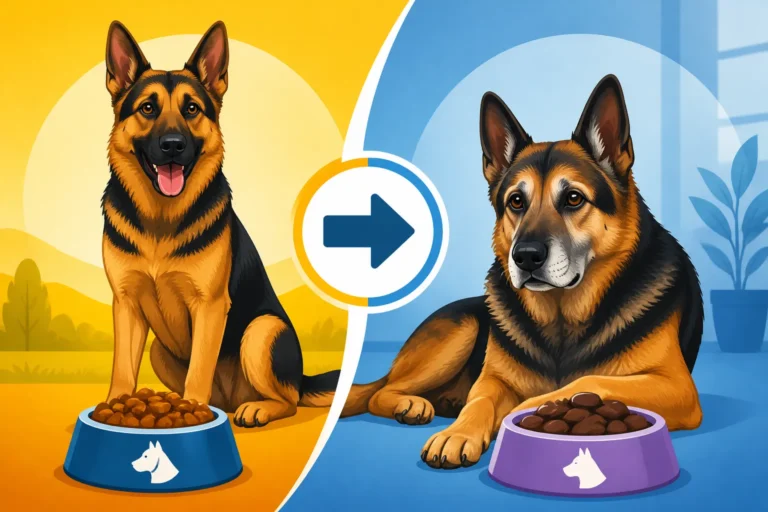
It’s easy to think that once your GSD hits 12 months, you just swap out the puppy kibble for adult kibble. However, it's not always a hard and fast rule. Many large and giant breeds, like German Shepherds, continue to grow and mature past their first birthday, often reaching full physical maturity closer to 18-24 months. While their rapid bone and muscle development has largely slowed by a year, they are still filling out and solidifying. Puppy foods are typically higher in calories, fat, and certain nutrients like calcium and phosphorus to support that explosive early growth. Continuing on puppy food for too long, especially for a large breed, can lead to excessive weight gain or even developmental orthopedic issues due to too much calcium impacting bone density.
On the other hand, switching too early to a standard adult formula might leave them slightly lacking if they're still in a significant growth phase. The general recommendation is to transition between 12 and 18 months, often gradually, mixing the old food with the new over a week or two to avoid digestive upset. Always check with your vet for their specific recommendation based on your dog's individual development. Products formulated for "large breed puppies" are usually designed to support slower, more controlled growth, making the transition to adult food potentially smoother.
Key Nutrients for a Young Adult German Shepherd
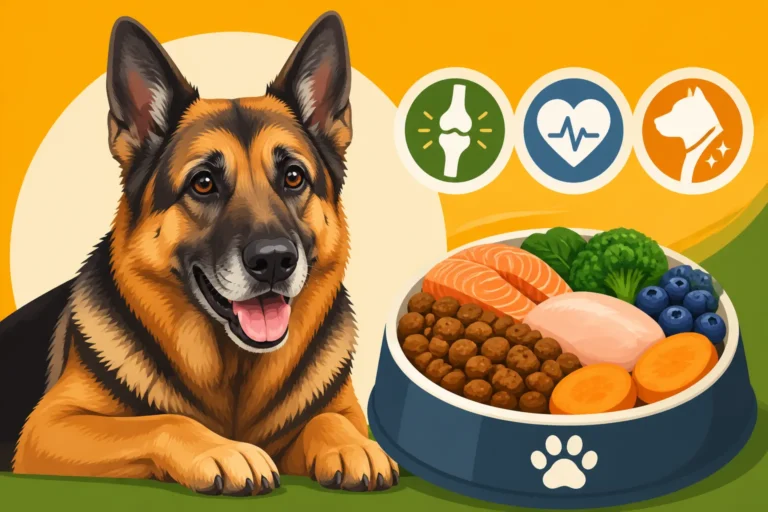
As your German Shepherd matures, their diet needs to support their impressive musculature, maintain healthy joints, and fuel their high energy levels. The focus shifts from sheer growth to maintenance and sustained vitality.
- Protein: German Shepherds are athletic dogs with significant muscle mass. High-quality protein sources, such as chicken, beef, lamb, and fish, are crucial for muscle maintenance and repair. Look for foods where a named meat source is the first ingredient. A healthy adult GSD typically thrives on a diet with around 22-26% crude protein, though working dogs might need slightly more.
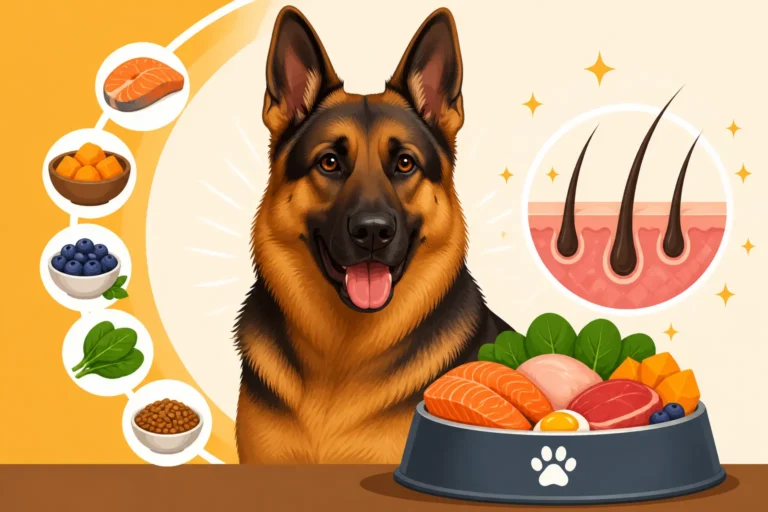
- Fats: Healthy fats are an excellent source of concentrated energy and are vital for skin and coat health, as well as nutrient absorption. Omega-3 and Omega-6 fatty acids are particularly important. Sources like fish oil, flaxseed, and chicken fat are beneficial. Aim for crude fat content in the 12-18% range, again, adjusting for activity level.
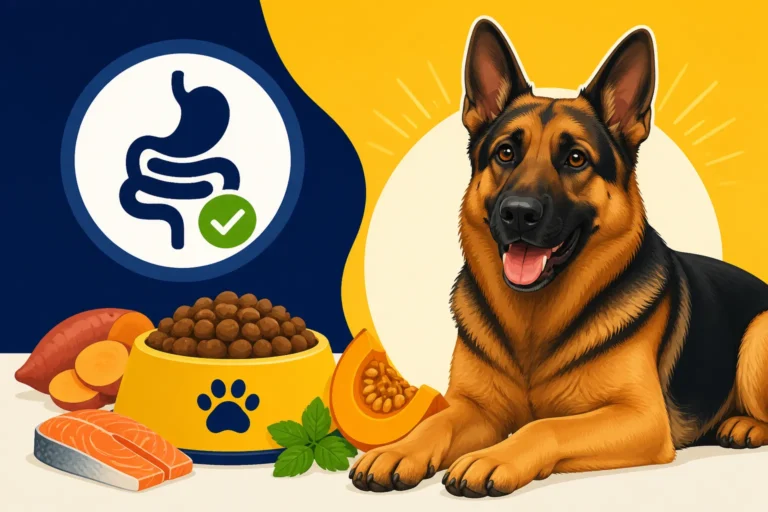
- Carbohydrates: These provide readily available energy for your active GSD. Complex carbohydrates like sweet potatoes, brown rice, and oats offer sustained energy and essential fiber for digestive health. Avoid excessive fillers like corn or soy, which can be difficult for some dogs to digest.
- Vitamins and Minerals: A balanced array of vitamins and minerals supports everything from immune function to bone health. Pay particular attention to glucosamine and chondroitin, often included in large breed formulas to support joint health – a common concern for German Shepherds. These are often highlighted in products designed for German Shepherd joint health.
- Fiber: Adequate fiber helps maintain a healthy digestive system, aids in nutrient absorption, and helps regulate blood sugar. Good sources include fruits, vegetables, and whole grains.
For a deeper dive into the overall health picture, consider reading our comprehensive guide on German Shepherd Health Problems Guide.
Recognizing Individual Differences in Metabolism and Activity
No two German Shepherds are exactly alike, and their individual metabolic rates and activity levels play a huge role in how much food they actually need. You might have two 1-year-old GSDs of the same sex and similar weight, but one is a couch potato (relatively speaking for a GSD!) and the other is a high-drive working dog.
Think about your own GSD:
- Energy Level: Is your dog constantly on the go, running, playing fetch for hours, or engaging in advanced training like agility or Schutzhund? Or do they enjoy shorter walks and more relaxed indoor playtime? A highly active dog will naturally burn more calories and require more food than a less active one. Our article on How Much Exercise Does an Adult German Shepherd Need can help you gauge if your dog is getting enough activity.
- Metabolism: Just like people, some dogs have faster metabolisms than others. Some dogs can eat seemingly endless amounts and stay lean, while others put on weight easily. This is often an inherited trait.
- Body Condition: This is perhaps the most critical factor. You should be able to easily feel your dog's ribs, but not see them protruding. There should be a visible waist tuck when viewed from above, and an abdominal tuck when viewed from the side. If you're struggling to feel the ribs, your dog might be overweight. If their ribs, spine, or hip bones are clearly visible, they might be underweight. Regular body condition scoring is far more accurate than relying solely on a number on a scale.
Adjusting their food intake based on these individual factors, rather than a generic guideline, is key to maintaining a healthy weight and preventing issues like German Shepherd Weight and Obesity Risks.
Calculating the Right Food Portions for a 1-Year-Old German Shepherd
Once you understand the nutritional building blocks, the next hurdle is figuring out the "how much" – the daily portion size. This isn't as simple as just scooping, as bag recommendations can be quite broad and don't always account for individual needs or specific food densities.
Deciphering Dog Food Labels and Feeding Guides
Every bag of dog food comes with a feeding chart, usually located on the back. These charts typically provide a range of food (in cups or ounces) based on your dog's weight. For example, a bag might suggest 3-4 cups per day for a 70-pound dog.
Here’s the catch:
- "Typical" Activity Level: Most charts are based on an "average" adult dog, which might not reflect your German Shepherd's actual activity level. A highly active GSD could need significantly more, while a less active one might need less.
- Calorie Density Varies: Not all dog foods are created equal in terms of calorie density. A cup of one premium kibble might have 400 calories, while a cup of another brand could have only 300. This difference can drastically impact how many cups your dog actually needs. This is where researching specific brands like Purina Pro Plan for German Shepherds or Royal Canin German Shepherd formulations comes in handy, as their specific feeding guides are tailored to their product's caloric content.
- Weight Ranges: The charts often use broad weight ranges, and your 1-year-old GSD might be at the lower or upper end of one. If your dog is 70 pounds and the chart covers 60-80 pounds, the recommended amount might be a compromise.
Always start with the lower end of the recommended range for your dog's ideal adult weight (not their current weight if they are overweight or underweight) and then adjust based on their body condition. It's a starting point, not a strict bible.
Factors Influencing Daily Calorie Intake
Beyond the general guidelines, several specific factors should make you consider adjusting your GSD's daily caloric intake.
- Activity Level: This cannot be stressed enough. A German Shepherd that trains for IGP or spends hours hiking trails needs significantly more calories than one who enjoys leisurely walks around the block. If your dog is highly active, you might need to increase their food by 10-20% compared to the bag's general recommendation. Conversely, for a less active dog, a 10-15% reduction might be appropriate.
- Metabolism: As mentioned before, some dogs just burn calories faster. If your GSD struggles to maintain weight despite eating the recommended amount, a slight increase might be needed. If they gain weight easily, a reduction is in order.
- Spay/Neuter Status: Spaying or neutering can slightly alter a dog's metabolism, often leading to a tendency to gain weight. If your 1-year-old has recently been spayed or neutered, keep a close eye on their weight and be prepared to slightly reduce their caloric intake to prevent unwanted weight gain.
- Environmental Temperature: Dogs living in colder climates might burn more calories to stay warm, especially if they spend a lot of time outdoors. Dogs in hot climates might have slightly reduced appetites.
- Overall Health: Illness, stress, or certain medications can affect appetite and metabolic rate. Always consult your vet if you notice sudden changes in appetite or weight. For concerns like German Shepherd Pancreatitis: Symptoms and Treatment, dietary adjustments are critical and must be veterinarian-guided.
Practical Tips for Measuring Food Accurately
Eyeballing portions is a recipe for disaster when it comes to consistent feeding and weight management. Precise measurement is key.
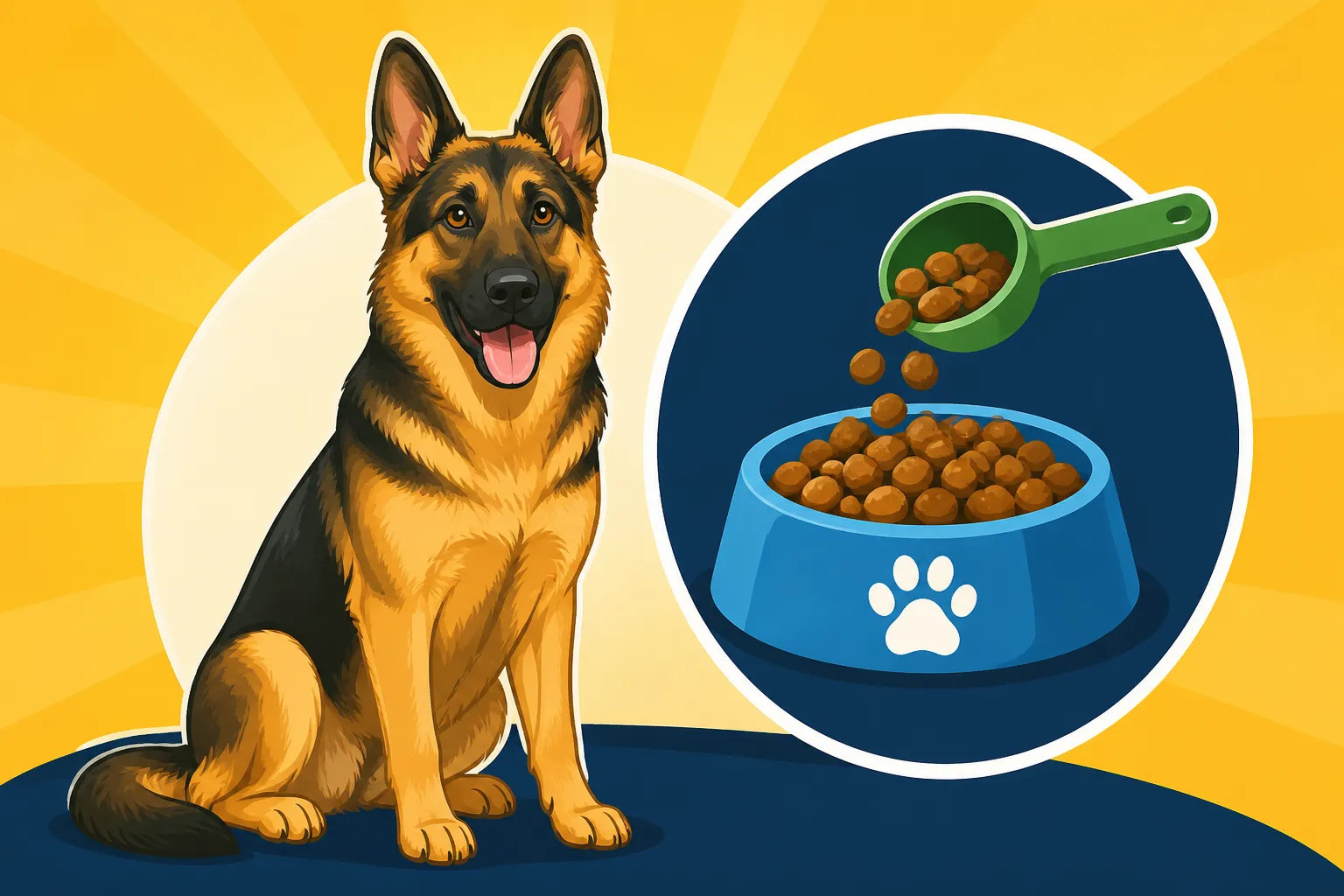
- Use a Standard Measuring Cup: A kitchen measuring cup (the kind you use for baking) is far more accurate than a random scoop that came with a bag of food. Volume can vary significantly between different types of kibble due to density and shape, so using the same measuring cup every time is important.
- Weighing Food: For ultimate accuracy, especially if your dog has specific dietary needs or struggles with weight, consider using a digital kitchen scale. This is the most precise way to ensure your dog is getting the exact amount of food and calories. Many high-quality dog foods, especially those on platforms like Chewy, will list caloric content per cup and per gram, making weighing incredibly straightforward.
- Consistency is Key: Feed the same amount at the same times each day. This helps your dog's digestive system stay regular and makes it easier to track if the portion size is correct for their body condition.
- Factor in Treats and Chews: Don't forget that treats, dental chews, and even training rewards contain calories! These should be factored into your dog's daily caloric intake. If you give a lot of treats, consider slightly reducing their meal portions. A good rule of thumb is that treats shouldn't make up more than 10% of their daily calories.
Establishing a Consistent Feeding Schedule
German Shepherds thrive on routine, and feeding is no exception. A consistent schedule helps regulate their digestive system, manage their energy levels, and even reduce anxiety around meal times.
How Many Meals Per Day for a 1-Year-Old
While young puppies often need three or four meals a day, by 1-year-old, most German Shepherds do well on two meals per day. Some owners opt for one meal a day, but for a large breed like a GSD, splitting the daily ration into two meals offers several advantages:
- Bloat Prevention: Feeding two smaller meals rather than one large one can help reduce the risk of bloat (Gastric Dilatation-Volvulus), a life-threatening condition common in deep-chested breeds. Our guide on How to Prevent Bloat (GDV) in German Shepherds offers more critical information on this.
- Steady Energy Levels: Two meals spread throughout the day provide a more consistent energy supply, preventing extreme hunger or energy crashes.
- Digestive Comfort: Smaller, more frequent meals are often easier on the digestive system, leading to better nutrient absorption and fewer upset stomachs.
It’s often recommended to feed once in the morning and once in the evening, ideally 8-12 hours apart.
The Importance of Routine and Meal Timing
Dogs are creatures of habit. Establishing a firm feeding routine has numerous benefits for both you and your German Shepherd.
- Predictability: Your dog will learn when to expect food, reducing begging behaviors and helping them feel secure. This predictability can greatly reduce stress and anxiety related to food.
- Digestive Health: Regular meal times help regulate your dog's metabolism and digestive enzymes, leading to more efficient digestion and consistent bowel movements. You'll also find it easier to anticipate potty breaks!
- Behavior Management: Feeding your GSD at specific times means they're less likely to be ravenously hungry and potentially destructive between meals. It reinforces your role as the provider and leader.
- Monitoring: Consistent meal times allow you to monitor your dog's appetite. If they suddenly skip a meal or don't eat with their usual enthusiasm, it's often an early indicator that something might be off with their health.
Aim to feed at roughly the same times each day, even on weekends. If your schedule changes, try to adjust gradually. For example, if you normally feed at 7 AM and 5 PM, stick to that as closely as possible. If you need to shift to 8 AM and 6 PM, do so over a few days rather than abruptly.
Monitoring Weight and Adjusting Portions
Your dog's body condition is your ultimate guide. Even with all the calculations and careful measurements, a dog's needs can change. This is why regular monitoring is essential.
- Weekly Weight Checks (Optional but helpful): For the first few months after transitioning to adult food, weekly weight checks can be helpful, especially if you're uncertain about portions. Use a pet scale at your vet's office or a human scale (weigh yourself, then weigh yourself holding your dog, and subtract the difference).
- Monthly Body Condition Score: Far more practical for most owners is a monthly body condition assessment. As mentioned, feel their ribs, check for a waist, and observe their energy levels. Take photos every month to track changes over time.
- Adjusting as Needed: If your GSD is gaining too much weight, slightly reduce their daily food portion by about 5-10% and re-evaluate in a couple of weeks. If they are looking too lean, increase their portion by 5-10%. Make small, incremental changes rather than drastic ones. Remember to consult your vet if you're making significant changes or if you have concerns about sudden weight loss or gain.
Here's a quick reference table for body condition scoring:
| Score | Description | Appearance | Action Needed |
|---|---|---|---|
| 1 | Emaciated | Ribs, vertebrae, pelvic bones, and other bony prominences are evident from a distance. No discernible body fat. Obvious loss of muscle mass. | Urgent Vet Visit: Significant dietary intervention and medical evaluation required. |
| 2 | Very Thin | Ribs, vertebrae, and pelvic bones are easily visible. No palpable fat. Minimal loss of muscle mass. | Vet Visit Recommended: Discuss increasing food portions and monitor closely. |
| 3 | Thin | Ribs easily palpable and may be visible. Top lumbar vertebrae visible. Obvious waist and abdominal tuck. | Monitor Closely: Consider a slight increase in food if active. |
| 4 | Ideal/Healthy Weight | Ribs easily palpable without excess fat covering. Waist easily noted when viewed from above. Abdominal tuck evident. | Maintain Current Diet: This is the goal! |
| 5 | Overweight | Ribs palpable with slight difficulty; fat cover present. Waist discernible but not prominent. Abdominal tuck absent or minimal. | Slight Reduction: Reduce daily portion by 5-10% and increase exercise. Re-evaluate in 2-4 weeks. |
| 6 | Obese | Ribs not easily palpable; heavy fat cover. Waist absent. Obvious abdominal distention. Fat deposits over lumbar area and tail base. | Vet Visit Recommended: Discuss weight loss plan, potential dietary changes, and increased exercise regimen. |
| 7 | Severely Obese | Massive fat deposits over chest, spine, and tail base. Abdominal distention. No waist or abdominal tuck. | Urgent Vet Visit: Significant weight loss program required, potentially medically supervised. |
(Adapted from Purina Body Condition System)
This systematic approach will help you keep your 1-year-old German Shepherd in optimal condition as they grow into their adult body.
Choosing the Best Food for Your Young Adult German Shepherd
The market is flooded with dog food options, and it can be overwhelming to pick the right one. For a German Shepherd, making an informed choice is crucial for their long-term health, especially considering their predisposition to certain health issues.
What to Look for in a High-Quality Adult Dog Food
When scrutinizing dog food labels for your 1-year-old German Shepherd, keep these critical factors in mind:
- Named Meat as the First Ingredient: This is non-negotiable. Look for specific meats like "chicken," "beef," "lamb meal," or "salmon" as the very first ingredient. Generic terms like "meat meal" or "poultry by-product" are red flags. Meat meals (e.g., "chicken meal") are often superior to whole meats because the water content has been removed before processing, meaning they contain a higher concentration of protein.
- AAFCO Statement: Ensure the food has an AAFCO (Association of American Feed Control Officials) statement on the label. This confirms that the food is "complete and balanced" for a specific life stage, such as "maintenance of adult dogs" or "all life stages." Without this, the food is not guaranteed to meet your GSD's nutritional needs.
- Large Breed Specific Formulas: Many reputable brands offer formulas specifically designed for large breeds. These typically have appropriate calorie densities and a balanced calcium-to-phosphorus ratio to support slower, more controlled bone growth and help mitigate risks for orthopedic problems. They often include joint-supporting ingredients like glucosamine and chondroitin.
- Avoid Excessive Fillers and Artificial Additives: Steer clear of foods with a long list of artificial colors, flavors, and preservatives. While some preservatives are necessary, natural alternatives are preferable. Look for whole grains like barley, brown rice, and oats, or healthy carbohydrates like sweet potatoes and peas, rather than large amounts of corn, wheat, or soy, which can sometimes be allergens or harder to digest for some German Shepherds.
- Reputable Manufacturer: Choose brands with a strong history of research, quality control, and transparency. Brands like Purina Pro Plan, Royal Canin, Hill's Science Diet, and others often invest heavily in nutritional science. You can find many of these options conveniently on platforms like Amazon or Chewy, which often provide detailed ingredient lists and customer reviews. For a deep dive into specific brands, check out our guide on Best Dog Food for German Shepherds.
The Role of Specific Diets: Raw, Homemade, and Fresh-Cooked Options
Beyond commercial kibble, many GSD owners explore alternative feeding methods.
- Raw Diet (BARF or Prey Model): A raw diet, often referred to as BARF (Biologically Appropriate Raw Food) or Prey Model Raw, consists of uncooked meat, bones, organs, and sometimes vegetables. Proponents argue it's closer to a dog's ancestral diet, leading to better digestion, coat health, and energy. However, raw feeding requires extensive research to ensure nutritional completeness and safety. It carries risks of bacterial contamination for both dog and human, and an improperly balanced raw diet can lead to serious nutritional deficiencies or excesses. If considering this, consult a veterinary nutritionist experienced in raw feeding.
- Homemade Cooked Diets: Cooking your dog's food at home gives you complete control over ingredients. This can be beneficial for dogs with severe allergies or sensitive stomachs. However, like raw diets, homemade cooked diets must be balanced correctly. Simply feeding cooked chicken and rice will lead to nutrient deficiencies over time. You'll need to work with a veterinary nutritionist to develop a balanced recipe that includes all necessary vitamins, minerals, fats, and proteins. Companies like Ollie offer fresh-cooked, vet-formulated meal plans that can be a good middle ground, providing the benefits of fresh food without the hassle of balancing it yourself.
- Fresh-Cooked/Human-Grade Options: A growing trend involves subscription services that deliver fresh, human-grade, cooked dog food. These diets, often formulated by veterinary nutritionists, aim to combine the convenience of commercial food with the perceived health benefits of fresh ingredients. These can be an excellent option for German Shepherds, particularly those with sensitivities or who simply thrive on less processed foods.
Regardless of the diet type, ensure it's balanced and appropriate for your 1-year-old GSD's life stage and health needs. An improperly balanced diet can lead to serious health issues down the road. For more on overall nutrition, consider our article on German Shepherd Nutrition Essentials.
Considering Supplements for Joint Health and Digestion
Even with a high-quality diet, some German Shepherds can benefit from targeted supplementation, especially given their genetic predisposition to certain conditions.
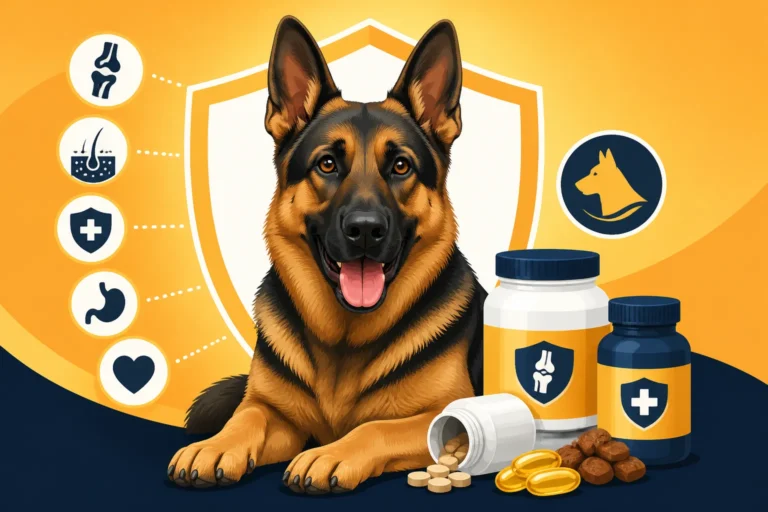
- Joint Supplements: German Shepherds are notoriously prone to hip and elbow dysplasia. Starting joint supplements early, even at 1 year old, can be a proactive measure. Look for supplements containing glucosamine, chondroitin, and MSM. Omega-3 fatty acids (like fish oil) are also excellent for reducing inflammation and supporting overall joint health. These ingredients are commonly found in reputable brands of German Shepherd Joint Health Supplements.
- Probiotics and Prebiotics: For GSDs with sensitive stomachs or prone to digestive upset, probiotics and prebiotics can support a healthy gut microbiome. A balanced gut aids digestion, nutrient absorption, and immune function. You might notice your dog having German Shepherd Loose Stool: Common Causes, which could indicate a need for digestive support.
- Omega Fatty Acids (Beyond Joints): Omega-3s and -6s are not just for joints; they are crucial for skin and coat health, reducing inflammation throughout the body, and supporting cognitive function. High-quality fish oil is a popular choice.
Always consult your veterinarian before adding any supplements to your dog's diet. They can help you choose appropriate products and dosages based on your GSD's specific needs and health profile.
Common Feeding Mistakes and How to Avoid Them
Even with the best intentions, it's easy to fall into common feeding traps that can undermine your German Shepherd's health. Awareness is the first step to avoidance.
Overfeeding and Underfeeding Risks
The most common feeding mistake is simply getting the quantity wrong. Both overfeeding and underfeeding carry significant risks for a growing and maturing German Shepherd.
-
Overfeeding: This is perhaps the most prevalent issue. Excess calories lead to overweight and obesity, which is a gateway to numerous health problems. Obese German Shepherds are at a significantly higher risk for:
- Joint Problems: Exacerbated hip and elbow dysplasia, arthritis, and increased stress on existing orthopedic issues.
- Diabetes: Chronic inflammation and insulin resistance.
- Heart Disease: Increased strain on the cardiovascular system.
- Reduced Lifespan: Studies consistently show that maintaining an ideal weight can significantly extend a dog's life.
- Decreased Mobility and Quality of Life: Overweight dogs are less active, struggle with heat, and often experience discomfort.
Remember to revisit the body condition score regularly. If you find your dog is consistently tipping towards being overweight, it's time to incrementally cut back on portions and increase activity.
-
Underfeeding: While less common, underfeeding can also be detrimental, especially for an active, still-growing GSD. An underweight dog may:
- Lack Energy: Affecting their ability to train, play, and enjoy life.
- Have a Compromised Immune System: Making them more susceptible to illness.
- Experience Muscle Wasting: Reducing their strength and athleticism.
- Suffer from Nutrient Deficiencies: Leading to long-term health complications.
If your GSD appears too thin despite eating the recommended amount, first ensure they aren't experiencing any health issues (like Exocrine Pancreatic Insufficiency, or EPI, which is common in GSDs and leads to malabsorption – see How to Manage EPI in a German Shepherd), then consider increasing their food slightly and observing their condition.
The Dangers of Table Scraps and Unsafe Foods
It's hard to resist those big, brown German Shepherd eyes pleading for a bite of your dinner. However, feeding table scraps is one of the quickest ways to unbalance their diet and introduce dangerous substances.
- Nutritional Imbalance: Human food is generally not formulated for canine nutritional needs. Even small amounts can throw off the carefully balanced nutrients in their dog food, leading to deficiencies or excesses over time.
- Toxic Foods: Many common human foods are highly toxic to dogs, even in small quantities. These include chocolate, grapes, raisins, onions, garlic, xylitol (a common artificial sweetener), avocado, and macadamia nuts.
- Pancreatitis: Fatty foods, often found in human meals, can trigger pancreatitis, a painful and potentially life-threatening inflammation of the pancreas.
- Choking Hazards/Bones: Cooked bones can splinter and cause internal damage or choking. Small, hard items can also be choking hazards.
- Behavioral Issues: Feeding from the table encourages begging, resource guarding, and can make your dog picky about their own food.
It's best practice to avoid feeding any human food unless it's a known, safe vegetable (like plain cooked carrots or green beans) given in very small, measured quantities as a treat, and accounted for in their daily calorie intake.
Addressing Picky Eaters and Fast Eaters
Both extremes in eating habits present their own challenges with German Shepherds.
-
Picky Eaters: If your 1-year-old GSD suddenly becomes a picky eater, first rule out any underlying medical issues with a vet visit. If given a clean bill of health, often the "pickiness" is a learned behavior. Here's how to address it:
- Stick to a Schedule: Offer food for 10-15 minutes, then pick it up, even if they haven't eaten. Don't offer anything else until the next scheduled meal. This teaches them to eat when food is available.
- Avoid Constant Food Changes: Don't keep switching foods to entice them. This only reinforces the picky behavior.
- Limit Treats: Reduce or eliminate treats and table scraps.
- Enhance Appeal: Sometimes, simply adding a little warm water or a vet-approved, low-sodium broth to kibble can make it more palatable. For more ideas on managing a sensitive stomach, read our article on German Shepherd Sensitive Stomach Solutions.
-
Fast Eaters: Gulping down food too quickly can be dangerous, especially for German Shepherds, due to the increased risk of bloat. This is a critical concern, as discussed in German Shepherd Bloat (GDV): Symptoms and Treatment.
- Slow Feeder Bowls: These bowls have obstacles or ridges that force your dog to eat around them, significantly slowing down their intake. Many excellent options are available on Chewy or Amazon.
- Puzzle Feeders: These toys dispense kibble slowly as your dog interacts with them, making mealtime a mental exercise as well.
- Spread Food Out: You can spread their meal across a large baking sheet or even scatter it in a clean, designated area of the yard.
- Multiple Small Bowls: Divide their meal into two or three smaller bowls placed a few feet apart, forcing them to walk between them.
By proactively addressing these common feeding mistakes, you'll set your 1-year-old German Shepherd up for a lifetime of good health and enjoyable mealtimes.
Disclaimer
The information provided in this article is for general informational purposes only and is not a substitute for professional veterinary advice. Always consult with your veterinarian for any health concerns or before making any changes to your German Shepherd's diet, exercise, or medical care.