How Often to Brush a German Shepherd
German Shepherd coat maintenance requires daily brushing sessions and increased grooming frequency during seasonal shedding periods to manage loose fur.
The daily stuff, done right.
Feeding amounts by life stage, coat and skin routines, dental and nail care, exercise needs, and what changes as they age.

German Shepherd coat maintenance requires daily brushing sessions and increased grooming frequency during seasonal shedding periods to manage loose fur.

German Shepherd grooming requires specific tools like undercoat rakes and slicker brushes to manage the dual-layer system and prevent shedding mats.
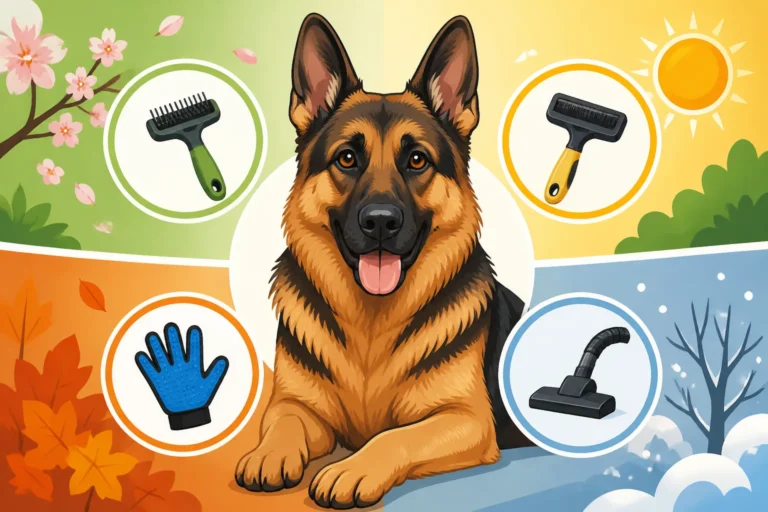
German Shepherd shedding management requires proper brushing, correct bathing routines, and targeted nutrition for a healthy double coat.

German Shepherd human food options include safe fruits, plain meats, and vegetables, plus preparation guidelines and toxic items to avoid.
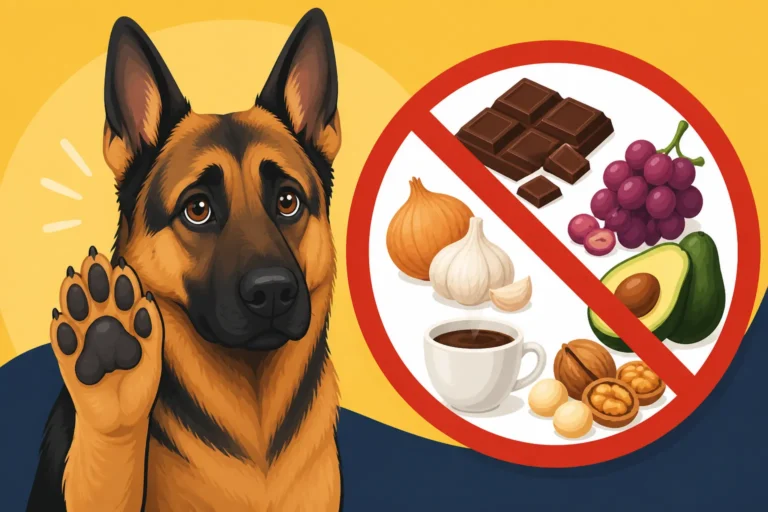
Common toxic foods for German Shepherds include chocolate, grapes, onions, xylitol, alcohol, and macadamia nuts. Learn symptoms and prevention strategies.

Properly prepared fish types give German Shepherds omega-3 fatty acids and lean protein for joint health, skin care, and muscle development.

German Shepherd dietary guidelines explain safe egg preparation methods, nutritional benefits, and allergy risks for canine health.

Plain cooked rice provides a safe dietary supplement for German Shepherds experiencing digestive upset or needing temporary recovery support.
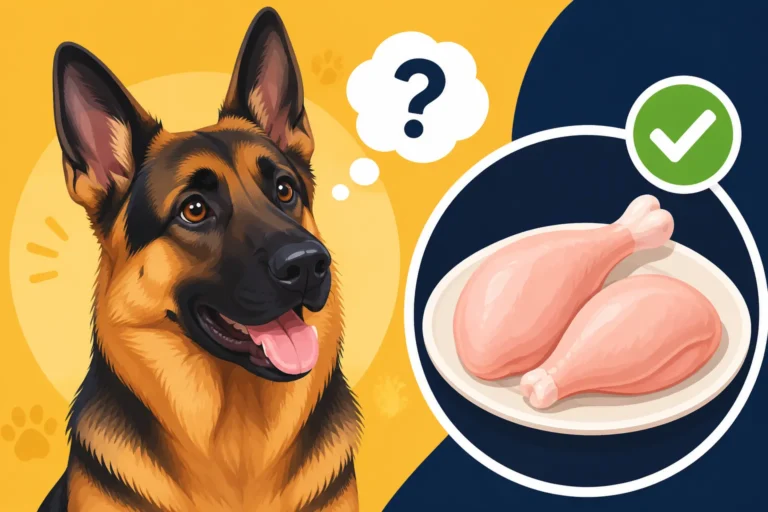
German Shepherd nutrition featuring chicken provides lean protein and vitamins, but requires safe cooking, proper portioning, and allergy awareness.

Homemade German Shepherd food recipes provide tailored ingredients and balanced nutrition to address allergies and manage specific dietary needs safely.