German Shepherd IGP Sport Explained
German Shepherd IGP sport training tests tracking, obedience, and protection, building discipline and an unbreakable bond between handler and dog.
Work with the temperament you have.
House-training and crate work, recall, leash manners, separation anxiety, and the behaviors this breed is wired for.

German Shepherd IGP sport training tests tracking, obedience, and protection, building discipline and an unbreakable bond between handler and dog.
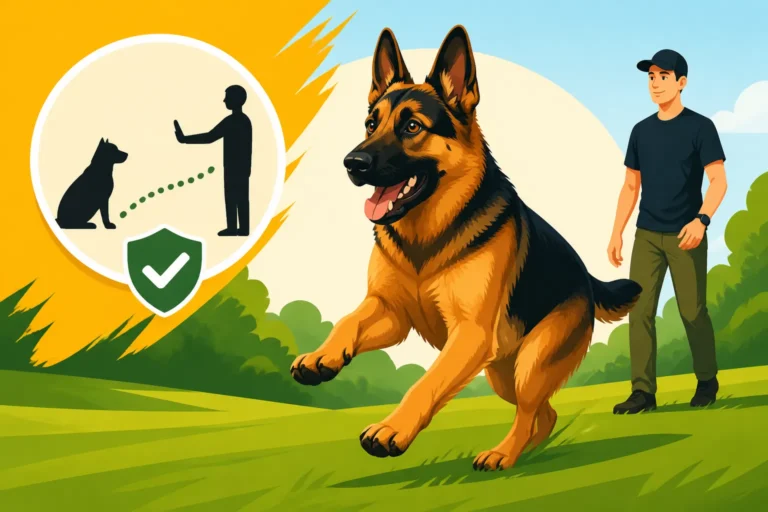
German Shepherd off-leash training requires foundational obedience, mastering the recall command, and safely transitioning through controlled environments.

German Shepherd guarding behavior stems from natural protective instincts and can involve resource protection, territorial defense, or family protection.
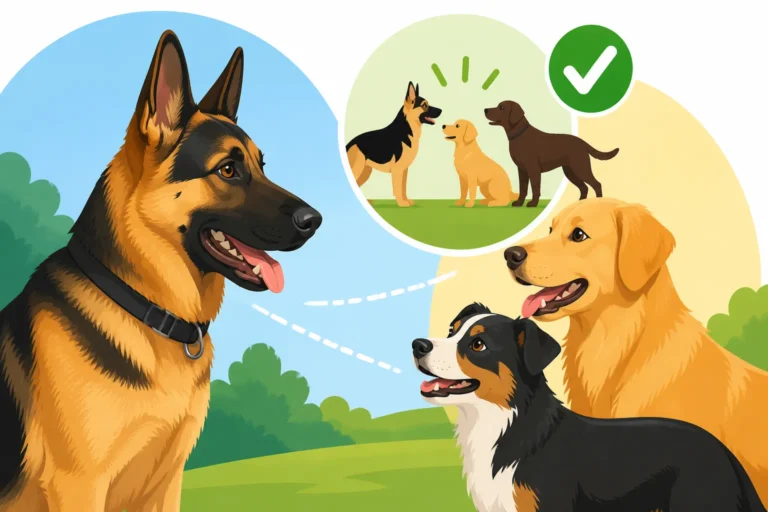
German Shepherd temperament, stress signals, and neutral territory methods ensure safe, successful canine introductions for your protective dog.
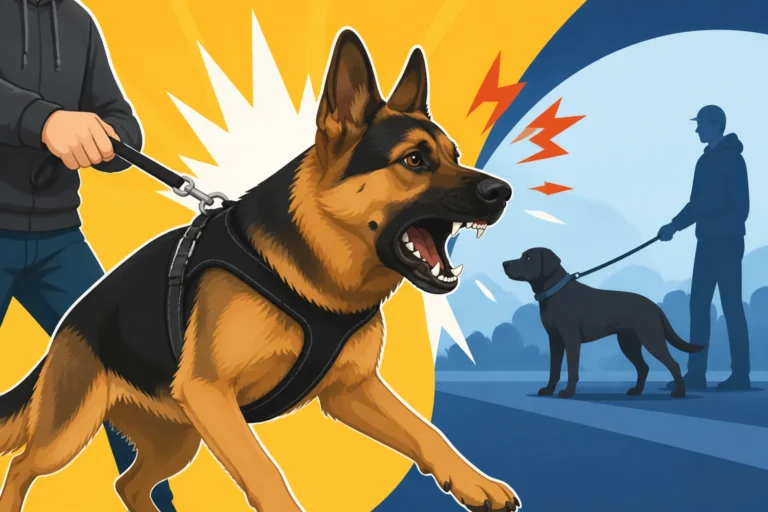
German Shepherd reactivity during walks stems from fear or genetics, requiring practical management and training techniques to navigate triggers safely.

German Shepherd leadership depends on consistent rules and positive reinforcement to build trust, prevent behavioral issues, and guide your dog.
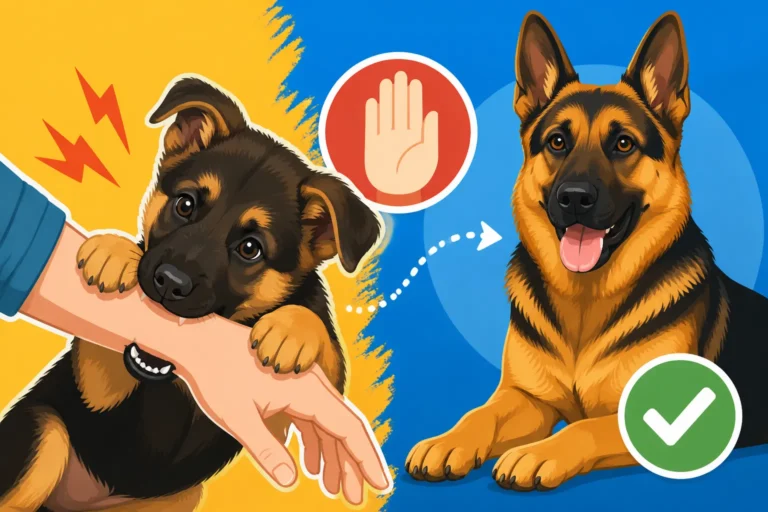
German Shepherd puppy biting behavior and teething phases require patience, chew toy redirection, and consistent bite inhibition training methods.
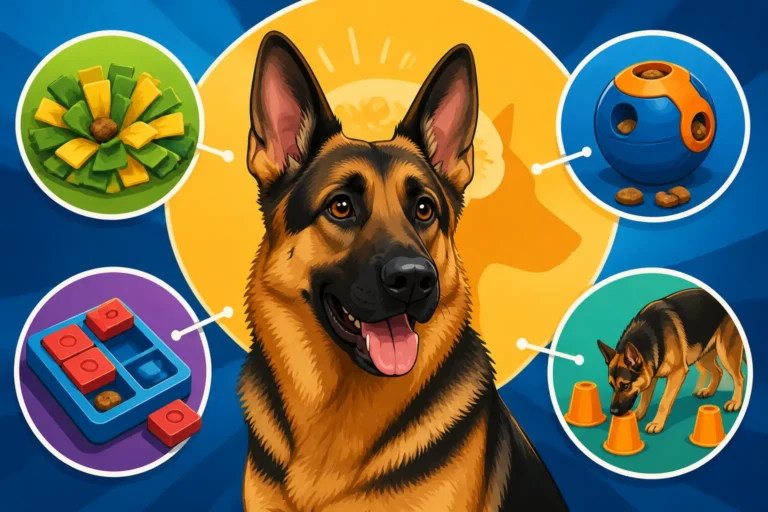
German Shepherd mental stimulation requires puzzle toys, scent work, and advanced obedience to prevent boredom and destructive behaviors.

German Shepherd exercise requirements vary by age, detailing puppy limits, adult needs of two daily hours, and senior care adjustments.
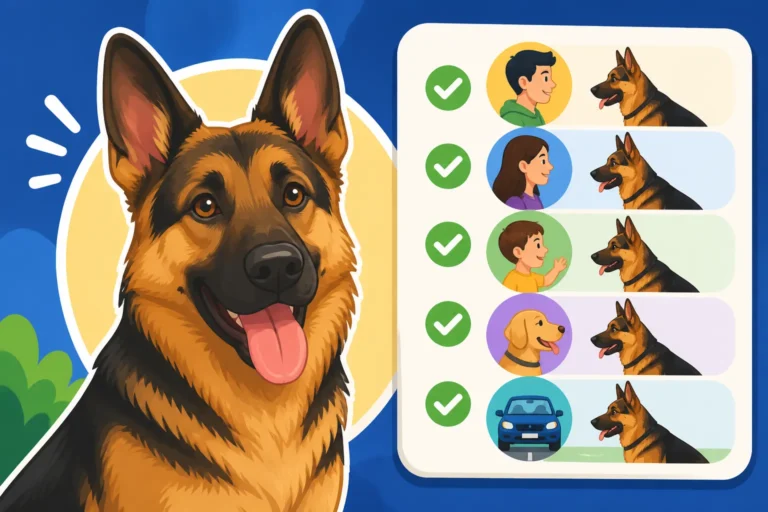
German Shepherd socialization checklists explain how owners safely expose puppies to new people, animals, and environments to build lifelong confidence.