Do German Shepherds Shed a Lot
Let's be real: if you're a German Shepherd owner, or considering becoming one, one of the first things people often ask, or that you quickly discover for yourself, is just how much these magnificent dogs shed. The short answer is, yes, German Shepherds shed. A lot. But it's not just a simple "yes" or "no" answer; it's a deep dive into understanding their unique coat, their natural cycles, and what you can do to manage the furry tumbleweeds that inevitably become part of your home décor. This guide is all about giving you the realistic rundown on German Shepherd shedding and equipping you with the knowledge and strategies to navigate it like a pro.
Understanding the German Shepherd Double Coat and Its Shedding Reality
The German Shepherd is renowned for its striking appearance, intelligence, and protective instincts. Part of that iconic look comes from its dense, beautiful coat. But this isn't just any dog coat; it's a marvel of natural engineering known as a double coat. And understanding this double coat is absolutely fundamental to grasping why they shed the way they do.
The Anatomy of a Double Coat
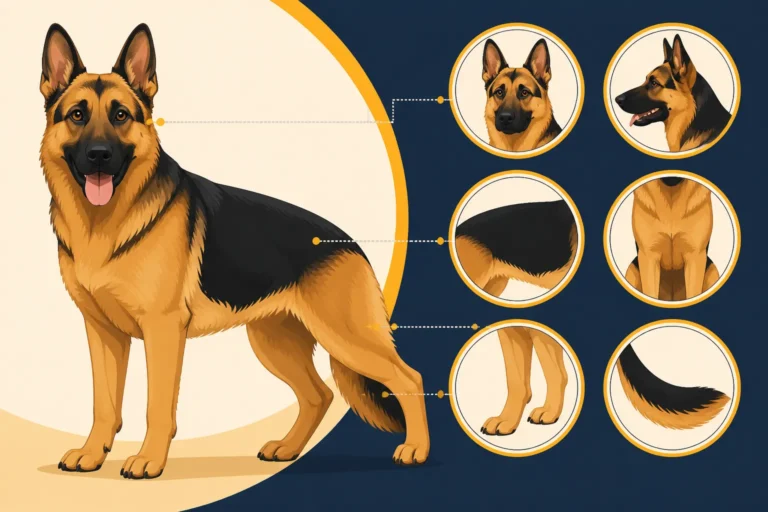
Imagine two distinct layers working in harmony. That's essentially what a German Shepherd's double coat is. The outer layer, often called the guard coat or topcoat, consists of coarser, stiffer hairs. These hairs are designed to be somewhat water-resistant and provide protection from the elements—think rain, snow, and even UV rays. They give the German Shepherd its distinctive coloring and texture.
Beneath this protective outer layer lies the undercoat. This is where the real shedding magic (or mayhem, depending on your perspective!) happens. The undercoat is made up of soft, dense, downy fur that acts as an insulating layer. In colder weather, it traps warm air close to the body, keeping your German Shepherd cozy. In warmer weather, this same undercoat helps to keep them cool by preventing heat from penetrating their skin directly. It's truly an amazing system, but it comes with a trade-off: a lot of that soft, dense fur needs to be shed regularly to maintain its functionality. You can learn more about this in German Shepherd Double Coat Explained.
Why So Much Shedding? It's All About Adaptation
The primary reason German Shepherds shed so much is directly linked to their double coat and their evolutionary need to adapt to different climates. Wild canids, from which dogs are descended, rely on their coats to regulate their body temperature. As seasons change, so does the thickness and density of their undercoat. When temperatures rise, they need to shed the excess winter insulation to prevent overheating. Conversely, as winter approaches, they'll shed thinner fur to make way for a denser, warmer coat.
This natural cycle, while essential for their well-being, means that shedding is an ongoing process. You'll notice loose hairs year-round, not just during specific seasons. It's a constant renewal, a sign of a healthy, functioning coat. So, when you see those little tufts of fur floating around, try to remember it's your German Shepherd's body doing exactly what it's supposed to do to stay comfortable and healthy. It doesn't make cleaning up any less work, but it might help you appreciate the biological wonder that is your furry friend!
The "Blow Coat" Phenomenon: Seasonal Shedding Explained
While German Shepherds shed throughout the year, there are two distinct periods when the shedding escalates dramatically, seemingly overnight. This intense, heavy shedding is affectionately (or perhaps exasperatedly) known as "blowing their coat." If you've never experienced it, prepare yourself – it's quite a spectacle.
What Happens During a "Blow Coat"
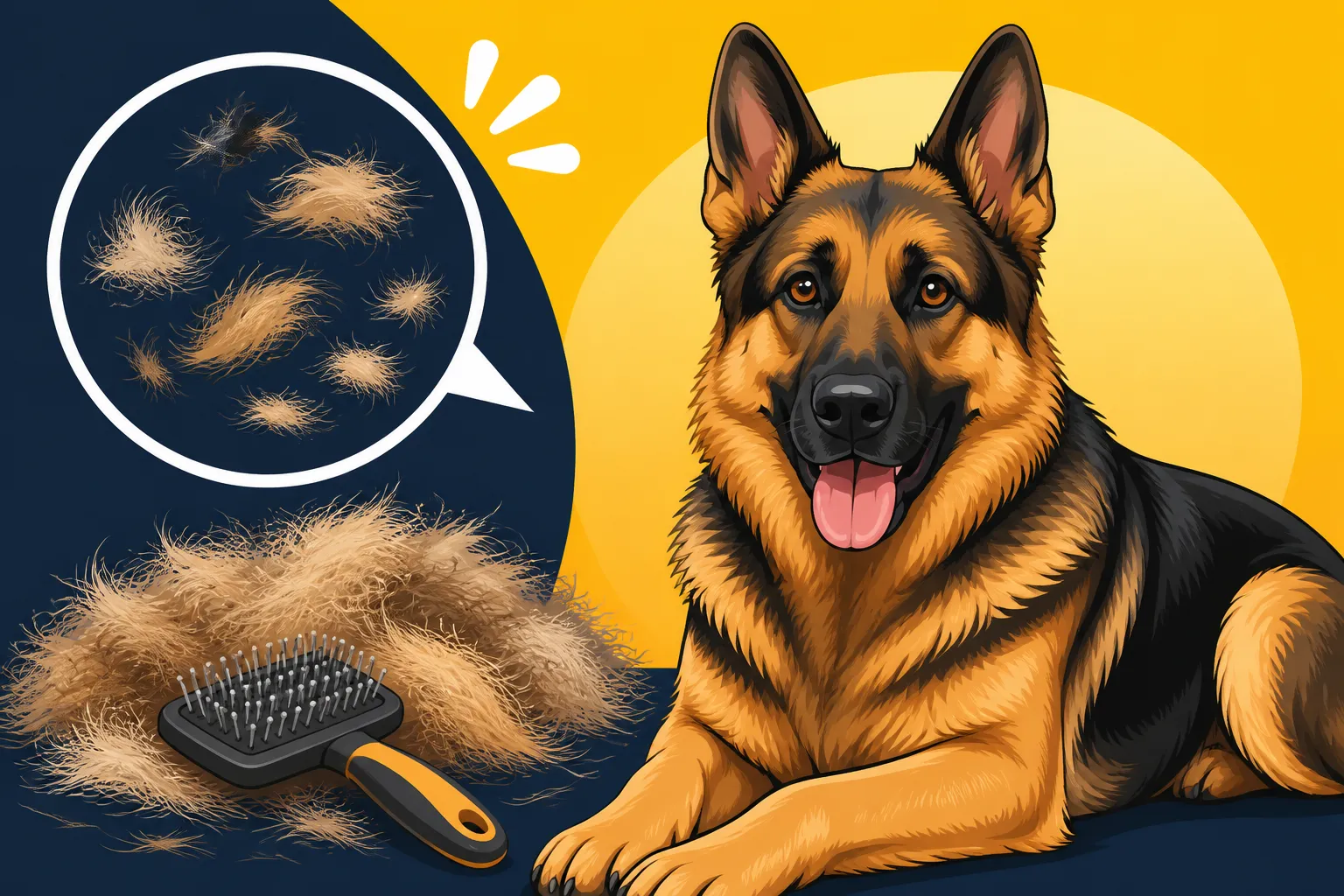
A German Shepherd's "blow coat" typically occurs twice a year: once in the spring as the weather warms up, and again in the fall as temperatures begin to drop. During the spring blow, your dog sheds its thick, heavy winter undercoat to make way for a lighter, thinner summer coat. This is crucial to prevent overheating during the hotter months. The amount of fur that comes out can be astonishing. It's not uncommon to fill entire grocery bags with the fluff you brush off your dog.
In the fall, the process reverses. Your German Shepherd will shed its lighter summer undercoat to grow a thicker, denser winter undercoat. This new coat will provide vital insulation against the cold. While often less dramatic than the spring shed, the fall blow coat is equally important for their seasonal adaptation. During these periods, you'll find fur everywhere – on your clothes, furniture, floors, and probably even in your coffee. It's a reality check for any German Shepherd owner!
Duration and Intensity of Seasonal Shedding
The duration and intensity of a German Shepherd's blow coat can vary based on several factors, including climate, individual genetics, and even diet. In general, each blowing period can last anywhere from a few weeks to a couple of months. During this time, daily brushing is not just recommended; it's practically mandatory to keep up with the sheer volume of loose fur. Missing a day can feel like falling a week behind.
For example, if you live in an area with very distinct seasons, you might experience a more pronounced blow coat than someone in a more temperate climate where the temperature changes are less extreme. Dogs that spend a lot of time outdoors might also have a more dramatic seasonal shed, as their bodies are more directly exposed to and responsive to environmental temperature cues. Don't be surprised if your dog looks noticeably slimmer after a thorough deshedding session during these times – that's just how much undercoat they can carry! This intense shedding is a key aspect of German Shepherd Shedding: How to Manage It.
Practical Strategies for Managing German Shepherd Shedding Year-Round
Living with a German Shepherd means embracing the fur. However, "embracing" doesn't mean letting it take over your home! There are highly effective strategies you can implement to manage shedding and keep your dog comfortable and your living space a little tidier. Consistency is key, especially when dealing with such a heavy-shedding breed.
Regular Grooming: Brushing is Your Best Friend
This is, without a doubt, the most important tool in your shedding management arsenal. Regular brushing helps remove loose fur before it has a chance to settle on your furniture or float through the air. For a German Shepherd, "regular" often means daily, especially during blow coat season.
Here’s a breakdown of essential grooming practices:
- Brushing Frequency: Aim for daily brushing for at least 15-30 minutes during heavy shedding periods. During non-shedding times, 2-3 times a week might suffice, but more is always better.
- The Right Tools: You'll need a combination of tools for that dense double coat:
- Undercoat Rake: This tool is designed to penetrate the topcoat and gently pull out the loose undercoat without damaging the guard hairs. This is your primary weapon against the blow coat.
- Slicker Brush: Great for removing tangles and loose fur from the topcoat and surface layers.
- Pin Brush: Excellent for general grooming and distributing natural oils, giving the coat a healthy shine.
- Deshedding Tool: Brands like Furminator offer specialized deshedding tools that can be highly effective at removing large amounts of undercoat. Just be cautious not to overdo it, as excessive use can irritate the skin. You can find a wide variety of these essential grooming supplies, from brushes to shampoos, on reputable pet supply sites like Chewy.
- Technique: Always brush in the direction of hair growth. Start with an undercoat rake to get to the dense undercoat, then follow up with a slicker or pin brush to smooth the topcoat and remove any remaining loose hairs. Make sure to get all the way down to the skin, but be gentle to avoid skin irritation. A good brushing session is also an excellent opportunity for you to bond with your dog! For more in-depth guidance, check out How to Deshed a German Shepherd and Best Brush for a German Shepherd Double Coat.
Bathing and Drying Techniques
Bathing can also help loosen and remove dead undercoat, especially during shedding seasons. However, you need to be careful not to bathe your German Shepherd too frequently, as this can strip their coat of natural oils and lead to dry, irritated skin.
- Frequency: Aim for a bath every 1-3 months, or when they are visibly dirty. More frequent baths may be necessary during intense shedding to help release loose hair.
- Shampoo Choice: Use a high-quality dog shampoo formulated for shedding control or sensitive skin. Avoid human shampoos, which can upset their skin's pH balance.
- Thorough Rinsing: It's crucial to rinse thoroughly to prevent shampoo residue from irritating the skin, which can actually worsen shedding or cause skin problems.
- Drying: This is perhaps the most important part. A German Shepherd's thick double coat can take a very long time to air dry, creating a breeding ground for bacteria and hot spots. Use a high-velocity pet dryer to blow out as much loose undercoat as possible while drying. This is incredibly effective at removing trapped fur and significantly reducing subsequent shedding. If you don't have a pet dryer, towel dry as much as you can, then consider taking them for a walk or playing vigorously to help the drying process, but avoid leaving them damp for extended periods.
Nutritional Support and Supplements
What goes into your German Shepherd can significantly impact the health of their coat and, by extension, their shedding. A high-quality diet provides the necessary nutrients for strong, healthy hair follicles.
- High-Quality Food: Feed a premium dog food that lists real meat as the first ingredient. Look for formulas rich in Omega-3 and Omega-6 fatty acids, as these are crucial for skin and coat health. These fatty acids help maintain a healthy skin barrier and a shiny, less brittle coat, which can reduce excessive shedding caused by poor coat condition.
- Supplements: Consider adding Omega-3 fatty acid supplements, such as fish oil, to their diet. These can dramatically improve coat health, reduce dryness, and minimize non-seasonal shedding. Biotin and other skin and coat supplements can also be beneficial. Always consult your vet before adding any supplements to your dog's diet. German Shepherd Joint Health Supplements and Best Joint Supplements for Senior German Shepherds might also contain beneficial ingredients for coat health.
Professional Grooming Services
Sometimes, you just need a professional hand. A professional groomer has specialized tools, powerful dryers, and expertise in handling double-coated breeds. They can often do a more thorough deshedding job in a single session than you might be able to achieve at home, especially during heavy blow coat periods. This can be a huge relief for both you and your dog. They often use techniques like "power bathing" and high-velocity drying to blast out loose undercoat, which is incredibly effective.
Here's a handy table summarizing shedding management strategies:
| Strategy | Description | Frequency (Approx.) | Key Tools/Considerations |
|---|---|---|---|
| Brushing | Removes loose fur, prevents mats, stimulates skin oils | Daily (blow coat), 2-3x/week (normal) | Undercoat rake, slicker brush, pin brush, deshedding tool |
| Bathing | Loosens dead undercoat, cleans skin and coat | Every 1-3 months, or as needed | Deshedding shampoo, high-velocity dryer, thorough rinsing |
| Nutrition | Supports healthy skin and coat from within | Daily (with meals) | High-quality dog food, Omega-3 supplements (e.g., fish oil) |
| Professional Grooming | Deep deshedding, specialized tools, expert handling | Quarterly, or as needed for blow outs | Professional groomer, specialized dryers, baths |
| Home Maintenance | Manages residual fur in the environment | Daily (vacuuming), as needed (lint) | Powerful vacuum cleaner, lint rollers, washable furniture covers |
These combined efforts will not eliminate shedding entirely – that's simply not possible for a German Shepherd – but they will make it much more manageable and significantly reduce the amount of fur you find around your home. For more on year-round care, see How to Manage German Shepherd Shedding Year-Round.
Beyond Normal Shedding: When to Consult Your Vet
While heavy shedding is a normal part of owning a German Shepherd, there are times when excessive hair loss, or changes in coat condition, can signal an underlying health issue. Knowing when to simply grab your brush and when to pick up the phone to call your vet is crucial for your dog's well-being.
Signs That Shedding Might Indicate a Problem
Normal shedding typically results in an even distribution of hair loss, without any noticeable skin irritation or changes. However, if you observe any of the following, it might be time to seek veterinary advice:
- Bald Patches or Thinning Fur: If your German Shepherd is developing bald spots, thinning hair in specific areas (not just general shedding), or patches where the fur appears noticeably sparse, this is a red flag.
- Skin Irritation: Look for redness, rashes, scabs, bumps, or flaky skin. Excessive scratching, licking, or biting at the skin also suggests irritation. A healthy shedding coat should be accompanied by healthy skin underneath.
- Dull, Brittle, or Greasy Coat: A healthy German Shepherd coat should have a natural luster. If the fur looks dry, brittle, overly greasy, or generally unhealthy, it could indicate a nutritional deficiency or a skin condition.
- Excessive Itching or Discomfort: While some itching is normal, constant, intense itching, especially if accompanied by skin lesions, is a sign of discomfort that needs investigation.
- Changes in Behavior or Appetite: If the increased shedding is accompanied by other symptoms like lethargy, changes in appetite or thirst, weight loss or gain, or behavioral changes, it's particularly concerning.
- Foul Odor: A persistent, unpleasant smell from the skin or coat, even after bathing, can indicate a bacterial or fungal infection.
These symptoms can point to a range of potential health problems, from environmental allergies to more serious conditions. You can read more about various skin issues in German Shepherd Skin Problems and Fixes.
Common Health Issues Linked to Excessive Shedding
Several conditions can manifest with abnormal shedding patterns or poor coat health:
- Allergies: German Shepherds can suffer from environmental allergies (pollen, dust mites) or food allergies. These often cause itchy skin, leading to scratching and hair loss. Identifying and managing allergens is key. For more information on this, check out German Shepherd Allergies: Symptoms and Treatment.
- Parasites: Fleas, ticks, mites (like Sarcoptes or Demodex), and other external parasites can cause intense itching, irritation, and subsequent hair loss as your dog scratches and bites at the affected areas. Regular flea and tick prevention is vital.
- Hormonal Imbalances: Conditions like hypothyroidism (underactive thyroid) or Cushing's disease (overactive adrenal glands) can significantly impact coat health, leading to dull, thinning hair, and excessive shedding. These conditions often come with other systemic symptoms, so a vet will need to run diagnostic tests.
- Nutritional Deficiencies: A diet lacking essential fatty acids, vitamins, or minerals can lead to a dry, unhealthy coat and increased shedding. Ensuring a balanced diet is fundamental.
- Skin Infections: Bacterial or fungal infections can cause localized hair loss, redness, and discomfort. These often require veterinary prescribed topical or oral medications.
- Stress or Anxiety: While less common than physical causes, chronic stress or anxiety can sometimes contribute to poor coat condition and shedding in some dogs.
Never try to self-diagnose your German Shepherd. If you're concerned about your dog's shedding or coat health, make an appointment with your veterinarian. They can perform a thorough examination, conduct any necessary diagnostic tests (such as skin scrapes, blood tests, or allergy tests), and develop an appropriate treatment plan to get your furry friend back to their healthy, handsome self. Prioritizing their health is the best way to ensure they have a long, happy life by your side. For a general overview of their health, consider reading Signs of a Healthy German Shepherd.
Disclaimer
This article is for general informational purposes only and does not constitute professional advice. Laws, prices and regulations vary by location and change over time. Consult a qualified professional for guidance on your specific situation.