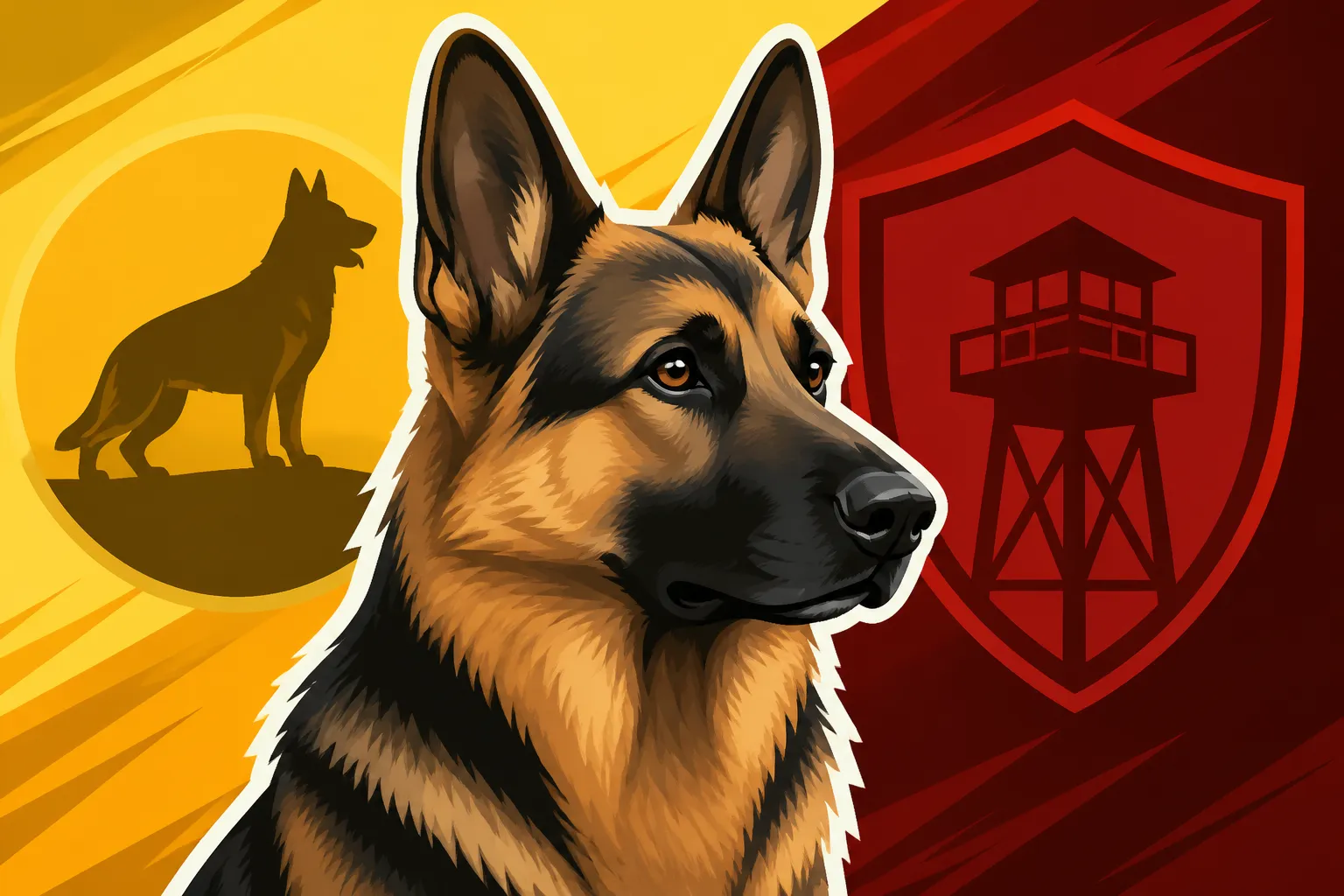
East German DDR German Shepherd Explained
Navigating the nuanced world of German Shepherds can often feel like trying to solve a complex puzzle, especially when you encounter specialized terms like "DDR German Shepherd." It's easy to feel a bit lost amidst the various lines and their distinct characteristics, leading to confusion about what truly sets these dogs apart from their counterparts. If you’ve found yourself pondering the unique origins, robust physical traits, intense temperament, or specific health aspects of the formidable East German DDR German Shepherd, then you've absolutely landed in the right spot. This comprehensive guide is crafted to demystify the jargon and provide you with an incredibly clear, in-depth understanding of this unique and highly respected line, helping you discern if a DDR Shepherd truly aligns with your lifestyle and experience.
What Exactly is an East German DDR German Shepherd?
The term "DDR" stands for "Deutsche Demokratische Republik," which translates to "German Democratic Republic." This refers to East Germany, a separate state that existed from 1949 to 1990 during the Cold War. The political division of Germany profoundly impacted the German Shepherd breed, essentially splitting it into distinct breeding programs with different priorities. While West Germany continued to breed German Shepherds for show and various working roles, often influenced by international trends, East Germany developed a highly specialized line known for its extreme working capabilities and unwavering health.
Historical Roots and the Iron Curtain's Influence
Imagine a country rigidly controlled by its borders, a place where security was paramount, and every resource was carefully managed. This was East Germany, and their German Shepherd breeding program reflected this environment perfectly. Unlike their counterparts in the West, where conformation for the show ring often took precedence, the East German breeders, primarily the state-run kennels, focused almost exclusively on developing dogs for military, police, and border patrol duties. The Iron Curtain created an isolated gene pool, meaning DDR dogs were bred almost entirely from within their own limited stock, with strict regulations and rigorous testing. This isolation, while potentially risky for genetic diversity if not managed carefully, ensured that only the toughest, most genetically sound, and highly driven individuals were allowed to reproduce. They weren't just looking for good dogs; they were looking for exceptional canine soldiers, capable of enduring harsh conditions, performing under immense pressure, and possessing an unshakeable nerve. This intense selection process ingrained traits of extreme durability, strong bones, and robust health into the very core of the DDR line.
Defining Characteristics of the DDR Line
The isolation and purpose-driven breeding gave the DDR German Shepherds a distinct set of characteristics that often set them apart. When compared to some West German show lines, for instance, you'll immediately notice a difference in their physical build, which we'll delve into more deeply shortly. But beyond the aesthetics, the true hallmark of a DDR German Shepherd lies in its temperament and drive. These dogs were bred for endurance and uncompromising loyalty, not necessarily for gentle companionship, though they are incredibly devoted to their families when properly managed. They possess what trainers often call "high drive"—an intense desire to work, to perform tasks, and to engage actively with their environment. Their mental fortitude is legendary; they are not easily rattled and possess a resilience that allows them to handle stress and demanding training situations without crumbling. You'll find that many have incredibly strong nerves, meaning they react to startling noises or unfamiliar situations with curiosity and resolve rather than fear or excessive aggression. This unwavering focus and powerful work ethic are direct results of decades of selective breeding for specific, high-stakes jobs. If you're looking for a dog that needs a purpose, the DDR line certainly fits the bill, often exhibiting a keen intelligence and problem-solving ability that demands consistent engagement.
Physical Traits That Set Them Apart
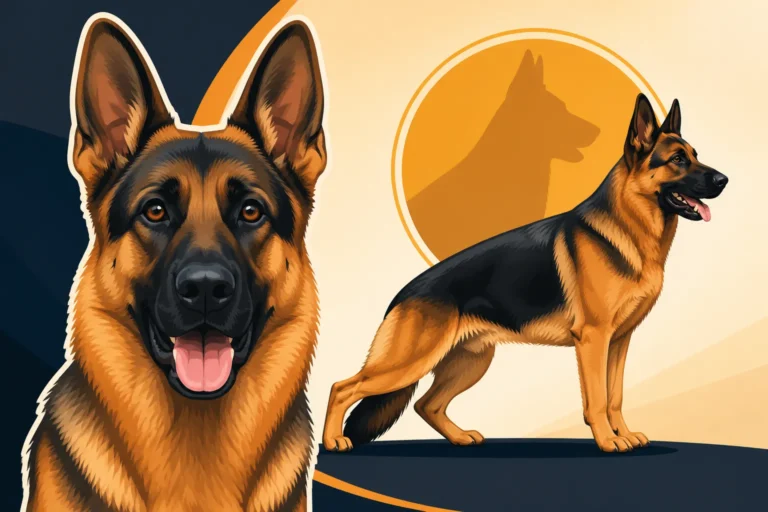
When you first encounter an East German DDR German Shepherd, you'll likely notice their impressive physical presence. They are built for power, endurance, and functionality, a stark contrast to some of the more refined or exaggerated structures seen in other lines. Their appearance is a direct reflection of their demanding working heritage, designed to withstand rigorous physical activity and harsh environments.
Build, Bone Structure, and Coat Types
DDR German Shepherds typically boast a robust, substantial build. Forget the extremely sloped backs sometimes associated with certain show lines; DDRs are known for their strong, level toplines that run smoothly from the withers to the tail. Their bone structure is notably heavy, giving them a dense, powerful appearance that conveys strength and resilience. They tend to have deep chests, well-sprung ribs, and powerful hindquarters, all contributing to a balanced and athletic physique that can withstand long hours of work. These dogs were bred to run, jump, and patrol across varied terrain without succumbing to fatigue or injury.
Their gait is smooth and ground-covering, not the high-stepping, exaggerated movement sometimes seen in the show ring, but rather an efficient, tireless stride. As for their coats, most DDRs feature a dense double coat, providing excellent protection against the elements, whether it's the biting cold of winter or the heat of summer. While a standard medium-length coat is most common, some may carry genes for a long coat, which can still be quite dense. The texture is usually coarse, not soft, further enhancing its protective qualities. This combination of strong bone, muscular build, and protective coat made them ideal for their roles guarding borders and performing other demanding duties where physical prowess was non-negotiable.
Recognizable Color Patterns
While working ability and health were always the primary considerations for DDR breeders, certain color patterns became more prevalent within the line due to these selection pressures. The most common color you’ll see among DDR German Shepherds is sable, a striking pattern where each individual hair has bands of different colors, usually black and tan or black and gray, giving the dog a multi-dimensional, often grizzled appearance. This color provides excellent camouflage, which was advantageous for dogs working in varied landscapes.
Beyond sable, solid black German Shepherds are also quite common in DDR lines, showcasing a sleek and powerful aesthetic. Black and tan, or black and red, patterns also exist, although typically with less emphasis on the rich pigmentation that might be sought in show lines. The "classic" black and tan seen in many German Shepherds today is certainly present, but the focus was never on achieving a specific shade or pattern of tan; functionality always came first. What's important to remember is that while these colors are frequently observed, the coat color itself was always secondary to a dog's working drive, structural integrity, and overall health. Breeders were less concerned with aesthetics and more with a dog's ability to perform its duties reliably and consistently. This pragmatic approach to breeding further cemented the DDR line's reputation for ruggedness and purpose.
Temperament and Working Aptitude
The temperament of an East German DDR German Shepherd is truly where their heritage as dedicated working dogs shines through. These are not dogs for the faint of heart or for those seeking a purely ornamental companion. They possess a suite of traits that demand respect, understanding, and a commitment to their innate need for purpose.
Drive, Intelligence, and Trainability
DDR German Shepherds are renowned for their incredibly high drive. This isn't just about having energy; it's about having an intense motivation to do something, to engage, and to fulfill a task. This drive manifests as a powerful desire to retrieve, to track, to bite, and to simply work alongside their handler. They thrive on having a job, and without one, they can quickly become bored, restless, and potentially destructive. This high drive is coupled with exceptional intelligence. These dogs are sharp, quick learners, and have a remarkable capacity for problem-solving. They don't just learn commands; they understand concepts and can adapt their behavior to new situations with surprising agility.
However, this high intelligence and drive also mean they require an experienced hand. They need a handler who can channel their energy and intellect effectively. Their trainability is outstanding, but it’s not passive; it requires consistency, clarity, and often, a deep understanding of working dog methodology. Traditional obedience might scratch the surface, but a DDR Shepherd often excels in advanced disciplines like Schutzhund, IGP (International Gebrauchshund Prüfung), or search and rescue. These activities provide the mental and physical stimulation they so desperately need. Without a proper outlet, their intelligence can lead to them outsmarting their owners, and their drive can turn into nuisance behaviors like excessive barking or digging. Chewy, for example, offers a fantastic array of puzzle toys and durable training equipment that can help engage their minds and bodies.
Socialization and Family Dynamics
Given their intense working background, proper socialization is absolutely critical for a DDR German Shepherd, starting from a very young age. These dogs naturally possess strong protective instincts and can be reserved or suspicious of strangers. Without extensive, positive exposure to various people, places, sounds, and other animals during their critical developmental period, these protective instincts can unfortunately morph into unwarranted fear or aggression. A well-socialized DDR Shepherd, however, can be an incredibly loyal and devoted family member. They form deep bonds with their human companions and are often described as "velcro dogs," wanting to be near their people.
While they can be excellent with children, especially if raised with them, their sheer size, power, and inherent drive mean interactions should always be supervised. They are not typically dogs that will tolerate rough handling or endless prodding from small children without proper training and boundaries. Their protectiveness extends to their family, making them excellent guardians, but this also means they need to be taught appropriate responses to visitors and new situations. Introducing them to other dogs and pets also requires careful, controlled interactions. It’s important to understand that while they are devoted, they are not typically "social butterflies" in the way some other breeds might be. Their loyalty is intense and often focused on their inner circle. A comprehensive guide on Are German Shepherds Good Family Dogs can offer more insights into integrating these magnificent creatures into a household.
Health Considerations Specific to DDR Lines
While the DDR German Shepherds were specifically bred for robustness and resilience, emphasizing physical soundness and endurance, it’s important to understand that no line of German Shepherd is entirely immune to health issues. Their isolation and strict breeding program did aim to reduce certain common ailments, but they are still German Shepherds, and some breed-specific concerns can still arise.
Common Genetic Predispositions
The emphasis on strong bone structure and physical functionality in the DDR breeding program often led to a lower incidence of severe hip and elbow dysplasia compared to some lines where conformation for exaggerated appearances became a priority. However, this does not mean they are completely free from these conditions. Hip dysplasia and elbow dysplasia are polygenic traits, meaning multiple genes contribute to them, and environmental factors also play a significant role. Responsible DDR breeders still meticulously screen for these conditions, as they can dramatically impact a dog's mobility and quality of life. For a deeper dive into these issues, you might find information on German Shepherd Hip Dysplasia Explained particularly useful.
Another concern for all German Shepherds, including the DDR line, is Degenerative Myelopathy (DM). This is a progressive neurological disease affecting the spinal cord, leading to hind limb weakness and paralysis. While genetic testing can identify carriers, it’s still a complex condition. Other issues, less common but still possible, include certain cancers (like Hemangiosarcoma), bloat (Gastric Dilatation-Volvulus), and Exocrine Pancreatic Insufficiency (EPI). The good news is that the rigorous selection criteria in the DDR program historically focused on weeding out weak, sickly individuals, giving the line a reputation for generally robust health. However, vigilant care and proactive health management remain paramount. For a broader overview of concerns, check out our German Shepherd Health Problems Guide.
Importance of Responsible Breeding and Health Clearances
When considering a DDR German Shepherd, finding a truly responsible and ethical breeder is not just recommended, it's absolutely crucial. A reputable breeder will go above and beyond to ensure the health of their breeding stock and, consequently, their puppies. This means performing extensive health clearances on both parent dogs before any breeding takes place.
These clearances typically include:
- Orthopedic Evaluations: X-rays for hips and elbows, often certified by organizations like the Orthopedic Foundation for Animals (OFA) or through PennHIP evaluations. Understanding the difference between these can be vital, and our guide on OFA vs PennHIP Hip Scoring Explained can clarify this for you.
- Genetic Testing: Specifically for conditions like Degenerative Myelopathy (DM), which is identifiable through DNA testing.
- Eye Exams: To rule out inherited eye diseases.
- Heart Evaluations: To check for cardiac abnormalities.
A responsible breeder will not only provide proof of these clearances but will also be transparent about the health history of their entire line. They should be willing to discuss potential health risks, share information about previous litters, and offer a health guarantee. They won’t simply breed two DDR-labeled dogs; they’ll breed for improvement, carefully selecting individuals with proven working ability, sound temperament, and exceptional health. You should expect a puppy contract, pedigree papers, and a strong relationship with the breeder who remains a resource throughout your dog's life. This diligent approach is vital for ensuring you bring home a healthy, well-adjusted DDR German Shepherd, and for promoting the overall health and longevity of the breed. For more on this, consider reading our advice on German Shepherd Genetic Health Testing.
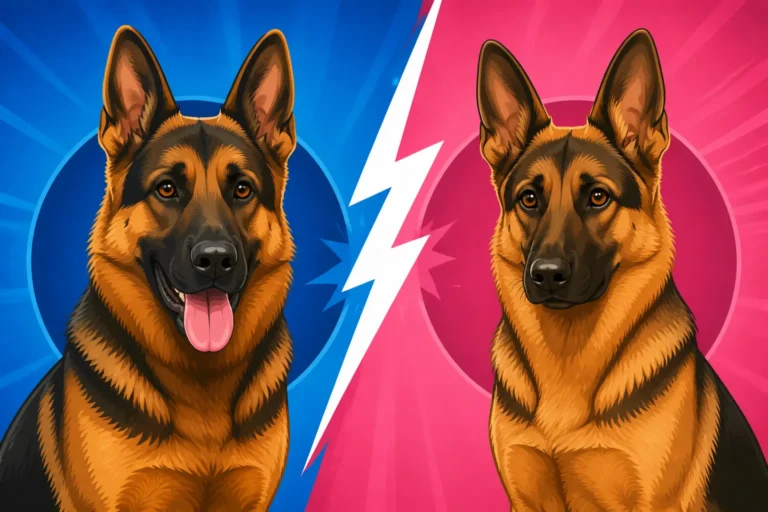
| Trait | East German (DDR) German Shepherd | American Show Line German Shepherd |
|---|---|---|
| Origin & Purpose | East Germany; bred primarily for military, police, border patrol. | USA; bred for conformation shows and companion animals. |
| Physical Build | Robust, heavy boned, strong level topline, powerful build. | Lighter boned, exaggerated sloped back, often less substantial. |
| Temperament | High drive, strong nerve, intense work ethic, serious demeanor. | Often calmer, more amenable, varying drives, family-oriented. |
| Movement/Gait | Efficient, ground-covering, tireless trot. | Flashier, often high-stepping, exaggerated rear drive. |
| Health Focus | Historically focused on extreme soundness and durability. | Conformation often prioritized, though good breeders screen. |
| Common Colors | Sable, solid black, bi-color, black and tan. | Black and tan/red, sable, bi-color. |
| Ideal Owner | Experienced, active, committed to extensive training/work. | Can suit first-time owners with commitment to training. |
Is a DDR German Shepherd the Right Companion for You?
Bringing any German Shepherd into your life is a significant commitment, but choosing an East German DDR line dog amplifies that commitment considerably. These aren't your average pets; they are high-performance animals bred for specific, demanding roles. Understanding if your lifestyle truly aligns with their needs is paramount to a successful and happy partnership.
Lifestyle Compatibility and Exercise Needs
Let's be unequivocally clear: DDR German Shepherds are not for the casual dog owner or the sedentary lifestyle. These dogs possess an incredible amount of energy and an ingrained need to be active, both physically and mentally. Simply letting them out in the backyard for a few minutes won't cut it. They require structured, vigorous exercise every single day. We're talking about long, brisk walks, runs, hikes, or dedicated playtime in a secure area where they can truly stretch their powerful legs. Ideally, they thrive when they have a job to do.
Think about it: these dogs were bred to patrol borders for hours on end, track criminals, or work tirelessly in adverse conditions. That kind of genetic programming doesn't just disappear. If their physical and mental energy isn't properly channeled, it will inevitably manifest as destructive behavior, excessive barking, digging up your prize-winning roses, or developing anxiety. They need more than just physical exertion; they need mental challenges that tire their intelligent minds. Activities like advanced obedience, agility, scent work, or protection sports are not just hobbies for a DDR Shepherd—they are often necessities for their well-being. A family with an active, outdoor-oriented lifestyle, or individuals deeply involved in dog sports, would be far more compatible with a DDR's inherent drive. You might find our article on German Shepherd Exercise Requirements helpful in gauging the sheer volume of activity these dogs need.
Training Commitment and Experience Required
This is perhaps the most critical factor in determining if a DDR German Shepherd is the right fit. Due to their immense drive, intelligence, and protective instincts, these dogs are absolutely not suitable for first-time dog owners or those who lack experience with strong, assertive breeds. They require a handler who is confident, consistent, and capable of establishing clear leadership from day one, using positive reinforcement methods. These dogs will push boundaries, not out of malice, but because they are intelligent and constantly assessing their environment and their leader.
Training a DDR Shepherd is a lifelong commitment, extending far beyond basic puppy classes. They excel with advanced obedience and structured work that gives their minds a puzzle to solve and their bodies a task to complete. Many DDR owners find immense success in various dog sports like IGP (formerly Schutzhund), competitive obedience, tracking, or search and rescue. These activities tap into their natural abilities and provide the intellectual and physical outlet they crave. If you're not prepared for this level of dedication—which often includes professional training, enrolling in specialized clubs, and daily, consistent reinforcement at home—then a DDR German Shepherd is likely to be too much dog to handle. They demand an owner who is as dedicated, intelligent, and driven as they are, someone who understands their complex needs and is willing to invest the time and effort into cultivating their incredible potential. For comprehensive training advice, our guide on How to Train a German Shepherd is an excellent starting point, but remember, a DDR will likely require even more advanced application of those principles.
Disclaimer
Please remember that the information provided in this guide is for general informational purposes only and is not a substitute for professional veterinary advice. Always consult with a qualified veterinarian or certified canine behaviorist for any health or training concerns specific to your German Shepherd. Breeding practices and individual dog temperaments can vary, and personal research and due diligence are always recommended.