How Long Until a German Shepherd Is Full Grown
One of the most common questions new German Shepherd owners have, or even those just thinking about bringing one into their home, is "When will they finally stop growing?" It's a journey filled with rapid changes, awkward puppy phases, and a constant shifting in size that can make you wonder when your furry friend will settle into their adult form. This guide is here to shed light on the typical growth timeline for German Shepherds, explore the factors that influence their development, and help you understand what "full grown" truly means for this magnificent breed.
The German Shepherd Growth Timeline: More Than Just Height
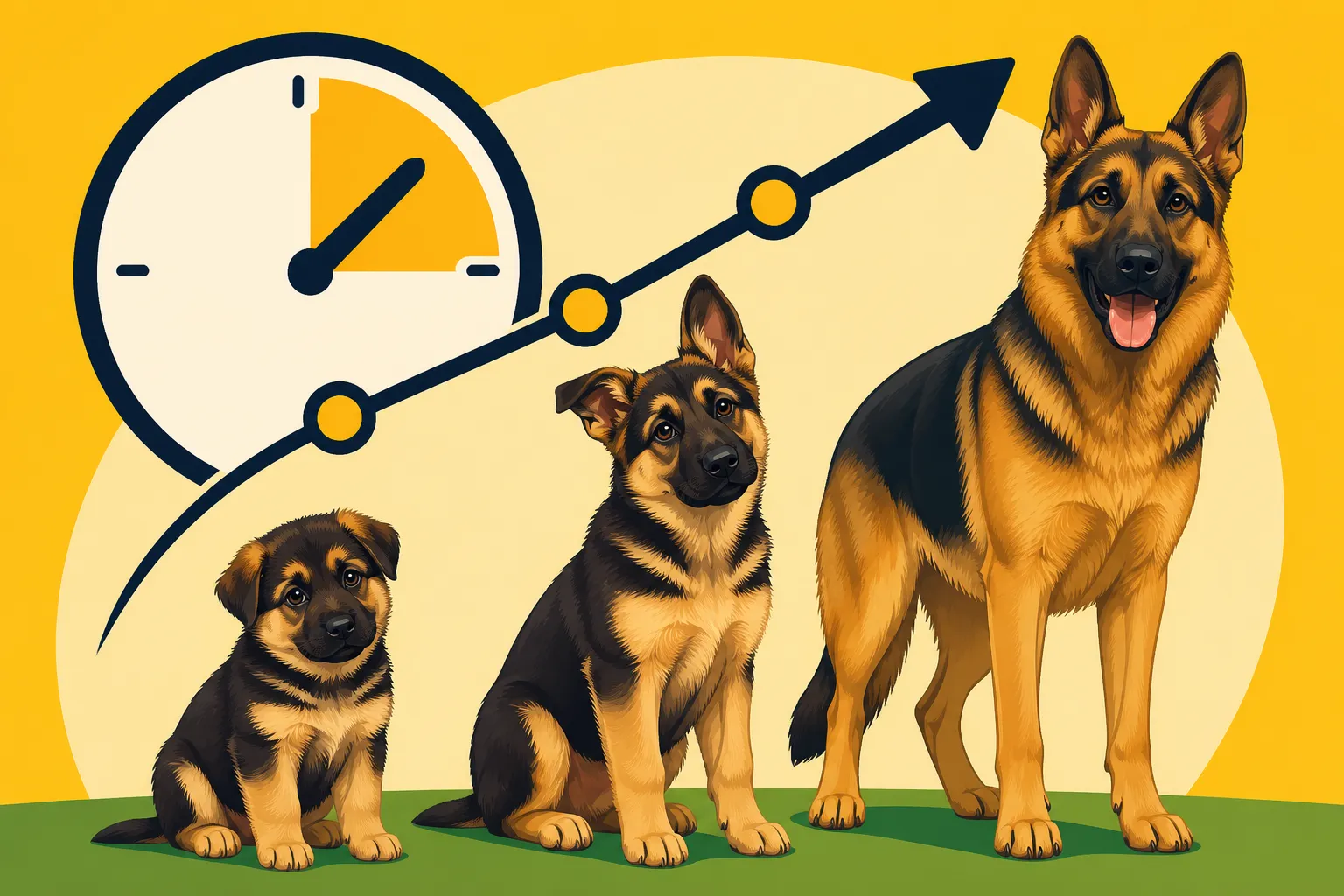
When we talk about a German Shepherd being "full grown," it's easy to picture a specific age or a magical moment when they just stop getting bigger. In reality, it's a much more nuanced process, involving various stages of physical development that can stretch over a couple of years. It’s not just about how tall they are or how much they weigh; it’s about their skeletal maturity, muscle development, and even their mental state catching up. Patience is definitely a virtue when raising one of these powerful dogs.
Rapid Puppy Growth: The First Six Months
The first six months of a German Shepherd puppy's life are an absolute whirlwind of growth. You'll blink, and they'll seem to have doubled in size overnight! During this initial period, their bones are growing at an incredible rate, and they're gaining significant height and length. This is a crucial time for proper nutrition and controlled exercise, as their fast-growing bodies are particularly vulnerable. Many owners are surprised by how quickly their little fluffball transforms into a lanky, gangly adolescent.
It's vital during this phase to feed a high-quality large-breed puppy food, designed to support steady, rather than explosive, growth. Too much protein or calcium can actually be detrimental, contributing to joint issues later in life. Look for reputable brands that specifically formulate for large breeds. Over-exercising a young puppy can also put undue stress on their developing joints and growth plates, which are still soft and susceptible to injury. Gentle play and short, structured walks are much better than long hikes or intense running sessions during these early months. Preventing problems like German Shepherd Hip Dysplasia Explained starts here.
Continued Development: Six Months to One Year
As your German Shepherd moves past the six-month mark, you'll likely notice that their rapid height gains start to slow down. However, don't be fooled into thinking they're done growing! This period, typically from six months to around one year of age, is often referred to as their "teenage" phase. While their skeletal growth continues, they're now beginning to fill out more, gaining muscle mass and developing a more defined body structure. They might still look a bit lanky or awkward at times, but the foundations of their adult physique are firmly being laid.
During this stage, their energy levels can be sky-high, and their minds are still developing. It's a great time for continued training and socialization, channeling that youthful energy into productive outlets. The joints are still maturing, so while they can handle more exercise than a younger puppy, moderation is still key. Activities that promote controlled movement and muscle building, like swimming or brisk walks on varied terrain, can be beneficial without overstressing their developing bodies. You're building a strong, healthy adult, and consistency in care is paramount to How to Keep a German Shepherd Healthy.
Physical Maturity: One to Two Years
Most German Shepherds will reach their adult height by around 12 to 18 months, though some might add another inch or so up to 2 years. However, even when they reach their full height, they aren't necessarily "done" growing. The period from one year to two years old is when they truly start to fill out. You'll see their chest deepen, their muscles become more prominent, and their overall body mass increase. They transition from a lean, adolescent frame to the powerful, robust physique that German Shepherds are known for. Some males, especially, can continue to add significant bulk even beyond 18 months.
This stage is also when their growth plates, the soft areas at the ends of their bones that facilitate growth, typically close. Once these plates are closed, the bones can no longer grow in length. This is an important milestone because it means they can safely engage in more strenuous activities without the same risk to their developing skeletal system. While physical maturity is largely achieved by two years, remember that mental maturity often lags behind, sometimes not fully developing until they are two and a half or even three years old.
Key Factors Influencing Your German Shepherd's Growth
While there's a general timeline for German Shepherd growth, it's not a one-size-fits-all situation. Several factors play a significant role in how quickly and how large your individual dog will grow. Understanding these influences can help you better manage their development and ensure they reach their full potential in the healthiest way possible.
Genetics and Lineage
The biggest predictor of your German Shepherd's ultimate size and growth rate is their genetic background. Different lines within the breed often exhibit distinct growth patterns and final adult sizes. For example, Working Line vs Show Line German Shepherd can often show differences. Working line German Shepherds might mature slightly faster and tend to be leaner, while some show lines might have a slower, more deliberate growth phase, eventually achieving a heavier build.
Knowing the size of your puppy's parents and grandparents can give you a pretty good indication of what to expect. A reputable breeder will be transparent about their dogs' lineage and health history, including information on their adult weights and heights. If both parents are on the larger side, chances are your puppy will also mature into a larger adult. Conversely, if the parents are smaller, your dog will likely follow suit. This is also why German Shepherd Genetic Health Testing is so important in breeding.
Nutrition and Diet Quality
The food you provide your German Shepherd throughout their growth stages is absolutely critical. A high-quality diet provides the necessary building blocks for healthy bone development, muscle growth, and overall vitality. Feeding an inappropriate diet, whether it's too high in calories for their age or lacking essential nutrients, can lead to problems. Overfeeding, for instance, can cause puppies to grow too quickly, putting excessive strain on their developing joints and potentially contributing to conditions like German Shepherd Hip Dysplasia: Symptoms and Treatment or elbow dysplasia.
Conversely, underfeeding can stunt growth and prevent your dog from reaching their genetic potential. It’s a delicate balance. Always choose a large-breed specific formula for puppies, as these are designed with the right balance of protein, fat, and minerals to support controlled growth. Brands like Purina Pro Plan, Royal Canin, or Hill's Science Diet often have excellent large-breed puppy and adult formulas. You can find many great options and read reviews on trusted pet retailers like Chewy. Make sure to follow the German Shepherd Puppy Feeding Schedule and read our detailed guide on How Much to Feed a German Shepherd for tailored advice.
Exercise and Activity Levels
Exercise is vital for a growing German Shepherd, but it needs to be carefully managed, especially during puppyhood and adolescence. Too little exercise can lead to weak muscles and excess weight, which strains joints. However, too much high-impact exercise, particularly when their growth plates are still open, can be detrimental. Activities like excessive running, jumping from heights, or intense agility work are best avoided until your German Shepherd is physically mature, typically around 18-24 months.
Instead, focus on moderate, controlled exercise that builds muscle without stressing joints. Leash walks on soft surfaces, swimming (a fantastic low-impact option), and gentle play sessions are ideal. Pay close attention to your dog's energy levels and any signs of fatigue or lameness. Understanding German Shepherd Growth Plates and Exercise is crucial for protecting their long-term joint health. Gradually increasing the intensity and duration of exercise as they mature will help them develop strong muscles and healthy bones.
Spay/Neuter Timing
The timing of spaying or neutering your German Shepherd can also subtly influence their growth. Hormones play a vital role in the closure of growth plates. When a dog is spayed or neutered before these plates have naturally closed, the process can be delayed, leading to the bones growing for a longer period. This can result in a taller, lankier dog with disproportionately long limbs compared to their body.
While the exact impact varies by individual, many veterinarians and breeders now recommend waiting until a German Shepherd is closer to physical maturity (e.g., 18-24 months) before spaying or neutering, especially for males. This allows their growth plates to close naturally, supporting healthier joint development and potentially reducing the risk of certain orthopedic issues. If you're considering when to spay or neuter, it's a conversation worth having with your vet, especially after reviewing information on How Early Neutering Affects German Shepherd Joints.
Understanding What "Full Grown" Really Means for Your GSD
It's clear that "full grown" isn't a simple switch that flips at a certain age. It's a combination of physical and mental milestones. As an owner, recognizing these different facets of maturity will help you adjust your expectations and care for your German Shepherd appropriately.
Physical vs. Mental Maturity
While your German Shepherd might reach their adult height and weight around 18-24 months, their mental maturity is often a different story entirely. A physically mature dog might still act like an exuberant, easily distracted teenager. This "puppy brain" phase can extend well into their second or even third year of life. They might be prone to testing boundaries, exhibiting impulsive behaviors, or needing more consistent training reinforcement than you'd expect from their size.
It's common for German Shepherds to not fully "settle down" and achieve full mental maturity until they are 2.5 to 3 years old. This means continued socialization, training, and mental stimulation are essential even after they've reached their full physical stature. Don't underestimate the importance of brain games and continued learning to develop a well-adjusted adult dog. Our article on German Shepherd Temperament and Personality delves deeper into understanding their development.
Weight and Size Ranges
Once your German Shepherd is fully grown, they will fall within a typical weight and height range, though there's always individual variation. Males tend to be larger and heavier than females. It's important to remember these are guidelines, and a healthy weight is more about body condition than hitting an exact number. You should be able to feel their ribs easily without seeing them, and they should have a visible waist when viewed from above.
Here's a general table outlining typical adult German Shepherd size:
| Trait | Male German Shepherd | Female German Shepherd |
|---|---|---|
| Height | 24-26 inches (at shoulder) | 22-24 inches (at shoulder) |
| Weight | 65-90 pounds | 50-70 pounds |
| Maturity | Physical: 18-24 months | Physical: 18-24 months |
| Mental: 2.5-3 years (or more) | Mental: 2.5-3 years (or more) |
These numbers are averages. A dog from a working line might be at the lower end of the weight spectrum and still be perfectly healthy and powerful, while a show line dog might be at the higher end. The key is to monitor your dog's overall health and body condition. Concerns about German Shepherd Weight and Obesity Risks are important to address with your veterinarian.
Recognizing Signs of Maturity
Beyond the numbers, there are other signs that your German Shepherd is reaching full maturity. Physically, their weight and height will stabilize, and you'll notice their muscles are fully developed and toned. Their gait will be strong and confident, and any puppy awkwardness will have long disappeared. Their adult coat will also be fully grown in, often thicker and more dense than their puppy coat, especially if they have a luxurious German Shepherd Double Coat Explained.
Mentally, you'll observe a more settled and consistent temperament. They'll have better impulse control, be less prone to destructive chewing (though a good chew toy from Chewy is always a hit!), and their focus during training sessions will improve significantly. They'll also likely exhibit the protective and loyal traits that German Shepherds are famous for with greater confidence and less puppy exuberance. While the puppy phase is endearing, watching them mature into a balanced, well-rounded adult is truly rewarding.
Disclaimer
This article is for general informational purposes only and does not constitute professional advice. Laws, prices and regulations vary by location and change over time. Consult a qualified professional for guidance on your specific situation.