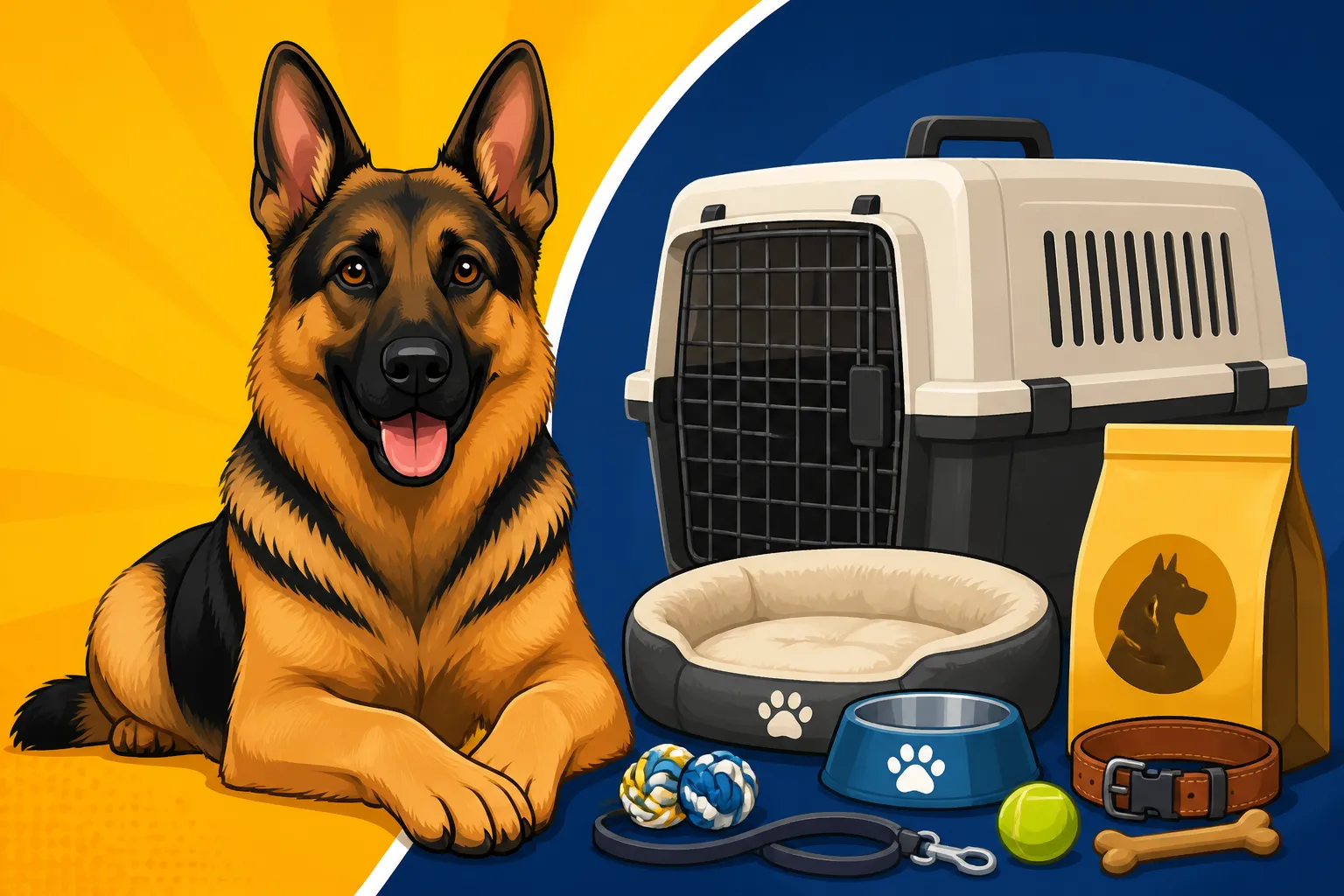
German Shepherd Crate and Supplies Startup Cost
Bringing home a German Shepherd puppy or even an adult can feel like an avalanche of excitement mixed with a mountain of questions, especially when it comes to setting up their personal space and ensuring they have everything they need. One of the biggest anxieties I hear from new GSD parents is figuring out all the initial costs beyond just the dog itself, often leading to sticker shock. This guide is here to break down the startup costs for essential crates and supplies, helping you plan your budget without the guesswork and prepare for a smooth transition for your new furry family member.
The Great Crate Debate: Choosing Your GSD's First Home
Deciding on a crate for your German Shepherd is often one of the first major purchases, and it’s one you don’t want to skimp on. This isn't just a cage; it’s meant to be their safe haven, a den where they can feel secure and relax. The size, material, and features will all play a role in the price, and understanding these factors is key to making a wise investment.
Understanding Crate Types and Their Costs
When you walk into a pet store or browse online, you'll quickly realize there are several types of crates, each with its own benefits and price tag. For a German Shepherd, durability is paramount.
- Wire Crates: These are the most common and often the most budget-friendly upfront. They offer good ventilation and visibility. For a German Shepherd, you'll need a large to extra-large size, typically 42 to 48 inches. A good quality wire crate with a divider (essential for puppies, allowing you to expand the space as they grow) can range from $70 to $150. Brands like MidWest Homes for Pets are popular and reliable choices. The advantage here is portability and ease of cleaning, but some GSDs, especially strong chewers or those prone to anxiety, might bend or break weaker wire crates. You'll want to look for heavy-gauge wire.
- Plastic Crates (Airline Approved): These provide a more den-like feel, which many dogs appreciate. They're also often airline-approved, making them versatile if you plan to travel. They tend to be a bit more expensive than basic wire crates, usually running $100 to $250 for a size appropriate for an adult German Shepherd. While sturdy, they offer less visibility and can be harder to clean if there's an accident inside. The darker, enclosed space can be great for dogs who prefer a cozy, private spot.
- Heavy-Duty Crates (Impact Resistant): If you have a GSD with a history of anxiety, escape artistry, or extreme chewing, a heavy-duty or impact-resistant crate might be a necessary splurge. These are often made from aluminum or heavy-gauge steel and are virtually indestructible. They come with a significantly higher price tag, usually between $400 and $1,000+. While a major investment, they can save you from replacing multiple standard crates and provide peace of mind for both you and your dog. Brands like Impact Dog Crates or Ruffland Kennels are well-regarded in this category. For a dog that absolutely needs secure containment, these are worth considering.
Choosing the Right Crate Size for Growth
Selecting the correct size is crucial. A crate that's too large for a puppy can encourage them to use one end as a bathroom and the other as a sleeping area, defeating the purpose of potty training. Conversely, a crate that's too small for an adult German Shepherd is uncomfortable and inhumane.
- For Puppies: When you bring home a German Shepherd puppy, you'll want a crate that’s large enough for them to stand up, turn around, and lie down comfortably. The key is to use a divider to adjust the internal space. Start with a small area that only allows for sleeping, and gradually move the divider back as your puppy grows and masters house training. This means investing in an adult-sized crate from day one (42-48 inches) but making it puppy-appropriate with the divider. This foresight prevents you from having to buy multiple crates as your dog matures.
- For Adults: An adult German Shepherd typically needs a 42-inch or 48-inch crate. This allows them ample room. Measure your dog from nose to tail while standing, and from the top of their head to the floor. Add 4-6 inches to these measurements to find the ideal crate length and height. Remember, the goal is comfort and security, not just containment. A properly sized crate is a much more effective training tool and a welcome retreat for your dog. For more on ensuring your German Shepherd is comfortable, check out our guide on how to care for a German Shepherd.
Essential Gear: Beyond the Crate
Once you've got the crate sorted, a whole host of other essentials are needed to welcome your German Shepherd home. These items are fundamental for their daily care, comfort, and safety.
Food and Water Bowls, Collars, Leashes, and ID Tags
These are the immediate necessities for feeding, hydration, and safe walks. Don't underestimate the importance of quality here, especially for a strong breed like a German Shepherd.
- Food and Water Bowls: For German Shepherds, stainless steel bowls are generally recommended. They are durable, easy to clean, and less likely to harbor bacteria than plastic. Ceramic can chip, and plastic can scratch, creating breeding grounds for germs. You'll need at least two: one for food and one for water. Consider a slow-feeder bowl if your GSD eats too quickly, as this can help prevent serious issues like bloat. A good set of stainless steel bowls will cost $20 to $50. Some owners also opt for raised bowls, which can be debated in terms of health benefits, but many GSDs find them more comfortable. Learn more about preventing German Shepherd Bloat (GDV): Symptoms and Treatment.
- Collar and Leash: For a German Shepherd puppy, you might start with a soft nylon collar and leash, which can cost $15 to $30. As they grow, you'll need something more robust. A strong, well-fitting nylon or leather collar (or a martingale collar for training) can range from $20 to $60. For leashes, a 6-foot standard leash made of durable nylon, leather, or biothane is ideal, costing $20 to $50. Avoid retractable leashes, as they offer little control for a powerful dog like a German Shepherd. Remember, proper leash training is vital, and you can find more tips in our How to Do Leash Training with a German Shepherd guide.
- ID Tags: Every dog, especially one as prone to wandering or getting lost as any other, needs an ID tag on their collar with your contact information. This is a small but critical investment, usually $5 to $15. Consider having their name and your phone number engraved. Some owners also opt for microchipping, a one-time vet cost ($30-$70) that provides permanent identification.
Comfort Items: Beds, Toys, and Chews
German Shepherds are active and intelligent, meaning they need comfortable places to rest and plenty of mental stimulation. Investing in durable, appropriate items here is key.
- Dog Bed: A quality dog bed is not just a luxury; it provides crucial support for your German Shepherd's joints, especially as they age. Look for orthopedic beds with memory foam or dense support for large breeds. Expect to spend $80 to $200+ for a durable, supportive bed that will stand up to a GSD. Brands like Big Barker or Kuranda beds are known for their resilience and support. Even if your GSD is a puppy, starting with a good bed helps protect their developing joints, particularly important for a breed known for conditions like German Shepherd Hip Dysplasia Explained.
- Toys and Chews: German Shepherds need mental and physical stimulation, and they are often strong chewers. A variety of toys is essential. Start with a few different types:
- Durable Chew Toys: KONGs (stuffable rubber toys), Nylabones, or Benebones are excellent for redirecting chewing behaviors. These can range from $10 to $30 each.
- Interactive/Puzzle Toys: These challenge your GSD mentally and help prevent boredom. Look for treat-dispensing toys or snuffle mats, costing $15 to $40.
- Fetch/Tug Toys: Rubber balls, ropes, or sturdy squeaky toys for interactive play. Budget $10 to $25 each.
It’s wise to spend a little more on high-quality, durable toys to avoid having to replace flimsy ones constantly. Many online retailers like Chewy offer great selections of durable toys for strong chewers.
Grooming Tools and Cleaning Supplies
German Shepherds have a thick double coat and require regular grooming. You'll also need supplies to handle inevitable messes.
- Grooming Tools: These are essential for managing their shedding and keeping their coat healthy.
- Slicker Brush: Great for removing loose undercoat and mats ($15-$30).
- Undercoat Rake: Absolutely vital for a double-coated breed like a GSD, especially during "blowing coat" season ($20-$40).
- Nail Clippers or Grinder: Keeping nails trimmed prevents discomfort and paw issues ($15-$35).
- Dog Shampoo and Conditioner: Choose a formula designed for dogs, ideally for sensitive skin ($10-$25).
- Ear Cleaner: To prevent ear infections, a common issue for dogs with upright ears ($10-$20).
A full grooming kit can cost $70 to $150 initially, but these tools will last for years. For detailed tips, refer to our How to Groom a German Shepherd guide.
- Cleaning Supplies: Accidents happen, especially with puppies.
- Enzymatic Cleaner: Absolutely critical for cleaning up urine, feces, or vomit. These cleaners break down organic matter and eliminate odors, preventing your dog from re-soiling the same spot. Brands like Nature's Miracle or Rocco & Roxie Supply Co. are popular ($15-$30 per bottle).
- Paper Towels/Microfiber Cloths: Always have plenty on hand.
- Pet-Safe Household Cleaner: For general cleanup around the house.
Budget around $30-$70 for initial cleaning supplies.
The "Hidden" Necessities: First-Aid, Training Aids, and Beyond
Beyond the obvious, there are often overlooked but crucial startup costs that contribute to your German Shepherd's health, safety, and proper development. These investments often pay off in the long run by preventing bigger problems.
Health and Safety Preparedness
Being prepared for minor scrapes or unexpected incidents is part of responsible German Shepherd ownership.
- First-Aid Kit: A basic dog first-aid kit is a must-have. You can buy pre-made kits or assemble your own. Essential items include antiseptic wipes, gauze, adhesive tape, blunt-tipped scissors, tweezers, a digital thermometer, and basic wound care items. These kits typically cost $25 to $75. Knowing how to use these items can be invaluable in an emergency before you can get to a vet. Having an emergency fund or pet insurance from providers like Healthy Paws can also alleviate the financial stress of unexpected medical needs. Our article on German Shepherd Bloat Emergency: What to Do highlights how critical quick action can be.
- Puppy Pads (if applicable): If you're bringing home a young puppy, puppy pads can be useful during the initial stages of house training, especially for apartment dwellers or during nighttime. A large pack can cost $20-$40. However, the goal should always be to transition off them as quickly as possible to avoid confusion. For more potty training advice, see our German Shepherd Potty Training: Step-by-Step guide.
- Car Safety: For a large dog like a German Shepherd, ensuring their safety during car rides is paramount, both for them and for other passengers. A seatbelt harness specifically designed for dogs or a travel crate that can be secured in the car can prevent injury during sudden stops or accidents. Expect to spend $30-$150 on car safety equipment, depending on whether you choose a harness, a specialized seat cover, or a secured crate. This small investment can make a huge difference in safety.
Training Aids and Initial Food Supply
German Shepherds are highly intelligent and thrive on training. Having the right tools from the start can set you up for success.
- Training Treats: High-value, small, soft training treats are indispensable for positive reinforcement. You'll go through a lot of these! Budget $10-$30 for a few bags to start. Always choose treats that are healthy and easily digestible.
- Clicker/Pouch (Optional but Recommended): A clicker can be a very effective tool for marking desired behaviors precisely. A treat pouch keeps treats readily accessible during training sessions. A clicker is typically just a few dollars, and a treat pouch is $10-$25. These small aids can significantly enhance your training efforts. Check out our resources on German Shepherd Obedience Training Basics for more.
- Waste Bags and Dispenser: Essential for responsible pet ownership when taking your German Shepherd out for walks. A good supply will cost $10-$20.
- Initial Food Supply: This is perhaps the biggest ongoing cost, but you'll need an initial bag of high-quality kibble. For a large breed puppy like a German Shepherd, a 25-30lb bag of premium puppy food designed for large breeds can cost $60-$100+. Brands like Purina Pro Plan Large Breed Puppy or Royal Canin German Shepherd Puppy are often recommended by breeders and vets. If you're considering fresh food options like Ollie, be sure to factor in those subscription costs. Discussing your GSD's diet with your vet is crucial, especially regarding German Shepherd Bloat Prevention Feeding Tips.
Budgeting and Smart Choices: Making Your Dollars Go Further
Bringing a German Shepherd into your home is an investment, but there are smart ways to approach the initial costs without sacrificing quality or essential items. Planning ahead and knowing where to save versus where to splurge can make a significant difference.
Where to Splurge and Where to Save
Not all items are created equal, and some purchases offer more long-term value than others.
- Splurge On:
- Crate: As discussed, a durable, appropriately sized crate is an investment in your dog’s safety and training. If you get a strong, quality one from the start, you won't need to replace it.
- Dog Food: High-quality nutrition is fundamental to your German Shepherd's health and can prevent costly vet bills down the line. Don't cheap out on their diet. Read about the Best Dog Food for German Shepherds to make an informed decision.
- Veterinary Care: While not a "supply," initial vet visits, vaccinations, and deworming are non-negotiable health expenses. These are part of your core startup costs and can easily run several hundred dollars. For a thorough breakdown of potential health costs, see German Shepherd Vet Costs Per Year.
- Professional Training (if needed): For some GSD owners, a professional trainer is a huge help, especially with a strong-willed puppy. While an additional cost ($100-$1000+ depending on services), it's an investment in a well-behaved dog. Our article on German Shepherd Training Costs can provide more detail.
- Save On:
- Toys (Initially): While durable toys are important, you don't need to buy every single toy right away. Start with a few, see what your GSD likes, and expand their collection over time. You can often find good deals on Chewy or local pet stores.
- Extra Beds: One good orthopedic bed is plenty to start. You can use old blankets or towels for other resting spots around the house.
- Fancy Accessories: Designer collars, elaborate outfits, or personalized bowls are fun but not essential initially. Focus on functionality first.
A Startup Cost Breakdown Table
Here's a general idea of what you might expect to spend on initial German Shepherd supplies. Prices can vary widely based on location, brand, and quality.
| Item Category | Typical Cost Range (USD) | Notes |
|---|---|---|
| Housing & Comfort | ||
| Wire Crate (42-48 inch) | $70 – $150 | Essential for training and security; look for one with a divider. |
| Heavy-Duty Crate (Optional) | $400 – $1,000+ | For extreme chewers/anxious dogs; a significant but potentially worthwhile investment. |
| Orthopedic Dog Bed | $80 – $200 | Crucial for joint health, especially for large breeds. |
| Feeding & Hydration | ||
| Stainless Steel Bowls | $20 – $50 | Durable, easy to clean; consider a slow-feeder if your GSD eats too fast. |
| Initial Food Supply | $60 – $100 | 25-30lb bag of high-quality large breed puppy/adult food. |
| Walking & Safety | ||
| Collar & Leash | $35 – $110 | Durable, appropriate for a strong GSD; consider a martingale for training. |
| ID Tag | $5 – $15 | Crucial for identification. |
| Car Safety Harness/Crate | $30 – $150 | For safe travel. |
| Grooming & Hygiene | ||
| Grooming Tools (Brush, Rake, Clippers, Shampoo, Ear Cleaner) | $70 – $150 | Essential for managing their double coat and overall hygiene. |
| Enzymatic Cleaner | $15 – $30 | For accident cleanup. |
| Waste Bags & Dispenser | $10 – $20 | For responsible waste disposal. |
| Training & Play | ||
| Durable Chew Toys | $20 – $60 | Two to three high-quality toys for mental stimulation and redirecting chewing. |
| Interactive/Puzzle Toys | $15 – $40 | To keep their intelligent minds busy. |
| Training Treats | $10 – $30 | High-value, small treats for positive reinforcement. |
| Clicker & Treat Pouch | $10 – $30 | Optional but helpful training aids. |
| Health & Wellness | ||
| Basic Dog First-Aid Kit | $25 – $75 | For minor injuries or emergencies. |
| Initial Vet Visit/Vaccines | $100 – $300+ | Health check, initial shots, deworming. (Varies greatly by clinic and location.) |
| Microchipping (Optional) | $30 – $70 | One-time vet cost for permanent ID. |
| TOTAL ESTIMATE | $400 – $1,500+ | This range is for essential startup items; doesn't include ongoing food or major vet costs. |
Remember, these are just initial startup costs. The true lifetime cost of a German Shepherd involves ongoing expenses for food, vet care, training, and more. Planning for these initial expenses can set you on the right path to a wonderful life with your German Shepherd.
Disclaimer
The information provided in this article is for general informational purposes only and does not constitute professional veterinary advice. Always consult with a qualified veterinarian or professional dog trainer for any health concerns, medical conditions, or training challenges specific to your German Shepherd. Individual needs and costs may vary.