German Shepherd vs King Shepherd
Deciding on a new furry family member is one of the most exciting, yet potentially overwhelming, journeys you can embark on. When you're dreaming of a large, intelligent, and protective canine, two breeds often come to mind: the iconic German Shepherd and the magnificent King Shepherd. While they share a certain regal presence, mistaking one for the other or assuming they're just "bigger German Shepherds" can lead to some significant misunderstandings. This comprehensive guide is here to unravel the distinct characteristics, temperaments, and care needs of both the German Shepherd and the King Shepherd, helping you make an informed decision for your home and heart.
Understanding the German Shepherd: A Classic Companion
The German Shepherd Dog, or GSD as many affectionately call them, is a breed steeped in history and renowned worldwide for its intelligence, versatility, and unwavering loyalty. For many, the image of a German Shepherd immediately brings to mind a noble, alert, and capable working dog. But there's so much more to these incredible animals than just their reputation.
A Rich History of Dedication
The German Shepherd's story begins in late 19th-century Germany, where Captain Max von Stephanitz set out to create the ultimate herding dog. He envisioned a dog with unparalleled intelligence, strength, and unwavering character, capable of adapting to various tasks. He found his ideal in Hektor Linksrhein, who later became Horand von Grafrath, the first registered German Shepherd Dog. Over the years, while still excelling in herding, their adaptability quickly saw them transition into roles with the military, police, search and rescue, and as service dogs. This rich history means that every GSD carries a legacy of purpose, drive, and a deep desire to be a contributing member of their pack, which often means their human family. This inherent drive for work and partnership is something every potential owner needs to truly understand.
Defining Physical Traits
When you picture a German Shepherd, you likely envision a dog of medium-to-large size with a distinctive, athletic build. They typically stand about 22 to 26 inches tall at the shoulder, with males generally being on the larger side. Their weight can range from 50 to 90 pounds, again with males usually tipping the scales more heavily. Their coat is often a striking black and tan, sable, or solid black, though other colors exist. They have a double coat that provides protection from the elements, requiring regular grooming to manage shedding. This famous double coat means they blow coat twice a year, which can feel like a perpetual snowstorm of fur, but it's essential for their health. Physically, they possess a deep chest, a strong back (though the slope can vary between lines, with some exhibiting a more pronounced angle), and a powerful gait that speaks to their endurance and agility. If you're looking for specifics on their development, you might find our guide on When Do German Shepherds Stop Growing helpful.
The German Shepherd Temperament
Ah, the GSD temperament – a true hallmark of the breed! They are known for being incredibly intelligent, highly trainable, and wonderfully loyal to their families. This isn't a breed that's content to just lay around all day; they thrive on having a job, even if that job is simply being your devoted companion and protector. They are alert and naturally protective, often forming a strong bond with one primary person, though they are usually affectionate with their entire human family. However, this protective instinct means early and consistent How to Socialize a German Shepherd is crucial. Without proper socialization and training, their natural wariness of strangers can sometimes manifest as aloofness or even nervousness. They need clear boundaries, consistent guidance, and plenty of mental and physical exercise to be well-adjusted dogs. A German Shepherd who isn't given enough to do can become bored, and a bored GSD often invents their own "jobs," which can sometimes include destructive chewing or excessive barking. You can delve deeper into their personality by reading German Shepherd Temperament and Personality.
Introducing the King Shepherd: A Gentle Giant
Now, let's turn our attention to the majestic King Shepherd. This breed is often described as a "gentle giant," and for good reason. They are imposing in size but typically possess a calm and gentle demeanor that belies their impressive stature.
The Vision Behind the King Shepherd
The King Shepherd is a relatively new breed, developed in the United States in the 1990s. The goal of their creators was to produce a companion dog that had the intelligence and loyal nature of the German Shepherd but with a calmer temperament, a larger size, and, importantly, improved health – particularly addressing some of the structural issues seen in certain GSD lines. To achieve this, breeders selectively crossed German Shepherds with various other large breeds, including the Great Pyrenees, Alaskan Malamute, and Akita. The result is a truly magnificent animal that combines the best traits of its foundational breeds. They aren't yet recognized by major kennel clubs like the American Kennel Club (AKC), but they have their own dedicated breed clubs and registries.
Impressive Size and Structure
When we talk about "giant," we truly mean it with the King Shepherd. They are significantly larger than your average German Shepherd. Males typically stand between 27 to 32 inches tall at the shoulder, and can weigh anywhere from 90 to an astonishing 150 pounds or more. Females are slightly smaller but still impressive, usually 25 to 28 inches tall and weighing 75 to 110 pounds. Their build is robust and muscular, giving them a truly regal and powerful appearance. King Shepherds come in a variety of colors, including black and tan, sable, black and cream, and solid black. They usually have a long, thick double coat that requires consistent grooming to prevent matting and manage shedding. Unlike some German Shepherd lines, King Shepherds were specifically bred for a level, straight back, aiming to reduce the incidence of certain joint issues. This difference in structure is a key distinguishing feature. For general information about larger breeds, checking out the resources on German Shepherd Size and Weight Guide can be useful for comparison.
The King Shepherd Personality
Despite their imposing size, King Shepherds are generally known for their calm, affectionate, and gentle nature. They are often described as "big softies" who adore their families, including children and other pets, when properly socialized. They still retain the intelligence and trainability of their German Shepherd ancestors, making them eager learners. However, they tend to have a lower prey drive and a less intense working drive compared to many GSDs. This isn't to say they don't need exercise and mental stimulation; they absolutely do, but their energy levels are often more moderate. They are watchful and protective of their family, but usually less prone to the initial wariness of strangers that can characterize some GSDs. Their calm demeanor makes them excellent family companions, often happy to lounge by your feet after a good walk or play session. They thrive on companionship and can be prone to separation anxiety if left alone for extended periods without adequate preparation.
Side-by-Side Comparison: German Shepherd vs. King Shepherd
Let's break down the key differences to really help you visualize these two magnificent breeds side-by-side.
| Feature | German Shepherd (GSD) | King Shepherd |
|---|---|---|
| Origin | Germany, late 19th century | United States, 1990s |
| Breed Status | AKC recognized, established breed | Not AKC recognized, newer developmental breed |
| Size (Height) | 22-26 inches (males larger) | 27-32 inches (males larger) |
| Size (Weight) | 50-90 pounds (males heavier) | 90-150+ pounds (males heavier) |
| Build/Structure | Athletic, often with a sloping back (varying by line) | Robust, muscular, typically with a straight back |
| Coat Type | Double coat, medium length (can be long-haired) | Thick, long double coat |
| Temperament | Intelligent, loyal, protective, high drive, can be aloof with strangers | Intelligent, gentle, calm, affectionate, lower drive, more outgoing |
| Energy Level | High; requires significant physical and mental exercise | Moderate to high; requires consistent exercise, but often calmer indoors |
| Protective Instinct | Strong, inherent guard dog tendencies | Strong, but often expressed calmly, less prone to initial wariness |
| Ideal Owner | Experienced, active, consistent trainer | Experienced, values a large, calm companion, consistent trainer |
Size, Stature, and Appearance Differences
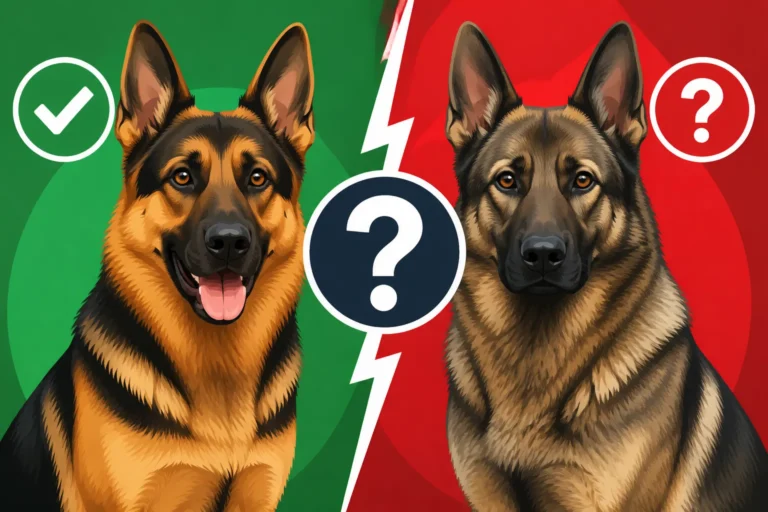
The most immediate and obvious difference between a German Shepherd and a King Shepherd is their sheer size. King Shepherds are simply bigger. They are taller, heavier, and have a more massive, robust bone structure. Imagine standing next to a standard GSD, and then imagining a dog that looks like the GSD's much larger, broader cousin – that's often the King Shepherd. This size difference isn't just about aesthetics; it impacts everything from food consumption and crate size to the amount of space needed in your home and car.
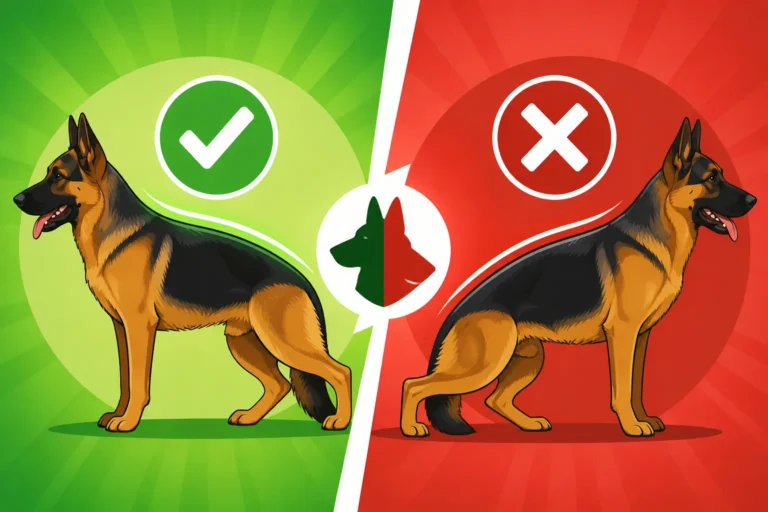
Beyond size, their body structure often differs significantly. While some German Shepherd lines are bred for a straighter back, many show lines exhibit a distinctive sloped back. The King Shepherd, on the other hand, was intentionally bred to have a level, straight back. This was a conscious decision by the breed's founders to promote better overall health and structure, aiming for a less exaggerated rear angulation. Their coats also tend to be longer and thicker than many standard GSDs, demanding more intensive grooming. You'll definitely want a good vacuum and brushes available, and probably a great online retailer like Chewy for all your grooming supplies.
Temperamental Nuances and Family Fit
While both breeds are intelligent and loyal, their temperaments lean in slightly different directions. German Shepherds are famous for their intense drive and focus, making them exceptional working dogs. They thrive on having a purpose and can be quite demanding of their owner's time and attention. Their protective instincts are strong, and they often need more dedicated socialization to be comfortable with new people and situations. They are wonderful family dogs for active families who can meet their needs for engagement and training, but might be overwhelming for a first-time owner or a more sedentary household. Learn more about their suitability as family pets in Are German Shepherds Good Family Dogs.
King Shepherds, while still intelligent and trainable, generally exhibit a calmer, more laid-back disposition. They are often described as being more "mellow" than GSDs, making them excellent companions for families, even those with children or other pets, assuming proper introductions and training. Their protective nature is usually more about being a watchful guardian rather than a high-strung protector. They are typically more outgoing and less prone to the initial aloofness that GSDs can display towards strangers. This difference in drive and intensity means a King Shepherd might be a better fit for a family seeking a large, gentle companion who is less intensely "driven" than a typical working-line German Shepherd.
Training Needs and Exercise Demands
Both German Shepherds and King Shepherds are highly intelligent and eager to please, which makes them very trainable. However, the type and amount of training and exercise they require can differ.
German Shepherds have a high energy level and a strong desire to work. They need extensive daily exercise, including vigorous play, long walks, or runs, and plenty of mental stimulation. Obedience training is not just recommended; it's practically mandatory for a well-behaved GSD. They excel in dog sports like agility, obedience, and Schutzhund. Without adequate outlets for their energy and intelligence, a GSD can become destructive, anxious, or develop behavioral issues. Their minds need to be engaged as much as their bodies. Consider resources like How to Train a German Shepherd or German Shepherd Exercise Requirements to understand their needs fully.
King Shepherds also require consistent training and regular exercise, but their needs are often less intense than a GSD's. Daily walks, playtime in a securely fenced yard, and mental enrichment activities are essential. They still benefit immensely from obedience training and early socialization, especially given their large size. While they enjoy activity, they are often content with moderate exercise and are typically calmer indoors than a GSD. However, don't underestimate their need for exercise – a giant breed still needs to move to stay healthy and happy. Access to quality food from places like Chewy will also be vital for supporting their large frames and activity levels.
Health, Lifespan, and Care Considerations
When welcoming any large breed into your home, understanding their specific health concerns, lifespan, and care requirements is paramount.
Common Health Concerns and Lifespan
Both German Shepherds and King Shepherds are large breeds, and as such, they share some common predispositions to certain health issues. Hip and elbow dysplasia are unfortunately prevalent in both, although reputable King Shepherd breeders specifically aim to mitigate these issues through careful breeding and health testing, often producing dogs with a straighter, more robust back structure designed to be less prone to these joint problems. Other concerns can include bloat (gastric dilatation-volvulus), certain cancers, and eye conditions. For a deeper dive into GSD specific health concerns, you can check out German Shepherd Health Problems Guide or German Shepherd Hip Dysplasia Explained.
In terms of lifespan, German Shepherds typically live for 9 to 13 years. King Shepherds, being a larger breed, generally have a slightly shorter lifespan, often ranging from 10 to 11 years, though individual dogs can certainly live longer with excellent care. Proactive health management, including a high-quality diet, appropriate exercise, and regular veterinary check-ups, is crucial for maximizing the health and longevity of both breeds. Genetic health testing by breeders is vital for both, but particularly for a newer breed like the King Shepherd, where selective breeding for health is a foundational principle.
Grooming and Nutritional Requirements
Both breeds possess a dense double coat that requires consistent grooming. You can expect significant shedding, especially during seasonal "blow outs" when they shed their undercoat. Regular brushing, at least 2-3 times a week (and daily during shedding seasons), is essential to prevent matting, reduce loose hair in your home, and keep their skin and coat healthy. Using a good quality deshedding tool and an undercoat rake will be your best friends. Bathing should be done as needed, typically every few months, unless they get particularly dirty. Finding a reliable source for grooming tools and supplies, like Chewy, will be a regular part of your routine.
Nutritionally, both German Shepherds and King Shepherds require a high-quality large-breed dog food formulated to support their growth, energy levels, and joint health. Given the King Shepherd's enormous size, their food consumption will be substantial, and careful portion control is important to prevent obesity, which can exacerbate joint problems. German Shepherds also have robust appetites. It’s important to monitor their weight carefully and adjust their diet as they grow and mature. Puppy formulas for large breeds are especially important to ensure slow and steady growth, which can help prevent developmental orthopedic issues. If you are struggling with their diet, you might want to look at our guide to Best Dog Food for German Shepherds.
Making Your Choice: German Shepherd or King Shepherd?
So, how do you decide which of these magnificent breeds is the right fit for your home? It really comes down to an honest assessment of your lifestyle, experience, and expectations.
Lifestyle Compatibility Check
Consider your living situation:
- Space: Do you have ample space, both indoors and outdoors? A German Shepherd needs room to move, but a King Shepherd demands even more. They aren't suited for small apartments, particularly the King Shepherd.
- Time Commitment: Both breeds are intelligent and require significant human interaction. They are not dogs that can be left alone for long hours without consequence. A German Shepherd's higher drive might mean more dedicated training sessions and structured activities.
- Activity Level: Are you an active individual or family? A German Shepherd will thrive with a running partner or someone who engages them in vigorous play and sports. A King Shepherd still needs good daily walks and playtime, but might be happier with a slightly less intense regimen once mature.
- Experience: While both are highly trainable, a German Shepherd's intensity and protective instincts often benefit from an experienced dog owner who understands canine behavior and leadership. A King Shepherd's more mellow nature can be a bit more forgiving, but their sheer size still means they require an owner capable of handling a very large, strong dog.
Ultimately, if you're looking for a dedicated, highly driven working companion that excels in demanding tasks and thrives on intense engagement, a German Shepherd might be your ideal match. If you're drawn to a truly impressive, gentle giant with a calm, affectionate nature who will be a devoted, watchful family protector, and you're prepared for the significant needs of a very large dog, the King Shepherd could be perfect. For more general advice, consider German Shepherd Breed Guide to round out your knowledge.
Responsible Ownership Expectations
Regardless of which breed you choose, bringing either a German Shepherd or a King Shepherd into your life is a significant commitment, both in terms of time and finances.
- Training & Socialization: Lifelong training and continuous socialization are non-negotiable for both breeds to ensure they grow into well-adjusted, confident companions. Early puppy classes are a fantastic start, and consistent reinforcement at home is crucial.
- Veterinary Care: Large breeds can incur higher veterinary costs, from routine care to potential treatments for orthopedic conditions or emergencies like bloat. German Shepherd Vet Costs Per Year can give you an idea of the financial commitment.
- Grooming: Be prepared for shedding. A lot of shedding. Regular brushing is a must.
- Nutrition: Feeding a large, active dog can be expensive. Invest in high-quality food that supports their large bodies and energy levels.
- Love & Companionship: Most importantly, both breeds thrive on being an integral part of their family. They need love, attention, and a strong bond with their humans.
Choosing between a German Shepherd and a King Shepherd isn't about one being "better" than the other; it's about finding the breed whose specific traits and needs align best with your family's lifestyle and capabilities. Both are magnificent, intelligent, and loyal companions, ready to bring immense joy and purpose into the right home.
Disclaimer
This article is for general informational purposes only and does not constitute professional advice. Laws, prices and regulations vary by location and change over time. Consult a qualified professional for guidance on your specific situation.