How to Fix an Undersocialized German Shepherd
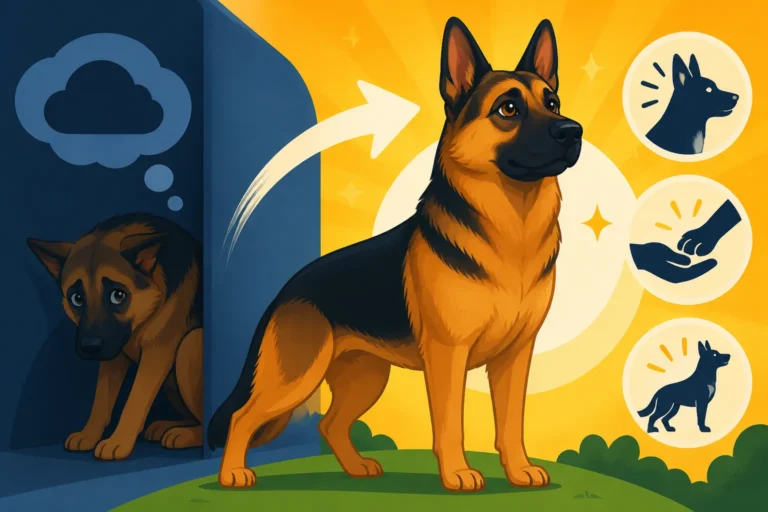
It's heartbreaking to witness your once-lively German Shepherd recoil from new experiences, cower from strangers, or react aggressively on walks. An undersocialized German Shepherd isn't just being difficult; they're often navigating a world that feels overwhelming and frightening, leading to stress for both of you. This guide aims to help you understand the root causes of undersocialization and provides a compassionate, step-by-step pathway to help your beloved companion build confidence and find peace in everyday life.
Understanding Undersocialization in German Shepherds
Undersocialization in German Shepherds isn't merely about a dog being "shy" or "introverted." It's a complex issue stemming from a lack of sufficient, positive exposure to various people, places, sounds, sights, and other animals during their crucial developmental periods, particularly between 3 to 16 weeks of age. This foundational phase shapes how a dog perceives the world and reacts to novel stimuli. When this period is missed or poorly managed, a German Shepherd can grow up with a limited understanding of what's "normal" or "safe," leading to fear, anxiety, and sometimes, reactive behaviors.
Think of it like a child who grows up in complete isolation. When suddenly thrust into a bustling school, they would naturally feel overwhelmed, anxious, and might lash out or shut down because they lack the prior experiences to cope. Dogs are no different. German Shepherds, with their inherent protective instincts and keen senses, are especially susceptible to the pitfalls of undersocialization. Their strong guarding tendencies, when coupled with fear or uncertainty, can manifest as behaviors that are often misinterpreted as aggression, but are, in fact, fear-based responses. It's a tough situation because you want them to be well-adjusted, but their very nature, without proper guidance, can work against them in social settings.
The Critical Window of Opportunity
The primary socialization window for puppies is incredibly short, typically from around 3 to 16 weeks of age. During this time, a puppy's brain is like a sponge, soaking up every experience and categorizing it as either safe or dangerous. Positive interactions with a wide variety of people – men, women, children, people in hats, people with glasses, people on bikes – as well as different environments, sounds, and other vaccinated, stable dogs, are crucial. If a German Shepherd puppy spends this period isolated, confined, or only exposed to a very limited set of stimuli, their brain misses the opportunity to build a robust framework for navigating the diverse world they'll inhabit.
For instance, a German Shepherd puppy raised in a quiet, rural home with only one or two adults and no exposure to city sounds or other dogs might grow up terrified of traffic noise or the sight of a passing jogger. This isn't their fault; it's a direct consequence of what their early experiences taught them (or didn't teach them) about the world. Many well-meaning owners simply don't realize the intensity and breadth of socialization needed during this short period. While genetics play a role in temperament, proper socialization can mitigate many potential issues. You can learn more about a solid plan in our guide on German Shepherd Puppy Training Guide.
Common Reasons for Undersocialization
Several factors can contribute to a German Shepherd becoming undersocialized. Often, it's a combination of these elements, rather than a single cause. One of the most common reasons is simply a lack of awareness from the breeder or initial owner about the importance of early, diverse socialization. Puppies might be kept in kennels, away from household noises, children, or varying types of people. This isn't always malicious; sometimes it's due to misguided beliefs about protecting puppies from illness before they are fully vaccinated, inadvertently sacrificing critical social development.
Another significant factor can be the owner's own lifestyle or anxieties. If you're someone who rarely goes out or doesn't have many visitors, your German Shepherd will naturally have limited exposure. Similarly, if you're nervous about taking your puppy out, they can pick up on your unease, reinforcing their own apprehension. Traumatic experiences, even isolated incidents like a bad scare from a loud noise or an aggressive dog encounter, can also lead to a fear-based response that generalizes to similar situations, effectively halting positive socialization progress. In some unfortunate cases, rescue dogs may come from backgrounds of neglect or abuse, which inherently leads to severe undersocialization and a deep mistrust of the world.
Recognizing the Signs of an Undersocialized German Shepherd
Identifying undersocialization is the first critical step toward helping your German Shepherd. These behaviors aren't always overt aggression; often, they start as subtle cues of discomfort that escalate if ignored. It’s vital to distinguish between a German Shepherd who is simply cautious (which is typical for the breed’s watchful nature) and one who is genuinely struggling with the world around them due to undersocialization.
Look for patterns in their behavior, especially when introduced to new people, animals, or environments. Does their body language tell a consistent story of fear, anxiety, or hyper-vigilance? Are they unable to recover quickly from a minor startle? A well-socialized German Shepherd might be reserved, but they shouldn't be perpetually on edge or showing extreme reactions. Understanding these signs will help you tailor your approach to resocialization, recognizing where their specific fears lie.
Behavioral Indicators
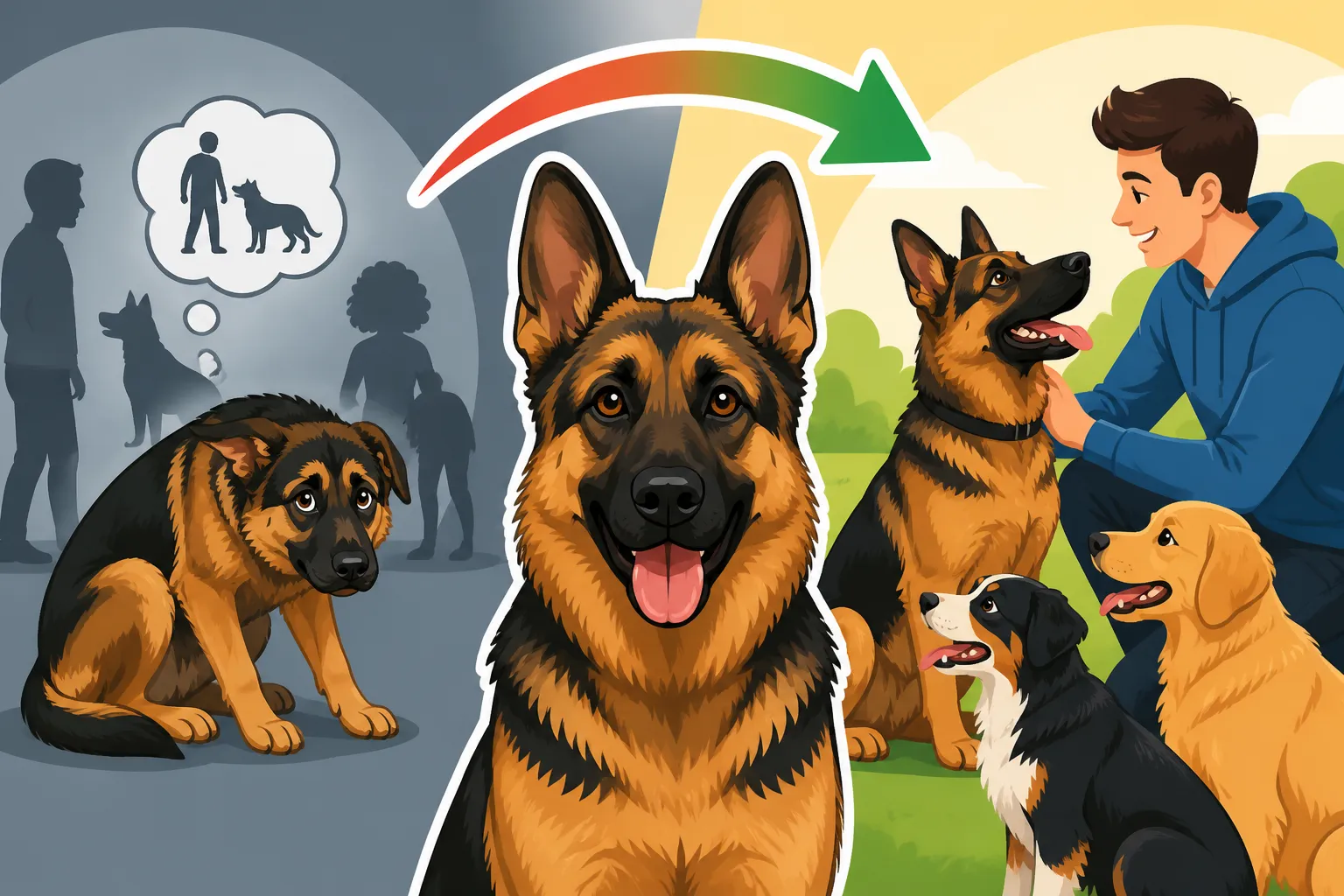
When an undersocialized German Shepherd encounters new stimuli, their reactions can range from avoidance to outright aggression. A common sign is extreme shyness or withdrawal. They might try to hide behind you, tuck their tail between their legs, flatten their ears, or avoid eye contact. Some will freeze, becoming rigid and still, a clear sign of fear. Others might try to bolt and run away from the perceived threat. These are all attempts to disengage from a situation they find overwhelming.
On the other end of the spectrum, fear can manifest as reactivity or aggression. This might look like excessive barking, lunging, growling, or snapping at people or other dogs. Often, this is not an attempt to genuinely harm, but rather a desperate plea for the scary thing to go away. A German Shepherd on a leash who barks frantically at every passing dog or person is likely doing so out of fear and insecurity, not dominance. This can be particularly frustrating for owners who feel like their dog is "misbehaving," when in reality, they're just terrified. You might also notice hyper-vigilance, where your dog is constantly scanning their environment, unable to relax even in seemingly calm situations, demonstrating that they are always on high alert for potential threats. Many of these behaviors can overlap with German Shepherd Reactivity on Walks.
Physical Cues and Body Language
Beyond overt behaviors, an undersocialized German Shepherd will often display a range of physical cues that signal their distress. Their body language speaks volumes if you know how to read it. Look for a lowered body posture, a tucked tail, and ears pinned back against their head. They might excessively yawn, lick their lips, or turn their head away, all of which are calming signals used to communicate discomfort or try to de-escalate a perceived threat.
Their eyes might be wide, showing the whites (whale eye), indicating stress. Trembling or shaking, even in mild temperatures, is another clear sign of fear. Some dogs will pant heavily, even when not exerting themselves, or shed excessively when stressed. In more severe cases, they might drool, have dilated pupils, or even exhibit stress-induced diarrhea or urination. Learning to identify these subtle signs early can help you intervene before your German Shepherd becomes completely overwhelmed, allowing you to remove them from a stressful situation and prevent further negative associations. These cues are often the first "words" your dog uses to tell you they're struggling, so paying attention is key to understanding How to Tell If a German Shepherd Is in Pain from stress.
The Risks of Unaddressed Socialization Issues
Ignoring undersocialization in your German Shepherd isn't just about discomfort; it poses significant risks to their well-being, your peace of mind, and the safety of those around you. It's a problem that rarely improves on its own and tends to worsen over time if not addressed proactively. The world doesn't get smaller or less stimulating, so your dog's coping mechanisms, if they rely solely on fear or reactivity, will only become more ingrained.
Living with an undersocialized German Shepherd can be incredibly stressful, turning routine activities like walks or vet visits into daunting challenges. More importantly, it can severely impact your dog's quality of life, trapping them in a constant state of anxiety and preventing them from experiencing the joy and confidence that a well-adjusted dog deserves.
Safety Concerns for Dog and Others
The most immediate and pressing concern with an undersocialized German Shepherd is the potential for safety issues. A fearful dog, when pushed beyond their comfort zone, can react unpredictably. This might mean biting out of fear if they feel cornered or threatened, even if they've never shown aggression before. This poses a risk not only to strangers, other animals, or visitors to your home, but also to you and your family members who might inadvertently trigger a stress response. Such incidents can lead to serious legal consequences, the heartbreaking decision of rehoming, or even euthanasia in extreme cases.
Moreover, an undersocialized dog is more prone to escape attempts when frightened, potentially leading to them getting lost, injured by traffic, or harming themselves trying to flee. The constant stress can also have long-term health implications, weakening their immune system and exacerbating other conditions. Consider a scenario where your German Shepherd panics during a routine vet visit, making it impossible for staff to examine or treat them without heavy sedation – a common struggle for owners of undersocialized dogs. It's not just about what could happen; it's about preventing a life of fear and potential danger for everyone involved.
Impact on Quality of Life and Bond
Beyond safety, unaddressed undersocialization severely diminishes your German Shepherd's quality of life. Imagine living in a perpetual state of worry, where every new sound, sight, or person triggers an alarm. This isn't just mentally exhausting; it's physically draining for your dog. They miss out on the simple joys of exploring new places confidently, meeting friendly dogs, or calmly greeting guests. Their world becomes smaller, often confined to only the most predictable environments they feel safe in.
This also profoundly impacts your bond with your German Shepherd. What should be a relationship built on trust, companionship, and shared experiences can become strained by frustration, worry, and the constant management of difficult behaviors. You might feel isolated, unable to enjoy activities with your dog that other owners take for granted. The guilt and sadness of seeing your loyal companion struggle can be overwhelming. Resocialization isn't just about training; it's about giving your German Shepherd the tools to thrive and allowing you both to build a more relaxed and joyful relationship.
A Step-by-Step Approach to Resocializing Your Adult German Shepherd
Resocializing an adult German Shepherd is a journey, not a sprint. It requires immense patience, consistency, and a commitment to positive reinforcement. The goal isn't to force your dog into situations they fear, but rather to gradually and safely introduce them to new experiences, helping them build positive associations and confidence at their own pace. This isn't a quick fix, especially for a large, powerful breed like the German Shepherd, but the rewards of seeing your dog grow more comfortable in the world are immeasurable.
Start with creating a safe and predictable home environment, as this forms the foundation of their security. From there, you'll slowly expand their comfort zone, always prioritizing their emotional state over pushing them too fast. Remember, every positive, calm experience is a brick in the wall of their confidence, and every negative, overwhelming one can set you back.
Creating a Safe and Controlled Environment
Before you even think about exposing your German Shepherd to the outside world, you need to ensure their home environment is a sanctuary. This means a predictable routine, a comfortable den or crate that they associate with safety (our guide on How to Crate Train a German Shepherd can help here), and clear boundaries. Reduce potential stressors within the home, such as loud noises, unpredictable guests, or chaotic interactions. If your dog is fear-reactive to certain sounds, work on desensitization by playing those sounds at a very low volume and pairing them with high-value treats.
Controlled exposure is paramount. This means you are fully in charge of the situation and can remove your dog at any sign of stress. Begin with very low-intensity encounters. For instance, if your dog is fearful of strangers, start by having a trusted friend stand across the street, far enough away that your dog notices them but shows no signs of stress. Reward your dog calmly for simply observing without reacting. Over multiple sessions, your friend can gradually decrease the distance. Never force interactions; always allow your German Shepherd to approach or retreat as they feel comfortable. Using a long leash (10-15 feet) can provide a sense of freedom while maintaining your control in these initial stages. Many useful long lines are readily available on Amazon.
Gradual Exposure and Positive Reinforcement
The core of resocialization lies in gradual exposure paired with consistent, high-value positive reinforcement. This means making every new experience as positive as possible for your German Shepherd. Always work below their threshold – that invisible line where they start to become anxious or reactive. If your dog begins to show even subtle signs of stress (tail tuck, lip lick, freezing), you’ve gone too far, too fast. Retreat to a distance or situation where they are calm, and try again later, or with less intensity.
Here's a simple framework for gradual exposure:
- Identify the Trigger: What specifically makes your German Shepherd anxious (e.g., children, other dogs, men with hats, skateboards)?
- Determine the Threshold: Find the maximum distance or minimum intensity at which your dog can observe the trigger without reacting negatively. This might be across a park or behind a closed window.
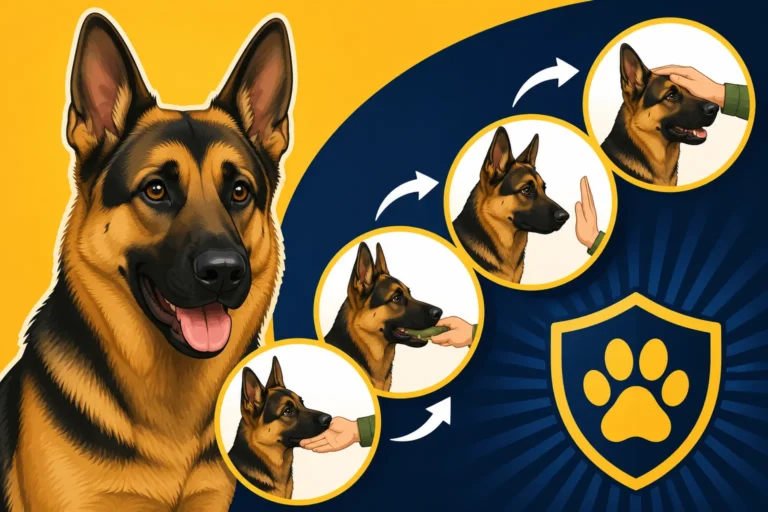
- Positive Association: At this threshold, immediately start feeding your dog high-value treats (chicken, cheese, hot dogs) the moment the trigger appears, and stop feeding when it disappears. The goal is to create the association: "When scary thing appears, awesome treats happen!" This is often called "counter-conditioning."
- Decrease Distance/Increase Intensity Slowly: Over many sessions, as your dog consistently remains calm and looks to you for treats when the trigger appears, slowly reduce the distance or increase the intensity. This might mean having the trigger move slightly closer, or stay visible for a longer period.
This process must be broken down into tiny, manageable steps. For example, if your dog fears other dogs, you might start by simply watching other dogs from inside your car, then from a great distance in a quiet park, and gradually closer. Remember, one calm, positive interaction is worth a hundred stressful ones. Consistency is key, and every interaction, no matter how small, is a training opportunity. Our guide on How to Build Confidence in a Shy German Shepherd offers even more specific tips.
Key Training Techniques and Tools for Success
Successful resocialization isn't just about exposure; it’s about equipping your German Shepherd with coping mechanisms and teaching them alternative, more appropriate behaviors. This involves specific training techniques and utilizing the right tools to ensure both safety and effectiveness during your training sessions. Remember, you are your dog's guide and protector through this challenging process.
Always prioritize safety, both for your dog and for others. A well-fitting muzzle, when introduced positively, can be an invaluable tool, not as a punishment, but as a safety net that allows you to work on socialization without the constant fear of a bite incident.
Harnessing Positive Reinforcement and Desensitization
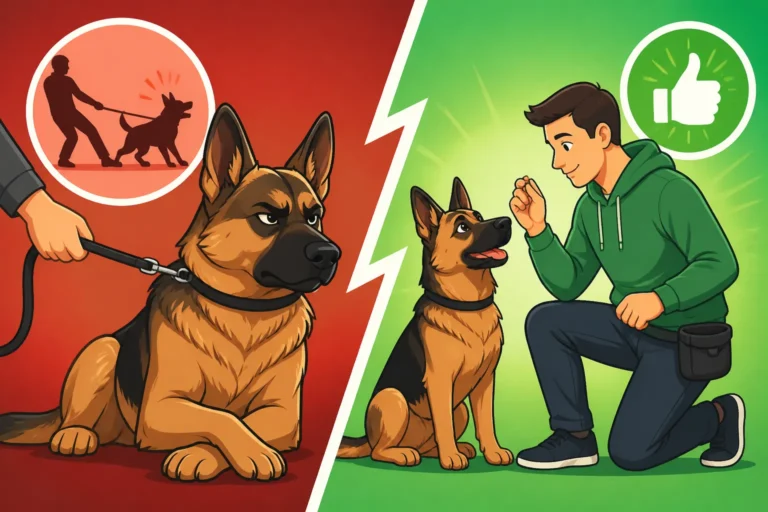
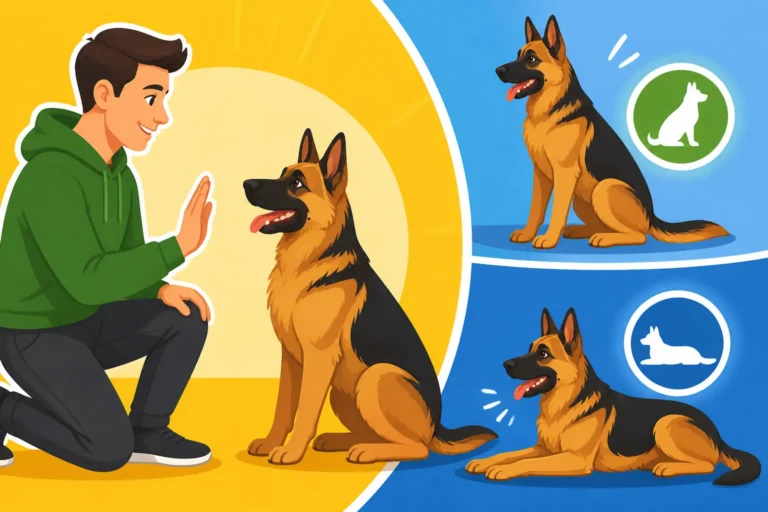
Positive reinforcement is the cornerstone of effective resocialization. It’s about rewarding desired behaviors and creating pleasant associations, rather than punishing unwanted ones, which only increases fear and anxiety in an undersocialized dog. When your German Shepherd remains calm, shows curiosity, or looks to you for guidance in a novel situation, mark that moment with praise and a high-value treat. This teaches them that good things happen when they don’t react fearfully.
Desensitization involves gradually exposing your dog to their triggers at a level they can tolerate, slowly increasing the intensity over time. For example, if your dog is terrified of children, you wouldn't throw them into a playground. Instead, you might start by showing them a picture of a child, then letting them observe a child from a distance, rewarding calm behavior at each step. Online programs, like those offered by BAXTER & Bella, often include comprehensive modules on socialization and positive reinforcement techniques that can be applied to adult dogs, even if initially designed for puppies. These resources can provide structured lessons and support through your resocialization journey.
Essential Tools and Equipment
Having the right tools can make a significant difference in the safety and success of your resocialization efforts.
- High-Value Treats: These are non-negotiable. Think cooked chicken, hot dogs, cheese, or specialized training treats your dog goes wild for. The higher the value, the stronger the positive association.
- Long Line/Leash (10-15 feet): This provides freedom of movement for your dog to explore safely while maintaining your control. It's crucial for working on recall and allowing them to investigate new scents without feeling trapped. Many trainers recommend Ruffwear or Blue-9 for durable long lines, often available on Amazon.
- Front-Clip Harness: A well-fitting front-clip harness, like the Freedom No-Pull Harness or the Balance Harness, can help redirect your German Shepherd's pulling without putting pressure on their throat, giving you more control during walks and allowing them to explore comfortably.
- Basket Muzzle: For dogs with a bite history or high fear aggression, a properly fitted basket muzzle (like those from Baskerville or Leerburg) is a responsible safety tool. It allows your dog to pant, drink, and take treats while preventing bites, giving you peace of mind to focus on training. It's crucial to introduce the muzzle positively, associating it with treats and comfort, not punishment.
- Clicker: A clicker can be an incredibly precise tool for marking the exact moment your dog performs a desired behavior, reinforcing it more effectively than verbal praise alone. Our guide on German Shepherd Clicker Training for Beginners offers a great starting point.
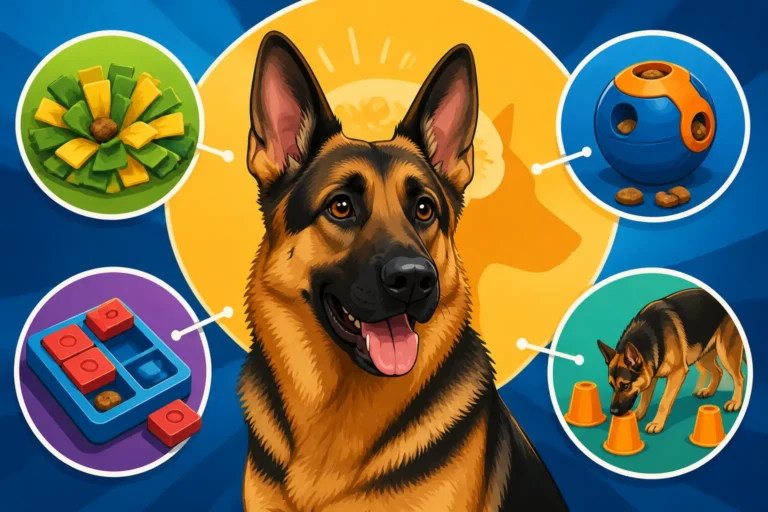
- Mental Stimulation Toys: Puzzle toys and chew toys are vital for reducing stress and providing an outlet for mental energy. A mentally tired dog is often more relaxed. Brands like Kong and Outward Hound offer excellent options that can be filled with treats, keeping your GSD engaged and happy at home. You can find many of these options, including Best Puzzle Toys for German Shepherds, on Amazon.
| Tool Category | Purpose | Examples / Key Features |
|---|---|---|
| High-Value Treats | Positive reinforcement, creating strong associations | Cooked chicken, hot dogs, cheese, freeze-dried liver; easily breakable into small pieces |
| Leashes/Harnesses | Safety, control, preventing pulling, clear communication | 10-15 ft long line, front-clip harness (e.g., Freedom No-Pull, Balance Harness), standard 6 ft leash, durable materials |
| Muzzles | Bite prevention, safety net for fear-reactive dogs | Basket muzzle (e.g., Baskerville Ultra, Leerburg); allows panting, drinking, and treat-taking; introduced positively |
| Training Aids | Precise communication, focus | Clicker, treat pouch for quick access to rewards, target stick for cooperative care |
| Enrichment Toys | Mental stimulation, stress reduction | Puzzle feeders (e.g., Kong Wobbler, Outward Hound), durable chew toys (e.g., Nylabone, Benebone), snuffle mats |
Knowing When to Call in the Professionals
While a DIY approach to resocialization is admirable and often effective for mild cases, there comes a point where professional intervention is not just helpful but necessary. Admitting you need help doesn't mean you've failed; it means you're a responsible owner committed to providing the best possible life for your German Shepherd. Undersocialization, especially when coupled with fear-based reactivity or aggression, can be incredibly complex and potentially dangerous to manage alone.
A good professional can offer expertise, an objective perspective, and access to resources that might be beyond the average owner's reach. They can also create a customized plan that addresses your dog's specific needs and your family's unique situation, guiding you safely through challenges that might otherwise seem insurmountable.
Consulting a Certified Professional Dog Trainer
If you're struggling to make progress, your German Shepherd's behavior is escalating, or you feel overwhelmed and unsure how to proceed, it's time to seek the guidance of a certified professional dog trainer. Look for trainers who specialize in fear, reactivity, and aggression, and who use force-free, positive reinforcement methods. Avoid trainers who advocate for harsh corrections, intimidation, or "alpha" theory, as these methods will only exacerbate fear and damage your relationship with an undersocialized German Shepherd.
A good trainer will start with a thorough assessment of your dog's behavior, history, and triggers. They can help you identify subtle cues you might be missing, teach you advanced handling techniques, and provide a structured plan for desensitization and counter-conditioning. They can also help you manage your own emotions and reactions during training, which is often a critical, overlooked aspect. Organizations like the Certification Council for Professional Dog Trainers (CCPDT) or the Association of Professional Dog Trainers (APDT) can help you find qualified professionals in your area. They often have experience with breeds like German Shepherds, understanding their specific needs and temperament. You can explore more about training options in our guide on When to Hire a Trainer for a German Shepherd.
When to Consider a Veterinary Behaviorist
For severe cases of undersocialization, particularly those involving extreme fear, anxiety disorders (like generalized anxiety or separation anxiety), or aggression that doesn't respond to standard training methods, a veterinary behaviorist might be the most appropriate next step. A veterinary behaviorist is a licensed veterinarian with additional specialized training and board certification in animal behavior. This means they can diagnose underlying medical conditions that might be contributing to behavioral issues, and, if appropriate, prescribe medication to help manage anxiety.
Just like in humans, sometimes medication can help take the edge off severe anxiety, allowing behavioral modification techniques to be more effective. A vet behaviorist can provide a comprehensive treatment plan that combines medication, behavior modification, and environmental management strategies. They work closely with your regular veterinarian and often collaborate with your dog trainer to ensure a holistic approach. Their medical understanding of the brain chemistry involved in fear and anxiety makes them uniquely qualified to handle the most challenging cases, offering hope and practical solutions for German Shepherds whose lives are significantly impacted by extreme undersocialization.
Disclaimer
This guide is intended for informational purposes only and is not a substitute for professional veterinary advice or specialized dog training. Always consult with a qualified veterinarian or certified professional dog trainer for any health concerns or before implementing significant changes to your German Shepherd's diet, exercise, or training regimen, especially if dealing with behavioral issues like aggression or extreme fear. The author and publisher are not responsible for any adverse effects resulting from the use of the information in this article.