How to Calm a Hyperactive German Shepherd
Is your German Shepherd bouncing off the walls, zooming around the house like a furry missile, or constantly demanding attention with an intensity that leaves you utterly exhausted? You are definitely not alone. Many German Shepherd owners find themselves battling seemingly boundless energy, mistaking it for hyperactivity, when often it's just their brilliant, high-drive dog expressing unfulfilled needs. This guide will help you decode your German Shepherd's energetic behavior and equip you with practical strategies to channel that vigor into calm, focused engagement.
Understanding Your German Shepherd's High Energy Drives
Before we even talk about calming a German Shepherd, it's crucial to understand why they possess such incredible energy in the first place. These aren't your average couch potatoes; they were bred for demanding work, and their minds and bodies are wired for action.
The German Shepherd Temperament and Working Dog Legacy
German Shepherds hail from a lineage of herding and working dogs, meticulously developed to be intelligent, athletic, and utterly devoted. This history means they are inherently built with a high drive, an insatiable curiosity, and a formidable capacity for both physical and mental work. They're not just dogs; they're canine athletes and thinkers, and ignoring these fundamental aspects of their German Shepherd Temperament and Personality can often lead to what we perceive as hyperactivity.
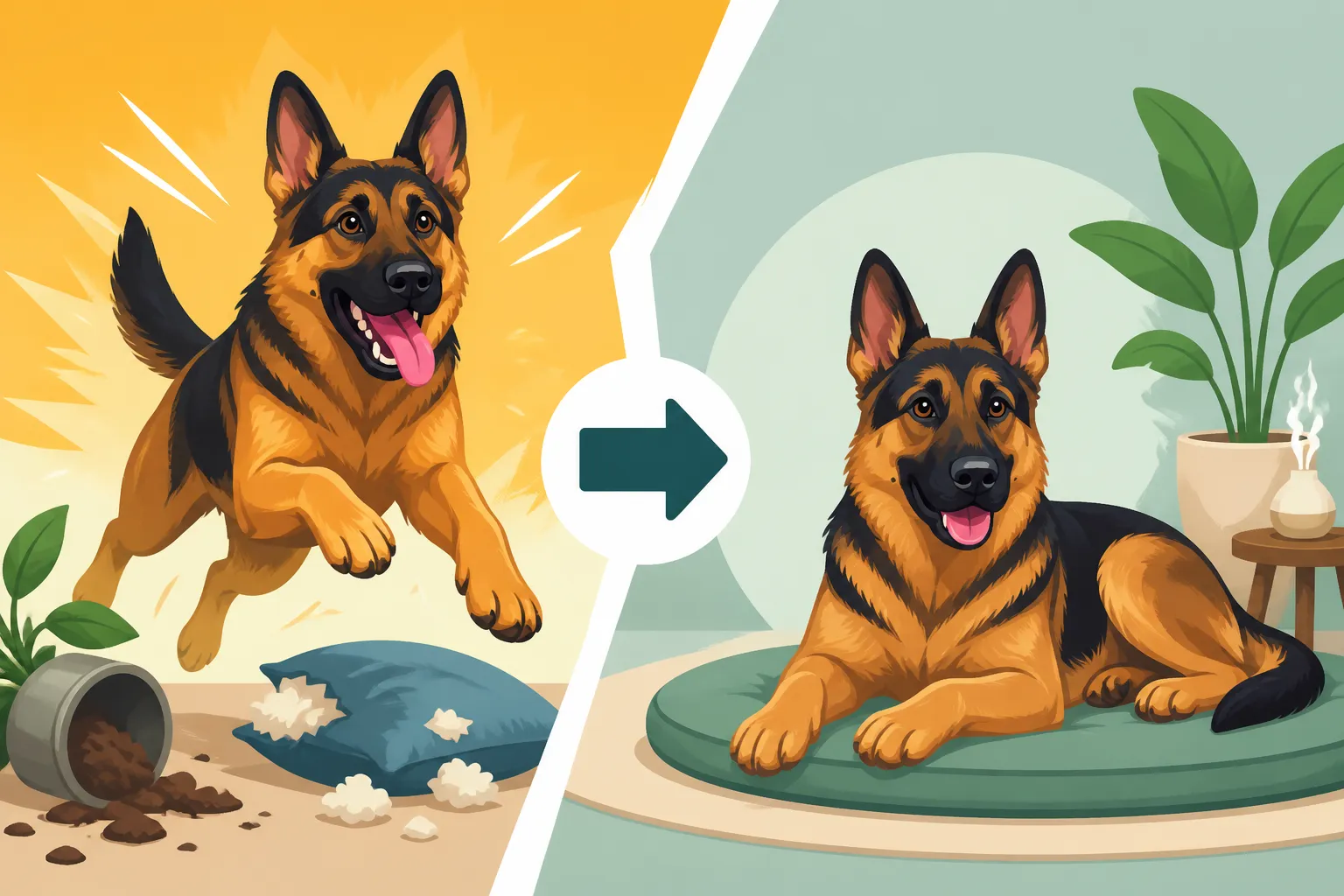
Think about it: a dog bred to run for miles herding sheep or to track scents for hours isn't going to be content with a quick trot around the block once a day. Their bodies are masterpieces of endurance, and their minds crave stimulation. When these needs aren't met, that pent-up energy and intelligence have to go somewhere, and it often manifests as restless pacing, incessant barking, destructive chewing, or seemingly random bursts of frenetic activity. It's their way of saying, "I need a job!"
Common Causes of Hyperactivity Beyond Pure Energy
While high energy is a hallmark of the breed, true "hyperactivity" can sometimes stem from other issues. It’s not always just a simple case of needing more exercise. Sometimes, what looks like endless energy is actually a dog struggling with anxiety, overstimulation, or even an underlying health concern.
For instance, a dog experiencing separation anxiety might become agitated and destructive when left alone, behaviors that could be mistaken for hyperactivity. Likewise, an environment with constant loud noises, excessive foot traffic, or inconsistent routines can create a chronically stressed dog, leading to an inability to settle. Even their diet can play a role; some dogs react poorly to certain ingredients, leading to behavioral changes. It’s a complex puzzle, and understanding all the pieces is the first step toward finding a solution. If you suspect deeper issues at play, looking into resources like German Shepherd Behavior Problems and Solutions can provide valuable insights.
The Critical Role of Proper Physical Outlets
There’s a common misconception that if a German Shepherd is "hyper," you just need to run them until they drop. While physical exercise is undeniably vital, it’s about quality as much as quantity. Simply letting them loose in the yard for an hour might burn some calories, but it often doesn't satisfy their deeper need for structured activity and purpose.
A German Shepherd needs exercise that engages both their body and their mind. A long, brisk walk where they get to sniff and explore their surroundings, a vigorous game of fetch, or even structured training sessions that involve movement can be far more effective than undirected free play. Without these appropriate outlets, that boundless energy can turn into a frustrating cycle of restlessness and unwanted behaviors. Remember that German Shepherd Exercise Requirements are significant and need consistent effort from the owner.
Unleashing Their Energy Constructively Through Exercise
Meeting your German Shepherd's exercise needs is the cornerstone of fostering a calmer, more balanced dog. It's not about exhausting them into submission, but rather providing appropriate, structured physical activity that satisfies their innate drives.
Structured Physical Activity: More Than Just a Walk
For a German Shepherd, a "walk" isn't just a leisurely stroll; it's an adventure, a mental workout, and an opportunity for purpose-driven movement. Instead of just letting them pull you along, turn walks into structured training sessions. Practice heeling, automatic sits at curbs, and allowing them to sniff designated areas. This turns a simple walk into an engaging activity where their brain is working as hard as their legs. Consider integrating varied terrains and environments, too. A hike on a trail offers more sensory input and physical challenge than a flat pavement walk.
Beyond walking, incorporating specific activities designed for their breed can make a world of difference. Think about activities like long-distance fetch with a sturdy launcher, allowing them to swim, or even introducing them to agility or disc dog sports if they enjoy it. These aren't just energy burners; they're confidence builders and crucial for overall well-being. Always ensure you have durable toys and equipment; you can find a fantastic selection of high-quality, robust options on Amazon that can stand up to a German Shepherd's enthusiasm.
Balancing High-Impact Work with Controlled Leash Time
While intense exercise is crucial, it needs to be balanced. Continuously over-exercising a German Shepherd, especially a young one, can sometimes lead to injuries or even exacerbate hyperactivity if they learn to operate in a constant state of high arousal. The goal is to drain their energy in a focused way, not to create a perpetual motion machine.
Controlled leash walks, where your dog is focused on you and practicing good manners, teach them how to be calm and attentive even in stimulating environments. These aren't just about burning energy; they're about building a relationship and reinforcing discipline. Off-leash play in a safe, designated area is also invaluable, allowing them to really stretch their legs and run freely. The trick is to find the sweet spot between intense bursts of activity and calmer, more structured exercises that reinforce good behavior.
Safety Considerations for Intense Exercise
German Shepherds are prone to certain health issues, particularly those affecting their joints, such as hip and elbow dysplasia. Therefore, intense exercise needs to be managed carefully, especially in puppies and young adults. Avoid high-impact activities like excessive jumping or long-distance running on hard surfaces until their growth plates have closed, usually around 18-24 months of age. Pushing a young dog too hard can lead to long-term orthopedic problems. You can learn more about this in articles like How Much Exercise Is Too Much for a Puppy and German Shepherd Hip Dysplasia Explained.
Always warm up and cool down your dog before and after vigorous exercise. Pay attention to weather conditions; German Shepherds can overheat quickly in hot, humid weather due to their double coat. Provide plenty of fresh water, and never push your dog beyond their comfort level. If you're incorporating strenuous activities, discussing it with your veterinarian is always a good idea to ensure it's appropriate for your individual dog's health status. Regular vet check-ups and potentially even German Shepherd Genetic Health Testing can help you understand any predispositions your dog might have.
Mastering Mental Stimulation and Enrichment
Physical exercise is only half the battle. A German Shepherd's brilliant mind needs just as much, if not more, engagement than their powerful body. A physically tired but mentally bored German Shepherd is still a recipe for "hyperactivity."
Engaging the Brilliant German Shepherd Mind
German Shepherds thrive on having a "job." Their intelligence and problem-solving abilities are remarkable, and if these aren't channeled appropriately, they'll invent their own "jobs" – which often involve chewing your furniture, digging up the yard, or incessant barking. Mental stimulation provides a different kind of fatigue, a satisfying exhaustion that comes from working their brains.
This can be as simple as scattering their kibble around the yard for them to "hunt," hiding treats for them to find, or teaching them new tricks. Scent work, even amateur level, is incredibly fulfilling for them. Their noses are powerful tools, and allowing them to use them to find hidden items or follow a trail can be profoundly calming and exhausting in the best way possible. Consider exploring resources like Best Mental Stimulation for German Shepherds for more ideas.
Strategic Use of Puzzle Toys and Brain Games
Puzzle toys are your best friend when dealing with a smart, high-energy dog. These aren't just distractions; they are opportunities for your German Shepherd to problem-solve and "work" for their food or treats. From KONGs filled with peanut butter or wet food (and frozen for extended engagement) to interactive feeder toys that require nudging, flipping, or rolling, there's a vast world of options.
Rotate these toys regularly to keep them novel and engaging. A toy that's always out quickly loses its appeal. Introducing new challenges keeps their minds sharp and prevents boredom. Many excellent and durable puzzle toys are readily available on Amazon, often designed specifically for large, intelligent breeds. Remember, the goal is to make them think, not just to give them something to chew on.
Incorporating Training into Daily Routines
Training isn't just about teaching commands; it's about communication, structure, and mental engagement. Regular, short training sessions throughout the day can dramatically reduce perceived hyperactivity. Even 5-10 minute sessions a few times a day can make a huge difference. Focus on basic obedience commands like "sit," "stay," "down," and "come." These reinforce impulse control and focus, which are essential for a calm dog.
For a comprehensive guide on getting started or refining your approach, resources like a German Shepherd Puppy Training Guide or a broader guide on How to Train a German Shepherd can be invaluable. If you're feeling overwhelmed or want expert guidance from the comfort of your home, online training programs can be a game-changer. For example, BAXTER & Bella offers structured, step-by-step online courses that cover everything from basic manners to more advanced skills, which can really help you channel your GSD's energy into productive learning and build a stronger bond.
Implementing Effective Training and Behavior Modification
Consistent training and clear boundaries are fundamental for transforming a seemingly hyperactive German Shepherd into a well-mannered, calmer companion. It’s about teaching them how to be calm and rewarding that desired behavior.
Foundation of Obedience and Impulse Control
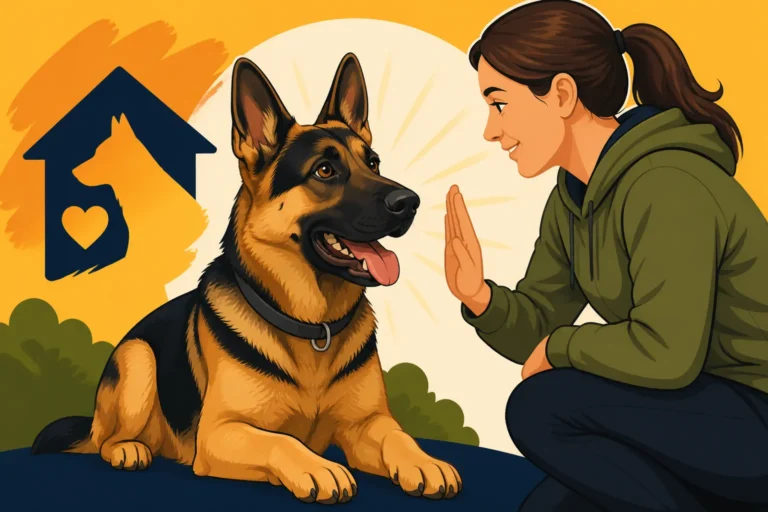
Obedience training isn't just about showing off; it's about establishing a clear communication channel and teaching your German Shepherd to control their impulses. Commands like "stay," "wait," and "leave it" are critical for a high-drive dog. Practice these in various environments, gradually increasing distractions. Start in a quiet room, then move to the backyard, then a park with minimal activity. This progressive training helps them generalize their learning and remain calm even when exciting things are happening around them.
Another vital aspect is teaching them a "place" command. This involves teaching your dog to go to a specific spot (like a mat or bed) and stay there until released. This provides them with a designated calm space and teaches them to settle down on command. It's a fantastic tool for managing excitement when guests arrive or during mealtimes. Consistency is key here; every family member needs to enforce the command equally.
Creating a Predictable Schedule and Calm Environment
Dogs thrive on routine and predictability, especially intelligent breeds like German Shepherds. A consistent daily schedule for feeding, potty breaks, exercise, training, and rest can significantly reduce anxiety and, consequently, hyperactivity. When a dog knows what to expect, they are generally calmer and more confident.
Your home environment also plays a huge role. Designate a quiet, comfortable space where your German Shepherd can retreat and relax without constant interruption. This might be a crate, a dog bed in a low-traffic area, or a corner of the living room. Ensure they have access to fresh water and appropriate chew toys there. Minimize excessive noise and chaos whenever possible. If your dog is overstimulated by outside activity, consider using white noise or calming music. A predictable routine helps teach them when it's time for action and when it's time to settle, providing much-needed mental boundaries.
Addressing Underlying Behavioral Issues
Sometimes, hyperactivity isn't just about energy; it’s a symptom of deeper behavioral issues. For example, a German Shepherd exhibiting constant barking, destructiveness, or excessive pacing when left alone might be struggling with German Shepherd Separation Anxiety Solutions. True anxiety can manifest as frantic, high-energy behaviors.
Another common issue is over-arousal. This happens when a dog becomes excessively stimulated and struggles to calm down, often leading to nipping, jumping, or zoomies. Learning to recognize the early signs of over-arousal (like stiff body language, frantic sniffing, or increased vocalization) allows you to intervene before your dog spirals into full-blown hyperactivity. This might involve redirecting their attention, initiating a short training session, or simply guiding them to their calm space. If you're really struggling, don't hesitate to seek guidance on How to Establish Leadership with a German Shepherd from a qualified professional.
Holistic Approaches to Promote Calmness
Beyond exercise and training, several other factors contribute to your German Shepherd's overall demeanor. A holistic approach considers diet, environment, and even when to bring in the pros.
Nutritional Impact on Behavior
What your German Shepherd eats can absolutely affect their energy levels and overall behavior. Some dogs, much like people, can be sensitive to certain ingredients, artificial colors, preservatives, or even high levels of simple carbohydrates in their diet, which can lead to energy spikes or general restlessness.
Opt for a high-quality dog food with whole, identifiable ingredients. Look for protein sources as the first few ingredients and avoid fillers. While some German Shepherds thrive on grain-free diets, others do perfectly well with grains. The key is to find what works best for your dog. Brands like Purina Pro Plan, Royal Canin, or Taste of the Wild often have specific large-breed or German Shepherd formulas. You can explore a deeper dive into Best Dog Food for German Shepherds to make an informed choice. Always introduce dietary changes gradually to avoid upsetting their stomach.
The Power of Designated Rest and Relaxation
Just like us, dogs need downtime to process information, recover physically, and recharge mentally. High-energy dogs, in particular, often struggle to self-regulate and settle down. It’s our job to teach them how to do it. Implementing a "forced rest" period, especially after intense exercise or mental stimulation, can be incredibly beneficial.
This might involve crating them for an hour or two with a safe chew toy, or simply having them settle on their mat in a quiet room while you go about your day. The goal isn't punishment, but teaching them that quiet time is a normal and necessary part of their day. Establishing a consistent bedtime routine also helps signal to their bodies and minds that it's time to wind down. A calm, dark sleeping area can significantly improve the quality of their rest, leading to a more balanced dog during waking hours.
When to Consult a Professional
Sometimes, despite your best efforts, a German Shepherd's hyperactivity persists, or you suspect there's more to it than just excess energy. This is when consulting a professional trainer or a veterinary behaviorist becomes essential. They can provide an objective assessment of your dog's behavior, identify any underlying medical conditions, or help you develop a tailored behavior modification plan.
Conditions like hyperkinesis (a true canine ADHD) are rare but exist, and a vet can diagnose this. More commonly, a good trainer can help you pinpoint specific triggers for your dog's behavior and guide you through advanced training techniques. Don't view seeking professional help as a failure; view it as an investment in your dog's well-being and your peace of mind. Programs like the one from BAXTER & Bella can be a great starting point, but an in-person, certified professional can offer specialized guidance for complex cases.
Balancing Energy Outlets: A Daily Blueprint for Calmness
Creating a calm German Shepherd isn't about eliminating their energy; it's about channeling it effectively and consistently. Here’s a blueprint for integrating various activities throughout the day to foster a more balanced demeanor.
Time Block Activity Type Examples will not be able to have these German Shepherds) —
We've all been there: after a long day, you just want to relax on the couch, but your German Shepherd has other plans. Instead of a calm evening, you're experiencing a whirlwind of zoomies, relentless barking, and constant nudging for attention. It can be incredibly frustrating and frankly, quite exhausting, leaving you wondering if your high-energy companion will ever truly settle down. But don't despair! With the right approach, you can definitely help your German Shepherd channel their magnificent energy into a more composed and content life.
Decoding Your German Shepherd's High-Energy Nature
Before you can effectively calm your German Shepherd, it's essential to understand the root causes of their high energy. These aren't just random acts; they're often communications about unmet needs or inherent breed traits.
The German Shepherd's Predisposition to Activity
Let's face it, German Shepherds weren't bred to be lap dogs. Their history as working dogs means they possess an incredible amount of stamina, intelligence, and drive. They were developed to herd sheep, guard livestock, and assist police and military units—jobs that require immense physical endurance and mental acuity. This genetic blueprint means they need to be active, both physically and mentally. Ignoring this fundamental aspect of their being can lead to what often looks like hyperactivity but is actually boredom, frustration, or pent-up energy.
Imagine trying to force an Olympic athlete to sit on the couch all day; they'd likely get restless, antsy, and find ways to burn off that energy. Your German Shepherd is no different. Their powerful bodies and sharp minds demand an outlet. Without appropriate and challenging activities, that energy has to go somewhere, often manifesting in undesirable behaviors that make you question your sanity. Understanding their German Shepherd Temperament and Personality is the first step in addressing their needs effectively.
Differentiating True Hyperactivity from Normal High Energy
It's crucial to distinguish between a German Shepherd's naturally high energy levels and genuine hyperactivity or anxiety. Most German Shepherds are simply energetic. They love to run, play, and work. True hyperactivity, or hyperkinesis, is a rare clinical condition similar to ADHD in humans, where a dog cannot focus, is easily distracted, and exhibits extremely high, uncontrollable energy even after adequate exercise. This often requires veterinary intervention and sometimes medication.
More commonly, what owners perceive as hyperactivity is a manifestation of unfulfilled needs: insufficient exercise, lack of mental stimulation, inconsistent training, or even underlying anxiety. For instance, a dog with separation anxiety might chew destructively or pace frantically when left alone, which can be mistaken for general hyperactivity. Similarly, dogs who are consistently overstimulated without proper downtime might struggle to settle. Recognizing the nuances helps you apply the correct solutions, which often fall under addressing typical German Shepherd Behavior Problems and Solutions.
The Role of Physical and Mental Exercise Balance
Many owners focus solely on physical exercise when trying to calm their German Shepherd. While long walks and vigorous play are vital, they only address half the equation. A physically exhausted German Shepherd who is still mentally under-stimulated can be just as "hyper" as one who hasn't moved all day. Their minds are constantly seeking puzzles to solve, scents to track, and commands to follow.
Therefore, true calmness comes from a balance of intense physical activity and enriching mental work. Think of it this way: physical exercise tires the body, but mental exercise tires the brain. Both are necessary to create a dog that is not only physically fit but also mentally content and able to relax in the home. Without this balance, you might find yourself in a perpetual cycle of chasing a tired but still restless dog.
Strategic Exercise for a Balanced German Shepherd
Providing adequate and appropriate physical exercise is paramount for a German Shepherd. It's not just about letting them run, but engaging them in structured ways that promote both physical fitness and mental focus.
Structured Physical Activity: Quality Over Quantity
When it comes to exercising a German Shepherd, quality often trumps sheer quantity. A quick trot around the block on a retractable leash isn't going to cut it for these athletic dogs. Instead, focus on structured activities that make them work. A brisk, hour-long walk where your dog is practicing loose-leash walking, heeling, and responding to commands is far more beneficial than an hour of undirected running in the backyard. Incorporate changes of pace, directional cues, and even brief training intervals during your walks.
Consider activities that tap into their natural instincts. Long-distance fetch with a durable ball launcher can be a fantastic way to burn energy. Swimming is excellent for joint health and provides a full-body workout without impact. If you have access to safe, enclosed spaces, allowing them to sprint and zoom to their heart's content can be incredibly satisfying for them. Remember, the goal is to tire them out in a focused, purposeful manner. Many owners find that investing in good quality, robust toys from Amazon designed for powerful chewers and high-energy dogs makes these sessions much more effective.
Incorporating High-Impact and Low-Impact Options
A well-rounded exercise regimen for a German Shepherd should include both high-impact activities to really burn off steam and lower-impact options to maintain fitness and prevent injury. High-impact might include vigorous games of fetch, running alongside a bike (once they're fully grown and conditioned), or even agility training. These activities get their heart rate up and provide a fantastic physical outlet.
However, don't underestimate the power of lower-impact, longer-duration activities. Hikes on varied terrain, long sniff walks where they can explore scents at their own pace, or swimming sessions can be just as tiring in a different way. These activities also engage their minds and senses, contributing to a more holistic sense of satisfaction. It's especially important to consider How Much Exercise Is Too Much for a Puppy as their joints are still developing. Always consult your vet about the appropriate level of exercise for your dog's age, health, and activity level.
Safe Exercise Practices for Longevity
German Shepherds are prone to certain orthopedic issues, such as hip and elbow dysplasia. Therefore, protecting their joints throughout their life is critical, especially during their growth phases. Avoid excessive jumping, hard stops and starts, and long-distance running on hard surfaces (like concrete) for puppies and young adults until their growth plates have fully closed, typically around 18-24 months. Over-exercising a young dog can lead to serious long-term problems.
Always include a warm-up and cool-down period for any strenuous activity. Check their paws regularly for cuts or abrasions, and be mindful of extreme weather conditions; German Shepherds with their dense double coats can easily overheat in summer. Ensuring proper hydration is also non-negotiable. If you're concerned about your dog's joint health or want to proactively support it, exploring options like German Shepherd Joint Health Supplements can be a good idea.
Boosting Mental Engagement and Enrichment
A German Shepherd's mind is a powerful engine, and without proper fuel in the form of mental stimulation, it will find its own (often destructive) ways to run. Engaging their intelligence is key to achieving a truly calm dog.
Brain Games and Puzzle Toys: Essential Tools
For a highly intelligent breed like the German Shepherd, puzzle toys and brain games are not just fun distractions; they are essential tools for mental enrichment. These toys require your dog to think, strategize, and problem-solve to get a reward, providing a different kind of fatigue than physical exercise. Fill a KONG with peanut butter, yogurt, or wet food and freeze it for a long-lasting challenge. Snuffle mats engage their natural sniffing abilities, making them "hunt" for their kibble.
Rotate these toys frequently to keep things interesting. A toy that's always available quickly loses its novelty. Introduce new puzzles periodically to keep their mind sharp and engaged. You can find a vast array of challenging and durable puzzle toys perfect for German Shepherds on Amazon, from treat-dispensing balls to multi-step feeders. These tools are fantastic for keeping your dog occupied and mentally stimulated during quiet times, reducing the likelihood of destructive behaviors fueled by boredom.
Harnessing Scent Work and Nose Games
German Shepherds have an incredible sense of smell, and engaging their nose is one of the most natural and fulfilling forms of mental stimulation you can provide. Scent work is incredibly calming and tiring because it requires intense focus and problem-solving. You don't need fancy equipment to get started. Simply hide treats around the house or yard and encourage your dog to find them. Start easy, then gradually increase the difficulty by hiding them in more challenging spots or under objects.
You can also introduce more structured nose work games. Many online resources and local trainers offer guidance on getting started with basic scent detection. Even just allowing your dog extra time to sniff on walks—what's often called a "sniffari"—provides immense mental enrichment. The world is a giant scratch-and-sniff sticker book for them, and letting them explore it through their nose is a powerful way to satisfy their natural instincts and promote a sense of calm contentment.
Incorporating Training as Mental Work
Every training session, no matter how brief, is a mental workout for your German Shepherd. It requires focus, impulse control, and problem-solving. Instead of viewing training as a chore, see it as an opportunity for mental enrichment. Short, frequent training sessions (5-10 minutes, several times a day) are often more effective than one long, drawn-out session. Practice basic obedience commands like "sit," "stay," "down," "come," and "leave it." These commands directly teach impulse control, which is vital for a calmer dog.
Beyond basic obedience, consider teaching them more complex tricks, or even enrolling in dog sports like obedience, rally, or even Schutzhund if you're interested in a working dog sport. These activities provide a purpose and channel their intelligence and drive constructively. If you're a new owner or looking for a structured way to approach training, an online program like the one offered by BAXTER & Bella can provide comprehensive guidance, helping you build a strong foundation of communication and control, which in turn reduces frantic energy.
Effective Training and Behavior Modification Strategies
Beyond fulfilling their basic needs, specific training and behavior modification techniques are essential for teaching your German Shepherd how to be calm and self-controlled in various situations.
Building a Strong Foundation in Obedience
Consistent obedience training is not just about a well-behaved dog; it’s about creating a clear communication system and teaching your German Shepherd self-control. Commands like "sit," "stay," "down," and a reliable "come" are the bedrock of a calm companion. Practice these commands daily in short, positive sessions. Gradually introduce distractions to help your dog generalize their learning. For example, start practicing "stay" in a quiet room, then move to the backyard, then a park with mild distractions.
The "place" command is particularly powerful for hyperactive dogs. Teach your German Shepherd to go to a designated bed or mat and stay there until released. This gives them a clear signal for downtime and provides a controlled way to manage excitement, such as when guests arrive or during meal prep. Consistency across all family members is crucial for these commands to be effective. A solid How to Train a German Shepherd guide will elaborate on these steps.
Mastering Impulse Control and De-escalation
Many behaviors perceived as hyperactivity stem from a lack of impulse control. Teaching your German Shepherd to wait for food, to not rush out the door, or to "leave it" when tempted by distractions are all vital skills. Use positive reinforcement to reward calm, controlled behavior. For instance, make your dog sit and wait patiently before putting their food bowl down. Practice waiting at the door before going for a walk. These small, consistent efforts add up to a dog that can better manage their impulses in exciting situations.
Learning to recognize the early signs of over-arousal in your dog is also crucial for de-escalation. Does your German Shepherd start pacing, panting, or barking more intensely? These might be cues that they're getting overstimulated. Intervene before they hit peak hyperactivity. This could mean redirecting their energy to a puzzle toy, initiating a quick training session to refocus them, or guiding them to their designated calm space for a forced rest.
Establishing a Predictable Routine and Environment
Dogs thrive on predictability, and German Shepherds are no exception. A consistent daily schedule for feeding, potty breaks, exercise, training, and rest can significantly reduce anxiety and restlessness. When your dog knows what to expect throughout their day, they feel more secure and are less likely to express their energy in frantic, attention-seeking ways.
Your home environment also plays a role in promoting calmness. Create a designated "calm zone" for your German Shepherd – a comfy crate, a dog bed in a quiet corner, or a specific mat. This is a place where they can retreat and relax undisturbed. Minimize unnecessary noise and chaos in the home, especially during their designated rest times. Providing this structured predictability helps your German Shepherd understand when it's appropriate to be active and when it's time to settle down.
Holistic Well-being for a Calmer Companion
Calming a German Shepherd involves more than just physical and mental outlets. A holistic approach considers their diet, overall health, and the importance of professional guidance when needed.
The Impact of Diet on Energy Levels and Behavior
Believe it or not, what you feed your German Shepherd can significantly influence their energy levels and behavior. Just like in humans, some dogs can be sensitive to certain ingredients, artificial additives, or high levels of simple carbohydrates (fillers) in their food. These can sometimes lead to energy spikes, digestive upset, or general restlessness, all of which might be mistaken for hyperactivity.
Opt for a high-quality, balanced diet with a named meat protein as the first ingredient. Look for formulas that support large breeds and their specific nutritional needs. Brands like Purina Pro Plan, Royal Canin, Hill's Science Diet, or Orijen often offer breed-specific or large-breed formulas that are well-regarded. If you suspect dietary sensitivities, consult your veterinarian about trying a limited ingredient diet or switching protein sources. A balanced diet contributes to overall health, which in turn supports a more stable temperament. For a deeper dive, consider reading about Best Dog Food for German Shepherds.
The Importance of Adequate Rest and Downtime
It might seem counterintuitive for a hyperactive dog, but sufficient rest and downtime are critical for German Shepherds. High-drive dogs often struggle to "turn off" and self-regulate their energy. If they're constantly stimulated, they can become overtired and over-aroused, which often manifests as more frantic energy, rather than less.
Teach your German Shepherd the value of relaxation. Implement "forced rest" periods in a quiet, comfortable space, such as a crate or a designated dog bed. Provide a long-lasting chew or a frozen KONG to help them settle. These periods allow them to decompress, process their experiences, and recharge. Establishing a consistent bedtime routine also signals to their body and mind that it's time to wind down for the night, promoting better quality sleep and a calmer disposition during the day.
Recognizing Health Issues and Seeking Professional Help
While most German Shepherds are simply high-energy, persistent, uncontrollable hyperactivity or sudden changes in behavior should always prompt a veterinary check-up. Certain medical conditions, such as thyroid imbalances, pain, or even neurological issues, can manifest as increased restlessness or agitation. A thorough examination and bloodwork can rule out any underlying health problems. If you want to be proactive, looking into German Shepherd Genetic Health Testing can provide insights into potential predispositions.
If medical issues are ruled out, and you're still struggling to manage your German Shepherd's energy and behavior, don't hesitate to consult a certified professional dog trainer or a veterinary behaviorist. They can provide an objective assessment, identify specific triggers, and help you develop a tailored behavior modification plan. Sometimes, an experienced eye can spot nuances you might have missed. Resources like the BAXTER & Bella online program can give you foundational training skills, but a one-on-one professional can offer specialized guidance for truly challenging cases.
Disclaimer
This article is intended for informational purposes only and does not constitute veterinary advice. Always consult with a qualified veterinarian or certified professional dog trainer for any health concerns or before implementing significant changes to your dog's diet, exercise, or training regimen. Individual dogs may respond differently to the suggestions provided.