How to Stop German Shepherd Destructive Behavior
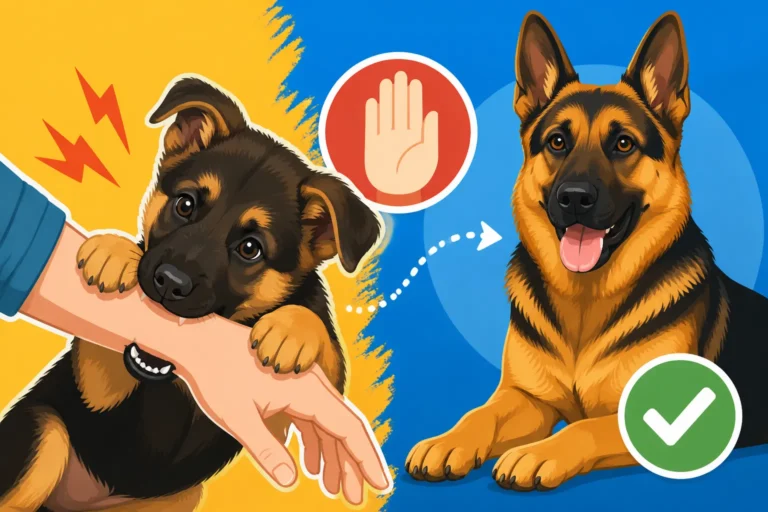
Dealing with a German Shepherd who transforms your favorite furniture into kindling or meticulously excavates your yard can be incredibly disheartening and, let's be honest, expensive. It's easy to feel frustrated and even a little confused about why your otherwise wonderful companion engages in such destructive acts. This comprehensive guide aims to peel back the layers of these challenging behaviors, exploring the root causes behind them and offering empathetic, actionable strategies to help you bring peace back to your home and foster a happier, more harmonious relationship with your German Shepherd.
Understanding Why German Shepherds Become Destructive
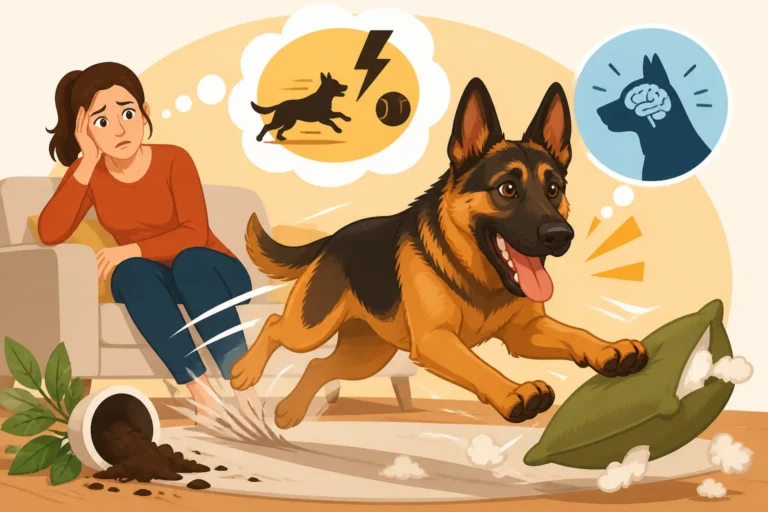
It's tempting to think your German Shepherd is acting out of spite when you come home to a shredded cushion, but destructive behavior almost always stems from a deeper, underlying need or issue. German Shepherds are intelligent, high-energy dogs bred for demanding work, and when their needs aren't met, that energy and intelligence can manifest in ways we find problematic. Understanding the "why" is the first critical step toward finding effective solutions.
Common Causes of Destructive Behavior
Destructive tendencies in German Shepherds rarely come out of nowhere; they're often a symptom of something else going on. One of the most prevalent culprits is boredom and lack of mental stimulation. These dogs are problem-solvers by nature. If they're not given appropriate "jobs" or engaging activities, they will create their own entertainment, which often involves chewing, digging, or dismantling things. Imagine being a brilliant engineer stuck in a room with nothing but a hammer and a wall – eventually, that wall is going to get redesigned. Your German Shepherd views your couch in much the same way if they're under-stimulated.
Another significant factor is insufficient physical exercise. German Shepherds, especially working lines, need a substantial amount of vigorous activity daily to burn off their boundless energy. A quick walk around the block simply won't cut it. If they don't get proper outlets for their physical prowess, that pent-up energy has to go somewhere, and it frequently emerges as destructive chewing or digging. This isn't just about walks; it's about runs, hikes, agility work, or even intense games of fetch in a large, secure area. Without this release, they're like a coiled spring, and your home becomes the target.
Finally, anxiety and stress can play a huge role. German Shepherds are loyal and sensitive, and they can develop separation anxiety when left alone, leading to panic-induced destruction. This isn't typical boredom chewing; it's often accompanied by other signs like excessive drooling, vocalization, or frantic attempts to escape. Fear, changes in routine, new environments, or even loud noises can also trigger stress-related destructive acts. It's crucial to distinguish between a bored dog and an anxious one, as the solutions will differ dramatically.
Identifying the Root Problem
Pinpointing the exact reason for your German Shepherd's destructive behavior requires a bit of detective work and honest self-assessment of your dog's daily life. Start by observing when the destruction occurs. Does it happen only when you leave the house? This points strongly towards separation anxiety. If it happens when you're home but busy, it might be an attention-seeking behavior or simple boredom. If it's specific items being targeted, like shoes or cushions, it could be a lack of appropriate chew toys or a preference for certain textures.
Consider the type of destruction. Is your dog meticulously de-stuffing cushions or tearing apart skirting boards? This suggests a strong need for physical exertion and mental engagement. Are they digging holes deep enough to plant a small tree? That's a classic sign of boredom, an instinctual outlet, or perhaps even an attempt to cool down in hot weather. A dog frantically clawing at doors and windows, drooling, and vocalizing when left alone is clearly distressed and likely suffering from separation anxiety.
Keep a log for a week or two. Note down the time of day, your dog's activities leading up to the incident, how much exercise they had, what items were destroyed, and whether you were home or away. This data will provide invaluable insights into patterns and triggers. For instance, if every incident occurs after a short morning walk and before you leave for work, it's a clear signal that the exercise and mental stimulation aren't sufficient. This detailed observation helps tailor your intervention specifically to your German Shepherd's unique needs.
Practical Strategies to Prevent Destructive Chewing
Once you've got a better handle on why your German Shepherd is tearing things apart, you can start implementing targeted strategies. Destructive chewing is probably the most common complaint, and thankfully, it's often the most straightforward to address with consistent effort and the right approach.
Providing Appropriate Chewing Outlets
The key to stopping destructive chewing isn't to prevent chewing altogether – it's to redirect it to acceptable items. German Shepherds have a natural, strong urge to chew, especially during puppyhood or when stressed. You need to provide an abundance of enticing, durable chew toys that can stand up to their powerful jaws. This isn't just about buying a chew toy; it's about providing a variety of options that offer different textures, challenges, and satisfaction. Think about things like Kongs, Nylabones, Benebones, or even high-quality yak chews. Look for brands on platforms like Amazon that specifically cater to "power chewers."
It's also crucial to rotate these toys. Dogs get bored with the same old things, just like we do. Keep a stash of 5-7 approved chew toys and only make 2-3 available at any given time. Swap them out every day or every few days to keep them novel and exciting. When your German Shepherd shows interest in an appropriate chew toy, praise them enthusiastically and even offer a small treat. This positive reinforcement teaches them, "Yes! This is what I should be chewing on!"
Furthermore, consider interactive puzzle toys that dispense treats or kibble. These types of toys combine the satisfaction of chewing with mental stimulation, making your German Shepherd "work" for their reward. A busy dog is a good dog, and these toys can occupy them for significant periods, especially when you need to leave them alone. Make sure the toys are appropriately sized for your German Shepherd to prevent choking hazards, and always supervise new toys until you're confident they're safe.
Enrichment and Mental Stimulation
Physical exercise is vital, but for an intelligent breed like the German Shepherd, mental stimulation is just as, if not more, important in preventing destructive behavior. A physically tired dog might still be mentally bored. Incorporate daily activities that challenge their minds and engage their problem-solving skills. Obedience training sessions, even short ones, are excellent for this. Teaching them new tricks, practicing commands, or running through their repertoire of learned behaviors can be incredibly tiring for their brains.
Beyond formal training, engage them with scent work or hide-and-seek games. Hide treats around the house or yard and encourage your German Shepherd to sniff them out. This taps into their natural instincts and is mentally exhausting. Snuffle mats, puzzle feeders, and food-dispensing toys mentioned earlier are also fantastic for this. Even simply taking a different route on your daily walk, allowing them to sniff and explore new scents, can provide a significant amount of mental enrichment.
Another great way to provide mental enrichment is through structured training programs. Online platforms like BAXTER & Bella offer comprehensive puppy and dog training courses that can guide you through everything from basic obedience to more advanced concepts. This not only builds a strong bond between you and your dog but also consistently challenges their mind, channeling their intelligence into constructive learning rather than destructive habits. Remember, a mentally satisfied German Shepherd is far less likely to resort to chewing your sofa out of sheer boredom.
Addressing Destructive Digging and Barking
Destructive behavior isn't limited to chewing. German Shepherds are also known for their impressive digging capabilities and, at times, their boisterous barking. These behaviors, while natural for the breed, can become problematic if not properly managed and redirected.
Managing Digging Behavior
Digging is an instinctual behavior for many dogs, including German Shepherds. They might dig to bury treasures, to escape, to hunt burrowing animals, or simply to create a cool spot to lie in during warm weather. The first step in managing destructive digging is to identify the motivation. If your dog is consistently digging along the fence line, they might be trying to escape or feeling under-stimulated in the yard. If they're digging holes in the middle of the lawn, it could be boredom, a search for grubs, or temperature regulation.
One of the most effective strategies is to provide an approved digging zone. Designate a specific area in your yard, perhaps a sandbox or a corner filled with loose soil, where digging is encouraged. You can bury toys or treats in this area to make it enticing. Whenever you see your German Shepherd digging elsewhere, gently redirect them to their designated digging spot. Praise them enthusiastically when they dig in the correct location. Consistency is key here; everyone in the household needs to be on board with reinforcing the "dig here, not there" rule.
Ensuring your German Shepherd gets enough physical and mental exercise can also significantly reduce unwanted digging. A bored dog with pent-up energy is more likely to resort to instinctual behaviors like digging for self-entertainment. Regularly check your yard for potential critter attractions like voles or moles, as a strong prey drive can lead to extensive digging. If digging for coolness is an issue, provide shaded areas, fresh water, or even a cooling mat for them outside. For serious fence-line diggers, consider L-footers or other escape-proof measures, but remember to address the underlying motivation for trying to escape in the first place, which is often related to insufficient exercise or mental engagement.
Curbing Excessive Barking
German Shepherds are naturally protective and vocal dogs. They're quick to alert their owners to anything they perceive as a threat or unusual. However, excessive or nuisance barking can be incredibly disruptive. Just like digging, the first step is to understand why your German Shepherd is barking excessively. Are they barking at every passerby? This could be territoriality or a lack of proper socialization. Are they barking incessantly when left alone? This strongly suggests separation anxiety or boredom.
To curb alarm barking, consider management techniques first. If your dog barks at things outside the window, limit their access to that view by drawing curtains or using window film. Work on desensitization and counter-conditioning by gradually exposing them to triggers at a distance they can tolerate, pairing the sight of the trigger with high-value treats. The goal is to change their emotional response from alert/fear to indifference or even positive association. This systematic approach takes time and patience.
For attention-seeking barking, it's crucial to never reward the barking. This means ignoring it completely, turning your back, or even leaving the room if necessary. Only give attention, play, or treats when they are quiet. This can be challenging, as the barking might initially intensify (an "extinction burst"), but consistency will teach them that quiet behavior gets rewards. If the barking is due to boredom or lack of exercise, increase their physical activity and mental stimulation. Teach them a "quiet" command, reinforcing silence after they've alerted to something appropriate. For severe anxiety-related barking, professional help may be necessary, as it indicates significant distress.
Long-Term Management and Advanced Solutions
Preventing destructive behavior in German Shepherds isn't a one-time fix; it's an ongoing commitment to understanding and meeting their needs. Long-term success hinges on consistency, patience, and a willingness to adapt your approach as your dog matures and their needs evolve.
Structured Training and Consistent Routine
One of the most powerful tools in managing and preventing destructive behavior is a structured training program and a consistent daily routine. German Shepherds thrive on predictability and clear expectations. A well-established routine provides security and helps them understand what is expected of them throughout the day. This includes consistent feeding times, regular exercise schedules, dedicated play sessions, and designated training periods. When they know when they'll eat, play, and relieve themselves, much of the underlying anxiety that can fuel destructive behaviors is reduced.
Enrollment in formal obedience classes or working with a certified professional dog trainer can be invaluable. These settings provide structured learning opportunities, expose your German Shepherd to new environments, and help solidify your role as a calm, confident leader. Companies like BAXTER & Bella offer excellent online resources for structured training, which can be particularly helpful for busy owners. They break down complex behaviors into manageable steps, making it easier to implement consistency at home. Regularly practicing commands like "leave it" or "drop it" can also be crucial in preventing your dog from chewing on inappropriate items in the moment.
Beyond formal training, consistency in household rules is paramount. If one family member allows the German Shepherd on the couch and another does not, it creates confusion and can lead to frustration for your dog, potentially exacerbating destructive tendencies. Everyone in the household must be on the same page regarding boundaries, what is allowed, and how to respond to unwanted behaviors. This uniform approach helps your German Shepherd understand their place in the household and what behaviors are acceptable, leading to a more secure and less destructive companion.
When to Seek Professional Help
While many destructive behaviors can be managed with consistent effort and the strategies outlined above, there are times when seeking professional guidance is not just helpful but essential. If your German Shepherd's destructive behavior is severe, persistent despite your best efforts, or seems rooted in deep-seated anxiety or aggression, it's time to call in the experts. Ignoring these signs can lead to worsening problems and greater stress for both you and your dog.
A Certified Professional Dog Trainer (CPDT-KA) or a Certified Applied Animal Behaviorist (CAAB) can provide a fresh perspective and tailored strategies specific to your dog's unique situation. They can accurately assess the underlying causes of the behavior, rule out medical issues, and develop a comprehensive behavior modification plan. For instance, if you suspect your German Shepherd has severe separation anxiety, a behaviorist can design a desensitization and counter-conditioning program that gradually helps your dog cope with being alone. These complex cases often require a nuanced approach that goes beyond basic obedience training.
Veterinary intervention might also be necessary, especially if anxiety is a significant factor. Your veterinarian can evaluate your dog for any underlying medical conditions that might be contributing to their behavior, such as pain or hormonal imbalances. In some cases of severe anxiety, medication may be prescribed as a temporary aid to help your dog become more receptive to behavior modification training. Remember, seeking professional help is a sign of responsible pet ownership, not failure. It shows you're committed to providing your German Shepherd with the best possible chance at a happy, well-adjusted life, preventing issues like German Shepherd Separation Anxiety Solutions or How to Stop German Shepherd Aggression from spiraling out of control.
| Destructive Behavior | Common Causes | Prevention & Management Strategies | Key Tools/Resources |
|---|---|---|---|
| Chewing | Boredom, lack of appropriate outlets, anxiety, puppy teething, attention-seeking | Provide durable chew toys (rotate regularly), interactive puzzles, sufficient physical & mental exercise, positive reinforcement for appropriate chewing | Kongs, Nylabones, Benebones, puzzle feeders, Best Chew Toys for German Shepherds |
| Digging | Boredom, instinctual drive, seeking comfort (coolness), prey drive, escape attempts | Designate a digging spot, bury treats/toys there, increase exercise, supervise outdoors, secure fences, address underlying escape motivation | Sandbox, specific digging area, strong fencing, How to Stop German Shepherd Digging |
| Barking | Boredom, territoriality, attention-seeking, anxiety (separation), alert barking | Limit visual triggers, desensitization & counter-conditioning, ignore attention-seeking barking, increase exercise & mental stimulation, "quiet" command | Curtains/blinds, puzzle toys, positive reinforcement, How to Stop German Shepherd Excessive Barking |
| General Destruction | Insufficient exercise, lack of mental stimulation, anxiety, lack of routine, attention-seeking | Implement consistent routine, structured training, ample exercise, mental enrichment, crate training (positive association), professional guidance | Training classes, dog walkers, puzzle toys, BAXTER & Bella, German Shepherd Exercise Requirements, Best Mental Stimulation for German Shepherds |
Building a Stronger Bond and Preventing Future Issues
Ultimately, preventing destructive behavior in your German Shepherd is about proactively meeting their needs and nurturing your relationship with them. It’s an ongoing journey, not a destination, and it’s one that will strengthen your bond immensely.
One of the most powerful things you can do is to consistently provide ample physical exercise. These dogs were bred to run, herd, and work tirelessly. A German Shepherd who isn't physically exhausted at the end of the day is a German Shepherd who will find their own ways to burn off that energy, often to your detriment. Think beyond a simple walk; consider intense games of fetch, runs, hikes, or even dog sports like agility or Schutzhund. Remember, How Much Exercise Is Too Much for a Puppy is important to consider if you have a young dog, but an adult GSD can handle, and thrives on, significant activity.
Equally important is mental stimulation. German Shepherds are highly intelligent and crave jobs to do. Incorporate daily training sessions, puzzle toys, and scent work into their routine. Don’t underestimate the power of simply teaching new tricks or practicing advanced obedience commands – it’s a wonderful way to tire out their brain. Rotating their toys regularly, hiding kibble for them to find, or even involving them in household tasks (like carrying in light groceries) can keep their minds engaged. This proactive approach helps channel their innate drive into constructive activities rather than destructive ones.
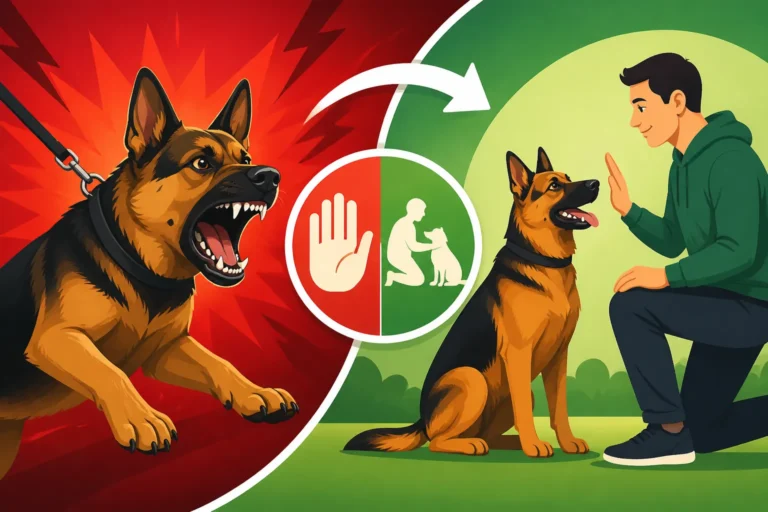
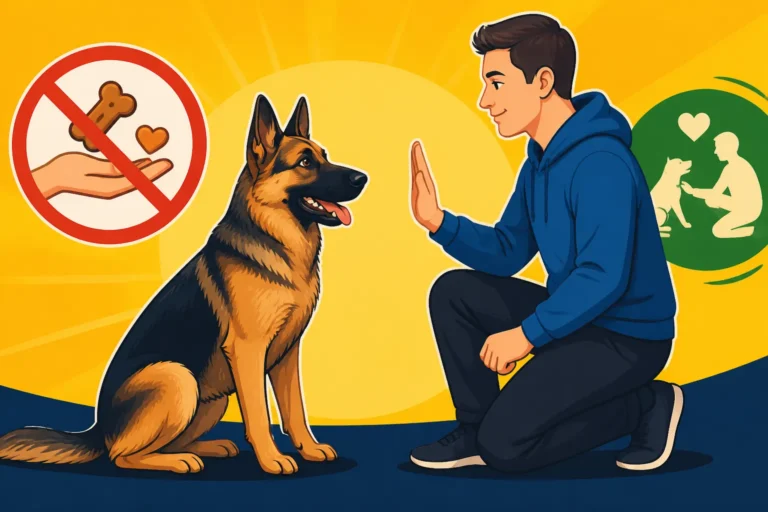
Finally, foster a relationship built on trust, clear communication, and positive reinforcement. Your German Shepherd looks to you for guidance and security. Being consistent with your rules, rewarding good behavior, and understanding their body language will create a secure environment where destructive impulses are less likely to arise. Consider positive, force-free training methods, as these build confidence and strengthen your bond without resorting to fear or intimidation, which can often exacerbate anxiety and related destructive actions. Remember, a happy, well-understood German Shepherd is typically a well-behaved one.
Disclaimer
The information provided in this article is for general informational purposes only and is not a substitute for professional veterinary advice, diagnosis, or treatment. Always seek the advice of your veterinarian or other qualified animal health provider with any questions you may have regarding a medical condition or behavioral issue.