Is a Long-Haired German Shepherd a Real German Shepherd
One of the most common questions I hear from fellow German Shepherd enthusiasts, particularly new owners or those looking to welcome one into their home, is about the long-haired variety. There's a persistent confusion, often fueled by historical breed standards, about whether a long-haired German Shepherd is "real" or just a mix. This guide is here to clear up that misconception once and for all, diving deep into the genetics, recognition, and unique care aspects of these beautiful, flowing-coated canines.
The German Shepherd Breed Standard and Coat Types
When you picture a German Shepherd, you probably imagine that iconic, regal look with a medium-length, dense coat. This is often considered the "standard," but it's important to understand that the breed's genetics allow for more variation than you might initially realize. The perception of what is "real" often stems from what is accepted in the show ring, which doesn't always reflect the full genetic diversity of a healthy, purebred dog.
Understanding the Standard German Shepherd Coat
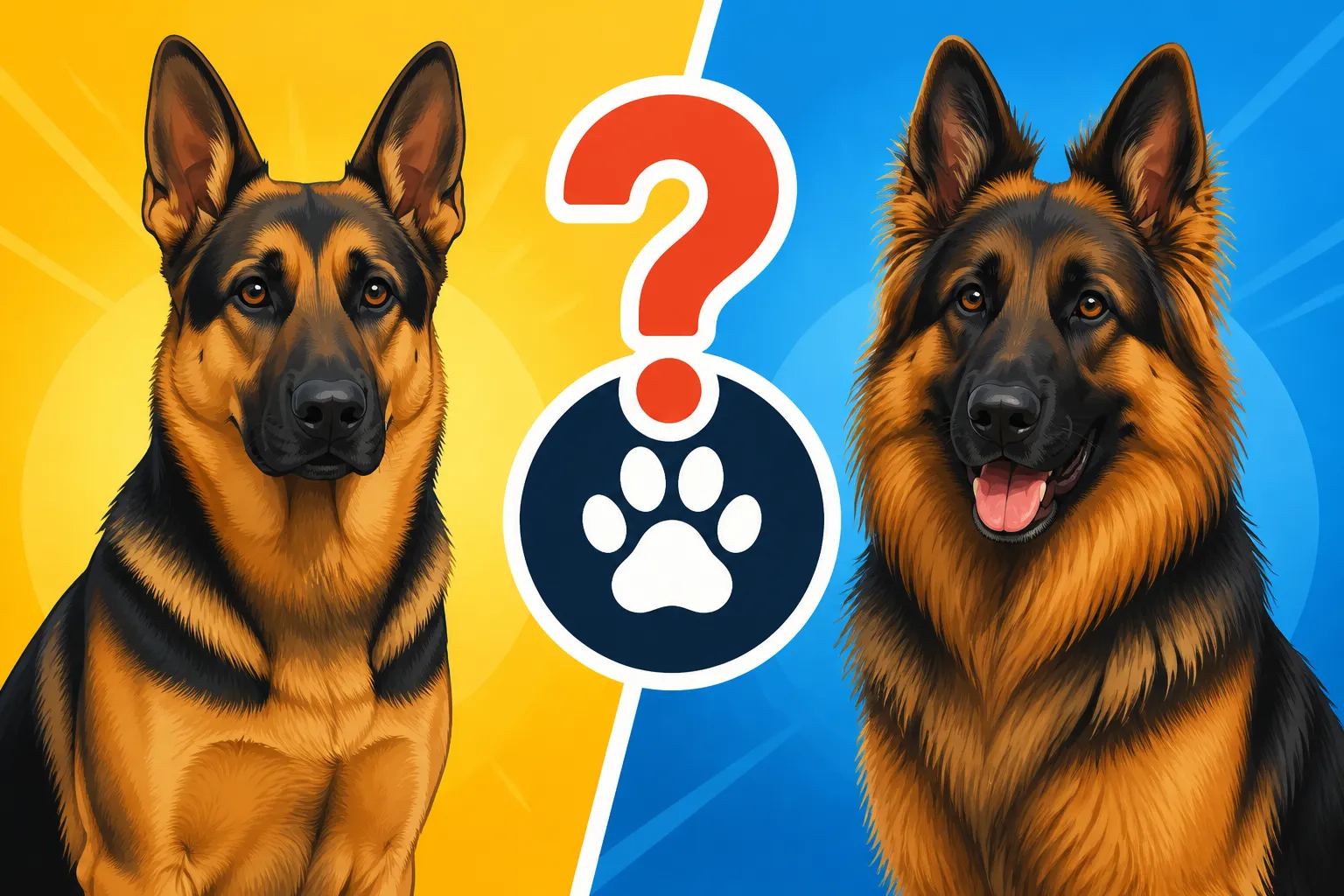
The most widely recognized German Shepherd coat is often described as a "stock coat" or "standard coat." This coat is characterized by its medium length, dense texture, and, most importantly, a robust double layer: a coarser outer guard coat and a softer, thick undercoat. This combination acts as a natural insulator, providing excellent protection against various weather conditions, from biting cold to intense heat. It's truly a marvel of natural engineering, designed to keep these active dogs comfortable whether they're herding sheep in the German countryside or patrolling a snowy mountain trail.
For owners, this standard coat means regular brushing, especially during shedding seasons, but the underlying structure generally makes it quite manageable. The outer coat helps repel dirt and water, while the undercoat provides warmth and cushioning. Understanding this standard helps us appreciate the differences and similarities with its long-haired counterpart. It’s the coat type most frequently seen in movies and advertisements, solidifying its place in public perception as the German Shepherd look.
The Genetic Reality of Long Hair
Here's the crucial part: the long-haired trait in German Shepherds is simply a recessive gene. This means that for a puppy to inherit a long coat, both parents must carry the gene, even if they themselves have standard coats. It's just like how human eye color works – two brown-eyed parents can have a blue-eyed child if both carry the recessive blue-eye gene. The presence of this long-coat gene doesn't make the dog any less of a German Shepherd; it merely expresses a different physical trait. Think of it as a natural variation within the breed's genetic blueprint, not an impurity or a sign of crossbreeding.
Historically, this long coat was often seen as undesirable by breeders focused on utility and strict show ring conformity. There was a belief that the lack of a dense undercoat in some long-haired varieties made them less suitable for working roles in harsh climates. While some long-haired German Shepherds do have a reduced or absent undercoat, many still possess a functional double coat, just with longer guard hairs that give them their distinctive flowing appearance. The recessive gene is simply part of the German Shepherd's genetic makeup, a thread in their ancestral tapestry.
Are Long-Haired German Shepherds "Real"? Navigating Kennel Club Rules
The question of whether a long-haired German Shepherd is "real" largely depends on who you ask and which kennel club's rulebook you're consulting. This can be incredibly frustrating for owners who adore their long-haired companions, as it often feels like their beloved dog is being delegitimized simply because of a coat length. Rest assured, your long-haired German Shepherd is every bit a purebred.
AKC vs. FCI: Different Perspectives
Different kennel clubs around the world have historically held varying views on the long coat, leading to much of the confusion. For a long time, the American Kennel Club (AKC), which is the primary registry in the United States, considered a long coat a disqualifying fault in the show ring for German Shepherds. This meant that while a long-haired German Shepherd could be registered as purebred, it could not compete in conformation events if it exhibited the long coat. This ruling significantly influenced breeding practices in the U.S., with many breeders actively trying to avoid producing long-haired puppies, leading to the perception that they were somehow "lesser" or not true to the breed standard.
However, the international stage, represented by the Fédération Cynologique Internationale (FCI), which governs many European kennel clubs, has evolved its stance. The FCI now recognizes the long-haired German Shepherd (often referred to as "Langstockhaar" in Germany) as a distinct variety of the breed, allowing them to be shown in conformation under their own specific standard. This recognition signifies a broader acceptance of the long coat as a valid expression of the German Shepherd genotype, challenging the traditional, narrower definitions. This shift by the FCI helps validate what many owners already knew: these dogs are purebred German Shepherds, just with a different wardrobe.
Beyond the Show Ring: What "Real" Means to Owners
For most German Shepherd owners, the question of "realness" extends far beyond the confines of a show ring or a kennel club's rulebook. What truly defines a "real" German Shepherd, in the hearts of those who share their lives with them, is their inherent intelligence, loyalty, courage, and distinct personality. Whether their coat is short or long, these fundamental traits remain consistent across the breed. A long-haired German Shepherd possesses the same sharp mind, deep bond with their family, and protective instincts as their standard-coated relatives. They are equally capable of performing in obedience, agility, tracking, and protection work, provided they have the right training and socialization. How to Train a German Shepherd
The love and companionship a long-haired German Shepherd brings into a home are undeniably real. They're just as eager for a long walk in the park, as enthusiastic about learning new commands, and as devoted to their human companions. When you look into the eyes of your long-haired German Shepherd, you see the same intelligent, soulful gaze that defines the breed. Their "realness" isn't determined by a judge's ribbon or a specific gene marker, but by their undeniable German Shepherd spirit and their place as a cherished member of your family.
Distinctive Characteristics of the Long-Haired German Shepherd
While their core traits are identical to their short-haired relatives, the long-haired German Shepherd does present some unique characteristics, primarily centered around their stunning coat. This visual difference is what draws many people to them, but it also means there are specific considerations for their care.
Appearance and Temperament
The most striking feature of the long-haired German Shepherd is, of course, their magnificent coat. Unlike the standard German Shepherd, which has a coat that lies close to the body, the long-haired variety boasts longer, flowing hair all over. You'll often see distinct feathering on their ears, legs, and tail, creating a beautiful, almost ethereal silhouette. The hair around their neck can form a noticeable "mane," and their tail is often incredibly bushy, fanning out like a plume. This extra length can give them a softer, more elegant appearance, though their strong, athletic build is still very much evident.
In terms of temperament, there's generally no discernible difference between long-haired and standard-coated German Shepherds. They embody the same intelligent, confident, and noble disposition that the breed is known for. They are loyal, often bonding strongly with one person, but also devoted to their entire family. Do German Shepherds Bond with One Person They possess the same high energy levels, requiring significant mental and physical exercise to thrive. German Shepherd Exercise Requirements Any perceived temperament differences are more likely due to individual personality, upbringing, or bloodline rather than coat length. If you're considering a long-haired German Shepherd, expect the same wonderful, demanding, and rewarding personality as any other German Shepherd.
Grooming and Care Considerations
While their long, flowing coats are undeniably beautiful, they do come with increased grooming demands compared to their short-haired counterparts. The primary concern is preventing mats and tangles, especially in areas with feathering like behind the ears, under the legs, and on the tail. Regular, thorough brushing is absolutely essential – think daily or at least every other day, depending on your dog's activity level and coat texture. You'll want to invest in a good quality slicker brush, a wide-toothed comb, and potentially a de-shedding tool if your long-haired German Shepherd still has a decent undercoat. Retailers like Chewy offer a fantastic selection of grooming tools specifically designed for long-coated breeds, making it easier to find everything you need in one place.
Another factor to consider is whether your long-haired German Shepherd has an undercoat. Some do, and some have very little or none at all. Those with less undercoat might paradoxically shed less than a standard-coated German Shepherd, but their long guard hairs still need significant attention. Regardless, the coat traps more dirt, burrs, and debris, so regular checks and brushing after outdoor adventures are a must. Bathing should be done as needed, ensuring you use a good quality shampoo and conditioner designed for long coats to help prevent tangles and maintain coat health. Drying thoroughly is also important to prevent skin issues. Investing in a high-velocity dryer can be a game-changer for speeding up drying time and helping to blow out loose hair. German Shepherd Grooming Tools You Need
Health and Lifespan of Long-Haired German Shepherds
It's common for potential owners to worry that a long-haired German Shepherd might be more prone to health issues or have a shorter lifespan due to past perceptions of them being "faulty." This is another area where facts can alleviate unnecessary concern.
Common Health Concerns (Same as Short-Haired)
The truth is, long-haired German Shepherds are susceptible to the same health problems as their standard-coated relatives. Coat length itself does not introduce new genetic health risks. The breed as a whole is unfortunately predisposed to certain conditions, such as hip and elbow dysplasia. These orthopedic issues are often inherited, and good breeders will perform German Shepherd Genetic Health Testing on their breeding stock to minimize the risk. Other significant concerns include Degenerative Myelopathy in German Shepherds, a progressive neurological disease, and bloat (gastric dilatation-volvulus), a life-threatening emergency. German Shepherd Bloat: Signs and Prevention
Therefore, when choosing a long-haired German Shepherd puppy, it's just as crucial to research reputable breeders who prioritize health testing and transparently provide health clearances for their dogs. Asking about the health history of the puppy's parents and grandparents is paramount, regardless of coat length. A responsible breeder will be open about their health protocols and provide documentation. How to Verify German Shepherd Health Testing
Lifespan and Overall Well-being
Just like their standard-coated counterparts, the lifespan of a long-haired German Shepherd is typically between 9 to 13 years. German Shepherd Lifespan: How Long They Live Coat length plays no role in determining how long your dog will live. What truly impacts their longevity and quality of life are factors like genetics (from health-tested parents), proper nutrition, regular exercise, consistent preventative veterinary care, and a loving home environment. A high-quality diet, whether it's a premium kibble from a brand like Purina Pro Plan or a carefully planned raw diet, will fuel their body. Best Dog Food for German Shepherds Regular vet check-ups, appropriate vaccinations, and parasite prevention are also vital.
Providing ample exercise, both physical and mental, helps keep them fit and engaged, preventing obesity and boredom, which can lead to other health and behavioral issues. A long-haired German Shepherd, like any German Shepherd, thrives on having a job to do and being an active part of the family. With diligent care, a balanced lifestyle, and plenty of love, your long-haired German Shepherd can lead a full, healthy, and happy life, just like any other beloved member of this incredible breed. How to Extend a German Shepherd's Lifespan
Here's a quick comparison of the two main German Shepherd coat types:
| Feature | Standard Coat German Shepherd | Long Coat German Shepherd |
|---|---|---|
| Coat Length | Medium length, lies close to body | Longer, flowing hair with feathering |
| Undercoat | Dense and thick, provides insulation | Varies; can be present, reduced, or absent |
| Appearance | More compact, traditional "working dog" look | More elegant, softer silhouette with a fuller "mane" |
| Grooming Needs | Regular brushing, more intense during shedding season | More frequent, thorough brushing to prevent mats/tangles |
| Show Ring (AKC) | Fully accepted for conformation | Historically a disqualifying fault, now accepted in some events with different breed standard |
| Show Ring (FCI) | Fully accepted for conformation | Recognized as a distinct variety and can be shown |
| Temperament | Intelligent, loyal, confident | Intelligent, loyal, confident (same as standard) |
| Health Risks | Same breed-specific predispositions | Same breed-specific predispositions |
| Lifespan | 9-13 years (average) | 9-13 years (average) |
In conclusion, the answer is a resounding YES: a long-haired German Shepherd is absolutely a real German Shepherd. They are purebred dogs, carrying a recessive gene that simply expresses itself as a longer, more flowing coat. While some kennel clubs have historically had differing views on their show ring eligibility, this has no bearing on their genetic authenticity or their incredible qualities as companions and working dogs. If you're considering welcoming one of these majestic dogs into your life, prepare for their stunning appearance, their deep loyalty, and the dedicated grooming their beautiful coat requires. You'll be gaining a genuine German Shepherd in every sense of the word.
Disclaimer
This article is for general informational purposes only and does not constitute professional advice. Laws, prices and regulations vary by location and change over time. Consult a qualified professional for guidance on your specific situation.