Liver German Shepherd: What to Know
Many folks are drawn to the striking, almost chocolatey hue of a liver German Shepherd, often wondering if this unique coloration signifies something different about their health or temperament. It’s a beautiful, distinctive look that definitely turns heads, and this guide is here to shed light on everything you need to know about these uniquely colored GSDs, from their fascinating genetics to what it means for owning one.
What Exactly is a Liver German Shepherd?
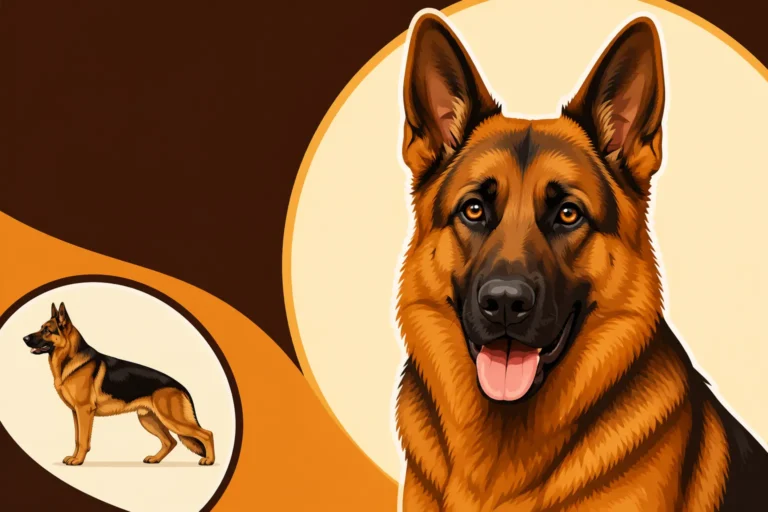
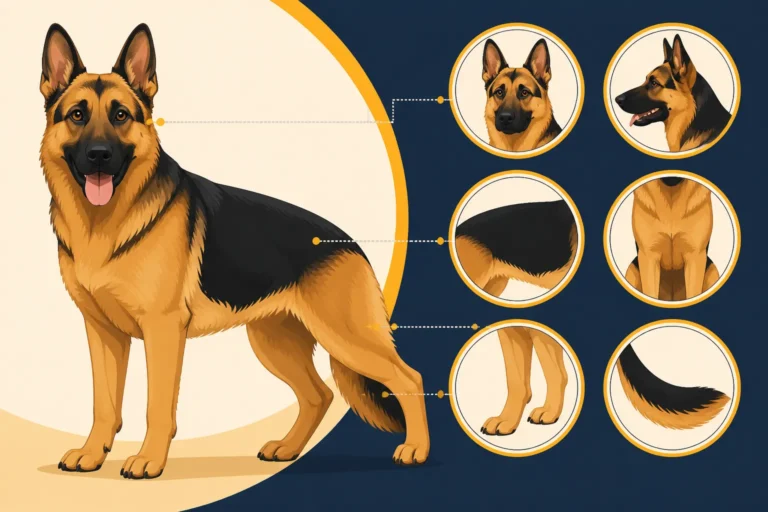
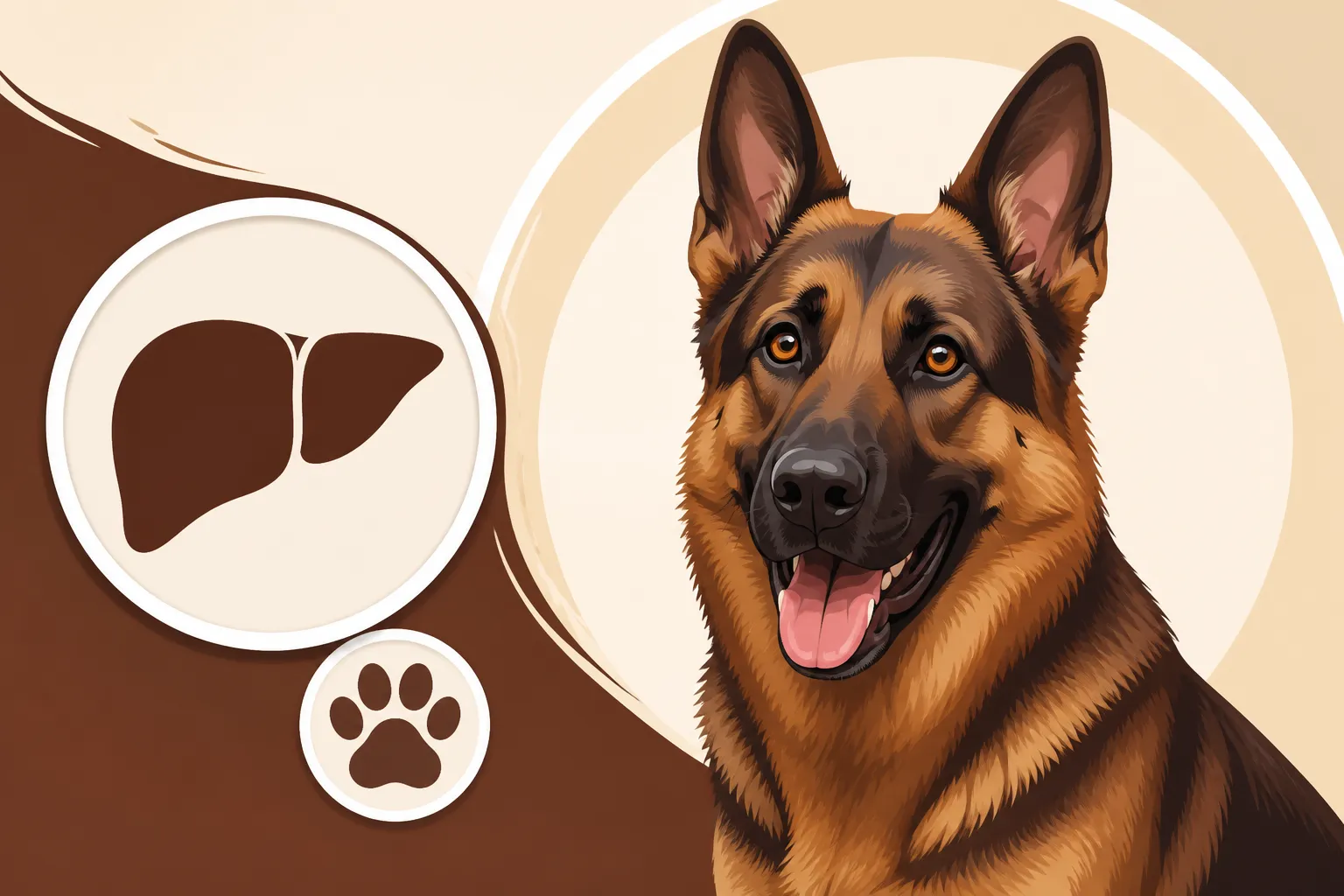
When you hear "liver German Shepherd," you might picture a brown dog, but it's a bit more nuanced than that. The term "liver" in canine genetics refers to a dilute form of black pigment. So, where a standard German Shepherd would have black markings, a liver GSD will have a beautiful, rich reddish-brown or dark chocolate coloration. It's a recognized, albeit less common, color within the breed, and it’s important to understand that a liver German Shepherd is 100% purebred; this coloration is simply a natural genetic variation. They are just as much a German Shepherd as their black and tan, sable, or solid black counterparts.
The Distinctive Liver Pigmentation
The liver color isn't just about the coat. This is a crucial point that helps distinguish a true liver German Shepherd. For these dogs, the pigment that would normally be black on their body is replaced by the liver color. This means that their nose, eye rims, and paw pads will also be liver-colored, rather than the typical black you'd see on most German Shepherds. This lighter pigmentation on these key areas is a tell-tale sign of the liver gene at work.
You might encounter variations in the intensity of the liver shade, ranging from a lighter, almost coppery brown to a deep, dark chocolate. You can find solid liver German Shepherds, liver and tan patterns where the tan points are present, or even liver sables, where the individual hairs are banded with liver tones. Regardless of the specific pattern, the underlying liver pigment affects all the areas that would otherwise be black, giving these dogs their signature look. It truly is a stunning and unique presentation of the breed's beauty.
Liver Color vs. Other Rare German Shepherd Colors
While we're focusing on the captivating liver coat, it's worth noting that the German Shepherd breed boasts several unique and less common color variations. Beyond the widely recognized black and tan, sable, and solid black, you might occasionally encounter blue German Shepherds, Isabella (lilac) German Shepherds, or even white German Shepherds. Each of these unique shades, much like the liver, stems from specific genetic traits that affect pigment.
It’s a common misconception that these "rare" colors indicate a mixed breed or some kind of fault. In reality, they are simply genetic variations that manifest in different ways. For example, blue and Isabella colors are also types of diluted pigment, but they involve different gene loci than the liver color. Understanding these variations helps reinforce that a liver German Shepherd is not a hybrid, but a purebred dog expressing a specific, naturally occurring genetic trait. For a broader look at some of these less common coats, you can explore the topic of Rare German Shepherd Colors.
The Genetics Behind the Liver Coat
The science behind the liver coat color in German Shepherds is quite fascinating and boils down to the inheritance of specific genes. It’s not a mystery, but rather a predictable outcome when certain genetic conditions are met. This understanding is key for breeders and gives owners a deeper appreciation for their dog's unique appearance.
The 'b' Allele and Color Dilution
At the heart of the liver coloration is a specific gene locus, often referred to as the "B" locus. Dogs, like us, inherit two copies of each gene, one from each parent. For coat color, specifically regarding black pigment, there's a dominant allele, represented as 'B', which produces black pigment. Then there's a recessive allele, represented as 'b', which produces liver pigment.
For a German Shepherd to display the liver color, they must inherit two copies of this recessive 'b' allele – one from each parent. This genetic makeup is written as 'bb'. If a dog has at least one dominant 'B' allele (meaning their genotype is 'BB' or 'Bb'), they will express black pigment, even if they carry the recessive 'b' allele. So, a 'Bb' dog appears black and tan but is a "carrier" for the liver trait, meaning they can pass it on to their offspring. This makes the liver color a recessive trait, meaning it can lay hidden for generations before resurfacing if the right genetic combination occurs.
Breeding for Liver German Shepherds
Given the recessive nature of the liver gene, breeding for liver German Shepherds requires a thorough understanding of canine genetics. If you breed two liver German Shepherds (both with the 'bb' genotype), all of their puppies will inherently be liver-colored, as they have no dominant 'B' allele to pass on. However, liver puppies can also be produced from two black and tan parents if both of those parents are carriers of the recessive 'b' gene (meaning they are both 'Bb'). In this scenario, statistically, each puppy has a 25% chance of inheriting two 'b' alleles and thus being liver.
A responsible breeder, however, doesn't just breed for color. Their primary focus should always be on health, temperament, and adherence to breed standards. They should be well-versed in German Shepherd Genetic Health Testing to screen for common breed ailments like hip and elbow dysplasia, and only then consider desired color traits. Any breeder exclusively advertising "rare" colors for inflated prices without clear health certifications and a proven lineage should raise a red flag. The beauty of the liver coat is a wonderful bonus, but it should never come at the expense of a dog's health or well-being.
Health, Temperament, and Care of Liver German Shepherds
One of the most common questions and sometimes concerns people have about uniquely colored German Shepherds, including liver ones, is whether their color influences their health or temperament. Let's tackle that head-on and then discuss how to properly care for these magnificent dogs, just like any other GSD.
Debunking Myths: Color and Health/Temperament
It’s a pervasive misconception that unusual coat colors in dogs equate to inherent health problems or behavioral abnormalities. For the liver German Shepherd, I want to wholeheartedly assure you: this is simply not true. Their striking liver color is purely an aesthetic genetic trait and has absolutely no bearing on their overall health, vitality, or their inherent German Shepherd temperament. A liver German Shepherd should be just as robust, intelligent, and loyal as any black and tan, sable, or solid black GSD.
Any health issues a liver German Shepherd might face are breed-specific issues that can affect all German Shepherds, regardless of coat color. These include well-known concerns like German Shepherd Hip Dysplasia Explained, elbow dysplasia, bloat, or degenerative myelopathy. Their predisposition to these conditions is inherited through their general German Shepherd lineage, not specifically linked to the gene that dictates their liver coloration. Therefore, choosing a puppy from a breeder who performs comprehensive health screenings on their breeding stock is paramount, regardless of the puppy's color, to avoid potential German Shepherd Health Problems Guide.
General German Shepherd Care Applies
Caring for a liver German Shepherd is exactly the same as caring for any other German Shepherd. They are a high-energy, highly intelligent breed that thrives on a consistent routine of proper nutrition, consistent training, plenty of physical exercise, and regular grooming. Their beautiful double coat, while uniquely colored, still sheds seasonally and benefits from regular brushing to keep it healthy and minimize hair around your home.
When it comes to feeding, always opt for a high-quality large-breed dog food appropriate for their age and activity level. You can find excellent options from reputable brands. Many German Shepherd owners find great convenience and quality with brands like Purina Pro Plan or Royal Canin, often easily available for home delivery through online retailers like Chewy. Providing a balanced diet is crucial for their overall How to Keep a German Shepherd Healthy and maintaining that gorgeous coat. Be sure to check out our German Shepherd Feeding Guide for more detailed recommendations. For grooming tools, from deshedding brushes to appropriate shampoos, Chewy also offers a wide selection that can help you manage their coat effectively, especially during those heavy shedding periods. Additionally, remember to keep their liver-colored nose in mind during intense sun exposure, as lighter pigmentation can sometimes be more sensitive to sunburn, just like fair human skin.
What to Expect When Bringing Home a Liver German Shepherd
Bringing any German Shepherd into your family is a big decision, and a liver-colored one is no exception. While their color might be unique, the core principles of responsible ownership remain the same. Knowing what to expect and how to prepare will make the transition smooth and set your new companion up for a lifetime of happiness.
Finding a Reputable Breeder
If you've fallen in love with the distinct beauty of a liver German Shepherd and are considering welcoming one into your life, the single most critical step is finding a reputable breeder. This isn't just true for liver GSDs, but for any German Shepherd puppy you bring home. A truly good breeder will prioritize the health, sound temperament, and structural integrity of their dogs above all else, including specific coat colors. They should be completely transparent about their breeding program, openly discuss any potential health concerns within their lines, and, most importantly, provide verifiable health clearances for the parent dogs, particularly for conditions like hip and elbow dysplasia.
Be extremely cautious of any individual who charges an exorbitant price simply because a puppy is "rare colored." While the German Shepherd Puppy Price Explained can vary significantly based on factors like lineage, pedigree, and the breeder's reputation, a price inflated solely due to color can be a major red flag for a puppy mill or an irresponsible breeder. A reputable breeder will interview you as thoroughly as you interview them, ensuring their puppies are going to loving, well-prepared homes. They'll also be an invaluable resource and mentor throughout your dog's life, and that kind of ongoing support is truly priceless. Always ask to see the parents, tour the facility, and never hesitate to ask for references. Our guide on How to Find a Reputable German Shepherd Breeder can provide even more detailed advice.
Socialization and Training from Day One
Like all German Shepherds, liver GSDs are renowned for their exceptional intelligence, high energy, and eagerness to please, which makes them highly trainable companions. However, these very traits, coupled with their strong guarding instincts, mean that early and consistent socialization and training are absolutely non-negotiable. It's a journey that begins the moment you bring your puppy home. Enroll in well-structured puppy classes, and purposefully expose them to a wide variety of new sights, sounds, people, and other well-socialized dogs in a positive and controlled manner.
Think of training not just as teaching commands, but as an ongoing conversation that builds a strong, trusting bond between you and your dog. Whether you're focusing on basic obedience, advanced commands, or even exploring dog sports, a well-trained German Shepherd is a true joy to live with. A lack of proper guidance and German Shepherd Training Timeline by Age can unfortunately lead to behavioral challenges down the road, irrespective of their coat color. Investing your time and effort in these crucial early stages will lay a rock-solid foundation for a confident, well-adjusted, and happy German Shepherd. For help getting started, consider our comprehensive German Shepherd Puppy Training Guide and insights on How to Socialize a German Shepherd.
| Feature | Standard German Shepherd | Liver German Shepherd |
|---|---|---|
| Coat Color | Black & Tan, Sable, Solid Black, Bi-color | Solid Liver, Liver & Tan, Liver Sable |
| Pigmentation | Black nose, eye rims, paw pads | Liver (reddish-brown) nose, eye rims, paw pads |
| Genetic Basis | At least one 'B' allele (BB or Bb) | Two recessive 'b' alleles (bb) |
| Health Issues | Breed-specific | Same breed-specific issues |
| Temperament | Intelligent, loyal, protective | Intelligent, loyal, protective |
| Rarity | Common | Less common |
Disclaimer
This article is for general informational purposes only and does not constitute professional advice. Laws, prices and regulations vary by location and change over time. Consult a qualified professional for guidance on your specific situation.