How to Train a German Shepherd to Ignore Distractions
German Shepherd distraction training strategies explain how to build reliable obedience, manage instincts, and maintain focus around exciting triggers.

German Shepherd distraction training strategies explain how to build reliable obedience, manage instincts, and maintain focus around exciting triggers.
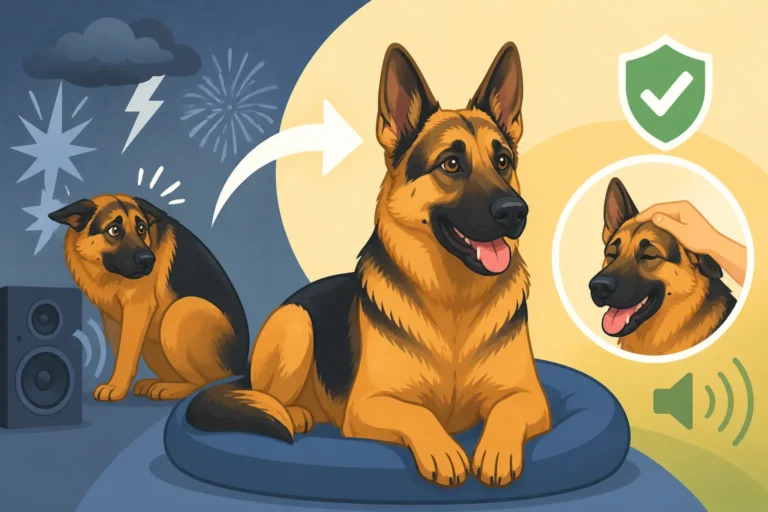
German Shepherd noise desensitization methods and counter conditioning help fearful dogs build confidence through gradual sound exposure.

Teaching a German Shepherd to be comfortable alone involves gradual desensitization, crate training, proper exercise, and reduced anxiety cues.
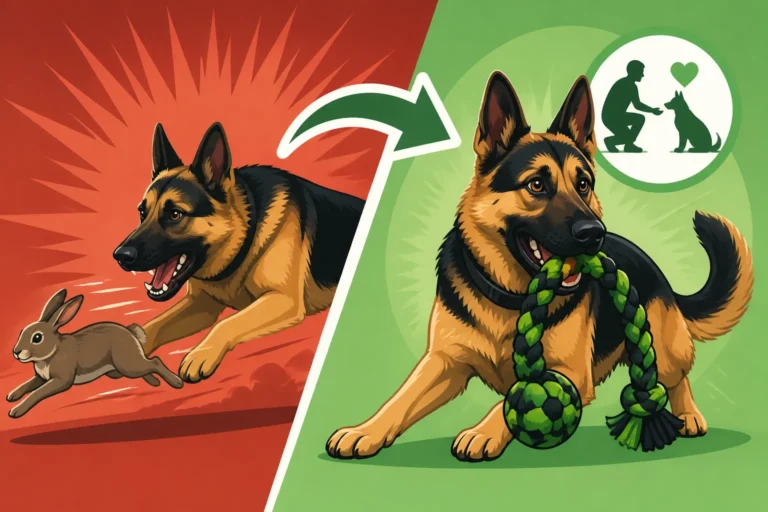
German Shepherd prey drive management strategies explain how to use impulse control, equipment, and training techniques to safely redirect your dog.

German Shepherd herding behavior stems from genetics and requires environmental management, obedience training, and proper physical outlets.

German Shepherd training techniques and management tools help owners stop dogs from jumping on visiting guests and encourage calm, polite behavior.

German Shepherd stranger introductions require understanding natural protective instincts, proper socialization, and structured methods for calm meetings.

Undersocialization in German Shepherds causes fear and reactivity. The article explains root causes and provides methods to build dog confidence.

German Shepherd puppy socialization strategies help owners safely introduce young dogs to new people, animals, environments, and sounds during development.

German Shepherd leash training methods explain how to use proper tools and positive reinforcement to stop pulling and ensure enjoyable walks.