German Shepherd Puppy First Week Training
Bringing home a German Shepherd puppy is an absolute whirlwind of excitement, adorable fluff, and, let's be honest, a fair bit of anxiety. You've got this tiny, impressionable creature relying on you for everything, and the sheer volume of advice out there can make your head spin. This first week is absolutely critical for setting a strong foundation for your puppy's future, and this guide is here to walk you through how to tackle it with confidence and realistic expectations.
Creating a Welcome Hub for Your New German Shepherd Puppy
The moment your German Shepherd puppy steps paw into your home, they're entering an entirely new world. Everything is unfamiliar, scents are overwhelming, and they've just left their littermates and mother. It’s a lot for a little one to process, and your first job is to make this transition as smooth and stress-free as possible. Think of yourself as their personal tour guide to their new, safe haven.
Puppy-Proofing Your Home Environment
Before your puppy even arrives, it’s crucial to get down on their level and scan your home for potential hazards. German Shepherd puppies are incredibly curious, and anything that can be chewed, swallowed, or tripped over will be. This means securing electrical cords, removing toxic plants (like lilies, sago palms, and even common houseplants like philodendrons), and putting away small objects that could become choking hazards, such as children's toys, loose change, or dropped medications. Remember, if it fits in their mouth, it’s fair game!
Consider designated "puppy zones" where they can explore safely under supervision. Baby gates can be your best friend here, confining your puppy to areas that are easier to monitor and puppy-proof. This prevents them from accessing forbidden areas like the utility room or that one corner where you always leave your shoes. A safe and controlled environment reduces the chances of accidents and allows your puppy to feel more secure without constant "no!" commands.
Don't forget about cleaning supplies and chemicals. Many common household cleaners are highly toxic to pets. Store them in high, locked cabinets. Even seemingly innocuous items like laundry detergent pods can be dangerous. It's a bit like having a toddler again, but one with incredibly sharp puppy teeth and an insatiable desire to explore the world with their mouth.
Setting Up a Comfortable Crate and Designated Space
A crate isn't a punishment; it's meant to be your German Shepherd puppy's safe, personal den. From day one, introduce the crate as a positive place. Make it inviting with a soft bed or blanket, a safe chew toy, and maybe even a puzzle feeder. You want them to associate the crate with comfort and security, not isolation or confinement. Many owners find success with crates from brands like Midwest Homes for Pets, known for their durability and secure latches.
Place the crate in a central, yet quiet, area of your home, especially for the first few nights. Many puppies feel more secure when they can still sense or hear their new family. A blanket draped over part of the crate can create a cozy, den-like atmosphere, appealing to their natural instincts. This designated space will become their sanctuary where they can retreat for naps, feel safe when you're away for short periods, and sleep soundly through the night. This is a core part of effective How to Crate Train a German Shepherd.
Beyond the crate, also define a spot for their food and water bowls. This should be a consistent, quiet place where they can eat and drink without interruption or feeling threatened. Consistency in where they eat reinforces routine and helps them feel more settled. Having a set feeding station also aids in predicting potty times, which is a big win in the early days.
Essential Foundational Training During the First Week
The first week with your German Shepherd puppy is less about teaching complex tricks and more about establishing communication, building trust, and introducing them to the basic rhythms of life in your home. These early interactions lay the groundwork for everything that follows, from good manners to strong obedience.
Establishing a Predictable Routine
German Shepherd puppies thrive on routine. A predictable schedule dramatically reduces anxiety and helps them understand what’s expected of them. From the moment they wake up, throughout their day, and until they settle down for the night, consistency is key. This means feeding at set times, scheduling regular potty breaks, having designated play sessions, and enforcing consistent nap and bedtime hours.
For instance, your puppy should go outside to potty immediately upon waking up in the morning, after every meal, after every drink of water, after play sessions, and right before bed. This isn't just about potty training; it's about teaching them cause and effect and helping them understand the flow of their day. They learn that certain actions (like waking up or eating) are followed by opportunities to relieve themselves outside. This helps build the foundation for German Shepherd Potty Training: Step-by-Step.
A consistent routine also helps manage their energy levels. German Shepherd puppies have bursts of energy followed by long periods of sleep. Knowing when "zoomies" are likely to hit (often after a nap or meal) allows you to direct that energy appropriately, perhaps with a supervised play session in the yard, rather than letting them chew on your furniture.
Prioritizing Potty Training
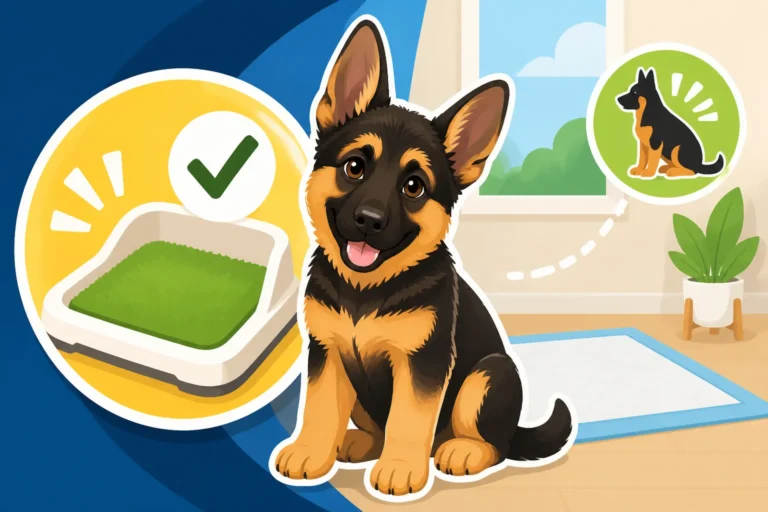
Potty training is likely at the top of every new puppy parent's list, and for good reason! The first week is all about building strong habits. Take your puppy out frequently – every 1-2 hours, plus after waking up, after eating, after playing, and before bed. Always take them to the same designated potty spot in your yard. This helps them associate that specific area with relieving themselves.
When they do go potty outside, praise them enthusiastically and immediately offer a high-value treat. Make it a celebration! The timing of the reward is crucial; it needs to happen within seconds of them finishing their business so they connect the act of going outside with the positive reinforcement. If you wait until you're back inside, they won't understand what they're being rewarded for.
Accidents will happen. It's part of having a puppy. Never punish your puppy for an indoor accident. They won't understand why they're being scolded and it can make them afraid to go potty in front of you, which will actually hinder training. Instead, calmly clean up the mess with an enzymatic cleaner (to eliminate odors that might attract them back to the same spot) and resolve to supervise more closely and take them out more frequently next time. This early work is vital for effective German Shepherd Potty Training: Step-by-Step.
Beginning Crate Training
As mentioned, the crate should be a positive place. During this first week, focus on short, positive experiences in the crate. Feed your puppy their meals inside the crate with the door open initially. Throw a favorite toy or a small treat inside and let them go in to retrieve it. Gradually, close the door for a few seconds while they're eating, then open it. Slowly increase the time the door is closed, always returning before they get anxious or start whining.
The goal is for them to feel comfortable and relaxed in their crate. Never use the crate as a punishment or a time-out spot. If they associate the crate with negative experiences, they will resist going in, making future training much harder. For overnight sleeping, the crate can be placed near your bed for the first few nights. This proximity can provide comfort and help them settle, especially when learning How to Stop German Shepherd Puppy Crying at Night.
When your puppy whines in the crate, it's essential to differentiate between needing to go potty and simply wanting attention. If you've just taken them out, they've eaten, and had water, they likely don't need to go. If you let them out every time they whine, you'll teach them that whining gets them out. Wait for a brief moment of quiet before letting them out, even if it's just a second, to reward the quiet behavior.
Introducing Basic Commands and Socialization
The first week is also an excellent time to introduce a few basic concepts that will form the cornerstone of your German Shepherd's obedience training. Keep sessions very short, positive, and fun – no more than 5 minutes at a time, several times a day.
Learning Their Name and Positive Reinforcement
One of the first and most important things your puppy needs to learn is their name. This is their first cue that you're about to communicate with them. Use their name frequently throughout the day, always in a positive context. When you call their name and they look at you, immediately reward them with a treat and praise. "Good job, Luna!" or "Yes, Rex!"
Avoid using their name when you're scolding them, as this can create a negative association. You want their name to be a signal that something good is about to happen or that you're about to give them a direction. The more positive experiences they have with their name, the more readily they will respond when you call it, which is essential for recall later on.
This early positive reinforcement builds a strong bond and teaches your puppy that interacting with you is rewarding. Use small, high-value treats that are easy for them to swallow quickly, so they don't get distracted. Brands like Zuke's Mini Naturals or even small pieces of cooked chicken work well for many puppies.
Gentle Leash and Collar Introduction
Even if your puppy isn't fully vaccinated yet and can't go on public walks, the first week is a great time to introduce them to a collar and a lightweight leash. Start with a soft, comfortable collar that fits snugly enough so they can't slip out, but loose enough for two fingers to fit underneath. Let them wear it for short periods inside the house, distracting them with play or treats. Many puppies might try to scratch at it or act like it's the end of the world – just ignore this and redirect their attention.
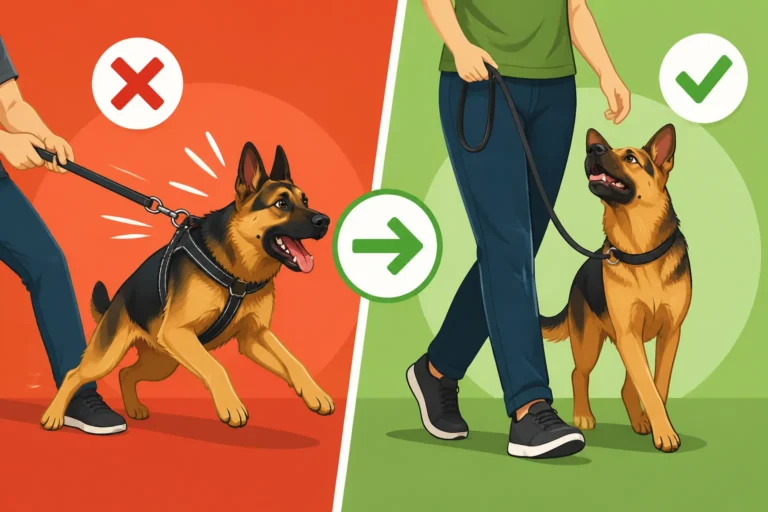
Once they're comfortable with the collar, attach a lightweight leash (often a 4-foot cotton lead is ideal for puppies) and let them drag it around the house under strict supervision. This helps them get used to the feeling without any pressure. For very short intervals, pick up the leash and gently guide them a few steps, immediately rewarding them for following. Keep it light and positive. This is simply to create a positive association with the equipment, preparing them for German Shepherd Leash Training: Step-by-Step when they're older and fully vaccinated.
The goal isn't to teach them to walk perfectly on a leash yet, but rather to make the collar and leash a non-event. Many puppies find the feeling strange and restrictive, so patience is paramount. Always ensure their collar or leash doesn't get snagged on anything while they're dragging it, as a sudden jolt could create a negative association.
Socialization and Gentle Handling
While you must be cautious about exposing an unvaccinated puppy to unknown dogs or public places due to disease risk, early, safe socialization is critical. During this first week, focus on exposing your puppy to various sounds, sights, and surfaces within your home and safe, controlled environments. Let them walk on different floor types (wood, carpet, tile), hear household noises (vacuum cleaner, doorbell, TV), and meet new, trusted, vaccinated people (family and friends).
Crucially, also practice gentle handling. Get your puppy used to having their paws touched (great for future nail trims!), their ears checked (to prevent German Shepherd Ear Infections: Prevention), and their mouth examined. Do this during calm moments, pairing the handling with praise and treats. This makes vet visits, grooming sessions, and future health checks much less stressful for both of you. A puppy used to being handled will be much easier to manage throughout their life. This early exposure and positive association are key elements of comprehensive German Shepherd Socialization: Step-by-Step.
Exposing them to as many novel but safe experiences as possible helps build a well-adjusted, confident adult German Shepherd. If you're using a resource like BAXTER & Bella's online puppy school, they often provide excellent structured approaches to early socialization in a safe manner, particularly useful before full vaccination.
Addressing Common Puppy Challenges in the First Week
Even with the best preparation, your first week with a German Shepherd puppy will likely come with its own set of unique challenges. Remember, it's a huge adjustment for them, and for you too! Patience, understanding, and a sense of humor will be your most valuable tools.
Managing Puppy Nipping and Bite Inhibition
German Shepherd puppies, like all puppies, explore the world with their mouths and use nipping as a form of play and communication with their littermates. While natural, it's not something we want directed at human hands. The first week is crucial for teaching bite inhibition – essentially, teaching them that human skin is fragile.
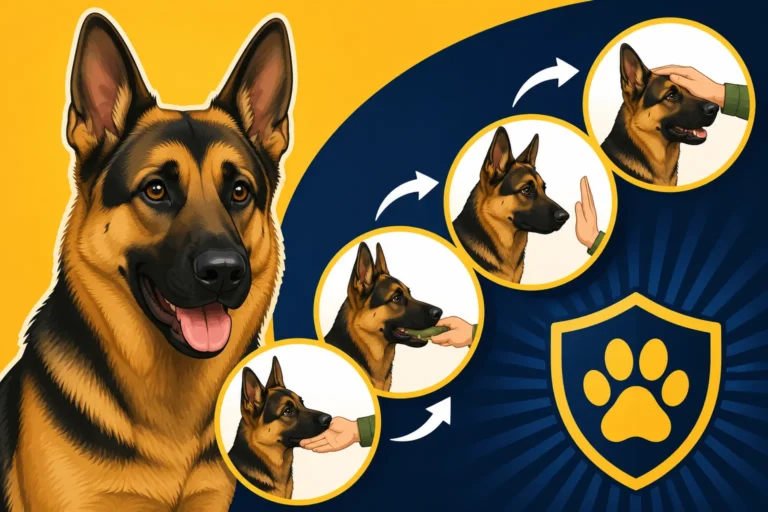
When your puppy nips too hard, immediately let out a high-pitched "yelp!" or "ouch!" and withdraw your hand and attention. The sudden disengagement mimics how their littermates would react. If they continue, completely disengage from play for 30-60 seconds. This teaches them that hard bites end the fun. Once they're calmer, you can resume play, but always have an appropriate chew toy ready to redirect their attention.
Offer plenty of appropriate chew toys. Items like Kongs, Nylabones, or even certain rope toys available on Amazon can be excellent outlets for their chewing urges. Always make sure the toys are size-appropriate and durable enough for a German Shepherd puppy’s strong jaws. This process is fundamental to German Shepherd Bite Inhibition: Step-by-Step and preventing more serious biting issues later on.
Navigating Nighttime Crying and Separation Anxiety
The first few nights can be tough. Your puppy is likely missing the warmth and comfort of their littermates. Crying is normal. The key is to differentiate between needing to go potty and simply being lonely. If you've taken them out right before bed and they've emptied their bladder, chances are they're just adjusting.
You can try a few strategies to help them settle. Some owners find success with a warm hot water bottle wrapped in a towel, or a ticking clock near the crate to mimic a heartbeat. A radio playing soft music or white noise can also provide comfort. For the very first nights, keeping the crate in your bedroom can offer immense comfort and help them feel connected. As they get more secure, you can gradually move the crate to its permanent location.
Consistency in your routine during the day also helps with nighttime settling. A tired puppy (from appropriate exercise, not over-exercising which can harm their developing joints, particularly important for a breed prone to issues like German Shepherd Hip Dysplasia Explained) and a full belly are more likely to sleep soundly. Remember, teaching them to be comfortable alone in their crate for short periods during the day also builds their confidence and reduces the likelihood of severe separation anxiety.
Managing Expectations and "Puppy Blues"
Let's be real: bringing a puppy home, especially a German Shepherd puppy with all their intelligence and energy, is a lot of work. It's okay to feel overwhelmed, exhausted, or even wonder what you've gotten yourself into. This feeling, often dubbed "puppy blues," is very common. You've traded your calm routine for constant supervision, potty breaks, and interrupted sleep.
It's important to be kind to yourself and understand that this intense period won't last forever. Focus on the small victories: a successful potty break outside, a few minutes of quiet crate time, or a moment of calm snuggling. Don't compare your puppy to an older, perfectly trained dog or to picture-perfect social media posts. Every puppy and every household is different.
Lean on your support system, whether that's family, friends, or online communities. Resources like the BAXTER & Bella program offer not just training guides but also a community forum where you can ask questions and commiserate with other new puppy parents. Remember that the hard work you put in during this first week and beyond is an investment in a happy, well-adjusted German Shepherd companion for many years to come.
Sample First Week Puppy Schedule
Establishing a consistent routine is paramount. Here's a sample schedule, which you can adjust to fit your lifestyle and your German Shepherd puppy's specific needs.
| Time | Activity | Notes |
|---|---|---|
| 6:30 AM | Wake Up & Immediate Potty Break | Carry puppy outside. Praise and treat immediately upon success. |
| 6:45 AM | Breakfast & Water | Feed in crate with door open/closed for short period. |
| 7:00 AM | Potty Break | Always after eating. |
| 7:05 AM | Short Play/Training Session (5-10 mins) | Focus on name recognition, gentle handling. |
| 7:15 AM | Potty Break | After play. |
| 7:20 AM | Crate Time/Nap | Puppy goes into crate for rest. Ignore whining unless suspecting potty need. |
| 9:30 AM | Wake Up & Immediate Potty Break | Repeat the cycle. |
| 9:45 AM | Playtime/Exploration | Supervised, safe area. Practice leash introduction. |
| 10:15 AM | Potty Break | |
| 10:20 AM | Crate Time/Nap | |
| 12:00 PM | Wake Up & Immediate Potty Break | |
| 12:15 PM | Lunch & Water | |
| 12:30 PM | Potty Break | |
| 12:45 PM | Short Training/Socialization | Gentle introductions to new people/sounds. |
| 1:15 PM | Potty Break | |
| 1:20 PM | Crate Time/Nap | |
| 3:30 PM | Wake Up & Immediate Potty Break | |
| 3:45 PM | Play/Free Time | Chew on appropriate toys. Supervise closely. |
| 4:15 PM | Potty Break | |
| 4:20 PM | Crate Time/Nap | |
| 6:00 PM | Wake Up & Immediate Potty Break | |
| 6:15 PM | Dinner & Water | |
| 6:30 PM | Potty Break | |
| 6:45 PM | Family Play/Relaxation | Controlled, calm playtime. Gentle pets. |
| 8:00 PM | Potty Break | Final big push to empty bladder. |
| 8:30 PM | Quiet Time/Crate Settle | Wind-down period. |
| 10:00 PM | Last Potty Break | Carry puppy outside. Last chance before bed. |
| 10:15 PM | Bedtime (Crate) | Make it comfy and dark. Place crate near you for first few nights if needed. |
| Middle of Night | Potty Break (as needed) | Young puppies may need 1-2 middle-of-the-night breaks. Be quick, quiet, no play. |
This schedule offers a template, but remember that individual puppies will have varying sleep and potty needs. Adjust as your puppy grows and shows signs of being able to hold it longer. This structured approach is incredibly helpful for a comprehensive German Shepherd Puppy Training Guide.
Disclaimer
The information provided in this article is for general informational purposes only and is not a substitute for professional veterinary advice, diagnosis, or treatment. Always seek the advice of your veterinarian or other qualified health provider with any questions you may have regarding a medical condition or the health and welfare of your pet.