How to Extend a German Shepherd’s Lifespan
It’s a tough reality for many German Shepherd owners that these magnificent dogs, for all their strength and loyalty, often face a shorter lifespan than we'd wish. The heartache of imagining fewer years with your beloved companion is a heavy one, and it's completely natural to want to do everything in your power to give them the longest, healthiest life possible. This comprehensive guide is dedicated to exploring all the ways you can proactively contribute to your German Shepherd's longevity, from the puppy stages right through their golden years.
Understanding the German Shepherd Lifespan and Its Challenges
Bringing a German Shepherd into your life means committing to a journey filled with incredible companionship, but also acknowledging the breed's predispositions. Knowing the typical lifespan and the common health hurdles they face is the first step in actively working to extend their time with you. It's not about dwelling on the negative, but about empowering yourself with knowledge to be the best advocate for their health.
The Average Lifespan and What Influences It
Generally speaking, a German Shepherd's lifespan typically falls between 9 to 13 years. However, this is an average, and many factors can tilt the scales one way or another. Just like people, some German Shepherds are blessed with robust health and sail past that upper limit, while others, unfortunately, face challenges that shorten their time. Genetics play a colossal role here; a puppy from a lineage of long-lived, healthy dogs often has a better head start. Environmental factors, though, are where we, as owners, can make a significant impact. Things like diet, exercise, veterinary care, and even the stress levels in their home environment all contribute to how long and how well they live. It’s a complex interplay, and understanding it helps us focus our efforts where they matter most.
One common frustration is seeing dogs of other breeds seemingly live forever, while your GSD sometimes feels more susceptible to age-related issues. This isn't just a feeling; German Shepherds are prone to certain conditions that can definitely influence their longevity. For a deeper dive into what to expect, read our guide on German Shepherd Lifespan: How Long They Live.
Common Health Problems Impacting Longevity
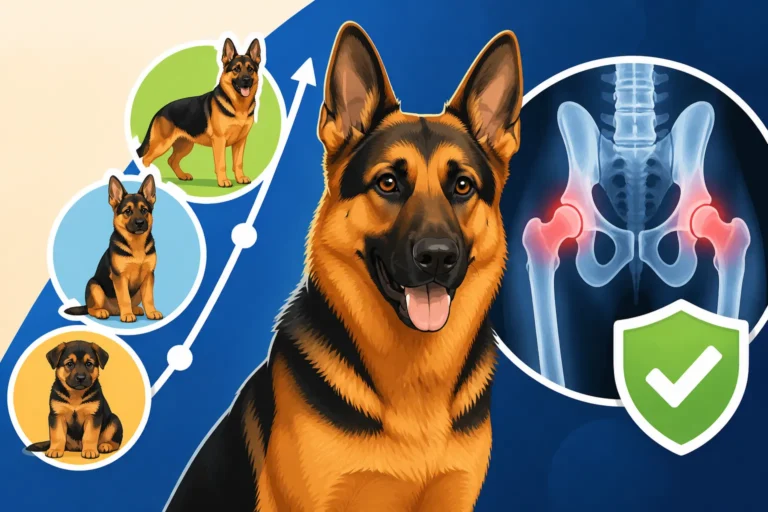
German Shepherds are magnificent athletes, but they come with a genetic blueprint that makes them predisposed to several health conditions. These aren't inevitable, but they are common enough that every owner should be aware of them. The big ones that often spring to mind are orthopedic issues like German Shepherd Hip Dysplasia Explained and elbow dysplasia. These conditions, if severe and left unmanaged, can significantly impact a dog's quality of life and mobility, making them less active and thus more susceptible to other health problems like obesity.
Beyond joint problems, neurological conditions like Degenerative Myelopathy in German Shepherds are heartbreakingly common. This progressive spinal cord disease, while not painful, eventually leads to paralysis. Other serious concerns include gastric dilatation-volvulus (GDV), commonly known as bloat, which is a life-threatening emergency, certain cancers like hemangiosarcoma, and exocrine pancreatic insufficiency (EPI). The sheer number of potential health issues can feel overwhelming, but being informed allows for early detection and intervention, which are critical for extending a German Shepherd's quality of life and overall longevity. It's truly about being proactive rather than reactive.
The Power of Optimal Nutrition
Feeding your German Shepherd isn't just about filling their bowl; it's about fueling their body for a long, vibrant life. What goes into their diet directly impacts their energy levels, immune system, coat health, and critically, their ability to ward off disease. Many owners feel overwhelmed by the sheer number of dog food options out there, each claiming to be the "best." The truth is, finding the right nutrition is a journey, and it starts with understanding the fundamentals.
Choosing High-Quality Dog Food
The cornerstone of a long and healthy life for your German Shepherd begins with their diet. You want to look for dog foods that list real meat — like chicken, beef, or lamb — as the first ingredient, not vague "meat meals" or fillers. Avoid foods heavy in corn, wheat, and soy, as these can be common allergens and offer little nutritional value. Instead, seek out wholesome carbohydrates like sweet potatoes, peas, or brown rice. Essential fatty acids, particularly omega-3s, found in ingredients like fish oil, are crucial for skin, coat, and joint health, and can even support cognitive function as they age.
It's also vital to consider the life stage formula. A rapidly growing German Shepherd puppy has different nutritional needs than an adult, and a senior dog with a slower metabolism and potential joint issues will require yet another specialized diet. Companies like Purina Pro Plan, Royal Canin, and Orijen offer breed-specific or large-breed formulas that cater to the unique needs of German Shepherds, often focusing on joint support and appropriate protein levels for their muscular build. When evaluating different brands, don't just look at the marketing; scrutinize the ingredient list and guaranteed analysis. A high-quality food will support their immune system, maintain a healthy weight, and provide the building blocks for strong bones and muscles, all of which are absolutely critical for a long, active life. You can learn more in our detailed guide on the Best Dog Food for German Shepherds.
Proper Portion Control and Hydration
Even the best dog food can become detrimental if fed in the wrong quantities. Obesity is a silent killer, contributing to joint problems, heart disease, diabetes, and a host of other issues that can dramatically shorten a German Shepherd's life. It’s incredibly easy to overfeed these food-motivated dogs, especially when they give you those big, pleading eyes. Resist the urge to constantly top off their bowl or give too many high-calorie treats. Instead, follow the feeding guidelines on your dog food bag, but always adjust based on your dog's individual activity level and body condition. You should be able to feel their ribs easily without seeing them, and they should have a discernible waist when viewed from above.
Hydration is just as crucial. German Shepherds are active dogs, and adequate water intake is vital for every bodily function, from digestion to temperature regulation to organ health. Always ensure your dog has access to fresh, clean water, whether from a bowl in the house or a portable water bottle during walks. Consider using stainless steel bowls, as they are easier to keep clean and prevent bacteria buildup, which can sometimes lead to issues. Especially in warmer climates or after strenuous exercise, encourage them to drink. A well-hydrated dog is a healthier dog, and maintaining their optimal weight through careful portion control and proper hydration are two simple yet incredibly powerful ways to contribute to their overall well-being and longevity. Neglecting these aspects can lead to issues covered in our article on German Shepherd Weight and Obesity Risks.
The Role of Supplements
While a balanced diet should be the primary source of nutrition, certain supplements can play a supportive role in extending your German Shepherd's healthy years, especially as they age or if they have specific needs. Joint supplements are perhaps the most common, given the breed's predisposition to hip and elbow issues. Ingredients like glucosamine, chondroitin, and MSM can help support cartilage health, reduce inflammation, and improve mobility. Omega-3 fatty acids, often found in fish oil, are excellent for overall anti-inflammatory benefits, skin and coat health, and even cognitive function.
Probiotics can be beneficial for gut health, which is intimately linked to the immune system. A healthy gut means better nutrient absorption and a stronger defense against illness. Antioxidants, like vitamins C and E, can help combat cellular damage, a natural part of aging. However, it's crucial to consult your veterinarian before adding any supplements to your dog's regimen. Not all supplements are created equal, and some can interact with medications or be unnecessary for your dog's specific needs. Your vet can recommend high-quality, vet-approved products and proper dosages, ensuring you're genuinely helping your German Shepherd thrive, not just spending money on unnecessary items. For more details on this topic, check out German Shepherd Joint Health Supplements.
Exercise and Mental Stimulation for Longevity
A German Shepherd is not a couch potato breed. They were bred for work, and both their physical and mental well-being are deeply intertwined with regular, appropriate exercise and challenging mental tasks. Neglecting this crucial aspect can lead to behavioral issues, obesity, and a decline in overall health that can significantly shorten their lifespan. It’s about finding the right balance for their age and individual needs.
Tailored Exercise Routines
Providing the right amount and type of exercise is absolutely critical for a German Shepherd's long-term health. For a puppy, "exercise" often means multiple short play sessions throughout the day, focusing on proper socialization and avoiding strenuous activities like long runs or jumping that could harm their developing joints. Once they reach adulthood, typically around 18-24 months when growth plates have closed, German Shepherds need at least 1-2 hours of vigorous activity daily. This could include fast-paced walks, jogging, hiking, fetch, or playing with other dogs in a secure area. Regular, consistent exercise helps maintain a healthy weight, strengthens muscles supporting their joints, and boosts cardiovascular health.
As they transition into their senior years, their exercise needs will change again. While still important, high-impact activities might need to be replaced with gentler options like swimming, short walks, or hydrotherapy. The key is to keep them moving within their comfort level to maintain muscle mass and joint flexibility without causing pain or injury. Observe your dog closely for signs of fatigue or discomfort and adjust accordingly. An active German Shepherd is a happier, healthier German Shepherd, and tailoring their exercise routine to their specific age and physical condition is a profound way to contribute to their longevity.
The Importance of Mental Engagement
Physical exercise alone isn't enough for a brilliant breed like the German Shepherd. Their keen intelligence and working drive demand regular mental stimulation. Without it, they can become bored, destructive, anxious, and even develop behavioral problems that create stress for both the dog and the owner, ultimately impacting their well-being. Mental engagement is like exercise for their brain, keeping their cognitive functions sharp and preventing the mental decline that can accompany aging.
Activities like puzzle toys, interactive feeders, scent work, and obedience training sessions are fantastic ways to challenge their minds. Teaching new tricks, practicing advanced obedience commands, or even engaging in dog sports like agility or IGP can provide immense mental satisfaction. Rotating toys and introducing new challenges can keep things fresh and exciting. A German Shepherd that feels engaged and has a "job" to do, even if that job is just figuring out how to get a treat out of a Kong, is a more fulfilled and resilient dog. This mental fulfillment contributes significantly to their overall happiness and can indirectly support a longer, healthier life by reducing stress and fostering a strong bond with their human family.
Proactive Veterinary Care and Preventative Measures
Regular veterinary care is not just for when your German Shepherd is sick; it's perhaps the most critical component of a proactive strategy to extend their lifespan. Think of your vet as your partner in keeping your dog healthy, catching potential issues early, and guiding you through their various life stages. Many owners dread vet visits, but they are absolutely indispensable.
Regular Check-ups and Screenings
Annual (or semi-annual for seniors) veterinary check-ups are non-negotiable for extending your German Shepherd's life. During these visits, your vet performs a thorough physical examination, checking everything from their teeth and ears to their heart and joints. They’ll assess their weight, coat condition, and overall demeanor. These regular "wellness checks" establish a baseline for your dog's health, making it easier for the vet to spot subtle changes that might indicate an emerging problem. Early detection of conditions like thyroid issues, kidney disease, or even early signs of cancer can significantly impact the success of treatment and, ultimately, your dog's longevity.
Beyond the physical exam, your vet will recommend age-appropriate screenings. This might include routine blood work to check organ function, urinalysis, and potentially fecal exams to detect parasites. For German Shepherds, specific screenings for orthopedic issues or certain genetic diseases might also be part of the routine. These proactive tests can uncover hidden problems before they become severe, allowing for intervention when it's most effective. Never underestimate the value of a regular vet visit – it's a powerful tool in your arsenal for keeping your German Shepherd healthy and by your side for as long as possible. For comprehensive insights, refer to our How to Keep a German Shepherd Healthy guide.
Vaccinations and Parasite Control
Protecting your German Shepherd from preventable diseases and parasites is fundamental to ensuring a long and healthy life. Vaccinations are a critical line of defense against common, often fatal, canine diseases like rabies, distemper, parvovirus, and adenovirus. Your veterinarian will recommend a vaccination schedule tailored to your dog's age, lifestyle, and local disease prevalence. Staying up-to-date on these vaccinations is not only responsible pet ownership but a direct preventative measure against illnesses that can severely impact longevity or cause premature death.
Equally important is a robust parasite control program. Fleas, ticks, heartworms, and intestinal worms can wreak havoc on a dog's health, leading to discomfort, skin problems, anemia, and even life-threatening conditions. Heartworm disease, transmitted by mosquitoes, is particularly dangerous and often fatal if left untreated. Regular deworming and year-round preventative medications for fleas, ticks, and heartworms are essential. Discuss the best options with your vet, considering products like oral medications or topical treatments that are effective in your area. This consistent preventative care might seem routine, but it's a vital component of protecting your German Shepherd from common threats and ensuring they live their healthiest, longest life.
Emergency Preparedness and Pet Insurance
While we strive for preventative care, emergencies can and do happen, often when least expected. Being prepared for a sudden illness or accident can make all the difference in a German Shepherd's prognosis and, thus, their lifespan. This means knowing the signs of common emergencies unique to the breed, like bloat – a swift, brutal condition where immediate veterinary attention is critical. Have your vet's emergency number, the nearest 24-hour animal hospital contact, and a plan for transport readily available. Knowing what to do in a German Shepherd bloat emergency can literally save their life. For more on this, check out German Shepherd Bloat Emergency: What to Do.
Financially, emergencies can be devastating. This is where pet insurance truly shines. Providers like Healthy Paws offer coverage that can significantly ease the burden of unexpected veterinary bills, allowing you to make medical decisions based on what’s best for your dog, rather than what you can afford out-of-pocket. Imagine a scenario where your dog needs emergency surgery for an injury or develops a chronic illness requiring ongoing treatment; the costs can quickly climb into thousands. Having a plan, whether through an emergency savings fund or pet insurance, reduces stress during an already difficult time and ensures your German Shepherd receives the prompt, high-quality care they need to recover and thrive. This peace of mind is invaluable for their long-term health.
Genetic Health Testing and Responsible Breeding
One of the most powerful tools we have in extending the German Shepherd's lifespan and improving the breed's overall health is through responsible breeding practices, underpinned by comprehensive genetic health testing. While you can't change your current dog's genetics, understanding this aspect is crucial for anyone considering adding another GSD to their family, or for appreciating the lineage of their existing companion.
Why Genetic Testing Matters
German Shepherds are prone to several inherited conditions that can severely impact their quality of life and shorten their lifespan. This isn't a fault of the dogs themselves, but a consequence of certain genes being passed down through generations. Genetic health testing allows responsible breeders to identify carriers or affected dogs for specific diseases before they breed them. By doing so, they can make informed decisions to avoid pairing dogs that would produce puppies destined to suffer from these conditions.
Testing for hip and elbow dysplasia through organizations like OFA (Orthopedic Foundation for Animals) or PennHIP is paramount, as these debilitating joint issues are incredibly common in the breed. Similarly, DNA testing for Degenerative Myelopathy in German Shepherds is crucial to prevent affected puppies. Breeders should also screen for other conditions relevant to the breed, such as certain eye diseases or Von Willebrand's disease. While testing doesn't guarantee a puppy will be perfectly healthy, it drastically reduces the risk of inheriting these severe conditions, providing a much stronger foundation for a long, healthy life. Choosing a puppy from health-tested parents is a direct investment in their future well-being and longevity. For more information, see our guide on German Shepherd Genetic Health Testing.
Choosing a Reputable Breeder
The impact of a reputable breeder on your German Shepherd's potential lifespan cannot be overstated. A good breeder is deeply committed to the health and longevity of their dogs, not just producing puppies for profit. They will be transparent about their dogs' health testing results, readily providing documentation from OFA, PennHIP, and DNA test panels. They will also be knowledgeable about the breed's health history, genetic lines, and potential predispositions.
A responsible breeder will meticulously select breeding pairs based on temperament, conformation, and, most importantly, health. They will screen for conditions like hip and elbow dysplasia, as well as genetic markers for diseases like Degenerative Myelopathy. Furthermore, they will raise puppies in a clean, stimulating environment, providing early socialization and proper nutrition from birth. They should interview prospective owners thoroughly, ensuring their puppies go to suitable homes. While puppies from reputable breeders may have a higher initial cost, this investment pays dividends in the form of a healthier, well-adjusted dog less likely to incur significant veterinary expenses later on, ultimately contributing to a longer, more fulfilling life.
Managing Common Health Issues for Better Outcomes
Even with the best preventative care and genetics, German Shepherds can still face health challenges. How these issues are managed plays a critical role in minimizing their impact on your dog's quality of life and overall lifespan. Early detection and consistent, appropriate treatment are key.
Early Detection and Symptom Recognition
Being attuned to your German Shepherd's normal behavior, appetite, and energy levels is your first and most powerful line of defense against health issues. German Shepherds are stoic by nature, and they often hide pain or discomfort until it's quite advanced. Subtle changes can be the first indicators of a problem. Is your usually energetic dog suddenly reluctant to jump or go for a walk? That could signal joint pain, like early hip dysplasia. Is their appetite suddenly gone, or are they pacing and restless with an distended abdomen? This could be a sign of bloat, an immediate emergency.
Other symptoms to watch for include changes in thirst or urination, persistent coughing or sneezing, skin irritations, unexplained weight loss or gain, or any lumps and bumps. If you notice anything out of the ordinary, even if it seems minor, contact your vet. Don't wait to see if it "gets better." Early intervention for conditions like cancer, kidney disease, or even infections can drastically improve the prognosis and treatment success, directly contributing to extending your German Shepherd's healthy years. Learning the First Signs of Hip Dysplasia in German Shepherds or being aware of German Shepherd Bloat: Signs and Prevention can be lifesaving knowledge.
Treatment and Long-Term Care Strategies
Once a health issue is diagnosed, adhering to the prescribed treatment plan is paramount. This might involve medication, physical therapy, dietary changes, or even surgery. For chronic conditions, long-term management becomes a part of daily life. For instance, a German Shepherd with arthritis due to hip or elbow dysplasia might require ongoing pain management, joint supplements, controlled exercise, and even therapies like acupuncture or laser treatments. It's about maintaining their comfort and mobility for as long as possible.
For conditions like Exocrine Pancreatic Insufficiency (EPI), lifelong enzyme supplementation with every meal is necessary for proper digestion and nutrient absorption. Without it, the dog would slowly starve. Managing these conditions effectively not only improves their quality of life but also prevents secondary complications that could further impact their health and shorten their lifespan. This might mean regular vet visits, close monitoring of symptoms, and a willingness to adapt your dog's routine as needed. It's a commitment, but one that allows your German Shepherd to live their fullest life possible, even with health challenges. Remember, for a holistic view of potential issues, check out our German Shepherd Health Problems Guide.
The Importance of a Loving Environment and Stress Reduction
Beyond the physical aspects of care, a German Shepherd's emotional well-being and the environment they live in profoundly impact their health and longevity. Stress, anxiety, and a lack of emotional security can manifest as physical ailments, weakening the immune system and contributing to a shorter, less happy life. Creating a stable, loving home is a powerful, yet often underestimated, component of extending their lifespan.
A Stable and Stimulating Home Environment
German Shepherds thrive on routine, predictability, and feeling like a valued member of their pack (your family). A stable home environment means consistent rules, a predictable daily schedule for feeding, walks, and playtime, and a secure, comfortable space they can call their own. This sense of security reduces stress and anxiety, which can otherwise lead to a host of physical and behavioral problems. Chronic stress elevates cortisol levels, which can suppress the immune system, making your dog more susceptible to illness.
Beyond stability, a stimulating environment is crucial. This doesn't mean a house full of expensive toys, but rather one that encourages exploration, interaction, and mental engagement. Regular walks in varied environments, opportunities for supervised play, access to puzzle toys, and consistent training sessions all contribute to a stimulating home life. A German Shepherd that feels secure, loved, and mentally challenged is a happier, more resilient dog. This positive emotional state directly supports a stronger immune system, better digestion, and an overall healthier physiological response, all of which are conducive to a longer life.
Socialization and Positive Interactions
Proper socialization throughout a German Shepherd's life is vital, not just for good behavior, but for their emotional well-being and stress reduction. A well-socialized dog is less likely to be fearful or aggressive in new situations or around new people and animals, minimizing stress responses that can impact health. For a puppy, this means safe, positive introductions to a wide variety of sights, sounds, people, and other well-vaccinated dogs. This builds confidence and adaptability.
As adults, continued positive interactions are key. Regular, supervised playdates with other friendly dogs, visits to dog-friendly parks or stores, and opportunities to meet new people in a controlled manner help maintain their social skills. A German Shepherd that is comfortable and confident in various social settings experiences less anxiety, and thus less physiological stress. This emotional stability prevents stress-related physical symptoms and promotes a robust immune system. Positive reinforcement training, which builds trust and strengthens the bond between you and your dog, also contributes immensely to their emotional security, fostering a loving relationship that is a cornerstone of a long, healthy, and happy life.
Addressing Senior Dog Care Needs
As German Shepherds enter their golden years, typically around 7-8 years old, their needs begin to shift. Recognizing and adapting to these changes is paramount for maintaining their comfort, dignity, and quality of life, effectively extending their healthy, happy lifespan. This period requires a gentle hand, increased vigilance, and often, some adjustments to their daily routine.
Tailoring Diet and Exercise for Aging Dogs
Just as puppy and adult diets differ, a senior German Shepherd requires specific nutritional adjustments. Their metabolism slows down, so a lower-calorie, high-quality senior dog food can help prevent weight gain, which is detrimental to aging joints. However, some older dogs may lose weight if they have underlying conditions, so a nutrient-dense, easily digestible food might be necessary. Foods rich in omega-3 fatty acids, antioxidants, and joint-supporting ingredients like glucosamine and chondroitin are particularly beneficial. Regular dental care also becomes more critical, as dental disease can lead to other health issues. For detailed advice, see our German Shepherd Senior Diet Adjustments article.
Exercise, while still essential, needs to be modified. Gone are the days of long, strenuous runs. Instead, focus on shorter, more frequent, gentle walks. Swimming can be an excellent low-impact option that builds muscle without stressing joints. Mental stimulation remains important, so puzzle toys or scent games can keep their minds sharp. The goal is to keep them moving and engaged without exacerbating existing conditions like arthritis or causing new injuries. Observe your senior German Shepherd closely for signs of pain or fatigue, and always consult your vet for guidance on appropriate activity levels and dietary changes.
Comfort and Mobility Support
As German Shepherds age, joint pain, arthritis, and decreased mobility become common challenges. Providing comfort and support can significantly improve their quality of life and help them remain active for longer. Orthopedic dog beds, designed with memory foam, distribute weight evenly, relieve pressure points, and provide crucial support for aching joints. Placing rugs or non-slip mats on slippery floors can help prevent falls and make it easier for them to get around.
Ramps or dog stairs can be incredibly useful for helping them access elevated surfaces like beds or cars, reducing the strain on their hips and back. For dogs with severe mobility issues, assistive devices like harnesses with handles or even dog wheelchairs can allow them to continue enjoying walks and maintain some independence. Temperature regulation is also important; senior dogs can be more sensitive to extreme heat or cold. Ensuring they have a warm, draft-free place to rest in winter and a cool spot in summer contributes to their overall comfort. These thoughtful adjustments, though seemingly small, make a world of difference in a senior German Shepherd's daily life, directly contributing to their overall well-being and extending their happy years. For a deeper dive, check out our German Shepherd Senior Care Guide.
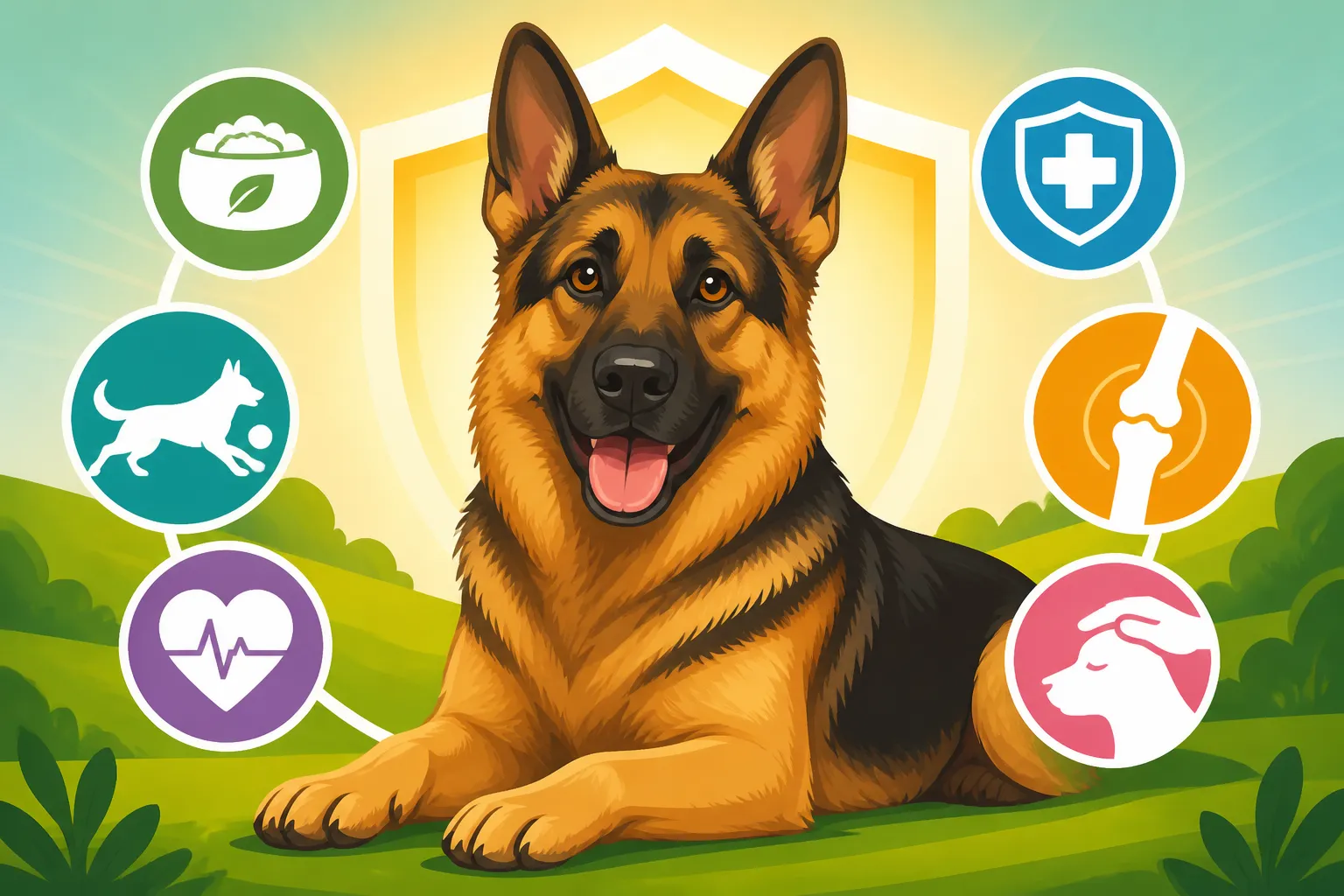
| Aspect of Care | Actionable Steps for Longevity | Benefits for German Shepherds |
|---|---|---|
| Nutrition | Feed high-quality, age-appropriate food; maintain ideal weight; provide fresh water. | Strong immune system, healthy joints, optimal organ function, disease prevention. |
| Exercise & Mental Stim | Tailor activity to age; provide daily mental challenges; avoid over-exertion in puppies. | Healthy weight, strong muscles, sharp cognitive function, reduced stress, behavioral balance. |
| Veterinary Care | Regular check-ups, vaccinations, parasite control; consider pet insurance (e.g., Healthy Paws). | Early detection of disease, prevention of infectious illnesses, financial peace of mind for emergencies. |
| Genetic Health | Choose puppies from health-tested parents; understand breed predispositions. | Reduced risk of inherited diseases like hip dysplasia, elbow dysplasia, and DM. |
| Environment | Stable home, consistent routine, positive socialization; reduce stress. | Stronger immune system, better digestion, emotional well-being, reduced behavioral issues. |
| Senior Care | Adjust diet/exercise; provide orthopedic bedding; use mobility aids (ramps, harnesses). | Enhanced comfort, maintained mobility, improved quality of life in later years. |
Disclaimer
The information provided in this article is for educational and informational purposes only and does not constitute veterinary advice. Always consult with a qualified veterinarian for any health concerns or before making any decisions about your German Shepherd's care.