Why Does My German Shepherd Have Nipping Issues
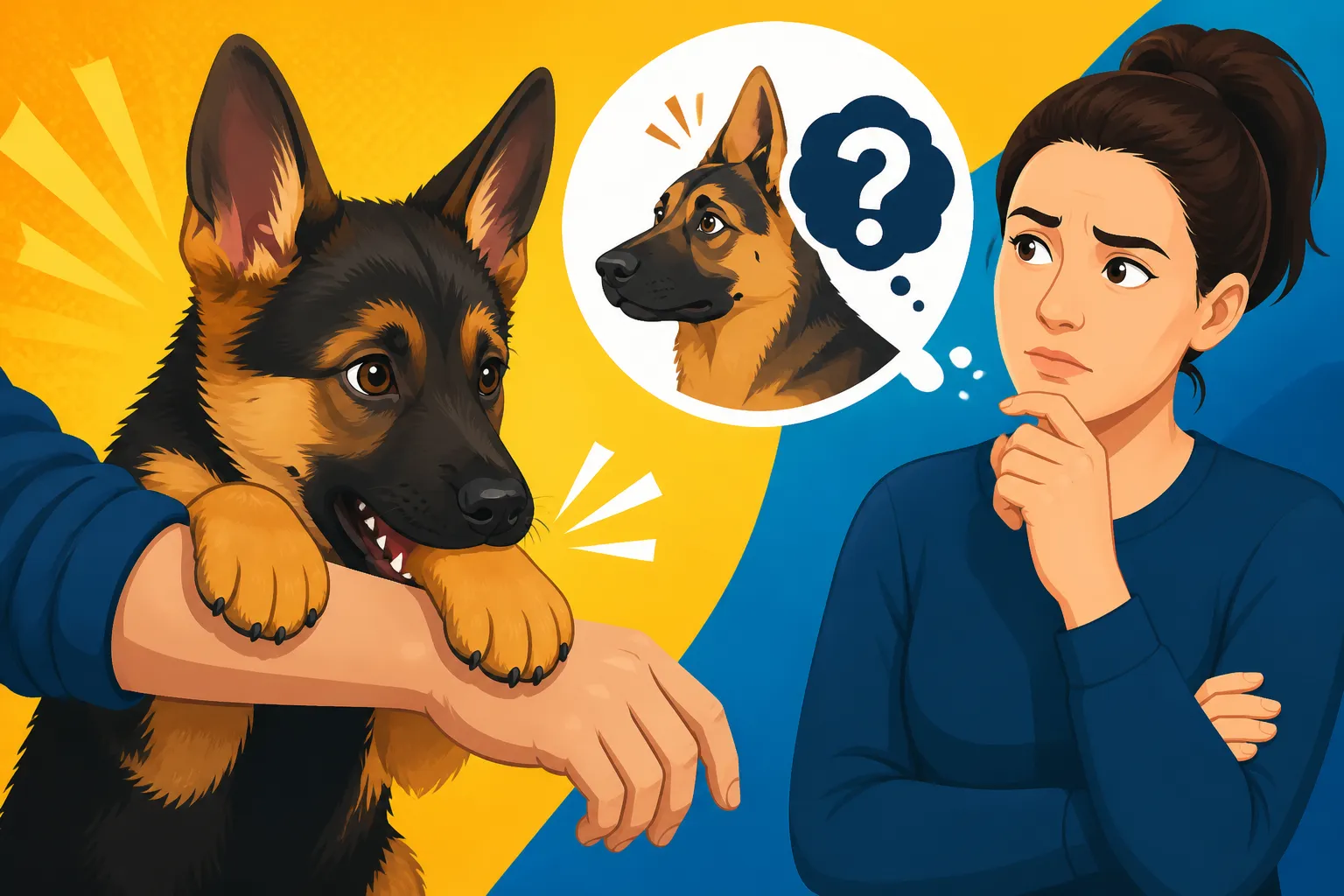
It’s incredibly frustrating when your beloved German Shepherd, whether a playful puppy or a growing adolescent, constantly nips at you, your family, or even your clothing. This behavior can range from annoying nips that feel like needle pricks to more intense grabs that leave marks, making everyday interactions a challenge and sometimes even a little painful. Many GSD owners find themselves asking, "Why does my German Shepherd have nipping issues?" and this comprehensive guide is here to shed light on the common reasons behind this behavior and offer practical, empathetic solutions.
The Instinctual Roots of German Shepherd Nipping
Understanding your German Shepherd's nipping habit means looking back at their history. These magnificent dogs were not just bred to be companions; they were crafted for demanding work, specifically herding livestock and guarding. These innate drives, deeply embedded in their DNA, play a massive role in why they might be prone to using their mouths in ways that can be troublesome in a household setting.
Herding Drive and Prey Drive Manifestations
German Shepherds possess a strong, natural herding instinct. Imagine them in their traditional role: guiding a flock of sheep, nudging them with their noses, or nipping at their heels to keep them in line. This behavior, which was once essential for their job, can easily translate into unwanted nipping in a domestic environment. Your running child might inadvertently trigger this instinct, leading your GSD to "herd" them by nipping at their ankles or grabbing at their clothes. It’s not aggression in the typical sense; it’s an attempt to control movement, a remnant of their working heritage.
Beyond herding, German Shepherds also have a pronounced prey drive. Fast-moving objects – a flapping sleeve, a dangling drawstring, a quick hand movement, or even a leaf blowing across the yard – can activate this drive. For a GSD, these can be perceived as small prey, and their instinct is to chase, catch, and mouth them. This isn't malice; it's a deeply ingrained behavioral pattern. You might notice your dog grabbing at your pant legs as you walk, not because they want to hurt you, but because the movement stimulates their prey drive. It's crucial to distinguish this from true aggression, as the approach to managing it will be vastly different.
Communication and Exploration Through the Mouth
For puppies, their mouths are their primary tool for exploring the world, much like a human toddler uses their hands. They pick up objects, chew on them, and yes, they mouth and nip their littermates and their mother. This early puppy nipping, often referred to as "play biting," is a critical part of their development. It’s how they learn about bite inhibition – understanding how much pressure they can exert with their jaws before causing pain.
When puppies are removed from their litter too early, or if their mother or littermates don’t effectively teach them this lesson, they can grow up without a proper understanding of acceptable bite pressure. Even in older German Shepherds, a nip can be a form of communication. It might mean they’re overstimulated, trying to initiate play, expressing frustration, or even indicating discomfort. Sometimes, if a dog feels their other signals (like growling or body language) aren’t being understood, they might escalate to a nip to get their point across, even if it's just to say, "Hey, I need some attention!" This is why paying close attention to your dog's overall body language is so important.
Common Developmental Stages and Nipping
Nipping isn't a static behavior; it often evolves and changes with a German Shepherd's age and developmental stage. What might be normal for a tiny pup can be a serious concern in a full-grown adult. Recognizing these stages helps us understand the context of the nipping and address it appropriately.
Puppy Nipping: The "Land Shark" Phase
Ah, the "land shark" phase! If you've ever owned a German Shepherd puppy, you know exactly what this means. From about 8 weeks to 5-6 months, your adorable furball can transform into a relentless nipping machine. Everything is fair game: your fingers, toes, ankles, clothes, furniture – you name it. This intense period is driven by a combination of factors. First, puppies are teething, and just like human babies, they seek relief by mouthing and chewing on anything they can get their jaws on. The discomfort can make them more prone to nipping as they explore what provides relief.
Secondly, as mentioned, this is a critical time for developing bite inhibition. They're learning the boundaries of their strength. While it's incredibly annoying and sometimes painful, it's a natural part of their growth. Ignoring this phase or failing to teach proper bite inhibition now can lead to more serious problems down the line. Puppy classes and resources like BAXTER & Bella, an online puppy school, can provide invaluable guidance during this challenging but crucial stage, helping you navigate the endless nips with structured training methods. For more on this, check out our guide on German Shepherd Puppy Biting: What to Do.
Adolescent Nipping: Pushing Boundaries
Just when you think you've survived the puppy land shark phase, your German Shepherd enters adolescence, typically between 6 months and 18 months, or even up to 2 years for some. This stage can bring a resurgence or intensification of nipping issues, much to an owner's dismay. Adolescence in dogs is often compared to human teenage years – a period of testing boundaries, increased independence, and sometimes, a little rebelliousness. Your GSD, now bigger and more confident, might try to assert themselves or simply have an abundance of energy they don't quite know how to channel.
Nipping during adolescence can stem from a desire to engage in rougher play, an attempt to get attention, or a reaction to feeling frustrated or overstimulated. They might try to "herd" family members with more vigor or challenge perceived authority. It's a critical time to reinforce all the bite inhibition and redirection training you started as a puppy. Inconsistent responses from you can quickly undo previous progress, making it seem like the nipping has gotten worse. Maintaining clear rules and consistent expectations is key to guiding them through this boisterous period.
Behavioral Causes Behind Persistent Nipping
While some nipping is rooted in instinct or developmental stages, persistent or worsening nipping often points to underlying behavioral causes that need careful attention. These issues aren't about malice but rather miscommunication, unmet needs, or unresolved anxieties.
Over-Excitement and Frustration Nipping
German Shepherds are incredibly intelligent and often high-energy dogs. This combination, while wonderful for training and activities, can sometimes lead to over-excitement that manifests as nipping. Imagine coming home after a long day: your GSD is ecstatic to see you, jumping, barking, and then nip! It’s not an attack; it’s an inability to control their intense emotions, and their mouth becomes an outlet for that boundless energy. During highly stimulating play, like a game of tug-of-war, they might get so revved up that they accidentally (or intentionally) nip your hand.
Frustration can also trigger nipping. If your German Shepherd sees another dog on a walk but isn't allowed to greet them, that pent-up desire can boil over into nipping at the leash or your hand. Similarly, if they want something they can't have – a toy, a treat, or attention – they might nip as a way to express their annoyance. This is often seen when a dog wants to play but isn't being engaged, leading to exasperated nipping at sleeves or hands to initiate interaction. Recognizing these triggers is the first step toward teaching them healthier coping mechanisms.
Attention-Seeking and Inconsistent Training
Dogs are masters of observation, and they quickly learn what behaviors get them what they want. If your German Shepherd nips and you immediately react – even if it’s to yell, push them away, or give them a sharp "no" – they've just learned that nipping gets attention. For a dog who craves interaction, even negative attention is better than no attention at all. This can inadvertently reinforce the nipping behavior, making it more frequent. They might nip your hand while you're working, and if you stop to scold them, they've successfully diverted your focus to them.
Inconsistent training further complicates this. If sometimes nipping is tolerated (e.g., when you're tired, or it's "just play"), but other times it's strictly forbidden, your GSD gets a mixed message. They don't understand the rules and become confused about what is acceptable. This lack of clarity can lead to continued nipping as they struggle to figure out the boundaries. Consistency is paramount. Everyone in the household must be on the same page regarding how to respond to nipping to ensure your dog understands the desired behavior. For a deeper dive into overall GSD behavior, check out German Shepherd Behavior Problems and Solutions.
Fear, Anxiety, and Defensive Nipping
While less common than play or attention-seeking nipping, it's vital to recognize that nipping can also be a sign of fear, anxiety, or an attempt at self-defense. A German Shepherd who is feeling threatened, overwhelmed, or trapped might resort to nipping as a warning signal. This is often a dog's way of saying, "Back off, I'm uncomfortable," before escalating to a full bite.
Situations that might trigger defensive nipping include interactions with strangers, particularly children who might not understand a dog's boundaries, or being cornered in a new or frightening environment. If your German Shepherd is in pain, even a gentle touch could elicit a defensive nip. It's crucial to rule out pain or underlying medical conditions with a vet visit if nipping appears suddenly or without obvious cause. If fear or anxiety is the root, addressing the underlying emotional state is paramount. Punishing a fearful nip can worsen the anxiety and potentially lead to a more severe bite in the future. Instead, focus on building confidence and creating a safe, predictable environment for your dog.
Practical Strategies to Address and Prevent Nipping Issues
Dealing with German Shepherd nipping requires a multi-faceted approach, combining clear communication, consistent training, and understanding your dog's needs. Patience is your best friend here, as changing ingrained behaviors takes time and dedication.
Teaching Bite Inhibition and Redirection
One of the most effective strategies for puppy nipping is teaching bite inhibition. When your German Shepherd puppy nips too hard, immediately let out a high-pitched "ouch!" or "yelp!" just like another puppy would. Then, instantly withdraw your attention and hand. If they persist, stand up and walk away, ending the interaction for a few minutes. This teaches them that hard bites make the fun stop. Once they learn to inhibit their bite strength, you can then apply the same method for any nipping. The goal is for them to learn that teeth on human skin, even gently, means the game is over.
Equally important is redirection. German Shepherds have a strong urge to chew and mouth, so provide appropriate outlets. Always have a variety of sturdy chew toys readily available. When your dog tries to nip your hand or clothing, calmly redirect their mouth to a suitable toy. Chews like durable Kongs filled with peanut butter, Nylabones designed for power chewers, or sturdy rope toys (many excellent options are available on Amazon) can be incredibly effective. Make these toys exciting and readily accessible. Consistency is key: every time your GSD nips, redirect them to a toy. Over time, they'll learn which items are acceptable for mouthing. For more specific guidance on early training, see our German Shepherd Puppy Training Guide.
Managing Excitement and Providing Appropriate Outlets
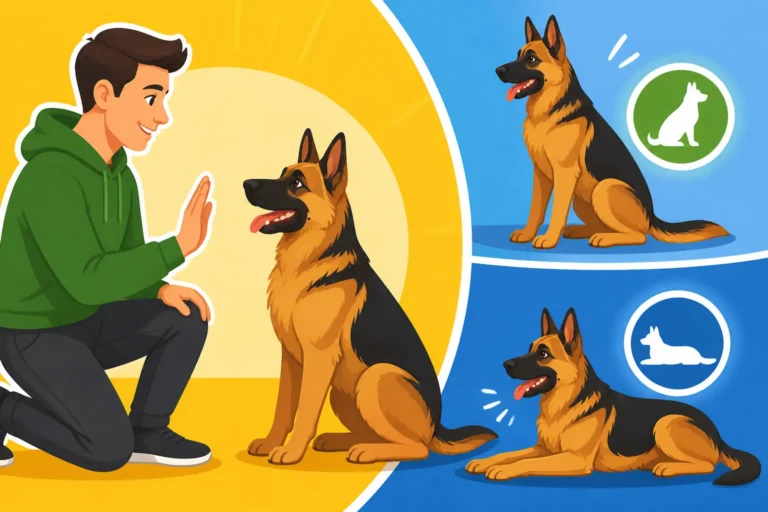
Since over-excitement and pent-up energy are major contributors to nipping, learning to manage your German Shepherd's arousal levels is vital. Implement "calm down" protocols during exciting moments. For example, when you arrive home, instead of immediately engaging, calmly greet them, ask for a sit or down, and only once they are settled do you offer gentle pets. If they get too revved up during play, institute a brief "time-out" by stopping the game until they calm down.
Mental and physical exercise are indispensable for German Shepherds. These are not couch potatoes; they need significant activity to thrive. A tired GSD is much less likely to nip from boredom or excess energy. Aim for a combination of physical exercise like walks, runs, or fetch, and mental stimulation through puzzle toys, scent work, or short training sessions. Check out German Shepherd Exercise Requirements and Best Mental Stimulation for German Shepherds for ideas. Impulse control exercises, such as "leave it" or "wait," are also crucial. Practice these regularly, starting in low-distraction environments and gradually increasing the challenge. This teaches your dog self-control and helps them manage their impulses in exciting situations.
Consistent Training and Professional Guidance
Above all, consistency in training is the bedrock of resolving nipping issues. Every member of the household must follow the same rules and reactions to nipping. If one person allows it and another doesn't, your German Shepherd will be confused and the behavior will persist. Positive reinforcement is the most effective training method; reward desired behaviors (like chewing on a toy instead of your hand, or calmly greeting visitors) with treats, praise, or affection.
Enrollment in obedience classes is highly recommended, especially for German Shepherds. These classes provide a structured environment for learning commands, practicing impulse control, and socializing under expert guidance. For those who prefer a more flexible approach, online programs can also be beneficial, providing step-by-step instructions. BAXTER & Bella, for instance, offers comprehensive online training resources that can be particularly helpful for new GSD owners.
If nipping is severe, accompanied by other signs of aggression, or if you feel overwhelmed, don't hesitate to seek professional help. A certified professional dog trainer or a veterinary behaviorist can assess your specific situation, identify underlying causes (such as fear or anxiety), and develop a tailored training plan. They can provide hands-on guidance and help you implement advanced techniques to ensure both your safety and your German Shepherd's well-being. Early intervention can prevent minor nipping issues from escalating into more serious problems.
Here’s a quick overview of nipping causes and initial actions:
| Nipping Type | Underlying Cause | Initial Solution |
|---|---|---|
| Play Nipping (Puppy) | Exploration, Teething, Learning Bite Inhibition | "Ouch!"/yelp, disengage, redirect to appropriate chew toy. |
| Herding Nipping | Instinctive urge to control movement | Redirect to herding balls or fetch toys, provide ample exercise. |
| Attention-Seeking | Dog learns nipping gets a reaction (even negative) | Ignore the nip, reward calm behavior, ensure consistent training. |
| Over-Excitement | Inability to self-regulate high arousal | Implement calm greetings, time-outs, structured play, teach impulse control. |
| Frustration Nipping | Unmet desires, inability to reach a goal | Identify triggers, manage environment, provide alternative coping mechanisms. |
| Fear/Anxiety Nipping | Feeling threatened, overwhelmed, in pain | Identify stressors, remove from trigger, seek vet for pain, consult behaviorist. |
Remember, your German Shepherd wants to please you, but they rely on you to teach them the rules of your world. With consistent effort, understanding, and sometimes, a little professional help, you can turn those frustrating nipping habits into a thing of the past, fostering a safer and happier home for everyone.
Disclaimer
This article is for general informational purposes only and does not constitute professional advice. Laws, prices and regulations vary by location and change over time. Consult a qualified professional for guidance on your specific situation.