Why Does My German Shepherd Have Chewing Issues
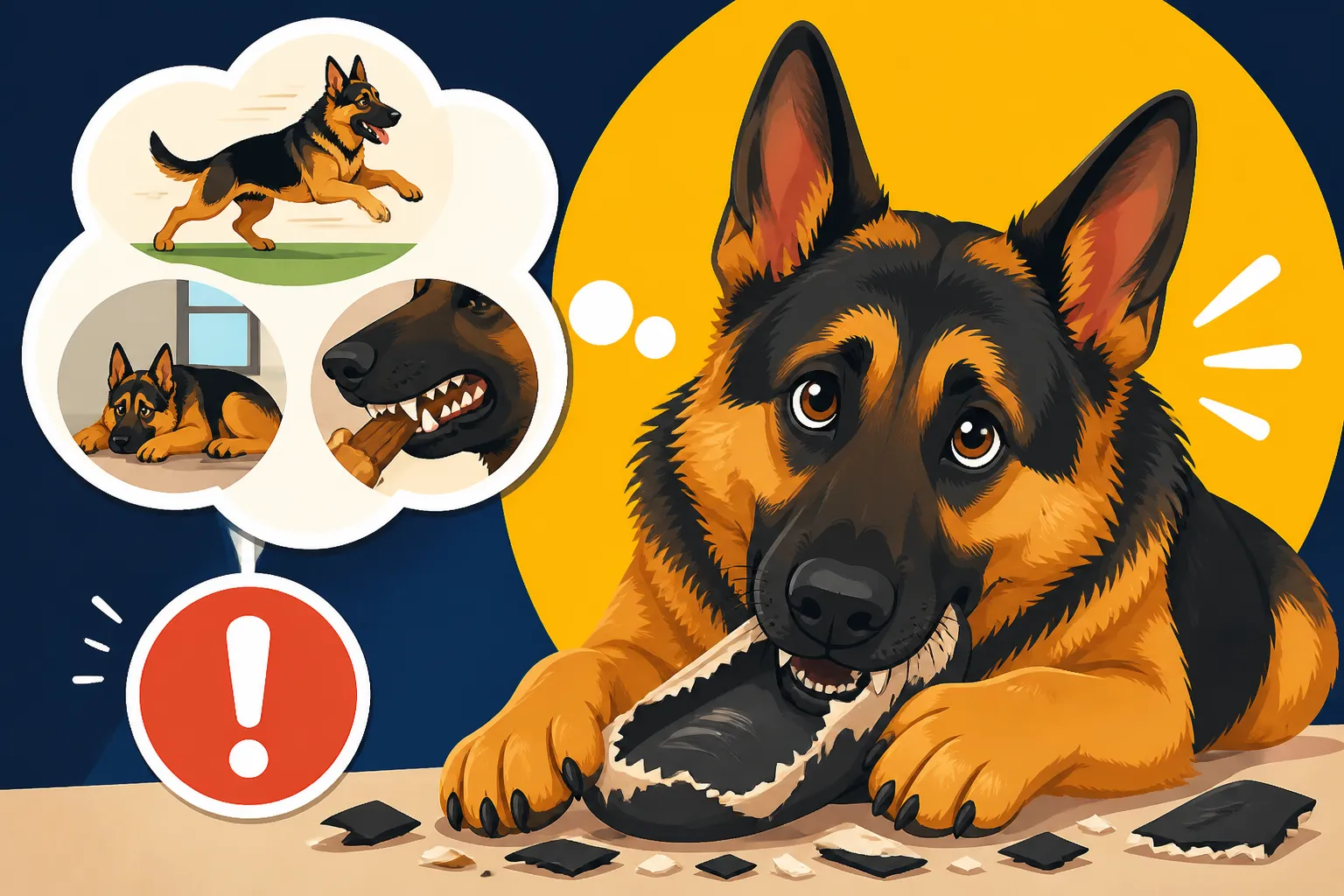
It’s incredibly frustrating, isn't it? You love your German Shepherd, but sometimes it feels like they’re on a mission to redecorate your home with their teeth. Whether it's your favorite pair of shoes, the leg of a dining room chair, or a brand new dog bed, dealing with a German Shepherd's destructive chewing can be baffling and exhausting. This comprehensive guide will delve into the many reasons behind your German Shepherd's chewing habits, distinguishing between normal behavior and actual problems, and provide practical, empathetic solutions to help you both.
The Many Faces of German Shepherd Chewing: Normal vs. Problematic
Before we throw our hands up in exasperation, it's important to understand that chewing is a fundamental, natural, and necessary behavior for dogs, especially for a powerful breed like the German Shepherd. Their jaws are built for purpose, and their instincts drive them to use them. The key is to differentiate between healthy, appropriate chewing and the kind that causes damage and stress.
Puppy Teething and Exploration
Think back to human babies – everything goes into their mouths, right? German Shepherd puppies are no different. From about 3 weeks to 6 months of age, they go through intense teething phases. Their sharp puppy teeth fall out, making way for those strong adult chompers. This process can be uncomfortable, even painful, and chewing provides immense relief by massaging their gums. They're also exploring their world through their mouths, using their teeth and jaws to understand textures, shapes, and properties of objects.
During this stage, your puppy isn't trying to be naughty when they gnaw on your furniture; they're simply trying to soothe themselves and learn. Without appropriate outlets, they'll pick whatever is available and provides the best relief – which, unfortunately, often happens to be something you value. This isn't a "chewing issue" in the behavioral sense; it's a developmental phase that requires patience, proper redirection, and plenty of suitable chew toys. Many of the fundamentals covered in a good German Shepherd Puppy Training Guide will help lay the groundwork here.
Adult Chewing for Stimulation and Stress Relief
Even once their adult teeth are firmly in place, German Shepherds continue to chew throughout their lives. This isn't just a habit; it serves several vital purposes. For one, chewing helps maintain dental hygiene by scraping away plaque and tartar, which is crucial for preventing tooth decay and gum disease. Regular, appropriate chewing can be a part of a comprehensive German Shepherd Dental Care Explained routine.
Beyond dental health, chewing is a fantastic form of mental stimulation and stress relief. For an intelligent and high-energy breed like the German Shepherd, a good chew session can be as satisfying as a long walk. It helps them unwind, releases endorphins, and combats boredom. If your adult German Shepherd suddenly starts chewing destructively, it's often a sign that something is amiss in their environment or routine. It could be under-stimulation, stress, or even an underlying anxiety issue that needs to be addressed.
Deep Dive into the "Why": Unpacking the Roots of Excessive Chewing
Now that we understand the natural role of chewing, let's get into the nitty-gritty of why your German Shepherd might be taking it too far. It's rarely out of spite; there's always an underlying reason, and identifying it is the first step toward a solution.
Boredom and Lack of Mental Stimulation
This is perhaps the most common culprit, especially for German Shepherds. These dogs were bred to work, to have a job, and to use their brains as much as their bodies. If a German Shepherd is under-exercised, under-stimulated mentally, or simply left alone for long periods without anything constructive to do, they will find their own entertainment. And often, that entertainment involves their powerful jaws.
Imagine being stuck in a room with nothing to do for hours. You'd likely start pacing, fiddling, or finding something to occupy your hands. For a German Shepherd, "fiddling" often translates to chewing the sofa cushion, gnawing on a doorframe, or meticulously dissecting the remote control. This isn't necessarily a sign of a bad dog, but rather a bored dog trying to cope with an abundance of unused energy and intelligence. They need more than just physical exercise; they need brain games, training sessions, and interactive toys. If you're wondering How Much Exercise Does a German Shepherd Need, remember that quality of exercise (mental stimulation) is just as important as quantity.
Anxiety and Stress
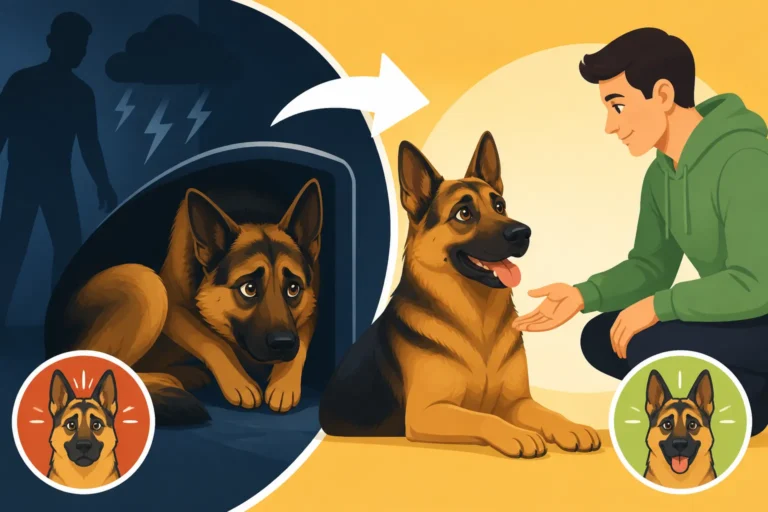
Just like humans, dogs can experience anxiety and stress, and chewing is a common coping mechanism. This is particularly true for separation anxiety, where a dog becomes highly distressed when left alone. The destructive chewing isn't aimed at being destructive; it's an attempt to alleviate intense panic. Dogs might chew on exit points like doors or window frames, or on items that carry their owner's scent, like clothing or bedding.
Other forms of stress or anxiety can also trigger chewing. Changes in routine, a new environment, loud noises (like thunderstorms or fireworks), or even conflict within the home can make a German Shepherd feel unsettled, leading them to self-soothe by chewing. If you suspect your German Shepherd might be suffering from separation anxiety, there are specific German Shepherd Separation Anxiety Solutions that can help, often involving a combination of behavior modification and sometimes medication. It's important to rule out anxiety, as the approach to management will differ significantly from simple boredom.
Nutritional Deficiencies or Dietary Imbalances
While less common, sometimes a dog's diet can play a subtle role in chewing behavior. If a German Shepherd isn't getting adequate nutrients, particularly certain minerals, or if they have an upset stomach, they might resort to chewing on unusual objects (a condition known as pica). This isn't about craving a specific nutrient from your shoe; it's often a general feeling of unease or a subconscious attempt to ingest something that might settle their stomach.
For example, dogs with Exocrine Pancreatic Insufficiency (EPI) might be constantly hungry due to poor nutrient absorption and could chew more. Similarly, gastrointestinal discomfort, such as what might lead to German Shepherd Loose Stool: Common Causes, could manifest as unusual behaviors including chewing. Always ensure your German Shepherd is on a high-quality, balanced diet appropriate for their age, activity level, and any sensitivities. Consulting a vet about their German Shepherd Feeding Guide and overall nutrition is always a good idea if you suspect a dietary link.
Seeking Attention
Dogs are incredibly intelligent and learn quickly what gets a reaction from us. If your German Shepherd learns that chewing on something inappropriate, like your phone or a table leg, immediately makes you drop everything and rush over to them, they might start using chewing as a way to get your attention. Even if the attention is negative (shouting, scolding), it's still attention, and for some dogs, any attention is better than none.
This behavior often manifests when owners are busy, on the phone, or otherwise engaged, and the dog feels ignored. They aren't chewing to destroy; they're chewing to get you to engage with them. This is a classic example of a learned behavior that needs careful management and redirection, focusing on rewarding calm, appropriate behavior rather than inadvertently reinforcing the undesirable chewing.
Health Issues and Pain
Though rarer, an underlying health issue or pain can sometimes lead to increased chewing. For instance, dental pain from a cracked tooth, gum disease, or an abscess could cause a dog to chew more intensely or specifically at a certain area. This might be an attempt to relieve pain or simply a displaced behavior due to discomfort. German Shepherds are prone to certain health issues, and sometimes, subtle signs of pain can be missed.
Even non-dental pain, such as joint discomfort from early arthritis or hip/elbow dysplasia, can lead to a dog seeking comfort through chewing. They might lick or chew at specific body parts, or generalize the chewing to other objects as a stress response. If your German Shepherd's chewing suddenly escalates or changes in nature, especially if accompanied by other symptoms like lethargy, loss of appetite, or How to Tell If a German Shepherd Is in Pain, a vet visit is absolutely essential to rule out any medical causes. Issues like German Shepherd Itchy Skin: Causes and Fixes can also lead to excessive licking or chewing of their own body, which might extend to objects if they're particularly stressed.
Here's a quick overview of potential reasons and what they might look like:
| Chewing Reason | Common Indicators | Example of Chewing Focus |
|---|---|---|
| Puppy Teething | Age 3-6 months, increased drooling, sore gums | Everything! Furniture, shoes, hands, toys |
| Boredom/Lack of Stimulation | Chews when alone, after insufficient exercise, seems restless | Furniture, household items, remote controls |
| Anxiety/Stress (e.g., Separation) | Chews near exit points, vocalizes, destructive behavior | Door frames, windowsills, clothing with owner scent |
| Attention-Seeking | Chews when owner is busy, stops when acknowledged | Objects close to owner, items that get a reaction |
| Nutritional Deficiency/Pica | Chews unusual items (rocks, dirt, non-food), dietary issues | Dirt, fabric, plaster, wood chips |
| Health Issues/Pain | Sudden onset, changes in chewing pattern, other symptoms | Specific body parts, random objects as a coping mechanism |
Beyond the "Why": Practical Steps to Manage and Redirect Chewing
Once you've got a handle on why your German Shepherd is chewing, you can implement targeted strategies. It's often a multi-pronged approach that combines environmental management, increased stimulation, and consistent training.
Providing Appropriate Chewing Outlets
This is non-negotiable. If you don't give your German Shepherd suitable things to chew, they will find their own. The market is full of fantastic options, and a quick browse on Amazon will show you the sheer variety available. The key is to offer a range of textures, hardness, and types of chews to keep them interested and satisfied.
- Durable Rubber Toys: Brands like Kong offer classic stuffable toys that can be filled with peanut butter, yogurt, or wet dog food and frozen for a long-lasting chew. These provide both mental challenge and physical satisfaction.
- Hard Nylon Chews: Nylabone and similar brands offer durable chews designed for heavy chewers. They come in various shapes and flavors. Just ensure they are appropriate for your dog's size and chewing strength to prevent choking hazards or tooth damage. Look for options specifically designed for powerful breeds like German Shepherds, as outlined in articles like German Shepherd Chew Toys Cost for Heavy Chewers for insights into durable choices.
- Natural Chews: Dental chews, bully sticks, and certain safe bones (always consult your vet about bone safety) can be excellent options. Supervise your dog with natural chews to ensure they don't break off large pieces or ingest them too quickly.
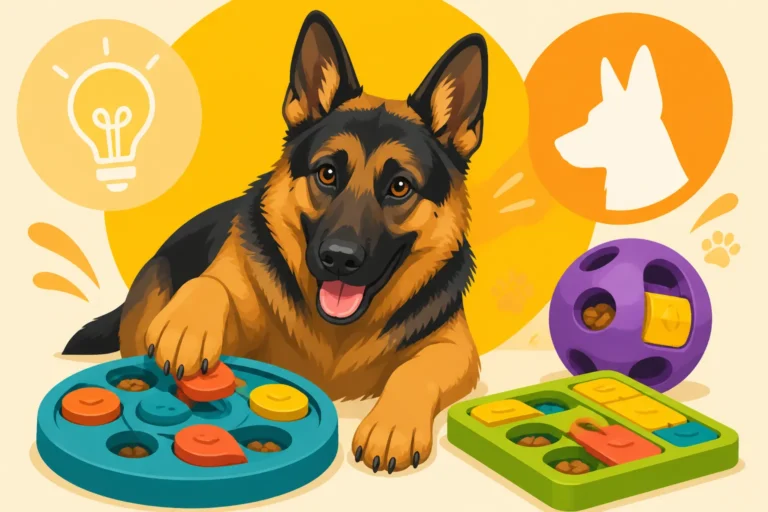
- Puzzle Toys: These aren't just chews, but they engage your dog's mind while rewarding them with treats. Filling a puzzle toy before you leave the house can keep a bored or mildly anxious German Shepherd occupied for a significant period. Many innovative Best Puzzle Toys for German Shepherds are available that cater to their intelligence.
Rotate their chew toys regularly to keep them novel and exciting. Always have at least 3-4 appropriate chew toys available at any given time, making sure that desirable items are always within reach.
Increasing Exercise and Mental Enrichment
For a German Shepherd, physical and mental activity are not luxuries; they are necessities. A tired German Shepherd is generally a well-behaved German Shepherd.
- Physical Exercise: This breed needs substantial daily exercise. This means more than just a quick walk around the block. Aim for vigorous walks, runs, fetch sessions, or even hiking. Two good, long sessions daily are often a minimum requirement. This helps expend pent-up energy that might otherwise be directed into destructive chewing. Articles on German Shepherd Exercise Requirements can provide more tailored recommendations based on age and health.
- Mental Stimulation: This is where many owners fall short. German Shepherds thrive on learning and problem-solving. Incorporate daily training sessions – even short 10-15 minute bursts – where you work on obedience commands, new tricks, or scent work. Hide-and-seek with treats or toys is a simple yet effective mental game. Consider enrolling in dog sports like agility, obedience, or even Schutzhund if you're looking for a serious outlet for their intelligence and drive.
- Enrichment Toys and Activities: Beyond traditional chews, use interactive feeders instead of bowls, scatter feed their kibble in the yard, or create DIY snuffle mats. These activities make mealtime a brain-game, slowing down eating and providing enrichment.
Training and Behavior Modification
Training is fundamental to addressing any German Shepherd Behavior Problems and Solutions, including chewing. This isn't just about stopping the bad behavior, but teaching and reinforcing good behavior.
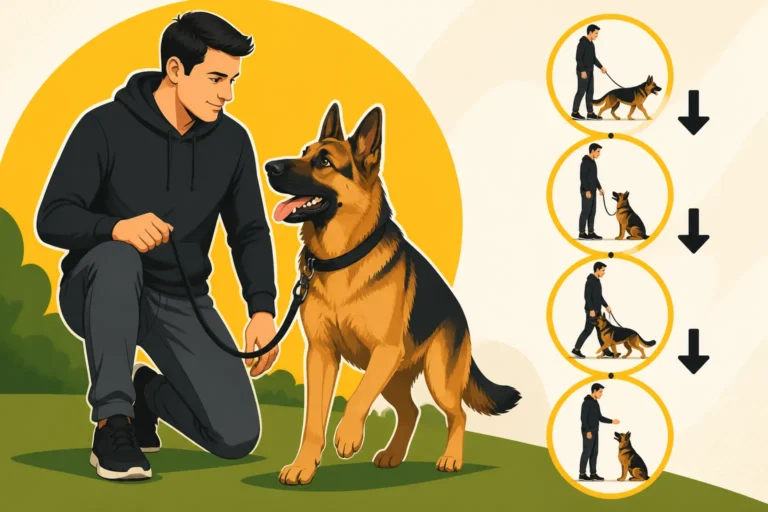
- Supervision and Redirection: This is crucial, especially for puppies and young dogs. When you see your German Shepherd heading for an inappropriate item, interrupt them with a calm "no" or "leave it," and immediately redirect them to an appropriate chew toy. Praise them enthusiastically when they chew on the correct item. Consistency is key here.
- Positive Reinforcement: Never punish your dog for chewing. Punishment can create fear, confusion, and anxiety, which can actually exacerbate chewing issues. Instead, focus on rewarding the behaviors you want to see. When they're calmly chewing their toy, offer praise or a small treat.
- Teach "Leave It" and "Drop It": These commands are invaluable. "Leave It" teaches your dog to ignore an item, and "Drop It" teaches them to release something they already have in their mouth. These are essential for managing any situation where they've picked up something inappropriate. A comprehensive guide on How to Train a German Shepherd will cover these foundational commands.
- Structured Training Programs: If you're struggling, consider an online training program or a local class. Platforms like BAXTER & Bella offer excellent online resources that guide you through puppyhood and beyond, providing strategies for managing common issues like chewing, nipping, and redirecting unwanted behaviors through positive methods. Their structured approach can be a game-changer for consistency.
Environmental Management and Prevention
The simplest way to prevent destructive chewing is to remove the opportunity. This means "puppy-proofing" your home, even if your German Shepherd isn't a puppy anymore.
- Secure Valuables: Keep shoes, remote controls, electronics, books, and anything else you don't want chewed out of your dog's reach. This might mean closing bedroom doors, using baby gates to restrict access, or simply putting items away in cupboards.
- Supervised Play Areas: When you can't actively supervise your German Shepherd, keep them in a designated, puppy-proofed area like a crate, a playpen, or a single room where all tempting items have been removed and plenty of appropriate chew toys are available.
- Bitter Sprays: For items that cannot be removed, like furniture legs, consider using a bitter-tasting spray specifically designed for dogs. These sprays, available at pet stores and on Amazon, make the item unappealing to chew. Reapply regularly as the taste can wear off.
- Don't Confuse Them: Avoid giving your German Shepherd old items that resemble new items. For example, don't give them an old shoe to chew on if you don't want them to chew your new shoes. They can't tell the difference!
Knowing When to Call in the Pros: Advanced Help for Stubborn Chewers
While many chewing issues can be managed with the strategies above, there are times when you need to bring in outside help. Recognizing these red flags early can prevent further damage and stress for both you and your German Shepherd.
Recognizing Red Flags
Keep an eye out for these signs that might indicate a deeper problem:
- Self-Mutilation: If your German Shepherd is chewing or licking themselves excessively, creating sores or hot spots, this is a serious red flag. It could be due to allergies, pain, or severe anxiety.
- Compulsive Chewing: Chewing that seems obsessive, repetitive, and difficult to interrupt, even with redirection, might be a sign of a compulsive disorder.
- Extreme Destruction: If your dog is causing significant damage to doors, walls, or crates, especially when left alone, it strongly suggests severe separation anxiety or a profound lack of appropriate outlets.
- Sudden Onset in an Adult Dog: If an adult German Shepherd who has never had chewing issues suddenly starts destructive chewing, it warrants immediate investigation into potential medical problems or acute stress.
- Aggression or Fear: If your dog displays aggression when you try to remove an inappropriate item, or exhibits extreme fear, it indicates a complex behavioral issue that requires professional intervention.
Consulting Your Veterinarian or a Certified Trainer
Don't hesitate to seek professional help. Your vet should always be your first point of contact to rule out any underlying medical conditions. They can perform a thorough examination, including dental checks, and recommend further diagnostics if needed. If a medical cause is found, addressing that will likely resolve the chewing.
If medical issues are ruled out, your vet can refer you to a certified professional dog trainer or a veterinary behaviorist. These experts specialize in understanding and modifying canine behavior. A certified professional dog trainer, particularly one with experience in large breeds like German Shepherds, can assess your dog's behavior in your home environment, identify the root cause of the chewing, and develop a tailored training plan. They can teach you effective techniques for behavior modification, enrichment, and managing anxiety. For more complex cases, especially those involving severe anxiety or compulsive disorders, a veterinary behaviorist is the most qualified professional. They are veterinarians who have specialized in animal behavior and can prescribe medication in conjunction with behavior modification, offering the most comprehensive treatment approach.
Remember, patience and consistency are your greatest allies when addressing German Shepherd chewing issues. By understanding the "why" and implementing thoughtful strategies, you can guide your loyal companion towards appropriate and fulfilling chewing habits, ensuring a happy home for everyone.
Disclaimer
The information provided in this article is for general informational purposes only and is not a substitute for professional veterinary advice. Always consult with a qualified veterinarian or certified professional dog trainer for any health concerns or behavioral issues your German Shepherd may have.