Why Does My German Shepherd Have Hyperactivity Issues
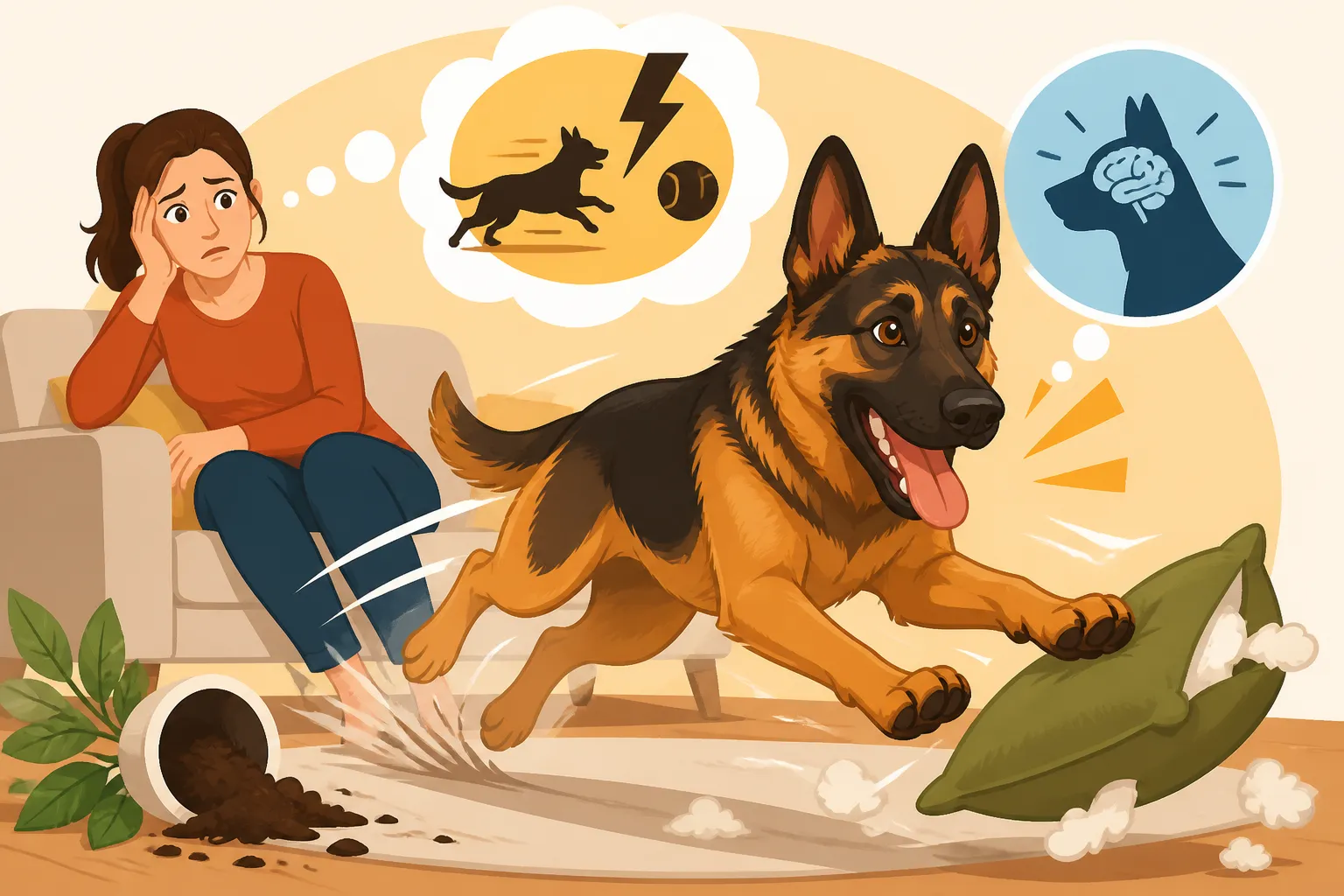
It’s a scenario many German Shepherd owners know all too well: you’ve walked your majestic companion, thrown the ball a hundred times, and yet they’re still bouncing off the walls, relentlessly nipping, or pacing the house with what seems like boundless, unchanneled energy. This constant state of high alert can be incredibly frustrating and exhausting, leaving you wondering if your German Shepherd will ever just relax. This comprehensive guide will delve into the myriad reasons behind German Shepherd hyperactivity, from their inherent breed traits to potential behavioral and environmental factors, and provide actionable, real-world solutions to help you and your energetic pup find a better, calmer balance.
Understanding German Shepherd Energy and Temperament
German Shepherds are not your average chill-on-the-couch kind of dog. They were bred for a purpose, and that purpose required immense physical stamina, keen intelligence, and unwavering focus. Understanding this fundamental aspect of their breed is the first step toward addressing any perceived hyperactivity.
Breed-Specific Energy Levels
Let's be honest: German Shepherds are born with an engine that runs on high octane. They are a working breed through and through, originally developed in Germany for herding sheep and later adopted for police, military, and service work due to their incredible drive and intelligence. This means they are naturally predisposed to high energy levels. They aren't meant to be sedentary animals, and expecting them to be quiet house dogs without proper outlets is setting both you and your dog up for failure.
Different lines within the breed can even vary. A working line German Shepherd, for instance, might possess even more intense drive and energy than some show lines, but all GSDs have a significant need for activity. Their physical capabilities are impressive, built for endurance and speed. If this innate energy isn't channeled constructively, it often manifests as undesirable behaviors that we label as hyperactivity, simply because the dog has no other way to release the pressure building up inside.
Think of it like this: your German Shepherd comes pre-installed with a powerful motor. If you don't give that motor a track to run on, it's going to rev inside the garage, probably causing some damage. That motor needs a consistent and challenging "job" to do, whether it's daily runs, intense training sessions, or engaging dog sports, otherwise, all that pent-up energy will find less desirable outlets.
The Herding Dog Instinct
Part of that powerful motor and high energy stems directly from their heritage as herding dogs. German Shepherds possess a strong prey drive and an instinct to control movement, which are crucial traits for managing livestock. While most family pets won't be rounding up sheep in your backyard, these instincts don't just disappear; they need an appropriate outlet. This can often be misinterpreted as hyperactivity.
You might notice your German Shepherd "herding" your children by gently nudging them, or circling excitedly when guests arrive. They might chase squirrels, birds, or even cars with an intensity that seems over-the-top. These behaviors are deeply ingrained and, if left unaddressed, can lead to your dog being in a constant state of high arousal. This hyper-focus on movement and their environment can look like constant restlessness and an inability to settle.
Without a constructive way to express these natural instincts, a German Shepherd might become overly fixated on household movements, start nipping at heels, or display intense "zoomies" that are hard to control. It's not necessarily disobedience; it's often a dog trying to fulfill its genetic programming in an inappropriate setting because it hasn't been taught an alternative. Understanding this drive helps you redirect it into acceptable activities rather than trying to suppress it entirely.
Common German Shepherd Temperament Traits
Beyond their energy and herding instincts, German Shepherds are incredibly intelligent and loyal animals. These traits, while wonderful, can also contribute to behaviors that might appear hyperactive if not properly managed. Their high intelligence means they need significant mental stimulation; a bored German Shepherd is a destructive German Shepherd, or, in this case, a hyperactive one. They crave purpose and a "job" to do.
Their loyalty and protective nature also mean they are highly attuned to their owners and their environment. This can sometimes manifest as a vigilant, hyper-alert demeanor, especially if they perceive inconsistencies or a lack of strong leadership. If your dog isn't sure who's in charge, or if their environment is unpredictable, they can become anxious, and anxiety often presents as excess energy, pacing, or an inability to relax. They might become overly dependent on your every move, leading to constant attention-seeking behaviors.
Moreover, German Shepherds form strong bonds with their families. This deep attachment can sometimes lead to separation anxiety if they aren't properly accustomed to alone time, and this anxiety often results in frantic, destructive behavior that looks like extreme hyperactivity when left alone. Their sensitive nature means they pick up on human emotions, so a chaotic or stressed household can also contribute to a dog's inability to settle down.
Common Causes Behind German Shepherd Hyperactivity
While some level of high energy is inherent to the German Shepherd breed, persistent or problematic hyperactivity usually points to specific underlying causes that we, as owners, can address. It’s rarely just a dog being "naughty" for no reason; there's always a root cause.
Insufficient Exercise and Mental Stimulation
This is, hands down, the most common reason German Shepherds display hyperactivity. Many owners underestimate the sheer volume and type of activity these dogs require. A simple walk around the block or a quick romp in the yard simply isn't enough to satisfy a breed designed for endurance and complex tasks. Your German Shepherd needs a combination of vigorous physical exercise and engaging mental challenges every single day.
Without enough physical activity, their bodies are simply brimming with pent-up energy. They might pace, bark excessively, jump on people, or engage in destructive chewing, all as an outlet for that unspent drive. Think about how you feel after a day cooped up indoors; imagine that feeling magnified by a dog who needs to work. It’s not just about letting them run; it's about structured, challenging exercise that truly tires them out, both physically and mentally. If you're wondering German Shepherd Exercise Requirements, it's often more than you think.
Equally important, and often overlooked, is mental stimulation. A German Shepherd's brain is just as powerful as their body, and it needs a workout too. If their minds aren't engaged, they become bored, and boredom quickly escalates into restless, hyperactive behavior. Puzzle toys, training sessions, scent games, and even just novel environments can provide this crucial mental workout. A dog that is mentally stimulated is often calmer and more content. Without it, you'll see a dog who is physically tired but still mentally "on," leading to continued hyperactivity. Finding the Best Mental Stimulation for German Shepherds is key.
Lack of Structured Training and Boundaries
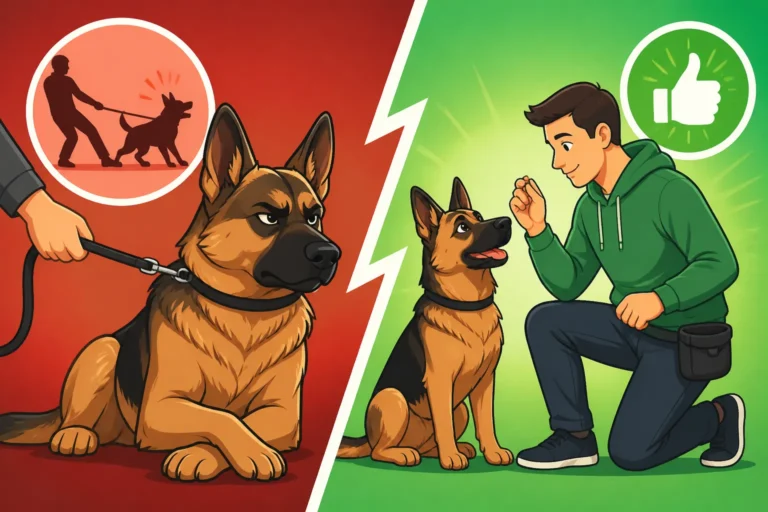
German Shepherds thrive on structure, clear rules, and consistent leadership. When these are absent, they often become confused, anxious, and can develop behavioral issues, including hyperactivity. If your German Shepherd doesn't understand what's expected of them, or if the rules change constantly, they'll often try to take control or act out in an attempt to understand their environment, which often looks like chaotic, high-energy behavior.
A lack of consistent training means your dog doesn't know how to "turn off" or settle down. They haven't learned impulse control or how to relax on command. This isn't just about basic obedience; it's about establishing a clear hierarchy and teaching your dog appropriate ways to interact with the world. Without clear boundaries, they might constantly seek attention through jumping or incessant nudging, or they might struggle to self-regulate their excitement when new people or situations arise. This is where programs like BAXTER & Bella can be incredibly helpful, providing a roadmap for structured training from puppyhood.
Inconsistency from owners is a major culprit. If one family member allows jumping and another punishes it, your German Shepherd receives mixed signals, leading to confusion and heightened anxiety. This emotional state often manifests as agitated, hyperactive behavior. From a young age, German Shepherd Puppy Training Guide is crucial, establishing firm but fair rules for everything from house manners to leash etiquette, helping them understand their role and how to behave calmly. Consistent training helps them build confidence and trust, reducing the need for frantic behaviors.
Diet and Environmental Factors
What your German Shepherd eats and the environment they live in can significantly impact their energy levels and overall behavior. It's easy to overlook, but diet plays a huge role in how your dog feels and acts. Low-quality dog foods often contain fillers, artificial colors, flavors, and excessive carbohydrates that can lead to energy spikes, digestive upset, and even allergic reactions that manifest as behavioral problems. Ingredients like corn, soy, and wheat can be difficult for some dogs to digest and may contribute to restlessness.
Similarly, high-sugar treats or human foods can cause rapid bursts of energy, often leading to those frantic "zoomies" followed by a crash. Ensuring your German Shepherd is on a high-quality, balanced diet, rich in protein and healthy fats, with minimal artificial ingredients, is crucial for stable energy levels. Brands like Purina Pro Plan or Royal Canin German Shepherd formula are often formulated with breed-specific needs in mind, providing appropriate nutrition.
The home environment also plays a role. A chaotic, noisy, or constantly changing environment can make a sensitive German Shepherd feel anxious or overstimulated, leading to an inability to relax. Dogs absorb the energy of their surroundings. If your home is constantly bustling with activity, loud noises, or high stress, your dog is likely to reflect that energy. Providing a calm, predictable routine with consistent feeding times, designated rest periods, and a quiet space (like a crate or a comfortable bed) where they can retreat can make a world of difference. Even simple things found on Amazon, like a durable chew toy or a calming bed, can contribute to a more settled environment.
Underlying Health Concerns
While often behavioral, sometimes what appears to be hyperactivity can actually be a symptom of an underlying medical condition. It's always crucial to rule out health issues before solely attributing behavior to training or environmental factors. A sudden onset of hyperactivity, especially in an adult dog, warrants a visit to the veterinarian.
One potential, though less common, medical cause could be thyroid imbalance. While hypothyroidism usually causes lethargy, some dogs with thyroid issues can exhibit anxiety, irritability, and what appears to be hyperactivity. Pain is another significant factor; a dog in discomfort, whether from hidden injuries, arthritis (a common issue in German Shepherds), or other ailments, might become restless, agitated, and unable to settle as a coping mechanism or a way to distract themselves from chronic pain. This could manifest as pacing, constant shifting, or an inability to lie still, which can easily be mistaken for hyperactivity.
Rare neurological conditions can also contribute to extreme behavioral changes. Conditions affecting the brain or nervous system could potentially alter a dog's disposition, leading to uncharacteristic restlessness or compulsive behaviors. Even something as simple as chronic allergies, causing constant itching and discomfort, can make a dog appear hyperactive because they are constantly trying to relieve the itch. A thorough veterinary check-up, including bloodwork, can help diagnose or rule out these medical possibilities, ensuring you're not missing a treatable health problem.
Practical Strategies to Manage and Reduce Hyperactivity
Once you've identified the potential causes of your German Shepherd's hyperactivity, the next step is to implement a consistent, multi-faceted approach to manage and reduce these behaviors. It requires patience, dedication, and a commitment to understanding your dog's needs.
Tailoring Exercise Routines
To combat hyperactivity, you need to go beyond the basic walk. German Shepherds require truly exhaustive physical exercise. This means high-intensity activities that challenge their endurance and speed. Consider incorporating activities like:
- Structured Fetch Sessions: Use a ball launcher, easily found on Amazon, to really get them running across a large field. This repetitive, high-speed running is excellent for burning off physical energy. Make sure to vary the type of retrieve.
- Running or Biking: If you're a runner or cyclist, your German Shepherd can be an excellent partner. Start slowly and gradually increase distance, ensuring your dog is mature enough (generally over 18-24 months) to avoid stressing their developing joints. For more on this, check out German Shepherd Growth Plates and Exercise.
- Dog Sports: Agility, flyball, dock diving, or even Schutzhund (IGP) training can provide both physical and mental stimulation. These activities tap into their natural drive and give them a "job."
- Swimming: This is a fantastic low-impact exercise that can tire out even the most energetic German Shepherd without stressing their joints. Many dogs love retrieving toys from the water.
Consistency is paramount. A German Shepherd needs this level of activity almost daily, not just on weekends. Skipping a day can result in a significant build-up of unspent energy. Remember, a tired German Shepherd is a good German Shepherd, and a truly tired GSD will be much more likely to settle calmly at home.
Implementing Consistent Training and Enrichment
Physical exercise alone is rarely enough; you must also engage your German Shepherd's intelligent mind. Mental stimulation is just as crucial for preventing hyperactivity. Daily, short training sessions, even just 10-15 minutes, can be incredibly effective. Reinforce basic obedience commands like "sit," "stay," "down," and "place." Teaching them a "place" command, where they go to a designated bed and stay there calmly, is excellent for impulse control and settling.
Enrichment activities are vital to prevent boredom and give their minds a workout. These can include:
- Puzzle Toys and Treat-Dispensing Toys: These require your dog to think to get their reward, burning mental energy. You can find a vast selection on Amazon, from snuffle mats to complex dispensers.
- Scent Work: Hiding treats around the house or yard and having your dog "find" them engages their powerful nose and provides a fantastic mental workout. This activity is naturally calming.
- Chew Toys: Provide appropriate, durable chew toys. Chewing is a natural, calming behavior for dogs and helps relieve stress and boredom. Look for sturdy options designed for strong chewers.
- Structured Training Programs: If you're struggling to implement consistent training, consider an online program like BAXTER & Bella, which offers comprehensive guidance from puppyhood through advanced obedience. Their structured approach can help you establish clear boundaries and teach your dog how to manage their impulses, leading to a calmer demeanor. Continuous learning and problem-solving through training will significantly reduce restless behaviors. For more on tackling general behavioral issues, read our guide on German Shepherd Behavior Problems and Solutions.
Optimizing Diet and Environment
Making adjustments to your German Shepherd’s diet and home environment can also play a crucial role in managing hyperactivity. Start by evaluating their current food. Opt for a high-quality, protein-rich dog food with whole ingredients and without excessive fillers, artificial preservatives, colors, or flavors. Look for formulas specifically designed for large, active breeds. Some owners find that a limited-ingredient diet can help if their dog has sensitivities that contribute to restlessness.
Ensure your dog has a consistent feeding schedule. Free-feeding can lead to inconsistent energy levels and potentially digestive issues. Also, be mindful of treats; choose healthy, natural options over sugary or artificially colored ones. Proper hydration is also important, so ensure fresh water is always available.
Creating a calm, predictable home environment is equally important. German Shepherds thrive on routine. Establish a consistent daily schedule for feeding, exercise, training, and rest. This predictability helps reduce anxiety, as your dog knows what to expect. Designate a quiet, comfortable "safe space" for your dog, such as a crate or a specific bed, where they can retreat and relax undisturbed. This space should be seen as a positive haven, not a punishment area. Managing external stimuli, like drawing curtains during busy times or using white noise, can help sensitive dogs feel less overwhelmed. By providing a stable routine and a peaceful home, you give your German Shepherd the best chance to settle down and relax.
When to Seek Professional Help
While many hyperactivity issues can be managed with diligent exercise, training, and environmental changes, there are times when it’s essential to seek professional guidance. If your German Shepherd's hyperactivity is extreme, persistent despite your best efforts, or is accompanied by destructive or aggressive behaviors, it's time to call in the experts.
First, always consult your veterinarian to rule out any underlying medical conditions. A vet can conduct a thorough physical exam and recommend tests, such as bloodwork, to check for conditions like thyroid imbalances or other health issues that might be contributing to the behavior. They can also assess for any hidden pain, which can often manifest as restlessness. A clean bill of health from the vet means you can then confidently focus on behavioral interventions.
If medical causes are ruled out, the next step is to seek a certified professional dog trainer or a veterinary behaviorist. These professionals have the expertise to assess your dog's specific situation, identify triggers, and develop a tailored behavior modification plan. A good trainer can teach you advanced techniques for impulse control, focus, and calming exercises. For severe cases, especially those involving anxiety or aggression, a veterinary behaviorist can offer pharmacological interventions alongside behavioral therapy. Remember, seeking help isn't a sign of failure; it's a responsible choice that provides your German Shepherd with the best chance for a happy, balanced life.
Disclaimer
The information provided in this article is for general informational purposes only and is not a substitute for professional veterinary advice. Always consult with a qualified veterinarian or certified professional dog trainer regarding your German Shepherd's health and behavior concerns.