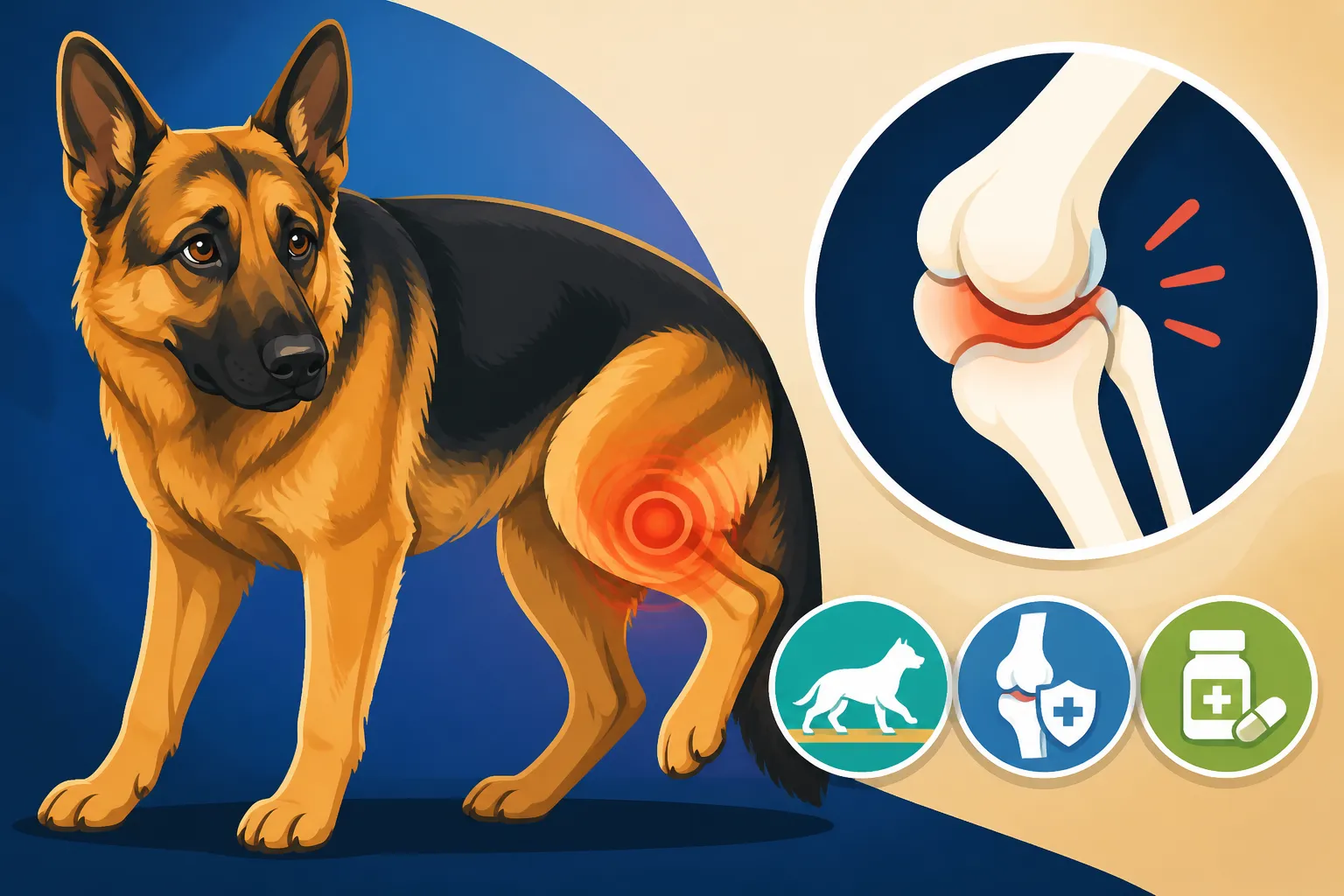
German Shepherd Arthritis: Symptoms and Treatment
Watching your beloved German Shepherd start to slow down, struggle to get up, or even limp can be absolutely heartbreaking. It’s a common and often frustrating reality for many GSD owners: dealing with the gradual, sometimes painful onset of arthritis. This guide is here to walk you through understanding German Shepherd arthritis, from identifying those subtle early signs to exploring comprehensive treatment options, and ultimately, helping your furry companion live their best, most comfortable life possible.
Understanding German Shepherd Arthritis: The Silent Joint Attacker
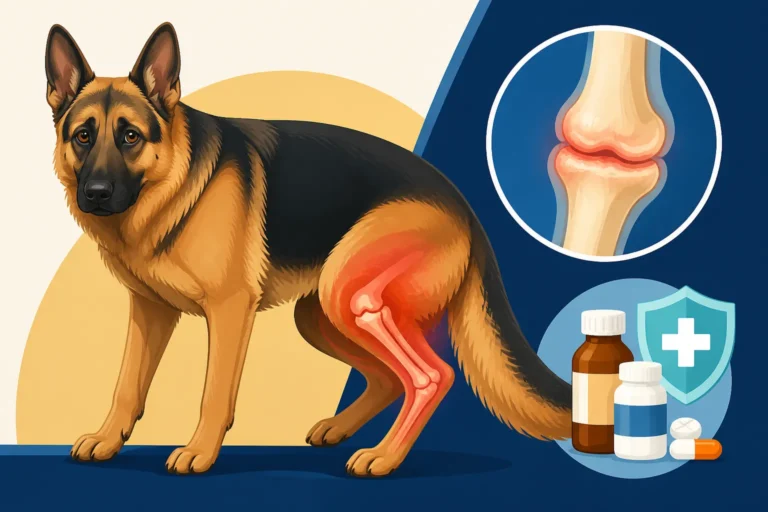
Arthritis, or osteoarthritis as it's often medically termed, isn't just "old age aches." It's a progressive, degenerative disease that causes the cartilage in your dog's joints to break down. Think of cartilage as the smooth, slippery cushion between bones, allowing them to glide effortlessly. When this cartilage erodes, bones start rubbing against each other, leading to inflammation, pain, stiffness, and reduced mobility. It's a cruel condition because it steals the joy of movement from our active German Shepherds.
The Mechanism of Joint Deterioration
At its core, arthritis in German Shepherds begins with a disruption in the delicate balance of joint health. Normally, joint fluid (synovial fluid) nourishes the cartilage and acts as a shock absorber. When chronic inflammation sets in, this fluid loses its quality, and the cartilage cells struggle to repair themselves. Over time, the once smooth surface becomes rough and pitted, causing friction and further irritation. This inflammatory cycle is self-perpetuating, meaning that the more the joint is inflamed, the more damage occurs, leading to even more inflammation and pain. It's a vicious circle that can severely impact your dog's quality of life.
This progressive breakdown isn isn't just about pain; it’s about a fundamental change in the joint structure itself. Bony growths, known as osteophytes, can form around the joint margins, attempting to stabilize the joint but often leading to even more stiffness and reduced range of motion. The joint capsule can also thicken and fibrose, further contributing to the rigidity. Understanding these underlying processes helps us appreciate why a multi-faceted approach to treatment and management is so crucial. It’s not just about pain relief; it’s about trying to slow this relentless progression.
Common Contributing Factors and Susceptibility
German Shepherds, unfortunately, are genetically predisposed to several conditions that can lead to secondary arthritis. The most prominent among these is German Shepherd Hip Dysplasia Explained. This common inherited condition involves a malformation of the hip joint, where the ball and socket don't fit together properly. This incongruity leads to abnormal wear and tear on the cartilage, almost inevitably resulting in arthritis, sometimes even at a relatively young age. Similarly, German Shepherd Elbow Dysplasia: Symptoms and Treatment is another major culprit. Here, developmental abnormalities in the elbow joint cause friction and damage, initiating the arthritic process.
Beyond genetics, other factors play a significant role. Obesity places immense strain on a dog's joints, accelerating cartilage breakdown. Past injuries, like ligament tears or fractures, can also predispose a joint to early-onset arthritis, even after successful surgical repair. A lifetime of high-impact activities, while often necessary for these active dogs, can also contribute to wear and tear. Even nutrition, especially during puppyhood, can influence joint development. It truly highlights why a holistic approach to How to Keep a German Shepherd Healthy is so important throughout their lives, not just when problems arise.
Recognizing the Signs: Symptoms of Arthritis in Your German Shepherd
Spotting the early signs of arthritis in German Shepherds can be tricky because these stoic dogs often try to hide their pain. They might compensate for discomfort in one limb by putting more weight on another, making it hard to pinpoint the exact problem area. However, being observant and knowing what to look for can make a huge difference in getting them help sooner rather than later. Don't dismiss subtle changes as just "getting old"—they might be cries for help.
Subtle Early Indicators to Watch For
The earliest signs of arthritis are often quite subtle and intermittent. You might notice your German Shepherd being a little stiff after waking up from a nap, particularly on cold or damp days. Perhaps they're a bit slower to get up the stairs or jump into the car, or they hesitate before taking a leap that used to be second nature. They might seem less enthusiastic about walks or playing fetch, cutting their playtime shorter than usual. You might even observe a slight lameness or "off" gait that comes and goes, especially after vigorous exercise.
It's crucial to pay attention to these small shifts in behavior. Maybe your usually boisterous GSD doesn't greet you at the door with the same energetic bounce, or they prefer to lie down more often during family activities. Some dogs might start licking or chewing excessively at a particular joint, indicating localized discomfort. These aren't necessarily obvious limps, but rather a general decrease in their usual zest for life and movement. Keep a mental note or even a small journal of these changes, as they can be invaluable information for your vet. This is also why understanding Signs of a Healthy German Shepherd helps you spot deviations.
Advanced Symptoms and Behavioral Changes
As arthritis progresses, the symptoms become more pronounced and persistent. Lameness will be more consistent, and you might see a noticeable change in how your dog walks, perhaps dragging a paw or carrying weight unevenly. Stiffness will be more severe, especially after rest, and it will take them longer to "warm up." They may struggle significantly with stairs, jumping, or even navigating slick floors. You might notice muscle atrophy around the affected joint because they're using it less.
Behaviorally, an arthritic German Shepherd might become irritable or even snap when touched in a painful area. They might avoid social interaction, retreat more often, or show signs of anxiety or depression. House-soiling can occur if it's too painful for them to get outside in time. Their appetite might decrease due to discomfort, and their sleeping patterns could be disrupted. If you notice any of these more severe signs, it’s imperative to seek veterinary attention immediately. These are clear indicators that your dog is in significant pain and needs intervention. For more about general pain, you can read about How to Tell If a German Shepherd Is in Pain.
Here's a quick comparison of early versus advanced symptoms:
| Symptom Category | Early Arthritis | Advanced Arthritis |
|---|---|---|
| Mobility | Mild stiffness after rest, slight hesitation with stairs/jumps, intermittent lameness after exercise, slightly slower to rise. | Severe stiffness, consistent lameness, significant difficulty with stairs/jumps, struggles to rise, muscle atrophy, noticeable changes in gait. |
| Activity Level | Reduced enthusiasm for longer walks or strenuous play, shorter play sessions. | Reluctance to walk or play, prefers lying down, avoids activity, signs of being tired or weak. |
| Behavior | Subtle changes in mood, some licking at joints, might seem less keen on being handled in certain areas. | Irritability, snapping when touched, withdrawal, house-soiling, loss of appetite, restless sleep, signs of anxiety/depression. |
| Physical | No obvious physical changes or very subtle swelling. | Noticeable joint swelling, bony growths, audible clicking or grinding sounds from joints. |
Diagnosing Arthritis: What Your Vet Looks For
When you bring your German Shepherd to the vet with concerns about arthritis, the diagnostic process typically involves a thorough physical examination, gathering a detailed history from you, and then often moving on to imaging techniques. It's a bit like detective work, piecing together clues to understand the full picture of what's happening inside those joints.
The Comprehensive Physical Examination
Your veterinarian will start with a comprehensive physical examination. This isn't just a quick check-up; it's a careful assessment of your dog's entire musculoskeletal system. They will observe your German Shepherd's gait as they walk, looking for any lameness, stiffness, or abnormal weight bearing. They'll also watch how your dog sits and stands, noting any difficulty or asymmetry. Then comes the hands-on part: palpation. The vet will gently feel each joint, checking for swelling, warmth, pain responses, and any crepitus (a grinding or popping sensation that indicates bone-on-bone friction). They will also assess the range of motion in each joint, carefully extending and flexing limbs to see where limitations exist and if pain is elicited.
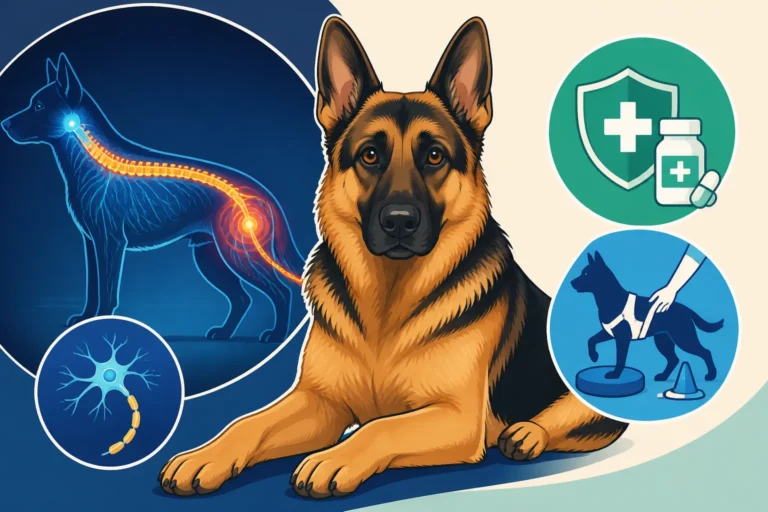
During this examination, your vet might also check for muscle atrophy, which is a common sign of disuse in a painful limb. They'll compare muscle mass on both sides of the body to identify any imbalances. It's during this stage that your detailed observations about when your dog shows discomfort, what activities make it worse, and how long it lasts become incredibly valuable. The vet will also want to rule out other potential causes of lameness or pain, such as ligament injuries, neurological issues like Degenerative Myelopathy in German Shepherds, or even infections. This holistic approach ensures that the diagnosis is accurate and that the treatment plan targets the actual problem.
Advanced Imaging and Diagnostic Tools
While a physical exam provides crucial information, imaging is often necessary to confirm the diagnosis of arthritis and assess its severity. The primary diagnostic tool is radiography (X-rays). X-rays allow the vet to visualize the bones and joint spaces, revealing signs of cartilage loss (evidenced by narrowed joint spaces), osteophyte formation (bony spurs), and sometimes even joint remodeling. Multiple views of the affected joints are usually taken to get a comprehensive picture. For German Shepherds specifically, hip and elbow X-rays are very common given their predisposition to dysplasia.
In some cases, especially when the initial X-rays are inconclusive or if there's a need to evaluate soft tissues (ligaments, menisci) more closely, your vet might recommend more advanced imaging like MRI (Magnetic Resonance Imaging) or CT (Computed Tomography) scans. These provide much more detailed cross-sectional images of the joints. While more expensive and often requiring sedation, they can pinpoint subtle issues that X-rays might miss. For very specific cases, joint fluid analysis (arthrocentesis) might be performed to rule out inflammatory or infectious arthritis, though this is less common for typical osteoarthritis. These diagnostic steps are essential for building an effective treatment plan for your German Shepherd's arthritis.
Treatment Options: Managing Arthritis and Improving Quality of Life
Once arthritis is diagnosed, the goal shifts from cure (which isn't usually possible for degenerative arthritis) to management. The focus is on alleviating pain, reducing inflammation, improving mobility, and slowing the progression of the disease. A multi-modal approach, combining different types of treatments, often yields the best results for your German Shepherd.
Medical Interventions and Pain Management
The cornerstone of arthritis treatment for German Shepherds typically involves medication. Non-Steroidal Anti-Inflammatory Drugs (NSAIDs) are usually the first line of defense. Brands like Rimadyl, Metacam, Galliprant, and Deramaxx are commonly prescribed. These medications work by reducing pain and inflammation, making your dog more comfortable and mobile. It's crucial to use NSAIDs strictly under veterinary guidance, as long-term use requires monitoring for potential side effects, especially kidney and liver function. Regular blood tests are often recommended.
Beyond NSAIDs, other medications can play a role. Gabapentin or Amantadine might be added for neuropathic pain or when NSAIDs alone aren't sufficient. Injectable joint supplements, such as polysulfated glycosaminoglycans (PSGAGs) like Adequan, can help stimulate cartilage repair and improve joint fluid quality. These injections are often given in a series and can provide long-lasting benefits. In severe cases, corticosteroid injections directly into the joint might be considered, though these are typically reserved for short-term relief due to potential long-term side effects. For owners worried about the costs of chronic medication, having pet insurance like Healthy Paws can provide significant peace of mind.
Holistic Approaches and Physical Therapy
Medical treatments are often complemented beautifully by holistic and physical therapy approaches. Canine physical therapy, or rehabilitation, is incredibly beneficial. It includes exercises designed to strengthen supporting muscles, improve range of motion, and reduce pain. This might involve underwater treadmill therapy, therapeutic exercises, massage, stretching, and modalities like laser therapy or therapeutic ultrasound. These therapies can dramatically improve your German Shepherd's mobility and comfort without relying solely on medication.
Acupuncture is another increasingly popular holistic option. By stimulating specific points on the body, acupuncture can release natural pain-relieving chemicals and reduce inflammation. Many dogs tolerate and even enjoy acupuncture sessions. Dietary supplements, particularly those containing glucosamine, chondroitin, and Omega-3 fatty acids, are widely used. While not a cure, they can support joint health and reduce inflammation. Brands like Cosequin and Dasuquin are often recommended. You can read more about German Shepherd Joint Health Supplements to understand the specific benefits of each. A high-quality diet specifically formulated for large breeds with joint support can also make a difference.
Surgical Options for Severe Cases
For some German Shepherds with severe arthritis, particularly those stemming from severe hip or elbow dysplasia, surgical intervention might be considered. Total hip replacement (THR) is a highly effective procedure for hip dysplasia, replacing the diseased hip joint with artificial components. This can eliminate pain and restore excellent function, but it's a major surgery with a significant recovery period and cost. Another option for hip pain, particularly in smaller dogs or those who aren't candidates for THR, is a femoral head ostectomy (FHO), where the head of the femur is removed, and a "false joint" forms.
For elbow arthritis, surgery is generally more complex and depends on the specific cause. Procedures might include arthroscopy to remove bone fragments or correct joint incongruity. While surgery can offer a dramatic improvement in quality of life for carefully selected cases, it's not suitable for all dogs and is usually considered when conservative medical and rehabilitative treatments have been exhausted or are insufficient. Your vet, possibly in consultation with an orthopedic specialist, will help you weigh the risks and benefits to determine if surgery is the right path for your German Shepherd.
Preventative Measures: Proactive Steps to Protect Your GSD's Joints
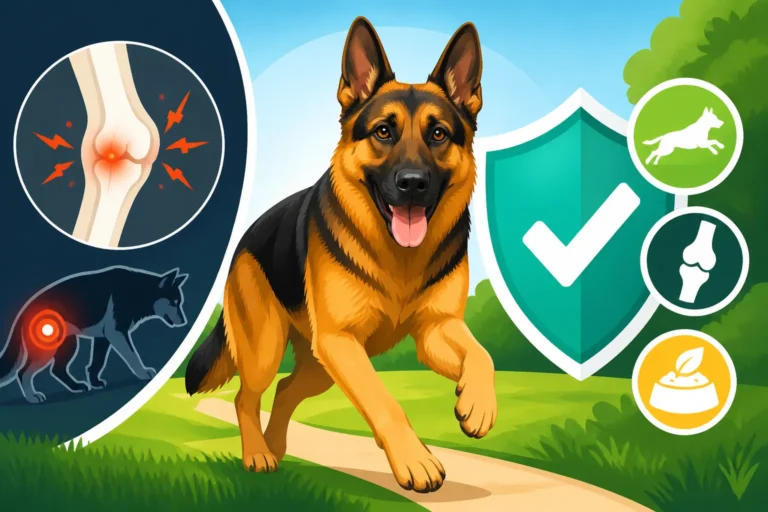
Prevention truly is the best medicine, especially when it comes to a debilitating condition like German Shepherd arthritis. While you can't completely eliminate the risk, especially with genetic predispositions, there are many proactive steps you can take throughout your German Shepherd's life to minimize their chances of developing severe joint problems or slow their progression.
Optimal Nutrition and Weight Management
One of the most impactful preventative measures is maintaining your German Shepherd at a healthy weight. Obesity is a massive contributor to joint stress and accelerates cartilage breakdown. Every extra pound your dog carries puts undue strain on their hips, elbows, and spine, amplifying the effects of any underlying joint issues. Work closely with your vet to determine your dog's ideal weight and feeding plan. Feeding a high-quality, large-breed specific dog food formulated for joint health, especially during puppyhood, can also be beneficial. These diets often contain balanced calcium and phosphorus levels to support proper bone development and sometimes include natural joint support ingredients.
Beyond just the quantity of food, the quality matters too. Look for reputable brands that focus on ingredients that support overall health and inflammation reduction. Some owners even explore a raw or fresh diet, believing it can reduce systemic inflammation, but this should always be done under veterinary supervision to ensure nutritional completeness. Regular monitoring of your German Shepherd’s body condition score is essential. You should be able to easily feel their ribs without seeing them, and they should have a discernible waist when viewed from above. Preventing German Shepherd Weight and Obesity Risks early on can save years of joint pain later.
Controlled Exercise and Activity
For a breed as active and intelligent as the German Shepherd, exercise is non-negotiable, but it needs to be the right kind of exercise. High-impact activities like repetitive jumping, long-distance running on hard surfaces, or intense agility training, especially when they are young and their growth plates are still open, can put excessive stress on developing joints. Instead, focus on controlled, low-impact exercise like leash walks, swimming, or light jogging on soft surfaces. These activities help build strong muscles around the joints, providing support without excessive impact.
As your German Shepherd ages, or if they have a known predisposition to joint issues like hip or elbow dysplasia, adjusting their exercise routine becomes even more critical. Short, frequent walks are better than one long, strenuous one. Continue with swimming if possible, as it's excellent for muscle strength without weight-bearing impact. Avoid activities that involve sharp turns, sudden stops, or excessive jumping. The goal is to keep them active and maintain muscle tone without exacerbating any existing joint inflammation. Remember, building strong muscles is one of the best ways to provide natural support to their joints, much like a bodybuilder protects their spine.
Proactive Joint Support and Veterinary Care
Beyond diet and exercise, certain proactive measures and veterinary care can further safeguard your GSD's joints. Starting a high-quality joint supplement regimen early, especially for breeds prone to joint issues, can be very beneficial. Supplements containing glucosamine, chondroitin, MSM, and Omega-3 fatty acids can help support cartilage health and reduce inflammation. Look for veterinary-grade supplements with proven efficacy. Discuss with your vet when it's appropriate to start these, often even before signs of arthritis appear, especially if your dog has a family history of joint problems.
Regular veterinary check-ups are also paramount. Your vet can perform routine orthopedic examinations, identify subtle changes, and recommend early interventions. For puppies from breeders, ensuring that the parents underwent German Shepherd Genetic Health Testing for hip and elbow dysplasia is a critical preventative step. If your puppy comes from a reputable breeder, they should provide OFA or PennHIP certifications for the parents, demonstrating good joint health. Early detection of any developmental issues allows for timely management, which can significantly impact the long-term prognosis. This proactive approach is a major component of a comprehensive German Shepherd Health Problems Guide.
Living with an Arthritic German Shepherd: Daily Care and Support
Discovering your German Shepherd has arthritis can feel overwhelming, but with proper daily care and a few adjustments, they can continue to live a fulfilling and comfortable life. It’s about adapting their environment and routine to support their needs, showing them empathy and understanding every step of the way.
Home Modifications and Comfort
Making a few simple changes around your home can dramatically improve your arthritic German Shepherd’s comfort and mobility. Start by ensuring they have a comfortable, orthopedic bed that supports their joints and keeps them off hard floors. Memory foam or gel-infused beds are excellent choices. Consider adding ramps for climbing into cars or onto furniture if they previously enjoyed these activities but now struggle. For stairs, if your GSD can no longer manage them, consider restricting access to certain levels of the house or carrying them if feasible for short distances.
Slippery floors are a major hazard. Lay down rugs, carpet runners, or anti-slip mats on tile, hardwood, or laminate surfaces to provide better traction. This helps prevent slips and falls that can exacerbate joint pain. Raised food and water bowls can also reduce neck and back strain, making meal times more comfortable. Think about their outdoor environment too; ensure easy access to a comfortable, sheltered resting spot in the yard. Small adjustments like these can make a world of difference in their daily comfort and confidence.
Exercise Adjustments and Enrichment
While an arthritic German Shepherd needs less strenuous exercise, they still need mental and physical stimulation to prevent muscle wastage and maintain a good quality of life. The key is moderation and consistency. Replace long, intense walks with several shorter, gentle strolls throughout the day. Focus on flat, soft surfaces like grass or dirt trails rather than pavement. Continue with controlled swimming if your dog enjoys it, as it’s an excellent non-weight-bearing exercise for muscle building.
Mental enrichment is just as important. Puzzle toys, KONGs filled with treats, scent games, and short, positive training sessions using basic commands can keep their minds sharp and engaged without stressing their joints. Consider a cart or sling for very short walks if their hind end is severely affected, allowing them to still enjoy being outside. Even a gentle massage after a walk can help improve circulation and comfort. A well-managed exercise and enrichment routine helps keep your German Shepherd happier, healthier, and more connected to the family. This is especially true for senior dogs, and a good resource is German Shepherd Senior Care Guide.
Emotional Support and Long-Term Planning
Living with a chronic condition like arthritis can be tough on both the dog and the owner. Your German Shepherd might be in pain, frustrated by their limitations, or even feel a bit sad. It's crucial to offer them extra emotional support, patience, and understanding. Spend quality time together, even if it's just gentle petting, quiet companionship, or a favorite snuggle session. Reassure them and celebrate their small victories, like successfully navigating a few steps.
Long-term planning is also essential. Arthritis is a progressive disease, meaning it will likely worsen over time. Work closely with your veterinarian to regularly reassess your German Shepherd’s pain levels and adjust their treatment plan as needed. This might involve adding new medications, exploring different therapies, or increasing the frequency of current treatments. Be prepared for potentially rising veterinary costs associated with ongoing care and medication; this is where pet insurance providers like Healthy Paws can truly alleviate financial stress, allowing you to prioritize your dog’s health without undue burden. Planning for their future needs will ensure you can provide the best possible care for your beloved companion throughout their German Shepherd Lifespan: How Long They Live.
German Shepherd Arthritis: Cost to Treat
Understanding the financial commitment involved in treating German Shepherd arthritis is crucial for owners. This isn't a one-time expense; it's an ongoing journey that can vary significantly based on the severity of the condition, the chosen treatment modalities, and your geographical location. Being prepared for these costs can help you make informed decisions about your dog's care.
Initial Diagnosis and Early Treatment Costs
The initial diagnosis of German Shepherd arthritis typically involves a veterinary consultation, a thorough physical examination, and diagnostic imaging. A standard vet visit might range from $50 to $150. X-rays, which are essential for confirming arthritis and assessing its severity, can cost anywhere from $150 to $400, depending on how many views are needed and the clinic's pricing. Blood work, often recommended before starting long-term medications to check organ function, might add another $100 to $250. So, just getting a definitive diagnosis could easily cost between $300 and $800.
Once diagnosed, early treatment often involves NSAIDs. A monthly supply of common veterinary NSAIDs can range from $30 to $100, depending on the drug and your dog's size. Additionally, oral joint supplements like glucosamine and chondroitin can cost $20 to $60 per month. If injectable joint supplements like Adequan are recommended, a full course of injections might be $300 to $600 for the initial series, followed by maintenance injections that add to the monthly cost. Pet insurance, such as Healthy Paws, often covers a significant portion of these diagnostic and medication costs, particularly if the condition is not pre-existing.
Long-Term Management and Advanced Therapies
As arthritis progresses, or if your German Shepherd responds minimally to initial treatments, the costs for long-term management and advanced therapies can increase. Physical rehabilitation, including sessions like underwater treadmill therapy, therapeutic exercises, and laser therapy, can be incredibly beneficial but also adds up. Individual sessions typically cost between $50 and $150, and many dogs require multiple sessions per week initially, then maintenance sessions. A package of 10 sessions might run $500 to $1200. Acupuncture sessions usually cost $40 to $100 per visit, with multiple sessions recommended.
For severe cases, surgical interventions carry substantial costs. A total hip replacement (THR) can range from $4,000 to $7,000 per hip, and recovery involves additional expenses for post-operative care, rehabilitation, and medication. Even a femoral head ostectomy (FHO) can be $1,500 to $3,000. These figures highlight why many owners consider pet insurance early on in their dog's life. While German Shepherd arthritis is common, the associated costs, especially for German Shepherd Hip Dysplasia: Cost to Treat or advanced elbow issues, can be a major financial burden without a safety net like a comprehensive insurance plan. Regular follow-up vet visits, typically twice a year, will also incur costs of $50 to $150 each time to monitor progress and adjust treatment.
Disclaimer
This article is intended for informational purposes only and does not constitute veterinary advice. Always consult with a qualified veterinarian for any health concerns or before making any decisions about your pet's medical care.