German Shepherd Perianal Fistula: Symptoms and Treatment
Finding out your beloved German Shepherd is suffering from perianal fistula can be incredibly distressing. This painful and chronic condition, often characterized by draining tracts around the anus, doesn't just cause discomfort for your dog; it's a source of constant worry for you, the devoted owner, as you witness their struggle with everyday bodily functions. This comprehensive guide is here to demystify perianal fistulas in German Shepherds, delving into why they're so susceptible, how to recognize the often subtle signs, navigate the diagnostic maze, and explore the various treatment pathways available, offering practical, empathetic advice for managing this challenging ailment.
What Exactly is Perianal Fistula in German Shepherds?
Perianal fistula, also known as anal furunculosis, is a truly nasty condition that disproportionately affects our beloved German Shepherds. Imagine having painful, infected tunnels forming around a very sensitive area—that's what your dog is going through. It's not just a minor irritation; it's a chronic, progressive, and often debilitating inflammatory disease that can severely impact your dog's quality of life. These fistulas are essentially deep, ulcerated tracts in the skin around the anus, often leading to abscesses and discharge. The inflammation can spread, causing significant damage to the surrounding tissues, making defecation an agonizing experience. It's a condition that demands early recognition and a dedicated approach to treatment.
Understanding the Condition
At its core, perianal fistula is thought to be an immune-mediated disease, meaning your dog's own immune system mistakenly attacks its healthy tissues. Think of it like an autoimmune condition in humans. This immune dysfunction leads to a deep, persistent inflammation of the perianal glands (circumanal glands) and the surrounding skin. Over time, this inflammation progresses, creating those characteristic draining tracts and ulcers. These lesions are not only painful but also highly susceptible to secondary bacterial infections, which only complicate matters further and increase the discomfort for your dog. It's a vicious cycle where inflammation leads to tissue damage, which in turn fuels more inflammation and infection. The depth and complexity of these tracts can vary greatly, from superficial lesions to extensive tunneling that can almost encircle the anus, making treatment particularly challenging.
The exact triggers for this immune malfunction aren't fully understood, but genetic predisposition, diet, environmental factors, and even certain types of allergies are all suspected to play a role. It's a frustrating aspect of the disease because without a clear single cause, prevention becomes incredibly difficult. Many veterinary researchers are constantly studying this to better understand the underlying mechanisms, hoping to find more targeted and effective treatments. It's important to remember that this isn't due to poor hygiene on your part or any specific thing you did wrong; it's a complex disease process that just happens to be a significant challenge for German Shepherd owners.
Why German Shepherds are Prone
If you own a German Shepherd, you've probably heard about their propensity for certain health issues, and perianal fistula is unfortunately high on that list. While other breeds can occasionally develop this condition, it's overwhelmingly seen in German Shepherds. The reasons behind this breed-specific vulnerability are still being unraveled, but several theories are widely accepted within the veterinary community. One prominent theory points to the unique anatomical structure of the German Shepherd's tail and hindquarters. Many German Shepherds have a broader tail set and a more "tucked" tail carriage, which can create a warm, moist environment around the anus. This reduced air circulation is a breeding ground for bacteria and can exacerbate inflammation, making them more susceptible to the development and progression of fistulas.
Beyond anatomy, genetics are believed to play a significant role. It's highly suspected that there's a genetic predisposition within the breed that makes their immune systems more likely to develop this autoimmune-like inflammatory response. This is why if you're looking into buying a puppy, it's always wise to inquire about the health history of the parents and their lines. While not as commonly screened for as, say, hip and elbow dysplasia, understanding the prevalence of this condition in a breeding line can be helpful. Some research also suggests a link between perianal fistulas and other immune-mediated diseases in German Shepherds, such as inflammatory bowel disease, further supporting the theory of a systemic immune component. This interconnectedness means that treatment often needs to consider the dog's overall immune health, not just the local lesions. This is just one of many German Shepherd Health Problems Guide that can impact our dogs, highlighting the importance of breed-specific knowledge for owners.
Recognizing the Early Signs and Symptoms
Catching perianal fistula early can make a huge difference in the success and ease of treatment, but it's often tricky because our stoic German Shepherds might not show obvious signs of pain until the condition is quite advanced. Plus, the location of the fistulas means you might not see them directly without some close inspection. It's crucial for German Shepherd owners to be hyper-vigilant and pay attention to even subtle changes in their dog's behavior and physical appearance around the hindquarters. Don't dismiss a little bit of scooting or a less-than-perfect stool as just a minor issue; with German Shepherds, these could be early indicators of something more serious brewing underneath.
Behavioral Changes to Watch For
One of the first things you might notice, even before seeing any physical lesions, are changes in your dog's behavior, particularly surrounding defecation. Your dog might suddenly become reluctant to pass stool, or you might observe them straining and whining during bowel movements. This is because the inflammation and open sores make the act incredibly painful. They might adopt an unusual posture when defecating, trying to minimize pressure on the sensitive area. You might also see them frequently licking or chewing at their rear end, which is their attempt to alleviate the discomfort and itchiness. This excessive grooming can lead to secondary skin irritation and hair loss around the anus, further complicating the picture.
Beyond defecation, pay attention to their general demeanor. A dog in chronic pain might seem lethargic, withdrawn, or less enthusiastic about activities they once loved. They might have a decreased appetite, not because they're sick to their stomach, but because the pain makes them generally unwell. Some dogs might even show signs of aggression when you try to examine their hindquarters, not because they're truly aggressive, but because they anticipate pain. If your usually friendly German Shepherd snaps or growls when you approach their rear, take it as a serious sign that something is very wrong. These subtle shifts in personality and routine should never be ignored, especially in a breed prone to such conditions. Learning to spot How to Tell If a German Shepherd Is in Pain is a vital skill for any owner.
Physical Manifestations
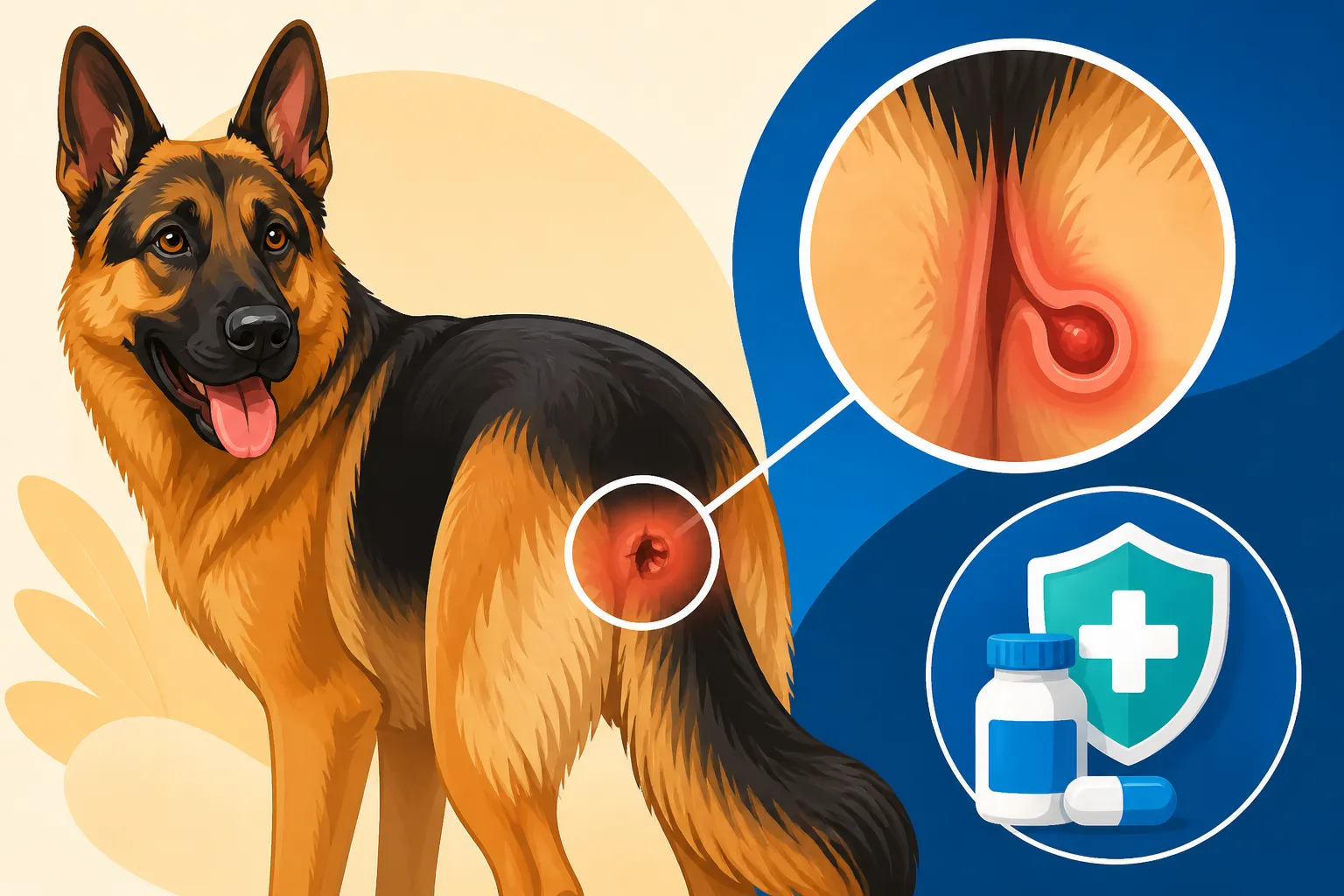
As the disease progresses, the physical signs become more evident, though they still require a careful examination. The most classic physical symptom is the presence of one or more open sores, or "fistulas," around the anus. These can look like small holes or ulcerated tracts in the skin, often discharging a foul-smelling, pus-like, or bloody fluid. The area might appear red, swollen, and inflamed. You might also notice matted fur around the anus due to the discharge and excessive licking. The skin itself can become thickened and scarred over time, a process known as hyperpigmentation and lichenification, as a result of chronic inflammation.
If the fistulas are severe, the anal sacs, which are located just inside the anus, can also become involved, leading to further pain and infection. In some cases, the tissue around the anus can become severely ulcerated, making it difficult to even visualize the anal opening clearly. The tail might be held lower than usual, almost clamped down, as a protective measure against pain. It's not uncommon for owners to first notice a strong, unpleasant odor coming from their dog's rear end, which is often a sign of infection and discharge from the fistulas. Any of these physical signs, especially when combined with the behavioral changes, warrant an immediate veterinary visit. This condition is often mistaken for simple German Shepherd Skin Problems and Fixes or anal gland issues, but it's far more severe.
Here's a quick reference table for identifying potential signs:
| Symptom Category | Early Signs (Subtle) | Advanced Signs (Obvious) |
|---|---|---|
| Behavioral | Scooting, excessive licking of rear, reluctance to defecate, straining, whining during defecation, unusual defecation posture, decreased appetite, lethargy, withdrawal, snapping/growling when rear approached. | Severe pain during defecation, constant discomfort, significant behavioral changes, fear of being touched. |
| Physical | Redness or mild swelling around anus, matted fur, slight odor, small scabs. | Open draining tracts (fistulas), foul-smelling pus or bloody discharge, severe inflammation, ulceration, thickened/scarred skin, noticeable hair loss, strong odor, tail clamped down. |
| Stool | Soft stools or mild diarrhea, blood in stool (rarely). | Constipation due to pain avoidance, flat or ribbon-like stools due to swelling, significant amounts of blood or mucus. |
The Diagnostic Process
Once you suspect something is wrong, getting an accurate diagnosis is the critical next step. It's not always straightforward, as perianal fistula can sometimes be confused with other conditions like anal sac disease or severe allergies. Your vet will take a thorough history from you, asking about all the behavioral and physical changes you've observed. This is where your detailed observations become incredibly important. Be prepared to discuss when symptoms started, how they've progressed, and anything that seems to make them better or worse.
Initial Veterinary Examination
During the initial vet visit, a comprehensive physical examination will be performed. This will include a very careful inspection of the perianal area. Given the pain involved, many German Shepherds will require sedation or a light anesthetic for a thorough examination. This is not to cause your dog undue stress or pain, but to allow the veterinarian to properly visualize the extent of the lesions without causing further distress. During this examination, the vet will look for the characteristic draining tracts, ulcers, inflammation, and any secondary infections. They'll also assess the overall health of the anal sacs and the surrounding musculature.
A rectal examination is usually performed to check for any internal involvement or strictures (narrowing of the anal canal), which can sometimes occur with severe, chronic inflammation. The vet might also take swabs for bacterial culture and sensitivity testing from any draining lesions. This helps identify the specific bacteria causing secondary infections and determines which antibiotics will be most effective. Sometimes, a biopsy of the affected tissue might be taken during sedation. This tissue sample is sent to a pathology lab to confirm the diagnosis of perianal fistula and rule out other conditions such as tumors or granulomas. This initial, thorough work-up is crucial for laying the groundwork for an effective treatment plan.
Advanced Diagnostics and Staging
While the initial examination often provides a strong indication, advanced diagnostics can be necessary, especially for complex or recurrent cases, or if the vet suspects underlying issues. Endoscopy, where a small camera is used to visualize the inside of the anal canal and rectum, can help assess the full extent of the disease and identify any internal tracts that might not be visible externally. In some instances, specialized imaging techniques like CT scans or MRI might be recommended. These advanced imaging modalities provide highly detailed cross-sectional images of the perianal region, allowing the veterinarian to accurately map the fistula tracts, assess their depth, and determine if other structures, such as the pelvic bones or deeper muscles, are involved. This detailed mapping is particularly valuable if surgery is being considered, as it helps the surgeon plan the procedure more precisely.
Beyond local diagnostics, your vet might recommend blood tests to check for signs of systemic inflammation or other immune-mediated conditions. For example, some German Shepherds with perianal fistulas also suffer from German Shepherd Pancreatitis: Symptoms and Treatment or German Shepherd EPI: Symptoms and Treatment, suggesting a broader immune system imbalance. These tests can help create a holistic view of your dog's health and guide overall treatment strategies. Staging the disease, which involves classifying the severity and extent of the fistulas, is also important. This helps the veterinary team choose the most appropriate treatment protocol and gives you a clearer picture of the prognosis. The more severe and extensive the fistulas, the more aggressive and prolonged the treatment might need to be.
Comprehensive Treatment Approaches
Treating perianal fistula in German Shepherds is rarely a quick fix. It’s a marathon, not a sprint, and often requires a multi-modal approach combining medical management with, in some cases, surgical intervention. The goal is not just to heal the existing lesions but also to address the underlying immune dysfunction and prevent recurrence. This can be a challenging and sometimes frustrating journey, but with dedication and a close working relationship with your veterinarian, significant improvement and long-term management are absolutely achievable.
Medical Management Strategies
For many German Shepherds, especially those with less severe or early-stage perianal fistulas, medical management is the first line of defense. The cornerstone of medical treatment often involves immunosuppressive medications. The most commonly used drug is cyclosporine (often brand name Atopica), which works by modulating the immune system to reduce the inflammatory response that drives the disease. Cyclosporine is usually given orally, and the dosage is carefully tapered over time as the condition improves. It can take several weeks or even months to see a full response, and it’s critical to stick with the prescribed regimen. Because cyclosporine affects the immune system, your vet will monitor your dog for side effects and ensure their overall health.
Alongside cyclosporine, other medications might be used. Antibiotics are often prescribed to combat any secondary bacterial infections within the fistulas, typically based on the culture and sensitivity results. Topical treatments, such as anti-inflammatory creams or gels, can provide local relief and help with healing. Dietary changes are also increasingly recognized as a vital component of medical management. Many vets recommend a novel protein or hydrolyzed protein diet, which are specifically formulated to reduce potential food allergies or sensitivities that might be contributing to the immune response. Brands like Royal Canin German Shepherd or Hill's Science Diet offer prescription diets that can be highly beneficial for dogs with gastrointestinal sensitivities. These diets aim to decrease inflammation throughout the body, including the perianal area. For some dogs, a change to a grain-free diet might be explored if food sensitivities are suspected, though always in consultation with your vet. This can be a tricky area to navigate, but changing to a specific diet can be critical in managing German Shepherd Allergies: Symptoms and Treatment if they are a contributing factor.
Surgical Interventions and Their Considerations
When medical management alone isn't enough, or if the disease is particularly extensive and resistant, surgical intervention might become necessary. The decision to pursue surgery is a serious one, as the perianal area is complex and delicate, with vital structures like the anal sphincter muscles that control defecation. The primary goal of surgery is to remove the diseased tissue, open up and clean the fistula tracts, and promote healing.
There are several surgical techniques available, ranging from cryosurgery (freezing the affected tissue) and laser ablation (using a laser to remove tissue) to traditional excisional surgery (surgically cutting out the diseased tissue). Some advanced techniques involve marsupialization, where the edges of the fistula tracts are sewn open to allow for better drainage and healing. The specific technique chosen will depend on the severity, depth, and location of the fistulas, as well as the surgeon's expertise. A specialist veterinary surgeon, often a board-certified soft tissue surgeon, is usually recommended for these complex procedures.
However, surgery comes with its own set of considerations. There's always a risk of complications, including infection, pain, and, most critically, damage to the anal sphincter, which could lead to fecal incontinence. Post-operative care is intensive, often involving strict wound management, pain control, and continued medical therapy to prevent recurrence. It's important to understand that surgery doesn't always guarantee a permanent cure, and many dogs will still require ongoing medical management with cyclosporine or other immunosuppressants even after a successful operation. The financial aspect of surgery is also significant; it can be very costly, so discussing all options and potential outcomes with your vet is paramount.
Post-Treatment Care and Long-Term Management
Regardless of whether your German Shepherd undergoes medical or surgical treatment, the journey doesn't end when the visible lesions start to heal. Post-treatment care and long-term management are absolutely crucial for preventing recurrence and maintaining your dog's comfort and quality of life. This involves a multi-faceted approach that will become a regular part of your routine.
After the initial treatment phase, your dog will likely need to stay on a maintenance dose of immunosuppressive medication, such as cyclosporine, often at a lower dose, to keep the immune system in check. Regular follow-up appointments with your vet are essential to monitor their progress, adjust medication dosages as needed, and catch any signs of recurrence early. This typically involves periodic physical examinations and potentially blood tests to ensure the medication isn't causing adverse effects. Consistent adherence to the medication schedule is non-negotiable for long-term success.
Daily hygiene is also paramount. Keeping the perianal area clean and dry helps prevent secondary infections and irritation. This might involve gentle cleaning with medicated wipes or lukewarm water after defecation. Your vet might recommend specific antiseptic solutions or barrier creams. A well-balanced diet, often a hypoallergenic one, should be continued, and supplements like omega-3 fatty acids, known for their anti-inflammatory properties, could be beneficial. Ensuring your dog maintains a healthy weight is also important, as obesity can exacerbate skin fold issues and hinder healing. This comprehensive, ongoing care ensures your dog stays comfortable and the fistulas remain in remission, highlighting the importance of a detailed German Shepherd Senior Care Guide approach even for younger dogs with chronic conditions.
Living with and Preventing Recurrence
Living with a German Shepherd prone to perianal fistula means embracing a proactive and vigilant approach to their health. While complete prevention is difficult due to the underlying immune component and genetic predisposition, you can certainly take steps to minimize the chances of recurrence and ensure your dog remains as comfortable as possible. It's about creating an environment and routine that supports their immune system and keeps the perianal area healthy.
Dietary Adjustments and Supplements
As mentioned earlier, diet plays a huge role in managing immune-mediated conditions like perianal fistula. Many veterinarians advocate for a hypoallergenic diet, often a novel protein diet (containing proteins your dog hasn't been exposed to before, like duck or venison) or a hydrolyzed protein diet (where proteins are broken down into tiny particles to avoid immune recognition). These diets aim to reduce any potential inflammatory responses triggered by food sensitivities. Brands like Royal Canin German Shepherd and Purina Pro Plan Veterinary Diets offer excellent prescription options. It's often a process of trial and error to find the diet that works best for your individual dog, and consistency is key once you find it. Transitioning too quickly can lead to digestive upset, so follow your vet's guidance on How Much to Feed a German Shepherd during this period of dietary change.
Beyond the core diet, certain supplements can offer supportive benefits. Omega-3 fatty acids, found in fish oil, are well-known for their potent anti-inflammatory properties and can help reduce systemic inflammation. Probiotics can support gut health, which is intimately linked to the immune system. A healthy gut microbiome can potentially help regulate immune responses. Antioxidants like Vitamin E and C can also be beneficial in reducing oxidative stress. Always discuss any supplements with your veterinarian before adding them to your dog's regimen, as they can interact with medications or be contraindicated for certain health conditions. Finding the Best Joint Supplements for German Shepherds might also involve looking for formulations that include anti-inflammatory components.
Maintaining Hygiene and Comfort
Good hygiene is absolutely non-negotiable for a German Shepherd with a history of perianal fistulas. Keeping the area clean and dry is paramount to prevent secondary bacterial infections and reduce irritation. After every bowel movement, especially if your dog has soft stools, gently clean the perianal area with warm water and a mild, pet-safe antiseptic solution or unscented wipes. Pat the area dry thoroughly; moisture can create a perfect breeding ground for bacteria. If your dog has long fur around the anus, consider keeping it trimmed short (a "sanitary clip") to prevent stool and discharge from accumulating and further irritating the skin. Your groomer or vet tech can often assist with this if you're not comfortable doing it yourself.
Regular, gentle bathing with a medicated shampoo recommended by your vet can also help manage skin health. Pay close attention to any signs of redness, swelling, or discharge, and report them to your vet immediately. Early intervention is key if a flare-up starts. Provide soft bedding and ensure your dog has a comfortable, clean place to rest, especially if they are recovering from surgery. Managing their pain effectively is also part of comfort; discuss appropriate pain relief options with your vet for both acute flare-ups and long-term management. These consistent efforts are crucial in keeping the condition under control and ensuring your dog's overall well-being.
Financial Implications and Support
It’s no secret that dealing with a chronic health condition in any pet can take a toll, not just emotionally but financially. Perianal fistula, with its complex diagnostics, long-term medical management, and potential for expensive surgeries, is no exception. Understanding the potential costs upfront can help you prepare and make informed decisions about your German Shepherd's care. It’s a reality we, as pet parents, face, and it's important to talk about it openly.
Understanding Treatment Costs
The cost of treating perianal fistula can vary significantly depending on the severity of the condition, the chosen treatment approach, and your geographical location. Initial diagnosis, including examinations, sedation, cultures, and biopsies, can easily run into several hundred dollars. If advanced imaging like a CT scan or MRI is required, you could be looking at an additional $1,500 to $4,000 or more.
Medical management, primarily with cyclosporine, involves ongoing costs. Cyclosporine itself is a fairly expensive medication, especially for a large breed like a German Shepherd, which requires higher dosages. Monthly costs for medication alone can range from $100 to $400, depending on the dose and whether a generic or brand-name product is used. These costs continue for months, if not for the lifetime of your dog, for maintenance. Add to this the cost of follow-up vet visits, blood tests for monitoring, special diets, and any supportive supplements, and the annual expenses can quickly climb to several thousands of dollars.
If surgery becomes necessary, the costs escalate dramatically. Surgical procedures for perianal fistulas, especially when performed by a specialist, can range from $2,000 to $8,000, or even more for very complex cases. This typically includes the surgery itself, anesthesia, hospitalization, post-operative medications, and follow-up care. It’s a significant investment, which is why a thorough discussion with your vet about the prognosis and potential outcomes is so important before proceeding. It really underscores why considering Is Pet Insurance Worth It for a German Shepherd is such a crucial decision.
Pet Insurance Considerations
Given the high costs associated with diagnosing and treating perianal fistula, pet insurance can be an absolute lifesaver. Many pet insurance plans can cover a significant portion of veterinary expenses, including diagnostics, medications, and surgical procedures, for eligible conditions. However, it's vital to understand the nuances of pet insurance before you need it.
The most important thing to know is that pet insurance typically does not cover pre-existing conditions. This means if your German Shepherd has already been diagnosed with perianal fistula before you enroll in a plan, it's highly unlikely that the insurance will cover any related treatments. This is why getting pet insurance when your dog is young and healthy is often the smartest financial decision. Companies like Healthy Paws are popular choices among German Shepherd owners, offering comprehensive coverage that can alleviate the financial burden of unexpected or chronic illnesses. With Healthy Paws, for example, once your waiting periods are met and a condition is not pre-existing, they can cover eligible costs for accidents and illnesses, including chronic conditions like perianal fistula.
When choosing a pet insurance plan, pay close attention to the deductible, reimbursement percentage, and annual limits. A higher reimbursement percentage (e.g., 80% or 90%) and a lower deductible will mean less out-of-pocket expense for you. Always read the policy details carefully to understand what is and isn't covered. Even if you don't have insurance, setting up an emergency fund specifically for your dog's medical needs can provide a crucial safety net. The journey with perianal fistula is long and costly, but with careful planning and potentially the right insurance coverage from providers like Healthy Paws, you can ensure your beloved German Shepherd receives the best possible care without completely emptying your wallet.
Disclaimer
The information provided in this article is intended for general knowledge and informational purposes only, and does not constitute veterinary medical advice. Always consult with a qualified veterinarian for any health concerns or before making any decisions related to your pet's health and treatment.