How to Reduce German Shepherd Shedding in the House
Anyone who shares their home with a magnificent German Shepherd knows the struggle: that seemingly endless tide of fur that finds its way onto your furniture, clothes, and even your morning coffee. It's a constant battle, and it can feel like you're fighting a losing war against the sheer volume of hair. This guide is here to commiserate with your furry frustrations and equip you with practical, actionable strategies to significantly reduce German Shepherd shedding in your house, helping you reclaim your home from the omnipresent tumbleweeds of dog hair.
Understanding the German Shepherd Double Coat and Shedding Cycle
Before we dive into solutions, it's crucial to understand why German Shepherds shed so much. It's not a flaw; it's a fundamental characteristic of their breed, designed for function and protection against the elements. Their magnificent double coat is a marvel of natural engineering, but it also means a lot of hair.
The "Blow Coat" Phenomenon Explained
If you've ever owned a German Shepherd, you've likely witnessed the "blow coat" firsthand, perhaps with a sense of awe and dread. This isn't just regular shedding; it's an extreme seasonal event. German Shepherds typically blow their coats twice a year, usually in spring to prepare for warmer weather by shedding their dense undercoat, and again in the fall to make way for a thicker, warmer winter coat. During these periods, the amount of hair coming off your dog can be truly astonishing. It’s like a fur tornado has hit your living room. You might brush for an hour and still feel like you've barely made a dent. This phenomenon is a natural response to changing temperatures and light cycles, ensuring their coat is optimized for protection. While it’s normal, it's also the time when your proactive shedding management needs to be at its peak. Understanding that this is a predictable, albeit intense, process can help you prepare for it mentally and practically.
Why German Shepherds Shed So Much
Beyond the seasonal blow, German Shepherds are consistent, moderate-to-heavy shedder year-round. This is largely due to their double coat. The outer coat consists of coarse, protective guard hairs, which are what you usually see and feel. These hairs repel water and dirt, protecting the dog's skin from the elements. The inner layer, or undercoat, is soft, dense, and serves as insulation, keeping them warm in winter and cool in summer. This undercoat is what makes up the bulk of the shedding you see. Every single hair follicle has a life cycle, and for a dog with such a dense coat, this means a constant turnover of old hairs being replaced by new ones. Factors like diet, stress, and underlying health issues can exacerbate shedding, making it feel even more overwhelming. It’s not just about managing the hair itself, but sometimes identifying and addressing the root causes of excessive shedding. A healthy coat is a hallmark of a healthy dog, and regular shedding, while a nuisance for us, is a sign of a functioning system.
Essential Grooming Techniques to Minimize Indoor Shedding
Effective grooming is your absolute best defense against excessive German Shepherd hair taking over your home. It’s not just about aesthetics; it’s about maintaining their skin health and managing the natural shedding process proactively. Consistency is key here; a sporadic brushing schedule will only lead to more hair tumbleweeds. For a comprehensive overview of how to manage this, you might find our guide on German Shepherd Shedding: How to Manage It incredibly useful.
Regular Brushing: Your First Line of Defense
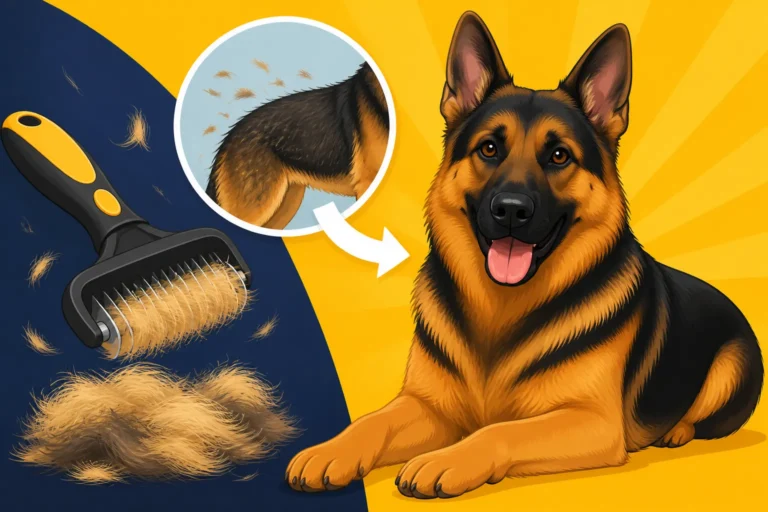
This cannot be stressed enough: regular, thorough brushing is the single most effective tool you have. Aim for daily brushing, especially during the peak shedding seasons when they're blowing their coat. On normal days, 3-4 times a week might suffice, but daily is ideal to catch loose hairs before they fall out naturally in your home. The right tools make all the difference. You'll want a good de-shedding tool, like a Furminator or a similar rake-style brush, to get deep into that dense undercoat. Start with a pin brush or slicker brush to work through the topcoat and any tangles, then follow up with the de-shedding tool. When using a de-shedding tool, be gentle and work in sections, making sure not to press too hard, which can irritate their skin.
A deshedding tool like the Furminator can remove an incredible amount of loose undercoat, which is where most of your indoor shedding originates. Many dog owners are astonished at the piles of fur they can remove in a single session. This is the hair that would otherwise end up on your couch, carpet, and clothing. Make brushing a bonding experience; a calm, consistent routine will make your German Shepherd more cooperative. Brushing outdoors, if possible, is an excellent way to contain the flying fur and prevent it from immediately becoming part of your indoor environment. For more specific advice on tools and techniques, check out our article on the Best Brush for a German Shepherd Double Coat.
Strategic Bathing and Deshedding Shampoos
While daily brushing is paramount, bathing also plays a crucial role in shedding management. Don't overdo it, as excessive bathing can strip natural oils from their skin, leading to dryness and potentially more shedding. A good rule of thumb is to bathe your German Shepherd every 1-3 months, or when they're particularly dirty. However, during heavy shedding seasons, a bath can be incredibly effective at loosening and washing away dead undercoat.
When bathing, use a high-quality deshedding shampoo specifically formulated to help release loose hair. Look for ingredients like Omega-3 and Omega-6 fatty acids, which can also promote skin and coat health. After shampooing, let the shampoo sit for a few minutes to work its magic before rinsing thoroughly. The most critical step after bathing is thorough drying. Use a high-velocity pet dryer if you have one – this not only speeds up drying but also helps blast out loose undercoat. If you don't have a professional dryer, a strong human hairdryer on a cool setting can work, coupled with vigorous towel drying and brushing. This combination helps to physically remove a significant amount of fur that would otherwise shed indoors. Our guide on How Often to Bathe a German Shepherd provides more in-depth advice on this.
Professional Grooming Options
Sometimes, the sheer volume of fur can feel overwhelming, or you might not have the right tools or space for an intensive home grooming session. This is where professional groomers can be a lifesaver. Many groomers offer specialized "deshedding treatments" that go beyond a regular bath and brush. These often include specialized shampoos, conditioners, and powerful high-velocity dryers that can remove an incredible amount of undercoat much more effectively than home methods.
A professional groomer has the expertise to handle your German Shepherd’s dense coat, ensuring their skin isn't irritated and that the shedding is managed thoroughly. They can also trim nails, clean ears, and provide advice on your dog’s specific coat needs. Consider scheduling a professional deshedding session once or twice a year, particularly right before or during peak shedding seasons. This can significantly reduce the amount of maintenance you need to do at home and provide a much-needed reset for your dog's coat, drastically cutting down on the indoor fur load. If you're wondering about the overall grooming routine, our How to Groom a German Shepherd article offers more context.
Nutritional and Environmental Strategies for a Healthier Coat
While external grooming is vital, what goes into your German Shepherd and how their environment is managed also profoundly impacts their coat health and, consequently, how much they shed. A healthy dog generally sheds less excessively than one with underlying issues.
The Role of Diet and Supplements
A high-quality diet is fundamental for a healthy coat. Think about it: hair, skin, and coat health all stem from the nutrients your dog consumes. Look for dog foods that list real meat as the first ingredient and are rich in Omega-3 and Omega-6 fatty acids, such as salmon oil, flaxseed, or fish oil. These fatty acids are crucial for skin hydration and coat luster, which in turn can lead to reduced shedding. Brands like Purina Pro Plan, Royal Canin, or even fresh food options like Ollie, often include these beneficial ingredients. When choosing a food, ensure it’s appropriate for large breeds and their specific life stage. Our comprehensive guide on the Best Dog Food for German Shepherds offers detailed insights into optimal nutrition.
Beyond diet, supplements can offer targeted support. Fish oil supplements, rich in EPA and DHA, are excellent for coat health. Zinc and Vitamin E can also play a role. Always discuss any new supplements with your veterinarian to ensure they are appropriate for your dog’s specific health needs. Some owners find that adding a daily dose of a high-quality fish oil from a reputable brand significantly improves their dog's coat quality and reduces excessive shedding. Remember, it's not a magic bullet, but it's a vital piece of the puzzle. For more information on supportive additions, refer to our article on Best Omega Supplements for German Shepherds.
Managing the Home Environment
Your home environment can inadvertently contribute to shedding. Dry indoor air, especially during winter months when heating systems are running, can dry out your dog's skin and coat, leading to more shedding. Consider using a humidifier in areas where your dog spends a lot of time. This adds moisture to the air, which can help keep their skin and coat healthier.
Furthermore, ensure your dog has comfortable, clean bedding. Regular washing of their beds can help remove loose hair that would otherwise be tracked around the house. If your dog spends a lot of time on furniture, consider using washable throws or covers that can be easily cleaned. Regularly vacuuming and dusting your home is also part of managing the shedding, as it prevents the accumulation of hair in every nook and cranny. While these steps don't stop the shedding, they certainly help to contain and remove the hair once it's shed, making your home feel much cleaner.
Hydration and General Health
Proper hydration is just as important as diet for coat health. Ensure your German Shepherd always has access to fresh, clean water. Dehydration can lead to dry skin and a dull coat, which can exacerbate shedding. A well-hydrated dog will generally have healthier skin cells and hair follicles, promoting a stronger coat that sheds less frequently.
Beyond diet and hydration, overall health plays a critical role. Underlying health issues such as allergies, thyroid imbalances, skin infections, or even parasites can cause excessive shedding. If you notice a sudden increase in shedding, bald patches, skin irritation, or other symptoms, it's crucial to consult your veterinarian. They can diagnose any health problems and recommend appropriate treatment. A healthy German Shepherd, with a balanced diet, proper hydration, and no underlying medical conditions, will typically have a healthier coat and shed within normal breed expectations. This is why maintaining their general well-being is a core part of managing shedding. Our guide on How to Keep a German Shepherd Healthy offers a broader perspective on their overall wellness.
Tools and Products That Really Make a Difference
Navigating the world of pet grooming products can be overwhelming, but having the right tools is essential for effectively managing your German Shepherd’s shedding. Investing in quality products specifically designed for double-coated breeds will make your life significantly easier.
Top Brushes and Deshedding Tools
When it comes to brushing, a multi-tool approach is often best for a German Shepherd's complex coat.
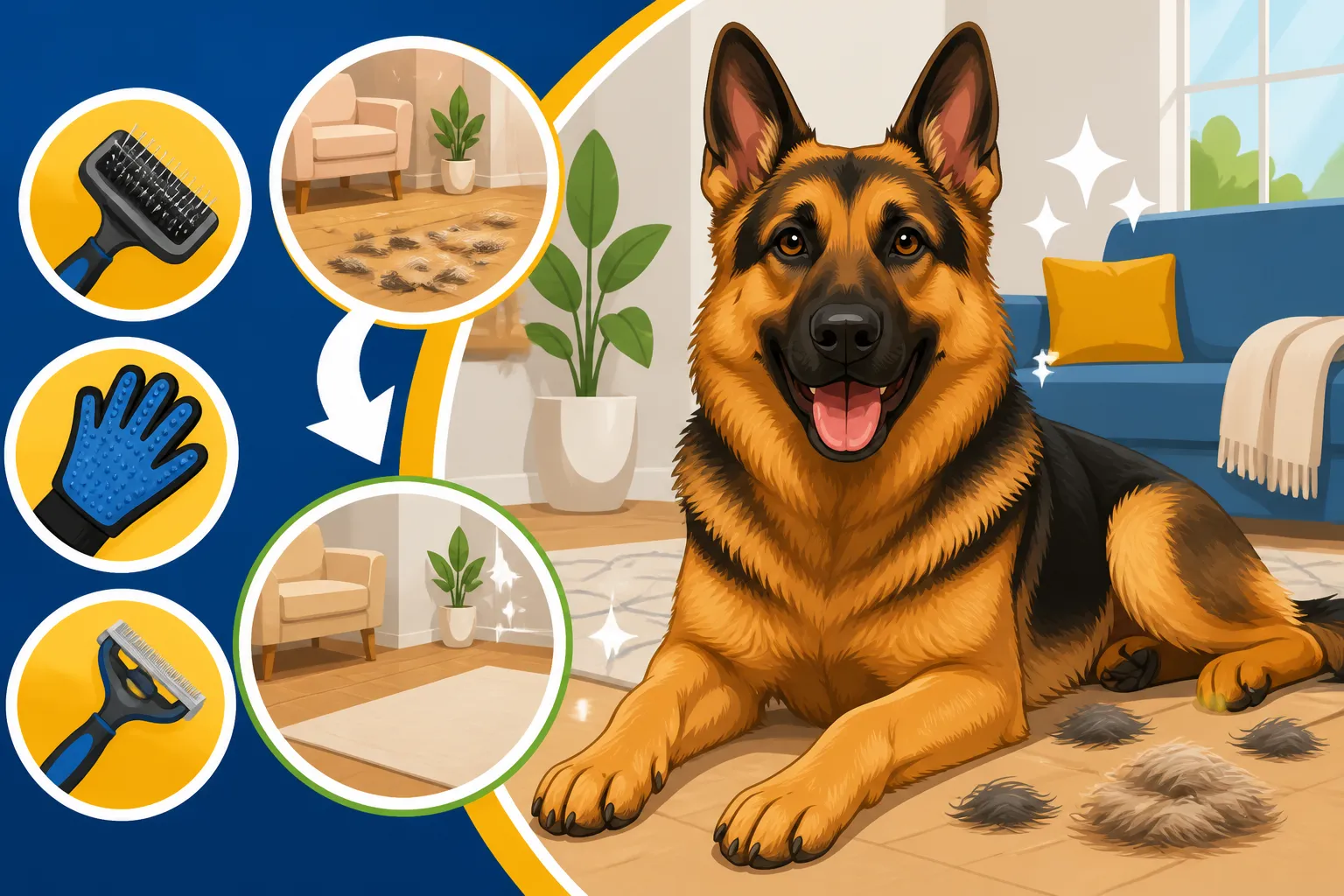
- Undercoat Rake: This is indispensable. An undercoat rake has long, widely spaced teeth designed to penetrate the dense topcoat and pull out loose undercoat without damaging the guard hairs. Use this gently, working in the direction of hair growth. Brands like Andis or Kong make excellent undercoat rakes.
- Deshedding Tool (e.g., Furminator): These tools are incredibly popular for a reason. They feature a fine-toothed blade that effectively removes large quantities of loose undercoat. They can be incredibly effective, but caution is advised: overusing them or pressing too hard can irritate the skin or cut the topcoat, so use sparingly and carefully.
- Slicker Brush: A slicker brush has fine, short wires packed closely together on a flat surface. It's great for removing tangles, mats, and general loose hair from the topcoat, and helps to distribute natural skin oils for a healthier shine.
- Pin Brush: Similar to a human hairbrush, a pin brush has widely spaced metal pins with rounded tips. It's good for overall coat maintenance, especially for longer-haired German Shepherds, and can be used daily to remove surface debris and gently detangle.
Having a combination of these tools will allow you to address different aspects of their coat, from deep undercoat removal to surface tidying. You can often find these tools readily available on platforms like Amazon or Chewy, making it easy to stock up.
Vacuum Cleaners and Hair Removal Gadgets
Beyond direct grooming, the right cleaning tools for your home are critical for containing the shed hair.
- Pet-Specific Vacuum Cleaners: These aren't just a marketing gimmick. Vacuums designed for pet hair typically have stronger suction, specialized brush rolls that resist tangling, and enhanced filtration systems (like HEPA filters) to capture dander and fine hair. Brands like Dyson, Shark, or Bissell offer excellent pet hair vacuums. Look for models with attachments specifically for upholstery, as that’s where a lot of fur tends to collect.
- Robot Vacuums: For daily maintenance, a robot vacuum can be a game-changer. Models like Roomba or Roborock, especially those with pet-specific features, can autonomously clean floors, picking up a surprising amount of hair before it accumulates. Running one daily can significantly reduce the visible fur in your home.
- Lint Rollers: Keep lint rollers strategically placed around your home – by the front door, near your favorite armchair, in your car. They are invaluable for quick clean-ups of clothes and furniture.
- Rubber Brushes/Gloves: These silicon or rubber tools work wonders on upholstery, carpets, and even car interiors. The rubber creates static and friction, lifting embedded pet hair that traditional vacuums might miss. They’re also great for a quick once-over on your dog to pick up loose surface hair.
By combining consistent, targeted grooming with effective home cleaning tools, you can dramatically reduce the amount of German Shepherd hair that makes its way into your daily life.
| Tool Type | Primary Function | Best For | Usage Frequency | Key Benefit |
|---|---|---|---|---|
| Undercoat Rake | Deep removal of loose undercoat | Dense, shedding undercoat | 2-3 times a week | Prevents mats, reduces blow-out mess |
| Deshedding Tool | Aggressive removal of dead undercoat | Heavy shedding periods (use cautiously) | Once a week (or less) | Drastically reduces shedding |
| Slicker Brush | Removing tangles, surface hair, and distributing oils | All-around grooming, finishing | Daily | Smooths coat, adds shine |
| Pin Brush | Gentle detangling, overall coat maintenance | Longer coats, daily brushing | Daily | Removes debris, general tidiness |
| Pet Vacuum | Removing pet hair from floors and upholstery | Carpets, rugs, furniture | Daily to every other day | Keeps home clean, reduces allergens |
| Lint Roller/Gloves | Quick clean-up of hair from clothing and small areas | Clothes, fabric furniture, car seats | As needed | Immediate hair removal on surfaces |
Disclaimer
The information provided in this article is for general informational purposes only and is not a substitute for professional veterinary advice. Always consult with a qualified veterinarian or professional dog groomer for any health concerns or before making any changes to your dog's diet, grooming routine, or health regimen.