How to Put Weight on a Skinny German Shepherd
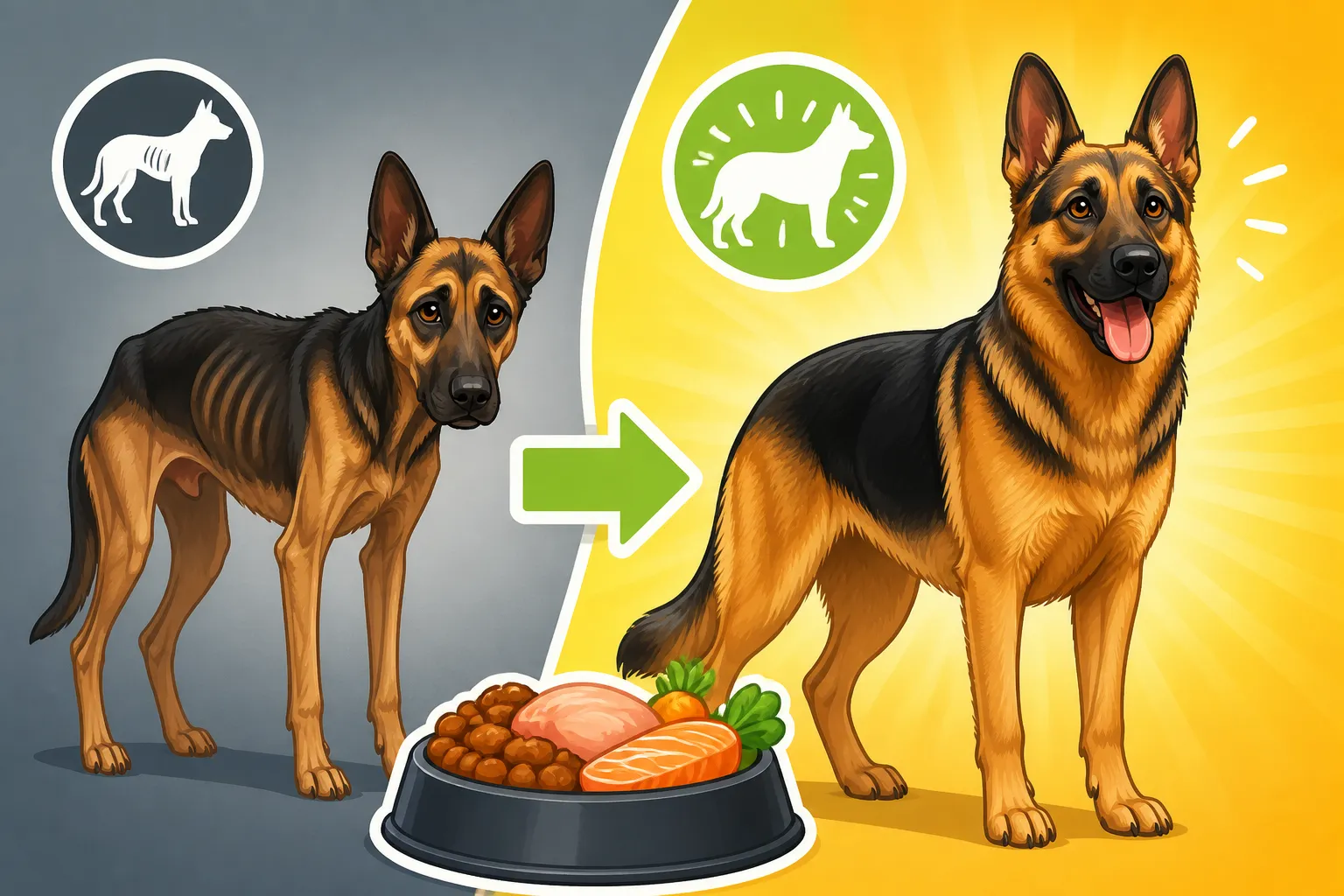
It’s incredibly distressing to watch your magnificent German Shepherd start losing weight, seeing their ribs or hip bones become more prominent, and feeling that nagging worry in the pit of your stomach. Many owners feel frustrated, trying everything they can think of, yet their beloved dog continues to look too thin. This comprehensive guide will walk you through the common reasons why your German Shepherd might be underweight and provide actionable, empathetic strategies to help them regain a healthy, robust physique.
Understanding Why Your German Shepherd Might Be Underweight
When your German Shepherd starts to look a bit too lean, it's natural to immediately assume they aren't eating enough. While that's often part of the puzzle, the truth is usually a bit more complex. There could be several underlying factors contributing to their weight loss, ranging from hidden health issues to simple dietary imbalances or even their unique metabolism. It's crucial to approach this with a detective's mindset, ruling out the most serious concerns first.
Common Medical Reasons for Weight Loss
The first and most important step when you notice your German Shepherd losing weight is a visit to your veterinarian. This isn't just a suggestion; it's a non-negotiable part of the process. Weight loss can be the first red flag for a variety of serious health conditions that need professional diagnosis and treatment. Trying to simply feed them more without understanding the root cause could delay vital care.
Parasites, both internal and external, are a frequent culprit. Intestinal worms, for instance, can steal nutrients directly from your dog, making it impossible for them to absorb enough calories and vitamins, no matter how much they eat. Fleas and ticks, while less directly linked to severe weight loss, can cause chronic discomfort and stress, leading to a general decline in health. Regular deworming and parasite prevention are key components of a healthy dog.
Gastrointestinal issues, like inflammatory bowel disease (IBD) or Exocrine Pancreatic Insufficiency (EPI), are particularly common in German Shepherds and can severely impact their ability to digest and absorb food. With EPI, their pancreas doesn't produce enough digestive enzymes, so food literally passes through them without its nutrients being utilized. This leads to persistent diarrhea, a ravenous appetite, and significant weight loss. If your German Shepherd is always hungry but losing weight, EPI should definitely be on the vet's list. Our detailed article on German Shepherd EPI: Symptoms and Treatment can give you a deeper understanding of this specific condition. Pancreatitis is another painful condition that can lead to digestive upset and a reluctance to eat, further contributing to weight loss.
Even something as seemingly minor as dental disease can cause a German Shepherd to drop weight. Imagine trying to eat with a throbbing toothache or painful gums. They might be hungry but simply can't chew comfortably, leading them to eat less or even refuse food. Regular dental check-ups and cleanings are essential for their overall well-being.
More serious illnesses, such as kidney disease, liver disease, certain cancers, or even thyroid imbalances, can also manifest as weight loss. Conditions like Degenerative Myelopathy, while not directly causing weight loss, can reduce activity and muscle mass, making a dog appear thinner or weaker. A thorough veterinary examination, including bloodwork, urinalysis, and possibly fecal tests, will help your vet pinpoint if any of these underlying issues are at play. Our comprehensive German Shepherd Health Problems Guide is a great resource to learn more about potential issues affecting the breed.
Dietary and Nutritional Deficiencies
Once medical causes have been thoroughly investigated and, hopefully, ruled out or are being managed, you can turn your attention to their diet. Sometimes, the problem is as straightforward as your German Shepherd not getting enough calories or the right kind of nutrition from their current food. Even if they appear to eat a lot, the quality and density of their food matter immensely.
A common pitfall is feeding a food that simply isn't calorie-dense enough for a large, active breed like a German Shepherd. Many generic dog foods are formulated for average, moderately active dogs, which might not be sufficient for a GSD with a higher metabolism or significant energy output. They might be eating the recommended cup-per-meal, but if that food is primarily filler and low-quality ingredients, they won't absorb the necessary energy.
Picky eating can also play a role, especially if your dog has been unwell or if their food isn't particularly palatable. Some German Shepherds are just more particular than others, and if they're not excited by their meal, they might leave a significant portion in the bowl. This can be frustrating, as you know they need to eat, but you can't force them.
Finally, if you have multiple pets, food competition could be an issue. A more dominant dog might be eating some of your German Shepherd's portion, or your GSD might feel stressed and rush their meal, leading to poor digestion, or simply not getting their full share. Observing their feeding dynamics can provide valuable clues.
Lifestyle Factors and High Metabolism
Beyond health and diet, a German Shepherd's unique lifestyle and physiological traits can contribute to them being underweight. These dogs are naturally athletic, intelligent, and often have a high drive, which means they burn a lot of energy.
Some German Shepherds have an incredibly high metabolism, similar to human athletes who struggle to gain weight despite eating a lot. If your GSD is always on the go, highly active, or participates in dog sports, their caloric needs can be significantly higher than a more sedentary dog of the same size. What might be enough food for one German Shepherd could be woefully inadequate for another who spends hours running, training, or herding. It's essential to understand that their energy expenditure directly correlates with their food requirements.
Stress and anxiety can also impact appetite and digestion. A German Shepherd prone to separation anxiety, for example, might be too stressed to eat properly when left alone, or may burn through calories due to constant pacing and nervousness. A change in routine, a new environment, or even conflict within the household can manifest as a loss of appetite and subsequent weight loss. Keeping a watchful eye on their behavior alongside their eating habits can shed light on these less obvious factors.
Crafting an Effective Feeding Strategy for Weight Gain
Once you've ruled out significant medical issues with your vet, or if you're managing an ongoing condition, it's time to fine-tune your German Shepherd's diet. The goal isn't just to feed them more, but to feed them smarter. We want to provide easily digestible, nutrient-dense calories that support healthy weight gain without upsetting their stomach.
Choosing the Right High-Calorie, Nutrient-Dense Food
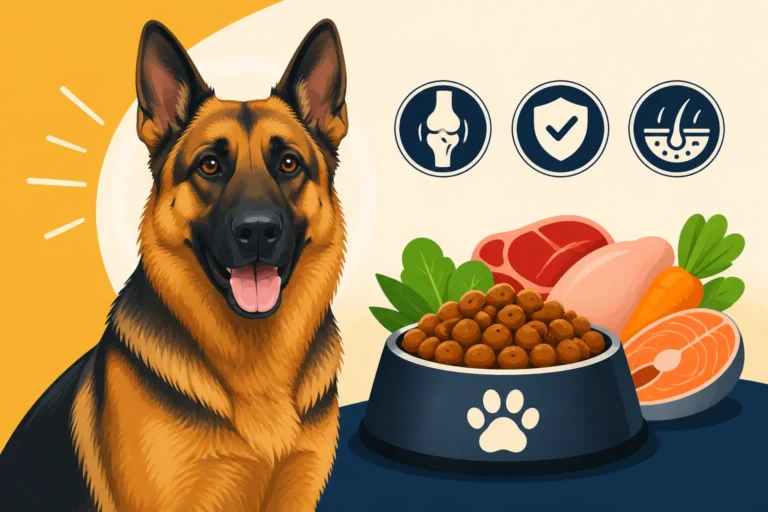
The foundation of any successful weight gain strategy for a German Shepherd lies in selecting the right food. You'll need to look beyond generic "all life stages" formulas and focus on foods specifically designed for active, large breeds or those with higher caloric needs.
When scrutinizing food labels, prioritize formulas with a higher protein and fat content. Look for foods where meat is the primary ingredient, not grain fillers. A good benchmark for a weight-gain diet for a German Shepherd would be a protein content of around 25-30% and a fat content of 15-20% or even higher. These macronutrients provide the most concentrated forms of energy. Foods marketed as "performance," "sporting dog," or "puppy" formulas (even for adult underweight dogs, under vet guidance) often fit this profile.
Digestibility is also key. Even the most calorie-rich food won't help if your German Shepherd can't properly digest it. Look for foods that use high-quality, easily digestible ingredients. Some brands offer specific "large breed" or "sensitive stomach" formulas that can be beneficial if your dog has a delicate digestive system.
You'll find a wide variety of suitable foods on platforms like Chewy and Amazon, making it easy to compare nutritional panels and read reviews. Some popular brands known for their higher calorie options include Purina Pro Plan Sport, Victor, and some of the more premium brands like Orijen or Acana, which often boast higher protein and fat percentages. Don't be afraid to read our article on the Best Dog Food for German Shepherds for an in-depth review of top contenders. For picky eaters, or those needing extra hydration and palatability, consider incorporating quality wet food or fresh food options. Brands like Ollie, which offer fresh, human-grade meals, can be particularly appealing to dogs who turn their noses up at kibble.
Optimizing Feeding Schedule and Portions
Simply increasing the amount of food in their bowl overnight isn't always the best approach. A sudden large influx of food can upset their digestive system, leading to diarrhea or even increasing the risk of bloat, a serious concern for German Shepherds. Instead, think about a gradual and consistent increase.
Start by slowly increasing their current portion by about 10-15% over a few days. Monitor their stool and overall demeanor. If everything seems fine, you can incrementally increase it again. The goal is to find a sweet spot where they are eating enough to gain weight without experiencing digestive upset.
Instead of one or two large meals, consider splitting their daily food allowance into three or four smaller, more frequent meals throughout the day. This can be especially helpful for dogs with sensitive stomachs or those who struggle to eat a lot at once. Smaller meals are often easier to digest and can keep their metabolism working steadily. If you're wondering How Much to Feed a German Shepherd, remember that the recommended amounts on food bags are often just a starting point and may need adjustment for weight gain.
Observe their eating habits closely. Are they finishing their meals? Are they eating quickly or slowly? If they're leaving food behind, it might indicate that the portion is too large for a single sitting, or that they're not keen on the food itself.
Incorporating Weight-Boosting Supplements and Additions
Beyond the main meal, strategic additions and supplements can provide an extra caloric boost and support overall health, aiding in weight gain.
Healthy fats are your best friend here. Adding a tablespoon or two of high-quality, easily digestible fat sources to their meals can significantly increase calorie intake without adding much volume. Good options include:
- Fish oil: Rich in Omega-3 fatty acids, it's not just a caloric boost but also fantastic for their coat, skin, and joint health. Just make sure it's a reputable brand of fish oil designed for pets.
- Cooked, unseasoned meat fats: Small amounts of beef tallow or chicken fat (cooled) can be added. Be cautious with this, as too much can cause pancreatitis. Always introduce new fats slowly and in small quantities.
- Goat's milk or kefir: These can add calories and provide probiotics, which are beneficial for gut health and digestion.
- Pumpkin puree (canned, plain): While not high-calorie, it aids digestion and can help settle upset stomachs, improving nutrient absorption.
When it comes to supplements, a good probiotic can be incredibly beneficial, especially if your German Shepherd has a history of digestive upset or has been on medication. A healthy gut microbiome is crucial for efficient nutrient absorption. Digestive enzymes, particularly if your vet suspects a mild pancreatic insufficiency not severe enough for a full EPI diagnosis, can also aid in breaking down food. Our guide on German Shepherd Joint Health Supplements also touches on the importance of overall health support.
Always introduce any new food additions or supplements gradually over several days to avoid digestive upset. Start with a very small amount and slowly increase it to the recommended dose.
Monitoring Progress and Adjusting Your Approach
Putting weight on a skinny German Shepherd is a marathon, not a sprint. It requires patience, keen observation, and a willingness to adjust your strategy based on how your dog responds. You’re aiming for steady, healthy weight gain, not a rapid increase that could stress their system.
Regular Weight Checks and Body Condition Scoring
Consistent monitoring is crucial to ensure your efforts are effective and that your German Shepherd is gaining weight at a healthy pace. Simply looking at your dog isn't always enough, especially with a thick double coat.
Weigh your German Shepherd weekly or bi-weekly. If you have a large breed, this might mean a trip to the vet's office, where they usually have a large animal scale you can use. Keep a simple log of their weight to track progress. What you're aiming for is a gradual increase, perhaps 1-2 pounds a week, depending on how underweight they are.
Beyond the number on the scale, learn to assess your dog's Body Condition Score (BCS). This is a visual and tactile assessment of your dog's fat reserves and muscle mass. A healthy German Shepherd should have:
- Ribs that are easily felt but not visibly prominent. You should be able to run your hands along their sides and feel each rib with slight pressure, but they shouldn't protrude sharply.
- An hourglass figure when viewed from above. Their waist should tuck in behind the ribs, but not dramatically.
- A slight tuck-up from the side. Their abdomen should rise slightly from their chest to their hind legs.
A dog that is too thin will have easily visible ribs, spine, and hip bones, and a very pronounced waist and abdominal tuck. Your vet can show you how to properly assess BCS during your check-ups. This is a much better indicator of true health than just weight alone, as muscle mass plays a significant role in their overall build. If you're unsure if your German Shepherd is too thin or on the verge of being How to Tell If a German Shepherd Is Overweight, a BCS chart can offer visual guidance.
Troubleshooting Common Challenges
Even with the best intentions, you might hit a few bumps in the road. It’s normal, and it doesn’t mean you’re failing; it just means you need to re-evaluate.
One of the most common challenges is continued pickiness. If your German Shepherd is still not enthusiastic about their food, try different high-calorie options or methods of serving. Sometimes adding warm water or bone broth to kibble can make it more palatable and aromatic. Mixing in some plain cooked chicken or lean ground beef (unseasoned, of course) can also entice them. Experiment with different textures – some dogs prefer soft, wet food over dry kibble.
Slow progress can also be disheartening. If your German Shepherd is gaining weight very slowly or has plateaued, it might be time to gently increase their portions further or consider another caloric booster. Re-evaluate their activity level – are they burning more calories than you realize? Ensure they have a calm, quiet place to eat where they feel secure and aren't rushed or competing with other pets.
If at any point you notice new symptoms – lethargy, vomiting, diarrhea, or a sudden loss of appetite after a period of improvement – it's crucial to revisit your vet immediately. These could be signs of an underlying issue resurfacing or a new problem entirely. Our guide on German Shepherd Bloat Emergency: What to Do outlines an immediate critical health concern that all GSD owners should be aware of, though it’s not directly related to chronic weight loss.
When to Consult Your Veterinarian Again
A good relationship with your vet is invaluable throughout this process. You should always be in communication with them, especially if your German Shepherd isn't responding to your efforts.
If, after several weeks of consistent effort and dietary adjustments, your German Shepherd shows no significant improvement in weight or body condition, it's definitely time for another vet visit. There might be a medical issue that wasn't initially apparent or one that has progressed. Your vet might suggest further diagnostics, such as more in-depth blood panels (German Shepherd Bloodwork: What to Test), imaging, or specialized tests.
Additionally, if your German Shepherd develops any new, concerning symptoms, regardless of their weight, seek veterinary attention. Early detection and intervention are always best, especially with a breed prone to various health issues like the German Shepherd. Remember, your vet is your partner in your dog's health journey. Don't hesitate to reach out with any questions or concerns.
Example High-Calorie Food & Addition Options
Here's a quick look at some general categories of food and additions that can help your German Shepherd put on weight, focusing on their typical nutritional profiles.
| Food Type/Addition | Protein Content (%) | Fat Content (%) | Key Benefits for Weight Gain |
|---|---|---|---|
| High-Performance Kibble | 28-32 | 18-22 | Concentrated calories, complete nutrition |
| Quality Wet Food | 8-12 (on dry matter) | 5-8 (on dry matter) | Highly palatable, increased hydration, easy to digest |
| Raw Food Diet (balanced) | 15-20 | 10-15 | High bioavailability, often very palatable |
| Cooked Chicken/Lean Beef | High | Moderate | Excellent lean protein, highly palatable |
| Fish Oil (added to food) | N/A | High | Calorie dense, Omega-3s for coat/skin/joints |
| Goat's Milk/Kefir (added) | Moderate | Moderate | Adds calories, probiotics for gut health |
| Pumpkin Puree (added) | Low | Low | Aids digestion, can improve appetite (not calorie-rich) |
Note: Protein and fat percentages for wet and raw food are often listed on an "as-fed" basis and need to be converted to a "dry matter" basis for comparison with kibble. Always ensure raw diets are balanced and consulted with a vet or canine nutritionist.
Disclaimer
The information provided in this article is for educational purposes only and is not intended to be a substitute for professional veterinary advice, diagnosis, or treatment. Always seek the advice of your veterinarian or other qualified animal health provider with any questions you may have regarding a medical condition.