How Much Protein Does a German Shepherd Need
One of the most common worries for German Shepherd owners, myself included, revolves around what we're actually putting into our beloved dog's bowls. It’s easy to feel overwhelmed by the sheer volume of dog food options out there, each claiming to be the best, and all with varying protein percentages. We've all stood in the pet food aisle, squinting at labels, wondering, "Am I giving my German Shepherd enough of the good stuff?" This guide is here to cut through the confusion and help you understand exactly how much protein your German Shepherd needs to thrive, ensuring they stay healthy and energetic for years to come.
Understanding Your German Shepherd's Protein Needs
It’s no secret that German Shepherds are magnificent, powerful dogs. Their athletic build, keen intelligence, and high energy levels demand a diet that can truly fuel them. Protein isn't just a buzzword; it's the bedrock of their physical well-being. Without adequate, high-quality protein, you might notice a range of issues from dull coats to muscle weakness, which is definitely not what any dedicated German Shepherd parent wants to see.
Why Protein is Crucial for German Shepherds
Think of protein as the building blocks for every single cell in your German Shepherd's body. It's not just about big muscles, though that's certainly a visible benefit! Protein is essential for repairing tissues, growing new cells, producing enzymes and hormones, and maintaining a healthy immune system. For a breed like the German Shepherd, known for its active nature and predisposition to certain joint issues, robust muscle mass supported by a protein-rich diet can even help stabilize joints and provide crucial support, particularly for their hips and elbows. A strong muscular structure can make a real difference in how they carry themselves, especially as they age.
Moreover, protein plays a vital role in keeping their immune system in top shape, which is incredibly important for such an active and often working breed. A well-functioning immune system means they're better equipped to fend off illnesses and recover faster. When protein intake is insufficient, your dog's body might start breaking down its own muscle tissue to get the amino acids it needs, leading to muscle loss, weakness, and a generally compromised state. It's a fundamental part of their German Shepherd Health Problems Guide.
Factors Influencing Protein Requirements
It would be wonderfully simple if there was one magic protein percentage for all German Shepherds, but alas, it's not that straightforward. Several factors significantly influence how much protein your individual dog truly needs. Age, activity level, reproductive status, and overall health all play a crucial role in determining their dietary requirements. A high-energy working line German Shepherd training for IGP, for instance, will burn through protein much faster than a senior, mostly sedentary companion dog. It's a nuanced balancing act, and understanding these variables is key to optimizing their diet.
A growing puppy, for example, needs a higher percentage of protein to support rapid development of bones, muscles, and organs. A pregnant or lactating female also has incredibly elevated protein needs to support her own health and the growth of her puppies. Conversely, a German Shepherd recovering from an injury might need increased protein for tissue repair, while an older dog with kidney issues might require a carefully controlled, often lower, protein diet under veterinary guidance. This is why a blanket recommendation often falls short – you need to consider your German Shepherd.
Minimum Protein Guidelines
So, what’s the baseline? Generally speaking, the Association of American Feed Control Officials (AAFCO) sets minimum protein recommendations for dogs. For adult dogs, this minimum is typically around 18% on a dry matter basis. For growing puppies and lactating females, it’s higher, at approximately 22%. However, these are absolute minimums to prevent deficiency, not necessarily optimal levels for a German Shepherd, especially one with a high drive or specific genetic predispositions. Many premium large-breed dog foods formulated for German Shepherds often contain protein levels in the 25-30% range for adults and even higher, sometimes 28-32%, for puppies.
For a German Shepherd, a more realistic and often recommended range for adult dogs tends to be between 22-28% protein, while puppies thrive on something closer to 28-32%. Remember, these are general guidelines for healthy, active German Shepherds. If your dog is a high-performance athlete, like a working dog or one participating in agility or Schutzhund, their needs might skew even higher, potentially reaching 30-35% or more, particularly during periods of intense activity or recovery. It's important to differentiate between general pet food standards and what truly suits a robust, athletic breed like ours. You can find more specific guidance in a comprehensive German Shepherd Nutrition Essentials article.
Deciphering Dog Food Labels and Protein Sources
Navigating the world of dog food can feel like trying to solve a puzzle written in another language, especially when you're trying to figure out protein content. The percentage listed on the bag is just one piece of the puzzle; the source and quality of that protein are equally, if not more, important. A high percentage from a low-quality source isn't going to benefit your German Shepherd as much as a slightly lower percentage from a premium, highly digestible source.
How to Read a German Shepherd Food Label
When you're picking up a bag of kibble, whether it's from Chewy or a local pet supply store, the first thing you'll usually see is the "Guaranteed Analysis." This section lists the minimum percentages of crude protein, crude fat, maximum crude fiber, and maximum moisture. Crude protein is important, but it doesn't tell the whole story. What you really want to pay attention to is the ingredients list.
Ingredients are listed in descending order by weight. So, the first few ingredients are what make up the bulk of the food. For a German Shepherd, you want to see a high-quality animal protein source as the very first ingredient. This could be chicken meal, lamb meal, beef, salmon, or turkey. The term "meal" (e.g., "chicken meal") can actually be a denser source of protein than whole chicken because most of the water has been removed, concentrating the protein. If the first ingredient is a grain or a vague "meat by-product," it’s often a red flag that the protein quality might not be optimal for your active German Shepherd. Learning How to Read a German Shepherd Food Label can be a game-changer for informed feeding decisions.
High-Quality vs. Low-Quality Protein Sources
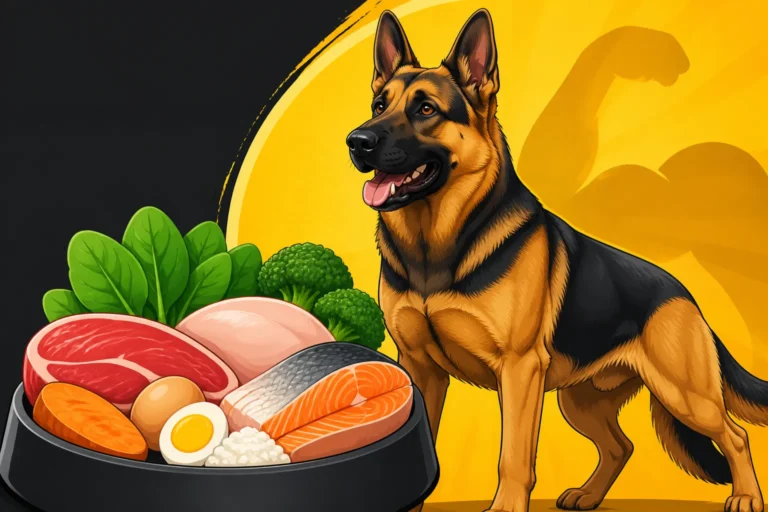
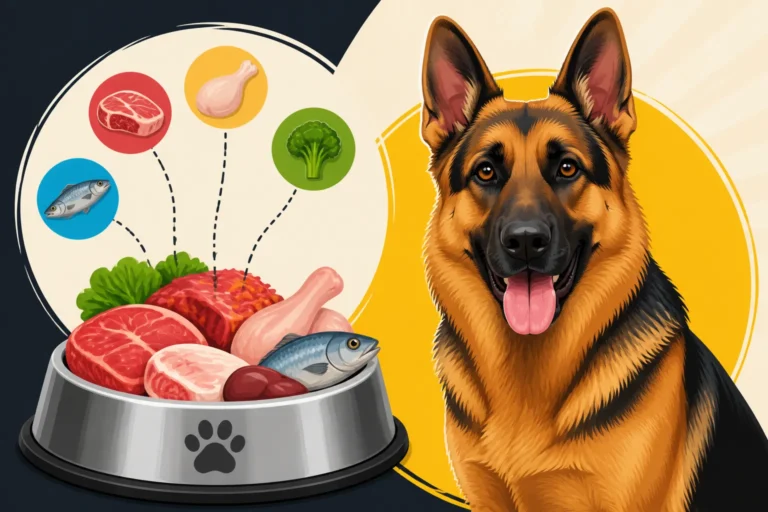
The difference between high-quality and low-quality protein really comes down to digestibility and the amino acid profile. High-quality protein sources provide a complete array of essential amino acids that dogs cannot produce on their own. These are readily digestible and bioavailable, meaning your German Shepherd's body can efficiently absorb and utilize them. Examples include muscle meats, organ meats, and eggs. Meat meals from named sources (like chicken meal, lamb meal) are also excellent sources as they are concentrated forms of protein.
Low-quality proteins, on the other hand, might be less digestible or lack a complete amino acid profile. These can include vague "meat by-products" or plant-based proteins used solely to boost the crude protein number without providing the full nutritional spectrum. While some plant-based proteins can contribute to a balanced diet, they shouldn't be the primary or sole source for a breed like the German Shepherd that thrives on animal protein. The goal isn't just how much protein, but how useful that protein is to your dog's body.
Common Protein Sources in Dog Food
Let's break down some common protein sources you'll encounter and what they mean for your German Shepherd's diet:
- Chicken, Beef, Lamb, Turkey, Salmon, Duck: These whole meats are excellent primary protein sources. However, remember they contain a lot of water, so if "chicken" is the first ingredient, the actual dry matter protein contribution might be less than you think.
- Chicken Meal, Lamb Meal, Salmon Meal: These are fantastic! "Meal" indicates that the meat has been cooked and rendered to remove most of the water and fat, leaving behind a concentrated protein powder. This often means a higher actual protein content by dry weight compared to whole meat listed first.
- Eggs: A nearly perfect protein source, eggs contain all essential amino acids and are highly digestible. You'll often see them in high-quality puppy formulas or specialty diets.
- Legumes (Peas, Lentils, Chickpeas): These contribute protein, but their amino acid profile isn't as complete as animal proteins. They can be good secondary sources but shouldn't dominate the ingredients list.
- Soy: While a protein source, soy is often a common allergen for dogs and is generally not preferred as a primary protein source in high-quality German Shepherd diets.
When evaluating a food, aim for at least two high-quality, named animal protein sources in the first few ingredients. Whether you're looking at premium brands available on Amazon or specialized diets from a vendor like Ollie, always scrutinize that ingredient list to ensure your German Shepherd is getting the best building blocks possible. For those interested in alternative diets, exploring a Raw Diet for German Shepherds Explained can offer another perspective on protein delivery.
Adjusting Protein for Different Life Stages and Lifestyles
Just like human athletes need different nutrition than toddlers or seniors, your German Shepherd’s protein needs shift dramatically throughout their life. What’s perfect for a boisterous puppy might be too much or too little for an older dog, or simply inadequate for a working dog. Tailoring their diet to their specific stage and activity level is paramount for their long-term health and vitality.
Protein for Growing Puppies
German Shepherd puppies grow incredibly fast, but their growth plates are delicate and need careful management. Too much of certain nutrients, or an imbalanced diet, can actually contribute to developmental orthopedic diseases like hip and elbow dysplasia later in life. While protein is crucial, the focus should be on a balanced diet formulated specifically for large breed puppies. A crude protein range of 28-32% is generally considered appropriate for German Shepherd puppies. This level supports muscle and tissue development without over-stressing their skeletal system, provided the calcium and phosphorus levels are also balanced.
Feeding a diet designed for large breed puppies ensures not only the right protein percentage but also the correct ratios of minerals vital for bone development. Overfeeding calories or certain minerals can be just as detrimental as underfeeding protein. Following a proper German Shepherd Puppy Feeding Schedule and choosing a food with appropriate protein for their rapid development is one of the best investments you can make in their future health. Brands like Purina Pro Plan often have large breed puppy formulas specifically designed with these considerations in mind.
Protein for Active Adults and Working Dogs
This is where your German Shepherd’s breed really shines, and their protein needs can be quite high. An adult German Shepherd with a moderate activity level—daily walks, playtime, maybe some weekend hikes—will generally do well with a protein content in the 22-28% range. However, for true working dogs, those involved in Schutzhund, agility, search and rescue, or police work, their energy demands are significantly higher, and so are their protein requirements. These dogs often benefit from diets with 30-35% crude protein, sometimes even more during peak training or performance seasons.
The increased protein helps with muscle repair and recovery after strenuous exercise, maintains lean muscle mass, and provides a sustained energy source. For these highly active dogs, consider foods specifically marketed as "performance," "sporting dog," or "active adult" formulas, as these are typically denser in calories and protein. When you're constantly on the go with your working companion, their food is their fuel, and you can't skimp on quality or quantity of protein. It's often recommended to look for a Best High-Protein Food for a Working German Shepherd to meet these demanding needs.
Protein for Senior German Shepherds
As German Shepherds enter their golden years, typically around 7-8 years old, their activity levels often decrease, and their metabolism can slow down. It’s a common misconception that senior dogs automatically need less protein. In fact, some studies suggest that senior dogs, particularly those prone to muscle wasting, may benefit from higher protein levels (around 25-30%) to help maintain lean muscle mass and support immune function. The key is that the protein should be highly digestible and the overall calorie count might need to be adjusted downwards to prevent obesity, as a German Shepherd Weight and Obesity Risks can lead to joint strain and other health problems.
Many senior dog foods aim for moderate protein with fewer calories. However, always consult your veterinarian, especially if your senior German Shepherd has pre-existing conditions like kidney disease. For dogs with compromised kidney function, a lower protein diet might be recommended to reduce the workload on their kidneys, but this is a specific medical recommendation and not a general rule for all seniors. The goal is to support muscle integrity without overtaxing their systems, making sure their diet is providing sustained health for their later years.
Special Considerations: Health Issues and Allergies
Sometimes, health issues can dramatically alter your German Shepherd’s protein requirements. For instance, dogs with Exocrine Pancreatic Insufficiency (EPI), a condition German Shepherds are prone to, often require highly digestible protein sources to maximize nutrient absorption. Conversely, a German Shepherd with kidney disease might need a controlled, lower protein diet to reduce the burden on their kidneys, as mentioned before.
Food allergies are another common concern, where certain protein sources (like chicken or beef) might trigger adverse reactions. In such cases, your vet might recommend novel protein diets (e.g., duck, venison, rabbit) or hydrolyzed protein diets where the protein molecules are broken down to be less allergenic. Always work closely with your veterinarian or a board-certified veterinary nutritionist when dealing with specific health conditions or suspected allergies to tailor the diet appropriately. Whether it's a German Shepherd Pancreatitis Diet or addressing German Shepherd Allergies: Symptoms and Treatment, a veterinarian's input is invaluable.
Monitoring Your German Shepherd's Health and Protein Intake
Feeding your German Shepherd isn't a "set it and forget it" task. You need to be an active observer of their health, energy levels, and overall condition. Their body language, coat quality, muscle tone, and even their stools can offer valuable clues about whether their current protein intake is hitting the mark.
Signs of Adequate vs. Inadequate Protein
A German Shepherd receiving adequate, high-quality protein will typically exhibit:
- Lustrous, healthy coat: Shiny, full, and free from excessive shedding (beyond their normal blowouts!).
- Good muscle tone: Firm, defined muscles, especially noticeable on their hindquarters and shoulders. They should have a good physique, not look "skinny fat" or bony.
- Consistent energy levels: Sustained energy throughout the day, without extreme highs or crashes.
- Healthy immune system: Less prone to minor infections, good recovery from stress.
- Good body condition score: Not overweight, not underweight, but lean and athletic. You should be able to feel their ribs easily without seeing them protruding.
Conversely, signs of inadequate protein can include:
- Dull, dry, or brittle coat: Often accompanied by excessive shedding or poor skin health.
- Muscle wasting: Visible loss of muscle mass, particularly over the spine, hips, and shoulders. They might look gaunt or frail.
- Lethargy and low energy: A general lack of enthusiasm or quick tiring during activity.
- Poor immune response: More frequent illnesses, slower recovery times.
- Poor wound healing: Slower repair of cuts or scrapes.
It’s about more than just numbers on a bag; it's about seeing the results in your dog. If you notice any concerning changes, it's always best to consult with your vet.
Consulting Your Vet and Dietitians
Let me be absolutely clear: while this guide provides extensive information, it cannot replace the personalized advice of a qualified veterinarian or a board-certified veterinary nutritionist. They are your ultimate resource for tailoring a diet specific to your German Shepherd's unique needs, especially if there are underlying health conditions. Your vet can perform blood work to check organ function, assess overall health, and recommend specific dietary changes. They can also help you determine your dog's ideal weight and body condition score, providing a baseline for dietary adjustments.
If you’re considering a specialized diet, like a raw diet or a homemade diet, consulting with a veterinary nutritionist is even more critical. They can ensure the diet is nutritionally complete and balanced, preventing any deficiencies or excesses that could harm your German Shepherd in the long run. Many reputable online pet supply retailers, like Chewy or Amazon, also offer guidance or resources to connect you with veterinary professionals or certified nutritionists who can help you make informed choices about brands and formulations. Never hesitate to seek professional guidance; it’s one of the best ways How to Keep a German Shepherd Healthy and ensure they receive the optimal amount and type of protein for a long, vibrant life.
| Life Stage/Activity Level | Recommended Crude Protein (Dry Matter) | Key Considerations |
|---|---|---|
| Puppy (Large Breed) | 28-32% | Balanced calcium/phosphorus, supports rapid growth. |
| Adult (Moderate Activity) | 22-28% | Maintenance, muscle health, general vitality. |
| Adult (High Activity/Working) | 30-35%+ | Muscle repair, sustained energy, recovery from strenuous work. |
| Senior (Healthy) | 25-30% | Muscle mass maintenance, immune support; adjust calories to prevent obesity. |
| Senior (Kidney Issues) | Vet-recommended lower percentage | Minimize kidney workload; highly digestible. |
| Allergies/Sensitivities | Novel or Hydrolyzed Proteins | Avoid triggers; vet guidance essential. |
Disclaimer
The information provided in this article is for general informational purposes only and does not constitute veterinary advice. Always consult with a qualified veterinarian or a board-certified veterinary nutritionist for any health concerns or before making any changes to your German Shepherd's diet or care routine. Individual dietary needs can vary significantly.