How to Keep a German Shepherd’s Teeth Clean Naturally
As German Shepherd parents, we often fret about their boundless energy, their intense loyalty, and, let's be honest, their shedding. But one crucial aspect that often gets overlooked, until there's a problem, is their dental health. It’s incredibly frustrating to notice bad breath or painful chewing, knowing that dental disease can lead to much more serious health issues down the line. This guide is here to walk you through practical, natural ways to keep your German Shepherd's teeth sparkling and their gums healthy, helping you prevent those worrying dental dilemmas.
The Gnawing Problem: Why German Shepherds Need Special Dental Attention
You love your German Shepherd's magnificent presence, but along with their impressive stature comes a need for robust dental care. Unlike us, they can't brush their own teeth, and left unchecked, plaque and tartar can build up rapidly, leading to gum disease, pain, and even systemic infections. It's not just about bad breath – though that's certainly a tell-tale sign! Dental issues can seriously impact your dog's quality of life, making eating uncomfortable and potentially leading to more severe health conditions.
German Shepherds, like many larger breeds, are prone to dental issues if not properly managed. Their powerful jaws and propensity for chewing can actually be an asset if directed towards appropriate dental aids, but it can also be a hindrance if they're chewing on things that damage their teeth or if their diet isn't conducive to oral hygiene. Many owners feel overwhelmed, thinking that professional cleanings are the only solution, which can be costly and requires anesthesia. While vet cleanings are sometimes necessary, there's a lot you can do at home to minimize that need and keep their mouths healthy naturally.
The progression of dental disease often starts subtly. First, a soft film of bacteria and food particles, called plaque, forms on the tooth surface. If not removed daily, plaque mixes with minerals in saliva and hardens into tartar. This rough, porous substance then provides an ideal surface for more plaque to accumulate, eventually pushing under the gumline. This leads to gingivitis (gum inflammation), and if it progresses further, periodontitis, which can destroy the bone and soft tissues supporting the teeth, causing pain, tooth loss, and allowing bacteria to enter the bloodstream. Understanding this cycle helps us appreciate why consistent, natural home care is so vital.
Building a Healthy Foundation: The Role of Diet in Oral Health
What goes into your German Shepherd's mouth is just as important as what comes out of it, and diet plays a massive, often underestimated, role in maintaining natural dental cleanliness. Many of us simply pour kibble into a bowl, assuming it's enough, but the reality is more nuanced.
The Myth and Reality of Kibble for Dental Health
For years, many dog food companies have marketed crunchy kibble as a way to clean teeth. While some specifically formulated dental kibbles exist, the vast majority of regular dry dog food offers minimal dental benefits. Think about it: does eating a cracker clean your teeth? Not really. Most kibble shatters upon impact, often before it has a chance to scrape away plaque effectively from the tooth surface. It might clean the very tips of the teeth, but it doesn't address the critical gumline area where most problems begin. In fact, many kibbles are high in carbohydrates, which can stick to teeth and contribute to plaque formation.
However, choosing a high-quality kibble with beneficial ingredients is still important for overall health, which indirectly supports dental health. Look for brands with quality protein sources and fewer fillers. If you are feeding kibble, pairing it with other natural dental care methods is crucial. For guidance on appropriate feeding, you might want to read our article on How Much to Feed a German Shepherd or explore general nutritional advice in our German Shepherd Feeding Guide.
Exploring Raw and Fresh Food Benefits
Many proponents of raw feeding argue that a raw, species-appropriate diet, especially one that includes raw meaty bones, is the most natural way to keep a dog's teeth clean. The act of tearing meat off bones and gnawing on softer, edible bones provides a fantastic natural abrasive action that helps scrape away plaque and tartar. This isn't just theory; many owners who switch to a raw diet report a significant reduction in tartar buildup and fresher breath.
Consider the chewing motion: when a German Shepherd crunches through a raw chicken neck or a beef rib, the fibrous meat and bone scrape against the tooth surface, much like natural floss. This is a far more effective cleaning mechanism than dry kibble. Brands like Ollie offer fresh, human-grade food delivery services that, while not raw bones, provide high-quality, minimally processed food that can be a step in the right direction for overall health, potentially reducing the sticky residues that processed foods can leave behind. If you're interested in diving deeper into this approach, our comprehensive guide on Raw Diet for German Shepherds Explained offers a lot more detail.
Dental-Friendly Ingredients and Supplements
Beyond raw bones, certain foods and supplements can support oral health.
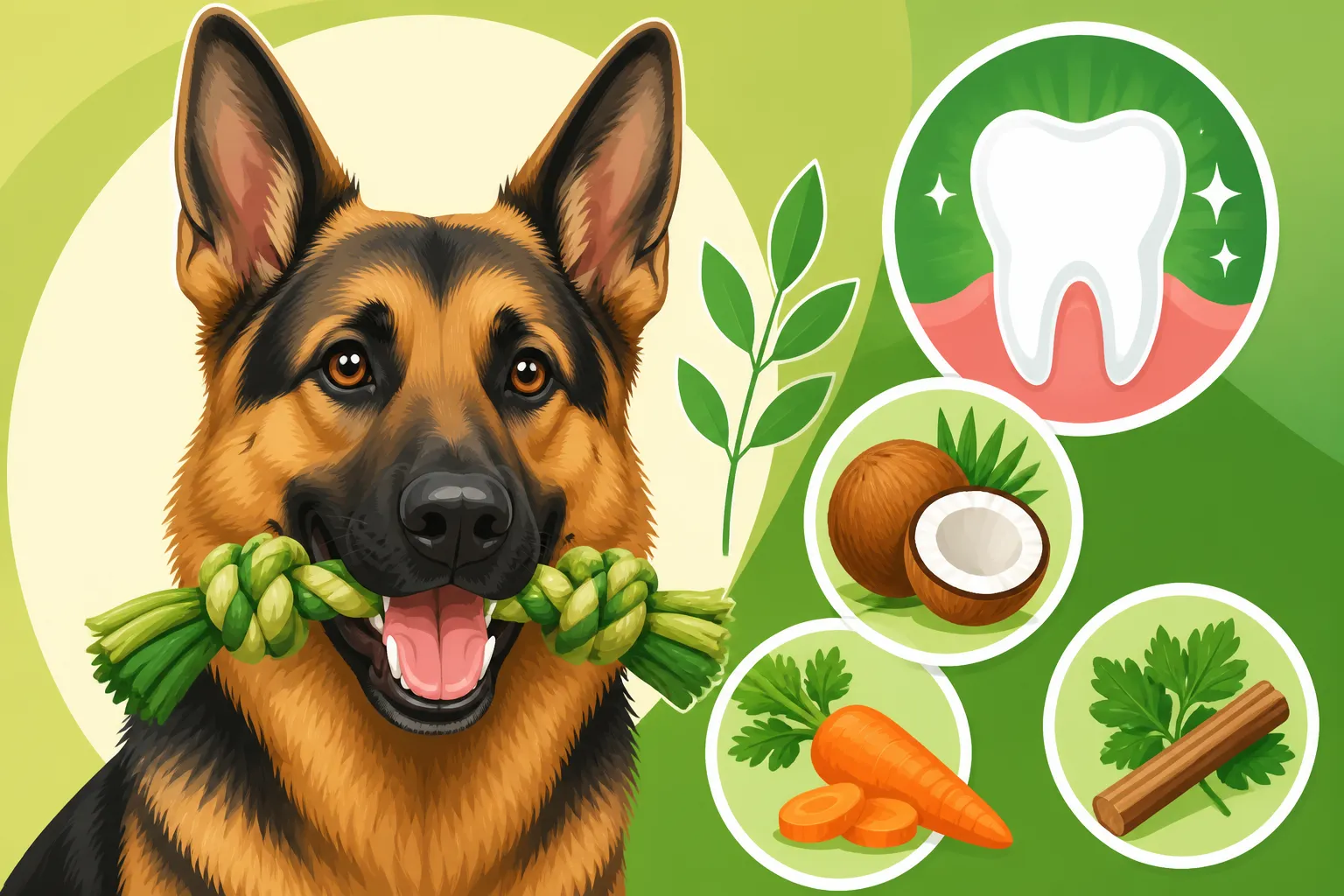
- Fibrous Vegetables: Adding crunchy vegetables like carrots, celery, or apple slices (without seeds) can provide a mild abrasive action and encourage chewing, which naturally cleans teeth.
- Omega-3 Fatty Acids: Supplements rich in Omega-3s, like fish oil, can reduce inflammation in the gums, which is a key component of periodontal disease. Look for high-quality supplements available on platforms like Amazon or Chewy. These also contribute to a healthy coat and skin, making them a double win. You can find more information on general supplementation in Best Supplements for German Shepherds.
- Probiotics: A healthy gut microbiome can positively impact overall health, including oral health. Some studies suggest that specific probiotic strains can help inhibit the growth of bacteria associated with plaque and bad breath.
- Herbal Additions: Certain herbs like parsley can act as natural breath fresheners. While they won't clean teeth, they can certainly make those close-up moments more pleasant!
Chew On This: Selecting the Right Natural Dental Chews and Toys
When it comes to keeping your German Shepherd's teeth clean naturally, appropriate chewing is your secret weapon. But not all chews are created equal, and choosing the wrong one can do more harm than good. The goal is to provide safe, durable items that encourage gnawing and scraping action.
Raw Meaty Bones for Superior Cleaning
As mentioned in the diet section, raw meaty bones are a powerhouse for dental hygiene. Not weight-bearing bones (like femurs from large animals, which are too dense and can cause fractured teeth), but softer, edible bones like raw chicken necks, chicken feet, turkey necks, or beef ribs (uncooked and sized appropriately for your GSD). The scraping action as your German Shepherd works through the bone and attached cartilage helps remove plaque and tartar. Always supervise your dog when giving raw bones and ensure they are appropriately sized to prevent choking. Never give cooked bones, as they can splinter and cause internal damage.
Purpose-Built Dental Chews
There's a vast market for dental chews specifically designed to reduce plaque and tartar. While some contain ingredients aimed at reducing bacteria, many rely on their texture and shape to physically scrape the teeth. Look for chews that are appropriately sized for a large, powerful chewer like a German Shepherd. Brands like Greenies (often found on Chewy or Amazon) are popular, but always read ingredient lists carefully to avoid unnecessary fillers or allergens. The best dental chews are those that are hard enough to provide abrasive action but flexible enough not to cause tooth fractures. You can get more specific recommendations in our guide to Best Dental Chews for German Shepherds.
| Chew Type | Dental Benefit | Safety Considerations | Frequency | Where to Buy |
|---|---|---|---|---|
| Raw Meaty Bones (e.g., chicken necks, turkey necks) | Excellent plaque & tartar removal, gum massage | Choking hazard if too small, avoid weight-bearing bones, always raw | 2-3 times per week (supervised) | Local butcher, specialty pet stores |
| Purpose-Built Dental Chews (e.g., Greenies, Dentalife) | Moderate plaque & tartar reduction, breath freshening | Some ingredients may cause sensitivities, can be consumed quickly | Daily to every other day | Pet stores, Chewy, Amazon |
| Durable Rubber Chew Toys (e.g., Kong, Nylabone) | Helps clean teeth with nubs/ridges, satisfies chewing instinct | Ensure appropriate size for GSD, monitor for damage/ingestion | Daily (supervised, or left for enrichment) | Pet stores, Chewy, Amazon |
| Bully Sticks / Yak Chews | Long-lasting, good for scraping | High calorie, potential for small pieces to be swallowed | 1-2 times per week (supervised) | Pet stores, Chewy, Amazon |
| Raw Carrots / Apple Slices | Mild abrasion, promotes chewing, vitamins | Choking hazard if too large, high sugar content in apples | Several times per week (moderate amounts) | Grocery store |
Durable Chew Toys for Gum Health and Entertainment
Beyond edible chews, non-edible chew toys are fantastic for maintaining dental hygiene and satisfying your German Shepherd's natural urge to chew. Look for toys made from durable rubber or nylon that are designed with textures, nubs, or ridges that can help scrape plaque from tooth surfaces and massage gums. A classic example is a Kong toy (though not a contextual brand, it's a prime example of a durable, textured chew). Filling these with dog-safe peanut butter or plain yogurt and freezing them can provide hours of mentally stimulating and teeth-cleaning entertainment.
Always select toys that are appropriate for your German Shepherd's size and chewing strength. A toy that's too small can be a choking hazard, and one that's too soft won't provide the necessary dental abrasion. Regularly inspect toys for wear and tear, and replace them when they start to break down to prevent your dog from ingesting pieces. Engaging in appropriate chewing from a young age is also important, as highlighted in our German Shepherd Puppy Training Guide.
Hands-On Help: Easy Home Care for a Fresher German Shepherd Breath
While diet and chews do a lot of heavy lifting, some direct intervention from you can dramatically boost your German Shepherd's natural dental care routine. Don't worry, it doesn't always mean wrestling them with a toothbrush, though that's certainly the gold standard!
The Power of Brushing (Even if It's Tricky)
Yes, brushing remains the most effective way to remove plaque before it hardens into tartar. Even if it feels daunting with a large German Shepherd, a few times a week can make a huge difference. Start slowly, making it a positive experience with treats and praise.
- Finger Brushes: These soft, silicone brushes fit over your finger and can be less intimidating for some dogs than a traditional toothbrush. They allow you to gently rub the teeth and gumline, familiarizing your dog with the sensation.
- Dog-Specific Toothbrushes and Toothpaste: Use a toothbrush designed for dogs (angled for their mouth shape) and never human toothpaste, as it contains ingredients toxic to canines. Dog toothpastes come in appealing flavors like chicken or beef, making the experience more palatable for your furry friend.
- Dental Wipes: On days when a full brushing isn't possible, dental wipes (often infused with plaque-fighting enzymes) can be a quick and easy way to wipe down the tooth surfaces and gumline. They're particularly useful for targeting the outside surfaces of the back teeth, where tartar often accumulates.
Remember, even just getting them used to having your fingers in their mouth is a win. Work up to a full brushing session gradually, focusing on the outer surfaces of the teeth first. Consistent effort is key here, not perfection.
Water Additives and Oral Rinses
For German Shepherds who are resistant to direct brushing or wiping, water additives and oral rinses can offer a supplementary layer of protection.
- Water Additives: These are tasteless and odorless solutions that you simply add to your dog's drinking water. They contain enzymes or other compounds designed to break down plaque, reduce bacteria, and freshen breath. While they won't remove existing tartar, they can help prevent new buildup. Brands like TropiClean Fresh Breath or Healthy Mouth are readily available on Chewy and Amazon and are often recommended by vets as an easy daily preventative measure.
- Oral Rinses/Sprays: These can be sprayed directly into your dog's mouth or applied to a gauze pad and rubbed on the teeth. Like water additives, they work to inhibit bacterial growth and refresh breath. They can be particularly useful after meals if you're concerned about food particles lingering. Again, ensure any product you choose is specifically formulated for dogs and contains safe, beneficial ingredients.
It's important to remember that these methods are usually most effective as part of a multi-pronged approach and should not replace professional veterinary dental advice or other home care methods entirely, especially if significant tartar is already present.
Beyond the Basics: Supporting Dental Health Through Lifestyle and Vet Partnership
Keeping your German Shepherd's teeth clean naturally isn't just about what you feed them or what chews you provide; it's also about their overall lifestyle and an ongoing partnership with your veterinarian. Even with the best natural intentions, professional guidance is invaluable.
The Impact of Exercise and Mental Stimulation
A well-exercised German Shepherd is generally a healthier German Shepherd, and this extends to their oral health. Adequate physical activity and mental stimulation reduce boredom and anxiety, which can sometimes manifest as destructive chewing on inappropriate items (like furniture or objects that can damage teeth). When they're happily tired from a good run or a challenging training session, they're less likely to seek out undesirable chewing opportunities. Directing their natural chewing drive towards beneficial dental chews or toys becomes much easier when their other needs are met. This holistic approach is fundamental to How to Keep a German Shepherd Healthy.
Moreover, regular exercise keeps their immune system robust, which helps them fight off infections, including those that can arise from dental disease. A dog with a strong immune system is better equipped to handle bacterial challenges in their mouth.
Regular Veterinary Check-ups and Professional Cleanings
Even with a fantastic natural dental care routine, regular veterinary check-ups are non-negotiable. Your vet can perform a visual examination of your German Shepherd's mouth during their annual wellness visits and spot early signs of dental disease that you might miss. They can assess gum health, look for broken or loose teeth, and recommend further action if necessary.
Sometimes, professional dental cleaning under anesthesia is required, especially if significant tartar has built up below the gumline or if there are painful, infected teeth. Don't view this as a failure of your natural methods, but rather as a necessary step in a comprehensive dental care plan. Natural methods help extend the time between professional cleanings, reduce the severity of issues, and contribute to overall oral health, but they don't always eliminate the need for veterinary intervention entirely. Discuss your home care routine with your vet; they can offer personalized advice and support. Our article German Shepherd Health Problems Guide delves into various health aspects, including dental disease.
Understanding German Shepherd Dental Challenges by Age
Dental care needs can also change as your German Shepherd ages.
- Puppies: Focus on establishing good chewing habits with appropriate puppy-safe chew toys and introducing gentle mouth handling. This sets the stage for future brushing success.
- Adults: This is the prime time for diligent preventative care with daily brushing, dental chews, and a good diet to prevent tartar buildup.
- Seniors: Older German Shepherds might have accumulated more tartar over the years, or developed worn/broken teeth. They may also be more prone to gum inflammation or sensitivity. Your vet might recommend more frequent check-ups, and you might need to adjust their diet (e.g., soften food) if chewing becomes painful. Our German Shepherd Senior Care Guide offers valuable insights into caring for older dogs.
By combining a thoughtful diet, appropriate chewing aids, consistent home care, and regular veterinary oversight, you can empower your German Shepherd to enjoy a lifetime of good oral health and flash those pearly whites with pride. It takes dedication, but the reward of a healthy, happy companion is immeasurable.
Disclaimer
The information provided in this article is for general informational purposes only and is not intended as a substitute for professional veterinary advice. Always consult with a qualified veterinarian regarding any health concerns or before making any changes to your German Shepherd's diet, dental care routine, or medical treatment.