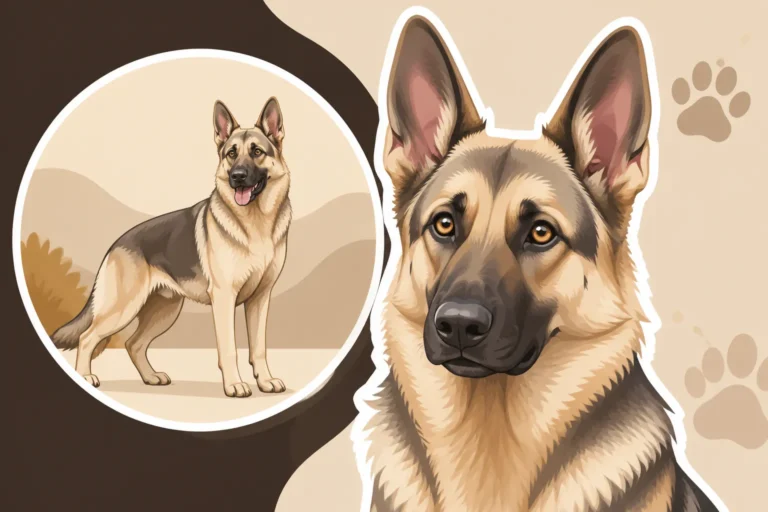
West German Show Line German Shepherd Explained
Bringing a German Shepherd into your life is an incredibly rewarding experience, but it can also be a little overwhelming when you start digging into all the different "lines" out there. If you've ever heard terms like "West German Show Line" and felt a bit lost, wondering what makes them unique, how they differ from other GSDs, or if one is the right fit for your family, you're not alone. This guide is here to unravel the specifics of the West German Show Line German Shepherd, explaining their origins, characteristics, and what it truly means to welcome one of these magnificent dogs into your home.
What Exactly is a West German Show Line German Shepherd?
When we talk about German Shepherds, it's not just one homogenous group. There are distinct lines, each bred with slightly different priorities over generations. The West German Show Line is one of the most recognized and sought-after, known for its adherence to a specific breed standard that emphasizes both beauty and underlying working ability.
Tracing Their Origins and Purpose
To understand the West German Show Line, we have to look back to post-World War II Germany. After the war, when the breed was being rebuilt and redefined, strict standards were put in place by the Verein für Deutsche Schäferhunde (SV), the original German Shepherd Dog Club. The goal was to produce dogs that exemplified the breed's founder, Max von Stephanitz's, vision: a dog that was beautiful, structurally sound, intelligent, and capable of working. This meant that while these dogs were certainly bred for conformation (how well they fit the physical breed standard), they also had to prove their working capabilities through titles.
Unlike some other lines that might prioritize extreme working drives, the West German Show Line aimed for a harmonious balance. Breeders sought dogs with excellent temperaments suitable for family life, but still possessing the intelligence, courage, and trainability inherent to the German Shepherd breed. This dual emphasis on conformation and working ability is a hallmark that continues to define this line today, setting it apart from purely show-ring focused lines in other countries or purely working lines.
The Idealized Appearance and Conformation
The appearance of a West German Show Line German Shepherd is perhaps what most people picture when they think of the breed. They possess a noble and powerful look, with a strong, athletic build. There's often a misconception about their backs being extremely "sloped" to the point of being detrimental, but in reality, the correct angulation in a West German Show Line GSD is about fluid movement and powerful drive from the hindquarters, not an exaggerated, unhealthy slope.
The ideal conformation includes a well-angulated rear, strong topline, powerful forequarters, and a balanced overall structure that allows for an effortless, ground-covering gait. Pigmentation is usually rich and vibrant, with the classic black and red or black and tan being the most common and desired colors. Breeders strive for excellent pigment because it's often seen as an indicator of good health and genetic quality. Every aspect, from ear set to tail carriage, is considered against a meticulous standard, aiming for a dog that looks majestic and performs admirably.
Distinguishing Characteristics of the West German Show Line
Beyond their captivating appearance, West German Show Line German Shepherds have a suite of characteristics that set them apart. These traits are a direct result of decades of selective breeding focused on the SV standard.
Temperament and Drive
One of the most appealing aspects of a well-bred West German Show Line German Shepherd is their temperament. They are typically known for being steady, confident, and highly intelligent. While they are protective of their families and homes, they are generally not overly aggressive or "hyper" in the way some high-drive working lines can be. Instead, you'll find a dog that is alert, watchful, and possesses a strong desire to be involved in family activities.
They are inherently eager to please and respond very well to consistent, positive training. Their intelligence means they pick up commands quickly, but it also means they require mental stimulation to stay happy and out of trouble. While they do have a prey drive and protective instincts, these are usually well-controlled and channelable, making them excellent candidates for various dog sports like obedience, agility, and even some levels of protection work, all while being fantastic family companions. It’s this balanced drive that makes them so versatile. For more on their typical demeanor, check out our guide on German Shepherd Temperament and Personality.
Physical Attributes and Build
Physically, West German Show Line German Shepherds are impressive animals. They are typically medium to large-sized dogs, with males usually standing 24-26 inches at the shoulder and weighing between 65-90 pounds, while females are slightly smaller, 22-24 inches and 50-70 pounds. They have a strong bone structure, deep chests, and powerful musculature, giving them an athletic yet refined appearance.
Their coats are almost always of the double-coat variety, meaning they have a dense undercoat for insulation and a coarser, weather-resistant outer coat. Common colors include the iconic black and red, black and tan, and various shades of sable. Rich pigmentation is highly prized, and you'll rarely see dilute colors like blue or liver in this line due to the strict breeding standards. Their movement is fluid and powerful, reflecting the soundness of their structure, allowing them to cover ground efficiently with an impressive trot.
Health Considerations Specific to the Line
Despite their careful breeding, German Shepherds, including the West German Show Line, are prone to certain genetic health issues. The most well-known concern is German Shepherd Hip Dysplasia Explained and elbow dysplasia. Responsible West German Show Line breeders are absolutely meticulous about health testing their breeding stock. They typically utilize evaluations from organizations like the Orthopedic Foundation for Animals (OFA) or the University of Pennsylvania Hip Improvement Program (PennHIP) to ensure that only dogs with good or excellent joint health are bred.
Beyond joint issues, like all large, deep-chested breeds, they can be susceptible to bloat (gastric dilatation-volvulus), a life-threatening condition. Other concerns might include degenerative myelopathy (DM), a progressive neurological disease. While reputable breeders screen for DM with DNA tests to avoid breeding two carriers, it's still a condition to be aware of. Keeping your West German Show Line German Shepherd healthy involves careful diet, proper exercise, and regular vet check-ups. Our German Shepherd Health Problems Guide delves deeper into these topics.
The Show Ring and Breeding Philosophy
The breeding philosophy behind the West German Show Line is deeply rooted in tradition and a rigorous commitment to the breed standard. It's not just about winning ribbons; it's about preserving and improving the breed for future generations.
Understanding the SV Breed Standard
The SV (Verein für Deutsche Schäferhunde) in Germany sets the global standard for the German Shepherd breed. For a West German Show Line German Shepherd to be considered for breeding, it must not only meet strict conformation standards but also demonstrate specific working abilities. This means passing temperament tests, performing Schutzhund (now IGP) titles, which include tracking, obedience, and protection phases. A dog with an IGP1, 2, or 3 title demonstrates its intelligence, trainability, courage, and sound nerves—qualities essential for a true German Shepherd.
Furthermore, breeding dogs must undergo a "Körung" or breed survey, where independent judges evaluate the dog's structure, temperament, and working ability to determine if it's worthy of contributing to the gene pool. This comprehensive approach ensures that the West German Show Line maintains its balance of beauty, brains, and working drive. It's this dedication to a holistic standard that differentiates the German approach from many other countries.
The Role of Pedigrees and Sieger Titles
In the West German Show Line world, pedigrees are much more than just a family tree; they are a blueprint of a dog's genetic potential and proven abilities. A strong pedigree will show generations of dogs with health clearances, working titles, and high conformation ratings. Breeders pour over these documents, often looking for specific traits and working abilities passed down through champion lines.
The pinnacle of achievement in the conformation ring is the German Sieger title. This prestigious award is given annually to the top male (Sieger) and female (Siegerin) German Shepherds at the German Sieger Show, the world's largest GSD specialty show. A Sieger title is a testament to a dog's exceptional conformation, temperament, and working ability, making them highly sought-after for breeding programs globally. The presence of Sieger or Siegerin dogs in a puppy's pedigree often indicates careful, quality breeding and can influence the price and demand for puppies from such a lineage. For more on ensuring good breeding practices, refer to our guide on German Shepherd Genetic Health Testing.
Living with a West German Show Line German Shepherd
Bringing a West German Show Line German Shepherd into your home means preparing for a vibrant, intelligent, and loyal companion. These aren't dogs that are content to simply lie on the couch all day; they thrive on interaction and purpose.
Exercise and Mental Stimulation Needs
While West German Show Lines are often calmer than their working line counterparts, they are still German Shepherds, which means they have significant energy and need an outlet. Daily exercise is non-negotiable. This isn't just a quick stroll around the block; we're talking about vigorous walks, runs, hikes, or dedicated playtime in a securely fenced yard. A minimum of 60-90 minutes of active exercise spread throughout the day is a good starting point for an adult.
Beyond physical exertion, mental stimulation is paramount. These dogs are incredibly smart, and a bored German Shepherd is prone to destructive behaviors like excessive barking, chewing, or digging. Engage their minds with puzzle toys, training sessions that teach new commands, scent work, or even participating in dog sports. Finding quality interactive toys can be easy on sites like Chewy, offering a variety of options to keep their brains engaged. Remember, a mentally tired dog is often a happy, well-behaved dog.
Training and Socialization
The intelligence and eagerness to please of West German Show Line German Shepherds make them highly trainable. However, consistency and positive reinforcement are key. Start training and socialization early, ideally as a puppy. Puppy classes are an excellent way to introduce them to new environments, people, and other dogs in a controlled setting. This early exposure is crucial for developing a well-adjusted, confident adult.
Continue with obedience training throughout their lives. Basic commands are just the beginning; these dogs enjoy learning new things and excel in advanced obedience. Their strong bond with their handler makes them excellent partners for a variety of activities. If you’re getting a puppy, our German Shepherd Puppy Training Guide offers a comprehensive approach to getting started on the right paw. Remember, a well-trained German Shepherd is a joy to live with, and it solidifies their role as a respected member of your family.
Grooming and Care
West German Show Line German Shepherds typically have a dense double coat that requires regular maintenance. They are moderate to heavy shedders year-round, with "blowing coat" twice a year (spring and fall) where shedding intensifies significantly. Regular brushing, at least 2-3 times a week, is essential to remove loose hair, prevent matting, and distribute natural oils. During shedding season, daily brushing might be necessary. A good quality slicker brush, an undercoat rake, and a de-shedding tool are indispensable.
Beyond coat care, regular nail trims, ear cleaning, and dental hygiene are crucial components of their overall care. Investing in a good dental care routine, whether through brushing, dental chews, or professional cleanings, will contribute significantly to their long-term health. High-quality food is also vital for maintaining their health and energy levels, and you can find many excellent large-breed formulas on platforms like Chewy that cater to the specific nutritional needs of German Shepherds. For a more detailed look into keeping their coats pristine, read our article on How to Groom a German Shepherd.
Comparing West German Show Lines to Other German Shepherd Lines
Understanding the West German Show Line often involves comparing it to other distinct lines within the German Shepherd breed, particularly working lines and American show lines. These comparisons highlight the specific breeding philosophies and goals that shape each type of GSD.
West German Show Line vs. Working Line German Shepherds
The most significant difference between the West German Show Line and true working line German Shepherds (like Czech or East German DDR lines) lies in their primary breeding focus and, consequently, their drives and appearance. While West German Show Lines maintain a balance of conformation and working ability, working lines prioritize extreme drive, athleticism, and mental toughness above all else, often with less emphasis on the precise aesthetic standards of the show ring.
Working lines are bred for specific jobs—police work, military, search and rescue, or high-level Schutzhund/IGP sport. They typically possess a much higher prey drive, stronger protective instincts, and an almost insatiable need for a "job" to do. Their structure is often less angulated in the rear, favoring endurance and functional movement over the flashy trot seen in the show ring. For a family simply looking for a pet, a working line GSD can be far too intense and demanding, requiring a very experienced handler and a significant commitment to advanced training. The West German Show Line, while still intelligent and capable, offers a more moderate temperament that generally integrates better into a typical active family home. You can dive deeper into this topic with our piece on Working Line vs Show Line German Shepherd.
West German Show Line vs. American Show Line German Shepherds
The divergence between the West German Show Line and American Show Line German Shepherds is primarily one of breed standard interpretation and breeding goals. While both are bred for conformation, the American Show Line has evolved to prioritize a very specific aesthetic that often differs significantly from the SV standard. American lines typically feature much more exaggerated rear angulation, sometimes leading to a more sloped back and an almost crouching gait that, while eye-catching in the ring, can sometimes compromise long-term structural soundness if taken to extremes.
The emphasis on working titles for breeding is also considerably less stringent in the American show system compared to the West German system. While some American breeders do incorporate working titles, it's not a universal requirement for breeding stock in the same way it is under the SV. This can sometimes lead to dogs with beautiful appearances but potentially softer temperaments or less inherent working drive. West German Show Lines strive for a dog that is functional, sound, and beautiful according to the SV standard, with proven working ability as a prerequisite for breeding, creating a more balanced dog that adheres closely to the breed's original purpose.
Is a West German Show Line German Shepherd Right For You?
Deciding if any dog breed is right for you is a big commitment, and with a West German Show Line German Shepherd, it's particularly important to assess your lifestyle and readiness for this intelligent, active, and loyal companion.
Assessing Your Lifestyle
These dogs thrive in environments where they are truly part of the family, receiving ample attention, training, and exercise. If you lead a very busy lifestyle with little time for daily walks, training sessions, or mental enrichment, a West German Show Line GSD might not be the best fit. They need consistency, structure, and a clear leader. They're not "backyard dogs" meant to be left alone for long periods; they crave interaction and purpose.
Consider your living situation. While they can adapt to apartment living if their exercise and mental needs are met, a home with a securely fenced yard is often ideal, providing space for them to play and explore safely. They are excellent with children and other pets when properly socialized from a young age, making them wonderful family dogs for active households. Ultimately, if you are an engaged, active owner willing to dedicate time to training and companionship, a West German Show Line German Shepherd will reward you with unparalleled loyalty and a truly fulfilling bond. Read more about their suitability as companions in Are German Shepherds Good Family Dogs.
Finding a Reputable Breeder
If you've decided a West German Show Line German Shepherd is the dog for you, finding a reputable breeder is the single most critical step. A good breeder will be transparent, knowledgeable, and dedicated to the health and temperament of their dogs. Look for breeders who:
- Health Test: They should provide proof of OFA or PennHIP clearances for hips and elbows, and ideally DNA tests for degenerative myelopathy (DM) for both parents.
- Emphasize Working Titles: Even for a show line, seeing SchH/IPO/IGP titles on the parent dogs' pedigrees is a strong indicator of sound temperament and working ability.
- Show Their Dogs: Breeders who actively compete in conformation shows demonstrate their commitment to the breed standard.
- Screen Buyers: A responsible breeder will ask you many questions about your lifestyle and experience to ensure their puppies go to suitable homes.
- Offer Guarantees and Support: They should provide a health guarantee and be a lifelong resource for advice and support.
Avoid any breeder who offers "rare colors" at inflated prices, doesn't health test, or is eager to sell a puppy without proper vetting. Taking the time to research and choose a reputable breeder, perhaps even visiting their kennel, is an investment in a healthy, well-adjusted companion for years to come. Our detailed guide on How to Find a Reputable German Shepherd Breeder can walk you through this process.
Disclaimer
The information provided in this article is for general informational purposes only and does not constitute veterinary advice. Always consult with a qualified veterinarian for any health concerns or before making any decisions about your pet's health or treatment.