German Shepherd as a Guard Dog
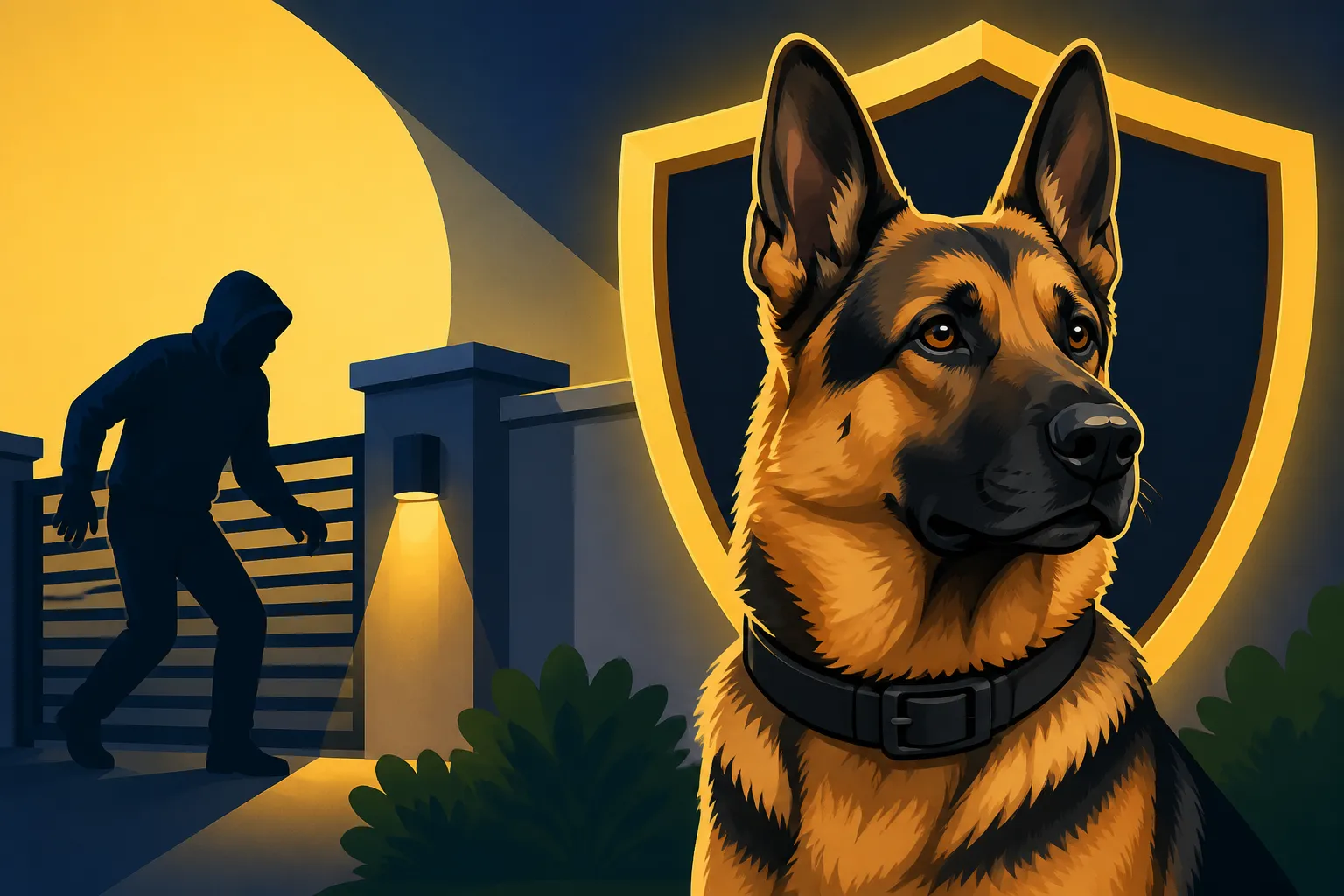
It’s a common image, isn't it? The majestic German Shepherd, standing alert, eyes scanning the perimeter, a formidable presence protecting its home and family. Many of us are drawn to this incredible breed precisely because of that innate loyalty and protective spirit. But owning a German Shepherd as a guard dog isn't as simple as just bringing one home and expecting them to automatically know what to do. It’s a complex journey filled with understanding their instincts, dedicated training, and unwavering commitment from you. This guide will help you unpack what it truly means to have a German Shepherd fulfill that guardian role responsibly and effectively.
Understanding the German Shepherd's Natural Guarding Instincts
German Shepherds carry a rich history as working dogs, bred for intelligence, courage, and a strong sense of duty. These aren't traits that were just accidentally developed; they were carefully cultivated over generations. When we talk about them as guard dogs, we're really tapping into these deep-seated instincts that make them so uniquely suited for the role.
Historical Roots of Their Protective Nature
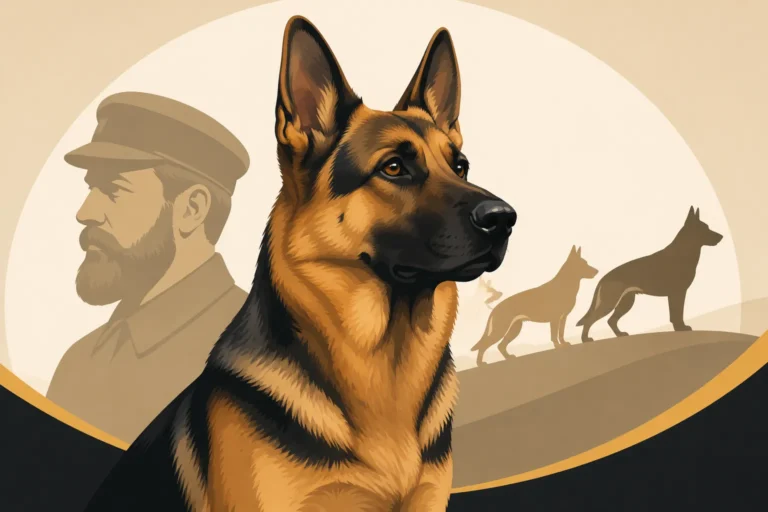
Imagine the rugged landscapes of Germany in the late 19th century. Max von Stephanitz, the breed's founder, envisioned a dog that was not only intelligent and trainable but also incredibly resilient and protective of its flock. They were originally sheep herders, and this job required them to not just herd, but also to guard against predators and thieves. This wasn't about aggressive attacks, but about being an imposing presence, a watchful eye, and a deterrent. That fundamental instinct to observe, assess, and protect their charges—whether sheep or people—is etched into their DNA.
This heritage means that a German Shepherd isn't just a pet; they are a companion with a powerful legacy. Their alertness, their tendency to bond deeply with their family, and their natural wariness of strangers are all direct descendants of this working past. When they stand between you and a perceived threat, they aren't just acting on instinct; they're echoing generations of ancestors who did the same for their flock or their human family.
Innate Traits That Make Them Excellent Guardians
So, what exactly are these innate traits that make them stand out? First and foremost, their intelligence. German Shepherds are highly intelligent and possess an incredible capacity for learning. This isn't just about learning tricks; it's about their ability to understand complex situations, differentiate between normal and abnormal, and respond appropriately. They can discern a friendly visitor from someone with ill intent, often long before you can.
Secondly, their loyalty is profound. Once a German Shepherd accepts you as their family, that bond is unbreakable. They see their family unit as their flock to protect, and they take this role seriously. This deep connection fuels their protective drive, making them incredibly motivated to keep you safe. Their physical presence also speaks volumes. They are large, powerful dogs with a commanding presence, and their bark alone can be a significant deterrent. Many a delivery person can attest to the booming voice of a German Shepherd on the other side of a door! Their physical attributes, combined with their sharp minds and loyal hearts, create a natural guardian. For more on their fundamental characteristics, you might want to read our guide on the German Shepherd Temperament and Personality.
Training Your German Shepherd for Guard Duties
While German Shepherds have incredible natural instincts, a truly effective and safe guard dog is not born; it's carefully and thoughtfully trained. Relying solely on instinct can lead to unpredictable behavior, which is the last thing you want in a powerful dog. Proper training harnesses their potential and channels it into controlled, reliable protection.
Foundations: Obedience and Impulse Control
Before you even think about "guard dog training," you need to lay a rock-solid foundation of basic obedience. This isn't optional; it's absolutely non-negotiable. Your German Shepherd must respond to your commands instantly, every single time, without hesitation. Commands like "sit," "stay," "come," and "down" are their language for understanding your expectations and for you to maintain control in any situation.
Think about it: if your dog isn't reliably obedient, how can you trust them to differentiate between a friend and a foe, or to disengage from a situation when commanded? Impulse control is equally vital. This means teaching them to resist reacting to distractions, whether it's a squirrel, another dog, or a stranger approaching. This takes patience and consistent training, often involving repetition in various environments. A dog that can control its impulses is a dog you can trust with increased responsibility. You can find excellent resources for starting this journey in our German Shepherd Puppy Training Guide.
Differentiating Alerting from Aggression
This is where many owners get confused, and it’s a crucial distinction. A good guard dog is an alerter, not an indiscriminate aggressor. Their primary job is to make you aware of a potential threat and to deter intruders through their presence and bark. They should not be lunging, snapping, or attacking without a clear, specific command from you.
Training your German Shepherd to alert means teaching them to bark at unusual noises or sights, but then to stop barking on command ("quiet"). You want them to stand their ground, project confidence, and make it clear that they are observing. This controlled response requires careful shaping. For instance, you can reward them for barking at the doorbell, then immediately reward them again when they stop barking on your "quiet" command. The goal is to develop a discerning guardian who can escalate their response only when truly necessary and always under your direction. This involves using high-value treats and durable training tools, which you can often find readily available on sites like Chewy.
Specialized Guard Dog Training Methods
Once the foundation is solid, some owners choose to pursue specialized training. This is not something you should attempt on your own without professional guidance. True guard dog training, or protection work, involves skilled trainers who understand canine behavior, legal liabilities, and advanced techniques. These trainers work to enhance the dog’s natural protective instincts in a controlled and safe manner.
Methods often involve scenario-based training where a "decoy" acts as an intruder. The dog learns to respond to specific threats, and critically, learns to turn off that response instantly on command. This isn't about making your dog mean; it's about channeling their drive into a highly disciplined form of protection. Without expert oversight, trying to "train" a German Shepherd to be aggressive can lead to a dangerous, unpredictable animal that is a liability to everyone. If you're serious about this path, seek out reputable trainers with certifications in protection sports or K9 work, like those associated with Schutzhund or IGP.
The Critical Role of Socialization for a Guard Dog
It might sound counterintuitive to heavily socialize a dog you intend to be a guard dog, but I promise you, it's one of the most vital steps. A properly socialized German Shepherd is a confident, stable, and reliable guard dog, not a fearful or aggressive one.
Preventing Fear-Based Aggression
An unsocialized dog, especially one as powerful as a German Shepherd, is often a fearful dog. And fear, my friends, is the absolute number one precursor to aggression. If a dog hasn't been exposed to a wide variety of people, places, sounds, and other dogs in a positive way during their critical developmental periods, they can become anxious and reactive when faced with unfamiliar situations. This isn't true guarding; it's a desperate attempt to create distance from something scary.
A German Shepherd who guards out of fear is unreliable. They might lash out at an innocent child, a well-meaning visitor, or even a sudden noise. You want a dog that can calmly assess a situation, discern real threats, and respond confidently, not a dog that panics. Early and ongoing socialization builds confidence and teaches your dog that the world isn't a scary place, allowing their true protective instincts to emerge in a controlled, appropriate manner. Our guide on How to Socialize a German Shepherd offers a great starting point for this crucial process.
Exposure to Diverse Environments and People
Socialization isn't just about letting your puppy play with other puppies, though that's certainly part of it. It's about intentional, positive exposure to everything they might encounter in their life. Take them to busy parks, quiet cafes, bustling shopping centers (where dogs are allowed, of course), and friend's houses. Let them meet people of all ages, shapes, and sizes, wearing hats, carrying umbrellas, and using wheelchairs. Let them hear loud trucks, sirens, and children screaming with delight.
Each positive experience helps your German Shepherd build a mental library of "normal." When they encounter something new, they're less likely to react with alarm. This constant, positive exposure creates a dog that can remain calm and observant in various scenarios, only reacting when something truly deviates from the norm. This discerning judgment is what separates a truly effective guard dog from a reactive liability. Remember to keep experiences positive with treats and praise, and always ensure their comfort.
The Balance: Confident Friend, Formidable Guardian
The ultimate goal of socialization for a guard dog is to create a well-adjusted dog who is a confident, friendly companion to their family and known associates, but who can quickly switch into a formidable guardian when necessary. They should be approachable and even-tempered with people you welcome into your home, but possess an undeniable presence that discourages unwanted intruders.
This balance is an art, not a science, and it takes consistent effort. You want your German Shepherd to be able to go on a walk in a crowded park without being overly stressed or reactive, yet still be able to stand sentinel over your property. It means teaching them who their "pack" is and who is an "outsider" to be watched, all within a framework of good manners and obedience. A well-socialized German Shepherd doesn't randomly fear; they evaluate.
Beyond Guarding: Understanding Protection Work and Temperament
Often, the terms "guard dog" and "protection dog" are used interchangeably, but there's a significant difference, particularly when discussing formal training and the specific temperamental traits involved. Understanding this distinction is crucial for any German Shepherd owner.
Guarding vs. Personal Protection
Let's clarify:
- Guarding generally refers to a dog's natural or trained ability to deter threats and protect property or family through their presence, bark, and sometimes, controlled physical intervention if absolutely necessary. This often involves territorial behavior – protecting the home, yard, or vehicle. A dog that alerts you to strangers at the door, stands between you and a perceived threat, or barks at someone approaching your car is performing a guarding function. It's often passive deterrence, making an intruder think twice.
- Personal Protection is a much more advanced, specialized form of training where a dog is taught to actively engage and neutralize a human threat on command, or in specific, dangerous circumstances. This isn't about barking at the postman; it's about a highly disciplined response to a direct physical assault on their handler. Dogs in personal protection programs undergo rigorous training with professional decoys and are taught precise bite work, release commands, and control in high-stress situations.
Most German Shepherds have the inherent traits to be excellent guard dogs with proper training and socialization. Very few, however, have the temperament, nerve, and drive necessary for true personal protection work, which requires a specific genetic predisposition and years of expert training.
Temperament for Effective Protection Work
The temperament required for effective protection work goes beyond simple loyalty or bravery. A true protection dog needs to possess several key traits:
- High Drive: They need a strong desire to work, to bite, and to engage. This isn't aggression; it's a drive that can be channeled.
- Strong Nerves: The dog must be incredibly stable under pressure, unfazed by loud noises, sudden movements, or intimidating behavior from a decoy. They can't crumble or become fearful.
- Environmental Soundness: They must be comfortable and confident in any environment, from a quiet park to a bustling city street.
- Intelligence and Trainability: The ability to learn complex commands and make appropriate decisions in dynamic situations is paramount.
- Resilience: The dog must be able to recover quickly from stress or conflict.
A German Shepherd that lacks these specific qualities, even if they are wonderful pets, should not be pushed into protection work. Doing so can create a dangerous and unpredictable animal. Reputable breeders and trainers rigorously test for these traits when selecting dogs for working lines. You can learn more about working line vs show line German Shepherds to understand these distinctions better. Our article on German Shepherd Intelligence and Trainability delves deeper into their mental capabilities.
Recognizing the German Shepherd's Instinctive Protective Drive
Even if you never pursue formal protection training, your German Shepherd will likely exhibit a strong protective drive. This is part of what makes them so special. You'll see it in how they position themselves between you and strangers, how they keep a watchful eye on your children, or how they patrol the yard. This isn't learned behavior in the formal sense; it's an innate desire to keep their loved ones safe.
It's crucial to acknowledge and manage this drive, rather than suppress it entirely or let it run wild. Provide appropriate outlets for their energy and mental stimulation, like regular exercise and puzzle toys, which can be easily sourced from pet supply stores like Chewy. Understand that when they bark at the mail carrier, they're not necessarily being "naughty"; they're performing a form of guarding, however misplaced it might be in that specific context. Your job is to teach them when and how to express this drive appropriately through consistent training and clear boundaries. Our detailed article on German Shepherd Guarding Behavior Explained offers further insights.
Responsibilities and Challenges of Owning a Guard Dog
Deciding to own a German Shepherd, especially with the intent for them to be a guard dog, comes with a substantial set of responsibilities that extend far beyond simply feeding and walking them. It's a commitment to their well-being, to public safety, and to understanding the legal and ethical implications.
Legal and Ethical Considerations
In many places, owning a dog specifically trained for guarding or protection can come with increased legal scrutiny. You may be held to a higher standard of responsibility if your dog ever causes harm, even if provoked. Laws regarding dog bites, "dangerous dog" designations, and liability vary significantly by region, but one thing is constant: as the owner, you are ultimately responsible for your dog's actions. This means ensuring they are always under control, whether on your property or out in public.
Ethically, it's about treating your German Shepherd as a living, thinking being, not just a security system. You have a moral obligation to provide them with a high quality of life, which includes appropriate training, socialization, mental stimulation, and affection. Using a dog purely for guarding without addressing their needs for companionship and exercise can lead to behavioral problems and an unhappy animal. A truly effective guard dog is a happy, balanced dog.
The Importance of Ongoing Training and Management
Training isn't a one-and-done deal. Especially with a German Shepherd in a guarding role, ongoing training and consistent management are absolutely essential. Dogs are not robots; their behavior can regress if not reinforced. Regular refresher sessions for obedience, practicing "alert" and "quiet" commands, and maintaining socialization are critical.
Management also means controlling their environment. This could involve secure fencing, clearly marked "Beware of Dog" signs, or ensuring they are never unsupervised with strangers or children. When guests come over, decide beforehand how your dog will behave: will they be crated, on a leash, or allowed supervised interaction? Being proactive and having a plan prevents unwanted incidents. Think about it like this: your German Shepherd is a powerful tool, and like any powerful tool, it needs careful handling and storage.
Time, Financial, and Emotional Investment
Let's be real: owning a German Shepherd is a huge commitment. As a guard dog, that commitment often doubles. They need significant amounts of exercise—mental and physical—every single day. Without it, they can become bored, destructive, or develop behavioral issues. Imagine a German Shepherd with untapped energy trying to "guard" your couch cushions! You'll find great information on their needs in our German Shepherd Exercise Requirements.
Financially, they're not a cheap breed to own. High-quality food, vet care (especially for a large breed prone to certain health issues), durable toys (again, Chewy is a great resource for tough chew toys!), and potentially professional training or specialized equipment all add up. Emotionally, you need to be prepared for the deep bond you'll form. They rely on you for everything, and their protective nature means they will feel things intensely. You need to be their calm, consistent leader, always. This isn't just a dog; it's a family member with a very important job.
Deciding If a German Shepherd is the Right Guard Dog for You
Bringing a German Shepherd into your life to act as a guard dog is a significant decision. It's not just about what the dog can do, but what you can provide for them. Before taking the leap, it's vital to honestly assess your lifestyle, resources, and commitment.
Assessing Your Lifestyle and Environment
Consider your living situation. Do you have a securely fenced yard? A German Shepherd, especially one with guarding instincts, needs space and security. An unfenced yard is an invitation for trouble, both for your dog and for others. Are you in a rural area, suburb, or city apartment? While some German Shepherds can adapt to apartment living, it demands an even greater commitment to daily exercise and mental stimulation outside the home. Our post on German Shepherd Apartment Living Possible explores this.
Think about your daily routine. Do you work long hours away from home? A German Shepherd needs companionship and purpose. Left alone too much, they can become destructive or develop separation anxiety. Are you an active person who enjoys hiking, running, or long walks? A German Shepherd will thrive with an owner who shares their energetic spirit. If your lifestyle is more sedentary, this might not be the right breed for a guarding role, as their energy will be misdirected.
Personal Commitment and Leadership
Being the owner of a German Shepherd, particularly one expected to guard, requires unwavering commitment and strong, consistent leadership. These dogs are intelligent and powerful, and they need a clear leader to guide them. If you're not prepared to invest the time in training, socialization, and daily interaction, your German Shepherd may become confused about their role, leading to undesirable behaviors.
Leadership isn't about dominance or harshness; it's about clear communication, consistency, and earning your dog's trust and respect. It means being the calm, confident presence they look to for guidance in every situation. This includes reinforcing boundaries, providing structure, and being attuned to their needs. If you're new to dog ownership or not confident in your ability to be a firm yet fair leader, consider enrolling in professional training classes for both you and your dog.
Pros and Cons of a German Shepherd Guard Dog
To help you make an informed decision, let's look at a simple table summarizing the potential advantages and disadvantages:
| Aspect | Pros (Advantages) | Cons (Disadvantages) |
|---|---|---|
| Effectiveness | Highly effective deterrent due to size, presence, and bark. | Requires extensive training to be reliable and safe. |
| Loyalty | Fiercely loyal and protective of family. | Can be overly protective if not properly socialized. |
| Intelligence | Highly trainable, quick to learn and understand commands. | Can be bored and destructive if not mentally stimulated. |
| Health | Generally robust, but prone to specific breed health issues. | Potential for significant vet costs over their lifespan. |
| Bonding | Forms deep, strong bonds with their human family. | Can suffer from separation anxiety if left alone too often. |
| Maintenance | Relatively low grooming needs (apart from shedding). | High exercise and mental stimulation requirements. |
| Public Image | Widely recognized as a capable working/guard dog. | Can be intimidating to some, leading to misconceptions. |
Ultimately, a German Shepherd can be an absolutely incredible guard dog – vigilant, loyal, and capable. But they are not a "set it and forget it" security system. They are living, breathing, feeling beings who need your dedication, patience, and love. When you combine their natural gifts with your responsible ownership, you forge an unbreakable bond and create a guardian that is truly a part of your family.
Disclaimer
This article is for general informational purposes only and does not constitute professional advice. Laws, prices and regulations vary by location and change over time. Consult a qualified professional for guidance on your specific situation.