How to Prevent Hip Dysplasia in German Shepherds
One of the most heartbreaking diagnoses for any German Shepherd parent is hip dysplasia. It's a debilitating condition that can severely impact your beloved dog's quality of life, often leading to pain, lameness, and reduced mobility. The good news is, while genetics play a significant role, there are concrete, proactive steps you can take from puppyhood through adulthood to significantly reduce the risk and severity of this challenging disease. This guide will walk you through everything you need to know to give your German Shepherd the best chance at a long, active, and pain-free life.
Understanding German Shepherd Hip Dysplasia
When we talk about hip dysplasia in German Shepherds, we're discussing a condition that's unfortunately all too common in this magnificent breed. It’s not just a minor ache; it's a fundamental issue with how the hip joint develops. Understanding this development, or lack thereof, is the first step in prevention.
What is Hip Dysplasia?
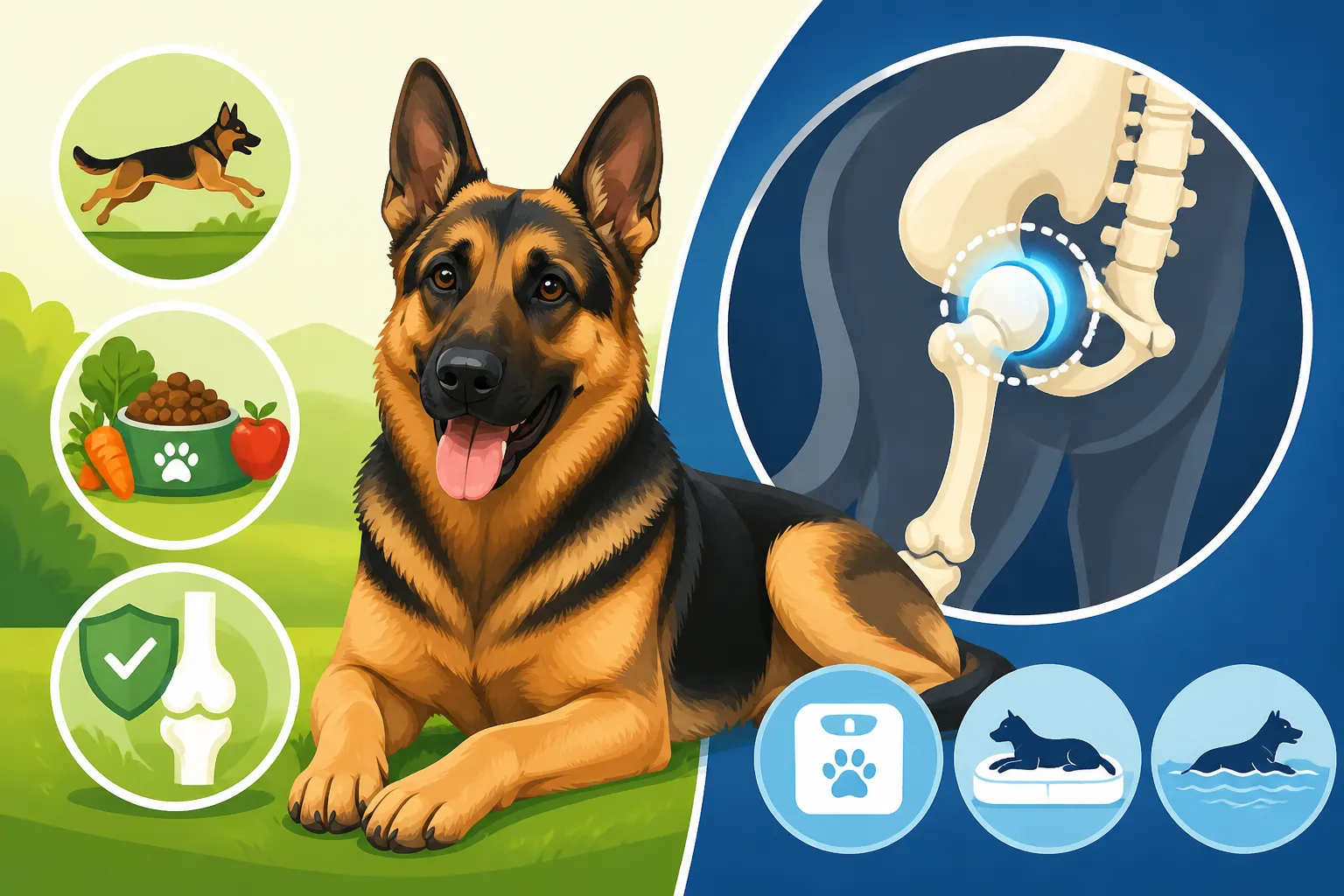
At its core, hip dysplasia is a malformation of the hip joint. In a healthy dog, the hip is a "ball and socket" joint where the head of the femur (the ball) fits snugly into the acetabulum (the socket) of the pelvis. This allows for smooth, pain-free movement. However, with hip dysplasia, this fit isn't quite right. The socket might be too shallow, or the ball might be flattened or poorly formed.
This poor fit leads to laxity – the ball moves too loosely within the socket. Over time, this constant grinding and abnormal movement cause wear and tear on the cartilage, bone, and surrounding tissues. This damage inevitably leads to degenerative joint disease, or osteoarthritis, which is characterized by pain, inflammation, and reduced range of motion. For a large, active breed like the German Shepherd, where strong hindquarters are crucial for their athleticism, this can be truly devastating.
Genetic Predisposition
It's a tough pill to swallow, but genetics are a massive piece of the hip dysplasia puzzle. German Shepherds are genetically predisposed to this condition more than many other breeds. This means that even with perfect care, a dog with strong genetic markers for hip dysplasia might still develop it. This isn't a fault of the owner, but a reality of breeding.
However, "genetically predisposed" doesn't mean it's inevitable. It means that the genes create the potential for the condition, and environmental factors can either trigger its severity or help mitigate it. This is why screening breeding dogs is paramount. Reputable breeders meticulously screen their dogs for hip and elbow dysplasia, aiming to produce puppies with the best possible genetic foundation. If you're looking for more information on the broader health challenges of the breed, our German Shepherd Health Problems Guide offers a comprehensive overview.
Crucial Prevention Strategies from Puppyhood
The journey to preventing hip dysplasia in your German Shepherd starts long before they even come home. It truly begins the moment you decide to bring a puppy into your life, extending through their formative growth months. These early decisions and practices are the bedrock of lifelong joint health.
Choosing a Responsible Breeder
This cannot be stressed enough: the single most impactful step you can take to prevent hip dysplasia is to choose a responsible, ethical breeder. A reputable breeder is not just selling puppies; they are dedicated to improving the breed and prioritizing health. This means they will conduct extensive health clearances on both parent dogs.
Look for breeders who provide certifications for hip and elbow health from organizations like the Orthopedic Foundation for Animals (OFA) or the PennHIP program. These certifications indicate that the parent dogs have hips and elbows evaluated by veterinary specialists and found to be free of dysplasia. Don't just take their word for it – ask to see the actual certificates. A breeder who truly prioritizes health will be proud to show them to you and explain the results. Understanding these certifications, especially OFA vs PennHIP Hip Scoring Explained, is vital for making an informed decision. Additionally, seeking out German Shepherd Genetic Health Testing for other breed-specific issues is a mark of a truly dedicated breeder.
Proper Nutrition for Growing Pups
The rapid growth phase of a German Shepherd puppy is a critical window for joint development. While it might seem counterintuitive, feeding a puppy too much or food that encourages too rapid growth can actually increase their risk of developing hip dysplasia. Fast growth puts excessive stress on developing joints and can lead to skeletal abnormalities.
Your German Shepherd puppy needs a high-quality, large-breed puppy formula that is specifically designed to support slow and steady growth. These foods typically have a carefully balanced calcium-to-phosphorus ratio and appropriate protein levels. Avoid foods that are excessively high in calories or protein, as these can accelerate growth beyond what their developing bones can handle. Stick to the feeding guidelines on the bag for their target adult weight, and consult with your vet about adjusting portions to maintain a lean body condition. For a detailed breakdown, refer to our German Shepherd Puppy Feeding Schedule. Overfeeding during this crucial period is a common mistake that can have lifelong consequences for your dog's joints.
Controlled Exercise and Activity
Puppies have boundless energy, and it's tempting to let them run and play endlessly. However, uncontrolled or high-impact exercise during their growth period can be detrimental to their developing joints. Their growth plates are still open and fragile, making them susceptible to injury from excessive force or repetitive stress.
Avoid activities like long-distance running, intense agility training, or excessive jumping until your German Shepherd's growth plates have closed, usually around 12-18 months of age. Instead, focus on short, frequent play sessions on soft surfaces like grass, controlled leash walks, and mental stimulation. Swimming can be an excellent low-impact exercise for puppies, strengthening muscles without stressing joints. A good rule of thumb for puppy exercise is about 5 minutes of structured exercise per month of age, twice a day. For more on this, check out How Much Exercise Is Too Much for a Puppy and German Shepherd Growth Plates and Exercise. The goal is muscle development and conditioning, not pushing their physical limits.
Lifestyle Management for Adult German Shepherds
Prevention doesn't stop once your German Shepherd is out of puppyhood. Maintaining good joint health throughout their adult life is an ongoing commitment that involves careful management of their weight, exercise, and nutritional support.
Maintaining a Healthy Weight
One of the most significant factors in managing joint health in adult German Shepherds is maintaining a lean, healthy weight. Every extra pound your dog carries puts additional stress on their hip joints, accelerating the wear and tear associated with hip dysplasia and exacerbating any existing discomfort. Think of it like carrying a heavy backpack all day, every day – it takes a toll.
Work with your veterinarian to determine your German Shepherd's ideal body weight and body condition score. This isn't just about looking at a number on the scale; it's about feeling their ribs easily without them being visible and having a discernible waistline. Adjust their food intake and exercise regimen as needed to prevent obesity. Even a few pounds can make a huge difference in their comfort and long-term joint health. Regular weigh-ins and consistent portion control are your best friends here.
Regular, Low-Impact Exercise
While high-impact activities should be limited in puppies, consistent, appropriate exercise remains crucial for adult German Shepherds. Regular physical activity helps maintain strong muscles around the hip joints, providing natural support and stability. It also helps keep the cartilage healthy by promoting the circulation of joint fluid.
Focus on low-impact activities that build muscle without excessive stress. Brisk walks, hiking on varied but not overly strenuous terrain, and swimming are fantastic options. Swimming, in particular, is a superb full-body workout that's incredibly gentle on the joints. Avoid activities that involve a lot of hard stops, sharp turns, or jumping, especially on hard surfaces, as these can put undue strain on the hips. Consistency is key; short, daily exercise sessions are far better than sporadic, intense workouts. Our guide on German Shepherd Exercise Requirements provides more tailored advice for adult dogs.
Joint Supplements and Supportive Care
Even with the best diet and exercise, adding joint supplements can provide an extra layer of support for your German Shepherd's hips. These supplements are designed to support cartilage health, reduce inflammation, and improve joint lubrication.
Common beneficial ingredients include:
- Glucosamine: Helps repair and maintain cartilage.
- Chondroitin: Works with glucosamine to improve cartilage elasticity and inhibit enzymes that break down cartilage.
- MSM (Methylsulfonylmethane): A natural anti-inflammatory and pain reliever.
- Omega-3 Fatty Acids (EPA and DHA): Found in fish oil, these powerful anti-inflammatories can significantly reduce joint pain and inflammation.
Always discuss any supplements with your veterinarian before introducing them, especially to ensure proper dosing and to avoid interactions with any other medications. Brands like Nutramax's Dasuquin or Cosequin are often recommended by vets. You might also find value in researching Best Joint Supplements for Senior German Shepherds as many of those principles apply to proactive adult care as well. Investing in these supplements proactively can contribute to long-term joint health, potentially delaying the onset or severity of hip dysplasia symptoms. Proactive health management is an area where considering a pet insurance plan like those offered by Healthy Paws can provide peace of mind, covering potential future needs.
Environmental Factors and Early Detection
Beyond genetics and direct care, your German Shepherd's environment plays a role in joint health, and being able to spot early warning signs is invaluable. Proactive monitoring can make a significant difference in managing the condition.
Safe Home Environment
The surfaces your German Shepherd walks and rests on daily can have an impact on their joints. Slippery floors, like hardwood or tile, can cause your dog to splay out, putting unnatural stress on their hips as they try to gain traction.
Consider laying down rugs, carpet runners, or anti-slip mats in high-traffic areas of your home. Provide orthopedic dog beds that offer ample support and cushioning, especially for large breeds. If your German Shepherd needs to go up and down stairs frequently, especially if they are already showing subtle signs of discomfort, consider ramps. Ramps can also be helpful for getting in and out of vehicles, reducing the impact on their joints. A thoughtfully arranged home environment can significantly reduce everyday stress on your dog's hips, making their movements smoother and less prone to aggravation.
Recognizing Early Signs and Vet Visits
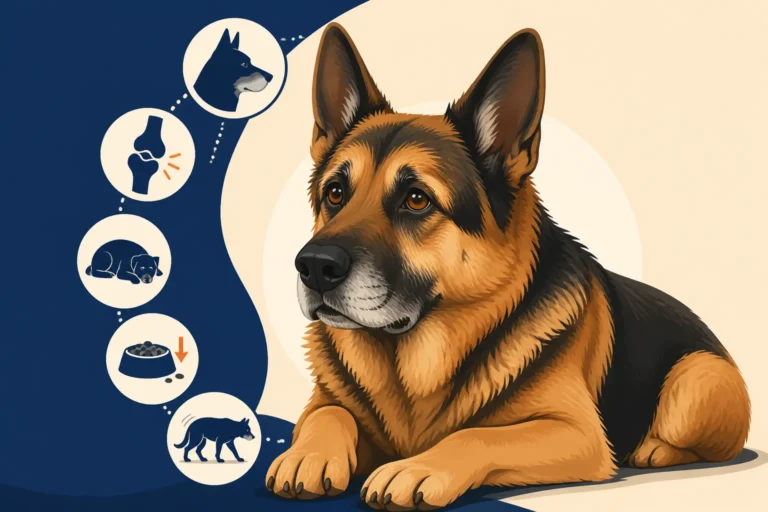
Early detection of hip dysplasia is crucial for effective management and maintaining your dog's quality of life. Unfortunately, German Shepherds are stoic animals, often masking pain until it becomes severe. This means you need to be observant and vigilant.
Keep an eye out for subtle changes in your dog's gait or behavior. Some common early signs include:
- Reluctance to climb stairs, jump into the car, or engage in usual activities.
- A "bunny hop" gait when running, where both hind legs move together.
- Difficulty getting up from a lying position.
- Decreased activity level or reduced enthusiasm for walks.
- Limping, especially after exercise or rest.
- Slight swaying in the hindquarters.
- Changes in muscle mass in the hind legs (atrophy).
If you notice any of these signs, don't hesitate to schedule a vet visit. Early diagnosis means you can start interventions sooner, which might include pain management, anti-inflammatory medications, physical therapy, or even surgical options if necessary. Your vet can perform a physical examination and take X-rays to confirm a diagnosis. Understanding the First Signs of Hip Dysplasia in German Shepherds can empower you to act quickly. If a diagnosis is made, further details on German Shepherd Hip Dysplasia: Symptoms and Treatment will be invaluable.
| Prevention Strategy | Focus Area | Key Actions |
|---|---|---|
| Responsible Breeding | Genetic Predisposition | Select puppies from breeders who provide OFA or PennHIP clearances for multiple generations of parent dogs. Demand to see official certificates. Avoid breeders who cannot or will not provide this documentation. This is your first and most crucial line of defense against inherited hip issues. |
| Proper Nutrition | Growth Rate & Joint Health | Feed large-breed puppy food designed for slow, steady growth, maintaining a balanced calcium-to-phosphorus ratio. Avoid overfeeding to prevent rapid weight gain, which stresses developing joints. Monitor body condition closely, ensuring your puppy stays lean without becoming underweight. Consult your vet on ideal feeding amounts. |
| Controlled Exercise | Joint Stress & Development | Limit high-impact activities like excessive jumping, long runs, or intense agility work during puppyhood (up to 12-18 months). Focus on short, frequent, low-impact exercise like controlled leash walks, short play sessions on soft surfaces, and swimming. Allow free play, but supervise to prevent overexertion or risky movements. |
| Weight Management | Joint Load & Wear | Maintain a lean body weight throughout your German Shepherd's life. Avoid obesity, as extra weight puts immense strain on hips. Monitor food portions and adjust according to activity level and age. Regular vet check-ups can help confirm if your dog is at a healthy weight. This is an ongoing effort that directly impacts joint longevity. |
| Supportive Environment | Everyday Joint Impact | Provide non-slip surfaces in your home (rugs on hardwood/tile). Offer orthopedic dog beds for comfortable rest. Consider ramps for cars or elevated areas if your dog struggles with jumping or stairs. These small changes can significantly reduce the cumulative stress on their hips over time, minimizing wear and tear in their daily life. |
| Joint Supplements | Cartilage & Inflammation | Discuss with your vet the use of joint supplements containing glucosamine, chondroitin, MSM, and Omega-3 fatty acids. These can help support cartilage health, reduce inflammation, and improve joint lubrication. Proactive supplementation, particularly with veterinarian guidance, can contribute to overall joint resilience and comfort as your German Shepherd ages. |
Financial Preparedness for Joint Health
Thinking about the financial aspects of pet ownership might not be the most exciting part, but it's an incredibly practical and responsible step, especially with a breed like the German Shepherd that has known predispositions to conditions like hip dysplasia. Being prepared can save you a lot of stress and allow you to make the best decisions for your dog's health without being constrained by cost.
The Importance of Pet Insurance
Let's be real: veterinary care, especially for chronic or complex conditions like hip dysplasia, can be incredibly expensive. Surgeries, ongoing medications, physical therapy, and diagnostics can quickly run into thousands of dollars. This is where pet insurance can be a literal lifesaver, transforming a financial crisis into a manageable situation.
Pet insurance doesn't prevent hip dysplasia, but it ensures that if your German Shepherd does develop it, you won't be forced to choose between your dog's health and your financial stability. Many comprehensive pet insurance plans, like those offered by Healthy Paws, cover a significant portion of diagnostic tests, treatments, and even rehabilitation therapies for conditions like hip dysplasia. It’s important to research different providers and understand their coverage, waiting periods, and exclusions (some may consider hip dysplasia a pre-existing condition if signs were present before enrollment). Getting a policy in place early, before any signs of issues arise, is crucial for maximum benefit. For a deeper dive into whether it's the right choice for you, consider reading Is Pet Insurance Worth It for a German Shepherd.
Budgeting for Preventative Care
Even without a hip dysplasia diagnosis, preventative care costs can add up, but they are an investment in your dog's long-term well-being. Proactive measures, like those discussed in this guide, require ongoing financial commitment.
This includes budgeting for:
- High-quality food: Premium large-breed formulas might cost more upfront, but they provide optimal nutrition for bone and joint development and maintenance.
- Joint supplements: Daily supplements can be an ongoing expense.
- Regular veterinary check-ups: Annual or bi-annual visits allow your vet to monitor your dog's weight, gait, and overall health, catching potential issues early.
- Safe environment modifications: Investing in non-slip rugs, orthopedic beds, or ramps might be a one-time cost but contributes significantly to joint protection.
Think of these expenses not as optional extras, but as essential components of responsible German Shepherd ownership. By consistently allocating funds for preventative care, you're not just managing costs; you're actively building a foundation for your dog's health, aiming to prevent or mitigate conditions that could be far more costly and painful down the line. It's a testament to the comprehensive care philosophy that Healthy Paws champions – covering not just illnesses but promoting overall wellness.
Preventing hip dysplasia in German Shepherds is a multifaceted endeavor, starting with responsible breeding choices and extending through every stage of your dog's life. By understanding the genetic predispositions, nurturing their growth with appropriate nutrition and exercise, managing their adult lifestyle with care, creating a safe home environment, and being financially prepared, you are giving your German Shepherd the absolute best chance to live a long, comfortable, and active life. Your dedication now will pay dividends in their happiness and health for years to come.
Disclaimer
The information provided in this article is for general informational purposes only and is not intended as a substitute for professional veterinary advice. Always consult with a qualified veterinarian regarding any health concerns or before making any decisions about your German Shepherd's medical care or diet.