Black Sable German Shepherd: What to Know
It's completely understandable to be curious about specific German Shepherd coat colors, especially one as striking and often misunderstood as the black sable. Many people assume a sable German Shepherd is just light brown with black tips, but the black sable is a whole different beast, and it often leads to questions about their temperament or rarity. This comprehensive guide is here to demystify the black sable German Shepherd, exploring its unique appearance, the genetics behind it, and what you can expect when living with one of these magnificent dogs.
Understanding the Sable German Shepherd Coat Type
Before we dive specifically into the "black" sable, it's really helpful to understand what a "sable" German Shepherd is in the first place. You see, the German Shepherd breed boasts a remarkable variety of coat colors and patterns, and sable is one of the most classic and functional. It’s also sometimes called an "agouti" coat, which is the technical genetic term, but "sable" is what we typically use.
What Makes a Coat Sable?
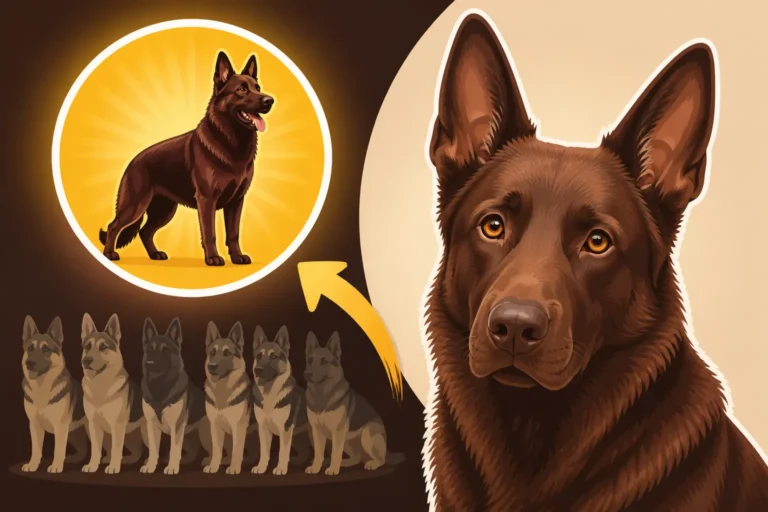
A sable coat isn't just one solid color; it's a pattern where each individual hair has multiple bands of color, usually with a lighter base closer to the skin and darker tips. Think of it like a wild wolf or coyote's coat – that's the essence of sable. These banded hairs create a dynamic, ever-changing appearance that seems to shift with movement and light. It's truly fascinating to watch. The sable pattern is actually the dominant coat pattern in German Shepherds, meaning it's genetically "stronger" than other patterns like black and tan or solid black. This is why you'll often see sable puppies even from parents who aren't visibly sable themselves. The intensity and distribution of the dark tipping can vary wildly, from very light, almost silver sables to the dark, rich black sables we're focusing on today.
The Spectrum of Sable Colors
When we talk about sable, we're not talking about a single shade, but a whole spectrum. You can find German Shepherds in various sable shades: silver sable, grey sable, red sable, and, of course, black sable. Each variant depends on the base color of the hair and the amount and depth of the black tipping. For example, a red sable might have a rich reddish-brown base with black tips, creating a fiery yet shadowed look. A silver sable will have a lighter, often cream or silver base, with more subtle black overlay. What they all share is that distinct banded hair, giving them a depth that solid colors just don't have. Understanding this spectrum is key to appreciating the unique characteristics of the black sable.
The Distinctive Black Sable German Shepherd Appearance
Now, let's zoom in on the star of the show: the black sable. This particular coat pattern is often admired for its wild, almost untamed look, harkening back to the breed's origins. It's one of those colors that makes you stop and take a second look, because at first glance, you might not even realize it's a sable at all!
Dark and Dramatic: What to Expect
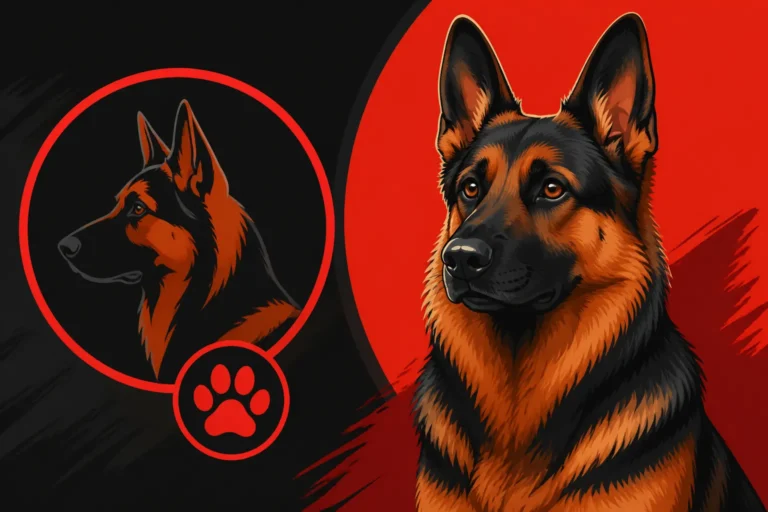
A black sable German Shepherd typically presents with an exceptionally heavy overlay of black tipping, so much so that the dog can appear almost entirely black. The underlying lighter colors, whether they are deep reds, rich tans, or lighter grays, are often almost completely obscured by the abundance of black on the individual hairs. This creates a very dramatic, dark, and often brooding appearance. When they're puppies, they might look like little black fluff balls, but as they shed their puppy coat and their adult coat comes in, you'll start to see the sable pattern emerge, especially around their neck, chest, and legs. However, the black will remain dominant, giving them that powerful, striking presence.
One common mistake people make is confusing a black sable with a solid black German Shepherd. While both are dark, a solid black GSD has hairs that are uniformly black from root to tip. A black sable, on the other hand, still has those banded hairs, even if the black portion is very extensive. You might have to part their fur to see the lighter undercoat or look closely in bright sunlight to truly appreciate the hidden depth of their sable pattern. This can lead to a really interesting phenomenon where the dog's coat seems to change color slightly depending on the lighting.
Unique Markings and Patterns
Even within black sables, there's a good amount of variation. Some might have a slightly more visible lighter base color showing through, especially on their legs or face, while others are so heavily saturated with black that they appear nearly solid from head to tail. The 'saddle' marking, common in black and tan German Shepherds, isn't usually as distinct in sables. Instead, the black overlay often extends more uniformly across their back and sides, creating a seamless, powerful blanket of dark fur. Their faces, too, are typically darker, often sporting a strong "mask" that adds to their serious, intelligent expression.
For those considering a black sable, it's worth remembering that their coat might continue to develop and change slightly as they mature. A puppy that looks almost solid black could reveal more of its sable pattern as it grows into adulthood, and vice versa. It's part of the fun and mystery of owning a German Shepherd with this dynamic coat!
Genetics Behind the Black Sable Coat
Understanding the genetics of German Shepherd coat colors can feel like a deep dive into biology class, but it's genuinely fascinating when you realize what's happening behind the scenes to create these beautiful dogs. The black sable coat is no exception, and its appearance is dictated by specific genes.
The Agouti Gene and Dominance
The key player in sable coats is the agouti gene, often denoted as the "A" locus. In German Shepherds, there are several alleles (versions) at this locus, and they determine the pattern of pigmentation on the hair shaft.
The allele responsible for the sable pattern (often written as A^s or A^y, depending on the specific genetic nomenclature) is dominant over the alleles for black and tan (a^t) and solid black (a). This means if a dog inherits even one copy of the sable gene, it will display a sable coat, regardless of the other pattern genes it carries. For a black sable, it's about the interaction of this dominant sable gene with other modifiers that influence the intensity and extent of the black tipping.
Think of it this way: the agouti gene says, "Hey, this hair is going to be banded!" But then other genes step in and say, "Okay, but how much black tipping are we putting on these bands, and how dark is the underlying color going to be?" For a black sable, those other genes are pushing for maximum black tipping and often a darker underlying pigment. This genetic complexity is why you can get such a wide array of sable shades, from a light silver sable all the way to a very dark black sable. It's a testament to the rich genetic diversity within the breed, which you can read more about in our guide to German Shepherd Genetic Health Testing.
Distinguishing from Solid Black
Many prospective owners get confused, wondering if their black-looking German Shepherd is a solid black or a very dark black sable. The genetic difference is important. A true solid black German Shepherd has two copies of the recessive 'a' allele at the agouti locus (aa). This means their hairs are completely black from root to tip, without any banding or lighter undercoat. A black sable, however, carries at least one dominant sable allele (A^s or A^y) and therefore does have banded hairs, even if the black banding is so extensive it's hard to see.
This distinction might seem minor, but it affects how they pass on their coat color genes to their offspring. A solid black German Shepherd can only produce black or black-patterned puppies (like black and tan), depending on the genes of the other parent. A black sable, because it carries that dominant sable gene, can produce sable puppies, and potentially black and tan or solid black puppies if it also carries those recessive alleles and is bred to a partner with compatible genetics. It’s quite the rabbit hole when you start digging into the details of German Shepherd Coat Colors Explained!
Living with a Black Sable German Shepherd
Beyond their stunning looks, it's important to remember that a black sable German Shepherd is, at its core, a German Shepherd. Their coat color doesn't typically dictate their personality, health, or overall needs. However, there are general German Shepherd traits and care considerations that apply to these beautiful dogs just as much as any other color variant.
Temperament and Personality
Just like any other German Shepherd, a black sable will possess the breed's hallmark traits: intelligence, loyalty, courage, and a strong protective instinct. They are highly trainable and thrive on having a job to do, whether that's advanced obedience, agility, or being a dedicated family companion. Their "wild" appearance sometimes leads people to assume they might be more aggressive or harder to handle, but this is a common misconception. Coat color is merely aesthetic; it has no bearing on temperament. A well-bred, properly socialized, and consistently trained black sable German Shepherd will be just as stable and loving as a black and tan or solid black one. You can delve deeper into what makes these dogs tick by reading about German Shepherd Temperament and Personality.
The key to a well-behaved German Shepherd, regardless of color, lies in their upbringing. Early socialization, consistent positive reinforcement training, and plenty of mental and physical exercise are paramount. Without proper outlets for their intelligence and energy, any German Shepherd, including a black sable, can develop unwanted behaviors like excessive barking or destructive chewing.
Care and Grooming Considerations
The dense double coat of a German Shepherd, whether black sable or otherwise, requires consistent grooming to stay healthy and minimize shedding. Black sables will shed, and often quite a bit, especially during their "blow coat" seasons in spring and fall. Regular brushing, at least 2-3 times a week, is essential to remove loose hair, prevent matting, and distribute natural oils. During heavy shedding periods, daily brushing might be necessary. Tools like a slicker brush, an undercoat rake, and a de-shedding tool are invaluable. You can find many of these grooming essentials on sites like Chewy.
Bathing should be done as needed, typically every few months, unless your dog gets particularly dirty from outdoor adventures. Over-bathing can strip their coat of essential oils, leading to dry skin. Pay attention to their ears and nails too! Regular ear cleaning helps prevent infections, and nail trims are crucial for their comfort and joint health. For more detailed advice, check out our guide on German Shepherd Coat and Skin Care.
Health Considerations
Again, a black sable German Shepherd is genetically a German Shepherd, and as such, they are predisposed to the same health issues as any other German Shepherd. Coat color does not make them healthier or more prone to specific ailments. Common concerns in the breed include hip and elbow dysplasia, degenerative myelopathy (DM), bloat, and certain allergies.
When looking for a black sable puppy, it's absolutely crucial to choose a reputable breeder who performs extensive health testing on their breeding dogs. They should be able to provide documentation for hip and elbow clearances (like OFA or PennHIP certifications), and potentially DM testing results. These precautions are far more important than any specific coat color. Regular veterinary check-ups, a high-quality diet (you can find great options on Chewy), and an appropriate exercise regimen are all vital for keeping your black sable German Shepherd happy and healthy throughout their life. Learning about German Shepherd Health Problems Guide can help you be a more informed owner.
Finding a Black Sable German Shepherd
If you're captivated by the striking appearance of a black sable and are ready to welcome one into your home, it's essential to approach the search responsibly. Just like with any German Shepherd, finding a healthy, well-socialized puppy or adult dog should be your top priority.
Reputable Breeders
When seeking a black sable German Shepherd, the first step is to connect with reputable breeders. A good breeder prioritizes health, temperament, and adherence to breed standards. They will be transparent about their breeding practices, openly discuss health clearances for the parents, and allow you to visit their facility to see the puppies and their parents. Don't be swayed by breeders who market puppies solely based on rare colors or who don't perform proper health testing. A black sable is beautiful, but a healthy, well-tempered dog is priceless.
A reputable breeder will likely have a waiting list, interview potential owners thoroughly, and offer ongoing support. They understand the intricacies of German Shepherd Genetic Health Testing and will be able to explain the lineage of their dogs, including coat color genetics. You might also ask about the specific lines they breed; for example, some working line German Shepherds are known for their sable coats.
Rescue and Adoption
While finding a specific color like black sable through rescue might be more challenging than finding a standard black and tan, it's certainly not impossible! Many German Shepherd rescues take in dogs of all colors and backgrounds. Often, adult German Shepherds end up in rescue through no fault of their own, and adopting one can be an incredibly rewarding experience. When adopting, you often get a dog whose personality is already developed, which can be a huge plus. Websites like Petfinder or directly contacting German Shepherd specific rescues in your area are great starting points. You'll give a loving home to a dog in need, and who knows, you might just find your perfect black sable companion. Don't forget, even rescues often have supplies available or can direct you to resources on Chewy for your new family member.
What to Look for in a Black Sable Puppy
When you visit puppies, observe their overall health and demeanor. A healthy puppy will be active, curious, and have clear eyes and a clean coat. While you're looking for that distinct black sable pattern, remember that puppy coats can be misleading. A very dark sable puppy might look almost solid black, or a lighter sable might darken considerably as it matures. Focus on the overall health of the litter and the parents, and don't hesitate to ask the breeder questions about the genetics of the specific litter and what colors are expected to mature. Ensure the puppy is well-socialized and comfortable around people, a foundational step for their future temperament, as discussed in German Shepherd Puppy Training Guide.
Common Misconceptions About Black Sable German Shepherds
With any unique variation in a popular breed, misconceptions are bound to arise. Black sable German Shepherds are no exception, and it's important to clear up some of the common myths to ensure a realistic understanding.
"Black Sables Are More Aggressive"
This is perhaps one of the most persistent and damaging myths. The idea that a dog's coat color influences its temperament or propensity for aggression is simply untrue. A black sable German Shepherd's temperament is determined by its genetics (from well-bred parents) and its environment (socialization, training, care), not by the color of its fur. An aggressive German Shepherd, regardless of color, is a result of poor breeding, lack of proper training, or traumatic experiences, not its pigmentation. We often see working line German Shepherds in sable coats, and because working lines are bred for intense drives and protection work, some people mistakenly connect the coat color to an inherent aggression. However, it's the purpose of their breeding, not their color, that influences their drives.
"They Are Exceptionally Rare or Exotic"
While perhaps not as common as the classic black and tan, black sable German Shepherds are not truly "rare" or "exotic" in the way some breeders might try to market them. The sable gene is actually dominant in the breed, and dark sables are a recognized and admired coat pattern within the German Shepherd community, especially among those who appreciate the more traditional or working-line aesthetics. If a breeder charges significantly more for a black sable solely based on its "rarity," it might be a red flag. True rarity in German Shepherds usually pertains to specific genetic anomalies or very uncommon diluted colors, not a strong, standard pattern like sable. It's helpful to understand the full range of Rare German Shepherd Colors to avoid being misled.
"Black Sables Are Healthier (or Unhealthier)"
As mentioned before, coat color has no direct correlation with health. A black sable German Shepherd is subject to the same potential health issues as any other German Shepherd. Claims that a black sable is inherently healthier or, conversely, more prone to certain diseases are not backed by scientific evidence. Health is primarily influenced by responsible breeding practices, genetic lineage, and overall care. Focusing on health testing, proper nutrition, and regular vet care, rather than coat color, is what truly contributes to a long and healthy life for your German Shepherd. This is especially true for preventing common issues like German Shepherd Hip Dysplasia Explained or Degenerative Myelopathy in German Shepherds.
The black sable German Shepherd is a truly magnificent animal, embodying the strength, intelligence, and beauty that define the breed. With their dramatic appearance and loyal hearts, they make incredible companions for those prepared to meet their needs.
Disclaimer
This article is for general informational purposes only and does not constitute professional advice. Laws, prices and regulations vary by location and change over time. Consult a qualified professional for guidance on your specific situation.