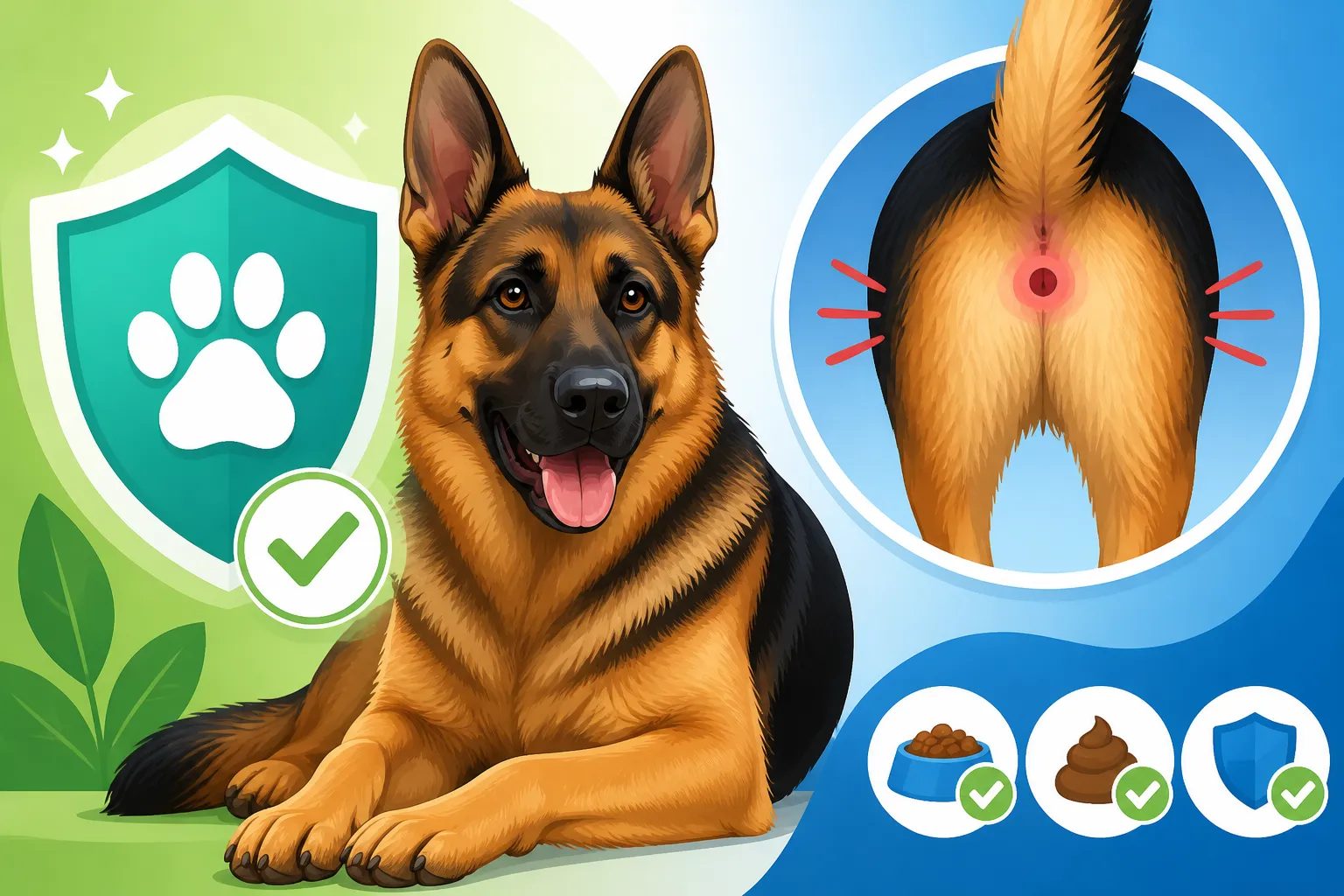
How to Prevent Perianal Fistula in German Shepherds
It's truly heartbreaking to see our beloved German Shepherds suffer, especially from painful, recurring conditions like perianal fistula. This deeply uncomfortable and often misunderstood ailment can lead to chronic discomfort, infection, and a significant impact on your dog's quality of life, making every bathroom break a struggle. This comprehensive guide is here to walk you through proactive, actionable steps you can take to significantly reduce the risk of your German Shepherd developing this challenging condition.
Understanding Perianal Fistula in German Shepherds
For many German Shepherd owners, the first time they hear the term "perianal fistula" is often after their dog has already developed the painful condition. It’s a frustrating and often bewildering diagnosis, leaving us wondering what it is and, more importantly, how we could have prevented it. Let's peel back the layers and understand what we're up against before we dive into prevention.
What Exactly is Perianal Fistula?
Perianal fistula, sometimes called anal furunculosis, is a chronic, progressive, and often debilitating inflammatory condition that affects the tissues around a dog's anus. Essentially, it's characterized by the formation of deep, painful tracts or "fistulas" that penetrate the skin, often discharging pus, blood, and foul-smelling fluid. Imagine having a persistent, open wound near a very sensitive area that constantly gets irritated every time your dog needs to relieve themselves – that’s the reality for a dog with this condition. The exact cause isn't fully understood, but it's widely believed to be an immune-mediated disease, meaning the dog's own immune system mistakenly attacks its healthy tissues.
German Shepherds are, unfortunately, disproportionately affected by perianal fistula compared to other breeds, with some studies suggesting they account for up to 80% of all reported cases. This strong breed predisposition points towards a significant genetic component, making prevention all the more crucial for GSD owners. The deep-set tail and broad hindquarters characteristic of the breed might also play a role, creating an environment that can trap moisture and debris, potentially contributing to the problem.
The Frustration of Diagnosis and Treatment
The symptoms of perianal fistula can be insidious, often starting with subtle signs that are easy to miss or misinterpret. Owners might first notice their German Shepherd straining to defecate, excessive licking or chewing around the tail base, reluctance to sit, or a general malaise. As the condition progresses, you might see visible lesions, ulcerations, or discharge around the anus. The pain associated with this condition can be intense, making a normally happy dog withdrawn, aggressive when touched, or even unwilling to eat.
Diagnosing perianal fistula usually involves a thorough physical examination, often requiring sedation because of the pain involved. Vets will look for the tell-tale tracts and inflammation. Treatment can be complex and expensive, often involving a combination of medications like immunosuppressants (cyclosporine is a common one), antibiotics, anti-inflammatory drugs, and strict hygiene protocols. In severe or unresponsive cases, surgery might be necessary. It’s a long, arduous, and costly journey for many pet parents, highlighting why prevention is truly the best medicine. Understanding these challenges only strengthens our resolve to explore every possible preventative measure. Pet insurance plans, such as those offered by Healthy Paws, can certainly help alleviate the financial burden if your dog does develop such a complex condition, covering a significant portion of diagnostic tests, medications, and potential surgeries.
Proactive Prevention Strategies
While perianal fistula has a strong genetic link, that doesn't mean we're helpless. There are many proactive steps we can take as responsible German Shepherd owners to reduce the risk of this painful condition. Focusing on overall health, especially gut health and hygiene, can make a significant difference.
Dietary Management and Gut Health
The connection between gut health and immune-mediated diseases is becoming increasingly clear in veterinary medicine. A healthy gut microbiome – the balance of good bacteria in the digestive tract – is crucial for a strong, well-regulated immune system. For German Shepherds prone to perianal fistula, optimizing their diet is a cornerstone of prevention.
First, consider a high-quality, easily digestible diet. Many commercial dog foods, even those marketed as premium, can contain fillers, artificial ingredients, or common allergens that might contribute to inflammation in sensitive dogs. Look for foods with limited ingredients, novel protein sources (if your dog has sensitivities), and no corn, wheat, or soy. Some owners find success with hypoallergenic diets or even a raw-fed approach, though the latter should always be undertaken with careful research and veterinary guidance to ensure nutritional completeness. Proper nutrition is also vital for managing their weight and energy, as discussed in our German Shepherd Feeding Guide.
Secondly, incorporating probiotics and prebiotics can be immensely beneficial. Probiotics introduce beneficial bacteria to the gut, while prebiotics provide the fuel for these good bacteria to thrive. Look for reputable canine-specific probiotic supplements or consider foods that naturally contain prebiotics like certain fibers. Ensuring adequate fiber in their diet can also help maintain healthy bowel movements, which keeps the anal area cleaner and reduces straining. Aim for a diet that promotes firm, consistent stools. Hydration also plays a critical role in stool consistency, so always ensure your German Shepherd has access to fresh, clean water.
Environmental Factors and Hygiene
Maintaining excellent hygiene around your German Shepherd's rear end might not be the most glamorous part of pet ownership, but it's incredibly important for preventing perianal fistula. The deep, often plush tails of German Shepherds can create a warm, moist environment that is a breeding ground for bacteria and yeast, which can exacerbate any existing inflammation or skin irritation.
Regular grooming is essential. For dogs with thick coats or those prone to matting, consider keeping the hair around their hindquarters trimmed short. This isn't just about aesthetics; it helps air circulate, keeps the area cleaner, and makes it easier for you to spot any early signs of irritation or discharge. After walks, especially if your dog has soiled themselves or been in muddy areas, a quick wipe with a pet-safe grooming wipe can prevent accumulated debris and bacteria from irritating the delicate perianal skin. A proper grooming routine is part of a healthy German Shepherd's life, and you can learn more about it in our How to Groom a German Shepherd article.
Furthermore, always be mindful of their living environment. Ensure their bedding is kept clean and dry to minimize exposure to bacteria. If your German Shepherd swims or gets wet frequently, make sure to thoroughly dry their rear area to prevent moisture from becoming trapped. A damp, soiled environment only invites trouble.
Regular Vet Check-ups and Early Detection
Consistent veterinary care is non-negotiable for all German Shepherds, but it's especially critical when trying to prevent conditions like perianal fistula. Your veterinarian is your best partner in proactive health management.
Routine wellness exams provide an opportunity for your vet to perform thorough physical assessments, including examining the perianal area. They can spot subtle changes, early signs of inflammation, or slight skin thickening that might indicate a developing problem long before it becomes obvious to you or causes your dog significant discomfort. These regular visits, as outlined in our general guide on How to Keep a German Shepherd Healthy, allow for a consistent health baseline.
Don't hesitate to bring up any concerns you have, no matter how minor they seem. If you notice your German Shepherd licking their rear more than usual, scooting, straining during defecation, or any changes in stool consistency, inform your vet immediately. Early detection can mean the difference between managing a mild irritation and battling a severe, entrenched fistula. Discussing your German Shepherd's specific breed predisposition with your vet can also lead to a tailored preventative care plan, potentially including specific supplements or dietary recommendations. Veterinary wellness plans, sometimes offered through providers like Healthy Paws, can also cover these routine check-ups, making consistent preventative care more accessible.
Lifestyle Choices for Overall Well-being and Prevention
Beyond diet and hygiene, a holistic approach to your German Shepherd's well-being can significantly contribute to their overall immune health and, by extension, help prevent conditions like perianal fistula. This involves managing stress, ensuring proper exercise, and making informed choices about breeding.
Stress Reduction and Immune Support
It might sound surprising, but stress can have a profound impact on a dog's immune system, potentially making them more susceptible to inflammatory conditions. Just like humans, dogs experience stress, and chronic stress can lead to a suppressed or dysregulated immune response. For a breed like the German Shepherd, known for its intelligence and sensitivity, maintaining a stable, predictable, and enriching environment is crucial.
Ensure your German Shepherd has a consistent routine, adequate mental stimulation, and plenty of positive social interaction. Boredom, lack of exercise, or chaotic home environments can all contribute to stress. Engage them in activities they love, whether it's obedience training, scent work, or a good game of fetch in the park. A dog that is mentally and physically satisfied is generally a happier, less stressed dog. Incorporating immune-boosting supplements, like omega-3 fatty acids or certain antioxidants, under veterinary guidance, can also provide additional support for their body's natural defenses. For broader context on immune health, our guide on German Shepherd Health Problems Guide can offer further insights.
The Role of Exercise and Weight Management
Keeping your German Shepherd at a healthy weight and ensuring they receive appropriate exercise is fundamental to their overall health and, by extension, can play a role in preventing perianal fistula. Obesity can complicate many health issues, including inflammatory conditions, and can make hygiene difficult around the anal area, potentially contributing to moisture and irritation.
Regular, appropriate exercise helps maintain a healthy metabolism, supports a strong immune system, and promotes good muscle tone, which is important for proper bowel function. For German Shepherds, this means more than just a quick walk around the block. They are an active, working breed that thrives on vigorous activity. Think long walks, runs, hiking, or structured play sessions. However, be mindful of their joint health, especially as puppies and seniors. For more details on maintaining joint health, consider reading about German Shepherd Arthritis: Symptoms and Treatment.
Monitor your dog's weight regularly. You should be able to feel their ribs easily without pressing hard, and they should have a visible waist when viewed from above. If you're unsure, consult your vet about your German Shepherd's ideal weight and how to achieve it through diet and exercise. A lean, fit dog is a healthier dog, better equipped to fight off inflammatory conditions.
Genetic Predisposition and Responsible Breeding
Given the strong genetic link of perianal fistula in German Shepherds, choosing a reputable breeder is perhaps one of the most critical preventative steps an owner can take. Responsible breeders are transparent about the health history of their breeding lines and actively work to reduce the incidence of hereditary diseases.
When looking for a puppy, ask breeders about the incidence of perianal fistula in their lines and among their puppies' parents and grandparents. While there isn't a direct genetic test specifically for perianal fistula yet, a breeder who prioritizes overall health, temperament, and uses health clearances for other common German Shepherd ailments like hip and elbow dysplasia, is generally a good indicator of their commitment to producing healthy dogs. Understanding German Shepherd Genetic Health Testing can empower you to ask the right questions.
If you are considering adopting a German Shepherd, especially an adult, inquire about their health history if available. While you can't control past genetics, you can still implement all other preventative measures to support their health. It’s important to remember that even with careful breeding, no guarantee exists, but reducing the genetic risk factor significantly improves your chances.
Here's a summary of key preventative actions:
| Category | Actionable Steps | Why It Helps |
|---|---|---|
| Dietary Management | Feed high-quality, digestible food. Supplement with probiotics/prebiotics (vet-approved). | Supports gut health, regulates immune system, promotes healthy stool. |
| Hygiene | Regular grooming, trim hair around anus, clean after defecation, ensure dry environment. | Prevents moisture/debris buildup, reduces bacterial/yeast overgrowth, allows early detection. |
| Veterinary Care | Routine wellness exams, discuss breed predisposition, prompt reporting of symptoms. | Early detection, tailored preventative advice, consistent health monitoring. |
| Stress Reduction | Consistent routine, mental stimulation, positive interaction, stable environment. | Supports a healthy immune response, reduces inflammation. |
| Exercise & Weight | Maintain ideal weight, regular vigorous exercise, monitor fitness. | Promotes overall health, good metabolism, healthy bowel function. |
| Responsible Breeding | Choose breeders who prioritize health clearances and genetic diversity. | Reduces inherited predisposition, improves overall breed health. |
Ultimately, preventing perianal fistula in German Shepherds is about embracing a holistic approach to their care. It's not about one single magic bullet, but rather a combination of diligent efforts in diet, hygiene, veterinary partnership, and lifestyle management. By understanding the risks and taking proactive steps, you can significantly improve your German Shepherd's chances of living a comfortable, pain-free life, keeping those tails wagging freely. For insights into their later years, our guide on German Shepherd Senior Care Guide also emphasizes the importance of lifelong preventative measures.
Disclaimer
The information provided in this article is for educational purposes only and is not a substitute for professional veterinary advice. Always consult with a qualified veterinarian for any health concerns or before making any decisions related to your pet's health and treatment.