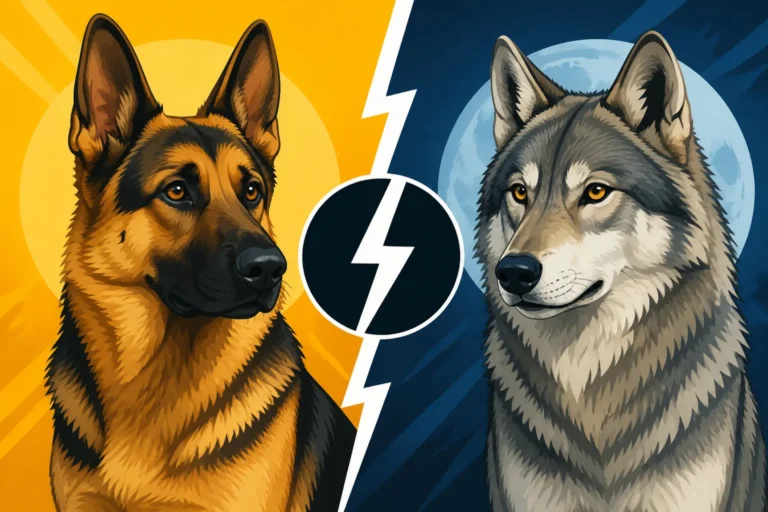
German Shepherd vs Dutch Shepherd
Deciding between a German Shepherd and a Dutch Shepherd can feel like trying to pick between two incredibly capable, intelligent, and strikingly similar athletes. Many prospective dog owners find themselves drawn to these breeds for their loyalty and working prowess, only to realize the subtle but significant differences in their origins, temperament, and care needs. This comprehensive guide will meticulously break down the distinctions between the German Shepherd and the Dutch Shepherd, helping you understand which of these magnificent dogs might be the best fit for your life and family.
Understanding Their Roots: A Historical Perspective
To truly appreciate the nuances between the German Shepherd and the Dutch Shepherd, we have to travel back in time and understand the environments and purposes for which they were originally bred. Both are quintessential working breeds, but their foundational stories carved distinct paths in their development. It's not just about looking at a picture; it's about delving into their very essence.
The German Shepherd's Legacy
The German Shepherd Dog, often abbreviated as GSD, has a rich and relatively well-documented history. Developed in Germany in the late 19th century by Captain Max von Stephanitz, the breed's primary goal was to create the ultimate herding dog—one that possessed intelligence, strength, and unwavering loyalty. Stephanitz envisioned a dog that could not only manage flocks but also adapt to different working roles as society changed. He succeeded spectacularly. The GSD quickly became renowned for its versatility, transitioning from herding to police work, military service, search and rescue, and even as a dedicated family companion. This adaptability is a cornerstone of the breed's identity.
Their history of diverse working roles has deeply influenced the German Shepherd's temperament and physical build. Breeders focused on robust health, keen intelligence, and a balanced temperament that allowed them to be both fierce protectors and gentle family members. Their success in various fields meant that different lines developed: some geared more towards intense protection work (often called working lines), while others were bred for conformation and companionship (show lines). This split in purpose, while still adhering to the core GSD traits, has led to some variations within the breed itself, which can sometimes confuse prospective owners. You can read more about this in our Working Line vs Show Line German Shepherd article.
The Dutch Shepherd's Journey
The Dutch Shepherd, while sharing a similar "shepherd" designation, hails from a slightly different background and a different country: the Netherlands. This breed emerged around the same time as the German Shepherd, also developed for herding sheep. However, unlike the GSD, the Dutch Shepherd's development was less about a single vision and more about local farmers breeding functional dogs to adapt to the specific conditions and sheep herding practices prevalent in the Dutch countryside. These dogs needed to be incredibly resilient, intelligent, and agile to manage flocks on diverse terrain and in varying weather conditions.
Their origins instilled in them a unique set of traits. Dutch Shepherds were bred for harsh conditions, needing to be extremely durable and unfazed by environmental challenges. This led to a breed that is often described as having a "harder" edge than some German Shepherds, particularly the show lines. They were less widely known outside their native country for many years, meaning their breeding remained focused almost exclusively on working ability and health, with less emphasis on conformation shows until much later. This focus on pure functionality means that most Dutch Shepherds, regardless of specific lines, tend to retain a very high drive and intense working ethic. They are true "working dogs" through and through, and understanding this history is crucial when considering bringing one into your home.
Distinguishing Physical Traits: Beyond a First Glance
At first glance, especially to an untrained eye, German Shepherds and Dutch Shepherds can appear quite similar. Both are medium-to-large sized, athletic, and powerful dogs. However, when you look closely, you’ll start to see distinct differences in their build, coat, and overall appearance that reflect their divergent histories and original purposes. These aren't just cosmetic variations; they speak to the very structure and function of each breed.
German Shepherd Physical Profile
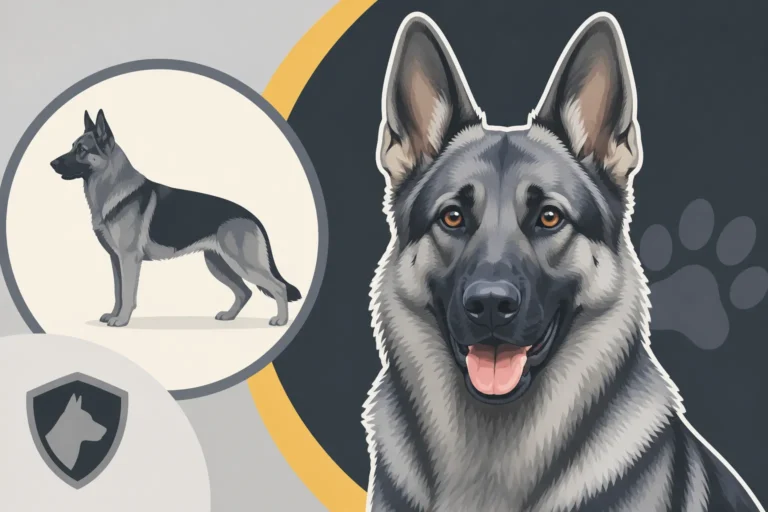
German Shepherds are instantly recognizable to most people. They are typically well-muscled and powerful, known for their noble and imposing presence.
- Size and Build: GSDs are generally larger and heavier than Dutch Shepherds. Males can stand around 24-26 inches at the shoulder and weigh between 65-90 pounds, while females are slightly smaller. They possess a robust, muscular build that conveys strength and endurance. Historically, there's been some debate and division regarding their backlines. American and some show-line German Shepherds might exhibit a pronounced slope from the shoulders to the hips, a trait that has become a hallmark of some show rings. However, many working-line and traditional German Shepherds, especially those bred in Europe, still have a straighter, more level back. This difference can be quite noticeable and is a point of discussion among enthusiasts. You can learn more in our Straight Back vs Sloped Back German Shepherd article.
- Coat Types and Colors: One of the most striking differences is the German Shepherd's coat. They primarily come in three coat types: short-haired, long-haired, and sometimes a plush coat (medium length). The most common colors are black and tan or black and red, but they can also be solid black, sable, bi-color, and even liver or blue (though these are considered rare and sometimes faults in the show ring). Their double coat is dense and provides excellent insulation against weather. Regular grooming is essential, particularly during shedding season, which can be quite intense! Consider products available at retailers like Chewy to help manage the "German Shepherd glitter" around your home. German Shepherd Coat and Skin Care is an important topic to master.
- Head and Facial Features: German Shepherds typically have a noble, well-chiseled head with a strong muzzle. Their ears are erect and triangular, set high on the head, conveying alertness and intelligence. Their eyes are usually almond-shaped and dark, giving them an intelligent, curious, and often intense expression.
Dutch Shepherd Physical Profile
Dutch Shepherds, while sharing a certain "canine athlete" look, present a more streamlined and athletic profile compared to the German Shepherd.
- Size and Build: Dutch Shepherds are generally slightly smaller and lighter than GSDs, with males typically ranging from 21.5-24.5 inches at the shoulder and weighing between 50-70 pounds. Their build is often described as more agile and lithe, with a strong, well-muscled body but without the bulkiness of some German Shepherds. They have a more level topline, without the extreme angulation seen in some show-line German Shepherds, which speaks to their historical focus on practical working ability and endurance.
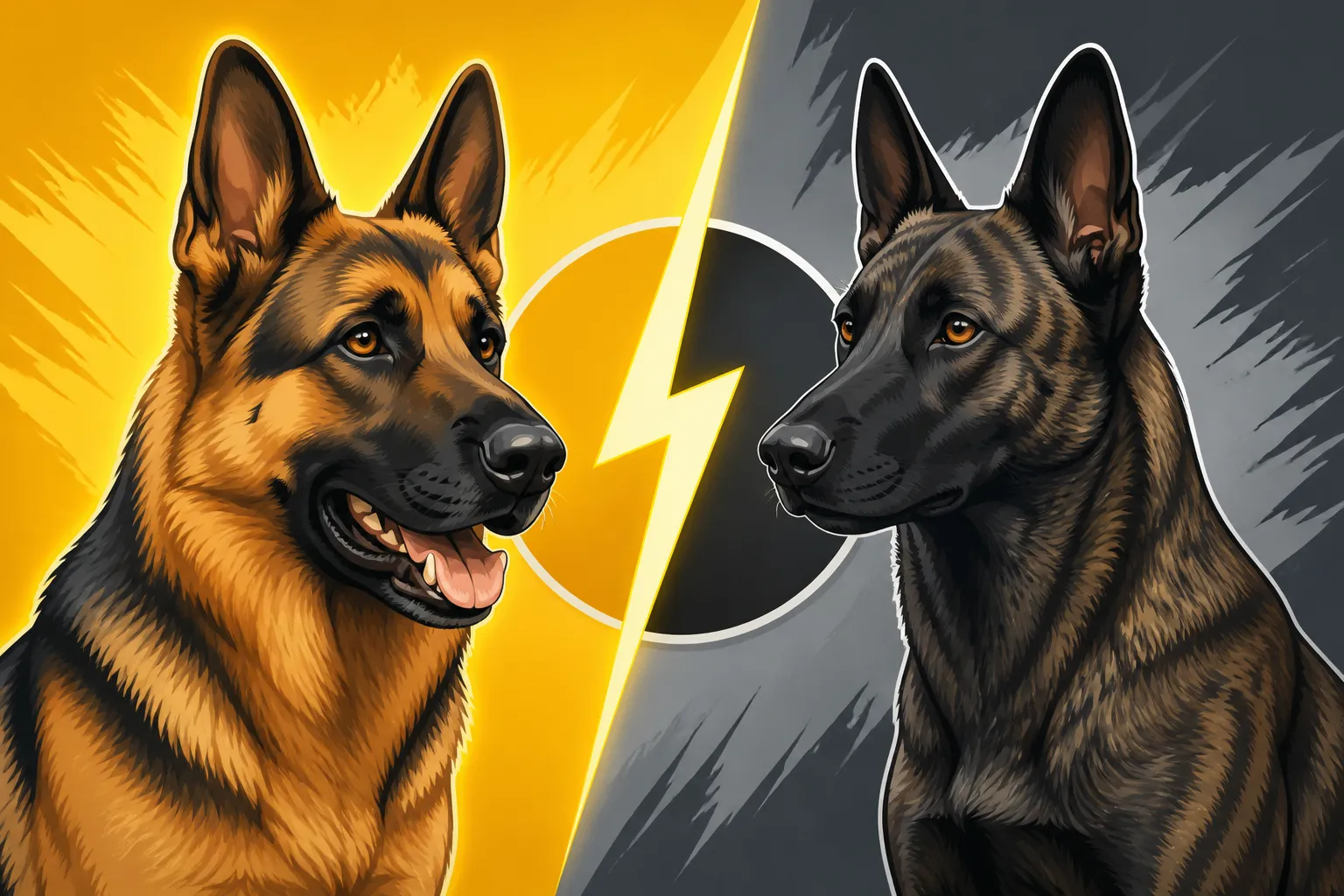
- Coat Types and Colors: This is where Dutch Shepherds truly stand out. They are almost exclusively brindle in color, which means they have a striped pattern of black over a gold or silver base. This brindle pattern can vary in intensity and shade but is the defining color characteristic. Like German Shepherds, they also come in three coat types: short-haired (the most common), long-haired, and wire-haired (which is quite rare). All coat types are dense and weather-resistant, reflecting their heritage as outdoor working dogs. Managing their coat, while perhaps less voluminous than some GSDs, still requires attention.
- Head and Facial Features: Dutch Shepherds have a wedge-shaped head that is in proportion to their body. Their ears are medium-sized and erect, and their eyes are dark, almond-shaped, and give an intelligent, lively, and attentive expression. They often have a slightly less "heavy" or "noble" appearance than some GSDs, instead conveying a sharp, ready-for-action look.
Here's a quick comparison table to help visualize some of these key physical differences:
| Feature | German Shepherd | Dutch Shepherd |
|---|---|---|
| Size (Males) | 24-26 inches, 65-90 lbs | 21.5-24.5 inches, 50-70 lbs |
| Build | Robust, muscular, sometimes sloped back (show lines) | Agile, lithe, well-muscled, level topline |
| Coat Types | Short, Long, Plush | Short, Long, Wire (rare) |
| Primary Colors | Black & Tan, Black & Red, Sable, Solid Black | Brindle (black stripes over gold/silver base) |
| Head Shape | Noble, strong muzzle | Wedge-shaped, proportional |
| Expression | Intelligent, curious, often intense | Intelligent, lively, attentive, ready-for-action |
Temperament, Drive, and Training: What Sets Them Apart for Owners
When you're considering bringing a dog into your home, their personality and how they fit into your daily life are arguably the most important factors. Both German Shepherds and Dutch Shepherds are highly intelligent, driven, and loyal, making them fantastic partners for the right owner. However, their temperaments and training needs, while similar in many ways, also have distinct characteristics that are crucial to understand. This is where the differences truly impact day-to-day living.
German Shepherd Temperament and Training Philosophy
German Shepherds are renowned for their exceptional intelligence, courage, and unwavering loyalty. They are often described as "a one-person dog," meaning they tend to form a particularly strong bond with their primary handler, though they are usually affectionate with their entire family. They possess a strong protective instinct, making them excellent guard dogs, but this also means early and consistent socialization is paramount. Without it, their natural wariness of strangers can escalate into fear or aggression. How to Socialize a German Shepherd from a young age is a commitment you cannot skip.
- Intelligence and Trainability: GSDs are incredibly smart and eager to please, which makes them highly trainable. They excel in obedience, agility, tracking, and protection sports. They thrive on having a job to do and require significant mental stimulation to prevent boredom and destructive behaviors. Daily training sessions, puzzle toys (you can find a wide variety on Chewy), and engaging activities are non-negotiable.
- Energy Levels: While they are active dogs, the energy levels within the German Shepherd breed can vary significantly between working lines and show lines. Working lines are typically higher drive, needing intense physical exercise and mental engagement daily. Show lines might be a bit more laid-back, but still require regular, vigorous activity like long walks, runs, or structured playtime. A bored German Shepherd is often a destructive German Shepherd. German Shepherd Exercise Requirements are not to be underestimated.
- Family Life: With proper socialization and training, German Shepherds can be wonderful family dogs, good with children and other pets. They are protective but gentle, often forming strong bonds with kids. However, their size and strength mean supervision is always necessary, especially with very young children. Their inherent guarding instincts need to be managed through consistent training to ensure they discriminate between actual threats and everyday visitors.
- Common Challenges: Separation anxiety can be an issue for German Shepherds due to their strong bonding. They can also be prone to excessive barking or leash reactivity if not properly socialized and trained. Understanding German Shepherd Behavior Problems and Solutions can help you navigate these issues effectively.
Dutch Shepherd Temperament and Training Philosophy
Dutch Shepherds share many positive traits with German Shepherds: intelligence, loyalty, and a strong work ethic. However, they are often characterized as having an even more intense drive and a slightly more "serious" or "hard-edged" temperament. They are not typically suited for first-time dog owners due to their demanding nature and need for highly consistent, experienced handling.
- Intelligence and Trainability: Like GSDs, Dutch Shepherds are exceptionally intelligent and highly trainable. They excel in high-level obedience, protection sports like IGP (Schutzhund), and police/military work. They have an insatiable desire to work and learn, and they require a handler who can match their intensity and provide clear, firm leadership. They can be very sensitive to handling mistakes, and an inconsistent approach can lead to behavioral issues.
- Energy Levels: Dutch Shepherds are typically very high-energy dogs. They need a tremendous amount of physical exercise and mental stimulation daily. A simple walk around the block won't cut it. They thrive on activities like running, biking, agility, flyball, and advanced obedience. Their endurance is impressive, and they can go for hours. Without adequate outlets for their energy and intelligence, they can become destructive, hyperactive, or anxious.
- Family Life: While loyal and protective of their families, Dutch Shepherds are often described as less outwardly "cuddly" than some German Shepherds. They bond deeply but express it differently. They can be good with respectful children if raised with them, but their high drive and intensity mean they are generally better suited for homes with older children who understand how to interact with a powerful, driven dog. Early and continuous socialization is absolutely critical to ensure they are well-adjusted to various situations, people, and other animals.
- Common Challenges: Due to their extreme drive, Dutch Shepherds can be prone to excessive barking, strong prey drive, and reactivity if not properly channeled. They require a confident, experienced owner who understands working dog behavior and is committed to ongoing training and management. Their protective instincts are very strong and must be carefully shaped to ensure they are appropriate and controlled.
In summary, while both breeds are highly intelligent and trainable, the Dutch Shepherd generally demands a higher level of experience and commitment from its owner due to its often more intense drive and need for constant mental and physical engagement. A German Shepherd can be an incredible family companion with a working dog mindset, but a Dutch Shepherd is a working dog, first and foremost, whose family role flows from that identity.
Health Considerations and Lifespan: Preparing for a Long Partnership
Bringing a dog into your home is a long-term commitment, and understanding the potential health issues and average lifespan of a breed is crucial for responsible ownership. Both German Shepherds and Dutch Shepherds are generally robust breeds, but like all purebreds, they have certain predispositions you should be aware of. Being proactive about their health through good nutrition, regular vet check-ups, and informed choices can help ensure a long and happy life together.
German Shepherd Health Landscape
German Shepherds are known for being prone to a few significant health concerns, many of which are musculoskeletal. This is largely due to their specific breeding for size and conformation over generations.
- Orthopedic Issues: Hip and elbow dysplasia are unfortunately common in German Shepherds. These are genetic conditions where the joints don't form correctly, leading to arthritis and pain. Responsible breeders screen their dogs using certifications like OFA or PennHIP to minimize these risks. German Shepherd Hip Dysplasia Explained and German Shepherd Elbow Dysplasia: Symptoms and Treatment are excellent resources to dive deeper into these conditions.
- Degenerative Myelopathy (DM): This is a progressive neurological disease affecting the spinal cord, leading to hind limb weakness and paralysis. It is an adult-onset disease, typically appearing in middle-aged to senior dogs. There's a DNA test available to identify carriers and affected dogs, which responsible breeders utilize. Read more in Degenerative Myelopathy in German Shepherds.
- Bloat (Gastric Dilatation-Volvulus, GDV): This is a life-threatening condition where the stomach fills with gas and twists. Large, deep-chested breeds like German Shepherds are particularly susceptible. It requires immediate emergency veterinary intervention. Understanding German Shepherd Bloat: Signs and Prevention is crucial for all GSD owners.
- Other Concerns: Less common but still important issues can include certain cancers (like hemangiosarcoma), exocrine pancreatic insufficiency (EPI), and allergies. A balanced diet, such as those found on Chewy, and regular veterinary care, including German Shepherd Genetic Health Testing, can help manage and detect these issues early.
The average lifespan for a German Shepherd is typically around 9 to 13 years. Factors like genetics, diet, exercise, and overall care play a significant role in How to Extend a German Shepherd's Lifespan.
Dutch Shepherd Health Landscape
Dutch Shepherds are generally considered a healthier breed with fewer widespread genetic predispositions compared to German Shepherds. This is partly due to their more narrow breeding focus on working ability and a slightly less diversified gene pool initially, as well as being less subject to extreme conformation trends.
- Orthopedic Issues: While generally healthier, Dutch Shepherds can still be prone to hip and elbow dysplasia, though the incidence is often reported to be lower than in German Shepherds. Responsible breeding practices, including health testing of parents, are just as important for Dutch Shepherds.
- Degenerative Myelopathy (DM): Like German Shepherds, Dutch Shepherds can also carry the gene for DM. Reputable breeders will test their breeding stock to avoid passing on this devastating disease.
- Bloat (Gastric Dilatation-Volvulus, GDV): As a large, deep-chested breed, Dutch Shepherds are also at risk for bloat, just like German Shepherds. Owners should be vigilant about its symptoms and know when to seek emergency care.
- Other Concerns: Overall, Dutch Shepherds tend to be a hardy breed. They are not known for as many specific breed-related health issues as some other large breeds. However, individual dogs can develop allergies, thyroid issues, or certain cancers, just like any dog.
The average lifespan for a Dutch Shepherd is generally similar to or slightly longer than a German Shepherd, typically ranging from 11 to 14 years, largely due to their robust genetic makeup and continued focus on health in breeding.
In conclusion, while both breeds require dedicated care and attention to health, the German Shepherd has a more widely recognized list of common genetic health concerns, particularly orthopedic and neurological ones. Owners of both breeds should commit to regular veterinary check-ups, provide high-quality nutrition, and be proactive in understanding their dog's health needs to give them the best chance at a long, fulfilling life.
Disclaimer
This article is for general informational purposes only and does not constitute professional advice. Laws, prices and regulations vary by location and change over time. Consult a qualified professional for guidance on your specific situation.