How to Prevent Hot Spots in German Shepherds
It’s incredibly disheartening to wake up one morning and find a nasty, red, oozing patch on your beloved German Shepherd’s skin, seemingly out of nowhere. These "hot spots" – medically known as acute moist dermatitis – can appear and spread with alarming speed, causing immense discomfort and frustration for both you and your loyal companion. This comprehensive guide will walk you through the most effective strategies to prevent hot spots in German Shepherds, helping you keep their magnificent coat and skin healthy and irritation-free.
Understanding German Shepherd Hot Spots
Before we can effectively prevent hot spots, it's essential to understand what they are and why they plague our German Shepherds so frequently. These painful skin lesions are a common, yet often misunderstood, ailment in many breeds, and GSDs, with their dense double coats and predisposition to certain sensitivities, seem particularly susceptible.
What Exactly Is a Hot Spot?
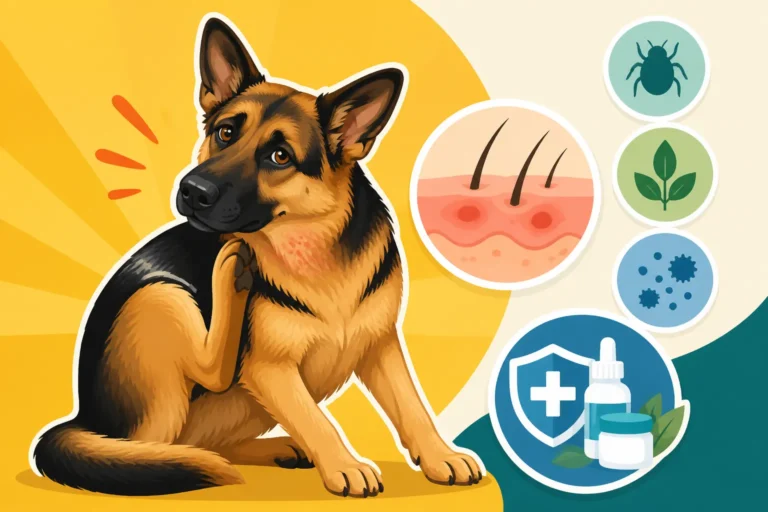
Imagine a small, itchy bug bite or scratch. Now, imagine your German Shepherd, driven by an instinctual need to relieve that itch, licking, chewing, and scratching at it incessantly. What starts as a minor irritation can, within a matter of hours, escalate into a red, inflamed, moist, and often painful open wound. This rapidly spreading infection is what we call a hot spot. They are essentially self-inflicted wounds that become infected by opportunistic bacteria.
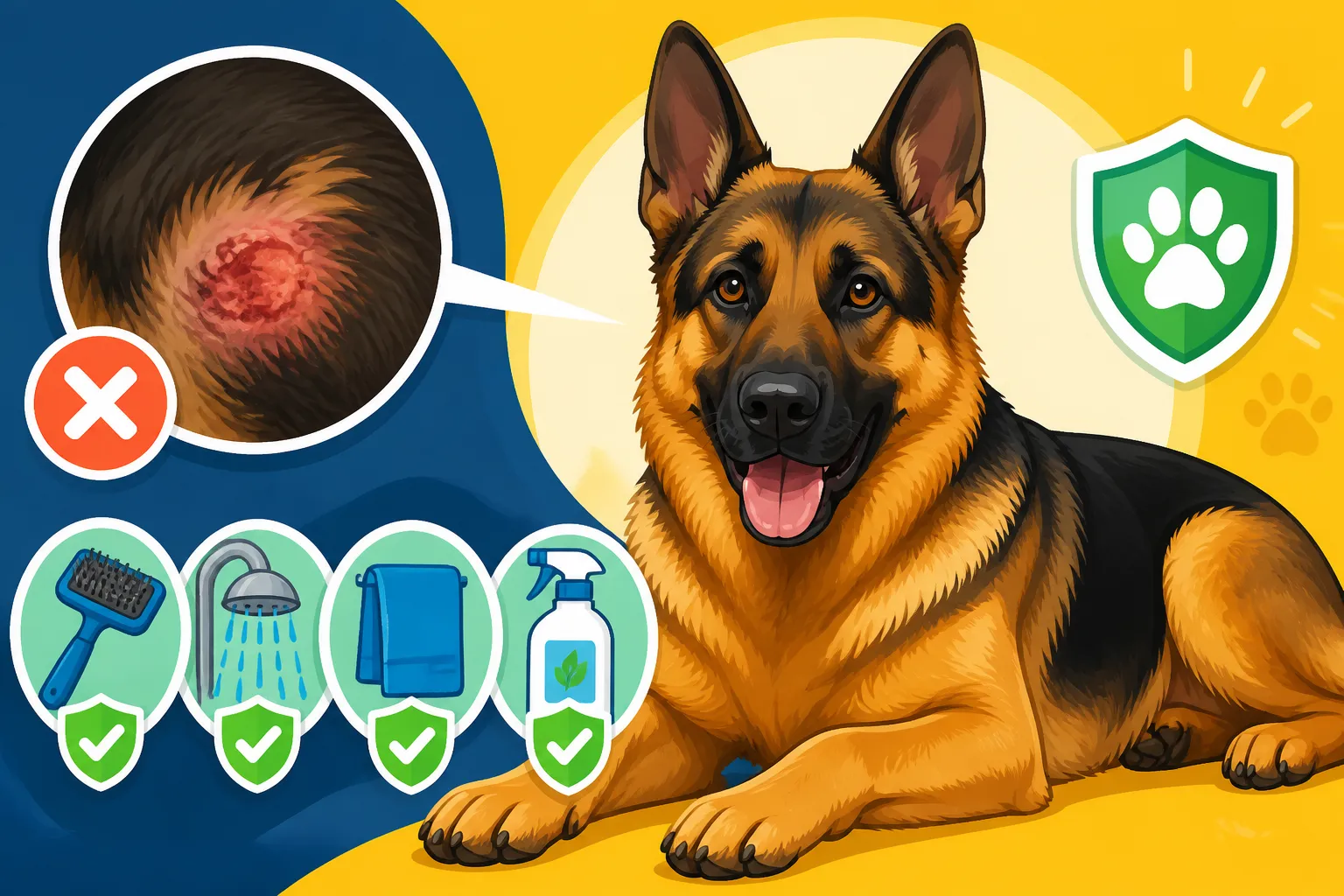
The appearance of a hot spot is usually unmistakable. You'll notice a circular or irregularly shaped patch of inflamed skin, often oozing pus or serum, with the surrounding hair matted down and sticky. Sometimes, you might even see the hair completely missing in the center, revealing raw, red skin. Common locations include the hips, base of the tail, neck, chest, and around the ears – basically anywhere your GSD can easily reach to lick or chew.
The sheer speed at which these lesions develop is one of the most frustrating aspects for owners. What might have been a tiny, unnoticed fleabite at bedtime can be a full-blown, weeping hot spot by morning. The constant licking and chewing create a warm, moist environment perfect for bacterial overgrowth, turning a minor irritation into a serious infection that causes extreme pain and itching, perpetuating the cycle. Breaking this cycle is the first step to healing, but preventing it from starting is always the best approach.
Common Causes Behind Hot Spot Outbreaks
Hot spots are rarely a primary condition; instead, they are almost always a secondary symptom of an underlying issue. Pinpointing the exact trigger can feel like detective work, as it's often a combination of factors rather than a single culprit. This multifactorial nature is what makes preventing them a bit of a challenge, but understanding the usual suspects is crucial.
One of the most frequent instigators of hot spots in German Shepherds is allergies. Just like humans, dogs can suffer from environmental allergies (atopy) triggered by pollen, dust mites, mold, or certain grasses. They can also have food allergies or sensitivities to specific ingredients like chicken, beef, dairy, or grain. These allergies lead to intense itchiness, causing the dog to scratch, lick, or bite at their skin, inadvertently creating the initial wound that then develops into a hot spot. If your German Shepherd is constantly scratching or has recurring ear infections, it might be a sign of underlying allergies, a topic thoroughly explored in our guide on German Shepherd Allergies: Symptoms and Treatment.
Excess moisture trapped against the skin is another major contributor. German Shepherds have a dense double coat, which, while beautiful, can become a breeding ground for bacteria if not dried properly. A swim in the lake, a walk in the rain, or even high humidity can leave moisture clinging to their skin. If this moisture isn't thoroughly dried, especially in areas with thicker fur or poor air circulation, it creates the perfect warm, damp environment for skin irritation and bacterial growth, paving the way for a hot spot.
Finally, external parasites like fleas, ticks, and mites are classic hot spot triggers. A single fleabite can send an allergic dog into an itching frenzy, leading to self-trauma and subsequent hot spot formation. Even boredom, stress, or anxiety can contribute. A bored or anxious German Shepherd might resort to compulsive licking as a self-soothing mechanism, and prolonged licking on one spot can thin the skin, break the skin barrier, and initiate a hot spot. Addressing these German Shepherd Behavior Problems and Solutions can be a part of comprehensive prevention.
Comprehensive Grooming and Allergy Management
Given the common causes, the cornerstone of preventing hot spots in German Shepherds lies in a multi-pronged approach focusing heavily on diligent grooming, proactive allergy management, and strict parasite control. These steps are not just about aesthetics; they are vital components of your GSD’s overall health and comfort.
The Power of Consistent Grooming Practices
Managing a German Shepherd's coat is a year-round commitment, but it’s one of the most effective defenses against hot spots. Their magnificent double coat sheds profusely, and if that dead undercoat isn't removed regularly, it can trap moisture and debris, creating a fertile ground for skin problems. Many owners find the sheer volume of fur overwhelming, but consistent effort makes a huge difference. Our comprehensive How to Groom a German Shepherd guide offers detailed steps.
Regular brushing, ideally several times a week, is absolutely non-negotiable. A good de-shedding tool, like a rake or an undercoat rake, is essential for reaching deep into the dense undercoat and pulling out loose hair. This not only reduces shedding around your home but, more importantly, improves air circulation next to the skin. Better airflow means less trapped moisture and a healthier skin environment, making it much harder for bacteria to thrive and hot spots to develop.
When it comes to bathing, timing and technique are critical. While over-bathing can strip natural oils, infrequent bathing can lead to a buildup of dirt and allergens. Use a gentle, pH-balanced dog shampoo designed for sensitive skin, and rinse thoroughly – any residual shampoo can cause irritation. The most crucial step after a bath, swim, or even a rainy walk, is complete drying. Towel dry as much as possible, then use a dog-specific forced-air dryer (not a human hairdryer, which can be too hot and burn their skin) to ensure every layer of that dense coat is bone dry, especially in hard-to-reach areas like the armpits, groin, and behind the ears. This meticulous drying process is your best friend in preventing moisture-related hot spots.
Don't forget about trimming. While German Shepherds typically don't need extensive haircuts, strategically trimming the hair around their paw pads, sanitary areas, and sometimes around the ears can improve hygiene and airflow. Pay special attention to areas prone to matting, such as behind the ears or under the legs. Mats can pull at the skin, cause irritation, and create tiny pockets of moisture that are perfect breeding grounds for bacteria. Removing them gently but promptly is vital. For more details on managing their coat, check out our article on German Shepherd Shedding: How to Manage It.
Targeting Allergies: Diet and Environment
Allergies are a massive contributor to German Shepherd skin issues, including hot spots. If your GSD is prone to recurring hot spots, investigating potential allergies is a crucial step in prevention. This can feel like a daunting task, as identifying specific allergens often requires patience and consistency, but the relief it brings is well worth the effort.
A high-quality, species-appropriate diet forms the foundation of healthy skin. Many German Shepherds thrive on foods that are rich in animal protein, low in fillers, and free from common allergens. Consider options that feature novel proteins (like duck, venison, or fish) or limited ingredients. Brands like Purina Pro Plan, Royal Canin German Shepherd specific formulas, or other premium brands often offer sensitive skin or limited ingredient options. Our guide on Best Dog Food for German Shepherds provides an in-depth look at suitable choices.
Environmental allergens are a bit trickier to manage, but not impossible. After outdoor activities, especially during pollen season, gently wipe your German Shepherd’s paws, belly, and face with a damp cloth to remove pollen and other irritants. Regular vacuuming, using HEPA air filters in your home, and frequently washing your dog’s bedding can significantly reduce their exposure to indoor allergens like dust mites. Some owners even invest in specific shampoos and conditioners designed to soothe itchy, allergic skin, providing temporary relief while you work on long-term solutions.
When dietary changes and environmental controls aren't enough, it's time to consult your veterinarian. They can help identify specific allergens through allergy testing (blood tests or intradermal skin tests) and recommend targeted treatments. These might include antihistamines, corticosteroids (for severe flare-ups), or even allergen-specific immunotherapy (allergy shots or drops), which can desensitize your GSD to specific triggers over time. A proactive approach to managing your German Shepherd's allergies is paramount in preventing the itch-scratch cycle that leads to hot spots.
Vigilant Parasite Control and Hygiene
It’s impossible to overstate the importance of year-round, consistent flea and tick prevention for German Shepherds. Even if you don’t see fleas on your dog, a single bite from a flea can trigger an allergic reaction in sensitive dogs, leading to intense itching and, you guessed it, a hot spot. Ticks can also cause localized irritation that a dog might obsessively lick, and mites, while microscopic, can cause severe itching that manifests in skin lesions.
There are many effective flea and tick prevention products available, including oral medications (like Bravecto, NexGard, or Simparica), topical treatments (Frontline Plus, Advantage II), and specialized collars (Seresto). Discuss with your veterinarian which product is best suited for your German Shepherd’s lifestyle, local parasite prevalence, and overall health. Consistent application according to the manufacturer's instructions is key; skipping doses can leave your dog vulnerable.
Maintaining a clean environment goes hand-in-hand with parasite control. Regularly vacuuming carpets, rugs, and upholstery helps remove flea eggs and larvae from your home. Washing your dog's bedding weekly in hot water can kill any lingering pests and reduce allergen buildup. Keep your yard tidy by mowing regularly and removing leaf litter, which can reduce tick habitats. A clean living space minimizes your German Shepherd's exposure to irritants and parasites, providing an extra layer of defense against hot spots.
Boosting Skin Health Through Lifestyle
Beyond grooming and targeted allergy management, a holistic approach that includes proper nutrition, mental stimulation, and consistent veterinary care can significantly bolster your German Shepherd's natural defenses against hot spots.
Essential Nutritional Support for Skin
What goes into your German Shepherd’s bowl plays a huge role in the health of their skin and coat. Even with the best dog food, certain supplements can provide an extra boost, making their skin more resilient to irritation and inflammation. Think of it as giving their skin the building blocks it needs to stay strong and healthy.
Omega-3 and Omega-6 fatty acids are superstars for skin health. Found in fish oil (like salmon oil or sardine oil) and flaxseed oil, these essential fatty acids help reduce inflammation throughout the body, including the skin. They can improve skin barrier function, promote a healthy, shiny coat, and reduce dryness and itchiness. Many German Shepherd owners swear by adding a daily dose of high-quality fish oil to their dog's food. Just be sure to choose a product specifically formulated for pets and follow dosing instructions carefully.
Beyond omegas, certain vitamins and minerals are crucial. Zinc, for instance, is vital for skin repair and immune function. Vitamin E is an antioxidant that can help protect skin cells. Some commercial skin and coat supplements, like those offered by Zesty Paws or Nordic Naturals, combine these beneficial ingredients to provide comprehensive support. When choosing supplements, always look for reputable brands and consult your vet, especially if your GSD is on any medications or has other health conditions. This type of thoughtful supplementation can be a great addition to your German Shepherd's diet, which is detailed further in our guide on German Shepherd Diet by Age and Weight.
The connection between gut health and skin health is also gaining recognition. A healthy gut microbiome can influence the immune system and reduce systemic inflammation. Incorporating probiotics into your German Shepherd’s diet can support a balanced gut, potentially leading to fewer allergic reactions and healthier skin. You might find this aspect interesting to explore when considering your GSD’s overall health.
Mental Well-being and Stress Reduction
It might sound surprising, but your German Shepherd’s emotional state can directly impact their skin health. Stress, anxiety, and even boredom can manifest as compulsive licking, chewing, and scratching behaviors. When a dog is stressed, they often seek comfort in repetitive actions, and licking is a common self-soothing mechanism. If this behavior becomes excessive or fixated on one area, it can easily lead to a hot spot.
German Shepherds are an intelligent, high-energy breed that thrives on purpose and activity. Ensuring they get adequate physical exercise is paramount. Daily walks, runs, fetch sessions, or even agility training can help burn off excess energy and keep them physically content. A tired German Shepherd is often a well-behaved and less anxious German Shepherd. Our guide on German Shepherd Exercise Requirements can help you tailor an appropriate routine.
Mental stimulation is just as important as physical exercise. A bored German Shepherd is a mischievous German Shepherd, and destructive chewing or obsessive licking can stem from a lack of mental engagement. Incorporate puzzle toys, training sessions that challenge their minds, scent work, or even just teaching new tricks. Providing enrichment activities can redirect their focus away from potentially harmful compulsive behaviors and keep their minds active and happy.
Establishing a consistent routine also contributes significantly to a German Shepherd's mental well-being. Predictability helps reduce anxiety and stress, making them feel secure in their environment. This combination of physical activity, mental engagement, and a stable routine can greatly reduce the likelihood of stress-induced licking that often precedes hot spot development.
The Critical Role of Veterinary Care
While all the preventative measures discussed are incredibly powerful, there will be times when a professional eye is needed. Regular veterinary check-ups are not just for vaccinations; they're an opportunity for your vet to assess your German Shepherd's overall health, including their skin and coat. Catching subtle skin irritations or underlying health issues early can prevent them from escalating into full-blown hot spots. Your vet can spot signs of allergies, parasite infestations, or other dermatological problems before they become severe.
If, despite all your best efforts, a hot spot does emerge, prompt veterinary attention is crucial. The faster a hot spot is diagnosed and treated, the quicker it will heal and the less discomfort your German Shepherd will endure. Your vet can clean the wound, trim the surrounding hair, prescribe antibiotics (oral or topical) to combat bacterial infection, and anti-inflammatory medications to reduce pain and itching. They might also recommend an Elizabethan collar (the "cone of shame") to prevent your GSD from further irritating the area.
Considering the potential for recurring skin issues, especially with German Shepherds, pet insurance can be a real lifesaver. Companies like Healthy Paws offer coverage that can help mitigate the financial burden of unexpected vet visits, allergy testing, ongoing treatments, and medications related to chronic skin conditions or acute hot spot flare-ups. While nobody wants to think about their dog getting sick, having a plan for those "just in case" moments, whether through a savings fund or pet insurance, provides immense peace of mind. Exploring Is Pet Insurance Worth It for a German Shepherd might be beneficial for your long-term planning. Dealing with hot spots can become a costly endeavor, so being prepared is wise.
Prevention at a Glance: German Shepherd Hot Spots
To make it easier to keep track, here's a quick summary of the key prevention strategies and their benefits.
| Prevention Strategy | Key Actions | Benefits for Your German Shepherd |
|---|---|---|
| Consistent Grooming | Regular de-shedding, thorough drying after baths/swims, mat removal | Prevents moisture trapping, improves air circulation, removes irritants |
| Allergy Management | High-quality diet, environmental allergen reduction, vet consultation | Reduces underlying itchiness, prevents self-trauma |
| Parasite Control | Year-round flea/tick prevention, clean bedding/environment | Eliminates common triggers, reduces skin irritation |
| Nutritional Support | Omega fatty acids, specific supplements, balanced gut health | Strengthens skin barrier, reduces inflammation, promotes healing |
| Mental & Physical Wellness | Adequate exercise, mental stimulation, consistent routine | Reduces stress-induced licking, prevents boredom |
| Veterinary Care | Regular check-ups, prompt treatment of irritations, pet insurance | Early detection, effective treatment, financial preparedness |
By diligently implementing these strategies, you can significantly reduce the risk of hot spots tormenting your German Shepherd. It’s a commitment, but seeing your GSD comfortable, happy, and sporting a healthy, beautiful coat is truly the best reward.
Disclaimer
Please remember that I am a lifestyle blogger and not a veterinarian. The information provided in this article is intended for general informational purposes only and does not constitute professional veterinary advice. Always consult with a qualified veterinarian for any health concerns or before making any decisions related to your German Shepherd's medical care or treatment plan.