German Shepherd Bloat (GDV): Cost to Treat
The sudden onset of bloat in a German Shepherd is every owner's worst nightmare. One minute your beloved companion is fine, the next they're showing distressing symptoms that demand immediate, often costly, veterinary intervention. The financial burden of an emergency like Gastric Dilatation and Volvulus (GDV), commonly known as bloat, can be overwhelming, adding immense stress to an already terrifying situation. This guide will walk you through the typical costs involved in treating German Shepherd bloat, helping you understand what to expect and how to prepare.
Understanding the Urgency and Severity of Bloat (GDV)
When your German Shepherd is suddenly restless, attempting to vomit without producing anything, has a distended abdomen, or is drooling excessively, your heart sinks. These are classic signs of bloat, a life-threatening condition that requires immediate veterinary attention. This isn't just an upset stomach; it's a critical emergency where every minute truly counts, and this urgency directly impacts the cost of treatment.
Why Bloat is a Veterinary Emergency
Gastric Dilatation and Volvulus (GDV) occurs when a German Shepherd's stomach fills with gas, food, or fluid (dilatation) and then twists upon itself (volvulus). This twisting cuts off blood supply to the stomach and other organs, including the spleen, and can prevent gas from escaping, leading to rapid expansion. The pressure on surrounding organs, including the diaphragm, makes it hard for your dog to breathe and can shock their system. Without swift medical intervention, GDV can be fatal within hours. The rapid progression of this condition means there's no time to shop around for the cheapest vet; you go to the nearest emergency clinic, and their services come at a premium due to the specialized equipment, staff, and immediate availability required. Understanding the immediate need for care is crucial, as any delay can not only worsen the prognosis but also potentially increase the complexity and cost of the required surgery. For more insights on recognizing the signs, you might want to read our article on German Shepherd Bloat: Signs and Prevention.
The Immediate Diagnostic Process
When you rush your German Shepherd to an emergency veterinary hospital with suspected bloat, the first steps are critical for diagnosis and stabilization, and they come with their own set of costs. The veterinary team will immediately perform a physical examination to assess your dog's overall condition, check for abdominal distension and tenderness, and evaluate for signs of shock.
One of the most crucial diagnostic tools is an X-ray of the abdomen. This imaging can confirm whether the stomach is dilated and, more importantly, whether it has twisted, which differentiates simple bloat from the much more severe GDV. Blood tests, including a complete blood count (CBC) and a biochemistry panel, will also likely be run to assess organ function, electrolyte balance, and the severity of shock. These initial diagnostics, which include the emergency examination fee, X-rays, and blood work, can easily range from $300 to $800, depending on the clinic and the comprehensiveness of the tests performed. This initial outlay is just the beginning, but it's absolutely non-negotiable for an accurate diagnosis and to guide the life-saving treatment plan.
Breaking Down the Costs of GDV Treatment
Once bloat (GDV) is confirmed, the veterinary team will move swiftly to stabilize your German Shepherd before preparing for surgery. The treatment is complex and multi-faceted, involving surgical correction and intensive post-operative care, all of which contribute significantly to the final bill.
Emergency Surgery: The Main Expense
The cornerstone of GDV treatment is emergency surgery, known as gastropexy. During this procedure, the veterinarian will first de-rotate the twisted stomach and then surgically tack it to the abdominal wall. This "tacking" procedure helps prevent the stomach from twisting again in the future, significantly reducing the risk of recurrence. This is also why some owners opt for an elective gastropexy procedure as a preventative measure.
The cost of the surgery itself is the largest component of the total expense. This figure typically includes:
- Surgical Fees: This covers the surgeon's time and expertise. Given the emergency nature and complexity, this can be substantial.
- Anesthesia: German Shepherds require careful anesthetic management, especially when they are in shock. This includes induction, maintenance, and monitoring by a dedicated technician.
- Surgical Supplies: Everything from sterile drapes and instruments to sutures and intravenous fluids.
- Intraoperative Monitoring: Constant monitoring of heart rate, blood pressure, oxygen saturation, and temperature throughout the surgery.
Beyond the core surgical costs, there are potential complications that can arise during or after surgery, such as damage to the stomach wall requiring partial resection, or issues with the spleen. These complications can add further costs and extend hospitalization. Depending on the severity of the bloat, the presence of necrosis (dead tissue), and the specifics of the procedure, the emergency surgery for GDV can range anywhere from $2,500 to $7,000, with some severe cases pushing even higher.
Post-Operative Care and Hospitalization
The critical period doesn't end when your German Shepherd leaves the operating table. Post-operative care is just as vital and contributes significantly to the overall cost. Your dog will require intensive hospitalization, typically for several days, in an intensive care unit (ICU) or a dedicated recovery ward.
During this time, the costs accrue from:
- ICU Stay: The daily rate for an ICU stay can be hundreds of dollars, covering continuous monitoring, specialized equipment, and dedicated nursing staff.
- Pain Management: German Shepherds will be on a regimen of pain medication to keep them comfortable during recovery.
- Intravenous Fluids: To maintain hydration and support organ function.
- Antibiotics: To prevent post-surgical infections.
- Anti-nausea Medications: To manage gastrointestinal upset common after abdominal surgery.
- Feeding Tubes (if necessary): In some cases, dogs may need a feeding tube if they are unable to eat on their own for a few days.
- Follow-up Diagnostics: Repeat blood work, X-rays, or ultrasounds may be necessary to monitor recovery and detect any complications early.
A typical hospitalization period of 2-5 days can add another $1,000 to $3,000 or more to the total bill, depending on the length of stay and the level of care required. It's a challenging time, both emotionally and financially, but essential for a successful recovery. This is why having a plan in place for German Shepherd Bloat Emergency: What to Do is so important.
Geographic and Clinic Variations in Cost
The cost of treating German Shepherd bloat can vary widely depending on where you live and the type of veterinary facility you utilize. Just like human healthcare, vet costs aren't uniform across the country.
- Location, Location, Location: Veterinary emergency services in major metropolitan areas like Los Angeles, New York City, or Boston tend to have significantly higher overheads, leading to higher prices compared to rural or smaller suburban practices. For example, a GDV surgery that costs $3,500 in a mid-sized town in Ohio might easily run $6,000+ in a specialized veterinary center in Southern California.
- Type of Facility: An emergency veterinary hospital that operates 24/7 with a full staff of specialists and advanced equipment will naturally charge more than a general practice clinic that might only stabilize and refer. While a general practitioner might be able to perform the surgery, a board-certified veterinary surgeon at a specialty hospital often comes with a higher fee but potentially more expertise and access to cutting-edge technology.
- Time of Day/Night: Emergency services typically have higher fees during off-hours (nights, weekends, holidays) due to staffing costs. If your German Shepherd needs surgery at 2 AM on a Sunday, expect a higher bill than if it were a scheduled procedure during regular business hours.
Considering these factors, the overall cost for treating GDV can swing dramatically, from a lower end of around $3,000 in less expensive areas or less complicated cases to upward of $10,000+ for severe cases in high-cost regions at specialty facilities. It's a stark reminder that preparing for such emergencies is paramount for German Shepherd owners.
Preparing for the Financial Burden
Facing the possibility of German Shepherd bloat and its associated costs can feel daunting, but proactive financial planning can make a world of difference when a crisis hits. Being prepared can alleviate some of the stress and allow you to focus solely on your dog's recovery.
The Role of Pet Insurance
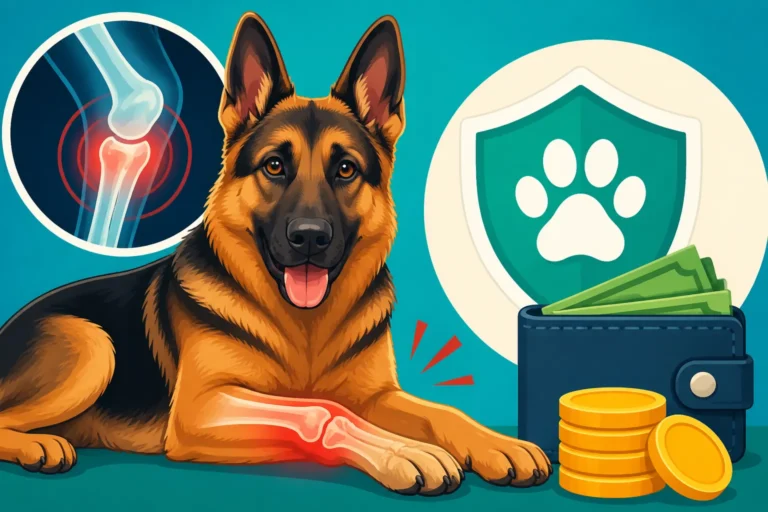
Pet insurance has become an invaluable tool for many German Shepherd owners, especially given the breed's propensity for certain health issues. For conditions like bloat, which can strike suddenly and demand expensive emergency treatment, pet insurance can literally be a lifesaver for your wallet.
Policies typically cover a significant percentage of accident and illness costs after your deductible is met. For instance, if your German Shepherd's GDV treatment totals $7,000 and you have a $500 deductible with a 90% reimbursement rate, a reputable provider like Healthy Paws could reimburse you around $5,850 ($6,500 after deductible, multiplied by 90%). This vastly reduces your out-of-pocket expense from thousands to hundreds. Choosing a plan with robust coverage for emergencies and hereditary conditions is crucial when you own a German Shepherd, as they are prone to conditions like German Shepherd Hip Dysplasia Explained and other issues. When looking at pet insurance, always examine the annual limits, reimbursement percentages, and deductible options to find a plan that best fits your budget and offers adequate protection for potential emergencies like bloat. Healthy Paws, for example, is known for its comprehensive coverage that can truly help in these high-cost situations.
Emergency Funds and Payment Options
Even with pet insurance, or if you don't have it, having an emergency fund specifically for your German Shepherd's health needs is a smart move. Setting aside even a small amount each month into a dedicated savings account can build up over time. Aim to save at least $2,000-$5,000 if possible, as this could cover a significant portion of an emergency bill, or at least your insurance deductible and remaining percentage.
Other payment options to consider in a crisis include:
- Credit Cards: Many veterinary hospitals accept major credit cards. Be mindful of interest rates if you plan to pay over time.
- CareCredit: This is a healthcare credit card that offers promotional financing options, sometimes with deferred interest if paid in full within a specific period. It's widely accepted in veterinary practices across the United States.
- Payment Plans: Some veterinary clinics, especially those with an established client relationship, may offer in-house payment plans. It's always worth asking, though emergency clinics are less likely to offer this for large, immediate bills.
- Veterinary Financial Aid Programs: Organizations like The Pet Fund, RedRover, and Frankie's Friends offer financial assistance to pet owners who cannot afford emergency veterinary care. While funds are often limited and application processes vary, they can provide a much-needed lifeline.
- Crowdfunding: Platforms like GoFundMe can be used to raise money from friends, family, and the broader community in urgent situations.
Combining an emergency savings fund with pet insurance, like a plan from Healthy Paws, creates a strong financial safety net for your German Shepherd's health. You can find more general information about annual costs in our guide on German Shepherd Vet Costs Per Year.
Proactive Prevention: Gastropexy as a Long-Term Investment
While bloat can be a terrifying emergency, there's a proactive measure many German Shepherd owners consider: an elective gastropexy. This surgical procedure, which tacks the stomach to the abdominal wall, is the same life-saving step performed during emergency GDV surgery, but it's done before an emergency occurs.
An elective gastropexy doesn't prevent the stomach from dilating (filling with gas), but it critically prevents the life-threatening twist (volvulus). It's often performed concurrently with spaying or neutering, or as a standalone procedure. The cost of an elective gastropexy is significantly lower than emergency GDV surgery because it's scheduled, allowing for more predictable staffing and resource allocation.
Typical costs for an elective gastropexy can range from $400 to $1,500, depending on your location, the vet clinic, and whether it's combined with another surgery. While this is an upfront investment, many German Shepherd owners view it as a worthwhile one, especially if their dog is in a high-risk category (deep-chested breeds, family history of bloat, anxious temperament). It can provide immense peace of mind, knowing you've significantly reduced the risk of a future, much more expensive, and potentially fatal emergency. Discussing this option with your veterinarian is crucial, especially when considering How to Prevent Bloat (GDV) in German Shepherds.
| Cost Component | Typical Range (USD) | What It Covers |
|---|---|---|
| Emergency Exam & Diagnostics | $300 – $800 | Initial assessment, X-rays, blood work for GDV confirmation & stabilization |
| Emergency Surgery (Gastropexy) | $2,500 – $7,000 | Surgeon's fees, anesthesia, surgical supplies, intraoperative monitoring, de-rotation, tacking |
| Post-Operative Hospitalization | $1,000 – $3,000+ | ICU stay (2-5 days), pain meds, IV fluids, antibiotics, continuous monitoring |
| Medications (Take-Home) | $50 – $200 | Pain relief, antibiotics for recovery at home |
| Follow-up Visits | $100 – $300 | Recheck exams, suture removal, wound checks |
| Total Emergency GDV Cost | $3,950 – $11,300+ | Does not include potential complications or higher regional pricing |
| Elective Gastropexy (Preventative) | $400 – $1,500 | Scheduled surgery to tack stomach, preventing future volvulus |
This table provides a general overview, and actual costs can vary based on individual circumstances and veterinary practices.
Final Thoughts on Managing German Shepherd Health Costs
Owning a German Shepherd is a commitment of love, time, and resources. While their loyalty and companionship are priceless, the financial realities of their health, particularly for serious conditions like bloat, can be substantial. Understanding the potential costs, proactively budgeting with an emergency fund, and considering pet insurance from providers like Healthy Paws are all vital steps in being a responsible German Shepherd owner.
Beyond financial preparation, staying informed about your German Shepherd's overall health is key. Regularly scheduled vet visits, maintaining a healthy diet and exercise routine, and being aware of the Common German Shepherd Health Issues by Age can help prevent some conditions or catch others early, potentially saving lives and reducing long-term costs. For a broader overview of how to keep your German Shepherd in peak condition, explore our guide on How to Keep a German Shepherd Healthy.
Disclaimer
This article is intended for informational purposes only and does not constitute veterinary advice. The cost estimates provided are general ranges and can vary significantly based on location, veterinary clinic, individual animal's condition, and the specific treatments required. Always consult with a qualified veterinarian for any health concerns or before making any decisions about your German Shepherd's medical care.