German Shepherd Bloat Surgery Cost
There's almost nothing more terrifying for a German Shepherd owner than the sudden, frantic signs of bloat, medically known as Gastric Dilatation-Volvulus (GDV). It's a life-threatening emergency that demands immediate veterinary attention, and the financial implications of the necessary surgery can add another layer of overwhelming stress during an already critical time. This comprehensive guide aims to shed light on what bloat surgery entails for your beloved German Shepherd and, critically, what you can expect in terms of the associated costs.
The Terrifying Reality of German Shepherd Bloat and Why Surgery is Critical
If you've ever witnessed a German Shepherd struggling with bloat, you know it's a harrowing experience. It comes on fast, without much warning, and the clock starts ticking the moment symptoms appear. Understanding what bloat is, why our GSDs are particularly susceptible, and why surgery is almost always the only definitive solution, is the first step in preparing for this potential crisis.
What is Bloat and Why is it So Serious?
Gastric Dilatation-Volvulus (GDV), or bloat, is a condition where a dog's stomach fills with gas, food, or fluid (dilation) and then twists (volvulus). This twisting cuts off blood flow to the stomach and often the spleen, trapping the contents and gases inside. The pressure builds up rapidly, impacting vital organs, and can quickly lead to shock and death if not treated immediately. German Shepherds are predisposed to bloat due to their deep chests and large size. It's not just discomfort; it's a critical emergency where every minute truly counts. Without swift intervention, the chances of survival plummet. This is why knowing German Shepherd Bloat: Signs and Prevention is absolutely crucial for any owner.
When bloat occurs, the twisting of the stomach means that standard medical interventions like anti-gas medications are generally ineffective. The only way to untwist the stomach, relieve the pressure, and restore blood flow is through emergency surgery. This procedure, known as gastropexy, often involves surgically attaching the stomach to the abdominal wall to prevent future twisting, though it doesn't prevent the stomach from dilating (filling with gas). The gravity of the situation cannot be overstated; this is not a condition you can "wait and see" with.
Recognizing the Urgent Signs of GDV
Being able to spot the signs of bloat quickly is your German Shepherd's best chance. Owners often report a sudden onset of symptoms, typically after eating or vigorous exercise. Look out for the following:
- Restlessness and Pacing: Your dog might seem unable to get comfortable, constantly shifting position.
- Abdominal Distension: The abdomen, especially behind the rib cage, may appear swollen or tight. This can be subtle at first, so feeling your dog's belly regularly can help you notice changes.
- Non-Productive Vomiting or Retching: This is a classic sign. Your dog will try to vomit but bring up little to nothing, maybe just foamy saliva. They are desperate to relieve the pressure.
- Excessive Drooling: A common response to nausea and discomfort.
- Pain and Discomfort: Whining, panting, or a hunched posture can indicate severe abdominal pain.
- Weakness and Collapse: As the condition progresses, your dog may become weak, lethargic, or even collapse as they go into shock. Their gums might appear pale.
If you observe any of these symptoms, especially the non-productive retching and abdominal distension, do not hesitate. Call your vet or an emergency veterinary hospital immediately and tell them you suspect bloat. Time is of the essence, and understanding German Shepherd Bloat Emergency: What to Do can literally save your dog's life.
Navigating the Financial Labyrinth: German Shepherd Bloat Surgery Cost
The moment you hear "emergency surgery," it's natural for your mind to jump to the cost. For German Shepherd bloat surgery, the expenses can be substantial, reflecting the complexity and urgency of the procedure. It's not just the surgery itself, but a cascade of medical care that contributes to the final bill.
Breaking Down the Veterinary Bill
When we talk about the total cost of bloat surgery for a German Shepherd, it's rarely a single line item. Instead, it's a comprehensive package of services that begins the moment your dog enters the emergency room.
- Initial Emergency Stabilization: Before surgery can even happen, your dog needs to be stabilized. This involves IV fluids to combat shock, pain medication, antibiotics, and often X-rays to confirm the diagnosis and assess the extent of the twisting. They might also need a catheter inserted to relieve gas from the stomach temporarily. These immediate steps are crucial for preparing your dog for the operating table and can run anywhere from a few hundred to over a thousand dollars depending on the severity of the shock and the treatments required.
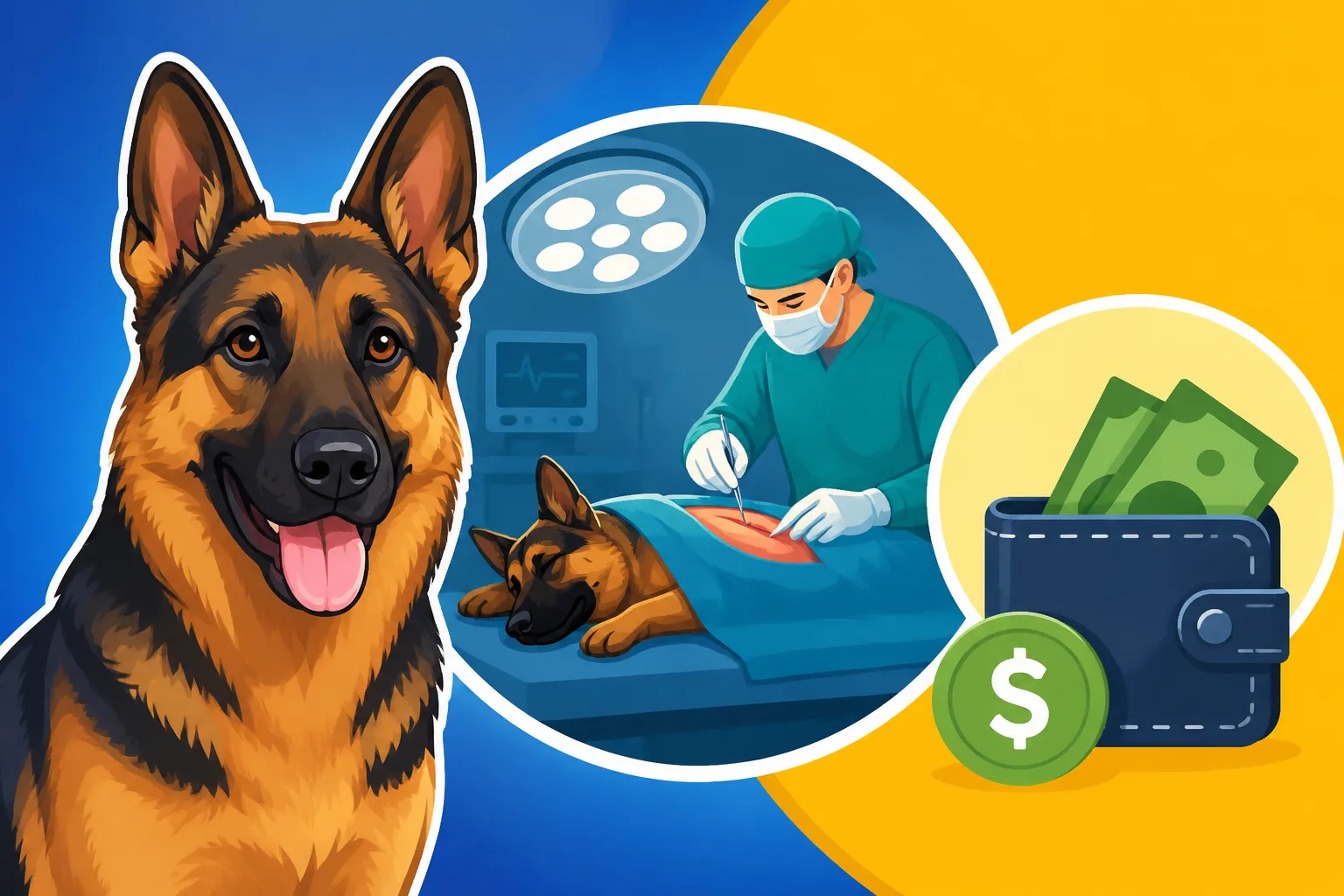
- The Surgery Itself (Gastropexy): This is the core of the cost. The surgical procedure involves untwisting the stomach and then performing a gastropexy, where the stomach is permanently attached to the abdominal wall. This preventative measure significantly reduces the risk of future GDV episodes (though not future dilation). The surgical fees include the surgeon's time, the use of the operating room, anesthesia, and surgical supplies. This alone can range from $2,000 to $5,000, sometimes even higher.
- Post-Operative Care and Hospitalization: This is often the longest and most intensive part of the treatment. After surgery, your German Shepherd will need to be hospitalized, typically for several days, for intensive monitoring. This includes continued IV fluids, pain management, antibiotics, anti-nausea medications, and sometimes medications to support heart function or prevent arrhythmias, which are common complications of bloat. Blood work will be repeated to monitor organ function, and specialized nursing care is essential. The costs for hospitalization, medications, and monitoring can easily add another $1,000 to $3,000 or more, depending on the length of stay and any complications that arise.
Factors Influencing the Final Price Tag
The total cost can fluctuate significantly based on several variables, making it difficult to give an exact number. However, a general range for German Shepherd bloat surgery can be between $2,500 and $7,500, with some cases potentially exceeding this range if severe complications occur.
Let's look at the factors that cause this variability:
- Geographic Location: Veterinary costs, like most services, vary significantly by region. A procedure in a large metropolitan area like New York City or Los Angeles will almost certainly be more expensive than in a rural veterinary clinic in Nebraska. Emergency animal hospitals in areas with a higher cost of living generally have higher overheads, which are reflected in their pricing.
- Type of Veterinary Facility: An emergency veterinary hospital, especially one with specialists and 24/7 care, will typically have higher costs than a standard general practice veterinarian, simply due to the specialized equipment, staffing, and around-the-clock availability. However, for bloat, an emergency facility is often the only option due to the critical nature of the condition.
- Time of Day/Night: Emergency surgeries performed during off-hours (evenings, weekends, holidays) often incur higher surcharges. Staffing an emergency team outside of regular business hours comes at a premium, and these costs are passed on to the client. If your dog bloats at 2 AM on a Sunday, expect the bill to reflect that urgency.
- Severity of the Condition and Complications: A straightforward bloat case where the stomach hasn't twisted too severely and there are no immediate complications will be less expensive than a severe case. Complications such as stomach tissue necrosis (tissue death due to lack of blood flow), splenic torsion (twisting of the spleen), or cardiac arrhythmias can drastically increase surgical time, hospitalization, and the need for additional medications and procedures. The presence of these issues means a longer, more complex surgery and recovery.
- Pre-existing Conditions: If your German Shepherd has other health issues, such as heart problems or kidney disease, this can complicate anesthesia and recovery, requiring more intensive monitoring and potentially longer hospital stays, which naturally drives up the cost.
Beyond the Initial Surgery: Additional Expenses and Long-Term Care
The initial surgery is often just one part of the journey. For many German Shepherds, the recovery from bloat surgery can be complex, involving additional care that adds to the overall financial burden. It’s important to be prepared for potential twists and turns on the road to full recovery.
Potential Complications and Extended Stays
Even after successful surgery, German Shepherds are not out of the woods. Bloat is a systemic event that can affect various body systems.
- Cardiac Arrhythmias: One of the most common and serious complications after bloat surgery is heart arrhythmias. These irregular heartbeats can develop during or after surgery and require ongoing monitoring, specialized medications, and sometimes an extended stay in the intensive care unit. A dog needing cardiac monitoring and anti-arrhythmic drugs will see their daily hospitalization costs climb significantly.
- Stomach Wall Necrosis: In severe cases where blood flow to the stomach was compromised for too long, parts of the stomach wall can die (necrosis). If this occurs, the surgeon might need to remove the necrotic tissue, making the surgery more complex. If necrosis is discovered post-surgery, it could lead to leakage of stomach contents into the abdomen, requiring a second emergency surgery, which doubles the surgical cost and significantly increases recovery time and associated expenses.
- Infections: Any major surgery carries a risk of infection. Post-operative infections, especially abdominal infections, can be life-threatening and necessitate aggressive antibiotic treatment, additional diagnostic tests, and potentially longer hospitalization.
- Other Organ Damage: The shock and reduced blood flow associated with bloat can sometimes damage other organs, such as the kidneys or liver. This might require additional treatments, diagnostic tests, and specialized care, prolonging hospitalization and increasing medical bills. A dog that needs a week in hospital for recovery will have a much higher bill than one who is able to go home after two or three days.
Each complication brings its own set of diagnostic tests, medications, and treatments, driving up the already considerable costs. For example, a second surgery for stomach necrosis could add another $3,000-$6,000 to the bill, not to mention the extended critical care required.
Post-Operative Medications and Follow-Up Visits
Once your German Shepherd is stable enough to come home, the care doesn't stop. There will be a regimen of medications and follow-up appointments.
- Medications: Your vet will likely prescribe a course of antibiotics to prevent infection, pain relievers to manage discomfort during healing, and possibly anti-nausea medications or gastrointestinal protectants. Depending on any complications, additional heart medications or other specialized drugs might be necessary. These medications can cost anywhere from $100 to $500 or more for the full course.
- Follow-Up Appointments: Several follow-up visits will be needed to check surgical incision sites, monitor overall recovery, and remove stitches. These appointments, while less expensive than emergency visits, still contribute to the total cost. Your vet will also advise on dietary changes and activity restrictions during the recovery period. It's vital to adhere to these instructions to prevent complications. During these visits, your vet might also discuss preventative measures like dietary adjustments or changes in exercise routines, touching on topics such as German Shepherd Bloat Prevention Feeding Tips.
It's a long road to recovery, and the financial commitment extends beyond the initial surgery. Preparing for these potential additional costs is part of being a responsible German Shepherd owner.
Planning Ahead: Mitigating the Financial Burden of Bloat
The thought of an emergency like bloat surgery is daunting, not just emotionally but financially. However, there are proactive steps you can take to soften the blow and ensure you're ready to provide your German Shepherd with the best possible care should this emergency arise.
The Lifesaver: Pet Insurance
One of the most effective ways to manage the high costs of emergency veterinary care, including bloat surgery, is pet insurance. Many owners find themselves in a heartbreaking situation where they have to make difficult financial decisions during a crisis. Pet insurance aims to alleviate that burden.
- How it Works: Pet insurance plans typically cover accidents and illnesses. For a condition like bloat, a good policy would cover a significant portion (e.g., 80-90%) of the veterinary bill after your deductible is met. This can turn a $5,000 bill into a much more manageable $500-$1,000 out-of-pocket expense, depending on your plan's specifics. Brands like Healthy Paws are well-known for their comprehensive coverage, often including emergency surgeries, hospitalization, diagnostics, and even some post-operative care. Having a plan from a provider like Healthy Paws can mean the difference between immediate life-saving care and agonizing financial dilemmas.
- Choosing a Plan: When considering pet insurance, it's crucial to research different providers and their coverage specifics. Look for plans that cover emergency procedures, breed-specific conditions (like bloat for German Shepherds), and have a good reputation for processing claims efficiently. Understand deductibles, reimbursement percentages, and annual limits. Remember that pet insurance works best when purchased before an emergency strikes, as pre-existing conditions are generally not covered. Investing in a reliable plan when your German Shepherd is young and healthy can be one of the best financial decisions you make for their long-term well-being. This ties into the broader question of Is Pet Insurance Worth It for a German Shepherd.
Emergency Savings and Preventive Strategies
Even with pet insurance, having an emergency fund dedicated to your pet's health is a smart move. Deductibles and co-pays can still be substantial, especially for a multi-thousand dollar surgery.
- Dedicated Savings Account: Set aside a specific amount each month into a "pet emergency fund." Aim to build up a fund that could cover at least the deductible of your pet insurance plan, or ideally, a significant portion of an emergency bill if you don't have insurance. Even a small amount saved regularly can add up over time. Knowing you have a safety net provides immense peace of mind.
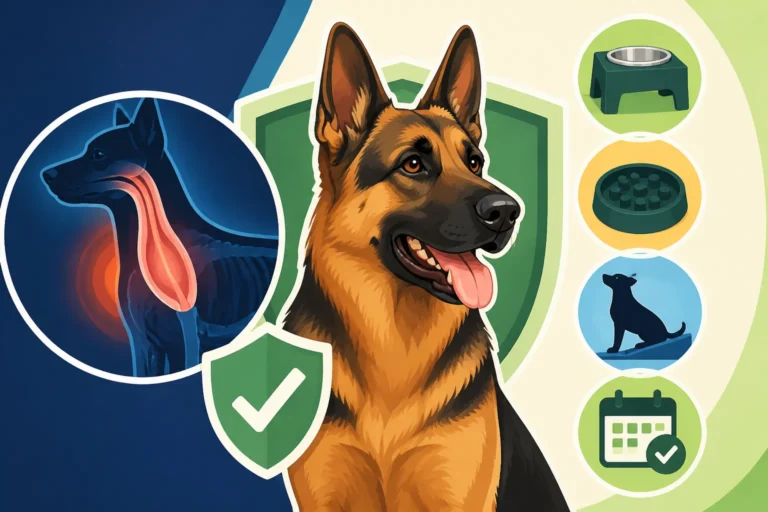
- Preventative Measures to Reduce Risk: While gastropexy during bloat surgery can prevent future twisting, and prophylactic gastropexy (performing the surgery electively to prevent bloat) is an option some owners consider, there are daily practices that can help reduce the risk of bloat in your German Shepherd. These are important for every GSD owner to be aware of and include:
- Multiple Small Meals: Instead of one or two large meals, feed your German Shepherd two or three smaller meals throughout the day.
- Slow Down Eating: Use slow-feeder bowls or puzzle feeders to prevent your dog from gulping down food too quickly.
- Avoid Exercise After Meals: Restrict vigorous exercise, excitement, or stress for at least an hour before and two hours after eating. This gives their stomach time to digest without excessive movement.
- Limit Water Intake Around Meals: Don't let your dog gulp large amounts of water immediately before or after eating.
- Diet Quality: Feed a high-quality, balanced diet appropriate for large breeds. Discuss with your vet if a specific type of kibble or food texture might be better.
- Consider Raised Bowls: The debate around raised bowls and bloat prevention is ongoing. Some studies suggest they might increase risk, while others are inconclusive. It's a discussion worth having with your vet, referencing topics like Should German Shepherds Eat from Raised Bowls.
By combining financial preparedness with diligent preventative care, you can significantly reduce both the risk of bloat and the financial strain if this emergency ever strikes your beloved German Shepherd. For a general overview of managing their health, you might find our guide on How to Keep a German Shepherd Healthy useful.
Understanding Prophylactic Gastropexy: Prevention vs. Emergency
When discussing bloat surgery costs, it's important to differentiate between emergency surgery (when bloat has already occurred) and prophylactic gastropexy, which is an elective, preventative procedure.
What is Prophylactic Gastropexy?
Prophylactic gastropexy is a surgery performed on healthy, at-risk dogs to prevent the stomach from twisting in the future. During this procedure, the stomach is permanently attached to the abdominal wall, just as in an emergency gastropexy. The key difference is that it's done electively, often at the same time as another routine surgery, such as spaying or neutering. This means the dog is healthy, the stomach is not dilated or twisted, and the procedure is typically less complex and less expensive than an emergency bloat surgery.
- Benefits: The main benefit is preventing the life-threatening stomach torsion that defines GDV. While it doesn't prevent the stomach from dilating (filling with gas), it drastically reduces the risk of the stomach twisting, which is the truly critical aspect of bloat. For breeds like German Shepherds, which are highly predisposed, many owners consider this a worthwhile preventative measure to avoid the emergency and associated high costs and risks.
- Cost Implications: Because it's an elective surgery, prophylactic gastropexy is significantly less expensive than emergency bloat surgery. It generally costs between $400 and $1,500, depending on location and whether it's performed in conjunction with another surgery. If done at the same time as a spay or neuter, the total cost for both procedures is usually less than doing them separately. This is a considerable saving compared to the $2,500-$7,500 for an emergency procedure, not to mention the emotional toll. Some pet insurance plans, like those from Healthy Paws, may even offer coverage for this preventative procedure, or at least for the complications, if it's considered part of general preventative health.
Weighing the Pros and Cons
Deciding whether to pursue a prophylactic gastropexy for your German Shepherd is a personal choice, often made in consultation with your veterinarian.
Pros of Prophylactic Gastropexy:
- Peace of Mind: Knowing you've significantly reduced the risk of a life-threatening emergency can bring immense peace of mind.
- Cost-Effective: It's substantially cheaper than emergency surgery.
- Less Risky: Performed on a healthy dog, the risks associated with anesthesia and surgery are generally lower than for an emergency procedure on a critically ill dog.
- Prevents Future Torsion: While it doesn't prevent dilation, it largely eliminates the deadly twisting component of bloat.
Cons of Prophylactic Gastropexy:
- Elective Surgery: It's still an invasive surgical procedure with inherent risks of anesthesia and complications, even if minor.
- Doesn't Prevent Dilation: The stomach can still fill with gas, potentially causing discomfort, though not the life-threatening twist.
- Additional Cost: Even if less than emergency surgery, it's still an upfront expense that some owners may find prohibitive, especially if their dog is already spayed or neutered and would need a separate surgery.
For high-risk breeds like German Shepherds, especially those with a family history of bloat, many veterinarians recommend discussing prophylactic gastropexy. It's a proactive step that could save your dog's life and your bank account in the long run. When considering your German Shepherd's overall health and potential issues, looking into topics like German Shepherd Health Problems Guide can provide a broader context.
German Shepherd Bloat Surgery: Recovery and Outlook
Surviving bloat surgery is a huge hurdle, but the journey continues into the recovery phase. What happens immediately after surgery and what does the long-term outlook look like for a German Shepherd who has undergone this critical procedure?
Immediate Post-Operative Recovery
Directly after surgery, your German Shepherd will spend time in the veterinary hospital's recovery or intensive care unit. This period is crucial for stabilization and monitoring.
- Pain Management: Your dog will be given strong pain medications to manage post-surgical discomfort. Keeping them comfortable is paramount for a smooth recovery.
- Fluid Therapy: IV fluids will continue to support hydration and blood pressure, especially if your dog was in shock prior to surgery.
- Monitoring for Complications: Vets and veterinary technicians will constantly monitor vital signs, heart rhythm (for arrhythmias), incision site integrity, and overall demeanor. They'll also check for any signs of internal bleeding or infection. This intensive monitoring is why hospitalization costs are a significant part of the overall bill. If a complication like a cardiac arrhythmia arises, additional medications and monitoring protocols will be initiated immediately.
- Gradual Reintroduction of Food and Water: Typically, your dog will be NPO (nothing by mouth) for a period after surgery to allow the digestive system to rest. Water will be introduced first in small amounts, followed by a bland, easily digestible diet. Any signs of nausea or vomiting during this phase are taken very seriously.
The length of hospitalization can vary widely, from 2-3 days for uncomplicated cases to a week or more if serious complications occur. Each extra day means additional costs for care, medications, and monitoring.
Long-Term Prognosis and Life After Bloat
The good news is that with prompt and successful surgical intervention, the long-term prognosis for German Shepherds who survive bloat is generally good.
- Survival Rates: The survival rate for German Shepherds who receive timely surgical treatment for bloat is quite high, often ranging from 75% to 85%. However, this number drops significantly if treatment is delayed, or if severe complications like stomach necrosis are present.
- Recurrence of Bloat: While the gastropexy procedure largely prevents the stomach from twisting again, it does not prevent the stomach from filling with gas (dilation). A dog that has had a gastropexy can still "bloat" with gas, causing discomfort, but without the deadly twist, it's typically not life-threatening. Owners should still be vigilant and continue preventative feeding and exercise habits.
- Quality of Life: Most German Shepherds who recover from bloat surgery go on to live full, happy lives. There are usually no long-term dietary restrictions beyond general good practices (like small, frequent meals) and avoiding strenuous activity around meal times. They can return to their normal activities, though owners should always be mindful of the factors that trigger bloat.
The experience of bloat is a traumatic one for both dog and owner. However, knowing the signs, acting quickly, and being financially prepared (perhaps with help from Healthy Paws or a robust emergency fund) provides the best chance for a positive outcome. Taking proactive steps like considering a prophylactic gastropexy or adhering to How to Prevent Bloat (GDV) in German Shepherds guidelines can save you from ever having to face the emergency cost of bloat surgery.
Disclaimer
The information provided in this article is for general informational purposes only and does not constitute veterinary advice. Always consult with a qualified veterinarian for any health concerns or before making any decisions about your pet's medical care. Costs mentioned are estimates and can vary significantly based on location, clinic, and individual circumstances.