How Early Neutering Affects German Shepherd Joints
It's completely understandable to feel a knot of anxiety when trying to figure out the best timing for neutering your beloved German Shepherd. You want to do everything right for their health, especially when you hear whispers and debates about how the timing of this common procedure might impact their joints, a known weak spot for the breed. This guide is here to cut through the noise, offering a deep dive into how early neutering can affect a German Shepherd's joint health, helping you make a truly informed decision for your furry family member.
Understanding Joint Development in German Shepherds
German Shepherds are magnificent dogs, but let's be honest, their musculoskeletal system, particularly their hips and elbows, can be a source of worry for many owners. It's a breed predisposed to certain joint conditions, which makes understanding their development all the more crucial, especially when discussing something as impactful as neutering.
The Role of Growth Plates and Hormones
Think of a puppy's bones as a work in progress. At the ends of their long bones, they have these magical areas called "growth plates," or physes. These are essentially cartilage areas that continuously produce new bone cells, allowing the bones to lengthen as the puppy grows. These growth plates remain open and active throughout the puppy and adolescent stages, gradually fusing and hardening into solid bone once the dog reaches maturity. For a large breed like a German Shepherd, this process can take longer than for a smaller dog, often not completing until 18-24 months of age, sometimes even later.
The closure of these growth plates is heavily influenced by hormones, specifically sex hormones like testosterone and estrogen. These hormones play a critical role in signaling when it's time for the growth plates to stop growing and calcify. When a dog is neutered, these hormone levels are significantly reduced or eliminated. This removal of sex hormones can, in turn, delay the closure of the growth plates. A delayed closure means the bones continue to grow for a longer period, potentially resulting in longer limbs than they might have naturally achieved. This seemingly small change can have a ripple effect on the geometry and biomechanics of their joints.
Why German Shepherds are Prone to Joint Issues
Unfortunately, German Shepherds are genetically predisposed to several debilitating joint conditions. The two most commonly discussed are hip and elbow dysplasia. German Shepherd Hip Dysplasia Explained delves into this in more detail, but in essence, these are conditions where the joints don't develop properly, leading to instability, pain, and eventually arthritis. The ball and socket of the hip, or the complex elbow joint, simply don't fit together as snugly as they should.
This predisposition means that any factor that can further stress or alter the natural development of these joints needs careful consideration. When bones grow longer than intended due to delayed growth plate closure, it can subtly change the angles and forces within the joints. For a breed already walking a tightrope with joint conformation, even slight alterations can increase the risk of these conditions manifesting or worsening. It’s not about causing the condition from scratch, but rather exacerbating an inherent susceptibility. Owners often spend a lot of time researching How to Prevent Hip Dysplasia in German Shepherds, and understanding neutering timing is a significant part of that puzzle.
The Impact of Neutering on Hormonal Balance
The decision to neuter a male German Shepherd or spay a female German Shepherd fundamentally alters their hormonal landscape. This isn't just about preventing reproduction; it's about shifting the delicate balance of hormones that govern so many bodily functions, including bone growth and joint integrity.
How Hormones Influence Bone Growth
Sex hormones are not just for reproduction; they're integral to a dog's overall development. Testosterone in males and estrogen in females play a crucial role in regulating the rate and timing of bone development, including the signal for those all-important growth plates to close. They essentially put the brakes on bone lengthening at the appropriate time, allowing the bones to mature and solidify at their genetically programmed length.
When a German Shepherd is neutered at a young age, before the growth plates have naturally fused, the primary source of these sex hormones is removed. Without these hormonal signals, the growth plates tend to stay open longer than they normally would. This extended period of growth means the long bones of the legs can become disproportionately longer. While a few extra millimeters might not sound like much, this increased bone length can change the biomechanics of how the joints function. It can alter leverage and force distribution, potentially putting undue stress on the cartilage and ligaments within the joint, particularly in a large, active breed.
Differences Between Early and Later Neutering
The term "early neutering" typically refers to neutering before a dog reaches skeletal maturity, often around 6-12 months of age. "Later neutering" or "delayed neutering" usually means waiting until the dog is fully grown, which for a German Shepherd can be anywhere from 18 to 24 months, or even older, depending on the individual dog and their specific genetic lines.
The key difference in timing lies in the status of those growth plates. If neutering occurs before growth plates have closed, the hormonal influence on bone lengthening is interrupted, leading to the potential for longer bones and altered joint angles. If neutering occurs after the growth plates have naturally fused, the impact on bone length is minimal to non-existent, as the bones have already reached their mature size.
Studies have indicated that German Shepherds neutered early may have a higher incidence of certain orthopedic issues, such as cranial cruciate ligament (CCL) tears, in addition to hip and elbow dysplasia. For example, some research suggests that dogs neutered before six months of age had a significantly increased risk of developing hip dysplasia compared to those neutered later or left intact. The exact percentages can vary between studies, but the trend points to a correlation that responsible owners should be aware of. This isn't to say every early-neutered German Shepherd will develop issues, but it does highlight an increased statistical risk that warrants careful consideration. When looking into German Shepherd Genetic Health Testing, potential owners often inquire about these risks, too.
Specific Joint Conditions Affected by Neutering
The discussion around neutering timing for German Shepherds often circles back to specific orthopedic problems that are unfortunately prevalent in the breed. Understanding how neutering can influence these conditions is paramount.
Hip and Elbow Dysplasia Considerations
Hip dysplasia in German Shepherds is a well-known foe. It's a genetic condition where the hip joint doesn't form correctly, leading to a loose, unstable joint that grinds instead of slides smoothly. Over time, this causes pain, inflammation, and degenerative joint disease or arthritis. Similarly, elbow dysplasia is a complex condition involving multiple developmental abnormalities in the elbow joint, resulting in pain and lameness.
For German Shepherds, particularly male dogs, studies have suggested an increased risk of hip dysplasia when neutered too early. For example, a landmark study published in Veterinary Medicine and Science highlighted that German Shepherds neutered before one year of age showed a statistically significant increase in the incidence of hip dysplasia compared to those left intact or neutered later. While the breed is predisposed genetically, the altered bone growth due to early hormone removal is thought to exacerbate the expression of this genetic predisposition. The longer bones can create unnatural stresses on the immature hip joint, potentially worsening the laxity that defines dysplasia. You can find more details in articles like German Shepherd Hip Dysplasia: Symptoms and Treatment.
Elbow dysplasia also shows a similar trend, though perhaps not as pronounced as hip dysplasia in some studies. The overall principle remains: any alteration in the natural growth trajectory of long bones can subtly shift the mechanics of weight-bearing joints. An elbow joint that is already prone to developmental issues can be further compromised by these changes. This makes the timing of neutering a critical component of preventative care, alongside careful breeding choices and proper nutrition.
Other Orthopedic Concerns
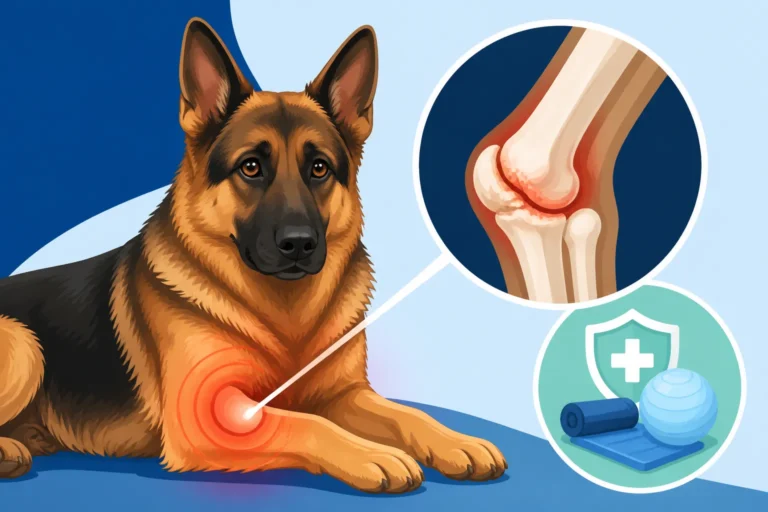
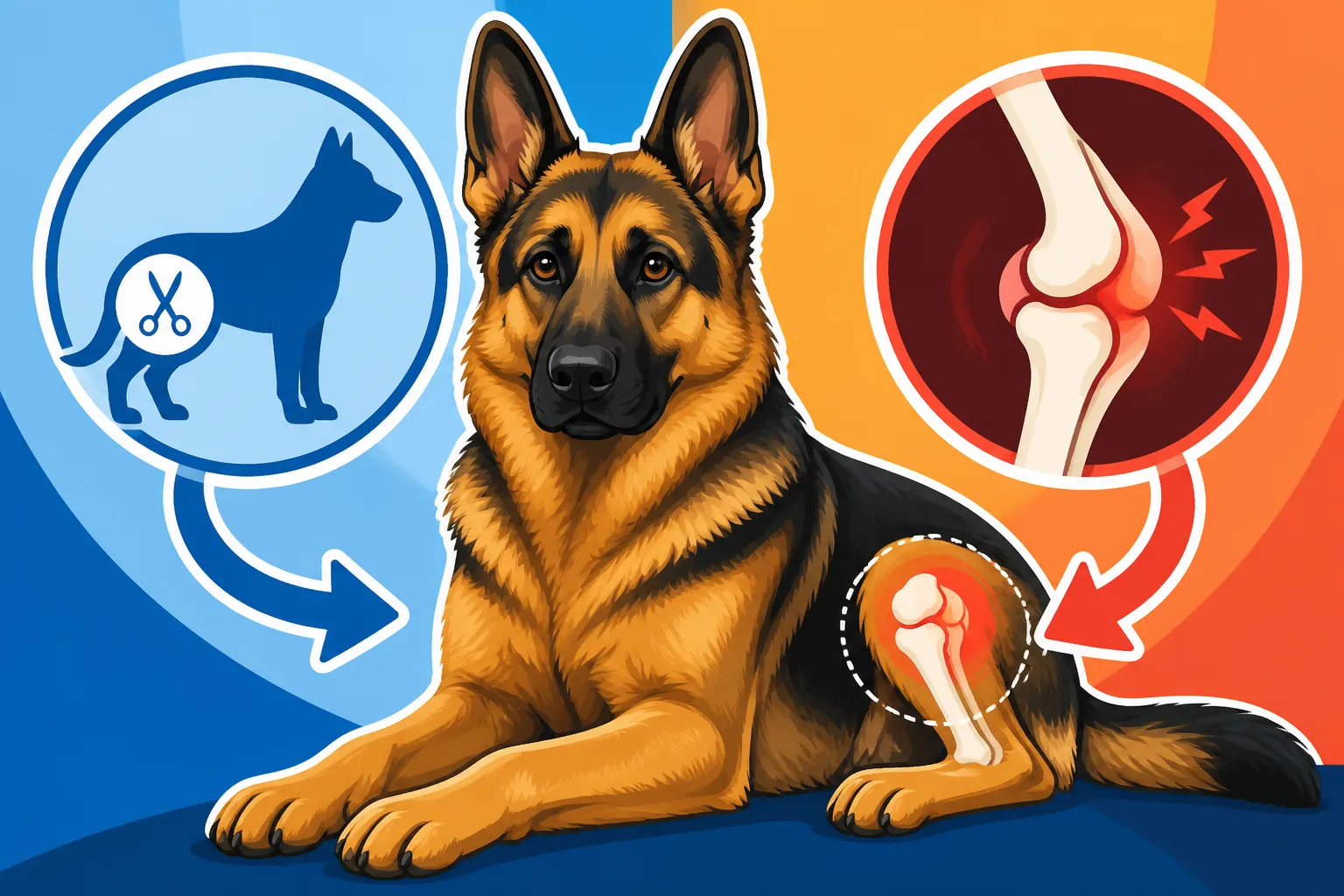
Beyond hip and elbow dysplasia, delayed growth plate closure due to early neutering has been linked to other orthopedic issues in German Shepherds and other large breeds. One significant concern is an increased risk of cranial cruciate ligament (CCL) tears. The CCL is a vital ligament in a dog's knee (stifle joint), and tears are often painful and require expensive surgery. The theory here is that the altered angles and increased length of the long bones can put abnormal stress on the knee joint, making the CCL more susceptible to injury. Imagine a long lever arm applying force to a joint; if that arm is suddenly longer, the force dynamics change, potentially stressing components like ligaments beyond their natural tolerance.
Another less common but observed issue is patellar luxation (kneecap dislocation), where the kneecap slips out of its groove. While often genetic, the biomechanical changes resulting from early neutering could theoretically contribute to or worsen this condition in some individuals. Panosteitis, or "growing pains," is another condition that German Shepherd puppies can experience, and while not directly linked to neutering, it underscores the rapid and sometimes uneven growth patterns in the breed. It’s important to discuss all these potential risks with your vet, and perhaps consider pet insurance options like Healthy Paws to help manage unforeseen orthopedic treatment costs. Understanding German Shepherd Joint Health Supplements can also be beneficial in supporting joint integrity.
Weighing the Pros and Cons of Neutering Timing
Deciding when to neuter your German Shepherd isn't a simple yes or no, early or late answer. It's a complex decision with various factors beyond joint health, and it truly requires a thoughtful evaluation of all angles.
Health Benefits and Risks Beyond Joints
While our focus is on joint health, it's vital to remember that neutering has a wide array of health implications, both positive and negative, that extend beyond the skeletal system.
Benefits of Neutering (regardless of timing, though some vary):
- Reduced cancer risk: Neutering male German Shepherds virtually eliminates the risk of testicular cancer and significantly reduces the risk of certain prostate diseases. In females, spaying eliminates the risk of ovarian and uterine cancers and drastically reduces the risk of mammary tumors, especially if done before their first heat cycle.
- Prevention of unwanted pregnancies: This is arguably the most straightforward and universally accepted benefit, helping to control pet overpopulation.
- Reduced risk of perianal fistulas: This painful condition around the anus is seen more frequently in intact male German Shepherds.
- Decreased roaming and aggression: Intact males, driven by hormones, are more likely to roam in search of mates, increasing the risk of accidents and fights. Neutering can often reduce these behaviors.
Risks associated with Neutering (especially early, beyond joint issues):
- Increased risk of certain other cancers: While it reduces some cancers, neutering, particularly early neutering, has been linked to a slightly increased risk of certain other cancers, such as osteosarcoma (bone cancer) and hemangiosarcoma in some studies. However, the data on this is still being refined and debated among veterinary professionals.
- Increased risk of obesity: Neutered dogs often have a lower metabolism, making them more prone to weight gain if their diet and exercise aren't adjusted. Obesity, in turn, can severely exacerbate joint problems.
- Potential for urinary incontinence: This is primarily a concern for spayed females, though generally rare and often manageable.
- Hypothyroidism: Some studies suggest a slightly increased risk of hypothyroidism in neutered dogs.
It's clear there's a delicate balance. The decision often comes down to what specific risks you're more comfortable mitigating and which potential benefits you prioritize for your individual dog, their lifestyle, and your family situation.
Behavioral Considerations
Beyond the purely physical, hormones play a huge role in a German Shepherd's behavior and temperament. Owners are often keen to understand German Shepherd Behavior Problems and Solutions, and neutering sometimes plays a role in these discussions.
For Males:
- Reduced aggression: Neutering can help reduce male-on-male aggression and some forms of territorial aggression, especially if done before these behaviors become deeply ingrained. However, it's not a magic bullet for all aggression and won't fix fear-based or poorly socialized aggression.
- Decreased marking and mounting: Hormonal intact males are more prone to urine marking and mounting behaviors, which neutering can often curtail.
- Less roaming: The strong instinct to find a mate often leads intact males to try and escape yards, which can be dangerous.
- Training implications: While some believe intact males are harder to train due to distraction, many professional trainers assert that consistent training and socialization are far more impactful than neuter status on overall trainability.
For Females:
- Heat cycles: Spaying eliminates heat cycles, which come with behavioral changes like restlessness, increased vocalization, and attracting intact males, as well as the mess of bleeding.
- "Phantom" pregnancies: Some intact females can experience false pregnancies, which involve hormonal shifts and behavioral changes mimicking pregnancy and lactation. Spaying prevents this.
The timing of neutering can also play into behavioral development. Some argue that allowing a German Shepherd to mature with their full hormonal complement can contribute to a more confident and stable temperament, especially in male dogs, though this is harder to quantify with scientific data compared to physical health outcomes. It's a nuanced discussion, and what's right for one German Shepherd in one household might not be ideal for another.
Making an Informed Decision for Your German Shepherd
Navigating the complexities of neutering timing for your German Shepherd can feel overwhelming, but remember, you're not alone in this decision. Many owners wrestle with this, and the best path forward is always an informed one, tailored to your specific dog.
Consulting Your Veterinarian
This is perhaps the most crucial step. Your veterinarian knows your German Shepherd's individual health history, genetic background (if available), and current physical condition. They can provide the most personalized advice based on the latest veterinary science and their clinical experience. Don't be afraid to have an open and honest conversation with them.
When you discuss neutering timing, here are some key questions to ask:
- "Based on my German Shepherd's breed, current age, and growth trajectory, what are the specific risks and benefits of early vs. later neutering for him/her?"
- "What are your recommendations regarding ideal timing for a large breed like a German Shepherd, considering joint health?"
- "What are the signs that my dog's growth plates have closed, or what age do you typically see them close in this breed?"
- "Are there any specific lifestyle factors (e.g., highly active, working dog, apartment living) that might influence your recommendation?"
- "Can we discuss the potential trade-offs between cancer prevention and joint health risks in this context?"
A good veterinarian will walk you through the evidence, explain their reasoning, and help you weigh the factors. They might also suggest imaging (X-rays) to assess growth plate closure if you're considering delayed neutering. Remember, veterinary medicine is constantly evolving, and a knowledgeable vet will be up-to-date on the most current recommendations for large breeds like German Shepherds. Many vets also suggest pet insurance like Healthy Paws for German Shepherds to help cover potential costs of joint issues, regardless of neuter status.
Alternative Sterilization Methods
For owners particularly concerned about the hormonal impacts of traditional neutering, there are alternative sterilization methods that preserve the production of sex hormones while preventing reproduction.
- Vasectomy for Males: In a vasectomy, the tubes that transport sperm (vas deferens) are cut and tied, preventing sperm from being released. The testicles remain, continuing to produce testosterone. This means the dog retains his sex hormones, theoretically avoiding the growth plate issues associated with early neutering, while still being unable to sire puppies.
- Ovary-Sparing Spay (OSS) for Females: In an OSS, the uterus is removed, but one or both ovaries are left intact. This prevents pregnancy but allows the female to continue producing estrogen and progesterone. She will still experience heat cycles (without the bleeding or ability to conceive) and maintain hormone levels, again, theoretically mitigating some of the orthopedic risks, though this is a more complex surgical procedure.
These alternative methods are not as commonly performed as traditional neutering and spaying, and not all veterinarians offer them. They also come with their own set of considerations:
- Behavioral impacts: Dogs sterilized this way will retain hormone-driven behaviors (marking, roaming, heat cycles).
- Cancer risks: Since sex organs are retained (testicles in vasectomy, ovaries in OSS), the risks of testicular cancer or mammary/ovarian cancers are not eliminated, though the removal of the uterus in OSS does prevent uterine cancer.
- Cost and availability: These procedures can be more expensive and require a veterinarian with specific experience in performing them.
It's a conversation worth having with your vet if you're highly motivated to preserve hormone production. Understanding all options is key to making the best choice for your beloved German Shepherd and ensuring their long-term health and happiness. For more insights on general care, check out How to Keep a German Shepherd Healthy.
German Shepherd Neutering Timing: Impact on Health
Here's a simplified look at the potential effects of early versus later neutering on various health aspects for a German Shepherd.
| Health Aspect | Early Neutering (Before Growth Plate Closure) | Later Neutering (After Growth Plate Closure) |
|---|---|---|
| Hip Dysplasia Risk | Potentially increased risk due to delayed growth plate closure and altered joint mechanics. | Lower risk compared to early neutering; genetic predisposition still present. |
| Elbow Dysplasia Risk | Potentially increased risk due to altered bone growth. | Lower risk compared to early neutering; genetic predisposition still present. |
| CCL Tear Risk | Potentially increased risk due to altered limb angulation and forces on the stifle (knee) joint. | Lower risk compared to early neutering. |
| Osteosarcoma (Bone Cancer) | Some studies suggest a slightly increased risk, though research is ongoing. | Potentially lower risk than early neutering; overall risk influenced by genetics. |
| Testicular Cancer | Eliminated (in males). | Eliminated (in males). |
| Prostate Disease | Significantly reduced risk (in males). | Significantly reduced risk (in males). |
| Mammary Tumors | Greatly reduced if spayed before first heat (in females). | Reduced, but less so than early spaying; risk increases with each heat cycle. |
| Urinary Incontinence | Potentially slightly increased risk in spayed females. | Generally lower risk than early spaying in females. |
| Obesity Risk | Potentially increased due to metabolic changes; requires careful diet and exercise management. | Potentially increased, but less pronounced than early neutering; requires careful diet and exercise management. |
| Behavioral Issues | Can help reduce roaming, marking, and some aggression; potential for delayed maturity in some individuals. | Intact behaviors persist if not neutered; can contribute to more stable temperament in some individuals. |
Remember, this table provides generalizations, and individual outcomes can vary greatly. The most important takeaway is the need for a personalized discussion with your veterinarian. Exploring topics like German Shepherd Spay and Neuter Timing can provide even more context.
Disclaimer
This article is intended for informational purposes only and does not constitute veterinary advice. The health and medical information provided here is general and should not be used as a substitute for professional consultation with a qualified veterinarian. Always consult your vet for any health concerns or before making any decisions about your pet's care.