Is Osteoarthritis Common in German Shepherds
It's incredibly disheartening when your beloved German Shepherd, usually a picture of strength and vitality, starts showing signs of discomfort or slowing down. Many German Shepherd owners find themselves worrying about their dog's joints as they age, and for good reason. Joint issues are a significant concern in this breed, and among them, osteoarthritis stands out. This guide will delve into just how common osteoarthritis is in German Shepherds and what you, as a dedicated owner, need to know to recognize and manage this challenging condition.
Understanding Osteoarthritis in German Shepherds
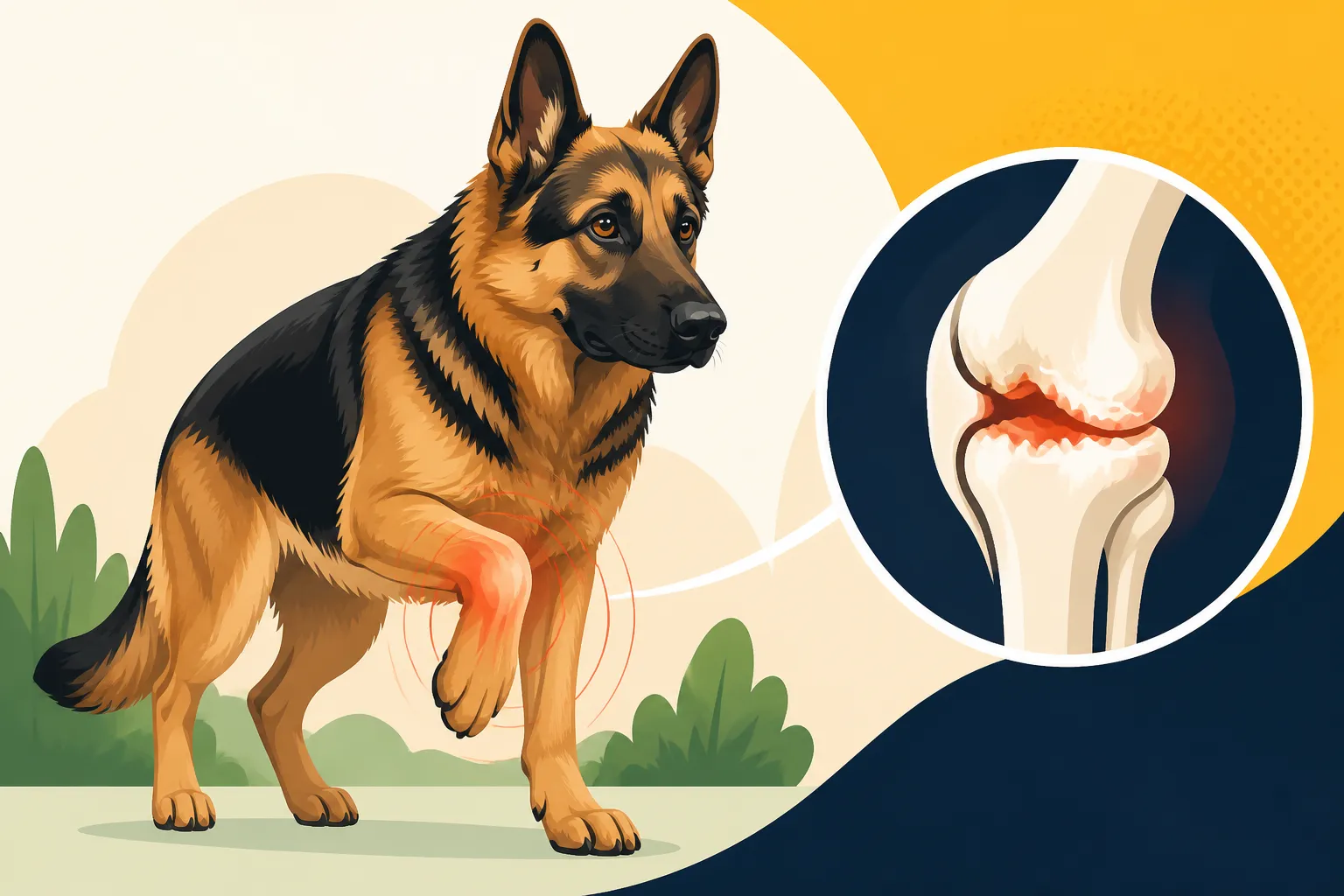
Osteoarthritis, often simply called arthritis, is a progressive and painful degenerative joint disease that affects millions of dogs, and unfortunately, German Shepherds are particularly prone to it. It’s not just a "wear and tear" condition; it's a complex disease involving the entire joint. When your dog has osteoarthritis, the smooth cartilage that cushions the ends of the bones in a joint begins to break down. This breakdown leads to bone-on-bone friction, inflammation, pain, and the formation of new bone deposits, often called bone spurs, around the joint.
This process doesn't happen overnight. It's a gradual deterioration that can start subtly and worsen over time, significantly impacting your dog's quality of life. Imagine having a constant ache that gets worse with movement – that's what many dogs with osteoarthritis experience. It’s important to understand that while it often presents in older dogs, the underlying causes can start much earlier in life, even in young adulthood.
What Exactly is Osteoarthritis?
At its core, osteoarthritis is a chronic inflammatory condition of the joints. Healthy joints rely on a layer of articular cartilage to allow bones to glide smoothly past each other. This cartilage also acts as a shock absorber. When this cartilage starts to erode, the underlying bone becomes exposed and damaged. The body tries to repair itself, but often this leads to the formation of osteophytes (bone spurs) which further impede joint movement and cause pain. The joint fluid, which normally lubricates and nourishes the cartilage, also changes composition, becoming less effective.
The inflammatory cycle within the joint contributes to stiffness, reduced range of motion, and persistent pain. This isn't just about old age; it's a disease that attacks the very structure of the joint. While it can affect any joint, in German Shepherds, it commonly targets the hips, elbows, spine, and knees, areas already predisposed to other structural issues.
Why are German Shepherds Particularly Susceptible?
German Shepherds are a magnificent breed, known for their loyalty, intelligence, and athleticism. However, their genetics, large size, and high activity levels unfortunately make them highly susceptible to osteoarthritis. This breed carries a genetic predisposition to several orthopedic conditions that are direct precursors to osteoarthritis. The two most prominent are hip and elbow dysplasia.
Hip dysplasia in German Shepherds, a condition where the hip joint doesn't form correctly, leading to a loose fit, creates abnormal wear and tear on the cartilage. Similarly, elbow dysplasia involves various developmental abnormalities of the elbow joint, resulting in instability and accelerated cartilage degeneration. These foundational issues mean that many German Shepherds are already on a fast track to developing osteoarthritis even before middle age. Their inherent drive and energy also mean they often push through discomfort, potentially exacerbating joint damage without obvious signs until the condition is more advanced.
The Prevalence of Osteoarthritis in German Shepherds
So, is osteoarthritis common in German Shepherds? The short answer is yes, unfortunately, it's very common. Due to their genetic predispositions, particularly to conditions like hip and elbow dysplasia, many German Shepherds will develop some degree of osteoarthritis in their lifetime, especially as they age. Statistics from veterinary orthopedic foundations and breed health surveys consistently show a high incidence of these precursor conditions, which inevitably lead to secondary osteoarthritis. It's almost an expected part of their aging process for many, though the severity and onset can vary widely.
This doesn't mean every German Shepherd will be severely crippled, but a significant number will experience chronic joint pain that requires management. It’s a reality that owners must be prepared for, emphasizing the importance of preventative care and early detection. Understanding this prevalence can help you be more vigilant and proactive in your dog's health journey.
Factors Increasing Risk
While genetics play a huge role, several other factors can significantly increase a German Shepherd's risk of developing or worsening osteoarthritis. Awareness of these can empower owners to take steps to mitigate the risks.
Firstly, age is a primary factor. As German Shepherds get older, the cumulative wear and tear on their joints, combined with any pre-existing conditions, makes osteoarthritis more likely and more severe. However, as mentioned, the foundations can be laid in puppyhood or young adulthood. Secondly, weight and obesity are massive contributors. Excess weight puts incredible strain on all joints, accelerating cartilage breakdown and inflammation. A German Shepherd carrying just a few extra pounds can significantly worsen their joint health. This is why managing their weight is absolutely critical. For more on this, check out our guide on German Shepherd Weight and Obesity Risks.
Thirdly, previous injuries or trauma to a joint, even minor ones, can predispose it to developing osteoarthritis years later. A torn cruciate ligament, a fracture that affected a joint, or even repetitive stress from intense training can all increase the risk. Finally, activity level and type also matter. While exercise is vital, inappropriate or excessive high-impact exercise, particularly during puppyhood when growth plates are still open, can be detrimental. Our article on German Shepherd Growth Plates and Exercise delves into this crucial topic. Genetic factors, particularly those related to hip and elbow dysplasia, remain the bedrock, but these environmental and lifestyle factors are within an owner's control.
| Factor | Impact on Osteoarthritis Risk |
|---|---|
| Genetics | Strong predisposition due to breed-specific orthopedic conditions (e.g., hip and elbow dysplasia). |
| Age | Progressive breakdown of cartilage over time, more common in senior dogs. |
| Weight/Obesity | Increased stress and inflammation on joints, accelerating cartilage damage. |
| Past Injuries | Trauma to joints, even minor, can lead to chronic instability and premature degeneration. |
| Activity Level | Inappropriate or excessive high-impact activity can worsen pre-existing joint issues. |
Early Detection and Diagnosis
Detecting osteoarthritis early in German Shepherds is crucial for effective management and can significantly improve their long-term comfort. The challenge is that German Shepherds are stoic dogs; they often mask pain until it's quite advanced. This is why keen observation is key. If you notice subtle changes in their gait, such as a slight stiffness after rest, or a reluctance to jump into the car or climb stairs, it’s time to pay attention. Early veterinary intervention typically involves a thorough physical exam, often including joint manipulation to assess range of motion and pain response.
Radiographs (X-rays) are the definitive diagnostic tool. These images can reveal changes in bone structure, joint space narrowing, and the presence of osteophytes (bone spurs) which are hallmarks of osteoarthritis. Your vet might also recommend blood tests to rule out other conditions or to establish baseline health before starting certain medications. Don't wait until your German Shepherd is visibly limping to seek help; regular wellness checks and bringing up any subtle changes early on can make a world of difference. This proactive approach is a cornerstone of How to Keep a German Shepherd Healthy.
Recognizing the Signs and Symptoms
Identifying the signs of osteoarthritis in your German Shepherd can be tricky, as they are masters at hiding discomfort. You need to be a detective, noticing subtle shifts in their behavior or movement patterns. It's rarely a sudden onset of severe lameness (though that can happen with acute flair-ups); more often, it's a slow, creeping progression. The earlier you spot these signs, the sooner you can get your furry friend the help they need.
Pay close attention to their daily routine and how they move. Any change, no matter how small, could be a red flag. As an owner, your observations are invaluable to your veterinarian, so keeping a mental note or even a small journal of changes can be very helpful.
Subtle Early Signs
The early signs of osteoarthritis are often easy to dismiss or attribute to "just getting older." But don't make that mistake. Look for a slight stiffness after rest, especially first thing in the morning or after a nap. Your German Shepherd might take a few extra moments to get up, perhaps with a little more effort than usual. They might seem fine once they've "warmed up," but that initial stiffness is a telling symptom.
Another subtle indicator is a reluctance to engage in activities they once loved. Maybe they used to bound up the stairs or jump into the car with ease, but now they hesitate, or try to find an easier way. They might be less enthusiastic about long walks or playing fetch, or they might quit sooner than before. You might also notice a slight change in their gait – perhaps a shorter stride, or a subtle head bob when walking. They might even try to shift weight to other legs, even without an obvious limp. These aren't just "old dog" behaviors; they're often cries for help from painful joints. If you're seeing signs that make you think, "Is this part of German Shepherd Arthritis in Senior Dogs?", it's time to act.
Progression of Symptoms
As osteoarthritis progresses, the symptoms become more pronounced and harder to ignore. What started as stiffness might turn into a noticeable limping or lameness, especially after exercise or prolonged activity. The pain can become more constant, leading to changes in behavior. Your German Shepherd might become irritable, snap more easily, or withdraw from interaction, particularly if touched in a painful area. They might also start licking or chewing excessively at a specific joint, trying to soothe the discomfort.
You may also observe muscle loss (atrophy) around the affected joint, as they use that limb less. For example, if it's their hip, the thigh muscles on that side might appear smaller. The joint itself might become swollen, warm to the touch, or even develop visible enlargement due to bone spurs. Getting up and down will become a real struggle, and they may whine or cry out when moving. Their activity level will significantly decrease, and they might spend more time resting. At this stage, the pain is often chronic and severely impacts their quality of life, requiring urgent veterinary attention.
Managing Osteoarthritis: A Lifelong Commitment
Managing osteoarthritis in German Shepherds is not about finding a cure, but rather about managing pain, slowing the progression of the disease, and improving your dog's overall quality of life. It’s truly a lifelong commitment that requires a multi-modal approach, often combining medication, supplements, lifestyle adjustments, and physical therapy. There's no single magic bullet, and what works best can be unique to each dog, requiring close collaboration with your veterinarian.
This management plan will evolve over time as the disease progresses or as your dog's needs change. It's about constant evaluation and adjustment, ensuring your German Shepherd remains as comfortable and active as possible for as long as possible. Pet insurance plans, like those offered by Healthy Paws, can be incredibly beneficial here, helping to cover the ongoing costs of veterinary visits, medications, and specialized treatments that are often necessary for long-term management of chronic conditions like osteoarthritis. Having that financial support can alleviate a significant burden during a challenging time.
Treatment Options
When it comes to treating osteoarthritis, veterinarians typically recommend a combination of therapies. Medication is often the first line of defense against pain and inflammation. Non-Steroidal Anti-Inflammatory Drugs (NSAIDs) like carprofen (Rimadyl), deracoxib (Deramaxx), or firocoxib (Previcox) are commonly prescribed to reduce pain and inflammation in the joints. These can be incredibly effective but require careful monitoring for side effects, especially with long-term use. Other pain medications, such as gabapentin or tramadol, might be used in conjunction with NSAIDs for more severe pain.
Beyond oral medications, injectable treatments like Adequan (polysulfated glycosaminoglycan) can help protect existing cartilage and promote joint fluid health. These injections are usually given in a series and can provide significant relief for many dogs. Joint supplements like glucosamine, chondroitin, and Omega-3 fatty acids are also widely used. While not a cure, they can help support joint health, reduce inflammation, and provide some building blocks for cartilage repair. You can explore options in our guide to Best Joint Supplements for Senior German Shepherds. Additionally, for targeted pain relief, some vets may use therapeutic laser therapy or acupuncture, which can reduce inflammation and stimulate healing.
Lifestyle Adjustments
Beyond medical treatments, significant lifestyle adjustments are paramount for managing osteoarthritis. Weight management is perhaps the most crucial. Keeping your German Shepherd at a lean, healthy weight dramatically reduces the stress on their joints, slowing down the disease's progression and alleviating pain. Work with your vet to determine an ideal weight and create a tailored diet plan.
Controlled, low-impact exercise is also essential. While you might be tempted to restrict movement, gentle exercise helps maintain muscle mass, flexibility, and joint lubrication without causing further damage. Think short, frequent walks on soft surfaces, swimming, or carefully supervised leash walks. Avoid strenuous activities, jumping, or long runs that can exacerbate joint pain. Our article on German Shepherd Exercise Requirements offers more insights into appropriate activity levels.
Finally, home modifications can make a huge difference in your dog's daily comfort. Provide orthopedic beds for better support, use ramps or steps to help them access furniture or vehicles, and put down non-slip rugs on slick floors to prevent falls and provide better traction. Even simple changes, like raised food and water bowls, can ease the strain on their neck and joints. These thoughtful adjustments contribute significantly to their comfort and ability to move around their environment.
Prevention Strategies for German Shepherds
While we can't completely eliminate the risk of osteoarthritis in German Shepherds, especially with their genetic predispositions, proactive prevention strategies can significantly delay its onset and reduce its severity. Prevention truly begins from the moment you consider bringing a German Shepherd into your life and continues throughout their entire lifespan. It's about being diligent, making informed choices, and prioritizing their long-term health.
Think of it as laying a strong foundation and then maintaining that structure. The earlier you start implementing these strategies, the better the outcome for your dog's joint health. This comprehensive approach is key to improving their overall German Shepherd Lifespan: How to Maximize It.
Early Interventions
The most impactful early intervention starts even before you get a puppy: responsible breeding. Choose a reputable breeder who conducts thorough health screenings on their breeding stock for genetic conditions like hip and elbow dysplasia. Ask for OFA (Orthopedic Foundation for Animals) or PennHIP certifications for both parents. Dogs with excellent or good hip/elbow scores are less likely to pass on these predispositions. This due diligence is critical for anyone looking for a German Shepherd puppy, as it's the first step in How to Prevent Hip Dysplasia in German Shepherds.
Once you bring your German Shepherd puppy home, appropriate nutrition and exercise are paramount. Feed a high-quality, large-breed puppy food formulated for slow growth, which helps prevent rapid growth spurts that can stress developing joints. Avoid overfeeding, as puppy obesity is a significant risk factor. Crucially, manage their exercise carefully. While German Shepherd puppies are bundles of energy, their growth plates are still open and vulnerable. Avoid excessive forced exercise, prolonged running, jumping, or intense agility training until their growth plates have closed, usually around 12-18 months. Consult our guide on How Much Exercise Is Too Much for a Puppy to ensure you're providing appropriate activity.
Ongoing Preventative Measures
For adult German Shepherds, ongoing preventative measures are key to maintaining joint health. Maintaining an ideal weight throughout their life is non-negotiable. Even a few extra pounds can put immense strain on their joints. Regular weigh-ins and adjusting their diet as needed are crucial. Our article, German Shepherd Diet by Age and Weight, can help you fine-tune their nutritional needs.
Regular, moderate exercise remains essential for muscle strength, flexibility, and joint lubrication, but always opt for low-impact activities. Swimming is fantastic for German Shepherds as it provides a full-body workout without impact. Controlled leash walks and gentle play sessions are also beneficial. Avoid activities that involve sharp turns, hard stops, or excessive jumping.
Additionally, consider proactive joint supplementation starting in middle age, even if your dog isn't showing signs of arthritis. Supplements containing glucosamine, chondroitin, MSM, and Omega-3 fatty acids can help support cartilage health and reduce inflammation. Discuss this with your vet to choose the right supplements and dosage. Regular veterinary check-ups are also vital, as your vet can monitor your dog's joint health, catch subtle changes early, and recommend preventative measures or early interventions. Consider exploring pet insurance like Healthy Paws, which can help cover the costs of these preventative vet visits and potential future treatments, making long-term care more accessible.
Conclusion
The reality is that osteoarthritis is indeed common in German Shepherds, largely due to their genetic predisposition to joint issues and their active lifestyle. As dedicated owners, understanding this prevalence isn't meant to cause worry, but to equip you with the knowledge needed to be proactive and vigilant. By recognizing the early signs, working closely with your veterinarian for diagnosis and treatment, and implementing crucial lifestyle adjustments, you can significantly improve your German Shepherd's comfort and quality of life. Prevention, starting with responsible breeding and proper puppy care, continues throughout their entire lives with careful weight management and appropriate exercise. Embracing this lifelong commitment will ensure your magnificent German Shepherd can enjoy as many happy, comfortable years by your side as possible.
Disclaimer
This article is intended for informational purposes only and does not constitute veterinary advice. Always consult with a qualified veterinarian for any health concerns or before making any decisions about your German Shepherd's care, diet, or treatment plan. Individual needs can vary greatly, and professional guidance is essential.