German Shepherd Life Expectancy: How to Maximize It
One of the biggest heartaches for any German Shepherd owner is knowing that our beloved companions, despite their robust appearance, don't live as long as we'd wish. It’s a constant worry, wondering if we're doing everything we can to give them the healthiest, happiest, and longest life possible. This guide is dedicated to equipping you with actionable, realistic strategies to maximize your German Shepherd's life expectancy, addressing common concerns and offering practical advice you can implement right away.
Understanding the German Shepherd Lifespan
It's a tough pill to swallow, but the average lifespan of a German Shepherd is typically shorter than some smaller breeds. Knowing what to expect and what factors are at play is the first step in being a proactive and informed owner, ready to face potential challenges head-on.
Average Lifespan and What Influences It
Generally, a German Shepherd can be expected to live between 9 to 13 years. However, this isn't a hard and fast rule, and there are so many variables that can shift this number. For instance, genetics play a huge role, but so does the quality of care they receive throughout their lives. A dog from a responsible breeder who prioritizes health will often have a better starting point than one from a less scrupulous background.
Beyond genetics, lifestyle factors are paramount. Think about it: a German Shepherd that's kept at a healthy weight, fed a high-quality diet, and gets consistent, appropriate exercise is naturally going to fare better than one struggling with obesity or a sedentary lifestyle. Environmental factors, too, such as exposure to toxins or chronic stress, can chip away at those precious years. It's a holistic picture, where every piece contributes to the overall puzzle of their longevity.
The distinction between different lines of German Shepherds can also impact their typical lifespan. For example, some suggest that working line German Shepherds, often bred for extreme athleticism and drive, might have slightly different health profiles or concerns compared to show line dogs, though comprehensive data can vary. Ultimately, regardless of their background, our goal remains the same: to give them the best shot at a long, fulfilling life. If you're curious to learn more about the general range, our article on German Shepherd Lifespan: How Long They Live delves deeper into these averages.
Genetic Predispositions and Their Impact
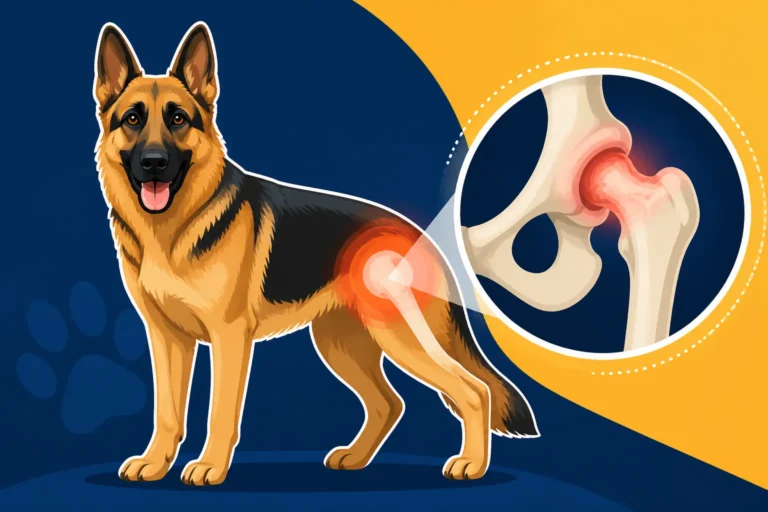
German Shepherds, like many purebred dogs, are unfortunately predisposed to certain genetic conditions that can significantly impact their health and lifespan. The most well-known, and perhaps most feared, are hip and elbow dysplasia. These debilitating joint conditions can lead to chronic pain, reduced mobility, and a diminished quality of life if not managed properly. While not always fatal, they can certainly shorten a dog's active years and lead to secondary health issues due to inactivity.
Another serious genetic condition is Degenerative Myelopathy (DM), a progressive neurological disease that affects the spinal cord, ultimately leading to paralysis. This condition, for which DNA testing is available, is particularly heartbreaking because it often strikes in a dog's later years, slowly robbing them of their mobility. Knowing if your German Shepherd carries the genes for DM can help you prepare and provide supportive care as the disease progresses. You can learn more about this challenging condition in our detailed guide on Degenerative Myelopathy in German Shepherds.
Responsible breeders understand these risks and perform extensive German Shepherd Genetic Health Testing on their breeding stock to try and minimize the chances of passing these conditions on. When choosing a puppy, inquiring about the health clearances of the parents, including OFA or PennHIP certifications for hips and elbows, and DM test results, is absolutely crucial. While it doesn't guarantee a lifetime free of issues, it significantly improves the odds. Being aware of these predispositions allows you to be vigilant, recognize early signs, and work with your vet for prompt intervention, which is often key to managing these conditions effectively.
Proactive Health Management: Key to Longevity
You know the old saying, "an ounce of prevention is worth a pound of cure," and nowhere is that truer than with our German Shepherds. Being proactive about their health isn't just about reacting to problems; it's about building a foundation for a long, vibrant life. This means a focus on optimal nutrition, appropriate exercise, and consistent veterinary oversight.
Optimal Nutrition and Hydration Strategies
Feeding your German Shepherd isn't just about filling their bowl; it's about fueling their body for peak performance and longevity. A high-quality diet, rich in easily digestible proteins, healthy fats, and essential vitamins and minerals, is non-negotiable. Look for reputable brands that use real meat as the primary ingredient and avoid excessive fillers, artificial colors, and preservatives. The specific needs will vary by age, activity level, and any specific health concerns, so consulting with your vet to choose the best food is always a smart move. Our German Shepherd Feeding Guide offers more in-depth advice on this topic.
Hydration is just as vital. Access to fresh, clean water at all times is fundamental for kidney function, joint lubrication, and overall cellular health. Many German Shepherds love to play in water, but ensuring they drink enough is another story. Consider using stainless steel bowls, which are easy to clean, and place multiple water stations around your home, especially if you have a large house or yard. Some dogs even enjoy a pet water fountain, which can encourage them to drink more due to the moving water.
Overfeeding is a silent killer. Obesity puts immense strain on a German Shepherd's joints, exacerbates conditions like arthritis, and can lead to a host of other health problems, including diabetes and heart disease. It's so tempting to give in to those pleading eyes, but strict portion control is an act of love. Use a measuring cup, adhere to feeding guidelines (adjusting as needed for activity), and limit treats. Remember, a lean dog lives longer and is more comfortable. When you consider the potential future vet bills associated with obesity-related issues, investing in proper nutrition and portion control now seems like a small price to pay. Pet insurance providers like Healthy Paws can help manage unexpected health costs, but good preventative care lessens the chances of needing them for preventable issues.
Exercise Tailored for Joint Health
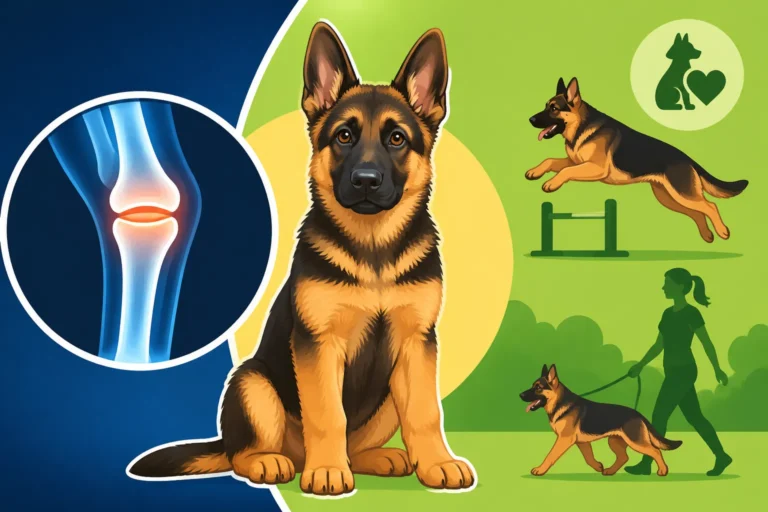
German Shepherds are incredibly athletic and intelligent dogs, requiring significant physical activity. However, not all exercise is created equal, especially when it comes to protecting their vulnerable joints. During puppyhood, it’s absolutely critical to avoid over-exercising them. Their growth plates are still open, and excessive impact or strenuous activity can cause irreversible damage, laying the groundwork for problems like hip and elbow dysplasia later in life. Short, frequent play sessions and walks are far better than long, intense runs for a growing pup. Our article, How Much Exercise Is Too Much for a Puppy, offers detailed guidance on this crucial stage.
As adults, German Shepherds thrive on a combination of structured exercise and free play. Daily walks, hikes, swimming, and controlled fetch sessions are excellent. Activities that involve sustained, smooth movement are often better for their joints than those with abrupt stops and starts or high jumps. Think about a good, brisk walk or a swim at a local dog-friendly beach or pool – these are fantastic for muscle development and cardiovascular health without excessive strain.
Regular, appropriate exercise helps maintain a healthy weight, builds strong muscles to support joints, and keeps their minds sharp. However, always be mindful of their individual limits and age. A senior German Shepherd won't have the same stamina or joint resilience as a young adult. Adjust exercise routines as they age, focusing on low-impact activities like gentle strolls or water therapy. Observing your dog for any signs of discomfort or limping is essential; if you notice anything, scale back and consult your veterinarian. Protecting their joints throughout their life is one of the best ways to ensure a longer, more comfortable existence.
Regular Veterinary Care and Early Detection
Consistent veterinary care is undeniably one of the most critical pillars in extending your German Shepherd's life. It’s not just about vaccinations and urgent care; it's about building a relationship with a trusted professional who knows your dog and can track their health over time. Regular annual or bi-annual check-ups allow your vet to perform thorough physical examinations, detect subtle changes that you might miss, and address potential issues before they escalate into serious problems. This is especially true as your German Shepherd enters their senior years, where more frequent check-ups might be recommended.
These routine visits are also crucial for preventive health measures. This includes maintaining an appropriate German Shepherd Vaccination Schedule, regular deworming, and effective flea and tick prevention. These simple steps protect your dog from common, yet potentially debilitating or fatal, diseases and parasites. Dental health is another often-overlooked aspect of overall well-being. Regular German Shepherd Dental Care Explained can prevent painful dental disease, which can lead to more serious infections affecting the heart, kidneys, and other organs.
Early detection of health issues can be a game-changer. For example, catching the early signs of conditions like bloat, which is a life-threatening emergency, can drastically improve outcomes. Being vigilant about changes in your dog's appetite, energy levels, mobility, or bathroom habits and reporting them to your vet promptly can make all the difference. While the cost of vet care can be a concern for many, pet insurance plans, such as those offered by Healthy Paws, can provide financial relief for unexpected illnesses or accidents, ensuring you don't have to choose between your dog's health and your wallet. Investing in comprehensive pet insurance early on is a practical way to prepare for the inevitable health challenges that may arise as your German Shepherd ages.
Lifestyle and Environment for a Longer Life
Beyond the basics of nutrition and vet care, the daily environment and overall lifestyle you provide for your German Shepherd play a huge role in their well-being and longevity. A happy, mentally stimulated dog in a safe environment is far more likely to thrive.
Mental Enrichment and Stress Reduction
German Shepherds are incredibly intelligent and require significant mental stimulation to stay happy and healthy. A bored German Shepherd is a destructive German Shepherd, and chronic boredom can lead to stress, anxiety, and behavioral problems that impact their overall health. Incorporate daily training sessions, even short ones, to keep their minds engaged. Puzzle toys, interactive feeders, and scent work games are excellent ways to challenge their intellect and satisfy their natural working drive. Learning new tricks or participating in dog sports like agility, obedience, or nose work can provide immense mental satisfaction.
Stress, whether from lack of stimulation, inconsistent routines, or chaotic environments, can take a toll on a dog's physical health, just as it does in humans. Chronic stress can weaken the immune system, leading to increased susceptibility to illness and contributing to a shorter lifespan. Providing a predictable routine, a quiet space for them to retreat to, and plenty of positive reinforcement helps create a stable and secure environment. A balanced approach to training, emphasizing rewards over punishment, builds confidence and reduces anxiety. A confident, happy dog is generally a healthier dog.
Socialization, too, contributes to mental well-being. Properly socialized German Shepherds are more comfortable and less stressed in various situations, whether it's a trip to the vet, an encounter with a new person, or a walk in a busy park. This reduces anxiety and potential reactivity, making their daily lives, and yours, much more pleasant. Providing a rich, stimulating, and low-stress environment is a profound way to contribute to their overall health and happiness, which directly correlates with a longer life.
Safety Measures and Environmental Considerations
Keeping your German Shepherd safe from preventable accidents and hazards is paramount to ensuring a long life. This means making your home and yard secure. A sturdy, appropriately sized fence is non-negotiable for a breed as powerful and driven as the German Shepherd. Escapes can lead to tragic accidents involving cars, exposure to toxins, or confrontations with other animals. Regularly check fences for weak spots, and ensure gates are always securely latched.
Within the home, it's essential to dog-proof, just as you would child-proof. Keep toxic substances like cleaning supplies, medications, certain houseplants (lilies, sago palms, etc.), and human foods (chocolate, grapes, xylitol) out of reach. German Shepherds are notorious for exploring with their mouths, so be mindful of small objects they could swallow, which might lead to costly and dangerous foreign body obstructions.
When out and about, a reliable leash and harness are critical. German Shepherds have a strong prey drive, and a momentary distraction could lead them to bolt into a dangerous situation. Always supervise them, especially in unfenced areas or near traffic. Extreme weather conditions also pose risks; never leave your dog in a hot car, and provide adequate shelter, water, and shade in the summer, and warmth in the winter. Thinking through these everyday safety measures might seem basic, but they are often the forgotten heroes in preventing devastating, life-shortening incidents. If unforeseen accidents do occur, having pet insurance like Healthy Paws can be a lifesaver, covering emergency care costs that can otherwise be financially crippling.
The Power of a Strong Bond
The emotional connection you share with your German Shepherd is more than just a warm fuzzy feeling; it's a vital component of their overall health and, by extension, their longevity. German Shepherds are incredibly loyal and sensitive dogs who thrive on companionship and a strong bond with their human family. A dog that feels loved, secure, and understood experiences less stress, which, as we discussed, directly impacts their physical health.
Spending quality time together, engaging in activities you both enjoy, and offering consistent affection strengthens this bond. This isn't just about walks and training; it's about the quiet moments, the gentle strokes, the shared understanding in their eyes. This deep connection fosters a sense of purpose and belonging for your dog, reducing anxiety and promoting a calm, happy demeanor.
Moreover, a strong bond makes you more attuned to your dog's subtle cues. You'll be quicker to notice if they're feeling off, experiencing pain, or exhibiting changes in behavior that could indicate an underlying health issue. This heightened awareness allows for earlier intervention and veterinary care, which, as discussed, is critical for maximizing their lifespan. Nurturing this profound relationship isn't just rewarding for you; it's a powerful, often underestimated, tool in ensuring your German Shepherd lives their fullest, longest life possible.
Addressing Common Health Challenges
While prevention is key, understanding and being prepared to manage common health challenges that German Shepherds face can significantly impact their quality of life and longevity. Early intervention and consistent management are crucial for many of these conditions.
Managing Joint Issues and Mobility
As we've touched upon, joint problems like hip and elbow dysplasia are unfortunately prevalent in German Shepherds. These conditions can cause chronic pain and severely limit mobility, impacting their ability to exercise and enjoy life. The good news is that while often genetic, their progression and severity can be managed with a multifaceted approach.
For younger dogs, focusing on appropriate exercise to avoid How Much Exercise Is Too Much for a Puppy and maintaining a lean body weight are crucial preventative measures. For dogs already showing signs of joint issues, a combination of strategies is usually employed. This often includes anti-inflammatory medications prescribed by your vet, joint supplements containing glucosamine, chondroitin, and MSM, and sometimes even physical therapy or hydrotherapy. Swimming, for instance, provides excellent non-weight-bearing exercise that strengthens muscles around the joints without putting undue stress on them.
Environmental modifications can also make a huge difference. Providing orthopedic beds, using ramps instead of stairs, and ensuring good traction on slippery floors can help ease discomfort and prevent further injury. In some severe cases, surgical interventions, such as total hip replacement for hip dysplasia, might be considered. While costly, these procedures can dramatically improve a dog's quality of life. This is another area where pet insurance, like a plan from Healthy Paws, can really make a difference, helping to cover the high costs associated with diagnostics, medications, therapies, and potentially surgeries for these chronic conditions. Being proactive in managing these issues allows your German Shepherd to remain active and comfortable for as long as possible. Our article on German Shepherd Hip Dysplasia Explained goes into greater detail.
Preventing and Recognizing Other Serious Conditions
Beyond joint issues, German Shepherds are prone to several other serious health concerns that diligent owners should be aware of. One of the most frightening is Gastric Dilatation-Volvulus (GDV), commonly known as bloat. This condition causes the stomach to twist, trapping gas and food, and is a medical emergency that can be fatal within hours. Knowing the signs – restless pacing, unproductive retching, a distended abdomen – and seeking immediate veterinary care is literally a matter of life or death. Preventive measures, such as feeding smaller, more frequent meals, avoiding vigorous exercise around meal times, and potentially surgical gastropexy, can reduce the risk. Our German Shepherd Bloat: Signs and Prevention guide provides essential information.
Another significant concern for German Shepherds, particularly as they age, is cancer. Hemangiosarcoma, a type of aggressive cancer that affects blood vessel lining, is unfortunately common in the breed. While there's no guaranteed prevention, a healthy lifestyle, regular vet check-ups (which include bloodwork and physical exams), and being aware of any unusual lumps, lethargy, or changes in appetite are vital for early detection.
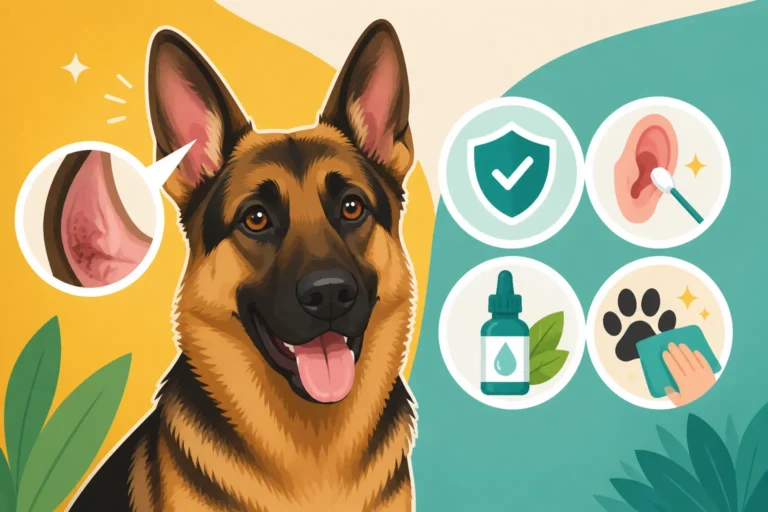
Regular comprehensive check-ups are also key for monitoring other potential issues like Exocrine Pancreatic Insufficiency (EPI), a digestive disorder, or certain allergies that can impact skin and gut health. Creating a robust How to Keep a German Shepherd Healthy routine that encompasses all aspects of their care, from puppyhood through their senior years, gives them the very best chance at a long and fulfilling life. Being informed about these potential health challenges and working closely with your veterinarian is the best way to safeguard your German Shepherd's future.
Here's a quick overview of key factors impacting German Shepherd longevity:
| Factor | Impact on Longevity | Actionable Steps |
|---|---|---|
| Genetics | Predisposition to hip/elbow dysplasia, DM, etc. | Choose a reputable breeder with health-tested parents; understand family health history. |
| Nutrition | Directly affects weight, organ health, immunity. | Feed high-quality, age-appropriate food; portion control; ensure constant fresh water access. |
| Exercise | Supports joint health, muscle mass, cardiovascular. | Provide appropriate daily exercise (avoid over-exertion in puppies); adapt intensity for age; include low-impact activities. |
| Vet Care | Early detection, disease prevention, chronic management. | Annual/bi-annual check-ups; vaccinations; parasite prevention; dental care; prompt attention to changes. |
| Mental Stimulation | Reduces stress, prevents destructive behaviors. | Engage with training, puzzle toys, scent work; provide a stable routine. |
| Safety & Environment | Prevents accidents, exposure to toxins. | Secure yard; dog-proof home; leash control; protect from extreme weather. |
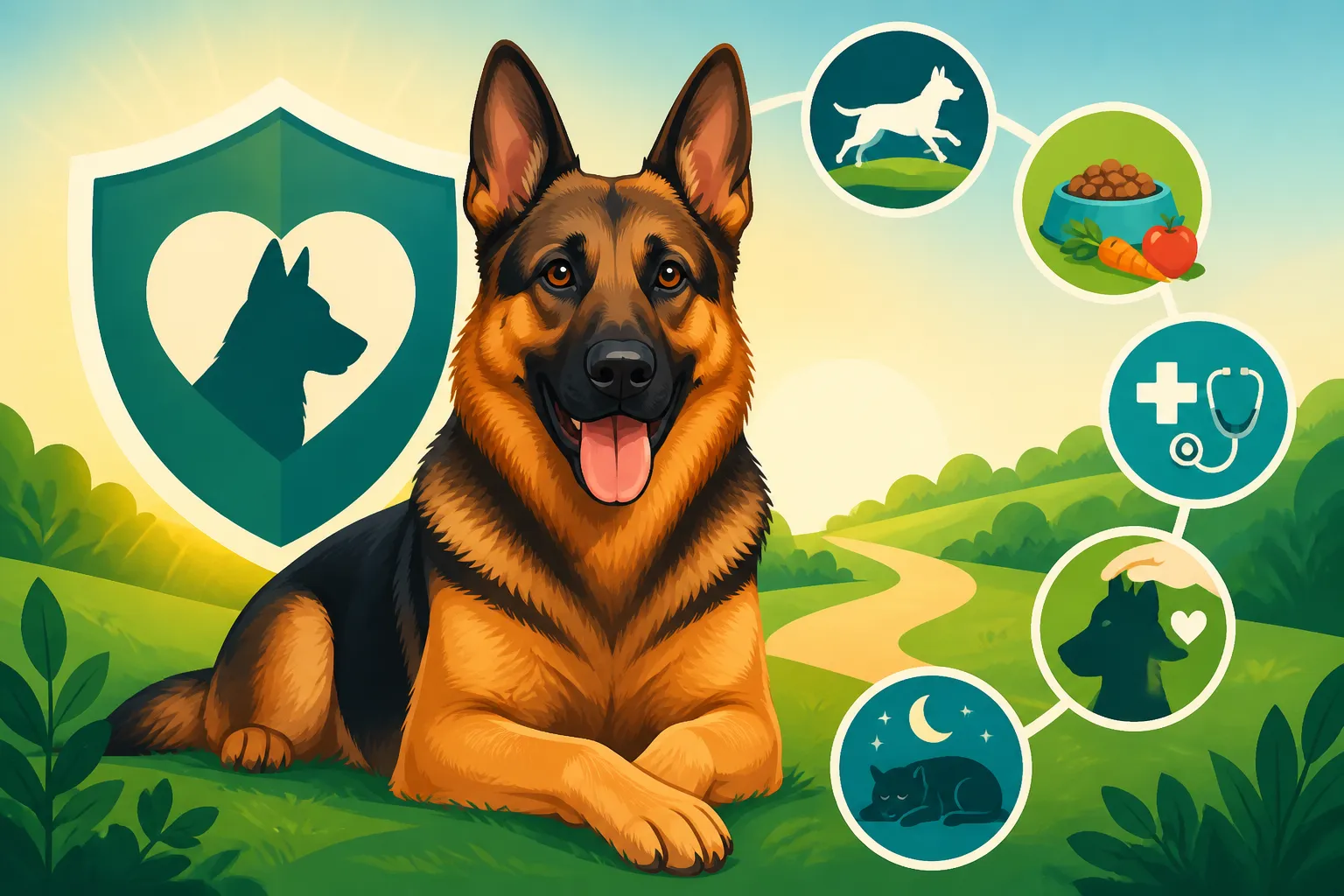
By diligently addressing each of these areas, you are not just hoping for a longer life for your German Shepherd, you are actively building the framework for it.
Final Thoughts on Maximizing Their Years
Watching our German Shepherds age can be incredibly difficult, but knowing we've done everything in our power to provide them with the best possible life offers a profound sense of peace. Maximizing their life expectancy isn't about finding a magic bullet; it's about a consistent, dedicated effort across all aspects of their care, from the food in their bowl to the love in their heart.
From day one, making informed choices about their genetics, providing top-tier nutrition, ensuring appropriate exercise, and prioritizing regular veterinary care sets the stage for a long and healthy existence. As they transition into their golden years, a focused German Shepherd Senior Care Guide becomes even more crucial, with adjusted diets, gentle exercise, and potentially more frequent vet visits.
Remember, every German Shepherd is an individual, and their journey will be unique. But by being vigilant, informed, and deeply committed, you can empower your loyal companion to live their fullest, longest, and happiest life right by your side. It’s a labor of love, but one that rewards you tenfold in cherished memories.
Disclaimer
This guide offers general information about maximizing a German Shepherd's life expectancy. It is not a substitute for professional veterinary advice. Always consult with a qualified veterinarian regarding your dog's specific health concerns, diet, and treatment plans. Individual results may vary based on genetics, environment, and specific health conditions.