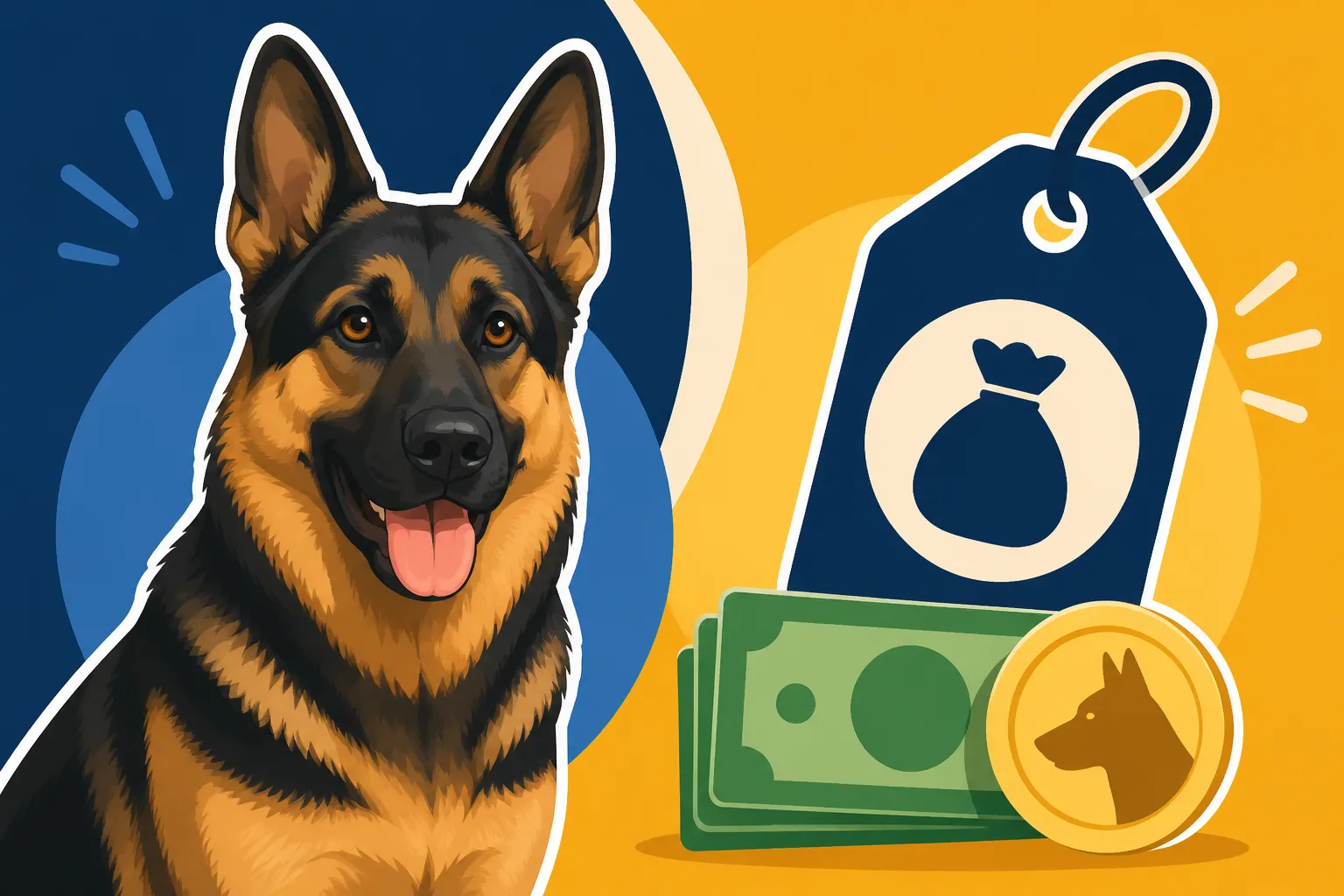
Bicolor German Shepherd Price: What to Expect
You've set your heart on a Bicolor German Shepherd, those striking dogs with their deep black saddles and rich tan or red markings, and it’s completely understandable why. Their unique beauty is captivating! But then comes the practical side: trying to understand the actual price tag, not just for the puppy itself, but for everything that comes with bringing one of these magnificent dogs into your life. It can feel like wading through a sea of conflicting information, but this guide is here to break down exactly what you can expect when it comes to the cost of a Bicolor German Shepherd, helping you budget wisely for your new best friend.
The Distinctive Appeal of a Bicolor German Shepherd
Before we dive into the numbers, let's talk about what makes a Bicolor German Shepherd so special. Many people might picture the classic black and tan GSD, but the bicolor coat pattern offers a unique and often preferred aesthetic, especially among enthusiasts of the working lines. These dogs aren't just about their looks; their genetics and temperament are often deeply intertwined with what makes them valuable.
What Exactly Defines a Bicolor Coat?
A Bicolor German Shepherd is characterized by a predominantly black coat with tan, red, or cream markings on the legs, chest, and sometimes around the muzzle. Unlike the more common black and tan pattern where the black forms a saddle over a larger tan body, a true bicolor will appear almost entirely black on its back and sides, with the lighter color mostly restricted to the undersides, lower legs, and small accents. It's a striking contrast that really makes them stand out. Genetically, the bicolor pattern is a recessive trait, meaning both parents must carry the gene for a puppy to express it, even if they themselves aren't bicolor. This genetic nuance adds to their distinctiveness and can sometimes influence how breeders market them.
Rarity, Demand, and Perception
While not as "rare" as some of the truly uncommon colors like blue or liver, a well-marked Bicolor German Shepherd isn't as common as the standard black and tan or black and red. There's a significant demand for these dogs, particularly from individuals looking for animals with strong working drive and stable temperaments, as the bicolor pattern is often associated with working lines. This perception isn't always a direct correlation, but many serious working line breeders produce bicolors. The visual appeal combined with the perceived robustness and intelligence often linked to working lines drives up their desirability. This demand plays a significant role in their price point. It’s important to understand that rarity alone doesn't equate to value, but when combined with strong genetics and good breeding practices, it certainly adds to the allure.
Key Factors Driving Bicolor German Shepherd Puppy Prices
The initial cost of a Bicolor German Shepherd puppy isn't arbitrary; it's a reflection of many factors, from the breeder's dedication to the puppy's lineage and health. Understanding these elements will help you discern a fair price from an inflated one and ensure you're supporting responsible breeding.
Breeder Quality and Reputation
This is, without a doubt, the single most critical factor in determining a German Shepherd puppy's price. Reputable breeders invest heavily in their dogs, and this investment is reflected in their prices. They prioritize the health, temperament, and genetic soundness of their breeding stock. This means:
- Health Testing: High-quality breeders will conduct extensive health screenings for their parent dogs, including OFA or PennHIP evaluations for hips and elbows to check for conditions like German Shepherd Hip Dysplasia Explained and German Shepherd Elbow Dysplasia: Symptoms and Treatment. They'll also test for genetic diseases like Degenerative Myelopathy (DM), for which a German Shepherd DM DNA Testing Explained is crucial, and Von Willebrand's Disease. These tests are expensive but vital for producing healthy puppies.
- Breeding Standards: They adhere to breed standards set by organizations like the American Kennel Club (AKC) or the German Shepherd Dog Club of America (GSDCA). They will have certifications, titles, and often a long-standing positive reputation within the GSD community.
- Puppy Care and Socialization: Responsible breeders raise their puppies in clean, stimulating environments, providing early socialization, proper nutrition, and initial veterinary care (vaccinations, deworming). This groundwork is essential for a well-adjusted puppy.
- Guarantees and Support: A good breeder will offer a health guarantee for their puppies and provide ongoing support and advice to new owners throughout the dog's life.
Conversely, backyard breeders or puppy mills often sell puppies at lower prices because they cut corners on health testing, proper care, and responsible breeding practices. While a lower price might seem appealing upfront, it often leads to significant veterinary bills and heartache down the road.
Bloodlines and Pedigree
The lineage of a Bicolor German Shepherd significantly impacts its price. There's a notable difference between working line and show line German Shepherds, and this distinction is often reflected in pricing. You can delve deeper into this topic by reading about Working Line vs Show Line German Shepherd.
- Working Lines: These dogs are bred for their drive, intelligence, and ability to perform tasks in areas like protection sports (Schutzhund/IGP), search and rescue, or police work. Bicolor German Shepherds are very common in working lines. Puppies from proven working parents with titles in these disciplines command higher prices due to their genetic predisposition for high drive and trainability. Expect prices to be on the higher end for these puppies, especially if both parents have strong working pedigrees.
- Show Lines: Bred primarily for conformation and appearance according to breed standards, show line German Shepherds might also come in bicolor. While they may not have the extreme drive of working lines, puppies from champion show parents also command premium prices.
- Health and Temperament: Regardless of whether it's a working or show line, a strong pedigree indicates a history of healthy, stable dogs. Breeders who prioritize these traits and can demonstrate them through multiple generations will naturally price their puppies higher.
A puppy from a prestigious lineage with strong health clearances and working or show titles will always be more expensive than one with an unknown background.
Geographical Location and Market Demand
Just like real estate, the cost of a German Shepherd puppy can vary depending on where you live. In areas with a high demand for German Shepherds or fewer reputable breeders, prices may be higher. For example, a Bicolor German Shepherd puppy from a highly sought-after breeder in Southern California or the Northeast U.S. might cost more than a similar puppy in a less populated region with lower demand. Conversely, if you're willing to travel or pay for shipping, you might find more competitive pricing from a top breeder a few states away. Always consider the logistics and additional costs involved if you decide to purchase a puppy from a different region.
Breaking Down the Expected Costs: From Puppy to Adult
Alright, let's get down to the numbers. The price of a Bicolor German Shepherd puppy can vary widely, but generally, you can expect a certain range based on the quality and purpose of the dog.
Initial Purchase Price Ranges
When looking at German Shepherd Puppy Price Explained, you'll find that Bicolor German Shepherds typically fall into the mid-to-high range for the breed overall, due to their specific appearance and frequent association with desirable working lines.
- Pet Quality Bicolor German Shepherd: For a well-bred Bicolor German Shepherd puppy intended solely as a family companion, with limited or no breeding rights (often sold on a spay/neuter contract), you can expect to pay anywhere from $2,000 to $4,000. These puppies will still come from health-tested parents and have a good temperament, but may not be considered "show quality" or have the intense drive required for top-tier working competitions.
- Show or Working Prospect Bicolor German Shepherd: If you're looking for a Bicolor German Shepherd with the potential for competitive showing, high-level working sports, or future breeding (with full registration and breeding rights), the price can easily range from $4,000 to $8,000, and sometimes even higher for exceptional genetics from highly titled parents. These dogs represent the peak of what a reputable breeder offers, combining excellent health, temperament, conformation, and working ability.
It's vital to discuss with the breeder exactly what you're looking for. Are you just seeking a loving companion, or do you have aspirations for dog sports? Your goals will significantly influence the puppy's price.
Why the Price Discrepancy? Understanding Value for Money
It’s tempting to look at a price tag of $2,000 or more and balk, especially when you might see ads for "German Shepherd puppies" for $500. However, this is where understanding the value comes in. The higher price from a reputable breeder isn't just for the puppy itself; it's for the assurance of:
- Genetic Health: Fewer risks of debilitating and expensive conditions like hip and elbow dysplasia, which can cost thousands in treatments or surgeries later on. This also means less risk of conditions like EPI in German Shepherds, which can lead to lifelong dietary management.
- Stable Temperament: A puppy from well-socialized parents with proven stable temperaments is far less likely to develop severe behavioral issues, aggression, or extreme shyness that require extensive and costly professional training. Understanding German Shepherd Temperament and Personality is crucial for any owner.
- Early Care: Reputable breeders invest in proper nutrition for the mother and puppies, appropriate veterinary care including initial vaccinations and deworming, and early socialization that lays the foundation for a well-adjusted adult dog.
- Ethical Breeding: You're supporting breeders who are actively working to improve the breed, not just make a quick profit.
This table gives a general overview of expected Bicolor German Shepherd puppy prices based on key factors:
| Factor | Pet Quality Puppy (No Breeding/Show Rights) | Show/Working Prospect Puppy (Full Rights) |
|---|---|---|
| Breeder Reputation | Reputable, health-tested parents | Top-tier, highly experienced, titled parents |
| Health Testing | Comprehensive on parents | Extensive on multiple generations |
| Pedigree/Bloodlines | Good lineage, stable temperament | Champion lines, proven working titles |
| Temperament/Drive | Well-adjusted, moderate drive | Excellent working drive, high trainability |
| Guarantees/Support | Health guarantee, lifetime support | Extensive health guarantee, mentorship |
| Typical Price Range (USD) | $2,000 – $4,000 | $4,000 – $8,000+ |
Remember, these are estimates. Always ask a breeder for a detailed breakdown of what's included in their puppy price.
Beyond the Sticker Shock: The True Cost of German Shepherd Ownership
While the initial puppy price is a significant investment, it's just the beginning. Owning a German Shepherd, especially for their entire German Shepherd Lifespan: How Long They Live, comes with ongoing financial commitments. Many new owners are surprised by the Cost of Owning a German Shepherd Per Year or even the German Shepherd Monthly Expenses Breakdown.
Essential Supplies and Initial Setup
Bringing home a new Bicolor German Shepherd puppy means you'll need a host of essential items right away. Think of this as your initial setup cost, separate from the puppy's purchase price.
- Crate: A large, sturdy crate is crucial for house training and providing a safe den. Expect to spend $100-$200.
- Food and Water Bowls: Stainless steel bowls are durable and easy to clean, costing around $30-$50 for a good set.
- Collar, Leash, and Harness: Essential for walks and training, budget $50-$100.
- Bedding: A comfortable, durable dog bed is a must. Prices vary widely, from $50 to $200.
- Toys: German Shepherds are intelligent and active, requiring a variety of durable toys for mental and physical stimulation. Think chew toys, puzzle toys, and fetch toys, totaling $50-$150 initially. Brands like Kong and Nylabone offer excellent options for heavy chewers. You might find great deals and a wide selection of these items on Chewy.
- Grooming Supplies: Brushes, shampoo, nail clippers, and ear cleaner are necessary. This initial kit might run $50-$100.
- Training Treats: High-value treats are a must for positive reinforcement.
Altogether, expect to spend an additional $400-$800 on these initial supplies before your puppy even walks through the door.
Ongoing Health and Nutrition
This is where a significant portion of your long-term budget for a Bicolor German Shepherd will go. Responsible ownership means prioritizing their well-being.
- Food: German Shepherds are large, active dogs, and they eat a lot! Quality dog food is not cheap, but it's crucial for their health. Expect to spend $70-$150 per month on premium kibble or even more for fresh or raw diets. Brands like Orijen or Taste of the Wild are popular choices, but you might also consider fresh, pre-portioned options like Ollie, which can run significantly higher but offer tailored nutrition. For more information, check out our guide on Best Dog Food for German Shepherds.
- Veterinary Care: Routine vet visits, vaccinations, deworming, and flea/tick prevention are annual costs. For a healthy adult German Shepherd, budget $300-$700 per year for routine care. However, emergencies or unexpected illnesses can easily cost thousands.
- Pet Insurance: This is a highly recommended investment for a German Shepherd, a breed prone to certain health issues like hip and elbow dysplasia, bloat, and certain cancers. Monthly premiums for Is Pet Insurance Worth It for a German Shepherd can range from $40-$80, depending on your location, the dog's age, and the coverage plan. Companies like Healthy Paws are popular for their comprehensive coverage. This can be a lifesaver if your Bicolor GSD ever faces a major medical crisis.
- Supplements: Many GSD owners choose to give joint supplements, especially as their dogs age, to support hip and elbow health. These can add another $20-$50 per month.
Training and Enrichment
German Shepherds are highly intelligent and require consistent training and mental stimulation to thrive. This isn't just about obedience; it's about channeling their natural drives and preventing behavioral issues. Our comprehensive guide on How to Train a German Shepherd covers many essential techniques.
- Obedience Classes: Puppy classes and basic obedience classes can range from $150-$300 per course. Advanced classes or specialized training (like agility or protection sports) will be additional.
- Professional Trainer: If you encounter specific behavioral challenges or want to pursue advanced training, hiring a professional trainer can cost $50-$150 per hour or thousands for board-and-train programs.
- Mental Stimulation: Beyond toys, this includes puzzle feeders, sniff mats, and interactive games. Incorporating mental exercise into their routine is just as important as physical exercise. Check out German Shepherd Exercise Requirements to understand their full needs.
- Daycare/Dog Walker: If you work long hours, a dog walker ($15-$30 per walk) or dog daycare ($30-$50 per day) might be necessary to ensure your Bicolor GSD gets enough exercise and socialization.
The cost of a Bicolor German Shepherd goes far beyond the initial purchase price. It’s a significant, long-term commitment that requires careful financial planning. By understanding all the factors involved, you can ensure you’re truly ready to provide the best possible life for your stunning Bicolor companion.
Disclaimer
The information provided in this article is for general informational purposes only and does not constitute veterinary advice. Always consult with a qualified veterinarian for any health concerns or before making any decisions about your pet's health or medical care. Pricing estimates are subject to change based on market conditions, breeder practices, and geographical location.