How to Introduce a German Shepherd to Other Dogs
Bringing a German Shepherd into your life is an incredible journey filled with loyalty and adventure, but introducing your magnificent companion to other dogs can sometimes feel like navigating a minefield. Many GSD owners wrestle with anxieties about how their strong, protective, and sometimes aloof breed will react, fearing everything from an overzealous greeting to outright conflict. This comprehensive guide is here to walk you through the process, from understanding your GSD's unique temperament to executing a successful, stress-free introduction, ensuring harmonious interactions for everyone involved.
Understanding German Shepherd Temperament and Instincts
Before you even think about bringing two dogs face-to-face, it's absolutely vital to grasp the inherent nature of the German Shepherd breed. These aren't just any dogs; they possess a complex blend of intelligence, loyalty, and powerful protective instincts that heavily influence their interactions with other canines. Ignoring these predispositions is a recipe for misunderstandings and potential stress for both your dog and others.
Breed Instincts and Predispositions
German Shepherds were originally bred for herding and guarding livestock, a heritage that imbues them with certain strong instincts. They often have a natural inclination to be watchful and discerning of strangers, whether human or canine. This doesn't automatically mean aggression, but it does mean they're less likely to be "meet-and-greet" enthusiasts who instantly love every dog they encounter. Their protective nature means they might perceive another dog’s playful energy as a challenge or threat, especially if it's directed towards you or your family. This is why a simple casual introduction at a dog park can go sideways quickly if you haven't laid the groundwork. Understanding these tendencies, like their strong prey drive, is crucial when preparing them for new dog encounters.
Furthermore, German Shepherds are known for their strong bond with their human families. While this loyalty is one of their most beloved traits, it can sometimes translate into a possessiveness over their people or territory. A GSD might become reactive if they feel another dog is encroaching on "their" human or space, which is often misinterpreted as aggression. It's not necessarily that they dislike other dogs, but rather that their primary allegiance is to their pack, and they are always on guard to protect it. Recognizing these deep-seated traits is the first step in managing and guiding their behavior during introductions.
Recognizing Stress Signals in Your GSD
Your German Shepherd communicates primarily through body language, and being able to read their signals is paramount to a successful introduction. Dogs don't just "snap"; they give a multitude of subtle cues before escalating to overt displays of discomfort or aggression. Early recognition allows you to intervene, de-escalate, and prevent negative experiences. Look for signs like a stiff body, whale eye (where the whites of their eyes are visible), lip licking, yawning (when not tired), averted gaze, a tucked tail, or excessive sniffing of the ground. These are all signs that your GSD is feeling anxious, uncomfortable, or unsure about the situation.
If you miss these early signals, your GSD might progress to more obvious warnings, such as growling, barking, lunging, or snapping. It's crucial to understand that these aren't necessarily signs of an "aggressive dog" but often a desperate attempt to create distance and communicate their distress when their earlier, more subtle signals have been ignored. A German Shepherd who is suddenly very still, frozen in place, is also a warning sign – they might be trying to make themselves small and avoid conflict, or they could be poised to react defensively. Learning to interpret these nuanced messages is essential for effective intervention and building trust with your dog during stressful situations.
Assessing Your Dog's Individual Personality
While breed traits provide a general framework, every German Shepherd is an individual with their own unique personality, history, and experiences. Some GSDs are naturally more gregarious and enjoy canine company, while others are more reserved, preferring the company of their humans or only a select few dog friends. A rescue GSD, for example, might have past trauma that makes them fearful or reactive towards other dogs, regardless of breed stereotypes. Observing your dog in various situations – at the dog park from a distance, during walks when other dogs pass, or even just reacting to dogs on TV – can offer valuable insights into their comfort levels.
Consider their current socialization level. Has your GSD had positive experiences with other dogs since puppyhood? Do they currently have dog friends they play with regularly? A dog who has been isolated or had negative interactions in the past will require a much more gradual and carefully managed introduction process. It's also important to differentiate between genuine discomfort and simple disinterest. Some German Shepherds simply aren't big fans of playing with other dogs and are perfectly content with their human family, and that's okay. Pushing a dog that prefers solitude into intense social situations can create unnecessary stress and potentially lead to unwanted behaviors. Understanding your dog's true social preferences is key to setting realistic expectations and building positive experiences.
Pre-Introduction Preparations for Success
The success of introducing your German Shepherd to another dog hinges almost entirely on the preparation you put in beforehand. This isn't a situation where you can just wing it; thoughtful planning creates a safe and controlled environment, minimizing stress and maximizing the chances of a positive first impression. Rushing this stage can undo weeks or months of effort.
Choosing the Right Environment
The location of your initial introduction is incredibly important. You want a neutral, spacious, and low-distraction environment. A crowded dog park with off-leash dogs is absolutely the worst place to start. Instead, think about a quiet, fenced-in area like a private yard, an empty tennis court, or a pre-booked private dog park space. The goal is to ensure both dogs feel secure and aren't overwhelmed by too many new sights, sounds, or smells. This also allows you, the handler, to remain calm and focused without external pressures.
When selecting your environment, also consider the size and layout. An open field is better than a narrow hallway or small room, as it provides ample space for both dogs to move freely, create distance if needed, and avoid feeling cornered. The presence of barriers like fences can also be helpful, creating a "safe zone" for each dog before direct contact. For instance, allowing them to sniff each other through a sturdy fence first can reduce the intensity of a face-to-face meeting. Remember, the less stimulating and more controllable the environment, the better your chances of a calm and positive interaction.
Neutral Territory and Leash Protocol
Always, always begin introductions on neutral territory. This means neither dog's home, backyard, or favorite walking route. Dogs are naturally territorial, and introducing another dog into what they perceive as their domain can instantly trigger protective or defensive behaviors. A nearby park you don't frequent often, or even a friend's large, empty yard that neither dog has claimed, works well. The objective is to prevent any perceived ownership conflicts from the outset.
When it comes to leashes, a long line (15-30 feet) is often preferable to a standard 6-foot leash, especially for the initial parallel walking stage. This allows your German Shepherd more freedom of movement to explore and express natural dog behaviors without feeling constrained, which can sometimes heighten anxiety or frustration. Avoid retractable leashes entirely, as they offer poor control and can snap, putting both dogs and handlers at risk. Both dogs should be on secure, flat-buckle collars or harnesses, not choke chains or prong collars, as these can increase tension and create negative associations during an already sensitive time. Ensure your leash handling is calm and confident; your dog picks up on your tension.
Training and Desensitization Prior to Meeting
The more prepared your German Shepherd is, the smoother the introduction will be. This means reinforcing basic obedience commands like "sit," "stay," "come," and "leave it" to a high degree of reliability. These commands are not just tricks; they are vital communication tools that allow you to manage your dog's behavior and redirect their attention during potentially stressful moments. Practicing these commands in distracting environments, gradually increasing the difficulty, will set your GSD up for success.
Beyond basic obedience, consider specific desensitization and counter-conditioning. If your GSD is reactive to other dogs on walks, work on positive reinforcement techniques to change their emotional response. For example, when another dog appears at a distance, immediately reward your German Shepherd with high-value treats and praise for calm behavior. This helps them associate other dogs with positive outcomes. Resources like online training platforms, such as those offered by BAXTER & Bella, can provide structured programs for improving your dog's focus and impulse control around distractions, which is invaluable for successful dog introductions. Investing in strong foundational training truly pays off.
The Introduction Process: Step-by-Step
You've prepared your German Shepherd, found the perfect neutral location, and you're feeling ready. Now comes the actual introduction. This isn't a sprint; it's a carefully orchestrated dance, moving at the pace of the slowest or most anxious dog. Patience and observation are your best friends here.
Parallel Walking: The First Step
The very first step in introducing two dogs should be a parallel walk. This allows them to become aware of each other's presence, sniff the same ground, and get accustomed to each other's scent without the pressure of direct eye contact or forced interaction. Both dogs should be on a loose leash (a long line can be great for this, easily found on Amazon) with their respective handlers, walking in the same direction, maintaining enough distance so neither dog feels threatened or overwhelmed. The goal isn't interaction at this point, but simply shared space.
Start with a significant distance between them—perhaps 20 to 30 feet—and gradually decrease it over several minutes, always paying close attention to both dogs' body language. Keep the walk moving, avoiding stopping to stare. If either dog shows signs of stress (stiffening, pulling, lunging, growling, excessive sniffing, or trying to hide behind you), increase the distance immediately. The idea is to create a calm, neutral experience where they learn to coexist in proximity before any direct engagement. This phase might last 15 minutes or an hour, depending on the dogs involved.
The "Meet and Greet": Controlled Interaction
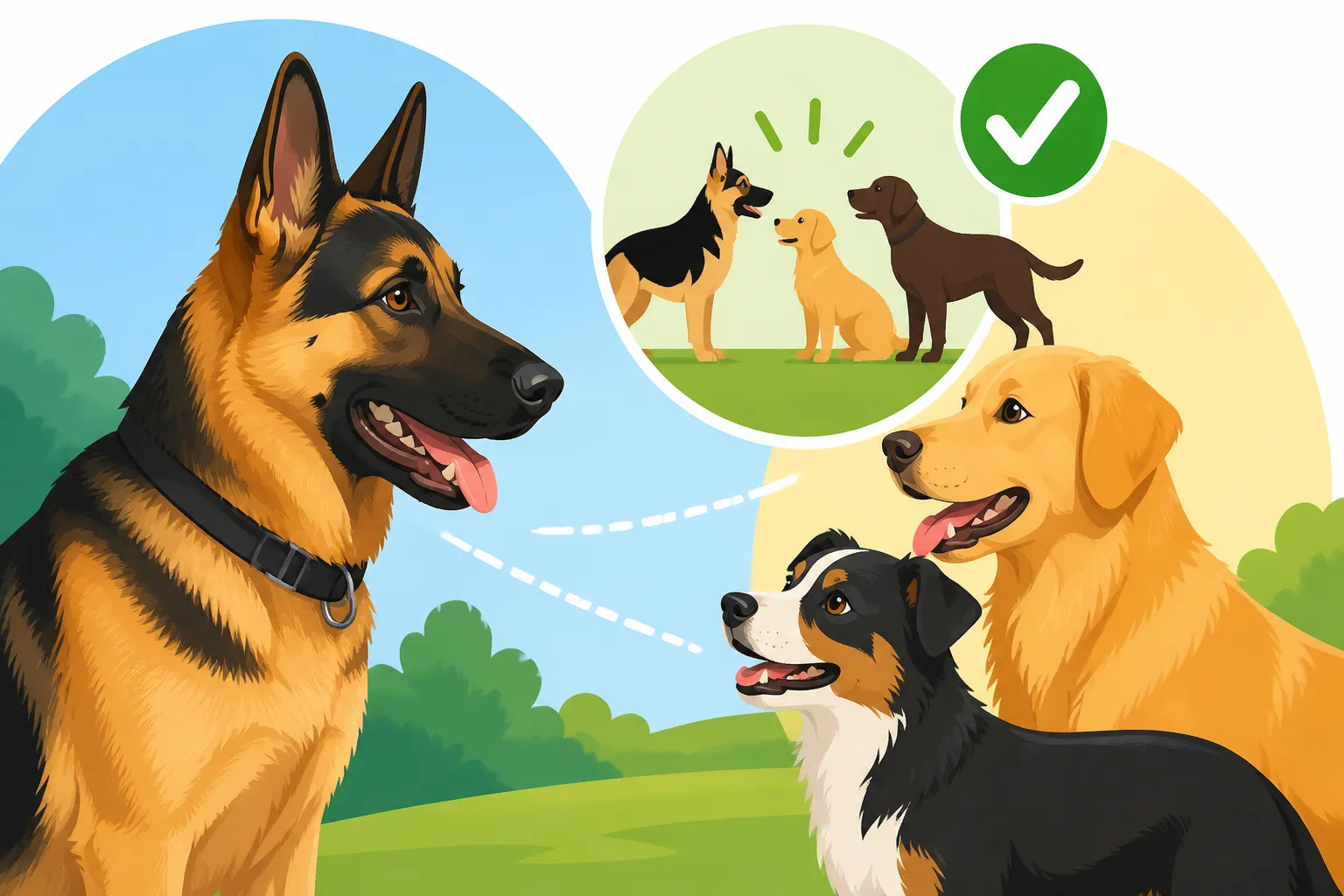
Once both dogs are comfortable walking parallel, showing relaxed body language, you can move to a brief, controlled meet-and-greet. This should still happen on loose leashes. Approach each other in a curve, rather than head-on, which can be perceived as confrontational. Allow them to sniff each other for a few seconds (a "3-second rule" is often recommended, then pull away) and then immediately walk away in separate directions. The key is to keep initial direct interactions short, sweet, and positive. Avoid letting them stare or engage in prolonged sniffing at this stage.
Repeat these short interactions multiple times, always breaking before either dog becomes overstimulated or anxious. Reward calm behavior with praise and high-value treats. If either dog starts to become stiff, pull, or vocalize, immediately increase distance or revert to parallel walking. Never force an interaction. The goal is to build positive associations: "Oh, another dog is here, and good things (treats, calm walks) happen, and then they leave, which is also fine." This low-pressure approach helps build confidence and reduces the likelihood of negative reactions. For complex cases, even having a certified professional dog trainer guide you through this can be invaluable.
Supervised Playtime and De-escalation
If the controlled meet-and-greets go well, and both dogs are showing signs of wanting to engage (loose body, play bows, wagging tails), you can transition to supervised off-leash playtime in the secure, neutral area. Remove leashes only if you are absolutely confident in your control over both dogs and in the safety of the environment. Always keep two adult handlers present, one for each dog, to manage and observe. Watch for appropriate play signals—loose, bouncy movements, taking turns chasing, self-handicapping (a larger dog playing gently with a smaller one), and voluntary breaks in play.
Intervene immediately if play becomes too rough, one dog is being targeted excessively, or if you see any signs of escalation. This could involve calling them apart for a short "time out" (separate them entirely for a minute or two), or simply redirecting them with a toy or a short walk. It’s better to end a play session on a positive note, even if it’s short, than to let it devolve into conflict. Regularly interspersed short breaks prevent overstimulation. This continuous observation and timely intervention are crucial for teaching both dogs appropriate play etiquette and ensuring everyone has a positive, safe experience. Remember, sometimes "no play" is a perfectly acceptable outcome if dogs simply aren't compatible or prefer different play styles.
| Stage of Introduction | Goal | Key Actions | What to Watch For (Red Flags) |
|---|---|---|---|
| Phase 1: Parallel Walk | Acclimatization to each other's presence and scent in a low-pressure way. | Walk 20-30 ft apart on loose leashes. Maintain forward motion. Gradually decrease distance if both are relaxed. | Stiff body, pulling, lunging, incessant sniffing, trying to hide, growling. |
| Phase 2: Brief Sniff | Controlled, short direct interaction to gather information. | Approach in an arc. Allow 1-3 seconds of sniffing, then calmly separate. Repeat several times. | Staring, tension in body, raised hackles, hard stare, immediate growl/snap. |
| Phase 3: Supervised Play | Assess compatibility and allow natural canine social interaction. | Off-leash in a secure, neutral space. Two handlers present. Encourage loose, bouncy play. Take frequent breaks. | Pinning, excessive humping, growling during play, one dog constantly chasing the other without reciprocity, stiff body language. |
| Phase 4: Coexistence | Long-term harmony and routine. | Continue supervised interactions. Implement structured activities. Manage resources. | Resource guarding, renewed reactivity, avoidance, chronic stress signals. |
Common Challenges and Troubleshooting
Even with the best intentions and preparations, introducing a German Shepherd to another dog isn't always a perfectly smooth process. It's totally normal to encounter hiccups along the way. The key is to recognize these challenges early and have a strategy to address them rather than letting them escalate.
Leash Reactivity and Overexcitement
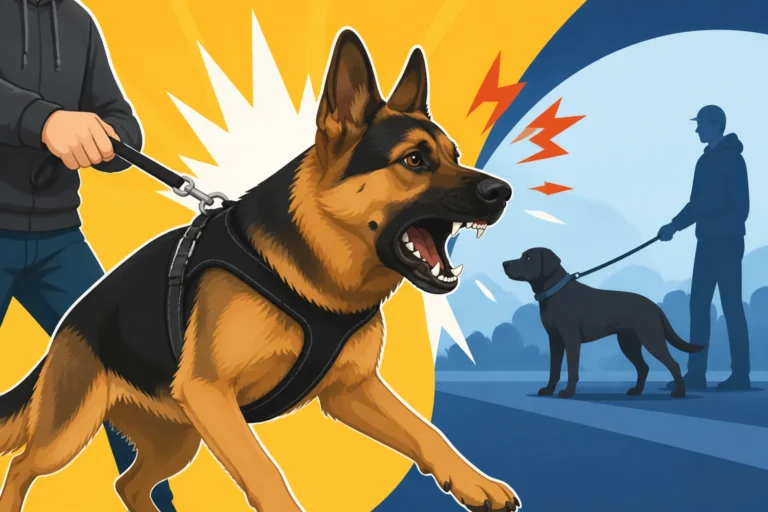
Leash reactivity is a common hurdle, especially with strong, intelligent breeds like German Shepherds. This often manifests as barking, lunging, or growling when another dog is spotted while on a leash. It's rarely true aggression, but more often a combination of frustration (because they can't get to the other dog or feel trapped), fear, or overexcitement. The leash, paradoxically, can amplify these feelings. If your German Shepherd pulls hard on the leash and gets worked up, try turning around and walking in the opposite direction the moment you spot another dog, before your GSD even notices them. This creates distance and breaks the pattern.
For an overexcited GSD, the goal is to teach them calmness around other dogs. This involves consistent training, rewarding calm behavior every time another dog is in sight, even at a distance where they remain relaxed. You might consider specific tools like a front-clip harness, which can help redirect pulling without causing discomfort. Using methods from a comprehensive program like BAXTER & Bella can provide step-by-step guidance on how to manage these specific behaviors, turning frantic reactions into calm observations. Remember, consistency is crucial, and short, positive training sessions daily are more effective than infrequent, long ones.
Resource Guarding and Possessiveness
German Shepherds, with their guarding instincts, can sometimes display resource guarding—protecting food, toys, their bed, or even their human from other dogs. This is a natural canine behavior but needs to be managed carefully in a multi-dog setting to prevent conflicts. If you notice your GSD tensing up, growling, or physically blocking another dog from approaching an item or person, you're seeing resource guarding.
To manage this, prevent situations where guarding might occur. Feed dogs separately, ideally in different rooms or crates, especially during initial stages. Put away high-value toys when other dogs are around, and only bring them out for individual play sessions. When interacting with your GSD, be mindful of where the other dog is. If your GSD tends to guard you, avoid having both dogs on the couch with you initially, or practice calling them to different locations for separate praise and treats. The idea is to reduce the perceived competition over valuable resources, gradually teaching your GSD that resources are plentiful and don't need to be guarded. For more in-depth solutions, exploring guides on German Shepherd Guarding Behavior Explained can be very beneficial.
Fear or Avoidance Behaviors
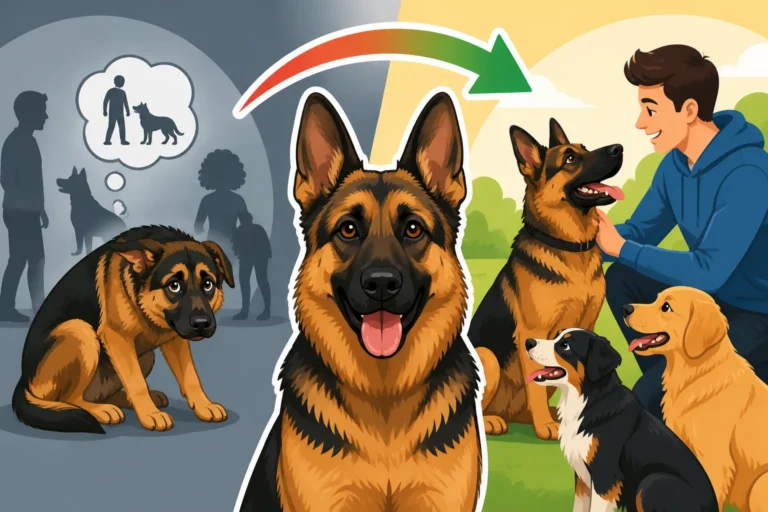
Sometimes, instead of outward reactivity or guarding, a German Shepherd might display fear or avoidance when encountering new dogs. This can look like excessive hiding behind you, cowering, trying to run away, or even stress-related behaviors like excessive yawning or lip licking. A dog who is fearful may also snap if cornered or if their warning signals are ignored, as it's their last resort to create space. This behavior can stem from a lack of early socialization, a negative past experience, or simply a naturally shy personality.
To help a fearful GSD, the approach is similar to desensitization: very gradual, positive exposure. Start at a distance where your dog can observe other dogs without showing fear, rewarding calm behavior profusely. Slowly decrease the distance over many sessions, always respecting your dog's comfort threshold. Never force them into an interaction they're clearly trying to avoid. Pair the presence of other dogs with highly positive experiences, like their favorite treats or a fun game with you from a safe distance. Building their confidence through obedience training and creating a secure, predictable routine also helps. If the fear is severe or doesn't improve, professional guidance is highly recommended. You can read more about building confidence in shy dogs in our guide on How to Socialize an Adult German Shepherd.
Maintaining Harmony and Continued Socialization
Introducing dogs is just the first step. For a lasting, positive relationship, you need to commit to ongoing effort, management, and continued positive reinforcement. Just like human friendships, canine bonds need nurturing.
Ongoing Positive Reinforcement
Positive reinforcement is the cornerstone of any successful training and socialization plan, and it's especially critical when fostering positive interactions between dogs. Every time your German Shepherd interacts calmly, shares space appropriately, or even simply ignores another dog respectfully, reward that behavior. Use high-value treats, verbal praise, or a favorite toy to mark these moments. This reinforces the idea that other dogs' presence leads to good things for them. Don't underestimate the power of simply telling your dog, "Good job, buddy!" in a happy, calm voice.
Consistency in positive reinforcement builds a strong foundation of trust and helps your GSD associate positive feelings with their canine companions. For example, if your German Shepherd and another dog are relaxing in the same room, occasionally toss treats to both, ensuring they are not competing for them. If they walk nicely side-by-side, mark that behavior with a "yes!" and a treat. Over time, this consistent positive feedback shapes their emotional response and strengthens desired behaviors, making harmonious coexistence a natural part of their routine.
Structured Playdates and Group Activities
Once initial introductions are successful, don't just stop there. Regular, structured playdates or group activities can help solidify positive dog-dog relationships and continue to build your German Shepherd's social skills. However, "structured" is the key word here. Avoid free-for-all dog parks where you can't control the environment or the other dogs. Instead, opt for controlled playgroups, doggy daycare with experienced staff, or organized walks with trusted dog-owning friends. These environments ensure that interactions are monitored and managed, preventing negative experiences.
Consider enrolling in a dog sport or advanced obedience class where dogs learn to work in proximity to each other without direct interaction, like Rally Obedience or Canine Good Citizen classes. This teaches your GSD focus and self-control even when other dogs are around, building their confidence in social settings. Structured activities help reinforce appropriate social etiquette, provide mental and physical exercise, and prevent your GSD from becoming isolated or rusty in their dog-to-dog communication skills. Always ensure the activity is enjoyable and not overwhelming for your German Shepherd. If you're looking for ways to keep your GSD mentally stimulated and well-exercised, check out our guide on German Shepherd Exercise Requirements.
Managing Multi-Dog Households
If the goal is to integrate a new dog into a household that already has a German Shepherd, or vice versa, the stakes are even higher. Successful coexistence requires consistent management, clear rules, and a deep understanding of canine social dynamics. Each dog needs their own dedicated space—a crate, a bed, a designated quiet corner—where they can retreat and feel secure. This reduces competition and stress. Feed dogs separately, in different rooms or crates, to prevent any food-related resource guarding.
Establish a routine that both dogs can understand and rely on. This provides predictability and reduces anxiety. Walk them separately initially, then gradually together. Ensure they both receive individual attention, training, and affection from you, so neither feels neglected or jealous. High-value items should be put away when you're not actively supervising. Understanding How to Establish Leadership with a German Shepherd can be particularly helpful in multi-dog homes, as clear leadership from you helps both dogs feel secure and less inclined to manage the hierarchy themselves. Patience is paramount, as it can take weeks or even months for a truly harmonious multi-dog household to form.
When to Seek Professional Help
There are times when, despite your best efforts, you might feel overwhelmed or encounter persistent behavioral challenges that are beyond your comfort zone. This isn't a failure on your part; it's recognizing when your German Shepherd needs specialized support. Seeking professional help is a responsible and proactive step towards ensuring your dog's well-being and maintaining a peaceful household.
Identifying Persistent Problem Behaviors
If you've diligently followed all the steps for careful introductions and consistent management, but your German Shepherd continues to exhibit concerning behaviors, it's time to consider professional intervention. These persistent issues might include:
- Uncontrollable aggression: Lunging, snapping, or biting that is intense and difficult to redirect.
- Severe fear or anxiety: A GSD that consistently hides, trembles uncontrollably, or experiences panic attacks around other dogs.
- Intense resource guarding: Aggressive defense of food, toys, space, or people that leads to conflict.
- Constant fighting in a multi-dog household: If dogs are regularly getting into fights despite your management strategies.
- Any behavior that makes you feel unsafe or unable to manage the situation.
These behaviors not only create stress for you and the other dog but also indicate that your German Shepherd is deeply uncomfortable or struggling. Ignoring them can lead to escalation and potentially dangerous situations.
Benefits of a Certified Professional Dog Trainer
A certified professional dog trainer can provide invaluable guidance. Look for trainers who use positive reinforcement methods and have experience with large, strong breeds like German Shepherds. A good trainer will first conduct a thorough assessment of your dog's behavior, history, and the specific dynamics of your situation. They can identify the root cause of the problem, whether it's fear, anxiety, lack of appropriate socialization, or simply misunderstanding canine communication.
The benefits are manifold: a trainer can provide a customized behavior modification plan tailored to your dog's needs, teach you specific handling techniques, and even help you practice controlled introductions in a safe, supervised setting. They can offer new perspectives and strategies you might not have considered, helping you build confidence and effectively communicate with your dog. For those interested in deeper learning, online resources and comprehensive training courses like those offered by BAXTER & Bella can equip you with the knowledge to work more effectively with your trainer.
Considering Behavioral Veterinarians
For more severe or complex cases, especially those involving persistent fear, anxiety, or aggression, a veterinary behaviorist (often referred to as a "vet behaviorist") might be the most appropriate professional to consult. These are veterinarians who have specialized training and certification in animal behavior. They approach behavioral issues from a medical perspective, considering underlying health conditions, neurochemical imbalances, or genetic predispositions that might be contributing to the behavior.
A vet behaviorist can prescribe medication, if appropriate, to help manage anxiety or reactivity, allowing behavioral modification techniques to be more effective. They work in conjunction with dog trainers, providing a holistic approach to complex behavioral problems. If your German Shepherd's issues are impacting their quality of life, or if you suspect there's a medical component to their behavioral challenges, a referral to a veterinary behaviorist is a wise decision. They can offer a level of expertise that goes beyond traditional dog training, providing hope and concrete solutions for even the most challenging cases.
Disclaimer
This guide offers general information and recommendations for introducing German Shepherds to other dogs. Every dog is an individual, and specific situations may require personalized advice. Always prioritize the safety of all animals and humans involved. If you are dealing with aggressive behavior or have concerns about your dog's welfare, consult with a certified professional dog trainer or a veterinary behaviorist immediately.