How to Dry a German Shepherd After a Bath
Anyone who has ever given a German Shepherd a bath knows the real challenge isn't just getting them wet and sudsy, it's the epic battle that follows: actually drying them! You might feel like you've just wrestled a furry, enthusiastic sponge, and then watched it shake itself all over your bathroom (and probably you). The struggle is real, and the thought of leaving your beloved companion damp is not only uncomfortable for them but can also lead to a host of other issues. This comprehensive guide will walk you through the most effective and safe methods for drying your German Shepherd, turning a daunting task into a manageable one.
Understanding Your German Shepherd’s Coat and Why Drying is Crucial
It's not just about aesthetics; a German Shepherd's coat is a marvel of natural engineering, and understanding it is the first step to properly caring for it, especially after a bath. Their unique double coat serves many purposes, and if not dried correctly, it can lead to health and hygiene problems that no owner wants to deal with.
The Double Coat Dilemma: Inner Workings of a German Shepherd’s Fur
Your German Shepherd isn’t just wearing one layer of fur; they’ve got a whole system going on! They possess a dense, protective double coat. This means they have a coarse, weather-resistant outer coat (the guard hairs) and a softer, thicker undercoat. The outer coat acts like a shield, protecting them from rain, snow, and dirt, while the undercoat provides insulation, keeping them warm in winter and cool in summer. This combination is what makes them so resilient in various climates, but it also means that water can get trapped deep within those layers.
Imagine trying to dry a thick wool blanket that's been soaked through. That's essentially what you're up against with your German Shepherd. The undercoat, in particular, can hold an incredible amount of moisture, and if it's not thoroughly dried, it creates a damp, warm environment that's perfect for certain issues to brew. This is especially true for dogs with longer, denser coats or during their "blow coat" season when the undercoat is even thicker. For more on managing their fur, check out our guide on German Shepherd Coat and Skin Care.
The Risks of Incomplete Drying: More Than Just a Damp Dog
Leaving your German Shepherd even slightly damp, especially in their thick undercoat, isn’t just a minor inconvenience. It’s an open invitation for several problems. One of the most common issues is the development of “hot spots,” which are painful, red, moist skin lesions that can appear seemingly overnight. These are often caused by bacteria thriving in damp, warm conditions, leading to intense itching and more licking, which only exacerbates the problem. Think about how uncomfortable a damp swimsuit can be after a while; it’s similar, but with fur and potential infection.
Beyond hot spots, chronic dampness can contribute to a fungal infection or yeast overgrowth on the skin, which manifests as flaky, itchy skin, a peculiar odor, and can be quite challenging to treat. Furthermore, if the ears remain damp, it significantly increases the risk of ear infections, a common woe for many German Shepherds due to their ear structure. These are not minor issues; they often require veterinary attention, medication, and can cause significant discomfort for your dog. So, investing the time and effort into thorough drying isn't just good grooming, it's a vital part of keeping your German Shepherd healthy.
Essential Tools for Efficient German Shepherd Drying
You wouldn't try to build a house with just a hammer, and you shouldn't try to dry a German Shepherd effectively with just a kitchen towel. Having the right arsenal of tools makes a world of difference, saving you time, effort, and preventing a soggy aftermath.
Towels: The First Line of Defense
While traditional bath towels are a start, they often fall short when faced with the sheer volume of water a German Shepherd’s coat can hold. This is where super-absorbent microfiber towels truly shine. These aren’t your average household rags; they are specifically designed to soak up many times their weight in water, pulling moisture away from the fur much more efficiently. Investing in a few large, high-quality microfiber towels is a game-changer. You might use one or two just for the initial soak-up, then another for follow-up drying.
When it comes to towel drying, it's less about rubbing vigorously and more about blotting and squeezing. Rubbing can tangle the fur, especially the undercoat, and potentially cause matting, which is a nightmare to brush out later. Instead, gently press the towel against sections of their body, squeezing the water out of the fur. You'll be amazed at how much water these towels can absorb. You can find excellent options on platforms like Amazon or Chewy, often sold in multi-packs, which is always a good idea.
High-Velocity Dryers: A Game-Changer for German Shepherds
If there’s one tool that will revolutionize your German Shepherd drying routine, it’s a high-velocity pet dryer. These are not human hairdryers. Human hairdryers use heat, which can easily burn your dog’s skin, especially when directed at their dense coat for prolonged periods. Pet dryers, on the other hand, use a powerful stream of *cool or warm* (not hot) air to literally blast water out of the coat. This isn’t just about drying; it’s also incredibly effective at deshedding loose undercoat, which is a constant battle for German Shepherd owners.
The sheer force of the air separates the fur strands, allowing air to reach deep into the undercoat where moisture loves to hide. It drastically cuts down drying time, often from hours to mere minutes, depending on your dog's size and coat density. Brands like B-Air Fido or Flying Pig are popular choices among professional groomers and experienced German Shepherd owners. They come with various nozzles to direct airflow and adjustable speed settings. While it's an investment, the time saved and the improved health of your dog's coat make it well worth it. For more tips on managing their shedding, check out German Shepherd Shedding: How to Manage It.
Other Helpful Gear: Brushes, Conditioners, and More
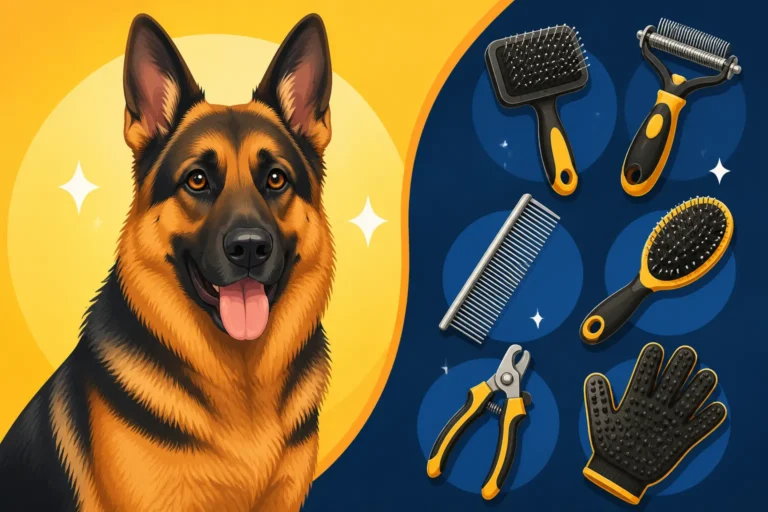
Beyond towels and high-velocity dryers, a few other items can make the drying process smoother and more effective. A good quality slicker brush or undercoat rake is indispensable, especially during the blow-drying phase. As the dryer blasts the water out, it also helps to loosen and remove dead undercoat, and brushing simultaneously can dramatically accelerate the process and prevent matting. You can find specialized brushes, like those from FURminator or Chris Christensen, on sites like Chewy that cater specifically to double-coated breeds. For detailed advice on brushing, see our guide on How to Brush a German Shepherd Coat.
Sometimes, a leave-in conditioning spray can also be beneficial. Applied after the initial towel dry, it can help detangle the coat, reduce static from the blow dryer, and add a healthy shine. Just be sure to use a dog-specific conditioner, as human products can irritate their skin. Finally, a non-slip mat for your bathing area and drying station can prevent slips and make the whole experience safer for both you and your German Shepherd.
| Tool Category | Recommended Item | Primary Benefit | Tips for Use |
|---|---|---|---|
| Towels | Microfiber Pet Towels | Super absorbent, quick-drying | Blot and squeeze, avoid vigorous rubbing to prevent tangles. Have several on hand. |
| Dryers | High-Velocity Pet Dryer | Blasts water out of the undercoat, dramatically reduces drying time, desheds | Use low/cool setting initially, keep nozzle moving, brush simultaneously. Acclimate dog gradually. |
| Brushes | Slicker Brush or Undercoat Rake | Detangles, removes loose undercoat, aids drying | Use during blow-drying to separate fur and remove shedding hair efficiently. |
| Conditioners | Dog-Specific Leave-in Spray | Detangles, reduces static, adds shine | Apply lightly after towel drying, before blow-drying, focusing on ends and tangled areas. |
| Safety/Comfort | Non-slip Bath Mat | Prevents slips and falls for dog and owner | Essential for any wet surface; ensures a stable drying experience. |
Step-by-Step Guide to Drying Your German Shepherd After a Bath
Alright, you've got your tools, you understand the coat, and you're ready to tackle the post-bath chaos. Let's break down the drying process into manageable steps to ensure your German Shepherd is thoroughly dry, comfortable, and healthy.
Pre-Drying Prep: Setting the Stage for Success
Before your German Shepherd even sets a paw out of the tub or rinse area, take a moment for some crucial pre-drying prep. First, gently squeeze as much excess water out of their coat as possible with your hands. Start with their legs, then move to their body, working from top to bottom. This initial squeeze removes a surprising amount of water and makes the towel-drying step much more effective.
Next, have your microfiber towels within arm's reach. You don't want to be fumbling for them while your soaking-wet German Shepherd is shaking off water like a sprinkler. Choose a designated drying area, ideally somewhere easy to clean, like a bathroom or utility room, that you can close off. Lay down some old towels or a waterproof mat on the floor to catch any drips and shakes. If you plan to use a high-velocity dryer, have it plugged in and ready to go. Consider putting cotton balls in your dog's ears to prevent water from entering, especially if they are prone to ear infections. For more on ear care, you might find our article on German Shepherd Ear Cleaning Guide helpful.
The Towel Dry Technique: Getting the Bulk of the Water Out
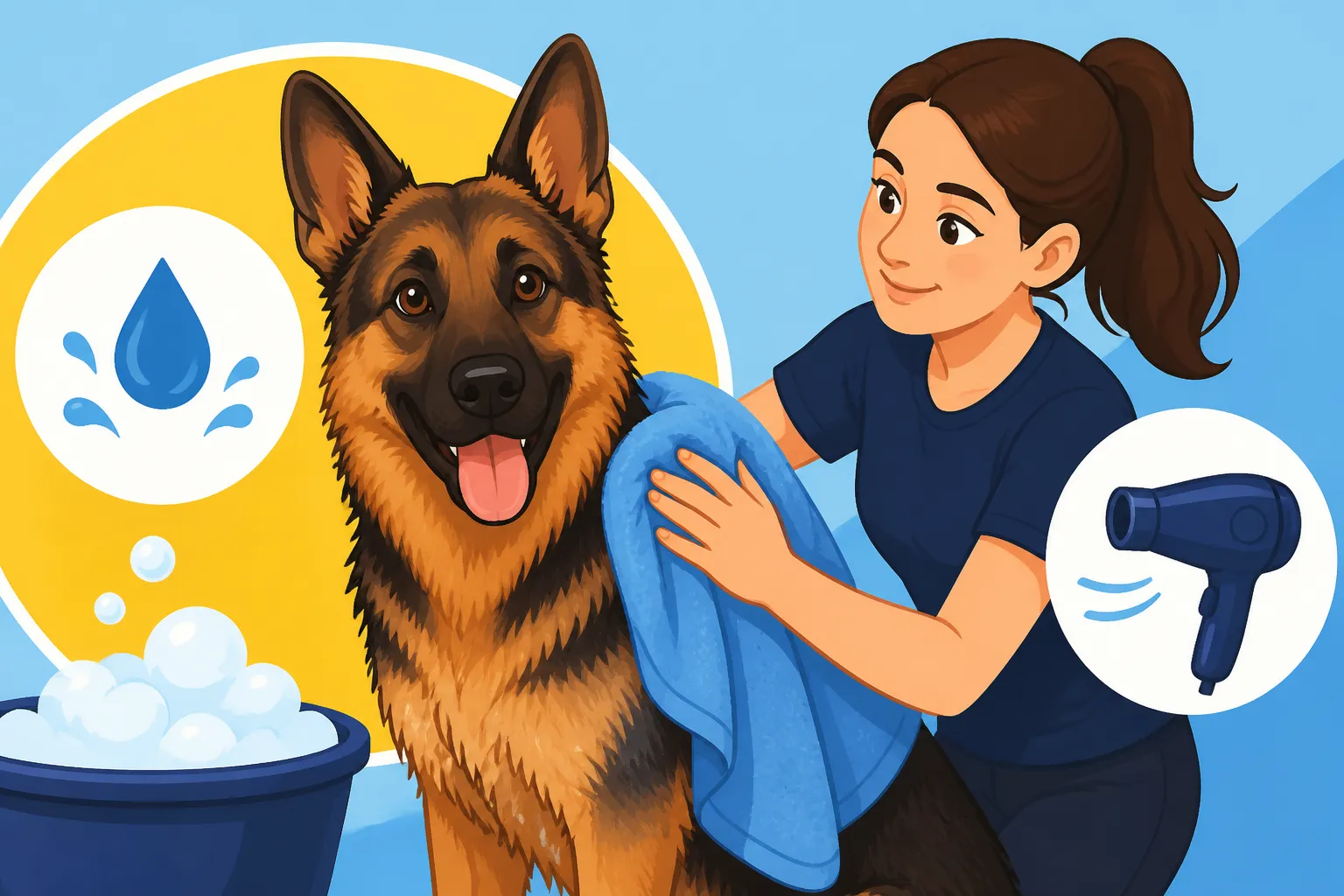
Once you’ve squeezed out the initial water, it’s time for the first round of towel drying. Grab one of your large, super-absorbent microfiber towels. Instead of scrubbing back and forth, which can mat the fur and irritate the skin, focus on blotting and pressing. Drape the towel over a section of their body, like their back, and gently press down, squeezing the towel to absorb the water. Then move to a fresh, drier section of the towel or grab a new towel.
Work your way systematically across their body – start with their back, then sides, chest, belly, and finally their legs and tail. Don't forget their paws and between their toes, as these areas can hold a lot of moisture and are often overlooked. Pay special attention to the areas where the undercoat is thickest, like around their neck, chest, and hindquarters. The goal here isn't to get them bone dry, but to remove the majority of the surface water, leaving their coat damp rather than dripping. This step is vital before introducing any blow dryers.
Mastering the Blow Dryer: Technique and Safety
Now for the real powerhouse: the high-velocity pet dryer. If your dog isn’t used to it, introduce it slowly. Let them see and sniff it, turn it on at a low setting away from them, and offer treats. Positive reinforcement is key, especially if you have a nervous German Shepherd. You can learn more about building positive associations in our German Shepherd Puppy Training Guide.
Start with the dryer on its lowest (cool or warm, never hot) setting. Begin with a less sensitive area, like their hindquarters or sides. Hold the nozzle a few inches away from their body and keep it moving constantly. You want to lift sections of the fur with one hand while directing the airflow with the other. As the fur dries, you'll see it separate and fluff up, and loose undercoat will literally blast out. This is where your slicker brush comes in handy; use it to brush through the coat against the direction of growth as you dry, further separating the hairs and pulling out shedding fur.
Systematically work your way over their entire body, paying meticulous attention to their dense undercoat. Lift the guard hairs to ensure the air reaches deep down. Be extra careful around their face, ears, and sensitive belly area. Many dogs are sensitive to air around their face; you might need to use a lower setting or simply towel dry those areas more thoroughly. If your dog shows signs of stress, take a break. Break the drying into shorter sessions if needed. Continue until every inch of their double coat feels completely dry to the touch, especially at the skin level. Any lingering dampness can quickly turn into an issue.
Air Drying and Finishing Touches: When and How
While a high-velocity dryer is the most effective way to dry a German Shepherd, there might be times you need to rely on some air drying. This should only be considered after a very thorough towel and/or blow dry, and primarily in warm, low-humidity environments. Never rely solely on air drying, especially in cooler temperatures or if your dog has a very thick coat, as it almost guarantees lingering dampness.
If you are doing some air drying after a partial blow dry, keep your German Shepherd in a clean, warm, well-ventilated area. Take them for a short, leashed walk to encourage movement, which can help circulate air through their coat, but avoid letting them roll in dirt. Continue to brush them every 15-30 minutes for the next hour or two to help air penetrate deeper and prevent matting as the fur dries. Once they are fully dry, give them a final brush-through to remove any last loose hairs and check for any missed damp spots. This also helps to redistribute natural oils for a healthy, shiny coat.
Troubleshooting Common Drying Challenges
Even with the right tools and techniques, drying a German Shepherd can present its own set of unique challenges. From a dog that hates the dryer to dealing with persistent dampness, knowing how to troubleshoot these common hurdles can save you a lot of frustration.
Dealing with a Fearful Dog: Making Drying a Positive Experience
It’s a common scenario: you turn on the high-velocity dryer, and your German Shepherd looks at you like you’ve just unleashed a monster. The noise and sensation can be overwhelming for some dogs. The key is desensitization and positive reinforcement. Start by introducing the dryer when it’s off, letting your dog sniff it and rewarding them with high-value treats (like those from Ollie if they prefer fresh food). Then, turn it on at the lowest setting in another room, gradually bringing it closer over several sessions.
Once they tolerate the sound, begin using it on a low setting, far from their body, for very short durations (a few seconds), always pairing it with treats and praise. Never force it or hold them down. Slowly increase the duration and proximity. You can also try using a happy, enthusiastic voice to keep things light, or try a Thundershirt for anxiety. Some owners use ear protection designed for dogs, like Mutt Muffs, to reduce the noise impact. Patience is crucial here; it might take several bath cycles to get your German Shepherd comfortable.
Managing the Mess: Tips for a Cleaner Drying Zone
Let’s be honest, drying a German Shepherd, especially with a high-velocity dryer, is messy. Hair will fly, water will spray. But there are ways to contain the chaos. As mentioned earlier, choose a dedicated drying area that’s easy to clean – a tiled bathroom, a laundry room, or even a garage. Lay down extra towels or a shower curtain liner to protect floors and walls.
Consider wearing old clothes or a smock, as you will get wet and hairy. If using a high-velocity dryer, pointing the nozzle slightly downwards can help keep flying hair somewhat contained. After the drying session, a good vacuum cleaner with a pet hair attachment will be your best friend. For persistent shedding, remember that regular grooming, even between baths, is key to managing the hair in your home. Our guide on German Shepherd Grooming Tools You Need has more advice.
Addressing Persistent Dampness and Skin Issues
Sometimes, despite your best efforts, you might notice areas that just don’t seem to dry completely, or you start seeing skin irritation after baths. If persistent dampness is an issue, especially in very dense areas, it likely means you’re not getting deep enough with your drying method. Ensure your high-velocity dryer has enough power to separate the undercoat, and use your brush diligently to open up the fur so air can reach the skin. You might need to section off the coat and work on smaller areas at a time, spending longer on each section.
If you're noticing skin issues like redness, itching, or a funky smell even after thorough drying, it's time to consult your veterinarian. While dampness is a common culprit for hot spots and yeast infections, there could be underlying issues like allergies. German Shepherds can be prone to various skin problems, and a vet can help identify the root cause. You can read more about potential issues in our German Shepherd Skin Problems and Fixes article. They might recommend a medicated shampoo, a specific diet, or other treatments. Always ensure you're using a dog-specific shampoo and conditioner that is gentle and appropriate for their skin type, as harsh chemicals can strip natural oils and cause irritation.
Disclaimer
_Please remember that the information provided in this article is for educational and informational purposes only and does not constitute veterinary advice. Always consult with a qualified veterinarian for any health concerns or before making any decisions about your pet’s care._