German Shepherd Pancreatitis: Symptoms and Treatment
It’s truly disheartening when our beloved German Shepherds, known for their robust health and boundless energy, suddenly become unwell. One of the more insidious and often misunderstood conditions that can strike is pancreatitis, an inflammation of the pancreas that can range from a mild, fleeting upset to a severe, life-threatening emergency. Seeing your strong, vital dog suddenly listless, nauseous, or in pain is incredibly worrying, and the confusion around what exactly is happening can be overwhelming. This guide is here to walk you through everything you need to know about German Shepherd pancreatitis, from recognizing the subtle signs to navigating treatment options and long-term care, helping you feel more equipped to support your furry family member.
Understanding German Shepherd Pancreatitis: What It Is
Pancreatitis is a condition characterized by inflammation of the pancreas, a vital organ tucked away near the stomach and small intestine. When this organ becomes inflamed, it can cause a cascade of problems, leading to significant discomfort and potentially serious health complications for your German Shepherd. It's a condition that can catch many owners off guard, primarily because its symptoms can often mimic other less severe gastrointestinal issues.
The Pancreas and Its Role in Digestion
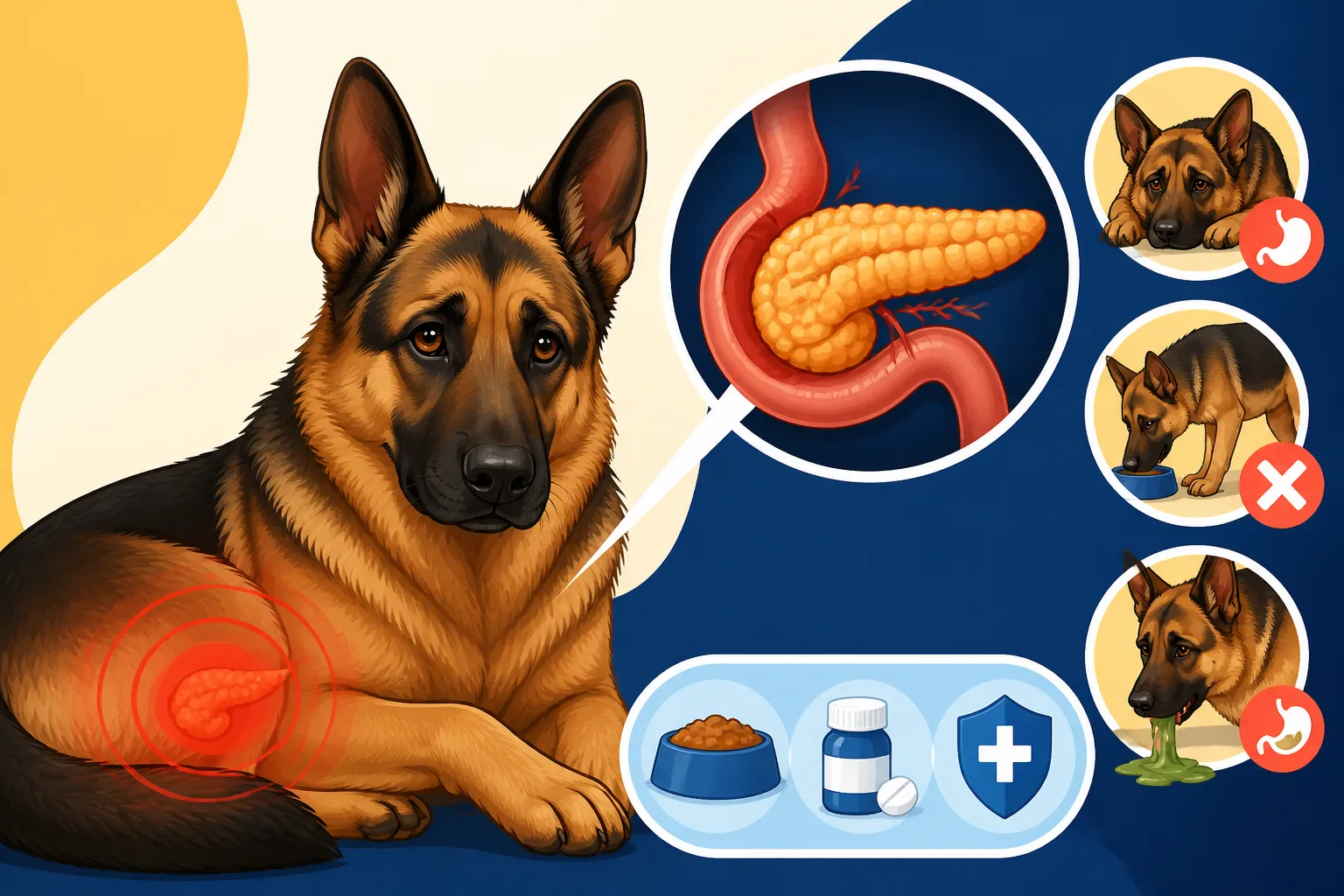
To truly grasp pancreatitis, it helps to understand what the pancreas actually does. Think of it as a dual-purpose powerhouse in your dog's body. First, it produces crucial digestive enzymes—like amylase, lipase, and proteases—which are essential for breaking down carbohydrates, fats, and proteins in food so that the small intestine can absorb nutrients. Normally, these enzymes are inactive until they reach the small intestine, preventing them from "digesting" the pancreas itself. Second, the pancreas also produces hormones like insulin and glucagon, which regulate blood sugar levels. When the pancreas gets inflamed, these digestive enzymes can prematurely activate within the pancreas, essentially causing the organ to start digesting itself. This self-digestion is incredibly painful and damaging, leading to the clinical signs we associate with pancreatitis.
Acute vs. Chronic Pancreatitis
Pancreatitis in German Shepherds, much like in humans, can manifest in two primary forms: acute and chronic. Understanding the difference is crucial for recognizing the urgency and implications of each.
Acute Pancreatitis is often a sudden, severe attack. It comes on rapidly and can cause intense pain and other symptoms. Imagine your dog, usually full of pep, suddenly becoming incredibly lethargic, refusing food, and perhaps even vomiting profusely. This sudden onset can be terrifying, and it requires immediate veterinary attention. Acute cases are often triggered by a high-fat meal, trauma, or certain medications, but sometimes, the exact cause remains a mystery. The good news is that with prompt and aggressive treatment, many dogs can make a full recovery from an acute episode.
Chronic Pancreatitis, on the other hand, is a more persistent, long-standing inflammation of the pancreas. It might involve repeated mild flare-ups, or a low-grade, simmering inflammation that never fully resolves. The symptoms can be much more subtle and intermittent, making it harder to diagnose. Your German Shepherd might have occasional bouts of diarrhea, a reduced appetite, or just seem "off" now and then. These less dramatic signs can easily be mistaken for a sensitive stomach or a minor bug. Over time, chronic inflammation can lead to permanent damage to the pancreas, potentially affecting its ability to produce digestive enzymes (leading to Exocrine Pancreatic Insufficiency, or EPI) or even insulin (leading to diabetes). For a deeper dive into another digestive issue, you might want to read our guide on German Shepherd EPI: Symptoms and Treatment.
Why German Shepherds Are Susceptible
While any dog breed can develop pancreatitis, some breeds, including German Shepherds, appear to have a higher predisposition. The exact reasons aren't fully understood, but several factors are thought to contribute to this increased risk.
One significant factor is genetics. While no specific gene has been definitively linked to pancreatitis in German Shepherds, breed-specific propensities for certain diseases are well-documented. Their robust appetites and sometimes less-than-discerning palates can also play a role; a German Shepherd is often quite happy to snatch a dropped piece of fatty bacon or raid the garbage, both common triggers for acute pancreatitis. Their tendency towards other digestive sensitivities or inflammatory conditions might also indirectly increase their risk. It’s not just about one meal, though; sometimes, a dog's metabolism simply doesn't handle fats as efficiently as others, leading to a build-up of pancreatic stress over time. Keeping a close eye on their diet is essential for all German Shepherds, especially those with any known sensitivities. For general health information, you can also check out our comprehensive German Shepherd Health Problems Guide.
Recognizing the Red Flags: Symptoms of Pancreatitis in German Shepherds
One of the trickiest things about pancreatitis is that its symptoms can be incredibly varied, and often overlap with other gastrointestinal issues. This makes recognizing the specific signs in your German Shepherd challenging, and often, what looks like a simple stomach upset could be something far more serious. Being vigilant and knowing what to look for can make a world of difference in getting prompt treatment.
Common Clinical Signs
When pancreatitis strikes, especially in its acute form, the symptoms can be quite dramatic and distressing to witness. The most common signs are those related to severe digestive upset and pain.
- Vomiting: This is often one of the first and most noticeable symptoms. Your German Shepherd might vomit repeatedly, sometimes bringing up bile or undigested food. It can be a relentless cycle that quickly leads to dehydration.
- Diarrhea: While not always present, diarrhea, often loose and sometimes bloody, can accompany vomiting, further exacerbating dehydration and discomfort. If you're seeing frequent loose stool, it could indicate several issues, and our guide on German Shepherd Loose Stool: Common Causes might offer more insights.
- Abdominal Pain: This is a hallmark sign, though it can be difficult for owners to identify. Dogs might hunch their back, often adopting a "prayer position" (front legs down, rear end up), trying to alleviate pressure on their abdomen. They might also growl or snap if you try to touch their belly, become restless, or appear lethargic and unwilling to move.
- Loss of Appetite (Anorexia): The intense pain and nausea typically cause dogs to refuse food, even their favorite treats.
- Lethargy and Weakness: Your usually energetic German Shepherd might become unusually quiet, withdrawn, and weak, lacking the energy to engage in normal activities. This general malaise is a strong indicator that something is seriously wrong.
- Dehydration: Due to vomiting and sometimes diarrhea, your dog can quickly become dehydrated. You might notice dry gums, sunken eyes, or a loss of skin elasticity (the skin stays tented when gently pinched).
Subtle Indicators You Might Miss
Sometimes, pancreatitis doesn't present with all the dramatic flair of acute vomiting and obvious pain. This is particularly true for chronic pancreatitis or milder acute episodes. These subtle indicators can be easily overlooked or dismissed as just an "off day," but paying attention to them can lead to earlier diagnosis.
- Intermittent Nausea: Your German Shepherd might occasionally drool excessively, smack their lips, or swallow repeatedly, which are all signs of nausea. They might refuse a meal, only to eat it a few hours later, or pick at their food half-heartedly.
- Reduced Enthusiasm for Activity: A dog who usually loves their walks or playtime might seem less interested, moving slower, or tiring more quickly. This isn't just lethargy; it's a lack of their usual zest for life.
- Weight Loss Over Time: In chronic cases, persistent low-grade inflammation can interfere with nutrient absorption, leading to a gradual and unexplained weight loss despite a seemingly normal appetite.
- Changes in Stool Consistency: Beyond outright diarrhea, you might notice stools that are softer than usual, or occasionally greasy. This could indicate maldigestion due to compromised pancreatic function. For more on what to look for, exploring German Shepherd Sensitive Stomach Solutions could be beneficial.
- Panting or Restlessness: Sometimes, dogs experiencing pain will pant more than usual, even when not hot or exerting themselves. They might also shift positions frequently, unable to get comfortable.
When Symptoms Become an Emergency
While it's always best to consult your vet if you suspect pancreatitis, certain symptoms warrant immediate, emergency veterinary care. Time is often of the essence, especially with acute pancreatitis.
Seek emergency veterinary attention if your German Shepherd exhibits:
- Severe, persistent vomiting: Especially if it's accompanied by lethargy and inability to keep even water down.
- Extreme abdominal pain: Indicated by continuous hunching, crying, guarding their belly, or severe restlessness.
- Collapse or extreme weakness: If your dog cannot stand or is disoriented.
- Pale gums or very fast, shallow breathing: These can be signs of shock, which is a life-threatening complication.
- Signs of dehydration: Sunken eyes, very dry gums, or skin that remains tented.
These severe signs could indicate not only a serious pancreatic flare-up but also potential complications like shock, organ failure, or a condition called GDV (bloat), which is also a dire emergency in German Shepherds. Knowing the signs of German Shepherd Bloat: Signs and Prevention is another critical piece of knowledge for any GSD owner. Never hesitate to call your emergency vet if you see these signs; it could save your German Shepherd's life.
Diagnosing Pancreatitis: Getting a Clear Picture
When your German Shepherd is showing symptoms that point to pancreatitis, getting an accurate diagnosis from your veterinarian is paramount. This isn't always a straightforward process, as many symptoms can overlap with other conditions, but a thorough veterinary workup is essential to rule out other issues and confirm the pancreatic inflammation.
Initial Veterinary Examination
When you bring your German Shepherd to the vet with suspected pancreatitis, the first step will be a comprehensive physical examination. Your vet will palpate your dog's abdomen, checking for signs of pain, tenderness, or swelling. They'll also assess your dog's overall condition, looking for signs of dehydration, fever, or lethargy. They'll ask you a lot of questions about your dog's recent eating habits, any dietary indiscretions (like getting into the trash or eating a fatty meal), frequency and nature of vomiting or diarrhea, and any changes in behavior.
Based on this initial assessment, your vet will form a differential diagnosis—a list of possible conditions that could be causing your dog's symptoms. Pancreatitis will likely be on that list, along with other gastrointestinal issues, foreign body ingestion, or even some systemic diseases. This is why further diagnostic tests are almost always necessary to confirm pancreatitis and gauge its severity.
Blood Tests and Imaging
To get a clearer picture of what's happening internally, your vet will recommend a series of diagnostic tests.
Blood Tests:
- Complete Blood Count (CBC): This checks for signs of infection or inflammation (e.g., elevated white blood cells) and can indicate dehydration (e.g., elevated red blood cell count).
- Biochemistry Profile: This evaluates organ function, including kidney and liver values, and checks electrolyte levels, which can be thrown off by vomiting and diarrhea. Critically, it will also measure pancreatic enzymes like amylase and lipase. While elevated levels of these enzymes can suggest pancreatitis, they are not always definitively diagnostic on their own, as other conditions can also cause them to rise.
- Canine Pancreatic Lipase Immunoreactivity (cPLI) or Spec cPL: This is often considered the gold standard blood test for diagnosing pancreatitis in dogs. The cPLI test specifically measures lipase produced only by the pancreas, making it much more accurate than general lipase tests. A significantly elevated cPLI level is a strong indicator of pancreatitis. Many vets use a SNAP test (a rapid in-house test) for screening, and if positive, send out a quantitative Spec cPL test for confirmation and severity assessment.
Imaging:
- Abdominal Radiographs (X-rays): While X-rays can't directly visualize the pancreas well, they are crucial for ruling out other causes of abdominal pain and vomiting, such as foreign bodies, intestinal blockages, or an enlarged spleen. They might indirectly show signs consistent with pancreatitis, like inflammation in the area of the pancreas.
- Abdominal Ultrasound: This is arguably the most valuable imaging tool for diagnosing pancreatitis. A skilled ultrasonographer can directly visualize the pancreas, looking for enlargement, fluid accumulation around the pancreas, changes in tissue texture, and other signs of inflammation. Ultrasound can also help assess other abdominal organs for secondary issues or to rule out other problems.
By combining the physical exam findings, specific blood tests like cPLI, and imaging, your vet can usually arrive at a definitive diagnosis of pancreatitis and determine its severity, which then guides the treatment plan. This thorough investigative process is vital for the health of your German Shepherd, and pet insurance like Healthy Paws can often help with the costs of such extensive diagnostics.
Differentiating from Other Conditions
As mentioned, the symptoms of pancreatitis can be maddeningly similar to those of several other serious health issues in German Shepherds. This is why a precise diagnosis is so critical. Your vet's job is to carefully consider and rule out these other conditions.
- Gastroenteritis: This general term refers to inflammation of the stomach and intestines. It can cause vomiting, diarrhea, and abdominal discomfort, just like pancreatitis. However, gastroenteritis is often less severe and doesn't typically involve the intense pancreatic enzyme elevations seen in pancreatitis.
- Foreign Body Obstruction: If your German Shepherd has ingested a toy, bone, or other non-food item, it can cause vomiting, abdominal pain, and lethargy. X-rays are usually very effective at identifying these obstructions.
- Intestinal Parasites: Severe infestations can lead to vomiting, diarrhea, and weight loss. A fecal test is used to identify parasites.
- Exocrine Pancreatic Insufficiency (EPI): While EPI is a consequence of severe chronic pancreatitis in some cases, it's also a distinct condition where the pancreas doesn't produce enough digestive enzymes. EPI typically causes chronic diarrhea, weight loss, and ravenous appetite, but generally not the acute pain and vomiting of pancreatitis. You can learn more about German Shepherd EPI: Symptoms and Treatment separately.
- Kidney or Liver Disease: Dysfunction of these vital organs can also lead to nausea, vomiting, lethargy, and appetite loss. Blood tests will typically show specific abnormalities related to kidney or liver function that differentiate these from primary pancreatitis.
- Adrenal Gland Disorders (e.g., Addison's Disease): Conditions affecting the adrenal glands can mimic pancreatitis symptoms, including gastrointestinal upset and lethargy. Specific blood tests are needed to diagnose these hormonal imbalances.
Understanding these possibilities underscores the importance of a detailed veterinary examination and diagnostic workup rather than attempting to self-diagnose based solely on symptoms. A professional diagnosis ensures your German Shepherd receives the most appropriate and effective treatment for their specific condition.
Treatment Approaches for German Shepherd Pancreatitis
Once pancreatitis is diagnosed, the focus immediately shifts to treatment. The approach will vary significantly depending on whether your German Shepherd is suffering from an acute, severe attack or managing a chronic, milder form. The overarching goals are to reduce inflammation, manage pain, prevent complications, and provide supportive care to allow the pancreas to heal.
Managing Acute Pancreatitis
Acute pancreatitis is an emergency and typically requires hospitalization and intensive supportive care. The mainstays of treatment are:
- Fluid Therapy: This is critical to combat dehydration and maintain electrolyte balance, especially if your dog has been vomiting extensively. Intravenous (IV) fluids are administered to rehydrate the patient and support circulation.
- Pain Management: Pancreatitis is incredibly painful. Vets will administer strong pain medications, often opioids, to keep your German Shepherd comfortable. Managing pain is not just about comfort; it also helps prevent stress-induced complications and aids in recovery.
- Anti-Nausea Medication: To stop vomiting and allow the gastrointestinal tract to rest, antiemetic drugs are essential. This helps prevent further fluid and electrolyte loss and makes the dog feel much better.
- Withholding Food and Water (NPO): Traditionally, dogs with acute pancreatitis were kept "NPO" (nil per os, meaning nothing by mouth) for several days to give the pancreas a complete rest. However, current veterinary thinking often favors early nutritional support through a feeding tube, or introducing small amounts of highly digestible, low-fat food as soon as vomiting is controlled. The aim is to support gut health and prevent complications associated with prolonged fasting.
- Antibiotics: While pancreatitis is generally not caused by bacteria, antibiotics may be prescribed if there's a concern about secondary bacterial infection, or if the dog is septic.
The length of hospitalization depends on the severity of the pancreatitis and how quickly your German Shepherd responds to treatment. Owners often worry about the costs associated with emergency care, and this is where having pet insurance like Healthy Paws can truly alleviate financial stress during an already difficult time.
Long-Term Management for Chronic Cases
Chronic pancreatitis presents a different challenge. The goal isn't just to treat acute flare-ups but to manage the underlying inflammation, reduce the frequency and severity of episodes, and prevent long-term damage to the pancreas.
- Dietary Modification: This is arguably the most crucial aspect of chronic management. German Shepherds with chronic pancreatitis need a carefully controlled, often lifelong, low-fat diet. Your vet might recommend prescription diets specifically formulated for pancreatic health, or guide you in selecting an appropriate commercial diet that is low in fat, highly digestible, and contains moderate protein. Consistency is key; even small dietary indiscretions (like sneaking table scraps) can trigger a flare-up. For insights on what to feed, checking out Best Dog Food for German Shepherds or specific advice on German Shepherd Diet by Age and Weight can be helpful, but always with a vet's approval for pancreatitis cases.
- Medication for Flare-ups: During mild flare-ups, your vet might prescribe anti-inflammatory drugs, pain relievers, and anti-nausea medications on an outpatient basis. These are typically used short-term to get symptoms under control.
- Pancreatic Enzyme Supplementation: If chronic pancreatitis leads to Exocrine Pancreatic Insufficiency (EPI), where the pancreas no longer produces enough digestive enzymes, your German Shepherd will require lifelong pancreatic enzyme supplements added to every meal.
- Regular Monitoring: Dogs with chronic pancreatitis often benefit from regular veterinary check-ups, including blood tests (like cPLI) and sometimes ultrasound, to monitor pancreatic health and adjust the management plan as needed.
- Weight Management: Keeping your German Shepherd at a healthy weight is important. Obesity can exacerbate pancreatitis and make management more difficult.
Dietary Adjustments and Medications
Let's dive a bit deeper into the practicalities of dietary adjustments and specific medications.
Dietary Adjustments:
The cornerstone of managing pancreatitis is a low-fat diet. Fat stimulates the pancreas to release digestive enzymes, and in an inflamed pancreas, this can worsen the condition.
- Prescription Diets: Brands like Royal Canin Gastrointestinal Low Fat, Hill's Prescription Diet i/d Low Fat, or Purina Pro Plan Veterinary Diets EN Gastroenteric Fiber Balance are commonly recommended by veterinarians because they are specifically formulated to be low in fat and highly digestible.
- Homemade Diets: If you prefer a homemade diet, it must be formulated by a veterinary nutritionist to ensure it's nutritionally complete, balanced, and appropriately low in fat. This is not something to guess at, as nutrient deficiencies can be very serious.
- Treats and Chews: Even treats need to be low-fat. Avoid fatty treats like cheese, peanut butter, and most commercial jerky. Opt for plain, cooked chicken breast (skinless, boneless) or low-fat commercial treats specifically designed for sensitive stomachs.
- Consistency: Absolutely no table scraps. This can be tough, especially with a German Shepherd who has mastered the puppy-dog eyes, but it’s vital for their health.
Medications:
Beyond the immediate treatment of acute cases, several medications might be used for ongoing management or flare-ups:
- Prokinetics: These medications help move food through the digestive tract, reducing nausea and vomiting.
- Antacids/Gastric Protectants: Drugs like famotidine or omeprazole can help reduce stomach acid, which can be irritating during bouts of nausea and vomiting.
- Corticosteroids: In some specific cases of severe, immune-mediated chronic pancreatitis, low-dose corticosteroids might be used for their anti-inflammatory effects, but this is less common and must be carefully managed by a vet due to potential side effects.
- Vitamin B12 (Cobalamin) Supplementation: The inflamed pancreas can sometimes impair the absorption of Vitamin B12. If your vet finds your German Shepherd is deficient, they might recommend B12 injections or oral supplements.
It's a lot to manage, but with dedication and close partnership with your veterinarian, your German Shepherd can live a full and comfortable life even with a pancreatitis diagnosis.
Preventing Pancreatitis: Proactive Steps for Your GSD
The old adage "an ounce of prevention is worth a pound of cure" certainly holds true when it comes to pancreatitis in German Shepherds. While not all cases are preventable, especially those with an underlying genetic component, there's a great deal you can do as an owner to significantly reduce the risk and safeguard your dog's pancreatic health. Being proactive about their diet, lifestyle, and regular vet visits is the best defense.
The Role of Diet and Fat Intake
Dietary management is hands-down the most powerful tool in your prevention arsenal, especially given that many cases of acute pancreatitis are linked to fatty meals or dietary indiscretion.
- Avoid High-Fat Foods: This is the golden rule. German Shepherds thrive on a balanced diet, but excessive fat, particularly sudden intake of rich, greasy foods, can trigger an acute pancreatitis attack. Think about those holiday leftovers, bacon grease, or fatty cuts of meat. These are absolute no-gos. Even some commercially available treats or human foods can be surprisingly high in fat.
- Choose Appropriate Dog Food: Select a high-quality, complete, and balanced dog food that is appropriate for your German Shepherd's age, activity level, and any specific health needs. If your GSD has a history of sensitive stomach issues, or you want to be extra cautious, discussing a lower-fat commercial diet with your vet is a great idea. Foods specifically formulated for large breeds are often a good starting point, as they also consider joint health and appropriate growth rates. Our guide on How Much to Feed a German Shepherd can help with portion control, which is also indirectly related to preventing excessive fat intake.
- No Table Scraps: This cannot be stressed enough. While it's tempting to share your food, human food is often too rich, salty, and fatty for dogs. Even seemingly innocuous items can cause digestive upset or worse. Stick to dog-specific treats, and ensure they are low-fat.
- Secure Trash Cans: German Shepherds are intelligent and often resourceful. Make sure your trash cans, especially those containing food waste, are securely covered or inaccessible. A late-night raid on leftover pizza crusts could land your dog in the emergency vet.
- Monitor Treats and Chews: Be mindful of the fat content in any treats, dental chews, or bones you give your dog. Some rawhides or fatty chew sticks can be problematic. When considering supplements for overall health, also ensure they don't add unnecessary fat to the diet. You might consider German Shepherd Joint Health Supplements for other benefits, but always check ingredients.
Lifestyle and Stress Management
Beyond diet, your German Shepherd's overall lifestyle and stress levels can also indirectly play a role in their susceptibility to various health issues, including potentially pancreatitis.
- Maintain a Healthy Weight: Obesity is a significant risk factor for pancreatitis. Excess body fat is linked to higher triglyceride levels, which can contribute to pancreatic inflammation. Ensure your German Shepherd maintains a lean body condition through proper diet and regular exercise. Work with your vet to determine their ideal weight and calorie intake.
- Regular, Appropriate Exercise: While exercise is vital for a German Shepherd's physical and mental health, moderation is key. Over-exertion or sudden, intense exercise after a period of inactivity can put stress on the body. A consistent routine of moderate exercise is best. Avoid sudden, strenuous activity immediately after a large meal, which can sometimes be a trigger for other acute conditions like bloat.
- Minimize Stress: Stress can impact a dog's immune system and digestive health. While it's harder to quantify stress's direct link to pancreatitis, creating a stable, predictable, and low-stress environment for your German Shepherd is always beneficial for their overall well-being. This includes consistent routines, appropriate socialization, and avoiding prolonged periods of anxiety or fear.
- Monitor Medications: Some medications, such as certain corticosteroids, specific diuretics, or certain antibiotics, have been implicated in triggering pancreatitis in some dogs. Always discuss potential side effects with your vet and never give your dog human medications without veterinary guidance.
Regular Veterinary Check-ups and Monitoring
Consistent veterinary care is fundamental for preventing and early detection of all German Shepherd health issues.
- Annual Wellness Exams: Regular check-ups allow your veterinarian to monitor your German Shepherd's overall health, track their weight, listen for any heart or lung abnormalities, and discuss any changes in appetite or behavior you might have noticed. These routine visits are an opportunity to catch potential problems early, before they escalate.
- Bloodwork Screening: For German Shepherds, especially as they age, routine bloodwork can be incredibly insightful. Your vet might recommend regular screening for pancreatic enzyme levels as part of a comprehensive wellness panel, particularly if your dog has a history of digestive sensitivities or is considered at higher risk. Early detection of elevated pancreatic enzymes, even without overt symptoms, can prompt dietary adjustments or further investigation to prevent a full-blown attack. This is particularly relevant as part of a German Shepherd Senior Care Guide.
- Discuss Any Concerns Promptly: If you notice any changes in your German Shepherd's appetite, energy levels, stool consistency, or behavior, no matter how subtle, don't wait. A quick call or visit to your vet can help identify potential issues early and prevent them from becoming more serious problems. The sooner a problem is identified, the easier and often less expensive it is to treat. Proactive discussions with your vet about their diet and lifestyle are key to helping your German Shepherd live a long, healthy life. This is how you genuinely work towards How to Keep a German Shepherd Healthy.
Living with a German Shepherd with Pancreatitis: Ongoing Care
Receiving a diagnosis of pancreatitis for your German Shepherd can feel overwhelming, especially if it's a chronic condition. It means a commitment to ongoing management, careful monitoring, and a deep understanding of your dog's needs. But rest assured, with dedication and a close partnership with your veterinarian, many German Shepherds with pancreatitis can still lead happy, fulfilling lives. It’s about adapting and providing consistent, supportive care.
Home Care and Support
The daily care you provide at home is critical for managing pancreatitis and preventing flare-ups. This involves more than just giving medication; it’s about creating an environment that supports pancreatic health.
- Strict Dietary Adherence: This is the absolute cornerstone of home care. You must be incredibly disciplined with your German Shepherd’s diet. This means no table scraps, no unauthorized treats, and sticking precisely to the low-fat, highly digestible food prescribed or recommended by your vet. Educate everyone in the household, including guests, about the importance of this dietary restriction. Even a tiny piece of fatty food can trigger a painful episode. Consider using puzzle feeders for enrichment with their prescribed food, rather than high-fat chews or treats.
- Medication Administration: If your vet has prescribed medications for chronic management or for managing acute flare-ups at home, ensure they are given exactly as directed. This includes pain medications, anti-nausea drugs, or pancreatic enzyme supplements. Set reminders on your phone if needed to avoid missing doses.
- Comfort and Rest: During flare-ups, your German Shepherd will need a quiet, comfortable place to rest. Ensure they have easy access to fresh water (if not vomiting) and a soft bed. Gentle petting and reassurance can help alleviate their discomfort, but avoid over-handling if they are in pain.
- Monitoring Food and Water Intake: Keep a close eye on how much your German Shepherd is eating and drinking. A sudden decrease in appetite or refusal to drink can be a sign of a worsening condition or dehydration.
- Regular Weight Checks: Monitor your dog's weight regularly. Significant weight loss can indicate that the diet isn't providing enough nutrition or that the pancreatitis is worsening and interfering with digestion. Weight gain, especially if they are already overweight, can exacerbate the condition.
Monitoring for Relapses
Unfortunately, pancreatitis can be a recurring issue, especially the chronic form. Learning to recognize the early signs of a relapse is vital for prompt intervention and minimizing suffering.
- Know the Early Warning Signs: Be intimately familiar with the subtle indicators discussed earlier: intermittent nausea (lip licking, drooling, refusing a meal), mild lethargy, a slight decrease in appetite, or softer stools. These can precede a full-blown attack. The moment you notice any of these, contact your vet.
- Keep a Health Journal: A simple notebook or an app can be incredibly helpful. Jot down dates of any vomiting, diarrhea, changes in appetite, energy levels, or other unusual behaviors. Note when medications were given and in what dosage. This detailed record will be invaluable for your vet to identify patterns and adjust the management plan.
- Stool Observation: Regularly check your German Shepherd's stools. Changes in color, consistency (greasy, pale, very soft), or the presence of mucus or blood can signal a problem.
- Body Language Cues: Your German Shepherd can't tell you they're in pain, but their body language can. Watch for hunching, sensitivity when touched around the abdomen, restlessness, or seeking isolation.
- Emergency Plan: Have a clear plan in place for emergencies. Know your vet's emergency contact information and the nearest 24-hour veterinary emergency clinic. Make sure you have transportation readily available.
- Financial Preparedness: Treating pancreatitis, especially acute flare-ups, can be expensive. Having a pet insurance policy like Healthy Paws can provide significant peace of mind, covering a substantial portion of emergency and ongoing care costs.
The Emotional Toll on Owners
Let’s be real for a moment: dealing with a German Shepherd who has chronic pancreatitis, or who experiences recurrent acute episodes, isn't just physically taxing on your dog; it's emotionally draining for you, the owner.
- Guilt and Frustration: You might feel immense guilt if you suspect a dietary indiscretion led to a flare-up, or frustrated by the constant vigilance required. It's okay to feel these emotions. Remember, you're doing your best for your dog.
- Anxiety and Stress: Every time your German Shepherd seems a little "off," your heart might jump, fearing another attack. The anxiety of not knowing when a flare-up might occur can be relentless. This chronic stress can impact your own well-being.
- Financial Strain: The costs of diagnostic tests, emergency treatments, prescription diets, and long-term medications can add up quickly. This financial burden can be a source of significant stress and difficult decisions. Having pet insurance can truly help here. For a better understanding, you might find our article "Is Pet Insurance Worth It for a German Shepherd" helpful.
- Seek Support: Don't go through this alone. Talk to your veterinarian, join online support groups for owners of dogs with pancreatitis, or confide in trusted friends and family. Sharing your experiences and learning from others can provide comfort and practical advice. Remember, you're not the only one dealing with these challenges.
Living with a German Shepherd with pancreatitis is a journey of learning, adapting, and deep commitment. By understanding the condition, implementing strict home care, vigilantly monitoring for relapses, and caring for your own emotional well-being, you can ensure your beloved companion receives the best possible care and enjoys the highest quality of life.
| Feature | Acute Pancreatitis | Chronic Pancreatitis |
|---|---|---|
| Onset | Sudden, severe | Gradual, recurring, or low-grade persistent |
| Severity of Signs | Often dramatic (severe vomiting, intense pain, collapse) | Often subtle, intermittent (mild nausea, soft stool, lethargy) |
| Typical Triggers | High-fat meal, trauma, certain medications | Dietary indiscretion (even small), underlying sensitivities |
| Pain Level | High to excruciating | Mild to moderate, or absent between flare-ups |
| Diagnosis | Physical exam, cPLI blood test, ultrasound | Similar to acute, but may require repeated tests/monitoring |
| Treatment Focus | Emergency supportive care (IV fluids, pain/nausea meds, NPO) | Lifelong dietary management, meds for flare-ups, enzyme supplements (if EPI) |
| Prognosis | Good with prompt treatment; can be fatal if severe | Manageable with strict adherence; potential for long-term complications (EPI, diabetes) |
| Hospitalization | Often required | Rarely required, usually outpatient management |
Disclaimer
The information provided in this guide is intended for educational purposes only and should not be considered a substitute for professional veterinary advice. Always consult with a qualified veterinarian for any health concerns or before making any decisions related to your German Shepherd's medical care or treatment plan. Individual cases can vary widely, and only a veterinarian can properly diagnose and recommend appropriate interventions.