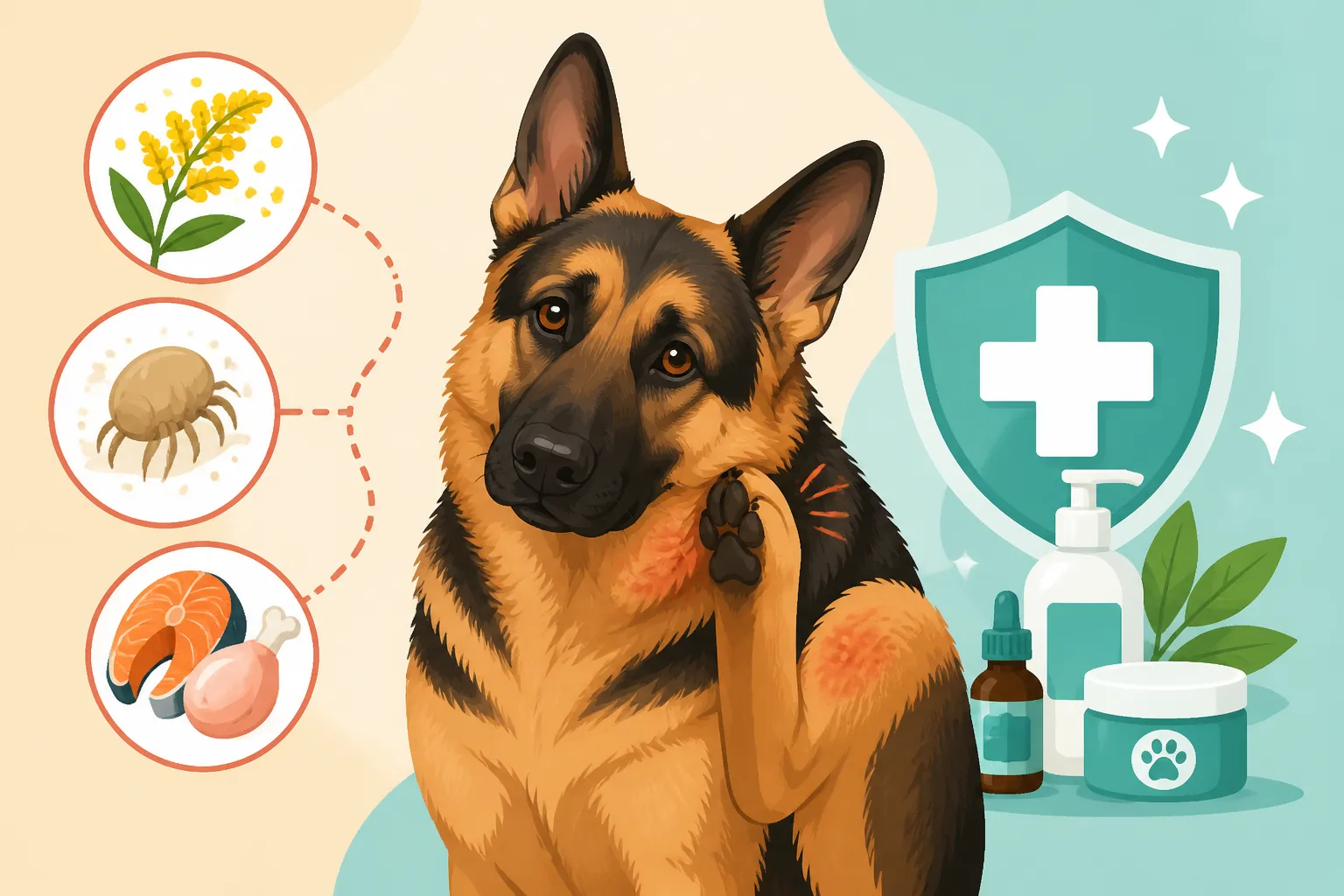
German Shepherd Allergies: Symptoms and Treatment
It's incredibly frustrating and heartbreaking to see your usually vibrant German Shepherd constantly scratching, licking, or dealing with digestive upset. Allergies are unfortunately a very common and persistent issue for our beloved German Shepherds, often leaving owners feeling helpless as they try to pinpoint the cause of their dog's discomfort. This comprehensive guide will walk you through the various types of allergies affecting German Shepherds, help you identify the tell-tale symptoms, and provide detailed insights into effective diagnosis and long-term treatment strategies.
Understanding German Shepherd Allergies: The Basics
Living with a German Shepherd experiencing allergies can feel like an endless battle, especially when you're not sure what you're up against. These intelligent, loyal companions are, sadly, predisposed to a range of allergic reactions that can significantly impact their quality of life. Understanding the underlying reasons for this predisposition and the different forms allergies can take is the first crucial step toward helping your furry friend find relief.
Why German Shepherds are Prone to Allergies
German Shepherds are magnificent dogs, but their strong genetic lines, while giving them many desirable traits, also make them prone to certain health challenges, and allergies are high on that list. Their immune systems can sometimes be a bit overzealous, reacting to otherwise harmless substances in the environment or their food as if they were dangerous invaders. This genetic predisposition means that even with the best care, some German Shepherds will develop allergies, a reality that can be tough for devoted owners to accept. It's not uncommon to hear tales from fellow German Shepherd enthusiasts about their struggles with itchy skin or chronic ear infections, symptoms often rooted in an allergic response.
Beyond genetics, their skin structure might also play a role. German Shepherds often have a dense undercoat and a harsher outer coat, which, while beautiful, can sometimes trap allergens closer to the skin, exacerbating irritation. Furthermore, some studies suggest that specific immune system characteristics found in the breed might contribute to a higher incidence of atopic dermatitis, a common type of environmental allergy. This combination of genetic susceptibility and physiological traits means that preventative measures and diligent monitoring become even more critical for German Shepherd owners.
Types of Allergies Affecting German Shepherds
Just like people, German Shepherds can suffer from different types of allergies, each with its own set of triggers and symptoms. The three most common culprits are environmental allergies, food allergies, and flea allergy dermatitis. Pinpointing which type your dog is struggling with is essential for effective treatment.
Environmental allergies, often called atopy or atopic dermatitis, are triggered by substances found in their surroundings. Think pollen from trees, grasses, and weeds, dust mites lurking in your home, mold spores, or even certain fabrics and cleaning products. These allergens are usually inhaled or absorbed through the skin, leading to chronic itching, skin inflammation, and recurrent ear infections. It’s a bit like seasonal allergies in humans, but dogs often manifest them primarily through their skin rather than sneezing or runny noses. Managing these can be quite a challenge, especially if the allergen is widespread.
Food allergies or sensitivities, on the other hand, occur when your German Shepherd's immune system reacts negatively to an ingredient in their diet, most commonly certain proteins like beef, chicken, dairy, wheat, or soy. Unlike food intolerances which are digestive issues, true food allergies involve an immune response and can cause a range of symptoms, from itchy skin and ear infections to gastrointestinal upset like vomiting and diarrhea. Diagnosing these can be tricky, often requiring a strict elimination diet, which we'll discuss later.
Finally, flea allergy dermatitis (FAD) is an intense allergic reaction to the saliva of fleas. Even a single flea bite can cause an allergic German Shepherd to develop severe itching, redness, scabbing, and hair loss, particularly around the tail base, inner thighs, and abdomen. It's more than just a simple itch from a flea; it's an extreme immunological response that demands consistent and effective flea prevention. If you're dealing with persistent scratching, even if you don't see fleas, FAD should always be considered.
Recognizing the Symptoms of German Shepherd Allergies
Identifying allergy symptoms in your German Shepherd early can make a world of difference in their comfort and long-term health. Because German Shepherds are so prone to these issues, learning what to look for becomes a vital part of responsible pet ownership. Many owners initially mistake persistent scratching for simple dry skin or a minor irritation, not realizing it could be a sign of a deeper allergic problem.
Skin-Related Symptoms
The skin is often the first and most visible battleground for German Shepherd allergies. Chronic itching, or pruritus, is the hallmark symptom and can manifest in relentless scratching, licking, and chewing, sometimes to the point of self-mutilation. You might notice your dog constantly gnawing at their paws, rubbing their face on furniture, or incessantly scratching behind their ears. This persistent irritation can lead to secondary skin infections (bacterial or yeast), which only worsen the itch and discomfort, creating a vicious cycle.
Beyond the itching, look for visible changes to their skin and coat. Redness and inflammation are common, particularly in areas prone to moisture like the paw pads, armpits, groin, and between skin folds. The skin might become thickened, darkened (hyperpigmentation), or take on a leathery texture over time due to chronic inflammation. You might also spot pustules, scabs, or "hot spots" – acute moist dermatitis lesions that appear suddenly, are red, oozing, and intensely painful. Hair loss, or alopecia, is another frequent symptom, often occurring in patches where the dog has been excessively licking or scratching. Your German Shepherd might also develop German Shepherd Itchy Skin: Causes and Fixes as a result of these allergic reactions, making a comprehensive approach to skin health crucial.
Recurrent ear infections are also a classic sign of allergies in German Shepherds. If your dog frequently shakes their head, scratches at their ears, or you notice a foul odor, redness, or discharge from the ear canal, it's highly likely to be allergy-related. The inner ear canal becomes inflamed and moist, creating a perfect breeding ground for bacteria and yeast, leading to painful and recurring infections. These ear issues are often a direct extension of systemic skin allergies rather than isolated problems.
Gastrointestinal Symptoms
While skin issues are often the most obvious, allergies can also significantly impact your German Shepherd's digestive system, particularly in the case of food allergies. If your dog experiences persistent digestive upset that doesn't seem to resolve with minor dietary changes, allergies should be on your radar.
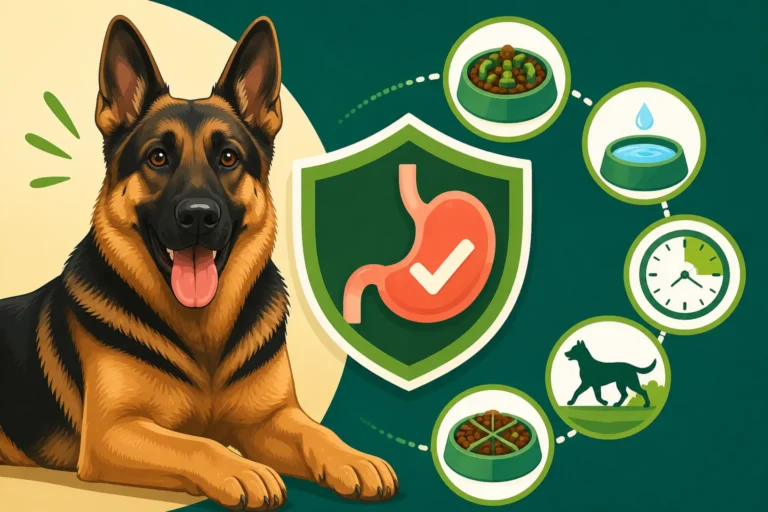
Common gastrointestinal symptoms include chronic or intermittent diarrhea, which can range from soft stools to watery, explosive bouts. Vomiting is another sign, though it might not occur after every meal. Some dogs might also experience increased flatulence or develop a rumbling stomach, indicating digestive distress. These symptoms can be quite debilitating for a dog, leading to discomfort, weight loss, and nutrient malabsorption over time. It's important to differentiate these from simple dietary indiscretions or a German Shepherd Sensitive Stomach Solutions, which might not be immune-mediated.
You might also notice a change in your German Shepherd's appetite or a general lethargy if they're constantly feeling unwell due to digestive inflammation. While these symptoms can point to many different health issues, when combined with skin problems or if they persist despite various food trials, it strongly suggests a food allergy. It's particularly important to pay attention to German Shepherd Loose Stool: Common Causes, as chronic loose stool is a major indicator.
Respiratory and Other Symptoms
While less common than skin or GI issues, some German Shepherds can exhibit respiratory symptoms related to allergies, similar to hay fever in humans. These might include sneezing, coughing, or clear nasal discharge. While these could also be signs of respiratory infections, if they are chronic and seasonal, allergies should be considered. These symptoms are more frequently associated with inhaled environmental allergens.
Beyond the typical skin, GI, and respiratory signs, other, more subtle indicators might emerge. Swelling of the face, lips, eyelids, or ear flaps (angioedema) can occur in severe, acute allergic reactions, though this is less common with chronic environmental or food allergies. In rare, extreme cases, a German Shepherd might experience anaphylaxis, a life-threatening, systemic allergic reaction, usually to an insect sting or vaccine. This would involve sudden collapse, severe vomiting and diarrhea, and difficulty breathing, requiring immediate emergency veterinary care. While frightening, these severe reactions are thankfully not the typical presentation of chronic allergies.
Diagnosing Allergies in Your German Shepherd
The journey to diagnosing allergies in a German Shepherd can sometimes feel like solving a complex puzzle. With so many potential triggers and overlapping symptoms, it requires patience, thoroughness, and a close partnership with your veterinarian. Rushing the process or skipping steps can lead to misdiagnosis and continued suffering for your dog.
The Importance of Veterinary Consultation
When you first notice signs of allergies in your German Shepherd, your immediate first step should always be a visit to your trusted veterinarian. Self-diagnosis and trying every over-the-counter remedy you find online can waste valuable time and money, and potentially even worsen your dog's condition or mask crucial symptoms. Your vet will start with a comprehensive physical examination, taking a detailed history of your dog's symptoms, diet, environment, and any previous treatments. This initial consultation is critical for ruling out other non-allergic conditions that can present similarly, such as parasitic infestations (mites, lice), fungal infections (ringworm), or bacterial infections that might not be allergy-related.
Your vet will likely recommend general health screenings, such as a complete blood count and chemistry panel, to assess your dog's overall health and rule out systemic illnesses. They will also perform skin scrapings, cytology (examining skin cells under a microscope), and fungal cultures to identify or exclude parasites, bacteria, and yeast infections. It’s a common misconception that if a German Shepherd has itchy skin, it must be allergies. Often, secondary infections are present and need to be treated alongside addressing the underlying allergy. Establishing a clear baseline of your dog's health helps in making an accurate diagnosis and formulating an effective treatment plan, especially considering how predisposed German Shepherds are to German Shepherd Health Problems Guide.
Diagnostic Tests for Different Allergies
Once other conditions are ruled out, your vet can begin the process of diagnosing specific allergies. This often involves different approaches depending on whether environmental or food allergies are suspected.
For suspected environmental allergies, commonly known as atopic dermatitis, two primary diagnostic methods are typically employed:
- Intradermal Skin Testing (IDST): This is often considered the gold standard for environmental allergies. Your German Shepherd will be lightly sedated, and small amounts of common environmental allergens (like pollens, molds, dust mites) will be injected just under the skin. The vet observes the skin for reactions (like small hives or redness) to determine which allergens your dog is sensitive to. This test usually requires a veterinary dermatologist and can provide a very precise picture of your dog's environmental triggers, allowing for targeted treatment like immunotherapy.
- Serum IgE Blood Testing: This involves taking a blood sample and sending it to a specialized lab to measure antibodies (IgE) against various environmental allergens. While less invasive than IDST, its accuracy can vary, and results need to be interpreted carefully by your vet. Some vets use it as a first step, or if IDST isn't feasible for various reasons.
When food allergies are suspected, the diagnostic process shifts entirely to an elimination diet trial. This is the only reliable way to diagnose a food allergy. It involves feeding your German Shepherd a novel protein and carbohydrate source (one they have never eaten before) or a hydrolyzed protein diet (where the proteins are broken down so small that the immune system doesn't recognize them as allergens) for a strict period of 8-12 weeks. During this time, absolutely no other treats, flavored medications, human food, or chew toys are allowed. This strict adherence is crucial for accurate results.
If symptoms resolve during the elimination diet, a food allergy is strongly indicated. To confirm, your vet will then recommend a "challenge" phase, where you reintroduce old food ingredients one by one. If symptoms return upon reintroduction of a specific ingredient, then that ingredient is identified as the allergen. This process can be tedious but is invaluable for tailoring a German Shepherd EPI Diet and Management, or more simply, a diet for food allergies.
For flea allergy dermatitis, diagnosis is usually based on clinical signs, history of flea exposure, and the presence of fleas or flea dirt, often confirmed by a positive response to rigorous flea control. Even if you don't see fleas, a very thorough look with a fine-toothed comb can sometimes reveal them, or their tiny black specks of waste (flea dirt). Consistent flea prevention is key here.
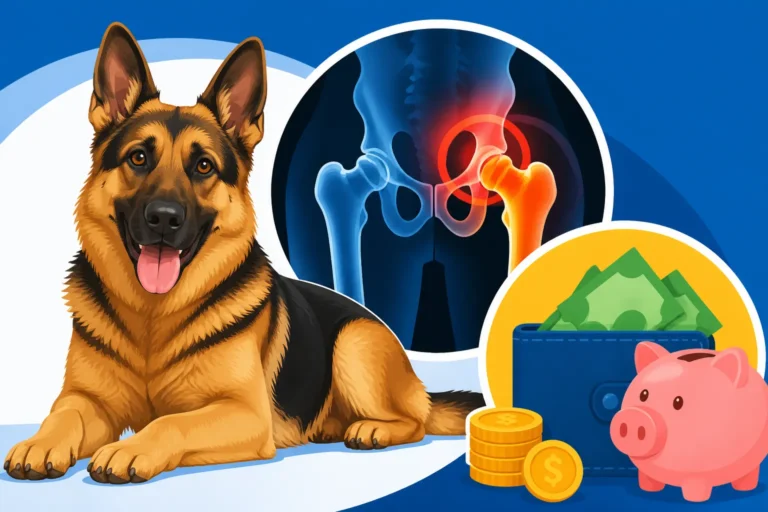
It's worth noting that while pet insurance providers like Healthy Paws can help alleviate the financial burden of these diagnostic tests and long-term treatments, the diagnostic process itself requires diligence and adherence to your vet's instructions.
| Allergy Type | Common Symptoms | Diagnostic Approach |
|---|---|---|
| Environmental (Atopy) | Intense itching, redness, inflammation, recurrent ear infections, hot spots, hair loss | Intradermal Skin Test (IDST) or Serum IgE Blood Test |
| Food Allergy/Sensitivity | Chronic itching, skin inflammation, recurrent ear infections, vomiting, diarrhea, flatulence | Strict 8-12 week Elimination Diet Trial, followed by food challenge |
| Flea Allergy Dermatitis | Severe itching, scabbing, hair loss (especially near tail base), intense skin irritation | Clinical signs, presence of fleas/flea dirt, positive response to flea control |
Comprehensive Treatment Approaches for German Shepherd Allergies
Once your German Shepherd's allergies are accurately diagnosed, the next phase focuses on management and treatment. There’s no single magic bullet for allergies; instead, a multi-modal approach combining different strategies often yields the best results. This can involve environmental controls, dietary changes, and sometimes, medication.
Environmental Allergy Management
Managing environmental allergies, or atopic dermatitis, means reducing your German Shepherd's exposure to identified allergens as much as possible, which can be challenging since these are often airborne. For instance, if pollen is the culprit, limiting outdoor exposure during peak pollen seasons, especially in the early morning or late afternoon, can help. Wiping your dog's paws and coat with a damp cloth or hypoallergenic wipe after outdoor excursions can physically remove pollen. Regular bathing with a gentle, hypoallergenic shampoo, specifically formulated for sensitive skin, can also wash away allergens and soothe irritated skin. Talk to your vet about how often to bathe a German Shepherd with allergies, as over-bathing can sometimes dry out the skin further.
Indoors, dust mites are a huge trigger for many dogs. Frequent vacuuming with a HEPA filter, washing dog bedding in hot water weekly, and using air purifiers can significantly reduce dust mite populations. If mold is an issue, dehumidifiers can help control its growth. While it's impossible to create a sterile environment, these proactive steps can make a noticeable difference. Beyond external management, some German Shepherds benefit from immunotherapy, or "allergy shots." Based on the results of IDST or blood tests, a custom vaccine is formulated to desensitize your dog's immune system to specific allergens over time. This is a long-term treatment, often taking 6-12 months to show full effects, but it can provide significant, lasting relief and reduce the need for other medications.
It's important to remember that this is often a lifelong management strategy, and consistency is key. Even with immunotherapy, some German Shepherds may still experience flare-ups, but the goal is to reduce the frequency and severity of these episodes. Getting professional advice on German Shepherd Environmental Allergies: Relief, can be a game-changer for your dog's comfort.
Food Allergy Management and Diet Changes
For German Shepherds diagnosed with food allergies, strict dietary management is the cornerstone of treatment. The primary approach is to feed a diet free from the identified allergens. If the allergy was diagnosed via an elimination diet, you'll simply avoid reintroducing the ingredients that caused a reaction. If specific allergens weren't pinpointed but a novel protein or hydrolyzed diet proved successful, you'll continue with that specialized diet.
There are several types of prescription or limited ingredient diets available:
- Novel Protein Diets: These diets feature a protein source your German Shepherd has likely never encountered before, such as venison, duck, rabbit, or kangaroo, paired with a novel carbohydrate like sweet potato or peas. Brands like Royal Canin, Purina Pro Plan, and Hill's Science Diet all offer excellent veterinary-exclusive options.
- Hydrolyzed Protein Diets: In these diets, the protein has been broken down into tiny components that are too small to trigger an immune response. This makes them highly effective for dogs with multiple food sensitivities or those who haven't responded to novel protein diets.
- Home-Cooked Diets: Under the guidance of a veterinary nutritionist, some owners opt for a home-cooked diet using novel ingredients. This requires careful formulation to ensure it's nutritionally complete and balanced, as deficiencies can quickly arise if not done correctly.
It’s crucial to be incredibly strict with the chosen diet. Even small amounts of an allergen, perhaps from a dropped morsel of human food, a flavored chew toy, or a treat, can trigger a flare-up and negate all your hard work. Always check the ingredients of everything your dog consumes. Supplements, dental chews, and even certain medications can contain hidden allergens. A significant part of How to Manage EPI in a German Shepherd, for example, also revolves around meticulous dietary control, even though EPI is a different condition. Sticking to the plan rigorously is the only way to ensure your German Shepherd remains free from food allergy symptoms.
Medication and Supplementary Therapies
While environmental control and diet are crucial, sometimes medications are necessary to manage the symptoms of allergies, especially during flare-ups or when other methods aren't enough. These can range from quick-acting symptom relief to long-term immune modulators.
Common medications used to treat German Shepherd allergies include:
- Antihistamines: Over-the-counter antihistamines like diphenhydramine (Benadryl) or cetirizine (Zyrtec) can sometimes provide mild relief for itching, but their effectiveness varies greatly among dogs and often isn't strong enough for severe cases. Always consult your vet for appropriate dosing.
- Corticosteroids: Drugs like prednisone are highly effective at reducing inflammation and itching quickly. However, they come with potential side effects, especially with long-term use (increased thirst, urination, appetite, weight gain, liver issues). They are typically used for short bursts to control severe flare-ups.
- Cyclosporine (Atopica): This is an immunosuppressant medication that targets the immune cells involved in allergic reactions. It's often used for chronic atopic dermatitis that doesn't respond to antihistamines or topical treatments. It takes several weeks to reach full effect and requires careful monitoring.
- Oclacitinib (Apoquel): This is a newer targeted medication that specifically inhibits the itch pathway, providing rapid relief from itching and inflammation with fewer side effects than corticosteroids. It can be used long-term and is very popular for managing environmental allergies.
- Lokivetmab (Cytopoint): An injectable monoclonal antibody that targets and neutralizes a specific protein (IL-31) involved in sending the itch signal to the brain. It provides 4-8 weeks of itch relief with minimal side effects, making it a good option for many dogs, especially those who struggle with oral medications.
Beyond prescription drugs, several supplementary therapies can aid in managing allergic symptoms. Omega-3 fatty acids, often in the form of fish oil, can help reduce skin inflammation and improve coat health. Probiotics can support gut health, which is particularly beneficial for food allergies and can also positively impact immune function. Topical treatments like medicated shampoos, conditioners, and sprays containing ingredients like oatmeal, hydrocortisone, or chlorhexidine can soothe irritated skin and treat secondary infections. Your vet might also recommend specific joint supplements for German Shepherds that also include ingredients to support skin health, as part of a holistic approach.
It's important to remember that these medications should always be used under veterinary supervision. Many require regular check-ups and blood work to monitor for side effects. Finding the right combination of treatments might take some trial and error, but with patience and persistent communication with your vet, you can significantly improve your German Shepherd's comfort and quality of life. Pet insurance, such as through providers like Healthy Paws, can be an invaluable asset in covering the ongoing costs of these specialized medications and treatments, making long-term care more accessible.
Long-Term Management and Prevention Strategies
Living with a German Shepherd prone to allergies means committing to a lifestyle of diligent management and proactive prevention. While there might not be a "cure" for many allergies, consistent care can significantly reduce flare-ups, minimize discomfort, and help your dog lead a happy, healthy life.
Maintaining a Healthy Environment
Environmental control is a continuous effort for German Shepherds with atopic dermatitis. Regularly cleaning your home is paramount, especially focusing on areas where your dog spends a lot of time. This means frequent vacuuming, ideally with a HEPA filter to capture microscopic allergens like dust mites and pollen. Washing all dog bedding, blankets, and even plush toys in hot water at least once a week helps eliminate accumulated allergens and dander. Consider encasing dog beds in allergen-proof covers if dust mites are a major trigger.
Beyond household cleaning, managing outdoor exposure is also key. If you know your German Shepherd reacts to certain pollens, try to schedule walks during times when pollen counts are lower, typically mid-day or after a rain shower. After every outdoor adventure, a quick wipe-down of their paws, belly, and coat with a damp cloth or hypoallergenic pet wipe can physically remove environmental allergens before they can cause a reaction. Some owners even use medicated foot soaks after walks to soothe paws and remove irritants. Investing in high-quality air purifiers with HEPA filters for the rooms your German Shepherd frequents most can also help reduce airborne allergens. This comprehensive approach to their living space significantly contributes to managing German Shepherd Allergies: Causes and Relief.
The Role of Diet and Supplements
Even if your German Shepherd doesn't have a diagnosed food allergy, a high-quality, easily digestible diet can play a crucial role in overall skin and immune health, which in turn can help manage environmental allergies. Many German Shepherds benefit from diets rich in omega-3 fatty acids, which possess anti-inflammatory properties that can soothe irritated skin and improve coat condition. Look for foods that list fish oil or flaxseed as ingredients, or consider adding a high-quality omega-3 supplement approved by your veterinarian.
For those with confirmed food allergies, maintaining the strict elimination diet is non-negotiable for long-term health. Any deviation, even a small bite of an offending ingredient, can trigger a flare-up that takes weeks to resolve. This might mean making dietary adjustments for the whole family to avoid accidental sharing, or clearly communicating your dog's dietary restrictions to pet-sitters or daycare facilities. Additionally, some German Shepherds benefit from probiotics to support a healthy gut microbiome, which is intrinsically linked to immune function and can further aid in reducing allergic responses. Always discuss any dietary changes or supplements with your vet to ensure they are appropriate and beneficial for your individual dog's needs. Understanding German Shepherd Nutrition Essentials, means understanding how crucial diet is.
Proactive Care and Regular Check-ups
One of the most powerful tools in long-term allergy management is proactive veterinary care and consistent monitoring. Regular check-ups allow your veterinarian to assess your German Shepherd's progress, adjust medications as needed, and catch potential secondary infections early before they become severe. These visits are also an opportunity to discuss any new symptoms or concerns you might have. Your vet can provide advice on How to Keep a German Shepherd Healthy, including a tailored allergy management plan.
Beyond scheduled appointments, pay close attention to your German Shepherd's daily behavior and physical condition. Look for subtle signs of increased scratching, licking, redness, or changes in their coat or skin. Early intervention at the first sign of a flare-up can prevent a full-blown crisis and often means less aggressive treatment is needed. Maintaining consistent flea and tick prevention is absolutely essential, even if your dog isn't diagnosed with flea allergy dermatitis, as a single bite can trigger a cascade of issues in an allergic dog. Remember, managing allergies is a partnership between you and your vet. With dedication, patience, and the right strategies, your German Shepherd can enjoy a much more comfortable and itch-free life. Pet insurance, such as through Healthy Paws, can significantly ease the financial burden of these ongoing veterinary consultations, specialized diets, and prescribed medications, ensuring your German Shepherd receives the best possible long-term care.
Disclaimer
The information provided in this article is for educational purposes only and is not a substitute for professional veterinary advice. Always consult with a qualified veterinarian for any health concerns or before making any decisions about your pet's medical care or treatment plan.