German Shepherd Feeding Guide
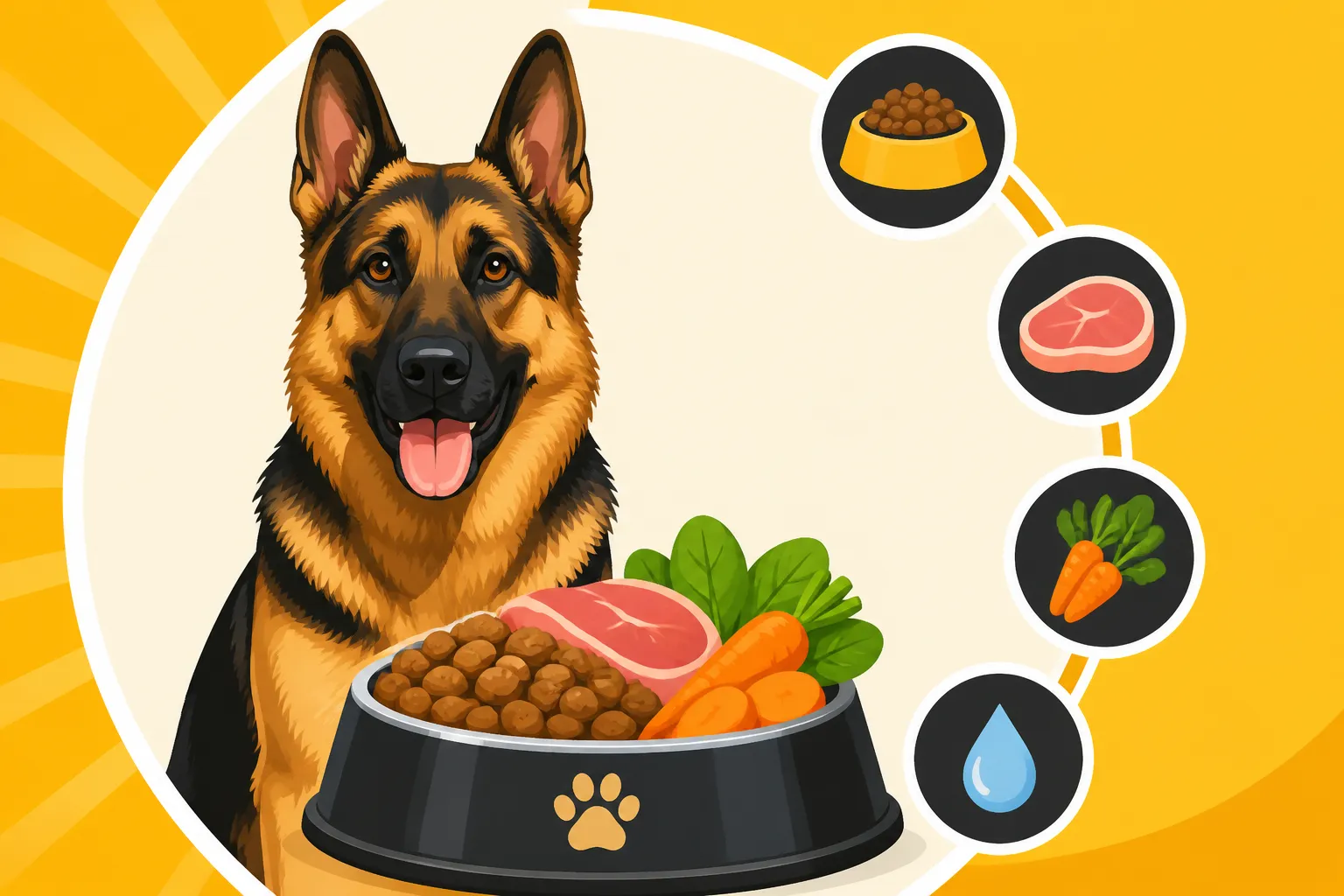
Navigating the world of German Shepherd nutrition can feel like a labyrinth, can't it? You want to do what's best for your magnificent companion, but with so much conflicting advice out there, from what type of food to feed, to how much, and even when, it’s easy to feel overwhelmed. Many of us worry about common breed-specific issues like bloat or sensitive stomachs, and we know that diet plays a huge role in preventing these. This comprehensive guide is designed to cut through the confusion, offering clear, actionable advice to help you provide the best possible feeding plan for your German Shepherd, ensuring they thrive at every stage of their life.
Understanding Your German Shepherd's Unique Nutritional Needs
German Shepherds aren't just any dog; they're a breed renowned for their intelligence, athleticism, and often, their incredible work ethic. This isn't just a fun fact; it's a critical piece of information that dictates their dietary requirements. Their bodies are built for power and endurance, which means their nutritional needs are quite specific, often differing significantly from a less active breed.
The High-Energy Breed Demands
Think about the origins of the German Shepherd: herding, protection, and police work. These are not couch potato activities. Even if your GSD is a beloved family pet, their genetics still equip them with a high metabolism and a need for sustained energy. This means they require a diet rich in high-quality protein to support lean muscle mass and healthy fats to fuel their activity levels. A diet lacking in these crucial components can lead to lethargy, poor coat condition, and a general decline in their robust health. Many owners find that generic, all-life-stages food simply doesn't provide the dense nutrition a German Shepherd truly needs to perform its best, whether that's chasing a ball in the park or excelling in advanced obedience.
This breed's incredible drive and intelligence mean they burn through calories more efficiently than many other dogs. If they’re not getting adequate energy from their food, they might start to tap into muscle reserves, leading to a loss of condition. It’s a common frustration to see a GSD that looks "skinny" despite eating a lot, and often, the culprit isn't a lack of food quantity, but a lack of food quality and appropriate caloric density. You’re essentially trying to fuel a high-performance engine with low-octane gas.
Growth Stages and Dietary Changes
Just like us, a German Shepherd's nutritional needs evolve dramatically throughout their life. What's perfect for a rapidly growing puppy simply isn't suitable for a senior dog enjoying a quieter pace of life. Ignoring these changes can have serious health consequences. A puppy needs a specific balance of nutrients, particularly calcium and phosphorus, to support healthy bone and joint development – an area where German Shepherds are notoriously susceptible to issues like hip and elbow dysplasia. Giving a puppy adult food, or food not specifically formulated for large breed puppies, can actually lead to too rapid growth or an incorrect mineral balance, predisposing them to orthopedic problems later on.
As they mature into adulthood, their growth plates close, and their energy needs might stabilize or even decrease slightly if they're not highly active working dogs. Then, as they enter their golden years, their metabolism slows down, activity levels naturally decline, and they may become more prone to weight gain. At this stage, joint support, easily digestible ingredients, and often fewer calories become paramount. This careful transition through life stages is a fundamental part of keeping your German Shepherd healthy and happy for as long as possible. Understanding these dietary shifts is not just about feeding them, it's about nurturing their body's changing requirements.
Common Health Concerns Related to Diet
German Shepherds are prone to certain health issues where diet plays a critical role, either in prevention or management. For instance, bloat (Gastric Dilatation-Volvulus or GDV) is a life-threatening condition that all GSD owners dread. While not solely diet-related, certain feeding practices, such as feeding large meals once a day or allowing vigorous exercise immediately after eating, are believed to increase the risk. Properly managing meal sizes and frequency can be a key preventive measure, giving us some peace of mind. For more in-depth information, you might find our guide on German Shepherd Bloat: Signs and Prevention especially helpful.
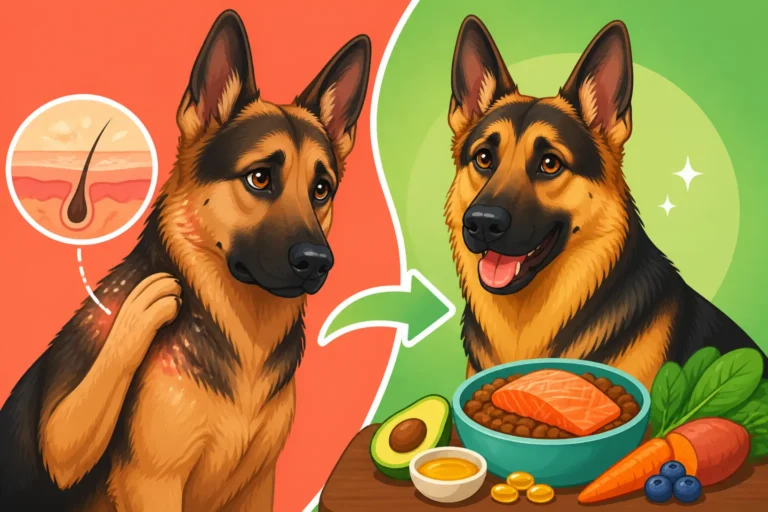
Beyond bloat, many German Shepherds experience sensitive stomachs, manifesting as loose stools, gas, or vomiting. This often points to food sensitivities or a diet that's difficult for their system to process. Similarly, skin issues, chronic ear infections, and excessive itching can often be symptoms of food allergies. Identifying and eliminating problematic ingredients, often through a limited ingredient diet or a novel protein source, can bring immense relief to a suffering dog and a frustrated owner. Pancreatitis, another serious condition, can also be exacerbated by diets high in fat, making careful food selection crucial for susceptible individuals. Addressing these diet-related concerns proactively can significantly improve your German Shepherd's quality of life and potentially save you hefty vet bills down the line.
Deciphering Dog Food Labels: What to Look For (and Avoid)
Walking down the dog food aisle can feel like trying to read a foreign language. Every bag claims to be "premium" or "natural," but how do you really know what's inside and if it's genuinely good for your German Shepherd? The key is learning to read past the marketing fluff and understand the actual ingredient list. This skill is invaluable for any GSD owner committed to their dog's long-term health.
The Importance of Quality Protein Sources
For a powerful, muscular breed like the German Shepherd, protein is king. It's the building block for their muscles, organs, skin, and immune system. When you look at an ingredient list, the first few ingredients are the most abundant. For a German Shepherd, you want to see a named meat source as the very first ingredient. We're talking about real, identifiable meats like "chicken," "beef," "lamb," "salmon," or "turkey." Not "meat byproduct," which can be a vague and less nutritious mix of animal parts.
Meat meals, such as "chicken meal" or "lamb meal," are also excellent protein sources. In fact, sometimes a high-quality meat meal can contain more concentrated protein than whole meat, because the water content has been removed. The crucial distinction is that it’s a named meat meal. Avoid anything that just says "meat meal" or "animal digest" without specifying the animal. This kind of ambiguity is a red flag that the protein source might be inconsistent or of lower quality. Aim for a diet with at least 22-26% protein for adult GSDs, and even higher for puppies (around 28-32%), especially those from active working lines, to support their robust physique and energy demands.
Healthy Fats for Energy and Coat Health
Fats often get a bad rap, but for dogs, healthy fats are absolutely essential. They are a concentrated source of energy, making them vital for an active German Shepherd. Beyond energy, fats play a critical role in nutrient absorption, hormone production, and maintaining a healthy skin and coat. Without adequate healthy fats, your GSD's coat might become dull, their skin dry and flaky, and they may lack the sustained energy they need.
Look for named fat sources like "chicken fat," "fish oil" (specifically salmon oil, menhaden oil, or flaxseed oil), or "sunflower oil." These provide essential fatty acids, particularly Omega-3 and Omega-6. Omega-3s, often found in fish oils, are renowned for their anti-inflammatory properties, benefiting joints, skin, and even cognitive function. Omega-6s are also important for skin and coat health. A good quality dog food will have a balanced ratio of these fatty acids. Be wary of generic "animal fat" as it offers little information about its source or quality. Fat content in a good quality GSD food should generally range from 12-18% for adults, with slightly higher levels for puppies.
Complex Carbohydrates, Fiber, and Essential Vitamins/Minerals
While protein and fat are primary, complex carbohydrates, fiber, and a full spectrum of vitamins and minerals round out a complete diet. Complex carbohydrates from sources like brown rice, oats, barley, sweet potatoes, and peas provide sustained energy without the sharp spikes and crashes associated with simple sugars. They are also sources of dietary fiber, which is crucial for digestive health, promoting regular bowel movements, and helping to maintain a healthy gut microbiome.
Avoid foods that list corn, soy, or wheat as primary ingredients, especially if your German Shepherd has a sensitive stomach or suspected allergies. These ingredients are often used as cheap fillers and can be common allergens. Instead, look for a variety of nutrient-dense vegetables and fruits such as carrots, spinach, blueberries, and apples, which provide natural vitamins, antioxidants, and additional fiber. Lastly, a truly balanced diet will include a comprehensive blend of vitamins and minerals. For growing German Shepherds, the calcium-to-phosphorus ratio is particularly important (ideally between 1.1:1 and 1.4:1) to support proper bone development and help prevent orthopedic issues. Many high-quality brands pay close attention to these balances, ensuring your GSD gets everything they need without you having to be a canine nutritionist.
Feeding Your German Shepherd Through Different Life Stages
One of the biggest mistakes an owner can make is feeding the same food throughout their German Shepherd's entire life. Their nutritional demands are dynamic, changing significantly from a tiny, energetic puppy to a majestic adult, and then to a wise, slowing senior. Adapting their diet is paramount to supporting their health and vitality at each stage.
Puppy Feeding Guide: Building a Strong Foundation
Bringing home a German Shepherd puppy is an exciting time, but it comes with a huge responsibility, especially concerning their diet. These little bundles of energy grow incredibly fast, but this rapid growth also makes them susceptible to developmental orthopedic diseases if not managed correctly. It's crucial to feed a diet specifically formulated for large breed puppies. These foods are designed with controlled growth in mind, featuring a balanced calcium-to-phosphorus ratio and appropriate calorie density to prevent too-rapid growth, which can put undue stress on developing joints.
For the first few months, your German Shepherd puppy will likely need to eat three to four times a day. Their tiny stomachs can't handle large meals, and frequent smaller meals help regulate their blood sugar and energy levels. As they get older, typically around 4-6 months, you can gradually transition to two or three meals a day. Always follow the feeding guidelines on the bag, but remember these are just starting points. Monitor your puppy's body condition – you should be able to feel their ribs easily but not see them prominently. Overfeeding can be just as detrimental as underfeeding, contributing to excessive weight gain that stresses immature joints. Our comprehensive German Shepherd Puppy Feeding Schedule provides a detailed breakdown of what to expect and how to manage their meals during this critical growth period. Brands like Royal Canin German Shepherd Puppy or Purina Pro Plan Large Breed Puppy are often recommended for their carefully formulated nutrient profiles tailored to this breed's needs.
Adult German Shepherd: Maintaining Peak Health
Once your German Shepherd reaches around 12-18 months of age, they are generally considered adults, though some larger individuals may continue to fill out until two years old. This is the time to transition them from puppy food to a high-quality adult formula. This transition should always be gradual, typically over 7-10 days, slowly mixing increasing amounts of the new food with decreasing amounts of the old to avoid digestive upset. An abrupt change can lead to an upset stomach, diarrhea, or a refusal to eat.
For adult German Shepherds, the focus shifts to maintaining their lean muscle mass, healthy weight, and sustained energy levels. Most adult GSDs do well on two meals a day. The exact quantity will depend heavily on their activity level, metabolism, and the caloric density of the food you choose. A highly active working dog will naturally need more calories than a companion dog with a more relaxed lifestyle. It's a common mistake to just scoop arbitrarily; always use a measuring cup to ensure consistency. Regularly assess your dog's body condition: you should feel a slight layer of fat over their ribs, their waist should tuck in behind their ribs when viewed from above, and there should be an abdominal tuck when viewed from the side. Obesity is a growing problem in dogs and can exacerbate joint issues, so portion control is key. To fine-tune your approach, check out our guide on How Much to Feed a German Shepherd.
Senior German Shepherd: Adjusting for Aging Bodies
As German Shepherds enter their senior years, typically around 7-8 years old, their bodies undergo another significant shift. Their metabolism slows down, muscle mass can decrease, and they may become less active. This often means their caloric needs will decrease, and continuing to feed them an adult formula at the same quantity can quickly lead to unwanted weight gain. Look for senior-specific dog foods, or formulas designed for "less active" dogs. These foods often have fewer calories but remain rich in protein to help maintain muscle mass.
Beyond calorie adjustments, senior German Shepherds often benefit from diets that include ingredients supporting joint health, such as glucosamine and chondroitin. Fiber content might also be increased to aid digestion, and ingredients that are easily digestible become even more important as their digestive systems can become less efficient. Some senior dogs may also develop dental issues, making softer kibble or wet food more appealing. It's a good idea to discuss your senior GSD's dietary needs with your veterinarian, as they can provide personalized recommendations based on your dog's specific health profile. Our guide on German Shepherd Senior Diet Adjustments offers even more tailored advice for caring for your aging companion.
Choosing the Best Food Type for Your German Shepherd
The sheer variety of dog food types on the market can be daunting. From traditional kibble to trendy raw diets, each option comes with its own set of pros and cons. Understanding these can help you make an informed decision that suits both your German Shepherd's needs and your lifestyle.
Kibble: Pros, Cons, and Quality Considerations
Kibble, or dry dog food, is by far the most popular choice for German Shepherd owners, and for good reason. Its primary advantages are convenience and cost-effectiveness. It's easy to store, has a long shelf life, and typically offers a complete and balanced nutritional profile. For many busy families, pouring a scoop of kibble into a bowl is the most practical way to ensure their GSD is fed. You can find high-quality kibble formulated specifically for large breeds, which is crucial for German Shepherds. Brands such as Purina Pro Plan, Royal Canin, and Hill's Science Diet are often recommended by veterinarians for their rigorous testing and adherence to nutritional standards. Our article, Best Dog Food for German Shepherds, dives deeper into specific recommendations and considerations.
However, not all kibble is created equal. The quality can vary dramatically. Lower-cost kibble often relies on fillers like corn, wheat, and soy, and uses vague "meat byproducts" as protein sources. These ingredients can be less digestible and potentially trigger allergies or sensitivities in German Shepherds, which are known to have sensitive digestive systems. When choosing kibble, always scrutinize the ingredient list as discussed earlier. Look for named meat as the first ingredient, healthy fats, and complex carbohydrates. While kibble might seem less "natural" than other options, premium kibble can provide excellent nutrition. For instance, Royal Canin German Shepherd for German Shepherds: Review offers a detailed look at how one brand tailors its kibble specifically for the breed's unique needs.
Wet Food and Fresh Food Options
Wet dog food, often sold in cans or pouches, can be a great addition to a German Shepherd's diet, or even a primary food source for some. It's typically much more palatable than kibble, which can be a huge benefit for picky eaters or dogs with dental issues. The higher moisture content in wet food also contributes to better hydration, which is a big plus, especially for dogs that don't drink enough water. However, wet food is generally more expensive than kibble and has a shorter shelf life once opened.
A more recent and increasingly popular option is fresh dog food. Services like Ollie deliver freshly prepared, human-grade meals directly to your door. These diets are often gently cooked and contain whole, recognizable ingredients like real meat, vegetables, and fruits. For many owners, the appeal of fresh food lies in its perceived higher quality and digestibility, often leading to better coat health, improved digestion, and higher energy levels. While the cost is significantly higher than most kibble options, and storage requires refrigeration, for those who can afford it, fresh food can be an excellent choice for a German Shepherd, potentially mitigating some common digestive issues. It offers a balance between the convenience of pre-made food and the quality of a homemade diet.
Raw and Homemade Diets: Benefits and Risks
Raw feeding (often referred to as BARF – Biologically Appropriate Raw Food or Prey Model Raw) has gained a passionate following among some German Shepherd owners. Proponents argue that a raw diet, consisting of raw meat, bones, and organs, more closely mimics what a dog's ancestors would have eaten, leading to superior health, better digestion, cleaner teeth, and shinier coats. Similarly, homemade cooked diets allow owners complete control over ingredients, which can be invaluable for German Shepherds with severe allergies or sensitivities. If you're considering this approach, our guide on Raw Diet for German Shepherds Explained offers a thorough overview.
However, raw and homemade diets come with significant risks and require a deep understanding of canine nutrition. Balancing all the necessary vitamins, minerals, and macronutrients in a homemade diet can be incredibly challenging, and a poorly balanced diet can lead to serious deficiencies or excesses over time. For example, too much or too little calcium can be devastating for a growing German Shepherd puppy's skeletal development. There are also concerns about bacterial contamination (like Salmonella or E. coli) in raw meat, which poses risks to both the dog and human members of the household. If you choose this path, working with a veterinary nutritionist is highly recommended to ensure your German Shepherd is receiving a complete and balanced diet. Trying to create a nutritionally sound homemade meal plan without expert guidance is a recipe for potential health problems. You can explore options for Homemade Food for German Shepherds but always with caution and professional advice.
Portion Control and Feeding Schedule for Optimal Health
Feeding your German Shepherd isn't just about what you feed them; it's also critically about how much and when. Consistent portion control and a reliable feeding schedule are fundamental to maintaining a healthy weight, preventing digestive issues, and even reducing the risk of life-threatening conditions like bloat. This is where many well-intentioned owners can inadvertently fall short, often leading to dogs that are either over or underweight.
Understanding Calorie Needs and Activity Levels
There's no one-size-fits-all answer to "how much should I feed my German Shepherd?" because every dog is an individual. Their exact caloric needs depend on a myriad of factors, including age, weight, activity level, metabolism, and whether they are spayed or neutered. A highly active German Shepherd involved in dog sports or a working role will burn significantly more calories than one whose main activity is lounging on the sofa (though GSDs shouldn't be couch potatoes!).
Start by looking at the feeding guidelines on your dog food bag – these are typically based on weight and life stage. However, consider this a starting point, not the absolute rule. Monitor your dog's body condition regularly. You should be able to easily feel, but not prominently see, their ribs. They should have a visible waist when viewed from above and a nice abdominal tuck from the side. If they're gaining too much weight, slightly reduce their portion size; if they're looking too lean, gradually increase it. Consulting with your veterinarian can also provide invaluable personalized advice on your GSD's ideal weight and calorie intake. This attention to detail can prevent obesity, which exacerbates joint issues and shortens lifespan, or malnourishment, which impacts energy and overall health.
Establishing a Consistent Feeding Schedule
A consistent feeding schedule is incredibly important for German Shepherds, particularly as a preventive measure against bloat. Instead of free-feeding (leaving food out all day), which makes portion control difficult and can encourage overeating, aim for two meals a day for adult German Shepherds. For puppies, it might be three or four meals initially, transitioning to two as they mature. Try to feed them around the same times each day, spaced evenly (e.g., 7 AM and 7 PM). This predictability helps regulate their digestive system and gives you a clear picture of their appetite.
Avoiding strenuous exercise at least an hour before and after meals is another crucial bloat prevention strategy. A full stomach bouncing around during high-impact activity is thought to be a risk factor. By establishing a routine, you also create structure for your dog, which can reduce anxiety and contribute to better overall behavior. For more in-depth strategies to minimize bloat risk, our guide on German Shepherd Bloat Prevention Feeding Tips is an essential read for every GSD owner. A consistent schedule also makes it easier to spot changes in appetite, which can be an early indicator of a health problem.
The Role of Treats and Supplements
Treats are a wonderful tool for training and bonding, but they can quickly derail a carefully planned diet if not used judiciously. Remember, calories from treats count! Choose healthy, low-calorie treats, and always factor them into your dog's daily caloric intake. If you’re giving a lot of treats for training, consider reducing the amount of kibble in their main meals. High-value treats like small pieces of cooked chicken or carrots can be great alternatives to processed dog treats. Many owners also find using portioned kibble as training rewards helps manage calorie intake while still providing positive reinforcement.
Supplements, particularly joint supplements, are often considered for German Shepherds, given their genetic predisposition to hip and elbow dysplasia. Ingredients like glucosamine, chondroitin, and MSM can support joint health, especially as they age. Omega-3 fatty acids from fish oil are also popular for their anti-inflammatory properties and benefits to skin and coat. However, always consult your veterinarian before adding any supplements to your German Shepherd's diet. While many are beneficial, some can interact with medications or be harmful if given in incorrect dosages. A good quality dog food might already contain some of these beneficial ingredients, so understanding your food's composition is key. For more detailed information, consider reading our article on German Shepherd Joint Health Supplements. Products available on Chewy or Amazon can provide these supplements, but always verify ingredients and dosage with your vet.
Addressing Common German Shepherd Feeding Challenges
Even with the best intentions and the highest quality food, feeding a German Shepherd can sometimes present its own set of unique challenges. From a finicky eater to chronic stomach issues, these hurdles can be frustrating. However, understanding the common problems and knowing how to approach them can make all the difference.
Dealing with Picky Eaters
It might seem counterintuitive for a large, active breed, but some German Shepherds can be surprisingly picky eaters. This can be incredibly frustrating when you're trying to ensure they get proper nutrition. Before you assume pickiness, rule out any underlying medical issues. A sudden loss of appetite or refusal to eat could indicate dental pain, illness, or an upset stomach. A vet check-up is always the first step.
If medically cleared, try to understand why they might be picky. Is the food stale? Are they bored with the flavor? Sometimes, simply rotating between two or three high-quality kibble brands (gradually, of course) can pique their interest. Adding a small amount of wet food, bone broth, or a tablespoon of plain cooked pumpkin can also make their meal more appealing. Avoid hovering or trying to coax them too much, as this can reinforce picky behavior. Put the food down for 15-20 minutes, and if they don't eat it, pick it up until the next mealtime. They'll quickly learn that mealtime is when they get to eat. Remember, a healthy dog won't starve itself, but persistent pickiness requires patience and sometimes a bit of detective work.
Managing Sensitive Stomachs and Allergies
German Shepherds are unfortunately well-known for their sensitive stomachs, which can manifest as chronic diarrhea, vomiting, excessive gas, or even skin issues. These symptoms often point to food sensitivities or outright allergies. The first step is typically a process of elimination to identify the culprit. This usually involves a "novel protein" diet or a "limited ingredient diet" (LID).
A novel protein diet introduces a protein source your dog has never eaten before (e.g., venison, duck, rabbit, or kangaroo) to which they are less likely to have developed an allergic reaction. Limited ingredient diets simplify the food formula, removing common allergens like chicken, beef, wheat, corn, and soy. Your vet might recommend a prescription hypoallergenic diet for a strict elimination trial. This process requires patience, usually 8-12 weeks, with no other treats or foods given. Once the symptoms subside, you can gradually reintroduce ingredients one by one to pinpoint the trigger. Probiotics can also be very beneficial in supporting gut health for dogs with sensitive stomachs. For a deeper dive into symptoms, read our article on German Shepherd Food Allergy Symptoms or learn about German Shepherd Sensitive Stomach Solutions.
Preventing Bloat: Emergency and Prevention Strategies
Bloat (GDV) is an acute, life-threatening condition where the stomach fills with gas and often twists. German Shepherds are one of the breeds at highest risk. While the exact cause isn't fully understood, several factors are believed to contribute. We've touched on some prevention strategies, like feeding smaller, more frequent meals and avoiding intense exercise around meal times.
Other important prevention strategies include using a slow feeder bowl, which can be easily found on Amazon or Chewy. These bowls have ridges or obstacles that force your dog to eat more slowly, reducing the amount of air they swallow with their food. Some studies suggest that moistening kibble before feeding can also help, as it prevents the food from swelling dramatically in the stomach. Additionally, avoiding stress during meal times can be beneficial. Some veterinarians even recommend a prophylactic gastropexy, a surgical procedure that permanently tacks the stomach to the abdominal wall, to prevent it from twisting if your GSD is at extremely high risk. Knowing the signs of bloat (restlessness, pacing, unproductive retching, distended abdomen) is critical, as it requires immediate veterinary attention. Every minute counts in these emergency situations.
Hydration and Water Intake: An Overlooked Essential
When we talk about nutrition, our minds often jump straight to food. But let's be honest, water is arguably the most critical nutrient for your German Shepherd's survival and overall health. It's so fundamental that it's easy to overlook, yet inadequate hydration can silently wreak havoc on their system. Especially for an active breed like the German Shepherd, proper water intake isn't just important; it's absolutely non-negotiable.
Why Water is Crucial for German Shepherds
Water makes up a significant portion of your German Shepherd's body weight, and it's involved in virtually every bodily function. Think about it: water helps regulate their body temperature, especially vital for a dog with a dense double coat. It lubricates their joints, aiding in the mobility that GSDs are famous for. It's essential for the proper functioning of organs like the kidneys and liver, helping to flush out toxins and transport nutrients throughout the body. Without sufficient water, their digestive system can slow down, leading to constipation, and their ability to absorb nutrients from their food diminishes.
Proper hydration also maintains the health of their skin and coat, helping to keep it supple and shiny. Dehydration can quickly lead to serious health issues, ranging from mild lethargy and loss of appetite to severe organ damage and heatstroke in extreme cases. During warmer months or after intense exercise, your German Shepherd's water requirements skyrocket, making constant access to fresh, clean water even more critical. Never underestimate the power of good hydration in keeping your German Shepherd in peak condition.
Ensuring Adequate Water Access
Providing enough water for your German Shepherd should be simple, but there are a few best practices to ensure they're consistently well-hydrated. Firstly, always have multiple water bowls available in different locations around your home, especially if you have a large house or multiple pets. This ensures that no matter where your GSD is, they can easily find a drink. Use heavy, non-tip bowls (stainless steel or ceramic are often preferred) that are easy to clean and won't harbor bacteria like some plastics can.
Crucially, the water should always be fresh and clean. Change the water daily, and wash the bowls thoroughly with soap and water every few days to prevent biofilm and bacterial buildup. You wouldn't want to drink out of a dirty glass, and neither does your German Shepherd. If you're using an outdoor bowl, ensure it's in a shaded area to keep the water cool and prevent algae growth. For active dogs or during travel, always carry a portable water bottle and bowl. Consider adding a few ice cubes to their water bowl on hot days to keep it refreshing. If your German Shepherd doesn't seem to be drinking enough, sometimes a pet drinking fountain can encourage them, as the moving water is often more appealing. Monitor their intake, particularly if you notice them drinking significantly more or less than usual, as this can be an indicator of an underlying health issue.
Debunking Common Feeding Myths and Misconceptions
The world of dog nutrition is unfortunately rife with myths and outdated advice, often spread by well-meaning but misinformed sources. As responsible German Shepherd owners, it's vital to separate fact from fiction to ensure we're making truly beneficial choices for our dogs. Let's tackle some of the most persistent misconceptions.
Grain-Free Diets: Are They Always Better?
For a while, grain-free dog food was heavily marketed as the superior choice, with the implication that grains were inherently bad for dogs. Many owners switched their German Shepherds to grain-free diets, believing it would prevent allergies or improve digestion. The truth, however, is far more nuanced. While some dogs do have sensitivities to specific grains like wheat or corn, true grain allergies are actually quite rare compared to protein allergies (e.g., to chicken or beef). For most dogs, grains are a perfectly healthy source of complex carbohydrates, fiber, and essential nutrients.
The larger concern with widespread grain-free feeding emerged with potential links to Dilated Cardiomyopathy (DCM), a serious heart condition. The FDA investigated a possible connection between grain-free diets, particularly those heavily reliant on "boutique" brands and ingredients like peas, lentils, potatoes, and other legumes as primary carbohydrate sources, and increased rates of DCM in certain breeds, including some German Shepherds. The science is still evolving, but for now, most veterinary nutritionists recommend caution. Unless your German Shepherd has a diagnosed grain allergy or sensitivity from a veterinarian, there's generally no scientific reason to avoid grains. Instead, focus on high-quality, balanced diets with easily digestible grains.
Raised Bowls and Bloat: The Current Research
For years, it was a widely accepted piece of advice that feeding German Shepherds from raised bowls would help prevent bloat. The theory was that it would reduce the amount of air swallowed while eating. Many German Shepherd owners diligently bought elevated feeders for this very reason. However, modern research has actually challenged this long-held belief.
Several studies, including a significant one by Purdue University, have indicated that feeding from raised bowls might actually increase the risk of bloat in large and giant breeds. While the exact mechanism isn't fully understood, it's hypothesized that an elevated bowl might encourage a dog to eat faster, or that the posture itself could somehow predispose them to bloat. This is a classic example of how conventional wisdom can be overturned by scientific investigation. Given this updated information, it's generally recommended to feed German Shepherds at ground level. If you've been using a raised bowl, don't panic, but consider transitioning to ground-level feeding, especially if you're concerned about bloat. Our post, Should German Shepherds Eat from Raised Bowls, goes into further detail about this changing recommendation.
Table Scraps and Human Food: What's Safe?
We all love to share a little something with our beloved German Shepherds, and sometimes it's hard to resist those pleading eyes. While a little bit of certain human food isn't necessarily harmful, it's crucial to understand what's safe and what's toxic, and that table scraps should never make up a significant portion of their diet. Their nutritional needs are different from ours, and too many human foods can throw off the balance of their complete and balanced dog food, leading to deficiencies or weight gain.
Safe Human Foods (in moderation):
- Plain, cooked lean meats: Chicken, turkey, beef (no bones, skin, or excessive fat/seasonings).
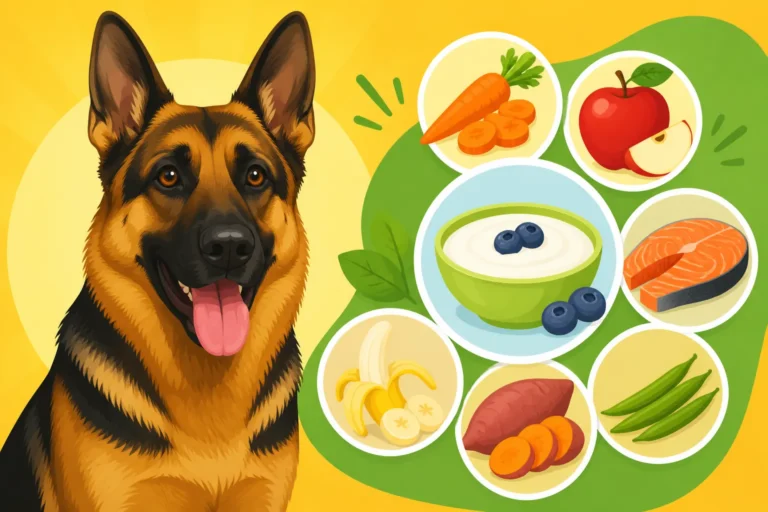
- Certain fruits: Apples (no seeds/core), bananas, blueberries, watermelon (no rind/seeds).
- Certain vegetables: Carrots, green beans, cooked sweet potatoes, plain pumpkin (not pie filling).
- Plain white rice: Good for upset stomachs.
Toxic and Harmful Foods (AVOID at all costs):
- Chocolate: Contains theobromine, highly toxic.
- Grapes and Raisins: Can cause kidney failure.
- Onions, Garlic, Chives: Can damage red blood cells.
- Xylitol: An artificial sweetener found in gum, candy, peanut butter – highly toxic, causing rapid insulin release and liver failure.
- Avocado: Contains persin, toxic in large amounts to dogs.
- Alcohol: Extremely toxic.
- Coffee/Caffeine: Contains methylxanthines, similar to chocolate.
- Cooked Bones: Can splinter and cause internal damage.
- Fatty trimmings and skin: Can lead to pancreatitis.
- Macadamia Nuts: Can cause weakness, vomiting, tremors.
- Yeast Dough: Can expand in the stomach and produce alcohol.
Always err on the side of caution. If in doubt, don't share it. A small piece of plain, vet-approved human food as a treat is fine, but their main nutrition should always come from a high-quality, balanced dog food.
| Food Type | Cost (per month) | Convenience | Nutritional Control | Typical Protein % | Key Considerations |
|---|---|---|---|---|---|
| Kibble | Low to Moderate | High | Manufacturer controlled; quality varies | 22-35% | Long shelf life, easy storage, dental benefits. |
| Wet Food | Moderate to High | High | Manufacturer controlled; generally palatable | 8-15% (due to water) | Higher moisture content, good for picky eaters. |
| Fresh Food | High | Moderate | Manufacturer controlled, often human-grade; few fillers | 18-30% | Refrigeration needed, excellent digestibility, personalized plans (e.g., Ollie). |
| Raw/Homemade | Moderate to High | Low | Owner controlled; requires extensive research/vet input | Highly variable | Risk of imbalance/contamination if not properly done. |
Disclaimer
The information provided in this guide is intended for general knowledge and informational purposes only, and does not constitute veterinary advice. Always consult with a qualified veterinarian or veterinary nutritionist for any health concerns or before making any changes to your German Shepherd's diet or care routine. Individual dietary needs can vary significantly based on age, activity level, health conditions, and other factors.