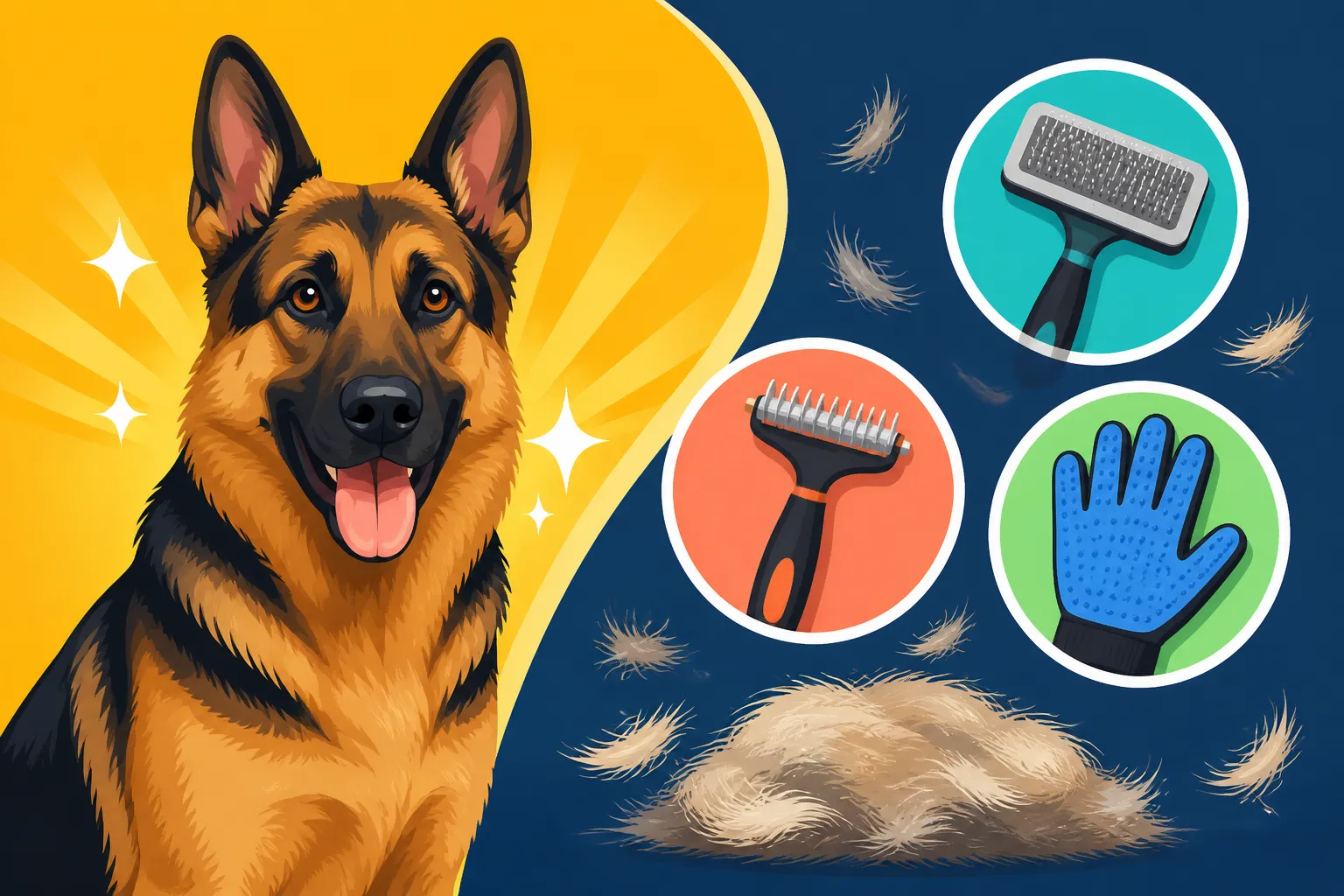
German Shepherd Shedding: How to Manage It
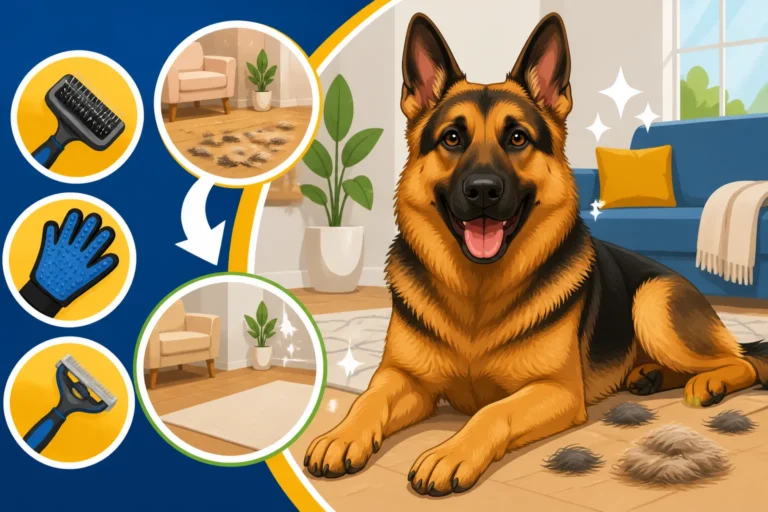
If you're a German Shepherd owner, you know the struggle is real: dog hair. It clings to your clothes, decorates your furniture, and seems to magically appear in places you swear your dog has never been. This pervasive shedding isn't just a nuisance; it's a constant battle against a seemingly endless supply of fur. But don't despair! This comprehensive guide will walk you through the ins and outs of German Shepherd shedding, offering practical, empathetic solutions to help you manage the fur fallout and keep both you and your beloved companion comfortable.
Understanding the German Shepherd's Double Coat
Before we can even begin to tackle the shedding, it's crucial to understand why German Shepherds shed so much. It's not out of spite, I promise! Their magnificent coats are actually a marvel of natural engineering, perfectly designed for their original purpose as herding and working dogs.
The Anatomy of a German Shepherd's Coat
A German Shepherd's coat isn't just one layer; it's a sophisticated double-layer system, much like a well-insulated winter jacket. This dual construction consists of two distinct types of hair, each with its own job. The outer layer, known as the guard coat or topcoat, is made up of coarse, straight hairs that are generally longer and tougher. These hairs are water-resistant and provide protection from external elements like rain, snow, dirt, and UV rays. Think of them as your dog's first line of defense against the world.
Beneath this rugged outer layer lies the unsung hero: the undercoat. This layer is composed of dense, soft, and much shorter hairs. It acts as a natural thermostat, insulating your German Shepherd against both cold and heat. In winter, the undercoat thickens to trap warmth close to the body, keeping them cozy even in chilly conditions. In warmer months, a healthy undercoat helps regulate body temperature by preventing excessive heat absorption and allowing air to circulate. It's a truly brilliant design, but it's also the primary source of all that glorious shedding you find everywhere.
The Purpose of the Double Coat
The double coat of a German Shepherd is truly a testament to evolution, crafted to withstand the varied climates and demanding tasks of their ancestral working life. Imagine them out in the fields of Germany, herding sheep in all kinds of weather – from frosty mornings to damp, rainy afternoons. Their coarse topcoat repels moisture, much like a raincoat, keeping their skin dry and preventing chilling. Simultaneously, it provides a barrier against thorns, briars, and insect bites, protecting them during their active duties. This protective function is paramount, ensuring their skin remains healthy and free from irritation.
Beyond physical protection, the undercoat plays a vital role in thermal regulation, as mentioned. It's a common misconception that shaving a double-coated dog in summer will keep them cooler. In reality, their undercoat acts as insulation against the heat, much like how desert dwellers wear layered clothing. By trapping a layer of air, it creates a buffer against the external temperature, preventing overheating. Disrupting this natural system by shaving can actually expose their sensitive skin to sunburn and make it harder for them to regulate their body temperature, often leading to discomfort rather than relief.
How the Coat Contributes to Shedding
Understanding these two layers makes the shedding phenomenon much clearer. The guard hairs of the topcoat do shed, but usually individually and less frequently. They have a longer growth cycle, so you'll find these stray, coarser hairs around, but they aren't the main culprit for the "tumbleweeds" of fur. The real shedding powerhouse is that dense undercoat. Unlike the topcoat, the undercoat has a much shorter growth cycle, and its primary function dictates that it needs to be shed and regrown seasonally.
This natural cycle means old, dead undercoat hairs are constantly being pushed out to make way for new growth. When the seasons change, particularly in spring and fall, this process accelerates dramatically, leading to the infamous "blow coat" event we'll discuss next. Even outside these peak seasons, however, German Shepherds are continuous shedder due to the ongoing turnover of their undercoat. It's an inevitable part of living with this magnificent breed, but knowing why it happens is the first step in learning how to manage it effectively.
The German Shepherd "Blow Coat" Phenomenon
If you’ve owned a German Shepherd for any length of time, you’re intimately familiar with the concept of a "blow coat." It's not just regular shedding; it’s an event. It’s when your dog suddenly transforms into a fur factory, and your house becomes a landscape of floating fluff. It can feel overwhelming, but it's a completely normal, healthy, and crucial part of their coat maintenance.
What is a Blow Coat and When Does It Happen
A "blow coat" refers to the massive seasonal shedding of a German Shepherd's dense undercoat. This isn't just a few hairs here and there; it's the shedding of large quantities of dead, loose fur that comes out in clumps, sometimes looking like cotton balls or small clouds. This process is primarily triggered by changes in daylight hours and temperature, signaling to your dog's body that it's time to adapt their insulation.
Typically, German Shepherds blow their coat twice a year. The most significant shedding usually occurs in the spring, as the days lengthen and temperatures rise. This is when they shed their thick winter undercoat to make way for a lighter, thinner coat better suited for summer heat. Then, in the fall, as the days shorten and temperatures begin to drop, they’ll go through another, often slightly less intense, blow coat to shed their summer undercoat and grow in a denser, warmer winter layer. Think of it as Mother Nature’s way of ensuring your dog is always wearing the right seasonal attire.
Recognizing the Signs of a Shedding Cycle
You don't need a calendar to tell you when a blow coat is approaching; your German Shepherd will give you plenty of clues. One of the most obvious signs is simply the sheer volume of hair. You'll start noticing fur everywhere – on the floor, clinging to furniture, and accumulating in corners much faster than usual. When you pet your dog, your hand will likely come away covered in loose fur, and you might even see tufts of undercoat sticking out from their topcoat, especially around their flanks, hindquarters, and neck.
Another tell-tale sign is when you brush your dog. During a blow coat, your brush will fill up almost instantly, and you'll be able to pull out large amounts of undercoat with surprising ease. The hair will feel soft and downy, distinguishing it from the coarser topcoat hairs. Your dog might also seem a bit more itchy or try to rub against furniture or objects to dislodge the loose fur, as all that dead hair can be quite uncomfortable.
Preparing for the Seasonal Shedding Storm
Knowing a blow coat is coming allows you to proactively manage the situation, rather than being buried in fur. Preparation is key! First and foremost, invest in the right grooming tools well in advance. You'll need a good quality undercoat rake, a deshedding tool like a Furminator, and a slicker brush. We’ll delve deeper into these tools later, but having them on hand will save you a lot of frustration. Many of these excellent tools can be found on online retailers like Amazon or specialized pet supply sites like Chewy.
Secondly, mentally prepare yourself for a period of intensified grooming. This isn't the time to skimp on brushing. In fact, you should expect to increase your grooming frequency significantly, potentially even daily. Scheduling a professional deshedding treatment with a groomer can also be a lifesaver during this time. They often have high-velocity dryers and specialized techniques that can remove a shocking amount of loose undercoat, giving you a head start. Lastly, ensure your vacuum cleaner is in good working order and consider investing in a good pet hair attachment, because you're going to need it!
Year-Round Shedding Management Strategies
While blow outs are intense, German Shepherds shed consistently throughout the year. Ignoring this daily reality will lead to a perpetually hairy home and potentially uncomfortable skin for your dog. A consistent, year-round grooming routine is your best defense.
Daily Brushing Routines
The single most effective way to manage German Shepherd shedding on a daily basis is regular brushing. This isn't just about making your dog look tidy; it's about removing dead hair before it has a chance to fall out and coat your entire living space. For German Shepherds, a quick 10-15 minute brush session every day can make a world of difference. Consistency is key here. Think of it as a small, manageable task that prevents a much larger, more annoying one later.
Start with a pin brush or a slicker brush to work through any tangles or mats in the topcoat. Then, move to an undercoat rake. This tool is designed to reach deep into the undercoat and pull out loose, dead hairs without damaging the healthy guard hairs. Focus on areas where the undercoat is thickest: the neck ruff, hindquarters, and the "feathers" on their legs and tail. Regular daily brushing helps distribute natural oils, keeps the skin healthy, and prevents matting, which can lead to skin irritations. It's a fantastic way to bond with your dog, too! You can learn more about proper brushing techniques in our guide on How to Brush a German Shepherd Coat.
Weekly Deep Grooming Sessions
While daily brushing handles the superficial shedding, a weekly deep grooming session is essential for truly staying ahead of the game, especially if your German Shepherd is prone to heavy shedding even outside of blow-out seasons. These sessions should be more thorough, lasting anywhere from 30 minutes to an hour, depending on your dog's coat condition. This is when you'll bring out the heavy-duty deshedding tools.
After an initial brush with a pin or slicker brush, use a deshedding tool like a Furminator or a similar brand specifically designed for large, double-coated breeds. These tools have fine, closely spaced teeth that pull out a surprising amount of loose undercoat. Be gentle and use short, even strokes. Never press too hard, as you can irritate your dog's skin or even cut the healthy topcoat. This is also a good time to check for any skin issues, fleas, ticks, or new bumps. Follow up with another pass of a slicker brush and a final comb-through with a wide-toothed comb to ensure no tangles remain.
Professional Grooming Considerations
Sometimes, despite your best efforts, the fur battle feels insurmountable, or perhaps you just need a break! This is where professional groomers can be invaluable. A skilled groomer specializing in double-coated breeds will have access to high-velocity dryers and specialized deshedding shampoos and conditioners that can loosen and remove an incredible amount of dead undercoat. These powerful dryers are particularly effective at blasting out loose hair that even the best brushes can't reach.
Consider scheduling a professional deshedding service every 6-8 weeks, or more frequently during peak shedding seasons. Not only do they handle the messy work, but they can also offer advice on specific products or techniques for your dog's unique coat. They can also address other grooming needs, such as nail trims, ear cleaning, and checking for any underlying skin issues. This investment can significantly reduce the amount of hair you find at home and keep your German Shepherd's coat in optimal condition. Check out our comprehensive guide on How to Groom a German Shepherd for more details.
Nutrition and Supplements for a Healthy Coat
While external grooming is vital, what goes into your German Shepherd's body is just as important for maintaining a healthy coat and minimizing excessive shedding. A strong, vibrant coat starts from the inside out.
The Role of a Balanced Diet
A high-quality, balanced diet is the cornerstone of good health for any dog, and their coat is often the first visible indicator of their nutritional status. A diet lacking in essential nutrients can lead to dull, dry, brittle fur and, you guessed it, increased shedding. When a dog's body isn't getting what it needs, it prioritizes vital organ function, and skin and coat health can suffer. This means a weaker hair follicle, leading to hair that sheds more easily and doesn't grow back as strong.
Look for dog foods that list a high-quality protein source (like chicken, beef, or salmon) as the first ingredient. Avoid foods with excessive fillers, artificial colors, or by-products. Different life stages also have different nutritional needs, so ensure you're feeding a food appropriate for your dog's age, whether they're a rapidly growing puppy, an active adult, or a senior slowing down. Brands like Purina Pro Plan, Royal Canin, and Hill's Science Diet often have breed-specific or large-breed formulas designed to support coat health. Even fresh-food options like Ollie can provide excellent nutrition for a shiny coat. Our guide on the Best Dog Food for German Shepherds offers more in-depth recommendations.
Essential Nutrients for Skin and Coat Health
Beyond just protein, several key nutrients play a direct role in maintaining a healthy, resilient coat and minimizing shedding. Omega-3 and Omega-6 fatty acids are perhaps the most crucial. These "good fats" are vital for skin barrier function, reducing inflammation, and promoting a lustrous coat. Foods rich in fish oil (salmon, sardine), flaxseed oil, and certain vegetable oils are excellent sources.
Vitamins are also essential. Vitamin A promotes skin cell growth, while Vitamin E is a powerful antioxidant that protects skin cells from damage. B vitamins, particularly biotin, are known to improve coat quality and reduce shedding. Zinc, a trace mineral, is another unsung hero, playing a critical role in immune function, wound healing, and maintaining healthy skin and hair follicles. If your dog's food isn't explicitly stating these ingredients or if you notice their coat is dry or lackluster, it might be worth discussing with your vet.
Supplements to Consider for Excessive Shedding
Even with a top-notch diet, some German Shepherds can benefit from targeted supplements, especially if they have persistent shedding issues or dry skin. Fish oil is a popular choice due to its high concentration of EPA and DHA Omega-3 fatty acids. These can significantly improve coat shine, reduce dryness, and minimize shedding by strengthening hair follicles. Look for a high-quality, human-grade fish oil supplement.
Other beneficial supplements include biotin, which specifically supports hair growth and strength, and zinc, if a deficiency is suspected (though this is best determined by a vet). Some owners also consider a general skin and coat supplement that combines various vitamins, minerals, and fatty acids. Always consult your veterinarian before adding any supplements to your German Shepherd's diet, as they can help you choose the right product and dosage, especially since some supplements can interact with existing medications or health conditions. For more information, check out our article on Best Supplements for German Shepherds.
Grooming Tools Every German Shepherd Owner Needs
Walking into a pet store can be overwhelming with the sheer variety of brushes and grooming gadgets. For German Shepherds, a few specific tools are absolutely non-negotiable if you want to effectively manage their shedding without causing discomfort or damage to their magnificent double coat.
Essential Brushes for the Double Coat
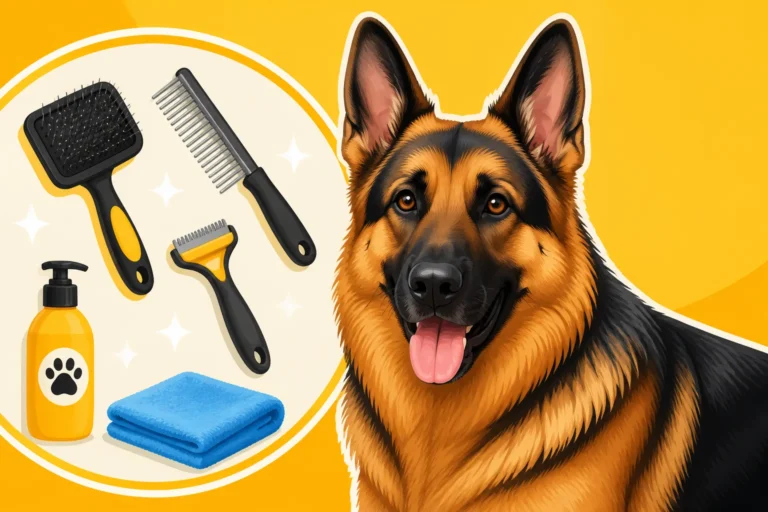
For daily maintenance and general tidying, a slicker brush is an excellent starting point. It features a flat or curved head with fine, short wires packed closely together, usually angled. This brush is fantastic for removing loose topcoat hair, breaking up surface mats, and smoothing the coat, giving it that polished look. It's gentle enough for most dogs, provided you use a light touch.
Another indispensable tool is the pin brush. Resembling a human hairbrush, it has widely spaced, flexible wire pins, usually with rubber or plastic tips. The pin brush is great for working through deeper tangles and reaching the undercoat without pulling too much. It's also perfect for sensitive areas and for generally fluffing up the coat. Many owners start with a pin brush to detangle and then move on to more specialized tools.
Finally, for working line dogs or those with exceptionally dense coats, a good undercoat rake is a game-changer. These tools have a single or double row of widely spaced, blunt teeth designed to pull out loose undercoat without cutting the guard hairs. They are essential for during a blow coat and can remove huge amounts of dead fur.
Deshedding Tools: What Works Best
When it comes to serious deshedding, a dedicated deshedding tool is crucial. The most well-known and highly effective brand is the Furminator. It features a stainless steel edge with closely spaced teeth designed to reach deep beneath the topcoat and gently remove loose undercoat hair without cutting the healthy topcoat. While incredibly effective, it must be used with care. Too much pressure or over-brushing with a Furminator can irritate the skin or even remove healthy guard hairs, leading to coat damage. Use it sparingly, perhaps once or twice a week during normal shedding, and more frequently during a blow out, always being mindful of your dog's skin.
Other brands offer similar deshedding blades, often at a more affordable price point. The key is to look for tools specifically designed for large, long-haired, double-coated breeds. Always read reviews and make sure the tool's teeth are not too sharp. Remember, the goal is to extract dead undercoat, not to cut or shave. You can find a wide selection of these tools on Chewy or your local pet supply store. Our article on the Best Deshedding Tool for German Shepherds provides an in-depth comparison.
Other Must-Have Grooming Accessories
Beyond brushes and deshedding tools, a few other accessories will make your grooming routine smoother and more effective. A grooming mitt or rubber curry brush is excellent for removing loose hair from the surface, especially after a bath, and for distributing natural oils. It also provides a nice massage for your dog! These are particularly good for puppies or dogs new to grooming.
A high-velocity dog dryer is a truly revolutionary tool for German Shepherd owners. These dryers blow air at a high speed, effectively blasting out loose undercoat after a bath and significantly speeding up drying time, which is crucial for preventing hot spots or skin infections in dense coats. While an investment, it pays for itself by dramatically reducing shedding and drying time.
Finally, don't forget the basics: a good pair of nail clippers or a dremel for nail care, ear cleaning solution and cotton balls for ear hygiene, and a dog-specific shampoo and conditioner suitable for their coat type. Having all these tools readily available will transform your grooming sessions from a chore into a productive and bonding experience.
Bathing and Drying Techniques to Reduce Shedding
Bathing a German Shepherd is no small feat, but when done correctly, it can be an incredibly effective weapon in your battle against shedding. The right shampoo, conditioner, and drying technique can loosen and remove an impressive amount of dead undercoat, leaving your dog cleaner, more comfortable, and your home with less fur.
The Right Way to Bathe a German Shepherd
Bathing a German Shepherd properly starts with the right products. Use a high-quality, dog-specific deshedding shampoo. These shampoos are formulated with ingredients that help release dead hair from the follicles and nourish the skin. Avoid human shampoos, as they have a different pH balance and can irritate your dog's skin. Before you even get them wet, give your German Shepherd a thorough brush-out to remove as much loose hair and as many tangles as possible. This prevents mats from tightening when wet.
When it's bath time, use lukewarm water and ensure you thoroughly wet their entire coat, down to the skin. Lather with the deshedding shampoo, working it deep into the undercoat. Pay extra attention to areas prone to heavy shedding, like the neck, back, and hindquarters. Let the shampoo sit for the recommended time on the label – usually 5-10 minutes – to allow it to work its magic. Rinse, rinse, and rinse again! Any shampoo residue left on the skin can cause irritation and dryness, which can exacerbate shedding. Follow up with a good deshedding conditioner, applying it thoroughly and rinsing completely. Our guide on How Often to Bathe a German Shepherd gives more detailed advice.
Effective Drying Methods for a Thick Coat
This is perhaps the most critical part of the bathing process for shedding management. Air drying a German Shepherd is simply not an option unless you want a perpetually damp dog and an explosion of fur as the undercoat slowly dries and loosens. The best method by far is using a high-velocity dog dryer. These powerful dryers are designed to blow off water and, more importantly, blast out loose undercoat.
After toweling off as much excess water as possible, use the high-velocity dryer on a low heat setting (or cool air) and high speed. Work in sections, holding the nozzle a few inches from the coat and moving it steadily. You'll be amazed at the sheer volume of fur that comes flying out! Do this outdoors or in a designated bathing area if possible, to contain the mess. Continue until your dog is completely dry, paying close attention to the dense areas. This process not only removes a significant amount of dead hair but also helps to prevent skin issues like hot spots, which thrive in damp, dense fur. If you don't have a high-velocity dryer, multiple towels and a regular hairdryer on a cool setting are a distant second best, but still better than air drying.
The Importance of Regular Bathing for Shed Control
Regular bathing, when paired with proper brushing and drying techniques, is a powerful tool in your shedding control arsenal. During peak shedding seasons (blow outs), increasing bath frequency can be incredibly beneficial. A bath every 3-4 weeks, or even every 2 weeks during a heavy blow out, can help to release dead undercoat that brushing alone might not dislodge. The water and shampoo loosen the hair, and the high-velocity dryer then literally blows it off.
However, be mindful of over-bathing, which can strip natural oils from your dog's skin and lead to dryness, irritation, and ironically, more shedding. Using a moisturizing deshedding shampoo and conditioner, and ensuring thorough rinsing, helps mitigate this risk. The goal is to facilitate the natural shedding process, not to strip the coat. A consistent schedule of bathing combined with daily and weekly brushing forms a robust defense against the German Shepherd fur monster. Remember, a healthy coat sheds less, and proper bathing contributes directly to coat health. Consider reviewing our guide on German Shepherd Coat and Skin Care for a holistic approach.
Environmental Control and Housekeeping Tips
Even with the most rigorous grooming schedule, living with a German Shepherd means living with dog hair. It’s a fact of life! However, there are plenty of strategies and tools to help you keep your home from looking like a giant fur ball.
Tackling Dog Hair in Your Home
The key to managing dog hair indoors is consistency and the right equipment. Waiting until your home looks like a tumbleweed farm is a losing battle. Daily, quick clean-ups are far more effective than infrequent, intense deep cleans. Consider designating certain areas of your home as "dog zones" where hair is more concentrated, and focus your efforts there.
For furniture, investing in washable slipcovers or throws is a game-changer. Choose fabrics that are less prone to attracting and holding fur, such as tightly woven synthetics or smooth leathers, over plush velvet or corduroy. Lint rollers become your best friend for quick touch-ups on clothes and furniture before guests arrive. Keep one in your car, by the door, and in key rooms. For hard floors, a daily sweep with an electrostatic mop or a quick pass with a robot vacuum can capture a surprising amount of loose hair before it has a chance to settle or become embedded.
Cleaning Tools and Strategies
When it comes to vacuum cleaners, not all are created equal for German Shepherd hair. You need a powerful vacuum with strong suction, a good filtration system (like HEPA), and specialized pet hair attachments. Brands like Dyson, Shark, and Bissell often have excellent pet-specific models designed to handle large volumes of animal fur. Look for features like tangle-free brush rolls and easy-to-empty canisters. Many robot vacuums, like those from Roomba or Roborock, also offer pet-friendly models that can maintain a baseline level of cleanliness between deeper cleans. A dedicated Best Vacuum for German Shepherd Hair guide would offer more specific model recommendations.
For upholstered furniture and carpets, a rubber broom or a specialized pet hair removal brush (like the ChomChom roller) can work wonders at lifting embedded hair that a vacuum might miss. Lightly dampen a rubber glove and run it over surfaces; the hair will cling to the glove. Don't underestimate the power of microfiber cloths for dusting, as they effectively trap hair rather than just pushing it around. And for those moments when you just need to get the hair off your clothes, a dryer sheet in the dryer can work wonders for static-cling fur. Check out our article on How to Reduce German Shepherd Shedding in the House for more tips.
Creating a Low-Hair Environment
While you can't stop a German Shepherd from shedding, you can influence how widely that hair disperses. One simple yet effective strategy is to designate specific "fur zones" where your dog is encouraged to relax and shed. This could be a comfy dog bed, a specific blanket on the couch, or a crate lined with an easily washable pad. Regularly washing these items (weekly or bi-weekly) helps contain the hair in these areas.
If you have rooms where you want to minimize dog hair, consider keeping your German Shepherd out of them, particularly during heavy shedding seasons. Baby gates can be useful for this. Air purifiers with HEPA filters can also help reduce airborne dander and hair, improving air quality and reducing the amount of fur settling on surfaces. Regularly washing dog toys and bedding is also important, as these can harbor a surprising amount of loose hair. By being strategic about where your dog spends their time and how you clean those areas, you can create a more manageable, low-hair environment for both of you.
When Shedding Might Indicate a Problem
While shedding is completely normal for German Shepherds, there are times when it can be a red flag. Excessive, patchy, or abnormal hair loss can be a sign of an underlying health issue that needs veterinary attention. It's important to distinguish between routine shedding and something more concerning.
Differentiating Normal vs. Abnormal Shedding
Normal shedding in German Shepherds, even during a blow coat, is typically even across the body. You'll see a general thinning of the undercoat, but the skin beneath should look healthy, pink, and free of irritation. The remaining coat should still feel reasonably healthy. The volume of hair, while significant, follows predictable patterns (seasonal changes, consistent daily fallout).
Abnormal shedding, on the other hand, often looks different. Watch for sudden, unexplained changes in the amount or pattern of hair loss. Are there bald spots, patchy areas, or uneven shedding? Does the skin beneath the lost hair appear red, inflamed, flaky, scabby, or greasy? Is your dog constantly scratching, licking, or chewing at their coat, leading to secondary skin infections or hot spots? Are there any signs of parasites like fleas or ticks? These are all indicators that something might be amiss beyond normal shedding cycles. A dull, brittle, or greasy coat that sheds excessively, even when it's not blow-out season, can also point to a problem.
Common Health Issues Causing Hair Loss
Many different health conditions can manifest as abnormal shedding or hair loss in German Shepherds.
- Parasites: Fleas, mites (like Demodex or Sarcoptes), and ticks can cause intense itching, leading your dog to scratch and chew themselves raw, resulting in hair loss, irritation, and secondary bacterial infections. Regular flea and tick prevention is crucial.
- Allergies: German Shepherds are prone to allergies, both environmental and food-related. German Shepherd Allergies: Symptoms and Treatment can often include itchy skin, redness, hot spots, and excessive shedding as their body reacts to allergens.
- Hormonal Imbalances: Conditions like hypothyroidism (underactive thyroid) or Cushing's disease (overproduction of cortisol) can significantly impact coat health. Hypothyroidism often leads to a dull, dry, brittle coat, hair thinning, and symmetrical hair loss, particularly on the flanks.
- Nutritional Deficiencies: As discussed earlier, a poor diet lacking in essential fatty acids, vitamins, or minerals can severely compromise coat quality, leading to dryness, brittleness, and increased shedding.
- Fungal or Bacterial Infections: Ringworm (a fungal infection) or various bacterial skin infections can cause localized hair loss, redness, and itchiness.
- Stress or Anxiety: Just like in humans, stress can sometimes lead to hair loss in dogs. Excessive licking or compulsive grooming due to anxiety can also create bald patches.
- Underlying Medical Conditions: More serious systemic illnesses can sometimes present with changes in coat health.
Many of these issues fall under German Shepherd Skin Problems and Fixes.
When to Consult Your Veterinarian
If you observe any of the signs of abnormal shedding or hair loss, it's crucial to consult your veterinarian promptly. Don't wait for the condition to worsen, as early diagnosis and treatment can prevent more serious problems. Your vet will conduct a thorough physical examination, ask about your dog's diet, lifestyle, and any changes you've noticed. They may perform diagnostic tests such as skin scrapes to check for mites, fungal cultures to identify ringworm, blood tests to check for hormonal imbalances (like thyroid function), or allergy testing.
Your vet can accurately diagnose the cause of the shedding and recommend the appropriate treatment, which could range from medicated shampoos, antibiotics, antiparasitic medications, dietary changes, or specific supplements. They can also advise on managing allergies or hormonal conditions. Regular veterinary check-ups are also vital for monitoring overall health, as a healthy dog generally has a healthy coat. Staying on top of your German Shepherd’s health is the best way to ensure they live a long, happy life, free from preventable skin and coat issues. For general guidance, always refer to our comprehensive German Shepherd Health Problems Guide.
German Shepherd Shedding Control Toolkit
To make managing your German Shepherd's shedding a little easier, here's a quick overview of the essential tools and products you'll want to have on hand. Think of this as your battle plan against the fur!
| Tool Category | Specific Tools/Products | Purpose | Usage Frequency | Key Brands/Considerations |
|---|---|---|---|---|
| Brushes/Combs | Slicker Brush | Removes loose topcoat, detangles surface mats, smooths coat. | Daily | Chris Christensen, Hertzko, Andis |
| Pin Brush | Works through deeper tangles, reaches undercoat without pulling. | Daily | JW Pet, Safari, Andis | |
| Undercoat Rake | Reaches deep to pull out loose undercoat without cutting guard hairs. | 2-3 times/week (more during blow out) | Safari, Coat King, Kong | |
| Deshedding Tools | Furminator (or similar deshedding blade) | Removes significant amounts of loose undercoat. | 1-2 times/week (more during blow out), use gently | Furminator, Groomer's Best, DakPets |
| Rubber Curry Brush / Grooming Mitt | Surface hair removal, massages skin, distributes oils. | Daily/Every bath | Kong ZoomGroom, HandsOn Grooming Gloves | |
| Bathing & Drying | Deshedding Shampoo & Conditioner | Loosens dead hair, nourishes skin and coat. | Every bath (monthly or bi-weekly during blow out) | Furminator, TropiClean, Earthbath |
| High-Velocity Dog Dryer | Blasts out loose undercoat, dramatically speeds up drying. | Every bath | K9-II, Flying Pig, XPOWER | |
| Cleaning & Home | Pet Hair Vacuum Cleaner | Powerful suction for embedded fur, specialized attachments. | Daily/Every other day | Dyson Animal, Shark Navigator, Bissell Pet Hair Eraser |
| Lint Rollers / Pet Hair Remover Brushes | Quick clean-ups on clothes, furniture, and car interior. | As needed | Scotch-Brite, ChomChom Roller, Uproot Cleaner | |
| Washable Furniture Covers / Dog Beds | Contain hair, easy to wash. | Weekly | Any durable, machine-washable fabrics. | |
| Supplements | Omega-3 Fatty Acid Supplement (Fish Oil) | Promotes skin health, reduces inflammation, improves coat shine & strength. | Daily (consult vet for dosage) | Nordic Naturals, Zesty Paws, Grizzly Salmon Oil |
| Biotin/Zinc Supplements | Supports hair growth and strength (if deficiency suspected). | Daily (consult vet for dosage) | Vets Best, Nutramax (always vet-approved) |
This toolkit, combined with a consistent routine, will help you proactively manage the inevitable fur production of your beloved German Shepherd. While it might seem like a lot, each tool plays a specific role in keeping both your dog and your home happier and cleaner.
Disclaimer
The information provided in this article is for general informational purposes only and is not intended as a substitute for professional veterinary advice, diagnosis, or treatment. Always seek the advice of your veterinarian or other qualified health provider with any questions you may have regarding a medical condition or the health and welfare of your German Shepherd.