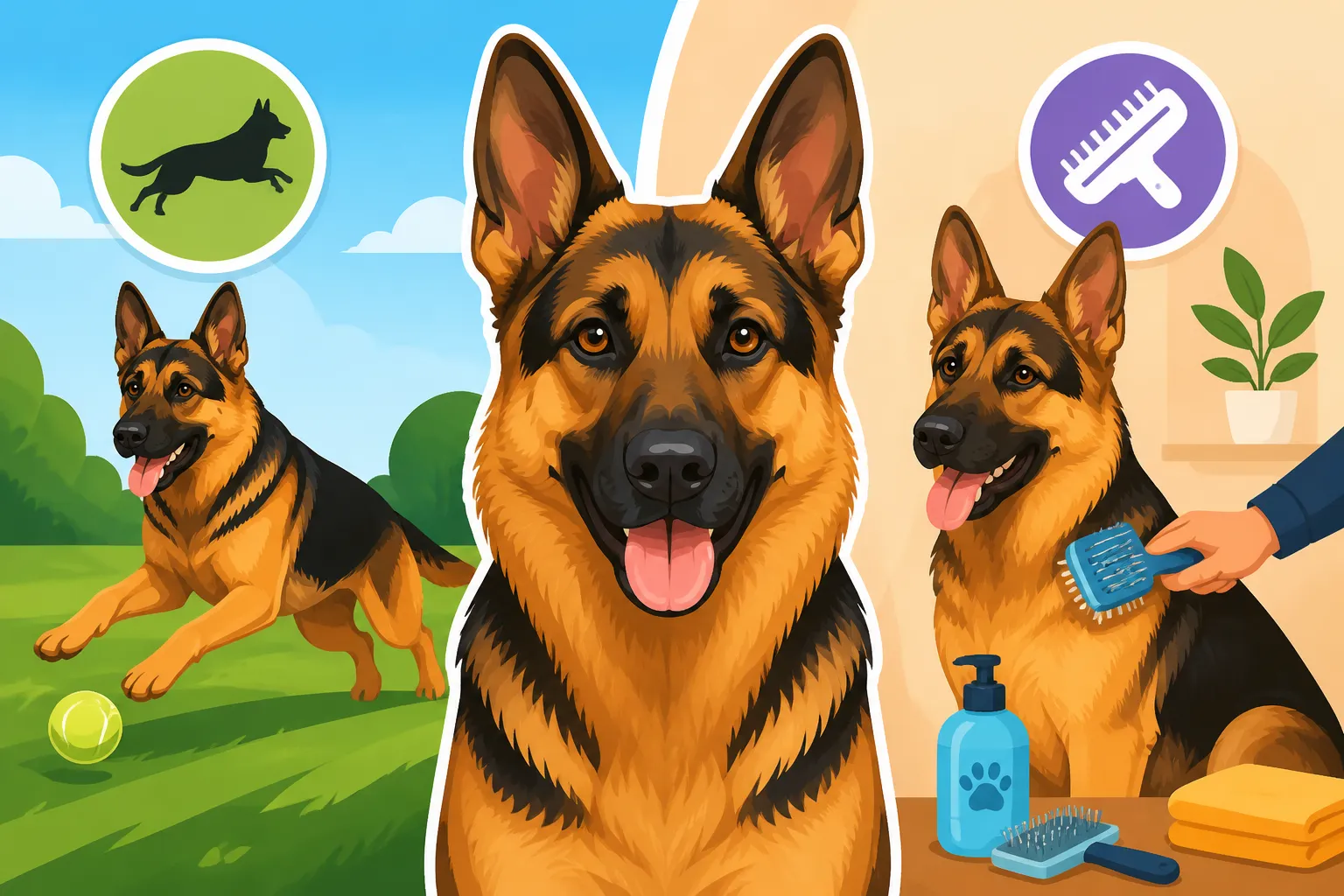
German Shepherd Exercise and Grooming Routine
The boundless energy and striking double coat of a German Shepherd are undeniably part of their appeal, but for many owners, managing these traits can feel like a full-time job. From marathon walks to endless shedding, keeping your German Shepherd in top condition requires a dedicated routine. This comprehensive guide will walk you through establishing effective exercise and grooming habits, ensuring your beloved companion thrives both physically and mentally.
Understanding Your German Shepherd's Energy Needs
Owning a German Shepherd means committing to a dog that's built for activity. These aren't couch potatoes by nature, and misunderstanding their inherent drive can lead to a host of behavioral issues and health problems. It's not just about letting them out in the yard; it's about structured, purposeful activity that engages their brilliant minds and powerful bodies.
The High-Drive Nature of German Shepherds
German Shepherds were originally bred for herding sheep, a job that required immense intelligence, stamina, and a strong work ethic. Later, their capabilities were honed for military, police, and service work, further emphasizing their need for purpose and activity. This isn't just about physical exertion; it's about mental engagement. A bored German Shepherd is often a destructive German Shepherd. They thrive on challenges, learning new commands, solving puzzles, and having a "job" to do, even if that job is simply fetching a ball for an hour. Ignoring this high-drive nature can manifest as excessive barking, chewing, digging, or even anxiety, all stemming from pent-up energy and unfulfilled instincts. Understanding this foundational aspect of their breed is the first step in providing them with a fulfilling life.
When we talk about "high drive," it means they have an innate desire to do something. Simply leaving them to their own devices in a backyard, no matter how large, won't cut it. They need interaction, direction, and variety. Think of it like a high-performance sports car: you wouldn't just let it sit in the garage, you'd want to take it out on the open road. Similarly, a German Shepherd needs an outlet for their incredible capabilities. This drive is what makes them so trainable and loyal, but it also demands a significant investment of time and energy from their human companions.
Tailoring Exercise to Age and Health
Just like humans, a German Shepherd's exercise needs change dramatically throughout their life. What's perfect for a boisterous young adult can be detrimental to a growing puppy or a senior dog. For puppies, it’s crucial to avoid over-exercising them, as their growth plates are still developing and excessive impact can lead to long-term joint issues like hip and elbow dysplasia. Short, frequent play sessions are far better than long, strenuous runs. As they mature into adulthood, their stamina peaks, and they can handle more intense activities. However, as they enter their senior years, their joints may begin to ache, and their energy levels naturally decline.
A thoughtful approach to exercise involves constantly assessing your dog's current health. For example, a German Shepherd with hip dysplasia will require a different exercise regimen than one without. Swimming is an excellent low-impact option for older dogs or those with joint concerns. If your dog has a known condition, or you're starting to see signs of aging such as stiffness after walks, consult your veterinarian to tailor a safe and beneficial routine. Remember, the goal is always to provide adequate stimulation without causing harm. You can learn more about how to assess their well-being in our guide on Signs of a Healthy German Shepherd.
Signs of Insufficient Exercise
Recognizing the signs that your German Shepherd isn't getting enough exercise is crucial for their well-being and your peace of mind. These signs often manifest as frustrating behavioral problems that owners might mistakenly attribute to stubbornness or aggression. A common indicator is destructive chewing, where your dog might target furniture, shoes, or anything they can get their jaws on. This isn't just mischief; it's often a desperate attempt to burn off pent-up energy and mental frustration. Another classic sign is excessive barking or whining, especially when left alone or when demanding attention. They might also pace restlessly, exhibit anxious behaviors like tail chasing, or even become unusually withdrawn or lethargic despite their natural energetic disposition.
Beyond behavioral cues, you might notice physical changes too. A lack of proper exercise can lead to weight gain, which exacerbates joint problems and increases the risk of other health issues, including heart disease and diabetes. Their muscles might appear less defined, and their overall enthusiasm for activities they once enjoyed could diminish. If you're consistently finding your German Shepherd inventing their own (often unwelcome) forms of entertainment, or if their general demeanor seems off, it's a strong signal that their current routine isn't meeting their needs. It’s a call to action to re-evaluate and boost their physical and mental stimulation.
Crafting an Effective German Shepherd Exercise Routine
Building the right exercise routine for your German Shepherd isn't a one-size-fits-all endeavor. It requires consistency, variety, and an understanding of both their physical limits and their need for mental engagement. A well-planned routine not only keeps them physically fit but also reinforces training and strengthens your bond.
Daily Activity Requirements
Adult German Shepherds typically need a minimum of 1-2 hours of vigorous exercise every single day. This isn't just a leisurely stroll around the block. We're talking about activities that get their heart rate up, challenge their muscles, and engage their minds. This might include a brisk jog, an intense game of fetch, or structured training sessions that incorporate obedience work and agility drills. Breaking this up into two sessions, such as a long morning walk or run and an evening play session, often works best for managing their energy throughout the day. Remember, the quality of the exercise matters as much as the quantity; a half-hour of high-intensity fetch is often more beneficial than an hour of sniffing around the yard.
Consistency is key. German Shepherds thrive on routine, and knowing when to expect their exercise helps manage their excitement and energy levels. On days when you can't commit to the full 1-2 hours of physical activity, it's vital to supplement with mental stimulation. Puzzle toys, scent work games (like hiding treats for them to find), or learning new tricks can be excellent ways to tire their minds when their bodies can't get their usual workout. Neglecting their daily needs, even for a day or two, can quickly lead to an overload of pent-up energy that needs to be released. For a deeper dive into their needs, check out our article on German Shepherd Exercise Requirements.
Incorporating Different Types of Exercise
A well-rounded exercise routine for a German Shepherd should include a variety of activities to target different aspects of their physical and mental health. Simply throwing a ball for 20 minutes every day isn't enough; while fetch is great, it can become repetitive and doesn't engage all their natural instincts. Incorporate long walks or hikes on varying terrain, which not only builds stamina but also offers a wealth of new smells and sights, providing excellent mental enrichment. Off-leash activities in safe, enclosed areas are crucial for allowing them to run freely and explore. Swimming is another fantastic low-impact exercise, especially beneficial for young dogs whose joints are still developing or older dogs with arthritis. Many German Shepherds naturally love water, making it a fun and therapeutic option.
Beyond physical exertion, structured training sessions are a powerful form of exercise. Activities like obedience training, agility, or even advanced protection work engage their keen intelligence and strong desire to work. Even a simple 15-minute training session where you practice new commands or perfect old ones can be as tiring as a long walk. Consider enrolling in dog sports like IGP (formerly Schutzhund) or competitive obedience if you're looking for a structured way to channel their drive. The variety keeps them from getting bored, builds different muscle groups, and prevents overuse injuries from repetitive motions. Our guide on Best Exercises for a German Shepherd provides even more fantastic ideas.
Avoiding Over-Exercise in Puppies and Seniors
It's a common misconception that more exercise is always better, especially for an energetic breed like the German Shepherd. However, over-exercising can be just as detrimental as under-exercising, particularly for puppies and senior dogs. For German Shepherd puppies, their growth plates (soft areas in their bones that allow for growth) don't fully close until they are often 18-24 months old. High-impact activities like long-distance running, jumping from heights, or intense, repetitive fetch sessions can cause irreversible damage to these plates, leading to severe orthopedic issues later in life, such as hip and elbow dysplasia. Instead, focus on multiple short play sessions throughout the day, gentle walks, and plenty of mental games. A good rule of thumb is five minutes of exercise per month of age, twice a day, up to around six months.
For senior German Shepherds, their bodies simply can't handle the same intensity they once could. Arthritis, joint pain, and reduced stamina are common concerns. Pushing them too hard can lead to injury, excessive soreness, and a decline in their overall quality of life. Tailor their routine to lower-impact activities like shorter, more frequent walks, gentle swimming, or controlled leash walks. Pay close attention to their cues: if they're lagging behind, limping, or reluctant to start an activity, it's time to ease up. Regular vet check-ups are also crucial to monitor their joint health and pain levels. Our article on How Much Exercise Is Too Much for a Puppy offers more specific guidance for young GSDs.
Essential German Shepherd Grooming Tools
Managing a German Shepherd's coat is a serious undertaking, and without the right tools, it can feel like an uphill battle against a furry tsunami. Their thick double coat requires more than just a quick brush-over; it demands specific instruments designed to penetrate both the coarse outer guard hairs and the dense, woolly undercoat. Investing in quality grooming tools will not only make the process easier for you but also more comfortable for your dog, ensuring their skin and coat stay healthy.
Brushes for the Double Coat
The German Shepherd's signature double coat is both magnificent and demanding, consisting of a tough outer layer and a soft, insulating undercoat. To effectively groom this type of coat, you'll need more than one type of brush. A high-quality slicker brush is indispensable for removing loose hair from both layers and detangling any mats. Look for one with fine, bent wire bristles that can penetrate deep without scratching the skin. Following the slicker brush, an undercoat rake is absolutely essential, especially during shedding seasons. These tools are specifically designed to pull out the dead, loose undercoat that would otherwise end up all over your home. Brands like Furminator offer popular deshedding tools, though many independent pet brands on platforms like Chewy and Amazon also provide excellent alternatives.
In addition to these, a sturdy pin brush or a bristle brush can be used for finishing touches, smoothing the topcoat and distributing natural oils for a healthy shine. While a regular bristle brush won't penetrate the undercoat, it's great for daily maintenance and giving your dog a pleasant massage. When selecting brushes, always consider the size and comfort for your hand, as you'll be spending a fair amount of time wielding them. The goal is to make grooming an enjoyable, bonding experience rather than a struggle. A proper set of brushes is truly the foundation of any effective German Shepherd grooming routine.
Nail Care and Ear Cleaning Tools
Beyond the coat, proper nail care and ear hygiene are critical components of your German Shepherd's overall grooming routine that are often overlooked. Overgrown nails can cause pain, lead to splayed toes, and even affect your dog's gait, potentially contributing to joint problems over time. For German Shepherds, a sturdy pair of clippers is a must – either scissor-style or guillotine-style, depending on your preference. Many owners also find a dremel tool (a rotary grinder) to be less intimidating and more effective for gradually shortening nails, especially if their dog has dark nails where the quick is hard to see. Always have styptic powder on hand in case you accidentally cut too far and cause a bleed.
Ear care is equally important, especially for a breed prone to ear infections if moisture or debris builds up. You'll need a good quality ear cleaning solution, preferably one recommended by your vet, and some soft cotton balls or gauze pads. Avoid cotton swabs, as they can push debris deeper into the ear canal. Gently wipe the visible parts of the ear, focusing on removing wax and dirt without delving too deep. Regular inspection of their ears, looking for redness, odor, or excessive discharge, can help catch potential issues early. Remember, these tools aren't just for aesthetics; they are vital for preventing pain and promoting long-term health. Our detailed guide on German Shepherd Dental Care Explained also covers a vital aspect often forgotten.
Shampoos and Conditioners
Choosing the right shampoo and conditioner for your German Shepherd is more than just picking a pleasant scent; it's about maintaining the health of their skin and coat. Given their double coat, you'll want to opt for formulas specifically designed for dogs, ideally pH-balanced to avoid irritating their sensitive skin. Look for gentle, moisturizing shampoos, especially if your German Shepherd has a tendency towards dry skin or allergies. Oatmeal-based shampoos are often a good choice for their soothing properties. For dogs that get particularly dirty or have a strong "doggy odor," a deodorizing shampoo can be beneficial, but always ensure it's mild enough for regular use.
A good conditioner is also a wise investment. It helps to detangle the coat, making brushing easier after the bath, and adds moisture back into the skin and hair, reducing dryness and shedding. Some conditioners are formulated to aid in deshedding, which can be a godsend during blow-out season. When shopping, whether at your local pet store or on platforms like Chewy or Amazon, read reviews and ingredient lists carefully. Avoid human shampoos, as they have a different pH level and can strip your dog's natural oils, leading to skin irritation. Always ensure you rinse thoroughly; any leftover shampoo can cause itchiness and skin problems.
The Art of Grooming Your German Shepherd
Grooming a German Shepherd is truly an art form that requires patience, consistency, and the right technique. It's not just about aesthetics; regular grooming is essential for their hygiene, skin health, and for strengthening the bond between you and your canine companion. Approaching it with a calm, confident demeanor will make all the difference.
Mastering the Brushing Technique
Brushing is the cornerstone of German Shepherd grooming and, for many owners, the most frequent task. Their dense double coat demands thorough and regular attention to prevent matting, distribute natural oils, and, most importantly, remove vast quantities of loose hair. Begin with an undercoat rake, working in small sections, always brushing in the direction of hair growth. Start from the head and work your way back, paying special attention to areas prone to matting, such as behind the ears, under the legs, and around the tail. The goal here is to get deep into the undercoat to pull out dead, shed hair without pulling or causing discomfort. Gentle strokes are key, especially if your dog is sensitive.
Once you’ve gone over the entire dog with the undercoat rake, switch to a slicker brush. This tool helps remove any remaining loose hairs, detangles surface mats, and smooths the outer coat. Again, work methodically, ensuring you reach the skin without scratching it. Brushing should be a relaxing experience for your dog, so use a gentle hand and reward them for their cooperation. Regular brushing – ideally several times a week, and daily during heavy shedding periods – will significantly reduce the amount of hair floating around your home and help you keep a close eye on their skin for any issues. This routine is essential for managing German Shepherd Shedding: How to Manage It.
Bathing Your German Shepherd Safely
Bathing a German Shepherd is a less frequent but equally important part of their grooming routine. Generally, they don't need to be bathed more than once every 1-3 months, or when they're visibly dirty or smelly. Over-bathing can strip their coat of essential natural oils, leading to dry skin and potential irritation. When it's bath time, preparation is key. Thoroughly brush your German Shepherd before the bath to remove as much loose hair and as many tangles as possible. This prevents mats from tightening when wet and makes the washing and drying process much easier. Use lukewarm water and a dog-specific shampoo, as human shampoos can be too harsh for their skin.
Wet their coat completely, working the shampoo down to the skin. Pay special attention to their belly, legs, and paws, which tend to get dirtiest. Rinse, rinse, and rinse again! Any shampoo residue left behind can cause skin irritation and itchiness. This is especially true for their thick double coat, which can hold onto shampoo surprisingly well. After rinsing, apply a dog conditioner, let it sit for a few minutes, and then rinse thoroughly once more. Drying is paramount; a wet undercoat can lead to skin problems. Use absorbent towels, and if your dog tolerates it, a pet-specific high-velocity dryer can greatly reduce drying time and help blow out more loose hair. For more on this, consult our article on How Often to Bathe a German Shepherd.
Nail Trimming and Ear Maintenance
Proper nail trimming and ear cleaning are vital for your German Shepherd’s health and comfort, yet they are often tasks owners dread. For nails, the goal is to keep them short enough so they don't click on the floor when your dog walks. If you're using clippers, hold your dog's paw firmly and clip only the very tip of the nail, avoiding the quick (the pink part containing blood vessels and nerves). It's always better to clip less frequently than to cut too much and cause pain or bleeding. If your German Shepherd has dark nails, identifying the quick can be challenging. In this case, clipping tiny bits at a time, or using a dremel grinder, is a safer approach. If you're unsure or nervous, ask your vet or a professional groomer for a demonstration.
Ear maintenance involves regular checks and cleaning to prevent infections. German Shepherds often have upright ears, which can make them less prone to trapping moisture compared to floppy-eared breeds, but they still require attention. Weekly visual inspections for redness, swelling, unusual odor, or discharge are recommended. If their ears look dirty, use a vet-approved ear cleaning solution. Apply a few drops into the ear canal, gently massage the base of the ear for 30 seconds, and then let your dog shake their head. Finally, use a soft cotton ball or gauze to wipe away any loosened debris from the outer ear and visible canal. Never insert anything deep into the ear canal, and if you notice any persistent redness, swelling, or a foul odor, it's time for a vet visit.
Managing the Infamous German Shepherd Shedding
If you own a German Shepherd, you know "shedding" is an understatement. It's more of a continuous, year-round contribution to the global fur supply, punctuated by seasonal "blow outs" that can leave you wondering if you accidentally adopted a sheep. Understanding this natural process and having strategies in place is key to maintaining your sanity and your home's cleanliness.
Understanding the "Blow Coat" Phenomenon
The "blow coat" phenomenon is a very real and often dramatic event for German Shepherd owners. Twice a year, typically in spring and fall, your German Shepherd will shed their entire undercoat to prepare for the upcoming season's temperatures. In the spring, they shed their thick winter undercoat to make way for a lighter summer coat, and in the fall, they shed the thinner summer coat to grow a denser, warmer winter layer. During these periods, the amount of hair coming off your dog can be truly astounding. It will seem like an endless supply of fine, downy fur. This process can last for several weeks, and during this time, daily, intensive grooming becomes not just recommended, but absolutely necessary.
This isn't just a nuisance; it's a critical part of their coat health. If the old undercoat isn't removed, it can trap moisture against the skin, leading to skin infections, hot spots, and general discomfort for your dog. Furthermore, matted undercoat can pull at the skin, causing pain. While some breeds might shed a bit more or less, the German Shepherd's dense double coat means their blow coat is a significant event. Prepare your vacuum, your brushes, and your patience, because you're about to experience the full glory of German Shepherd hair.
Strategies for Minimizing Shedding
While you can't stop a German Shepherd from shedding—it's a natural and healthy process—you can certainly manage it to minimize the impact on your home and your dog's comfort. The most effective strategy is consistent and thorough brushing, especially during the dreaded "blow coat" seasons. Daily brushing with an undercoat rake and a slicker brush will remove vast quantities of loose hair before it has a chance to settle on your furniture or clothing. Deshedding tools, used carefully, can also be highly effective during these peak times. Beyond brushing, a healthy diet plays a significant role in coat health. High-quality dog food, rich in omega-3 and omega-6 fatty acids, can promote a healthier coat and potentially reduce excessive shedding. Brands like Royal Canin German Shepherd formula often incorporate nutrients specifically for coat health.
Another helpful strategy is regular bathing, but not too frequently, paired with a high-velocity pet dryer. After a bath, using a powerful dryer can literally blow out tons of loose undercoat, making subsequent brushing much easier and more effective. Many owners find a designated "shedding station" outdoors or in a garage helpful during intense shedding periods. Furthermore, ensuring your German Shepherd is well-hydrated is crucial for skin and coat health. Sometimes, shedding can be exacerbated by dry skin, which adequate hydration can help prevent. Remember that How to Reduce German Shepherd Shedding in the House is a common challenge, but with diligence, it can be managed.
Professional Grooming vs. At-Home Care
Deciding between professional grooming and at-home care for your German Shepherd's coat is a common dilemma, and often, the best solution involves a bit of both. Daily or several-times-a-week brushing is almost universally an at-home task, crucial for keeping tangles at bay and managing routine shedding. However, during the intense "blow coat" seasons, a professional groomer can be an absolute lifesaver. They often have specialized high-velocity dryers and professional deshedding tools that can remove a shocking amount of dead undercoat in a single session, something that would take many hours and considerable effort to replicate at home.
Professional groomers are also adept at managing anxious dogs, providing a calm and experienced touch for tasks like nail trims and ear cleaning if you're uncomfortable doing them yourself. They can also spot skin issues, lumps, or bumps that you might miss. While regular professional grooming can be an added expense, many owners find it a worthwhile investment, especially during the bi-annual shedding frenzy, to maintain their dog's comfort and cleanliness. For other services like nail grinding, many pet supply stores like Petco or local independent groomers offer walk-in nail trim services that are affordable and convenient.
Integrating Exercise and Grooming into Daily Life
The true challenge for any German Shepherd owner isn't just knowing what to do, but consistently doing it. Creating a seamless integration of exercise and grooming into your daily life is what separates a well-adjusted, happy German Shepherd from one that struggles. It's about establishing habits and routines that work for both of you.
Creating a Consistent Schedule
German Shepherds are creatures of habit, and they thrive on predictability. Establishing a consistent daily and weekly schedule for both exercise and grooming provides them with a sense of security and helps manage their expectations. Try to designate specific times for walks, play sessions, and training. For example, a brisk 45-minute walk first thing in the morning, a training session mid-day, and another vigorous play session in the evening. Grooming, while less frequent for baths, should also have its slot. Daily brushing can be a quick 10-15 minute affair after their morning walk, while a more thorough session might be a longer event on a weekend.
Life happens, and sometimes schedules get disrupted. The key is to be flexible but always strive to get back on track. If an unexpected event prevents a long walk, make up for it with extra mental stimulation or a more intense shorter burst of activity. A consistent schedule helps regulate their internal clock and reduces anxiety. It also helps you, the owner, prioritize these crucial activities, ensuring they don't fall by the wayside amidst other responsibilities. Think of it as a commitment to their well-being, just like their feeding schedule or vet visits. This consistency is a pillar of How to Keep a German Shepherd Healthy.
Making Grooming a Positive Experience
For many dogs, especially large, powerful breeds like German Shepherds, grooming can be a source of anxiety or resistance if not introduced properly. The key to making it a positive experience starts early, ideally when they are puppies. Begin with short, gentle sessions, even if it's just a few strokes of a soft brush, and always pair it with positive reinforcement. Treats, praise, and calm reassurance are your best friends. Slowly introduce different tools – the slicker brush, the undercoat rake, nail clippers – allowing them to sniff and investigate before you use them. Make each touch-point brief and positive.
If your German Shepherd already has a negative association with grooming, go back to basics. Break down the process into tiny steps. Reward for simply tolerating the presence of the brush, then for one brush stroke, then for five. Work on desensitization to nail clippers or the dremel by touching them to their paw without clipping, rewarding heavily. Consider making grooming time a calm, quiet ritual, perhaps with soft music or a comforting mat. Never force your dog into grooming, as this can exacerbate fear and make future sessions even harder. Patience, consistency, and a generous supply of their favorite high-value treats can transform grooming from a dreaded chore into a bonding opportunity.
Recognizing When to Seek Professional Help
While a lot of German Shepherd care can be managed at home, there are definitely times when seeking professional help for exercise or grooming is not just convenient, but necessary. For grooming, if your dog develops severe matting that you can't safely remove, if they have skin issues like persistent hot spots or unusual lumps, or if they become extremely aggressive or fearful during at-home grooming, a professional groomer or veterinarian is the best resource. Professional groomers have the expertise and specialized equipment to handle challenging coats and temperaments safely. They can also provide guidance on maintaining a healthy coat between visits.
When it comes to exercise and behavior, professional help might be needed if your German Shepherd is exhibiting extreme reactivity, aggression towards other dogs or people, or if you're struggling to meet their energy needs due to time constraints or physical limitations. A certified professional dog trainer or a canine behaviorist can help you design a tailored exercise and training program to address specific issues. They can teach you effective techniques for channeling their energy positively and help identify underlying causes of behavioral problems. Don't hesitate to reach out; early intervention can prevent small issues from becoming major challenges. Our article on German Shepherd Behavior Problems and Solutions can provide more insights into behavioral issues.
Common Pitfalls and Troubleshooting
Even with the best intentions, German Shepherd owners often encounter challenges in maintaining a consistent exercise and grooming routine. These issues are common, but understanding their roots and having strategies to overcome them can save you a lot of frustration.
Exercise-Related Injuries and Prevention
German Shepherds, with their athletic build and high drive, are unfortunately prone to certain exercise-related injuries, particularly those affecting their joints. Hip and elbow dysplasia are famously common in the breed, and while genetic factors play a huge role, improper exercise can certainly exacerbate these conditions. Over-exercising puppies, as discussed, is a major pitfall. Repetitive, high-impact activities on hard surfaces can put undue stress on developing joints. Even adult German Shepherds can suffer from sprains, strains, or ligament tears (like ACL injuries) if pushed too hard without proper warm-ups or cool-downs, or if engaging in uncontrolled, sudden movements.
Prevention is key. Always ensure your German Shepherd is properly warmed up before vigorous activity and allowed to cool down afterward. Incorporate a variety of exercises to build balanced muscle strength rather than relying on one repetitive activity. Monitor their weight closely; obesity puts immense strain on joints. Provide appropriate surfaces for exercise, favoring grass or soft trails over concrete. If you notice any limping, stiffness, or reluctance to move, rest is crucial, followed by a vet visit. Early detection and intervention are vital for managing conditions like German Shepherd Hip Dysplasia Explained or arthritis. Regular vet check-ups can also help identify potential issues before they become severe.
Grooming Challenges and Solutions
Grooming a German Shepherd can present its own set of unique challenges. One of the most common is matting, especially in longer-coated varieties or if brushing isn't frequent enough. Mats can quickly become painful and can hide skin issues. The solution is prevention through daily brushing, especially in high-friction areas. If you encounter a mat, try to gently tease it apart with your fingers before using a dematting tool or a seam ripper (carefully!). Never pull or cut a mat with scissors close to the skin, as this can easily injure your dog. Another challenge is the sheer volume of shedding, even with regular brushing. Investing in a good quality vacuum cleaner designed for pet hair and utilizing professional groomers for seasonal blow-outs can make a huge difference in keeping your home fur-free.
Many German Shepherds are also not fond of nail trims or ear cleaning. If your dog resists, break down the process into micro-steps, pairing each step with high-value treats and praise. Start by just touching their paw, then touching the clipper to the nail, then clipping one nail, and so on. If fear or aggression persists, consider consulting a professional groomer or your vet for assistance, or seeking guidance from a certified professional dog trainer. Patience, positive reinforcement, and a calm demeanor are your most powerful tools in overcoming grooming anxieties.
Addressing Behavioral Issues Through Routine
It's a common misconception that behavioral issues like destructive chewing, excessive barking, or hyperactivity are purely training problems. While training is certainly a component, many of these challenges in German Shepherds stem from a lack of adequate physical and mental stimulation, coupled with a chaotic or inconsistent routine. A German Shepherd with pent-up energy and no predictable outlet for it will often invent their own, often unwelcome, forms of "work." Implementing a consistent daily exercise and grooming routine can significantly mitigate these problems.
For instance, if your German Shepherd barks incessantly at every passing squirrel, it might not just be a territorial issue, but also a result of boredom and having too much energy. A vigorous morning run might tire them out enough to ignore the squirrels or be more receptive to training. Similarly, if they are chewing on furniture, providing appropriate chew toys and plenty of mental games, combined with a structured exercise schedule, redirects that natural urge. A stable routine provides mental security, reduces anxiety, and gives them a productive way to expend their energy, making them more receptive to training and generally calmer companions. Consistency in all aspects of their care, including food and sleep, helps create a balanced dog.
Health Benefits of a Proper Routine
Beyond just managing energy and shedding, a well-established exercise and grooming routine provides profound health benefits for your German Shepherd, both physically and psychologically. It's an investment in their longevity and overall quality of life.
Physical and Mental Well-being
A consistent exercise routine is the cornerstone of your German Shepherd's physical health. Regular activity helps maintain a healthy weight, which is critical for reducing strain on their joints and preventing conditions like arthritis and diabetes. It strengthens their muscles, improves cardiovascular health, and boosts their immune system. Physically fit dogs are generally more resilient and recover faster from minor ailments. But the benefits extend far beyond the physical. Mental stimulation, achieved through varied exercises, training, and puzzle toys, is equally important for their cognitive function and emotional well-being. A mentally stimulated German Shepherd is less likely to suffer from boredom-induced stress, anxiety, or destructive behaviors.
Think of it this way: a German Shepherd that's physically active and mentally engaged is a happy German Shepherd. They are more adaptable, better behaved, and generally more content. The combination of structured activity and mental challenges helps fulfill their innate desire to work and learn, reducing the likelihood of developing neurotic habits that stem from unfulfilled needs. It’s a holistic approach that acknowledges their incredible intelligence and athleticism. Our guide on How to Extend a German Shepherd's Lifespan delves into all the factors that contribute to a long, healthy life.
Early Detection of Health Issues
The routine of daily exercise and regular grooming provides an invaluable opportunity for owners to perform frequent, informal health checks on their German Shepherds. During a long walk, you'll naturally observe their gait: are they limping? Are they showing any stiffness or reluctance to move? These could be early signs of joint pain, a sprain, or even conditions like degenerative myelopathy. Paying attention to their stamina and breathing during exercise can also alert you to potential cardiac or respiratory issues. Observing their fecal matter and urination during walks can give clues about their digestive and urinary health.
Similarly, grooming sessions are perfect for a hands-on examination of their entire body. As you brush, you'll feel for any new lumps, bumps, hot spots, or skin irritations that might otherwise go unnoticed. You can check their ears for signs of infection, their eyes for discharge, and their teeth for tartar buildup. Catching these issues early, whether it's a small cut, a suspicious lump, or the first signs of discomfort, can make a significant difference in treatment outcomes and often prevent minor problems from escalating into major health crises. This diligent observation is a crucial part of proactive pet care and ties directly into preventing German Shepherd Health Problems Guide.
Strengthening the Human-Canine Bond
Perhaps one of the most heartwarming benefits of a consistent exercise and grooming routine is the profound strengthening of the bond between you and your German Shepherd. These activities are not just chores; they are shared experiences that build trust, communication, and mutual respect. During a long hike, you're a team exploring the world together. During a training session, you're a teacher and a student, working towards a common goal. Even a quiet grooming session, when approached positively, becomes a time of gentle touch, reassurance, and quiet companionship.
This shared time, especially when it involves engaging their natural instincts and meeting their needs, fosters a deeper connection. Your German Shepherd learns to rely on you for guidance, fulfillment, and comfort. They associate your presence with positive experiences, reinforcing their loyalty and affection. It's in these routine moments that the true partnership of owning a German Shepherd flourishes, transforming a pet-owner relationship into a profound, lifelong companionship. They come to understand your cues, and you learn to read theirs, creating a harmonious and fulfilling relationship for both of you.
| Aspect | Activity Examples | Frequency | Benefits |
|---|---|---|---|
| Exercise | Brisk walks, jogs, hiking, fetch, swimming | Daily (1-2 hours for adults) | Maintains healthy weight, builds muscle, improves cardiovascular health, provides mental stimulation, reduces destructive behaviors, strengthens bond. |
| Training | Obedience, agility, scent work, puzzle toys | Daily (15-30 minutes) | Engages intellect, builds focus, reinforces good behavior, channels drive, prevents boredom, strengthens bond. |
| Brushing | Undercoat rake, slicker brush | Daily or 3-4 times/week (more during blow-out) | Removes loose hair, prevents matting, distributes natural oils, stimulates skin, allows for early detection of skin issues, reduces household fur. |
| Bathing | Dog-specific shampoo & conditioner, thorough rinse | Every 1-3 months (or as needed) | Cleans coat and skin, removes dirt/odors, helps remove loose undercoat (especially with high-velocity dryer), prevents skin irritations from excessive grime. |
| Nail Trimming | Clippers or Dremel grinder | Every 2-4 weeks (as needed) | Prevents overgrown nails, pain, splayed toes, and gait issues; ensures comfortable walking and running. |
| Ear Cleaning | Vet-approved solution, cotton balls | Weekly (inspection), Monthly (cleaning as needed) | Prevents wax buildup, debris, and moisture retention; reduces risk of ear infections, allows for early detection of issues like redness or odor. |
Disclaimer
The information provided in this guide is intended for educational purposes only and should not be taken as professional veterinary advice. Always consult with a qualified veterinarian for any health concerns or before making significant changes to your German Shepherd's exercise, grooming, or diet routine. Individual needs may vary based on age, health, and specific conditions.