How Much to Feed a 6-Month-Old German Shepherd
That six-month mark with a German Shepherd puppy feels like a whirlwind, doesn't it? They're no longer tiny pups, but they're still growing at an astonishing rate, transforming into powerful, intelligent adolescents right before your eyes. This rapid development often leaves owners wondering if they're truly providing the right amount of fuel for such an active, growing body. Getting their nutrition precisely right during this critical phase is absolutely vital for preventing future health issues and ensuring they mature into strong, healthy adults. This guide is dedicated to clearing up the confusion, meticulously detailing exactly how much food your 6-month-old German Shepherd needs, and helping you navigate this crucial feeding period with complete confidence.
The Unique Nutritional Demands of a Growing 6-Month-Old German Shepherd
At six months old, your German Shepherd isn't just a puppy anymore; they're entering a "teenage" phase of intense development. Their skeletal system is still maturing, muscles are building, and their energy levels are often through the roof. This isn't a time to skimp on quality or quantity, but it's also not a free-for-all. Striking the right balance is key to supporting their growth without causing issues like rapid bone development, which can contribute to orthopedic problems later on.
Understanding Their Rapid Growth Stage
Think about it: in just six months, your German Shepherd has likely grown from a tiny fluffball to a substantial dog, often weighing between 45 to 65 pounds or even more, depending on their sex and individual genetics. This growth isn't just about getting bigger; it's about forming strong bones, developing dense muscle, and establishing a robust immune system. Their growth plates are still open, meaning their long bones are actively lengthening. Overfeeding, especially with foods that are too high in calories or calcium, can force these bones to grow too quickly, putting undue stress on developing joints. Conversely, underfeeding can lead to stunted growth, lack of energy, and nutritional deficiencies. It's a delicate dance! This is a prime time to remember that proper nutrition here can directly impact their long-term well-being and is a crucial part of how to keep a German Shepherd healthy.
Essential Nutrients for Optimal Development
For a 6-month-old German Shepherd, the focus remains on a high-quality large-breed puppy formula. These specialized foods are formulated with precise ratios of protein, fat, vitamins, and minerals to support sustained, steady growth.
- Protein: Critical for muscle development and repair. Look for foods with at least 25-30% high-quality animal protein (like chicken, lamb, or beef).
- Fat: Provides concentrated energy and supports healthy skin and coat. Expect around 12-18% fat content.
- Calcium and Phosphorus: These minerals are vital for bone development. However, the ratio and total amount are paramount. Large-breed puppy foods are specifically designed to have slightly lower calcium levels than regular puppy foods to prevent too-rapid bone growth, which is a factor in conditions like German Shepherd Hip Dysplasia Explained. An ideal calcium range is typically 1.0-1.5% (dry matter basis), with a calcium-to-phosphorus ratio between 1.1:1 and 1.4:1.
- DHA: An Omega-3 fatty acid crucial for brain and vision development.
- Glucosamine and Chondroitin: While often added to adult and senior formulas, some large-breed puppy foods include these joint-supporting supplements, which can be beneficial during this rapid growth phase.
Avoid feeding adult dog food too early. Adult formulas often lack the higher calorie density and specific nutrient balances needed for growing puppies, potentially leading to deficiencies or energy deficits during this critical time.
Determining the Right Amount of Food for Your 6-Month-Old German Shepherd
So, you're standing in front of the food bag, squinting at the tiny print, trying to figure out if your growing beast needs two cups or four. You're not alone! It's one of the most common questions German Shepherd owners have. The truth is, there's no one-size-fits-all answer, but we can give you excellent guidelines and strategies to ensure your pup gets exactly what they need.
Manufacturer's Guidelines: A Starting Point, Not the Final Word
Every bag of dog food will have a feeding chart, usually based on your dog's current weight and age. This is your initial reference point, a suggestion from the formulators of that specific food. However, it's crucial to understand why these are just guidelines:
- Caloric Density Varies Wildly: Not all dog foods are created equal. One brand's "cup" might have significantly more calories than another's, depending on the ingredients and formulation. A premium, high-quality food (like those from reputable brands) often has a higher caloric density, meaning your dog might need less volume of food to meet their energy needs.
- Individual Metabolism: Just like people, dogs have different metabolic rates. Some are naturally "hotter" and burn through calories faster, while others are more efficient.
- Activity Level: This is a massive factor. A 6-month-old German Shepherd that spends hours playing fetch and zooming around the yard will need considerably more calories than one whose daily exercise consists of short leash walks. This ties directly into their German Shepherd Exercise Requirements.
- Environmental Factors: Dogs living in colder climates might burn more calories just to stay warm.
When looking for suitable large-breed puppy food, popular online retailers like Chewy and Amazon offer a vast selection, making it easy to compare ingredients, caloric content, and customer reviews. For those who prefer fresh food options, companies like Ollie provide tailored meal plans, which often come with precise feeding instructions based on your dog's age, weight, and activity level, taking much of the guesswork out of it.
Crafting a Consistent Feeding Schedule
At six months, most German Shepherd puppies benefit from being fed two to three times a day. This helps with digestion, prevents huge swings in blood sugar, and reduces the risk of bloat (Gastric Dilatation-Volvulus), a serious condition German Shepherds are prone to.
- Morning Meal: First thing when you wake up.
- Mid-day Meal (Optional): If you're feeding three times a day, this would be a smaller portion. Many owners transition to two meals around 6-8 months as their appetite evens out.
- Evening Meal: Several hours before bedtime, giving ample time for digestion before they settle down for the night.
Consistency is key. Feeding at roughly the same times each day helps regulate their digestive system and provides structure, which German Shepherds thrive on. Remember to account for treats! Training treats add calories, and if you're using a lot of them during training sessions, you might need to slightly reduce their meal portions to avoid overfeeding.
A Practical Feeding Chart for Your 6-Month-Old German Shepherd
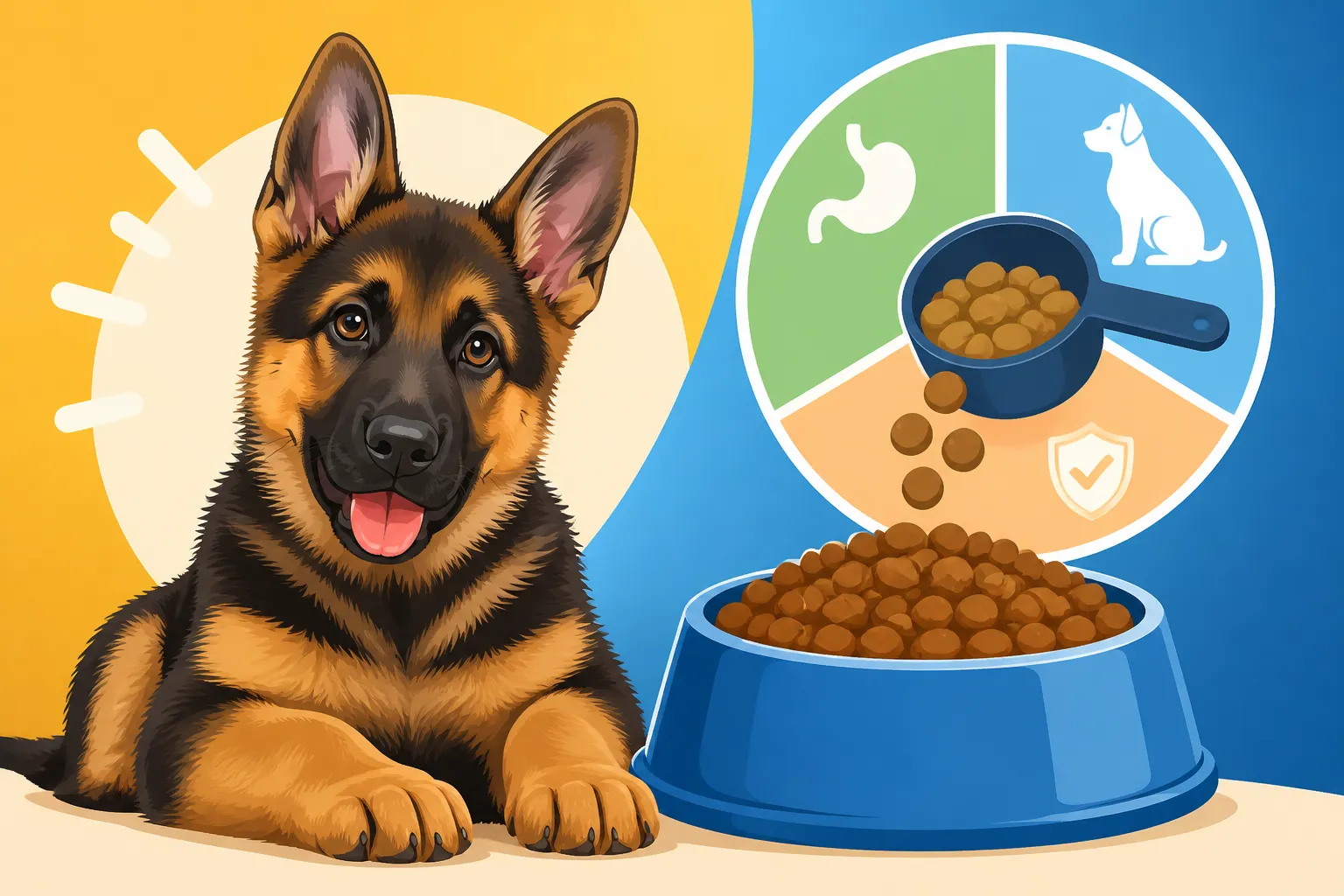
While the food bag is a start, let's look at a more general guideline. For a 6-month-old German Shepherd, you're typically looking at feeding 3 to 5 cups of a high-quality large-breed puppy kibble per day, divided into 2-3 meals.
This range is broad because of the factors we just discussed. Here's a more detailed breakdown based on estimated caloric needs and an average large-breed puppy food with about 350-400 kcal per cup:
| Puppy Weight (6 Months) | Estimated Daily Calories | Typical Cups Per Day (approx. 375 kcal/cup) |
|---|---|---|
| 45 lbs (Male/Female) | 1200 – 1600 kcal | 3 – 4 cups |
| 55 lbs (Male/Female) | 1400 – 1800 kcal | 3.5 – 4.5 cups |
| 65 lbs (Male/Female) | 1600 – 2000 kcal | 4 – 5 cups |
Important Considerations for the Table Above:
- Your Dog's Actual Weight: Your 6-month-old might be heavier or lighter than these averages. Always check your food bag's specific caloric content and adjust.
- Activity Level: A highly active puppy at 65 lbs might need closer to 5+ cups, while a less active one might be fine with 4 cups.
- Body Condition Score: This table is a starting point. Your dog's actual body condition is the ultimate guide. We'll get into that next.
This chart offers a more personalized starting point than a generic "feed 3-4 cups" rule. For more granular details, you can often find a comprehensive German Shepherd Puppy Feeding Chart by Month that breaks down needs even further. Remember, your German Shepherd will continue to grow, but the rate slows down, typically reaching their full size around 18-24 months. You can learn more about this in When Do German Shepherds Stop Growing.
Key Factors Influencing Your German Shepherd's Daily Food Intake
Beyond the general guidelines, several crucial factors will dictate the precise amount of food your 6-month-old German Shepherd truly needs. Ignoring these can lead to overfeeding, underfeeding, and potential health issues down the line. It's about tailoring the approach to your unique dog, not just blindly following a chart.
Activity Level and Individual Metabolism
This is probably the biggest variable to consider. A German Shepherd at six months old can have vastly different energy expenditures:
- High-Energy Pups: Is your German Shepherd constantly on the go, playing vigorously for extended periods, running, and training? A high-energy pup, especially one from working lines, will burn a lot more calories and consequently need more food. Think of a pup that’s involved in early obedience training, puppy agility, or frequent, long play sessions in a large yard. This heightened energy might be addressed further in content about How Much Exercise Is Too Much for a Puppy or How Much Exercise Does a German Shepherd Puppy Need.
- Moderate Energy Pups: Some GSDs, while active, aren't quite the perpetual motion machines. They enjoy their play sessions, walks, and training, but also have plenty of downtime. They'll fall comfortably within the middle of the recommended feeding range.
- Lower Energy Pups: Even at six months, some puppies might be naturally less active, perhaps due to personality, growth spurts, or a temporary reduction in strenuous activity. These pups will need less food to maintain a healthy weight.
Understanding your dog's individual metabolism also plays a role. Some dogs are simply better at utilizing calories and tend to put on weight more easily, while others can eat a lot and stay lean. Observing your dog's overall energy levels and their response to food is crucial.
Body Condition Score: Your Ultimate Guide
Forget the scale for a moment; your dog's actual body condition is the most accurate way to tell if you're feeding too much or too little. Veterinarians use a "Body Condition Score" (BCS) chart, typically on a scale of 1 to 9 (1 being emaciated, 9 being obese), with 4-5 being ideal. You can do a simplified version at home:
- Ribs: Gently run your hands along your dog's sides. You should be able to feel their ribs easily, but they shouldn't be visibly protruding or feel sharp under the skin. If you can't feel them without pressing, your pup might be overweight. If they're too visible, your pup might be underweight.
- Waistline: Look at your German Shepherd from above. They should have a noticeable waist, an indentation behind their rib cage before their hips. If they look like a straight line or bulge out, they're likely carrying too much weight.
- Abdominal Tuck: Look at your dog from the side. Their belly should tuck up slightly from their chest to their hind legs, not hang low.
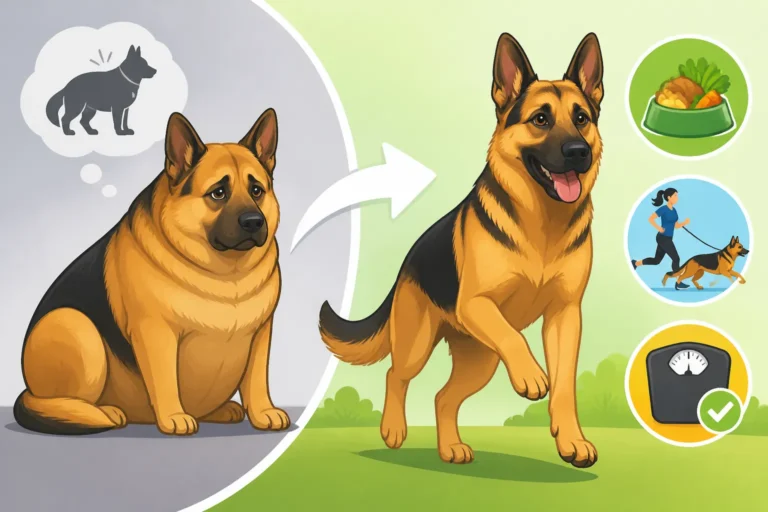
An ideal 6-month-old German Shepherd should look lean and athletic, not chubby. Puppy fat is cute, but excessive weight during growth can significantly increase the risk of joint problems like hip and elbow dysplasia, as their still-developing joints bear extra strain. Regularly assessing their body condition is a critical part of Signs of a Healthy German Shepherd and will tell you more than any feeding chart ever could.
The Quality and Caloric Density of Their Food
Not all puppy foods are created equal, and their caloric density—the number of calories per cup or gram—can vary significantly.
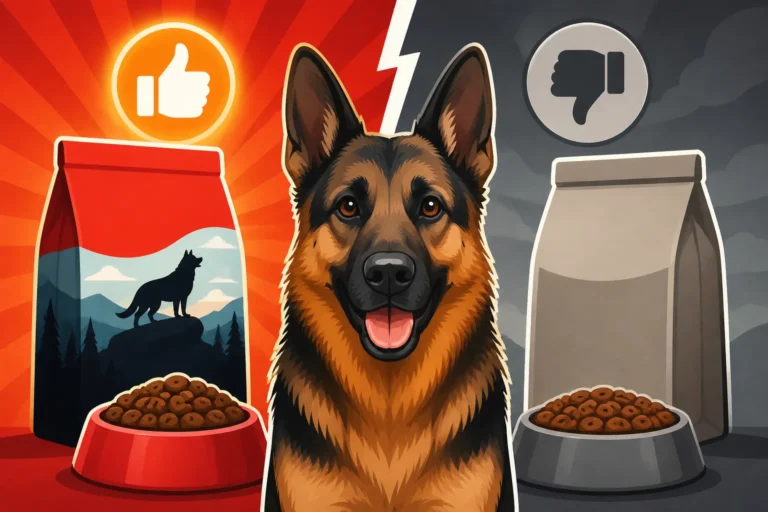
- Premium vs. Budget Brands: Generally, higher-quality, premium large-breed puppy foods tend to have denser nutrition. They often use more digestible ingredients and higher-quality protein and fat sources, meaning your dog gets more nutrients and calories per cup. A budget kibble, while cheaper, might have more fillers and lower caloric density, requiring you to feed larger quantities to meet their nutritional needs.
- Ingredient List: Look for meat as the first ingredient (e.g., chicken meal, lamb meal, beef). Avoid foods with excessive fillers like corn, wheat, or soy as primary ingredients, especially if your pup has a sensitive stomach.
- "Large Breed Puppy" Specifics: As mentioned earlier, these formulas are designed to promote slower, more controlled growth, which is crucial for preventing orthopedic issues in breeds prone to them. Choosing a food specifically labeled "large breed puppy" is paramount for your German Shepherd at this stage. You can find detailed reviews and comparisons of different foods in resources like Best Dog Food for a German Shepherd Puppy.
Always check the "guaranteed analysis" and "calorie content" on your specific food bag. This will usually tell you the kcal/cup (kilocalories per cup), which allows you to make more precise adjustments if you switch foods or need to fine-tune intake.
Common Feeding Mistakes and Best Practices for Your Growing German Shepherd
Feeding your 6-month-old German Shepherd isn't just about how much, but also how you approach the whole process. There are some common pitfalls even well-meaning owners fall into, and understanding best practices can make a huge difference in your pup's development and long-term health.
The Dangers of Overfeeding and Underfeeding
It's tempting to think that more food means a bigger, stronger dog, but for a large breed like the German Shepherd, overfeeding during puppyhood can actually be detrimental.
-
Overfeeding Risks:
- Orthopedic Issues: This is the biggest concern. Rapid growth due to excessive calories can put undue stress on developing joints, exacerbating genetic predispositions to conditions like German Shepherd Hip Dysplasia: Symptoms and Treatment or elbow dysplasia. Slower, steady growth is the goal for large breeds.
- Obesity: Carrying extra weight from a young age can lead to lifelong struggles with obesity, increasing the risk of diabetes, heart disease, and arthritis even in young adulthood. Learning How to Tell If a German Shepherd Is Overweight is a crucial skill.
- Digestive Upset: Too much food at once can lead to indigestion, diarrhea, or an upset stomach.
- Bloat: Overeating, especially quickly, is a risk factor for bloat (GDV). This life-threatening condition requires immediate veterinary attention. You can read more about German Shepherd Bloat: Signs and Prevention.
-
Underfeeding Risks:
- Stunted Growth: Not enough calories or nutrients can lead to a dog that doesn't reach its full genetic potential in terms of size and bone density.
- Nutritional Deficiencies: Lack of essential vitamins and minerals can impact immune function, coat quality, and overall health.
- Lack of Energy: An underfed pup won't have the energy for play, training, or normal daily activities, potentially affecting their mental and physical development.
The goal is a lean, healthy growth trajectory. If you're consistently feeling unsure, always consult your veterinarian. They can help you calculate exact caloric needs based on your dog's specific weight, breed, and health status.
Monitoring Weight, Body Condition, and Stool Quality
Your vigilance is your German Shepherd's best health insurance. Regular monitoring gives you the feedback you need to adjust their diet.
- Regular Weight Checks: Weigh your puppy regularly, perhaps once or twice a month at home if you have a large enough scale, or during vet visits. Keep a log to track their growth.
- Daily Body Condition Checks: Get into the habit of running your hands over their ribs and feeling their waistline every few days. This tactile assessment is more informative than just looking.
- Stool Quality: Your German Shepherd's poop tells a story! It should be firm, well-formed, and easy to pick up. If it's consistently loose, runny, or unusually hard, it could indicate that the food isn't agreeing with them, they're eating too much, or they might have an underlying digestive issue. Pay attention to changes, and if they persist, a vet visit is in order.
These indicators are your early warning system. If your pup seems lethargic, has a dull coat, or is experiencing persistent digestive upset, a dietary change or vet consultation might be needed. This holistic approach is part of the broader strategy for German Shepherd Health Problems Guide.
The Crucial Role of Hydration
It's easy to focus solely on food, but water is just as vital for your 6-month-old German Shepherd's health and digestion.
- Always Available Fresh Water: Your pup should have constant access to clean, fresh water. Dehydration can lead to serious health problems, and active puppies need a lot of fluid.
- Multiple Water Stations: Consider placing water bowls in different areas of your home or yard, especially if your German Shepherd spends time in various spots.
- Cleanliness is Key: Wash water bowls daily to prevent bacterial growth. Stainless steel or ceramic bowls are often easier to keep clean than plastic.
- Water Intake Observation: Pay attention to how much your pup is drinking. Excessive thirst could be a sign of a health issue like diabetes or kidney problems, while too little could mean dehydration or an underlying discomfort.
Proper hydration supports organ function, aids digestion, and helps regulate body temperature, all critical for a rapidly growing, energetic 6-month-old German Shepherd. Don't underestimate its importance!
Disclaimer
This article is intended for informational purposes only and does not constitute veterinary advice. Always consult with a qualified veterinarian for any health concerns or before making any changes to your German Shepherd's diet or care routine. Individual dietary needs can vary significantly based on health, activity level, and other factors.