Foods That Are Toxic to German Shepherds
One of the most concerning things for any German Shepherd owner is the possibility of their beloved companion accidentally ingesting something harmful. It’s a terrifying thought, imagining your dog suffering because of something seemingly innocuous that you might have left lying around. This comprehensive guide aims to arm you with critical knowledge about common and lesser-known foods that are toxic to German Shepherds, helping you recognize symptoms, take immediate action, and most importantly, prevent these frightening incidents from happening in the first place.
Common Human Foods That Are Dangerous for German Shepherds
It's natural to want to share your meals and treats with your furry best friend, but many everyday human foods can pose a serious threat to your German Shepherd's health, even in small quantities. Understanding these common culprits is the first step in ensuring your home is a safe environment for them.
Chocolate, Coffee, and Caffeine
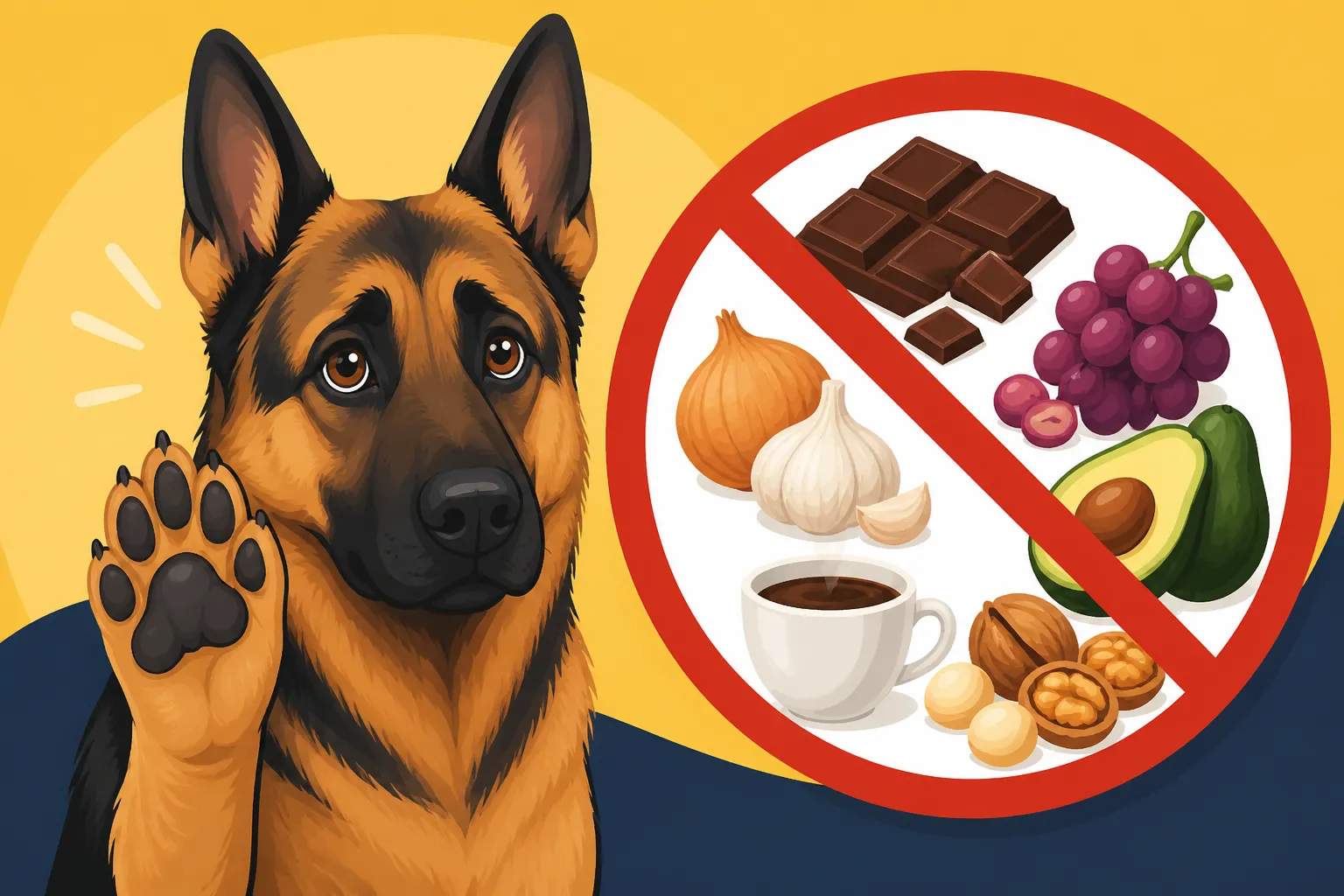
These popular pick-me-ups for humans are absolute no-gos for German Shepherds. The harmful substances in them are methylxanthines, primarily theobromine in chocolate and caffeine in coffee. Dogs metabolize these compounds much slower than humans, leading to a build-up in their system that can become toxic. The darker the chocolate, the higher the concentration of theobromine, making baker's chocolate and dark chocolate particularly dangerous.
Even a small amount of chocolate can cause mild symptoms like vomiting, diarrhea, increased thirst, and restlessness. Larger ingestions can escalate to severe issues such as hyperactivity, tremors, seizures, an abnormal heart rhythm, and even death. Think about that delicious dark chocolate bar or your morning espresso – keep it well out of reach, perhaps in a high cupboard or a secure container only you can access. Puppy-proofing isn't just for puppies; an adult German Shepherd's curious nose can still get into trouble.
Coffee grounds, tea bags, and energy drinks also contain high levels of caffeine and should be treated with the same caution as dark chocolate. Remember, prevention is key, so always secure these items to prevent any accidental encounters.
Grapes, Raisins, and Currants
For years, grapes, raisins, and currants have been identified as toxic to dogs, including German Shepherds, though the exact mechanism of toxicity isn't fully understood. What we do know is that even a small amount can cause sudden kidney failure. It's not about the dog's size or the amount consumed; some dogs react severely to just a few grapes, while others might consume more without immediate obvious effects – though that doesn't mean it's safe.
Symptoms often begin with vomiting and diarrhea within 6-12 hours of ingestion, followed by lethargy, dehydration, and a lack of appetite. If left untreated, kidney failure can develop within 24-72 hours, which can be fatal. This is why immediate veterinary attention is crucial if you suspect your German Shepherd has eaten any amount of grapes, raisins, or currants.
This toxicity extends to all products containing these fruits, such as raisin bread, fruitcake, and even some cereals. Be extra vigilant during holidays or when baking, as these items are often left within easy reach. Educate family members and guests about this danger to ensure everyone understands the severity.
Onions, Garlic, Chives, and Leeks
Members of the Allium family – onions, garlic, chives, and leeks – contain compounds called thiosulphates, which can cause oxidative damage to red blood cells in dogs. This leads to hemolytic anemia, a condition where red blood cells are destroyed, reducing the blood's ability to carry oxygen. Garlic is often considered five times more potent than onions.
The symptoms might not appear immediately, sometimes taking several days to manifest after ingestion. Look out for lethargy, weakness, pale gums, increased heart rate, rapid breathing, and reddish-brown urine. These are all signs that your German Shepherd's red blood cells are being affected.
It’s not just raw forms that are dangerous; cooked, dried, or powdered forms of these vegetables, often found in processed foods, sauces, and baby food, are also highly toxic. Think about onion powder in seasoned meats or garlic paste in dips. Even seemingly small amounts consumed regularly can lead to cumulative toxicity. Always check ingredient lists before sharing any human food, and remember that German Shepherd Feeding Guide recommendations are always the safest.
Xylitol
Xylitol is a sugar alcohol commonly used as a sugar substitute in many "sugar-free" products. It's found in chewing gum, mints, candies, toothpaste, mouthwash, certain peanut butters, baked goods, and even some vitamins. For humans, it's harmless, but for dogs, it's incredibly dangerous.
When a German Shepherd ingests xylitol, it's rapidly absorbed into their bloodstream, causing a potent release of insulin from the pancreas. This leads to a sudden and severe drop in blood sugar (hypoglycemia), which can occur within 10-60 minutes. Symptoms include vomiting, weakness, staggering, collapse, and seizures. In some cases, especially with larger doses, xylitol can also cause acute liver failure, which can be irreversible.
Always read ingredient labels on products carefully, especially for peanut butter and other treats you might give your dog. Many brands now offer xylitol-free options, but it's crucial to be diligent. If you suspect your dog has eaten anything with xylitol, it is a veterinary emergency that requires immediate intervention.
Alcohol and Hops
Alcohol, in any form, is toxic to German Shepherds. This includes alcoholic beverages, foods containing alcohol (like rum cake), and even raw yeast dough (which ferments and produces alcohol in the stomach). Dogs are much more sensitive to ethanol than humans, and even small amounts can cause significant problems.
Symptoms of alcohol poisoning in dogs mirror those in humans, but are often more severe given their smaller size and different metabolism. These include vomiting, diarrhea, decreased coordination, central nervous system depression, difficulty breathing, tremors, and potentially coma or death. The speed and severity of symptoms depend on the amount of alcohol consumed relative to the dog's body weight.
Hops, a key ingredient in brewing beer, are also highly toxic to dogs. Ingestion can lead to malignant hyperthermia, a rapid and dangerous rise in body temperature, sometimes exceeding 108°F (42°C). This can cause kidney damage, seizures, and death. If you brew beer at home, ensure all hops are securely stored and disposed of properly.
Avocado
Avocado contains a fungicidal toxin called persin. While generally considered harmless to humans and most animals, large quantities of persin can be toxic to some birds and, in certain cases, dogs. For German Shepherds, the primary concern isn't typically the flesh of the avocado, but rather the large pit.
The avocado pit poses a significant choking hazard for a large breed like a German Shepherd, and if swallowed, it can cause an obstruction in the digestive tract. An intestinal blockage is a serious medical emergency that often requires surgery. Even if the flesh itself isn't acutely toxic, it's very high in fat, which can lead to gastrointestinal upset or even pancreatitis in sensitive dogs.
Therefore, it's best to avoid giving your German Shepherd any part of an avocado. If you're slicing one for yourself, make sure the pit is immediately discarded in a secure trash bin. When considering Best Dog Food for German Shepherds, remember that ingredients like avocado, while not always listed as "toxic," are best avoided due to secondary risks.
Macadamia Nuts
Macadamia nuts are another human food that can cause a toxic reaction in German Shepherds. The exact toxic component isn't known, but even a small number of these nuts can lead to temporary but debilitating symptoms.
Clinical signs usually appear within 12 hours of ingestion and can include weakness, particularly in the hind limbs, vomiting, tremors, fever, and depression. While these symptoms are rarely fatal and usually resolve within 24-48 hours, they can be distressing for both the dog and the owner.
Macadamia nuts are often found in cookies, brownies, and other baked goods, so be cautious about leaving these items accessible. If your German Shepherd gets into a bag of trail mix or a box of chocolates with macadamia nuts, it's always best to contact your vet, even if the symptoms are expected to be mild.
Pits and Seeds from Certain Fruits
While many fruits are perfectly safe and even healthy treats for German Shepherds, the pits, seeds, and cores of some can be quite dangerous. For instance, cherry, peach, plum, and apricot pits contain cyanide, which can be released if the pit is chewed or broken. While a single intact pit might not cause cyanide poisoning (the dose makes the poison, after all), the risk of obstruction is very real for a curious German Shepherd.
Apple seeds and pear seeds also contain amygdalin, which converts to cyanide when digested. The amount in a few seeds is unlikely to cause acute poisoning, but it's still best to remove the core and seeds before offering apple slices as a treat. The larger concern with pits, especially from fruits like peaches and plums, is the physical hazard.
These pits are hard, indigestible, and can cause choking or, if swallowed, create a serious blockage in the intestinal tract. This is a common and dangerous scenario, especially with larger dogs who might swallow things whole without much chewing. Always remove pits and seeds before giving fruit to your dog, and remember to dispose of them properly.
Lesser-Known but Equally Harmful Toxins
Beyond the widely recognized dangers, there are several other items that might not immediately come to mind as toxic but can pose serious health risks to your German Shepherd. These are often overlooked, making them even more insidious.
Yeast Dough
While we discussed alcohol toxicity, raw yeast dough presents a unique dual threat. First, as the yeast ferments in the warm, moist environment of your German Shepherd's stomach, it produces alcohol, leading to alcohol poisoning. This can cause symptoms like disorientation, vomiting, and central nervous system depression.
Second, the rising action of the yeast causes the dough to expand. In a dog's stomach, this can lead to severe bloating, gastric dilation, and potentially a life-threatening condition known as gastric dilatation-volvulus (GDV), or bloat. This is a particularly serious concern for large, deep-chested breeds like German Shepherds, who are already predisposed to bloat. The expanding dough can twist the stomach, cutting off blood supply and leading to rapid deterioration.
Symptoms of bloat include a distended abdomen, retching without producing anything, restlessness, and pain. This is an absolute emergency. If you suspect your German Shepherd has ingested raw yeast dough, contact your veterinarian immediately. It’s a terrifying experience, and knowing German Shepherd Bloat Emergency: What to Do can literally save their life.
Fatty Foods and Cooked Bones
While not strictly "toxic" in the chemical sense, excessively fatty foods and cooked bones can be incredibly harmful to German Shepherds. Foods high in fat, such as bacon grease, fatty meat trimmings, rich gravies, or deep-fried items, can lead to severe gastrointestinal upset, including vomiting and diarrhea. More seriously, they can trigger pancreatitis, an inflammation of the pancreas.
Pancreatitis is an extremely painful condition that can range from mild to life-threatening. Symptoms include severe abdominal pain, hunched posture, vomiting, diarrhea, lethargy, and loss of appetite. German Shepherds with a history of sensitive stomachs or those prone to issues might be particularly susceptible.
Cooked bones are another danger. Unlike raw bones, which are generally more pliable, cooked bones become brittle and can splinter easily. These sharp fragments can cause severe damage anywhere along the digestive tract, from lodging in the throat or teeth to perforating the esophagus, stomach, or intestines. This can lead to internal bleeding, infections, and even death. Always keep cooked bones, even small poultry bones, out of your German Shepherd's reach. Opt for appropriate chew toys or raw, size-appropriate recreational bones if you wish to give your dog bones.
Moldy Foods
It might seem obvious, but moldy foods are surprisingly common sources of toxicity. German Shepherds, with their keen noses and scavenging instincts, might find discarded food in the trash or outdoors before you even notice it. Mold contains mycotoxins, which can be highly dangerous to dogs.
One common mycotoxin, penitrem A, found in molds that grow on dairy products, bread, nuts, and other decaying organic matter, can cause serious neurological symptoms. These include tremors, muscle spasms, convulsions, and seizures. The severity of the reaction depends on the amount of mold ingested and the specific type of mycotoxin present.
It's vital to secure your trash cans with lids that your German Shepherd cannot open and to be vigilant about what they sniff out on walks. If you have a compost pile, ensure it's inaccessible to your dog. Just like we wouldn't eat moldy food, our dogs shouldn't either.
Nightshade Vegetables
Certain nightshade vegetables, when raw or unripe, contain solanine, a glycoalkaloid that can be toxic to dogs. This primarily applies to raw potatoes and unripe green tomatoes. Cooked potatoes, in moderation and without added seasonings, are generally safe. However, raw potatoes, especially those with green spots or sprouts, have higher concentrations of solanine.
Symptoms of solanine poisoning can include gastrointestinal upset (vomiting, diarrhea), lethargy, weakness, and neurological signs such as confusion or tremors. While a small amount might only cause mild stomach upset, significant ingestion could lead to more severe reactions.
When it comes to tomatoes, the ripe red fruit is generally considered safe. The danger lies in the green parts of the plant – leaves, stems, and unripe green tomatoes – which contain solanine and tomatine. If you have a vegetable garden, consider fencing it off to prevent your German Shepherd from exploring and munching on potentially harmful plants.
Mushrooms (Wild Varieties)
While some store-bought mushrooms are safe for dogs, wild mushrooms are a completely different story. There are thousands of species of mushrooms, and many are highly toxic, even deadly, to dogs. Identifying safe from unsafe wild mushrooms is incredibly difficult, even for experienced foragers, and virtually impossible for a pet owner.
Toxic mushrooms can cause a wide range of severe symptoms, depending on the species ingested. These can include severe gastrointestinal distress (vomiting, diarrhea), liver failure, kidney failure, neurological damage (tremors, seizures), and even death. The onset of symptoms can vary from minutes to hours after ingestion.
The safest approach is to assume all wild mushrooms are toxic. If you see your German Shepherd eating a wild mushroom, or if you find mushroom pieces near where they were playing, treat it as an emergency. Collect a sample of the mushroom if possible (this can help your vet identify the toxin) and seek immediate veterinary care.
Understanding the Severity and What Symptoms to Watch For
Recognizing when your German Shepherd is in distress is crucial for prompt action. The signs of poisoning can vary widely depending on the substance, the amount ingested, and your dog's individual sensitivity.
Recognizing the Signs of Poisoning
The symptoms of toxicity can manifest in many ways, from mild digestive upset to severe neurological issues or organ damage. It’s important to remember that not all symptoms appear immediately; some can be delayed for hours or even days. Here's a general list of signs to watch out for:
- Gastrointestinal Issues: Vomiting, diarrhea (which may be bloody), loss of appetite, excessive drooling, abdominal pain, bloating. These are often the first and most common signs.
- Neurological Problems: Lethargy, weakness, stumbling, disorientation, tremors, muscle spasms, seizures, hyperactivity, changes in behavior (e.g., increased anxiety or aggression).
- Cardiovascular Changes: Increased heart rate, abnormal heart rhythm, weakness, collapse.
- Respiratory Distress: Difficulty breathing, coughing, rapid breathing.
- Urinary Issues: Increased thirst, increased urination, decreased urination, changes in urine color (e.g., dark or reddish-brown).
- Other General Signs: Pale gums, fever, jaundice (yellowing of skin or eyes), swollen face or paws.
If you observe any combination of these symptoms, especially if they are sudden or unexplained, and you suspect your German Shepherd might have eaten something harmful, it's vital to act quickly. Even subtle changes in behavior can be a warning sign that your German Shepherd is in pain.
Factors Influencing Toxicity
The severity of a toxic reaction isn't always straightforward. Several factors play a significant role in how your German Shepherd might be affected:
- Type of Toxin: Some substances are inherently more dangerous than others. For example, xylitol can be life-threatening in small doses, while a small amount of an onion might cause mild distress.
- Amount Ingested: Generally, the more of a toxic substance consumed, the more severe the reaction. However, this isn't always a linear relationship, and even tiny amounts of highly toxic substances can be critical.
- Dog's Size and Weight: A larger German Shepherd might tolerate a slightly higher dose of a toxin than a smaller breed, but this is no guarantee of safety. Small amounts can still be dangerous for any dog.
- Individual Sensitivity: Just like humans, dogs can have individual sensitivities. Some German Shepherds might react more severely to a substance than others, even if they consume the same amount.
- Overall Health: A dog with underlying health conditions, such as kidney disease or a sensitive stomach, may be more vulnerable to the effects of toxins. Regular check-ups as described in How to Keep a German Shepherd Healthy are crucial.
- Time Since Ingestion: The sooner a toxic substance is identified and treated, the better the prognosis. Delayed treatment allows more time for the toxin to be absorbed and cause damage.
Understanding these variables helps to underscore why professional veterinary assessment is always the best course of action when toxicity is suspected. There's no reliable "wait and see" approach when it comes to poisons.
When to Seek Emergency Veterinary Care
Knowing when to call the vet versus when to rush to the emergency clinic can save precious time. For any suspected ingestion of a known toxic substance, or if your German Shepherd is showing severe symptoms, you should always contact your veterinarian or an emergency animal hospital immediately.
Signs that warrant immediate emergency care (drive straight to the clinic):
- Seizures or uncontrolled tremors
- Collapse or unconsciousness
- Severe difficulty breathing
- Profuse or bloody vomiting/diarrhea
- Extreme lethargy or unresponsiveness
- Signs of severe pain or distress (whining, hunched posture)
- Bloated abdomen with unproductive retching (potential GDV from yeast dough)
For less severe symptoms or if you're unsure, a phone call to your vet or a pet poison control center (like ASPCA Animal Poison Control Center or Pet Poison Helpline) is the first step. They can provide immediate guidance, assess the risk based on the substance and amount, and advise if an emergency visit is necessary. Don't waste time trying home remedies or waiting for symptoms to worsen; professional help is critical. Always have the contact information for your regular vet and the nearest emergency animal hospital readily available. Understanding potential German Shepherd Vet Costs Per Year can also help in preparing for emergencies.
Immediate Actions and Prevention Strategies
While it's frightening to think about, being prepared with knowledge and a plan can make all the difference in a crisis.
First Aid Steps After Ingestion
If you discover or suspect your German Shepherd has ingested something toxic, here's what you should do:
- Stay Calm: Panicking will only make it harder to think clearly. Your German Shepherd will also pick up on your anxiety.
- Identify the Toxin: If possible, determine what was ingested, how much, and when. Save any packaging, labels, or remaining parts of the substance. Take a photo if that's quicker. This information is vital for your veterinarian.
- Contact Your Veterinarian or Poison Control: Call your regular vet, an emergency vet clinic, or a pet poison control hotline immediately. Do not wait for symptoms to appear. Provide them with all the details you gathered.
- Do NOT Induce Vomiting Unless Instructed: Inducing vomiting can sometimes do more harm than good, especially if the substance is corrosive, if the dog is already vomiting, unconscious, having seizures, or if it's been too long since ingestion for it to be effective. Only induce vomiting if explicitly told to do so by a veterinary professional, and precisely follow their instructions, including any recommended dose of hydrogen peroxide.
- Follow Veterinary Instructions: Your vet or poison control will guide you on the next steps, which may include bringing your dog in immediately, administering activated charcoal (if available and advised), or monitoring at home.
- Do Not Give Home Remedies: Avoid giving your dog any "antidotes" or home remedies unless specifically instructed by a vet. Many of these can be ineffective or even harmful.
Time is of the essence in these situations. Swift and informed action significantly improves the outcome.
Creating a Safe Environment
Prevention is always better than cure, especially when it comes to protecting your German Shepherd from toxins. Creating a "dog-safe" home environment is crucial for their well-being.
- Secure Food Storage: Keep all human foods, especially toxic ones, in secure cabinets or containers that your German Shepherd cannot open. Use child-proof latches if necessary. Place food items high up, out of reach. Remember that your German Shepherd is a smart and resourceful breed.
- Trash Can Discipline: Invest in trash cans with secure, heavy lids that your dog cannot knock over or open. Dispose of all food scraps immediately.
- Clear Counters: Make it a habit to clear counters and tables of all food, medications, and other potentially harmful items after use. A stray chocolate chip cookie or a forgotten pill bottle can be an invitation for disaster.
- Pet-Safe Products: When buying household cleaners, pest control products, or automotive fluids, consider choosing pet-safe alternatives if available. Always store these chemicals in locked cupboards or high shelves.
- Plant Awareness: Research common household plants and garden plants to ensure they are not toxic to dogs. If they are, remove them or place them in inaccessible areas.
- Training: Reinforce commands like "leave it" and "drop it" regularly. These commands can be life-savers if your dog is about to pick up something dangerous. Consistency in German Shepherd Obedience Training Basics pays off.
- Leash Vigilance: On walks, keep your German Shepherd on a leash and actively watch what they sniff and try to mouth. Teach them not to scavenge.
By being proactive and diligent, you can significantly reduce the risk of your German Shepherd encountering toxic foods or substances.
Safe Food Alternatives and Treats
Instead of sharing potentially dangerous human foods, offer your German Shepherd safe and healthy alternatives. Many fruits and vegetables make excellent treats in moderation and can contribute to a balanced diet, as outlined in our German Shepherd Nutrition Essentials guide.
Safe fruit and vegetable options include:
- Apples: Sliced, without core or seeds.
- Bananas: In moderation, a great source of potassium.
- Blueberries: Small, antioxidant-rich, and easy for them to eat.
- Carrots: Crunchy and good for dental health.
- Green Beans: Cooked or raw, a low-calorie snack.
- Pumpkin: Plain, cooked pumpkin (not pie filling) is excellent for digestion.
- Sweet Potatoes: Cooked and plain, rich in vitamins.
Always introduce new foods slowly and in small quantities to avoid upsetting their stomach. For commercially prepared treats, stick to reputable brands designed specifically for dogs. Many excellent options are available from retailers like Chewy or Amazon. For those interested in fresh food, services like Ollie provide carefully formulated, human-grade meals that are safe and nutritious for your German Shepherd, ensuring no toxic ingredients. Remember, even with safe foods, moderation is key to prevent weight gain and ensure a balanced diet.
Disclaimer
The information provided in this article is for educational and informational purposes only and does not constitute veterinary advice. Always consult with a qualified veterinarian for any health concerns or before making any decisions related to your German Shepherd's health or treatment. In case of a suspected emergency or poisoning, contact your veterinarian or an emergency animal hospital immediately.