Should You Shave a German Shepherd: The Truth
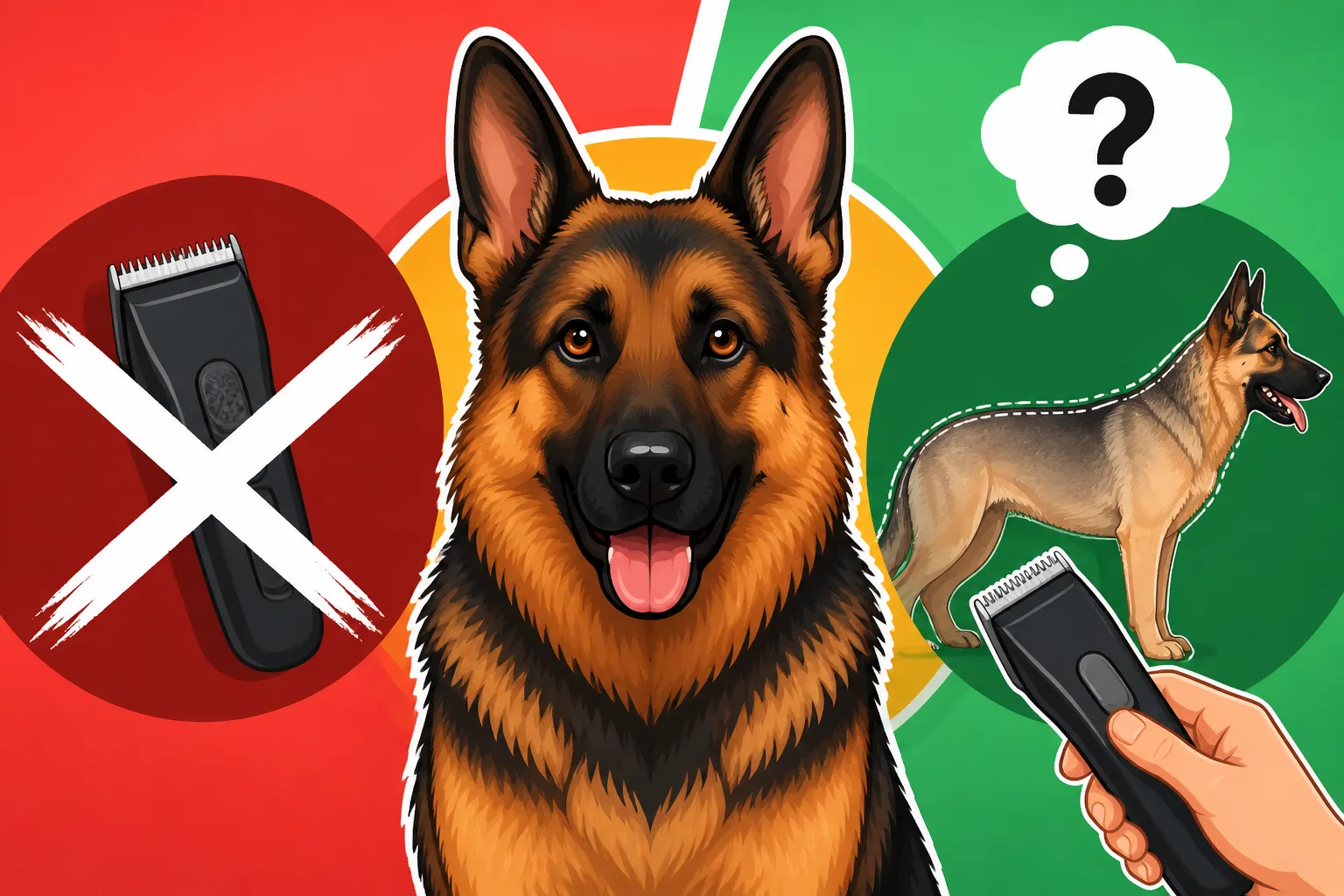
Oh, the age-old dilemma of the German Shepherd parent, especially when those tumbleweeds of fur start rolling through the house and the temperatures climb! It's so tempting to look at that majestic, dense coat and think, "If I just shaved them, wouldn't it solve all my problems? Less shedding, they'd be cooler, right?" Many of us have been there, gazing at our furry companions during a heavy "blow coat" season, wondering if a buzz cut is the answer. But before you reach for those clippers, let's dive into the truth about shaving your German Shepherd and why it's almost always a decision you'll come to regret.
Understanding Your German Shepherd's Double Coat
To truly grasp why shaving a German Shepherd isn't the solution it seems to be, we first need to understand the magnificent engineering of their coat. German Shepherds, like many working breeds, possess what's known as a "double coat." This isn't just one layer of fur; it's a sophisticated, two-part system that plays a crucial role in their health and comfort.
The Outer Guard Coat
Think of the outer layer, often called the "guard coat," as your German Shepherd's first line of defense against the world. These are the longer, coarser, and often slightly stiffer hairs you see on the surface. They’re designed to be tough, water-resistant, and provide protection from a myriad of external factors.
This protective layer acts like a natural shield. It repels water, keeping your dog dry during rain or snow. It also guards their delicate skin from scrapes, cuts, and insect bites. Moreover, the guard coat acts as a barrier against harmful UV rays, much like a natural sunscreen, preventing sunburn and potential skin cancer in sunnier climates or during prolonged outdoor exposure. Without this layer, their skin becomes incredibly vulnerable.
The Insulating Undercoat
Beneath that protective guard coat lies the softer, denser, and often fluffier "undercoat." This is where the magic of temperature regulation truly happens. The undercoat is made up of shorter, woolly hairs that grow in abundance, especially in dogs bred for colder climates or those that spend a lot of time outdoors.
The primary function of this undercoat is insulation. In cold weather, it traps warm air close to the body, keeping your German Shepherd cozy and preventing hypothermia. Conversely, in warm weather, this same undercoat works to keep them cool. It provides a layer of insulation that prevents external heat from reaching their skin and allows air to circulate, helping to dissipate body heat. Many people mistakenly believe that more fur means more heat, but with a double coat, it's about intelligent design.
How the Double Coat Works for Temperature Regulation
It’s a common misconception that shaving a double-coated dog will make them cooler. The truth is quite the opposite. The German Shepherd’s double coat is a marvel of natural engineering, specifically designed to regulate their body temperature in both hot and cold environments. The undercoat acts as a natural air conditioning system in the summer and a thermal blanket in the winter.
During warmer months, the undercoat sheds, thinning out to allow air to circulate close to the skin. The remaining guard hairs then create a protective barrier, preventing direct sunlight from hitting the skin and absorbing heat. This airflow and shade help to keep the dog's skin temperature lower than the ambient temperature. When you shave this coat, you remove both layers, disrupting this intricate system. You strip away their natural cooling mechanism, leaving their skin exposed to direct sun, which can actually make them hotter and prone to overheating. Learning to manage the natural shedding process is key, and you can find a lot of helpful advice in resources like our guide on German Shepherd Shedding: How to Manage It.
Why Shaving a German Shepherd is a Bad Idea
Now that we understand the incredible functionality of the German Shepherd's double coat, let's explore the numerous reasons why shaving it off is almost always detrimental to their health and well-being. It's a decision with unintended consequences that far outweigh any perceived benefits.
Risk of Sunburn and Skin Damage
One of the most immediate and dangerous consequences of shaving your German Shepherd is the exposure of their sensitive skin to the sun. Their thick outer guard coat acts as a natural sunscreen, filtering out harmful ultraviolet (UV) rays. When this protective layer is removed, their skin is left vulnerable.
Just like human skin, a dog's skin can get severely sunburned. This isn't just uncomfortable; it can lead to painful blistering, peeling, and a significantly increased risk of skin cancer over time. German Shepherds often have lighter pigmentation on their bellies and inner thighs, but even areas covered by darker fur are susceptible once shaved. Imagine going outside in peak summer with no sunscreen and no clothing; that's essentially what you're doing to your dog.
Impaired Temperature Regulation
This is perhaps the biggest myth to debunk. Many owners believe shaving their German Shepherd will help them stay cooler in the summer heat. In reality, it does the exact opposite. The double coat's underlayer provides insulation against both cold and heat. It creates an air pocket that helps maintain a stable body temperature.
When you shave this insulation away, you remove their natural cooling system. The dog's skin is then directly exposed to the sun's heat, absorbing it rather than reflecting it. This can lead to rapid overheating, heatstroke, and severe discomfort. The natural process of shedding the undercoat in warmer months is how their body adjusts to temperature changes, not by losing all their fur. Instead of shaving, focus on keeping them cool through other means, which you can learn about in articles like How to Keep a German Shepherd Cool in Summer.
Potential for Coat Damage and Improper Regrowth
Shaving a double coat can permanently alter its structure and function. This phenomenon is often referred to as "clipper alopecia" or "post-clipping alopecia." When the guard hairs are shaved down to the same length as the undercoat, it can disrupt the natural growth cycle.
What often happens is that the softer, denser undercoat grows back much faster and thicker than the coarser guard hairs. This results in a coat that is uneven, patchy, feels more cottony, and often sheds even more because it's essentially just a thick layer of undercoat with very few protective guard hairs. The guard hairs may never grow back to their original texture, length, or protective quality, or they might grow back in random, patchy sections. This damage can make future shedding management even harder and further compromise their natural protection.
Increased Risk of Skin Issues
Beyond sunburn and coat damage, shaving can open the door to a host of other skin problems. With the protective guard coat gone, your German Shepherd's skin is more exposed to irritants, allergens, and insect bites.
A shaved German Shepherd is more prone to developing hot spots, which are painful, inflamed skin lesions often triggered by moisture or irritation. The lack of a protective barrier also makes them more susceptible to flea and tick bites, as well as allergic reactions from environmental factors like pollen or certain plants. For a deeper dive into managing common skin issues, you might want to read German Shepherd Skin Problems and Fixes. The natural oils that are usually distributed along the full length of the hair can also become imbalanced, leading to dry, flaky skin or, conversely, a greasy texture that can trap dirt and bacteria.
| Feature | Shaving a German Shepherd | Proper Grooming (No Shave) |
|---|---|---|
| Shedding Control | Temporarily reduces visible shedding; often worsens over time due to improper regrowth. | Effectively removes loose undercoat, significantly reducing shedding. |
| Temperature Reg. | Severely impairs natural cooling and heating; increases risk of overheating/hypothermia. | Optimizes natural insulation; keeps cool in summer, warm in winter. |
| Sun Protection | Eliminates natural UV barrier; high risk of sunburn & skin cancer. | Provides natural sun protection, shielding skin from UV rays. |
| Skin Health | Increases risk of hot spots, skin irritation, insect bites, allergies. | Maintains healthy skin barrier; reduces exposure to irritants. |
| Coat Regrowth | Can lead to "clipper alopecia," patchy, coarse, or woolly regrowth; permanent damage possible. | Promotes healthy, strong coat regrowth in its natural pattern. |
| Grooming Effort | Seems easier initially; often leads to more difficult grooming long-term. | Requires consistent effort but is manageable and beneficial for coat health. |
| Aesthetics | Alters natural majestic appearance; can look unkempt post-shave. | Maintains breed-specific beauty and coat integrity. |
Effective Alternatives to Shaving for Shedding and Cooling
So, if shaving is out of the question, what can you do to manage the infamous German Shepherd shedding and keep your beloved companion comfortable during warmer months? Thankfully, there are many highly effective, safe, and coat-friendly strategies that will not only help with the fur but also maintain your dog's overall health and well-being.
Regular Brushing and Deshedding
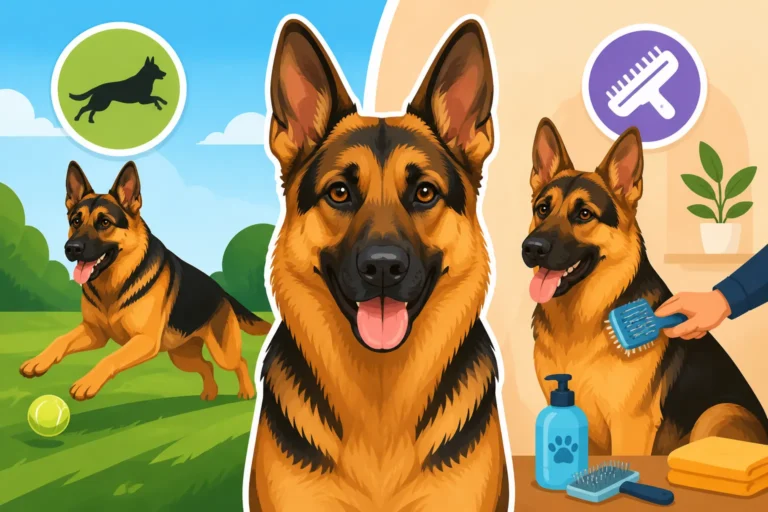
This is hands-down the most effective tool in your arsenal against German Shepherd shedding. Consistent and thorough brushing is crucial, especially during seasonal "blow outs" when they shed their entire undercoat. Don't just skim the surface; you need to get down into that dense undercoat.
Invest in high-quality grooming tools specifically designed for double coats. A good undercoat rake can gently pull out loose, dead undercoat without damaging the guard hairs. A deshedding tool like the FURminator can also be very effective when used correctly and sparingly. A slicker brush and a wide-toothed comb are also excellent for general coat maintenance and removing tangles. Aim for daily brushing during heavy shedding periods and at least 2-3 times a week otherwise. You'll find fantastic deshedding tools like the FURminator or undercoat rakes readily available on platforms like Chewy or Amazon, making it easy to keep your grooming kit stocked. For a comprehensive guide on tackling this, check out How to Deshed a German Shepherd.
Proper Bathing and Drying Techniques
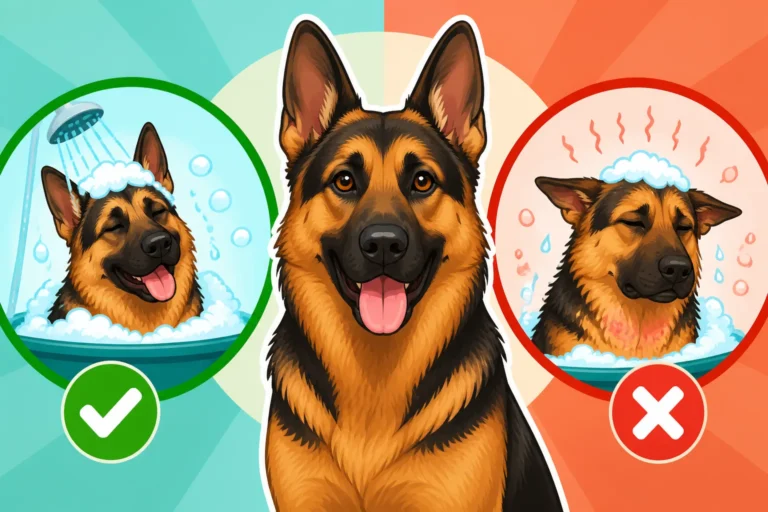
Regular bathing, when done correctly, can significantly aid in shedding management. A good bath helps to loosen dead hair and allows you to brush out even more of it. However, it's not just about getting them wet. Use a high-quality shampoo and conditioner designed for dogs.
During the bath, work the shampoo deep into the coat to help dislodge loose undercoat. After rinsing thoroughly, the drying process is key. A high-velocity dog dryer (like those used by professional groomers) can blast away an incredible amount of loose fur while also ensuring the coat is completely dry, preventing skin issues. If you don't have one, towel dry as much as possible, then use a regular hairdryer on a cool setting, brushing as you go. For more details on this, our How to Groom a German Shepherd article has some great tips.
Providing Shade and Hydration
While grooming tackles the shedding, keeping your German Shepherd cool in the heat involves more than just their coat. Environmental management is paramount. Always ensure your dog has access to plenty of fresh, cool water, especially when outdoors or after exercise.
Provide ample shade, whether it's under a tree, an awning, or a shaded patio. Consider cooling mats, elevated dog beds that allow air circulation, or even a kiddie pool filled with shallow water for them to splash in on hot days. Restrict strenuous exercise to the cooler parts of the day, such as early mornings or late evenings, to prevent overheating. These simple steps, combined with proper coat care, will do far more for their comfort than shaving ever could.
Professional Grooming for Deshedding
If the idea of wrestling with a shedding German Shepherd and a high-velocity dryer sounds daunting, consider enlisting the help of a professional groomer. A good groomer understands double coats and offers "deshedding" treatments that involve specialized shampoos, conditioners, and drying techniques, followed by intense brushing and raking, all without touching the clippers.
These treatments can be incredibly effective at removing massive amounts of undercoat, providing significant relief from shedding for several weeks. They have the tools and expertise to safely and thoroughly manage your German Shepherd's coat in a way that is beneficial for their skin and fur, rather than detrimental. Discussing your dog's needs with a professional can provide tailored advice for their specific coat type and shedding patterns.
Nutritional Support for Coat Health
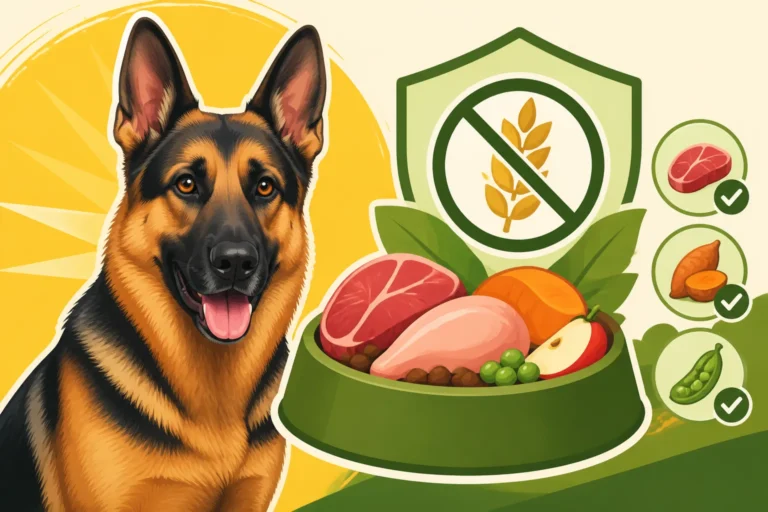
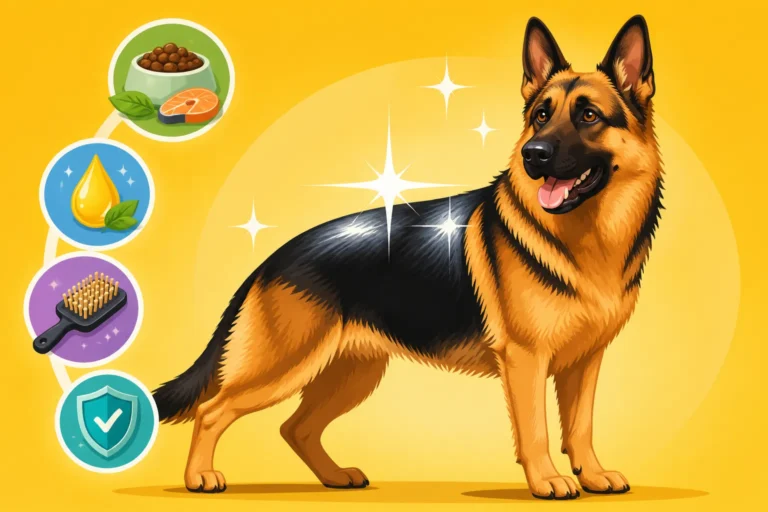
Believe it or not, your German Shepherd's diet plays a huge role in the health and integrity of their coat. A well-nourished dog will have a healthier coat that sheds naturally and less excessively than a dog on a poor-quality diet. Look for high-quality dog foods that list real meat as the first ingredient and are rich in omega-3 and omega-6 fatty acids.
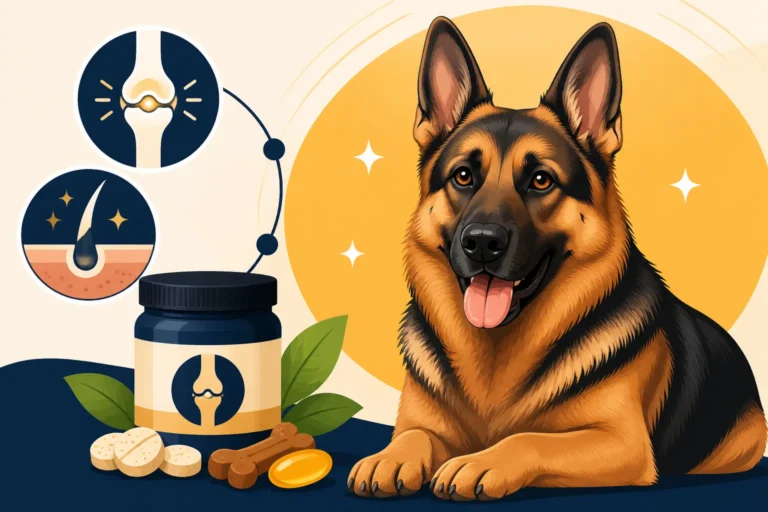
Ingredients like salmon oil, flaxseed, and fish can contribute to a shiny, healthy coat and strong skin. Some owners even add specific supplements like fish oil to their dog's diet, especially during shedding season. Opting for high-quality dog food, perhaps even fresh options like Ollie, can make a noticeable difference in their coat's luster and manageability. A healthy coat is a happy coat, and it's much easier to maintain through brushing and proper care. Our Best Dog Food for German Shepherds guide can help you choose the right options.
When Shaving Might Be Considered (Rare Exceptions)
While we’ve firmly established that shaving a German Shepherd is generally a bad idea, there are extremely rare circumstances where it might be necessary. These are not decisions to be taken lightly or without professional consultation.
Medical Necessity
The most common and valid reason to shave a German Shepherd is out of medical necessity. This could include preparing for surgery, where hair needs to be removed from the surgical site to ensure sterility and proper healing. Another scenario might be severe, widespread skin infections, deep wounds, or parasitic infestations that require the hair to be completely removed for effective treatment and topical application of medications.
In such cases, your veterinarian will make the recommendation because the health benefit of shaving outweighs the risks. The priority is your dog’s immediate health and recovery, and the coat regrowth can be managed later. However, these are specific, acute situations, not a general solution for shedding or summer heat. For more on skin health, you might find German Shepherd Coat and Skin Care helpful.
Veterinary Recommendation
It is absolutely crucial that any decision to shave your German Shepherd for medical reasons comes directly from your veterinarian. They are the only ones qualified to assess whether the benefits outweigh the risks in a specific situation. Never assume a medical necessity; always consult with your vet first.
They can explain why shaving is necessary, what potential risks might still exist, and how to care for your dog's skin during the regrowth period. Without a clear veterinary directive, shaving your German Shepherd should be avoided at all costs. For information on German Shepherd health in general, consider reading our German Shepherd Health Problems Guide.
Disclaimer
The information provided in this guide is for general informational purposes only and does not constitute professional veterinary advice. Always consult with a qualified veterinarian or professional groomer for any health concerns or before making any decisions about your German Shepherd's care or grooming regimen.