When Do German Shepherds Stop Growing
It’s a common moment for German Shepherd owners: you look at your adorable, gangly puppy one day, then blink, and suddenly they're a massive, energetic whirlwind. You can't help but wonder, "Are they still growing? When will this magnificent creature reach its final form?" This question often brings a mix of excitement for their adult presence and a touch of anxiety about whether you’re doing everything right for their immense development. Getting a clear picture of your German Shepherd's growth trajectory and understanding when they truly stop growing, both physically and mentally, is key to providing them with the best care.
Understanding German Shepherd Growth Stages
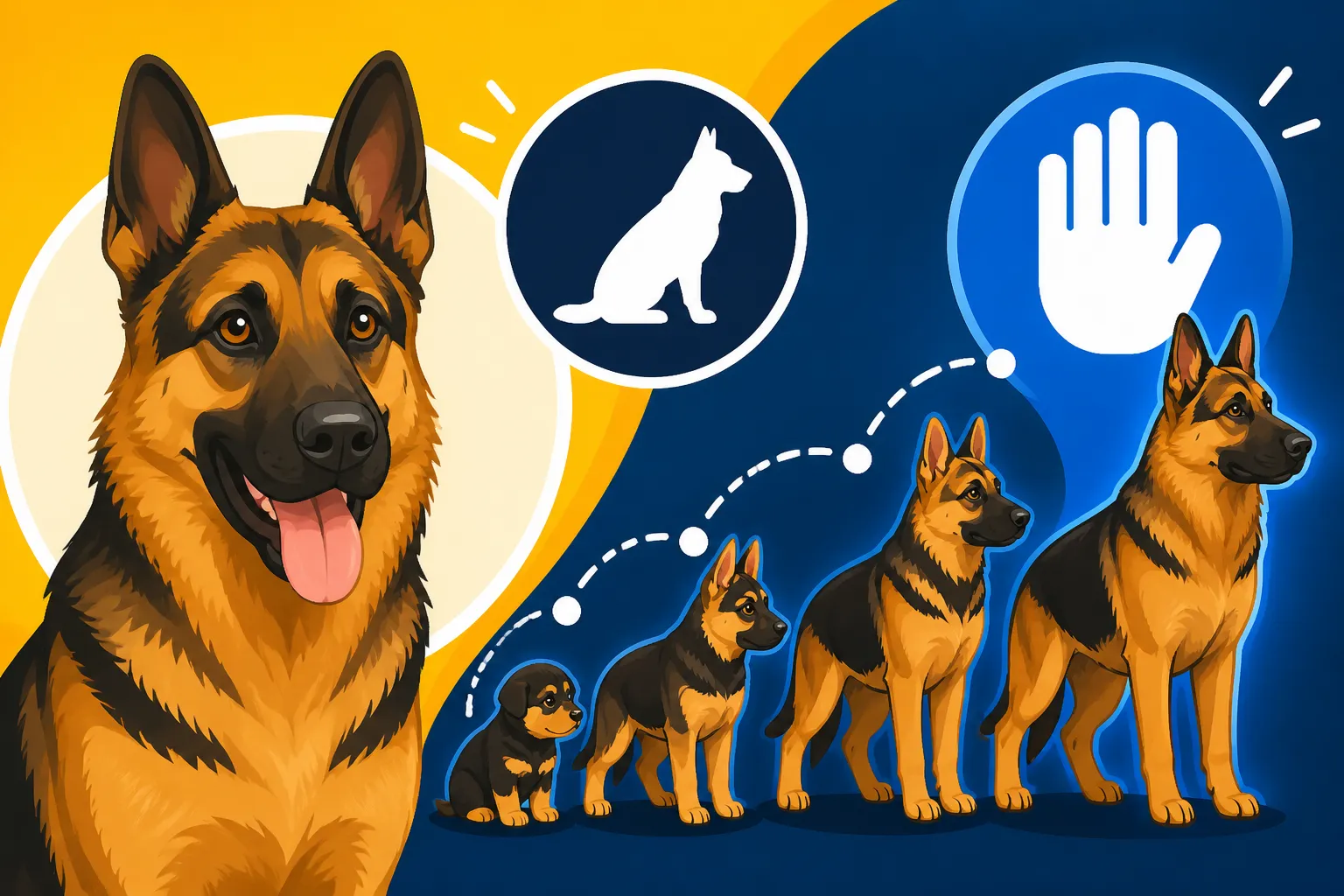
The journey from a tiny, fuzzy German Shepherd puppy to a majestic adult is nothing short of incredible, but it doesn't happen overnight. It's a complex process with distinct stages, each bringing its own set of challenges and marvels. As a new German Shepherd parent, you’re essentially watching a finely-tuned athlete develop before your very eyes, and understanding these phases is crucial for their long-term health and well-being.
Puppyhood: Rapid Development (0-6 Months)
This is perhaps the most astonishing period of growth. Your German Shepherd puppy will transform dramatically in these first few months. From a small, wobbly bundle, they'll quickly gain height, weight, and coordination. Their bones are growing at an incredible rate, and their little bodies are laying the foundation for the powerful physique they'll eventually possess. It's during this time that they're most susceptible to growth-related issues if not managed properly.
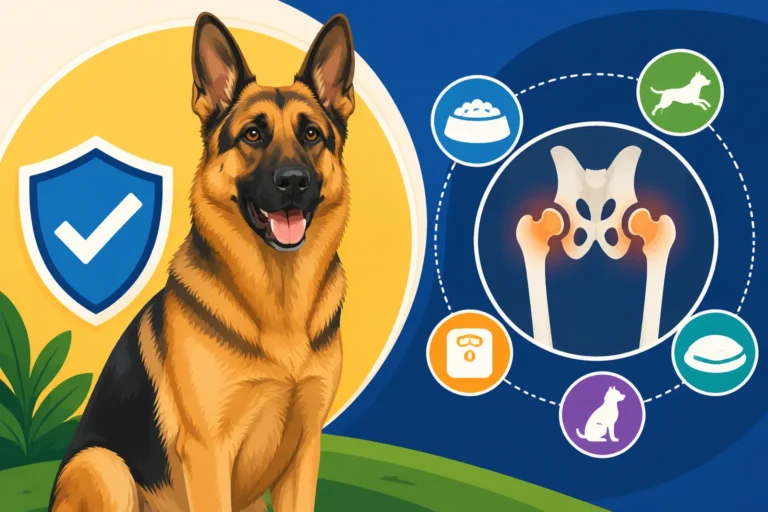
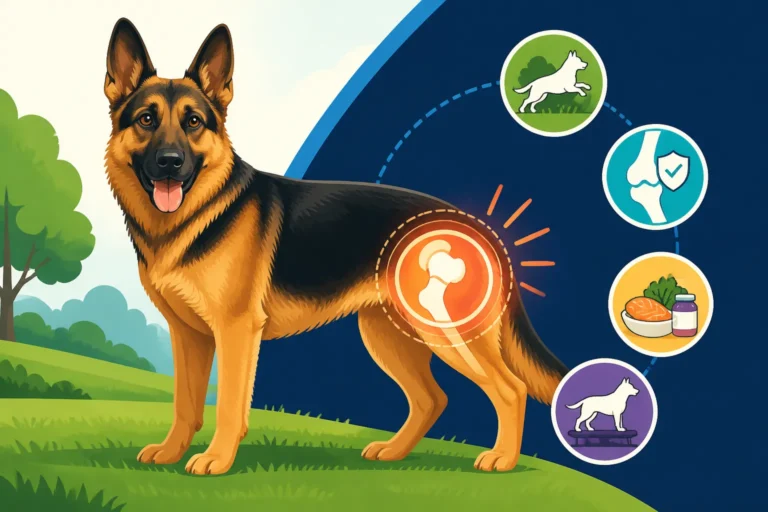
During these formative weeks, their growth plates—soft, cartilaginous areas at the end of long bones—are wide open and actively expanding. Any undue stress, such as excessive jumping or forced strenuous exercise, can cause irreversible damage to these delicate structures. This is why careful management of activity is so important. Think of it as building a house: you wouldn’t rush the foundation, and the same applies to your pup's skeletal development. Their diet also plays a critical role, as balanced nutrition supports this rapid development without promoting unhealthy, accelerated growth that can lead to problems like German Shepherd Hip Dysplasia Explained or elbow dysplasia down the line.
Adolescence: The Awkward Teen Phase (6-18 Months)
Just like human teenagers, adolescent German Shepherds can be a bit… well, awkward. Their bodies are still growing, but often unevenly. One day they might look leggy, the next they seem to have filled out a bit, only to return to a gangly appearance. This is the period when most German Shepherds reach their full height. While their bones are nearing the completion of their length growth, and many growth plates are starting to close, they are still developing significantly.
Mentally, this phase can be a rollercoaster. Your once-attentive puppy might suddenly seem deaf to commands, testing boundaries and exploring their independence. This is a crucial time for continued German Shepherd Puppy Training Guide and socialization, reinforcing good habits even as their hormones kick in. Physically, while they might appear tall, they are still very much filling out. You’ll notice their chest widening and their muscle mass increasing, even if their height has mostly plateaued. This filling-out process can continue for many more months, giving them that substantial, powerful build characteristic of the breed.
Adulthood: Reaching Full Maturity (18-36 Months)
For many large breeds, "adulthood" isn't a single switch that flips at one year old, and German Shepherds are no exception. While most will have reached their full height by 12-18 months, their bodies continue to mature and fill out significantly well into their second and even third year. This means gaining muscle, developing a deeper chest, and fully solidifying their powerful structure. Their weight might fluctuate slightly, but the overall lean, muscular physique typical of the breed becomes more defined during this period.
It’s also during these later stages that their mental maturity truly catches up with their physical growth. A young adult German Shepherd, while physically imposing, might still retain some puppyish exuberance. By two to three years of age, most will settle into a more consistent, confident, and reliable temperament. This is when their true German Shepherd personality—loyal, intelligent, and steady—shines through, making them the incredible companions we know and love. Understanding this extended timeline for full maturity helps set realistic expectations for behavior and physical prowess.
Key Factors Influencing German Shepherd Growth
While there's a general roadmap for German Shepherd growth, it's far from a one-size-fits-all journey. Several significant factors can influence how quickly, and how much, your beloved companion grows. Being aware of these elements allows you to better support their development and address any potential concerns with your veterinarian. It’s all about giving them the best possible start and continued care.
Genetics and Lineage
The most dominant factor in your German Shepherd’s ultimate size and development is, without a doubt, their genetic blueprint. Just like in humans, a dog’s parents and ancestral lines heavily dictate their potential for height, weight, and bone structure. If your puppy comes from a lineage of large, robust working dogs, chances are they will also grow to be substantial. Conversely, if their parents were on the smaller side of the breed standard, your pup might not reach the upper limits of German Shepherd size.
Different lines within the German Shepherd breed also have distinct growth patterns. For instance, some European working lines might mature a bit slower or have a slightly different build than certain American show lines. Reputable breeders are often very transparent about the typical size and growth trajectory of their puppies, as they know their lines intimately. This information is invaluable when trying to estimate your puppy's adult size and helps you understand what to expect. This is also why German Shepherd Genetic Health Testing is so important for breeders, as good genes contribute not only to size but also to overall health.
Nutrition and Diet
What you put in their food bowl directly impacts how your German Shepherd grows. Proper nutrition, especially during puppyhood and adolescence, is absolutely critical. German Shepherds, being a large breed, require a diet specifically formulated to support their rapid bone and muscle development without causing accelerated growth. Counterintuitively, foods that are too high in calories or calcium can actually be detrimental, leading to growth problems like osteochondrosis or contributing to the risk of hip and elbow dysplasia.
You’ll want to look for high-quality large breed puppy food that ensures a balanced calcium-to-phosphorus ratio and appropriate protein levels. Overfeeding, trying to make your puppy "bigger," can put undue stress on their developing joints and lead to excessive weight gain, which is a major risk factor for orthopedic issues later in life. Conversely, underfeeding can lead to stunted growth and nutritional deficiencies. Following a German Shepherd Feeding Guide and consulting with your vet on the best food choices, like those from trusted brands such as Royal Canin or Purina Pro Plan formulated for large breed puppies, can make all the difference. Remember, consistency is key in providing balanced meals appropriate for their age and activity level.
Exercise and Activity Levels
Exercise is a double-edged sword when it comes to growing German Shepherds. While adequate exercise is vital for muscle development, joint health, and overall well-being, too much or the wrong kind of exercise can be incredibly damaging, especially during their intense growth phases. During puppyhood (up to about 18 months), activities that involve high-impact jumps, repetitive running on hard surfaces, or forced, long-distance treks should be avoided. Their growth plates are still soft and vulnerable to injury, which can lead to lifelong orthopedic problems.
Instead, focus on appropriate, low-impact activities like short walks, supervised playtime in a securely fenced yard, and mental stimulation games. Letting a puppy self-regulate during play on soft surfaces is generally safer than structured, strenuous exercise. As they mature, typically after their growth plates have closed around 18-24 months, you can gradually increase the intensity and duration of their physical activity. Consult with your vet on How Much Exercise Is Too Much for a Puppy and what constitutes a healthy exercise regimen for your growing German Shepherd. Finding the right balance will ensure they develop strong muscles and healthy joints without putting unnecessary strain on their still-developing bodies.
Physical Milestones and When to Expect Them
Watching your German Shepherd grow is a fascinating experience, marked by several distinct physical milestones. Understanding these benchmarks can help you track their progress and know what to expect as they transition from a gangly pup to a magnificent adult. While individual dogs will vary, there are general timelines that most German Shepherds adhere to for various aspects of their physical development.
Height and Length Development
For most German Shepherds, the rapid increase in height and body length largely occurs during the first 12-18 months of their lives. You'll see them sprout up quite quickly in puppyhood, often seeming to grow inches overnight. By the time they reach their first birthday, many German Shepherds will be very close to their adult height. This is the period where their long bones are extending most dramatically, and their growth plates are actively working overtime.
However, it's important to remember that "close to full height" doesn't mean "fully developed." While their vertical growth may slow significantly or stop around 12-18 months, their skeletal system is still maturing. The growth plates, which are the last areas of bone to harden and close, typically do so between 14-24 months of age, depending on the individual dog and their sex. Early spaying or neutering can sometimes affect the timing of growth plate closure, leading to slightly taller dogs in some cases, a topic worth discussing with your vet when considering German Shepherd Spay and Neuter Timing.
Weight and Muscle Mass Development
While height often plateaus around 12-18 months, the development of weight and muscle mass is a longer process. After reaching their approximate adult height, German Shepherds spend their adolescent and early adult years "filling out." This means their chest will deepen and broaden, their musculature will become more defined and powerful, and their overall density will increase. A German Shepherd might reach their full height at 15 months but continue to gain significant weight and muscle well into their second and even third year, often peaking around 2.5 to 3 years old.
This extended period of filling out is crucial for developing the robust, athletic build that German Shepherds are known for. It's why an 18-month-old German Shepherd, while tall, might still look somewhat lean compared to a fully mature three-year-old dog. Proper nutrition, with an emphasis on quality protein, and appropriate exercise continue to be vital during this stage to support healthy muscle development and maintain an ideal body condition. Monitoring their weight through this phase helps prevent obesity, which can exacerbate conditions like German Shepherd Arthritis: Symptoms and Treatment.
Ear Set and Coat Development
Beyond skeletal growth, there are other physical markers that German Shepherd owners eagerly watch for, particularly the development of their ears and coat. German Shepherd puppies are typically born with floppy ears. Seeing those ears stand tall and proud is a classic milestone. This usually occurs between 8 weeks and 6 months of age, though for some, it can happen a bit later. During this period, the cartilage in their ears strengthens. Sometimes, they'll go through an "up-and-down" phase, where one ear stands, then flops, then both stand, and so on.
The German Shepherd's coat also undergoes a significant transformation. Puppy coats are often softer and fluffier. As they mature, their adult double coat—consisting of a dense undercoat and a coarser outer coat—develops, providing them with protection and their distinctive appearance. This adult coat is usually fully developed by 12-18 months, though shedding patterns, like the infamous "blow coat" season, become more pronounced as they mature. Both ear set and coat type are often inherited traits, so looking at the parents can give you a good indication of what to expect for your own pup's development.
The "When" Question: Different Aspects of Maturity
When we talk about a German Shepherd "stopping growing," it's not a simple, single answer. It’s a multifaceted process involving different types of maturity that occur at varying rates. A German Shepherd might look tall and imposing at one year old, but still have a lot of developing to do, both internally and externally. Understanding these different aspects of maturity helps us to appreciate the full, lengthy journey to adulthood for this incredible breed.
Skeletal Maturity vs. Physical Maturity
This distinction is perhaps the most important for German Shepherd owners to grasp. Skeletal maturity refers to the point when a dog's bones have finished growing in length and their growth plates have completely closed and ossified (turned into bone). For German Shepherds, this typically happens between 14 to 24 months, with smaller individuals sometimes finishing a bit earlier and larger ones taking a little longer. Once growth plates are closed, the risk of injury from impact or strenuous exercise to those specific areas significantly decreases.
However, skeletal maturity is not the same as full physical maturity. After their bones stop growing, German Shepherds continue to develop in other ways. They will build muscle mass, their chests will deepen, and their overall body structure will fill out, giving them the powerful, substantial appearance of an adult. This process of gaining muscle and body density can continue well into their second and even third year, often peaking around 2.5 to 3 years of age. So, while your German Shepherd may not get any taller after 18 months, they will certainly become more robust and imposing.
Mental and Emotional Maturity
The mental and emotional development of a German Shepherd often lags behind their physical growth. While they might appear like a full-grown dog at 18 months, their brains are still very much in the "adolescent" phase. This means they can be impulsive, easily distracted, and sometimes seem to forget all their training. This "teenager phase" can be frustrating for owners, but it's a normal part of their development. Patience, consistent training, and continued socialization are key during this period.
True mental and emotional maturity for a German Shepherd typically isn't reached until they are between 2 to 3 years old, and sometimes even a bit later for certain individuals. At this point, they become more settled, confident, reliable, and thoughtful in their actions. Their problem-solving skills improve, their impulse control strengthens, and they generally exhibit a more composed demeanor. It's during this time that their innate intelligence and loyal temperament truly shine, making them the exceptional companions and working dogs they are destined to be.
Sexual Maturity and Spay/Neuter Timing
Sexual maturity is another distinct milestone, and it usually occurs earlier than full physical or mental maturity. Female German Shepherds typically have their first heat cycle between 6 and 18 months of age, while males can become fertile around the same time, sometimes a bit younger. This is a purely biological marker of adulthood, indicating their ability to reproduce, but it doesn't mean they are fully grown or mentally mature.
The timing of spaying or neutering is a topic of much discussion, especially for large breeds like German Shepherds. Historically, many vets recommended spaying or neutering around 6 months. However, more recent research suggests that waiting until after growth plates have closed and the dog has reached full skeletal maturity (typically around 18-24 months, or even later for some) can have significant long-term health benefits, particularly in reducing the risk of orthopedic issues like hip and elbow dysplasia, as well as certain cancers. Discussing the pros and cons with your veterinarian, considering your individual dog's growth and health, is essential to make the best decision. This careful consideration plays into their overall German Shepherd Lifespan: How Long They Live.
Tracking Your German Shepherd's Growth
As a dedicated German Shepherd owner, you're naturally going to be keen on tracking your pup's progress. It’s not just for curiosity; understanding their growth trajectory can help you ensure they're developing healthily and allow you to spot any potential issues early on. While every dog is an individual, having some general guidelines and tools can be incredibly reassuring and helpful.
Growth Charts and Tools
While there's no single, universally perfect growth chart, they can offer a fantastic general reference point for how your German Shepherd puppy should be progressing. These charts usually provide average weight and height ranges for male and female German Shepherds at different ages, from birth up to full maturity. Keep in mind that these are averages, and your dog might be slightly above or below without cause for concern.
A practical way to track your own dog's growth is to keep a simple record. Weigh your puppy regularly (weekly for the first few months, then monthly) and measure their height (from the ground to the top of their shoulder blade, called the withers). Note down these measurements in a journal or a simple spreadsheet. This personal record will give you a clear picture of your dog's specific growth curve, which is ultimately more valuable than generic charts. This information is also very helpful for your vet during routine check-ups.
Here's a general guide for German Shepherd growth, but remember, individual variation is significant:
| Age (Months) | Male GSD Average Weight (lbs) | Female GSD Average Weight (lbs) | Male GSD Average Height (inches) | Female GSD Average Height (inches) |
|---|---|---|---|---|
| 2 | 20-30 | 18-28 | 14-17 | 13-16 |
| 3 | 30-40 | 28-38 | 17-20 | 16-19 |
| 4 | 40-55 | 38-50 | 20-22 | 19-21 |
| 5 | 55-65 | 50-60 | 22-24 | 21-23 |
| 6 | 65-75 | 60-70 | 23-25 | 22-24 |
| 9 | 75-85 | 65-75 | 24-26 | 23-25 |
| 12 | 80-95 | 70-85 | 24-26 | 23-25 |
| 18 | 85-100 | 75-90 | 24-26 | 23-25 |
| 24 | 85-100+ | 75-90+ | 24-26 | 23-25 |
Remember, these are guidelines for average-sized German Shepherds. Some lines can be larger or smaller, and factors like nutrition and genetics play a huge role.
When to Consult Your Vet
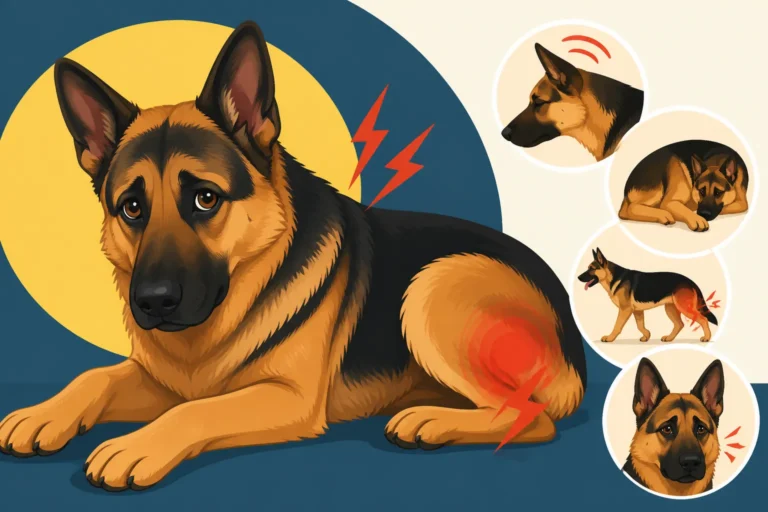
While some variation in growth is normal, there are certainly times when a vet visit is warranted. If your German Shepherd puppy seems significantly smaller than their peers, is gaining weight too rapidly, or has any limping, stiffness, or reluctance to move, it's always best to consult your veterinarian. These could be early signs of growth-related issues, nutritional imbalances, or even conditions like First Signs of Hip Dysplasia in German Shepherds or elbow dysplasia.
Regular veterinary check-ups are paramount throughout your German Shepherd's growth, not just when you have concerns. These visits allow your vet to monitor their overall health, assess their growth curve, check their joints, and provide tailored advice on diet and exercise. They can ensure your pup is developing within healthy parameters and catch any potential problems early, which often leads to better outcomes. Having a good pet insurance plan, like one from Healthy Paws, can provide immense peace of mind, knowing that if unexpected health issues or expensive diagnostics arise during these critical growth periods, you'll be financially prepared to give your dog the best care. It's a smart investment in their long-term health.
Nurturing Healthy Growth and Lifelong Wellness
Beyond just tracking numbers on a chart, fostering healthy growth in your German Shepherd is about providing a holistic environment that supports their physical and mental development. It's a commitment that lasts well beyond their puppy years and forms the foundation for a long, healthy, and happy life.
The Role of Quality Diet in Extended Growth
As we've discussed, a German Shepherd's physical maturity extends beyond their first birthday, often into their second or even third year as they fill out and build muscle. This means their nutritional needs evolve. Transitioning from a large breed puppy food to a large breed adult formula at the appropriate time (usually around 12-18 months, depending on the specific food and your vet's recommendation) is important. These adult formulas are designed to support mature bones and joints and maintain a healthy weight without promoting excessive growth or calories.
Look for foods that list quality animal protein sources as the first ingredient and contain essential fatty acids like Omega-3s, which are beneficial for joint health and a shiny coat. Avoiding excessive supplementation, especially with calcium, unless specifically advised by your vet, is crucial, as it can disrupt the delicate mineral balance needed for bone health. Remember that even as an adult, German Shepherds benefit from a consistent, high-quality diet that supports their energy levels and maintains their ideal body condition. This foundation is key to avoiding many German Shepherd Health Problems Guide.
Appropriate Exercise and Joint Protection
Even after your German Shepherd's growth plates have closed, protecting their joints remains a lifelong endeavor. As they transition from adolescence to adulthood, you can gradually increase the intensity and duration of their exercise. Activities like hiking, swimming, and even agility training (once fully mature) are excellent ways to build muscle and maintain fitness. However, moderation is always wise. Over-exercising an adult German Shepherd can still lead to wear and tear on joints over time.
Consider incorporating joint-supporting supplements into their diet, especially as they get older or if they're particularly active. Ingredients like glucosamine, chondroitin, and MSM can help maintain cartilage health and reduce inflammation. Regular, moderate exercise, coupled with a healthy diet and proper weight management, is the best defense against conditions like osteoarthritis. Remember, a German Shepherd in good physical condition is less likely to experience severe joint issues, and proactive care is always better than reactive treatment. You can find more specific advice in our guide to German Shepherd Joint Health Supplements.
Mental Enrichment for a Mature Mind
While a German Shepherd's body might stop growing, their mind is always hungry for stimulation. Once they reach mental maturity around 2-3 years of age, their capacity for learning and problem-solving is at its peak. This is the time to really lean into advanced training, canine sports, or simply providing engaging daily activities. A bored German Shepherd can quickly become a destructive or anxious German Shepherd, regardless of age.
Continue with regular training sessions, even if it's just practicing basic obedience in new environments. Introduce puzzle toys, scent work, or enroll in advanced obedience or protection sports like IGP/Schutzhund if that's an interest for you both. German Shepherds thrive on having a "job" and a purpose. This mental engagement not only keeps them happy and balanced but also strengthens the incredible bond you share. A well-exercised and mentally stimulated German Shepherd is a truly content and well-behaved companion for life.
Disclaimer
Please note that the information provided in this article is for educational and informational purposes only and does not constitute veterinary advice. Every German Shepherd is an individual, and their growth and health needs can vary. Always consult with a qualified veterinarian for any health concerns or before making any decisions related to your pet's diet, exercise, medical care, or treatment plan.