German Shepherd Ear Types and Development
One of the most distinctive and often worried-over features of a German Shepherd is their magnificent, erect ears. It's totally understandable to feel a mix of excitement and anxiety as your puppy grows, constantly checking if those floppy ears are starting to perk up. Many new German Shepherd owners fret over ear development, wondering if their pup's ears will ever stand tall or if something is wrong. This comprehensive guide is here to walk you through everything you need to know about German Shepherd ear types and their fascinating developmental journey, putting your mind at ease and equipping you with the knowledge to support your pup.
The Marvelous Mechanics of German Shepherd Ears
It’s easy to just see those beautiful, erect ears and not think much about the intricate design behind them. But truly understanding the basic anatomy of your German Shepherd’s ears can help you appreciate why they look the way they do and why their development can sometimes be a bit of an adventure. It’s not just about aesthetics; their ears are crucial for their hearing and communication.
Anatomy of the Ear Flap
The part of the ear we see, often called the pinna or auricle, is a complex structure made primarily of cartilage. Think of it like a rigid, yet flexible, antenna. This cartilage provides the framework that gives the German Shepherd’s ear its characteristic shape. As puppies, this cartilage is still soft and developing, which is why their ears start out floppy. Over time, as calcium deposits increase and the cartilage hardens, those ears gain the strength needed to stand upright. Each ear moves independently, a testament to the powerful muscles surrounding them, allowing your dog to pinpoint sounds with incredible accuracy.
Muscles and Cartilage Supporting Ear Structure
Beneath the skin of those elegant ears lies a network of muscles – some tiny, some more substantial – that control their movement. These muscles are vital for everything from swiveling to catch a distant sound, to flattening them back in submission, or perking them forward in alert attention. The strength and proper development of this muscle and cartilage structure are fundamental to the classic German Shepherd ear. Weakness in these areas, or issues with the cartilage itself, can lead to ears that never fully stand or that stand unevenly. It’s a delicate balance, and genetics play a huge role in predispositions, but nutrition and overall health also contribute significantly to this intricate developmental process.
The Journey to Erect Ears: German Shepherd Puppy Ear Development
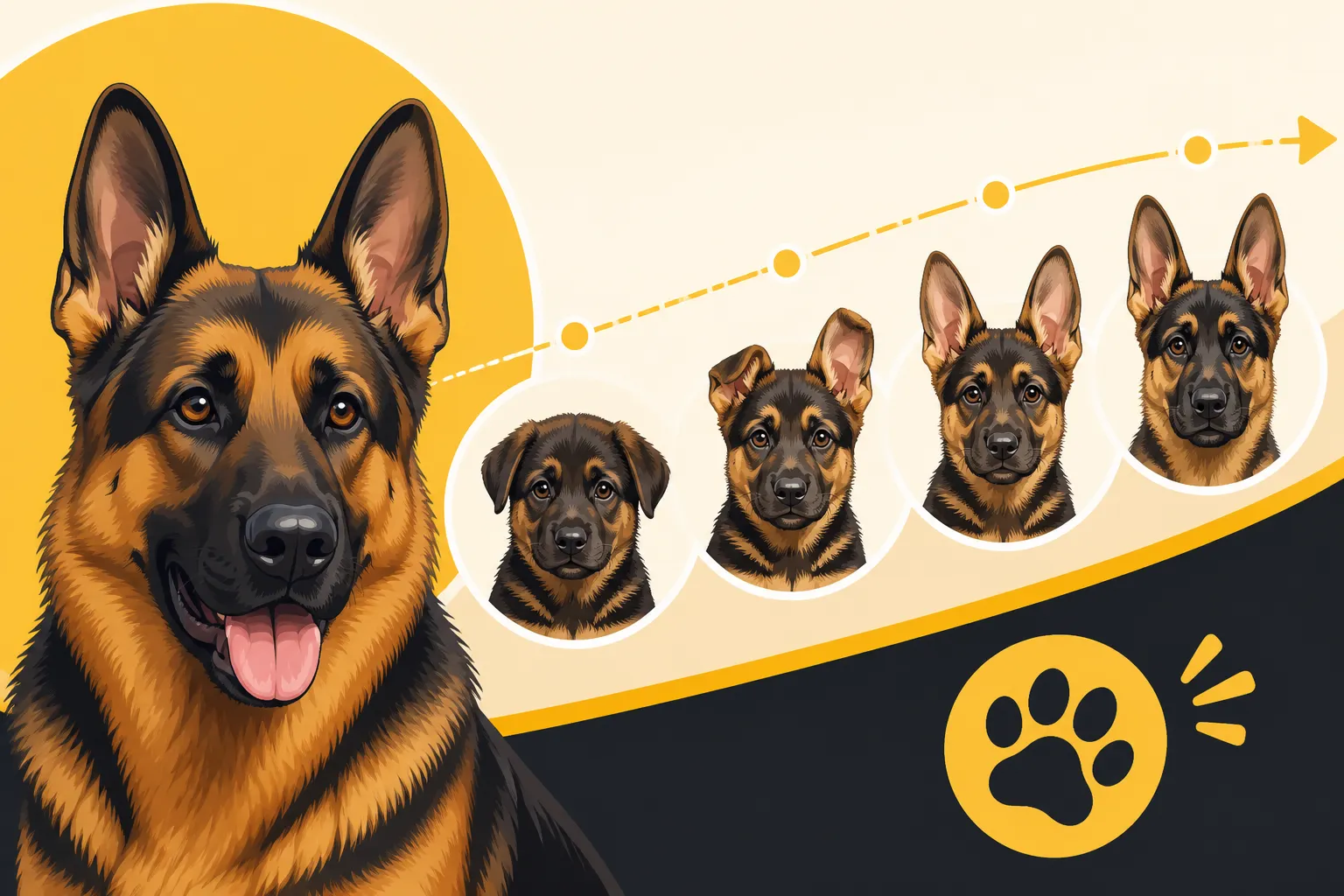
The ear-pricking process in German Shepherd puppies is one of the most exciting, and sometimes nerve-wracking, phases for new owners. It’s rarely a straightforward “up one day, down the next” kind of thing. Instead, it’s a dynamic, often amusing, dance of floppy, half-up, and fully erect ears.
Typical Timeline for Ear Standing
Generally, German Shepherd puppies begin to show signs of their ears standing between 8 weeks and 6 months of age. Some pups are early bloomers, with ears starting to perk up around 8-10 weeks, while others might take their sweet time, not fully standing until 5 or 6 months old. It’s not uncommon for one ear to stand up first, then the other, or for both to go up and then flop back down again a few times – a process often affectionately referred to as “teething ears.” This “now you see them, now you don’t” phenomenon is perfectly normal and is usually linked to the calcium metabolism and energy expenditure happening during intense growth phases, particularly when those adult teeth are coming in. Don’t panic if your pup’s ears are still doing the floppy dance at 4 months; consistency and patience are key. You can learn more about this by checking out our guide on When Do German Shepherd Ears Stand Up.
Factors Influencing Ear Prick
Several factors can influence when and if a German Shepherd’s ears will stand. Genetics, of course, are paramount. If both parents have strong, well-set ears, your puppy has a better chance of inheriting that trait. Beyond genetics, nutrition plays a critical role. A puppy needs a high-quality diet rich in calcium, phosphorus, and other essential nutrients to support healthy bone and cartilage development. Feeding your German Shepherd puppy a balanced diet is crucial. Make sure you’re following a proper German Shepherd Puppy Feeding Schedule to support their rapid growth, including ear development.
Environmental factors can also play a part. Excessive handling or rough play with a puppy’s ears can inadvertently damage the delicate cartilage or muscles, delaying or preventing them from standing. Similarly, keeping a puppy in a confined space where they can’t exercise or get enough sunlight (for Vitamin D production) might indirectly affect overall development. Stress, illness, or even significant changes in routine can temporarily set back ear development, as the body prioritizes more critical functions.
Common Ear Types and What They Mean for Your German Shepherd
While the iconic image of a German Shepherd features those alert, erect ears, there’s actually a spectrum of ear types you might encounter, both during development and in adulthood. Understanding these variations can help you distinguish between normal developmental phases and potential concerns.
Naturally Erect Ears
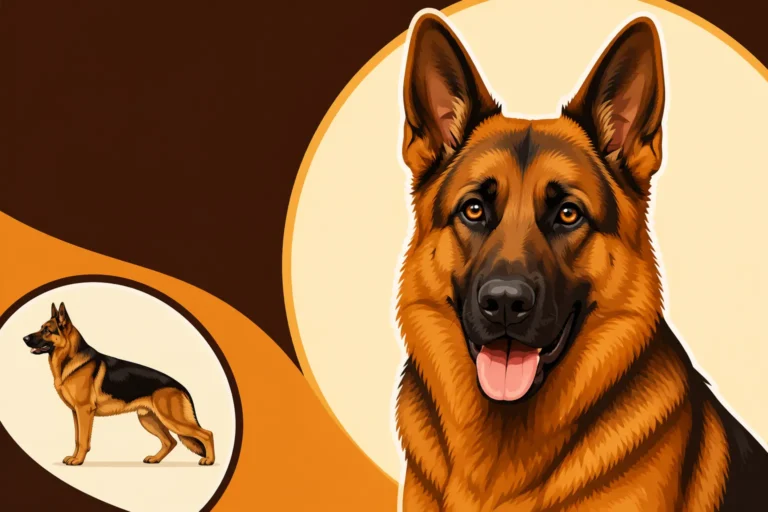
This is the gold standard for the German Shepherd breed and what most owners hope for. Naturally erect ears stand tall, are well-proportioned to the head, and typically point slightly forward. They should be firm at the base and have a confident, alert appearance. When you gently touch them, they feel sturdy, not flimsy. These ears allow the dog to swivel them independently to pick up sounds from different directions, a crucial trait for a breed historically used for herding and protection. The cartilage is strong, the muscles are well-developed, and everything just comes together perfectly. This ideal ear type is often a strong indicator of a well-bred dog with good genetics.
Floppy Ears and Other Developmental Variations
Not all German Shepherds end up with perfectly erect ears, and sometimes this can be a cause for concern for owners, especially those new to the breed. “Floppy ears,” where one or both ears simply never stand, can occur for various reasons. Sometimes it’s a genetic predisposition, indicating weaker cartilage. Other times, it might be due to a prolonged illness during puppyhood, nutritional deficiencies, or even trauma to the ear. There are also “rose ears” (where the ears fold back, similar to a Greyhound), “button ears” (where the tip folds forward, like a Terrier), or “fly-away” ears (where the ears are erect but splay outwards excessively).
It's important to differentiate between temporary floppiness during the teething phase and permanent floppy ears. If your puppy's ears are still very floppy past 7-8 months, it's less likely they will stand naturally without intervention, if that's even desired. While the American Kennel Club (AKC) breed standard calls for erect ears, a German Shepherd with floppy ears can still be a perfectly healthy, happy, and loving companion. It's purely an aesthetic difference that doesn't affect their ability to hear or their wonderful temperament. If you're concerned about why your pup's ears aren't standing, our article on Why Won't My German Shepherd's Ears Stand Up might offer some additional insights.
Factors Influencing Ear Development
The journey to those iconic erect ears isn’t just about waiting. Several key factors can significantly influence whether your German Shepherd puppy’s ears will stand tall and strong. Understanding these can help you support your pup through this critical developmental phase.
Genetics and Breeding
This is, without a doubt, the single most important factor. The genetic makeup inherited from a puppy’s parents dictates the inherent strength and structure of the ear cartilage. Reputable breeders prioritize strong ear sets in their breeding lines, meaning they select parent dogs known for their excellent ear conformation. If a puppy comes from parents with weak ears, or if there’s a history of floppy ears further back in the pedigree, the puppy has a higher likelihood of experiencing developmental challenges. This is why choosing a reputable breeder is so important – they can provide insights into the ear history of their lines. Responsible breeders often conduct German Shepherd Genetic Health Testing which also gives you a picture of the overall health of the lineage.
Nutrition and Supplementation
During the intense growth phase of puppyhood, nutrition is absolutely paramount. The cartilage in a German Shepherd’s ears needs a steady supply of calcium, phosphorus, protein, and other vitamins and minerals to harden and strengthen. A diet lacking in these essential components can result in weak cartilage that struggles to stand. This isn’t just about quantity; it’s about quality and balance. Feeding a high-quality, large-breed puppy formula is essential. Brands like Purina Pro Plan or Royal Canin German Shepherd Puppy formulas are specifically designed to meet the unique nutritional needs of growing German Shepherds. These are often readily available on platforms like Chewy, offering a convenient way to ensure your pup gets the best start. You can learn more about optimal feeding in our How Much to Feed a German Shepherd Puppy guide.
While proper nutrition is key, some owners consider supplementation to aid ear development. Calcium supplements, for example, are sometimes used, but extreme caution is advised. Over-supplementation of calcium can be dangerous, leading to skeletal problems. Always consult your veterinarian before adding any supplements to your puppy's diet. They can assess your pup's individual needs and recommend appropriate, safe options, if any are needed. Generally, a balanced premium puppy food should provide everything necessary.
Teething and Immune System Stress
The period when a German Shepherd puppy is teething, typically between 3 and 5 months of age, is a particularly common time for ears to “flop” or become inconsistent. This isn’t a sign of failure but a normal physiological response. During teething, the puppy’s body diverts significant calcium and energy resources to growing strong adult teeth. This temporary redirection can mean there’s less calcium available for the developing ear cartilage, causing them to soften and droop. Once teething is complete, and if the underlying genetics and nutrition are sound, the ears usually perk back up with renewed vigor.
Additionally, any stress on the immune system, such as a bout of illness, vaccinations, or even moving to a new home, can impact ear development. A sick puppy's body will prioritize fighting off infection or recovering, again diverting resources away from "non-essential" processes like ear cartilage hardening. Maintaining a low-stress environment and ensuring your puppy is as healthy as possible can help support robust ear development. If you notice other health concerns, consult your vet immediately, as comprehensive insights into various issues can be found in our German Shepherd Health Problems Guide.
When to Worry: Troubleshooting Ear Development Issues
It’s natural to feel a bit anxious if your German Shepherd puppy’s ears aren’t standing perfectly upright, especially when you see other pups with proudly pricked ears. However, most fluctuations during development are completely normal. Knowing when to simply be patient and when to genuinely seek advice is crucial.
Identifying Delayed or Uneven Ear Standing
As we’ve discussed, ears can go up and down like a yo-yo during the teething phase. One might stand while the other stubbornly flops, or both might take turns. This is common. A true delay might be considered if your pup is past 6-7 months old and the ears are still completely floppy without any signs of strengthening at the base. Uneven standing, where one ear consistently stands while the other doesn’t, or both stand but at different angles, is also something owners notice.
Before you jump to conclusions, consider the overall health and energy levels of your pup. Is he active, eating well, and playful? If so, often patience is the best approach. Sometimes, larger-eared pups simply take longer to develop the necessary cartilage strength. However, if the ears are weak, hot, painful to the touch, or accompanied by head shaking or scratching, these are signs of a potential underlying issue, not just a developmental delay.
When to Consult a Veterinarian
While patience is a virtue, there are definite times when a vet visit is warranted. If your puppy is past 7-8 months and their ears show no sign of standing, or if they were standing and then suddenly drooped permanently *outside* of the teething window, it’s worth a check-up. More immediately, if you notice any signs of pain, swelling, discharge, a foul odor, or excessive head shaking, get to the vet right away. These could indicate an ear infection, mites, or an injury that needs immediate attention. Our guide on German Shepherd Ear Infections: Prevention delves deeper into spotting and preventing these issues.
Sometimes, a vet might suggest X-rays to check the bone structure or recommend specific dietary adjustments if a nutritional deficiency is suspected. They might also discuss "ear taping" as an option. Ear taping is a non-surgical method where a vet or experienced breeder carefully tapes the ears into an erect position for a period, typically a few weeks, to support the cartilage as it strengthens. This isn't a guaranteed fix and needs to be done correctly to avoid further damage or discomfort. It’s also generally only effective if there’s some underlying strength in the cartilage that just needs a bit of a boost to fully develop. This is not something to attempt on your own without professional guidance. The goal is always the well-being and health of your German Shepherd, and sometimes professional intervention can make all the difference. Remember, regular German Shepherd Vet Costs Per Year should always be factored into your budget, as preventative care and addressing concerns early can save a lot of heartache (and money) down the line.
Supporting Healthy Ear Development
While genetics play a starring role, you, as a dedicated German Shepherd owner, have a significant part to play in supporting your puppy’s ear development and overall ear health. A proactive approach to care and nutrition can make a real difference.
Proper Nutrition and Diet
We can’t stress this enough: a high-quality, well-balanced diet is the cornerstone of healthy growth, including ear cartilage development. Focus on large-breed puppy foods that provide the right balance of protein, fats, vitamins, and minerals. Avoid generic, low-quality foods. Brands like Royal Canin German Shepherd Puppy Formula, Purina Pro Plan Large Breed Puppy, or even high-quality grain-inclusive options from companies like Blue Buffalo are often recommended by veterinarians. These foods are formulated to provide optimal calcium and phosphorus ratios crucial for bone and cartilage development. You can find many of these specialized diets easily on sites like Chewy.
Resist the urge to over-supplement with calcium or other minerals without vet guidance. Too much of a good thing can be detrimental, leading to growth abnormalities. Instead, ensure a consistent feeding schedule and provide fresh, clean water at all times. If you’re ever unsure about your puppy’s nutritional needs, refer to resources like our German Shepherd Nutrition Essentials for a deeper dive or consult with your vet.
Protecting Developing Ears
A German Shepherd puppy’s ears are delicate during their developmental phase. Rough play, particularly ear tugging or wrestling that puts strain on the ears, should be avoided. Teach children and other pets to interact gently with your puppy, especially around the head and ears. This isn’t just about preventing physical damage; constant irritation or discomfort can also indirectly impact development by stressing the puppy.
While it might seem counterintuitive, some experts also advise against excessive petting or massaging of the ears during the crucial standing phase, as this can sometimes interfere with the cartilage's ability to stiffen. Once the ears are fully erect and strong, regular gentle cleaning is important for hygiene, but during the developmental stages, a "hands-off" approach is often best unless there's a specific need for cleaning or inspection.
Exercise and Mental Stimulation
Beyond nutrition and protection, general well-being contributes to healthy development. Adequate, but not excessive, exercise is crucial for building strong muscles and bones throughout the body, which indirectly supports ear development. A well-exercised puppy is also generally a happier, less stressed puppy. However, remember that growing puppies have delicate growth plates, so avoid high-impact activities like excessive jumping or long-distance running. Our guide on German Shepherd Growth Plates and Exercise offers more details on appropriate activity levels for growing pups.
Mental stimulation is equally important. A bored or anxious puppy might engage in destructive behaviors or experience chronic stress, which can divert energy from healthy growth. Provide plenty of puzzle toys, training sessions, and opportunities for supervised exploration. Integrating German Shepherd Puppy Training Guide activities can also help channel their energy positively. A healthy, happy puppy with a strong immune system and robust overall development is more likely to have those magnificent ears stand tall.
Caring for Your German Shepherd’s Ears Once They’re Up
Even after your German Shepherd’s ears have proudly stood to attention, the care doesn’t stop there. Maintaining good ear hygiene is essential throughout their lives to prevent common issues and ensure they stay healthy and comfortable.
Routine Cleaning and Inspection
Once your German Shepherd’s ears are fully developed, establishing a routine for cleaning and inspection is vital. Aim to check their ears at least once a week. Look for any redness, swelling, unusual discharge, or a foul odor. Healthy German Shepherd ears should be clean, pale pink inside, and free of excess wax or debris. If you notice a small amount of light brown wax, that’s usually normal. However, dark brown or black discharge, a yeasty smell, or any signs of discomfort (like head shaking, scratching, or rubbing their ears on furniture) warrant a closer look.
To clean, use a veterinarian-approved ear cleaning solution and a cotton ball or gauze. Never use cotton swabs inside the ear canal, as this can push debris further in and potentially damage the eardrum. Simply wipe the accessible outer parts of the ear and the entrance to the ear canal. For solutions, many quality brands are available, and you can often find them on Chewy, making it easy to stock up on essentials. Regular cleaning helps remove dirt, excess wax, and moisture that can create a breeding ground for bacteria and yeast, thus helping to prevent painful infections.
Preventing Ear Infections
German Shepherds, like many breeds with upright ears, can still be susceptible to ear infections, especially if moisture gets trapped after swimming or bathing. While their erect ears generally offer better ventilation than floppy ears, it’s not a guarantee against all issues. After baths or swims, make sure to thoroughly dry the inside of their ears using a soft towel or a cotton ball.
It's also important to keep up with regular flea and tick prevention, as parasites can sometimes trigger ear problems. Be mindful of allergens in their environment or diet, as allergies can manifest as itchy, irritated ears, which can then lead to secondary infections. If your German Shepherd starts to develop a habit of shaking their head or scratching their ears frequently, it's usually a sign that something is amiss and it's time for a vet check-up. Addressing issues promptly can prevent them from becoming chronic or more severe, helping your beloved companion stay comfortable and healthy.
Disclaimer
The information provided in this article is for general informational purposes only and is not a substitute for professional veterinary advice. Always consult with a qualified veterinarian for any health concerns or before making any decisions related to your German Shepherd’s health and care.